Do I need to brown the meatloaf first?
Nope. You can go straight into the slow cooker. If you want extra flavor and firmer edges, you can broil the cooked loaf for a few minutes at the end.
How do I keep crock-pot meatloaf from getting watery?
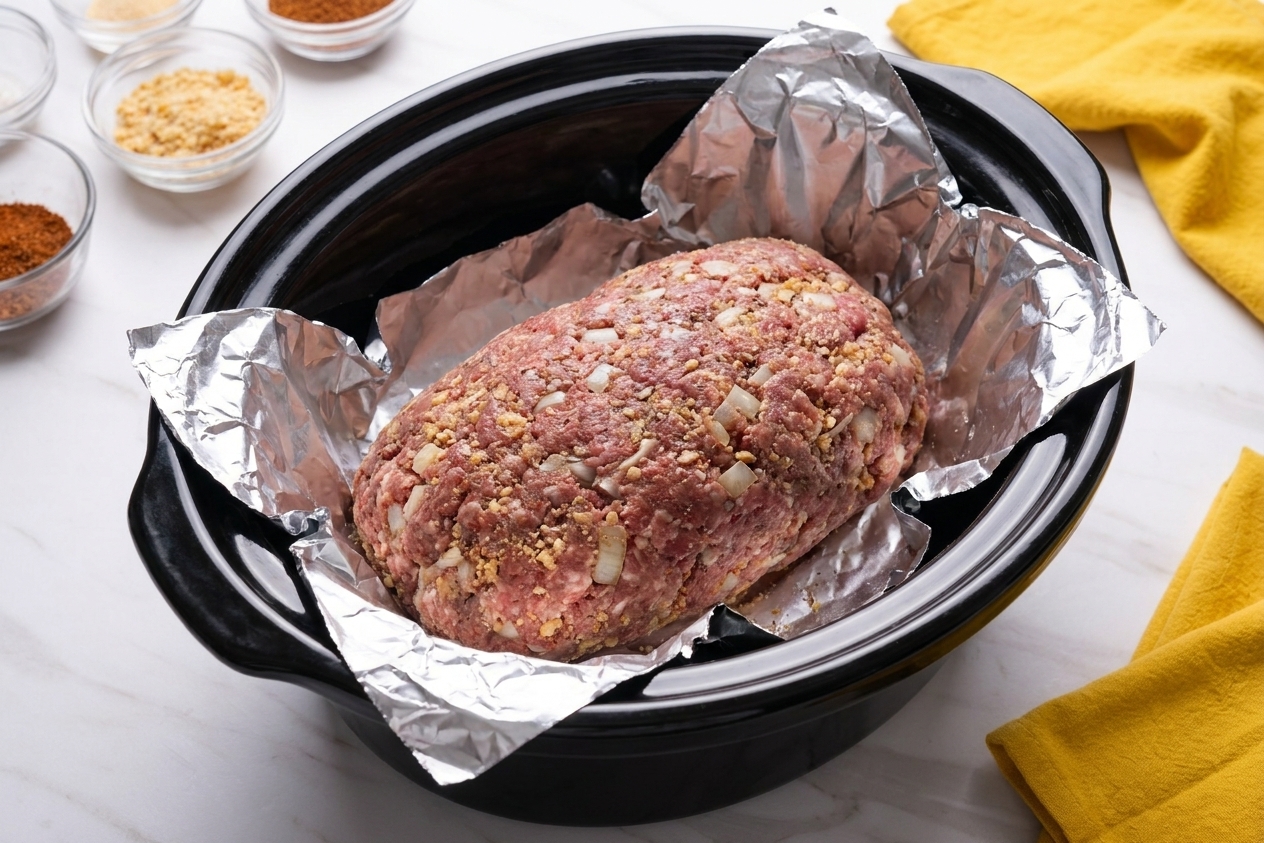
In a slow cooker, the extra liquid is mostly from condensation and rendered juices, not just the fat level. A few moves help a lot: shape the loaf so it sits slightly raised with space around it (airflow matters), and use a foil sling that does not cup up and trap juices. I also like using 80/20 ground beef for better moisture and flavor. If you still see a lot of liquid, carefully pour it off (or save it) before lifting the loaf out, then let the meatloaf rest 10 minutes before slicing.
Can I use the juices for gravy?
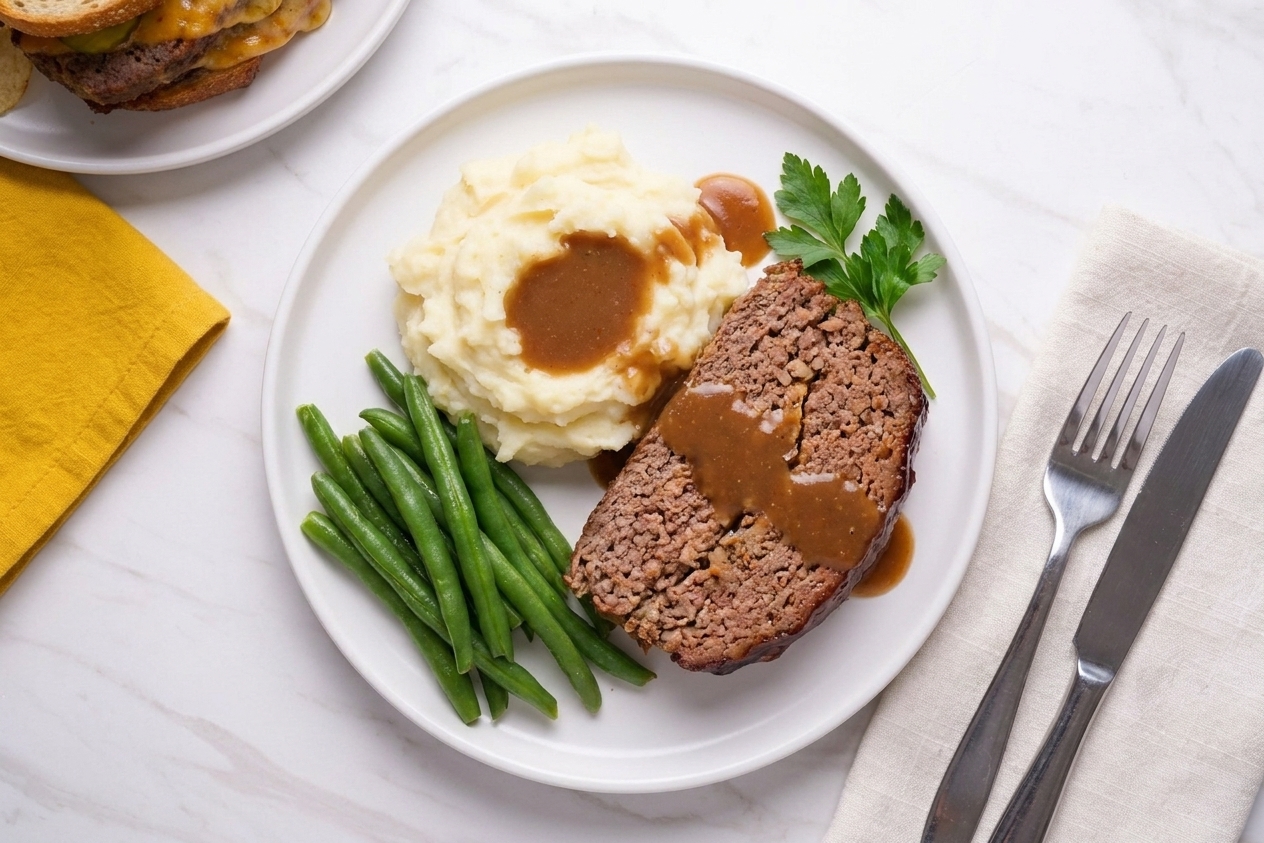
Yes, and it is honestly a great idea. Pour the cooker liquid into a fat separator or skim the top, then simmer it in a saucepan with a cornstarch slurry (1 tablespoon cornstarch mixed with 1 tablespoon cold water) until glossy and spoonable. Season to taste.
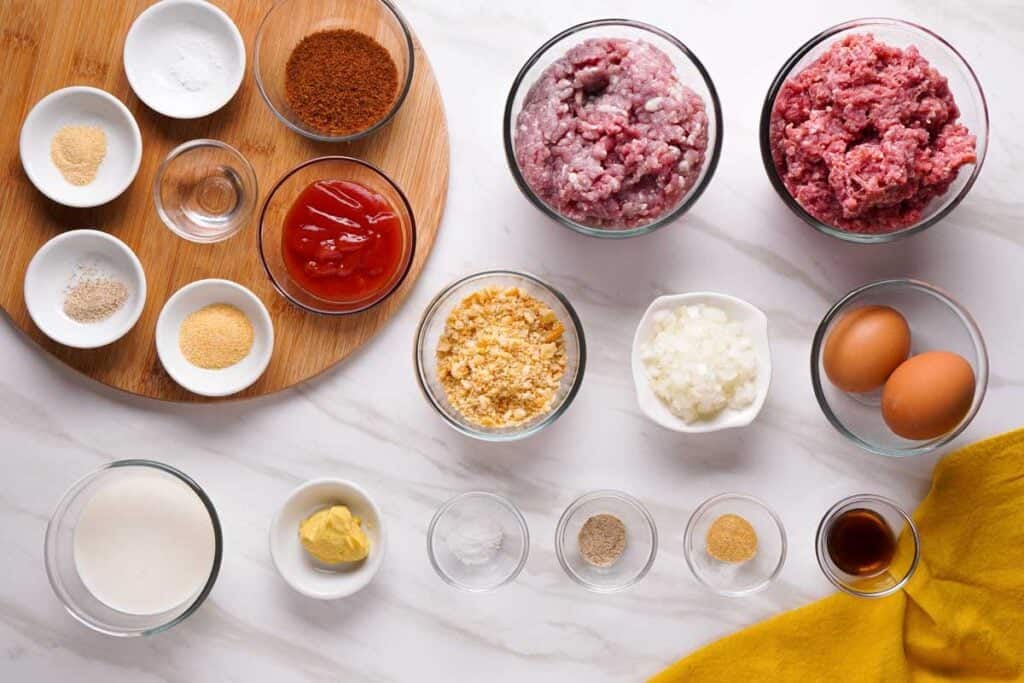
Can I use ground turkey instead of beef?
Yes. Use 93/7 turkey and add 1 tablespoon olive oil to the mixture for moisture. Turkey is lean, so do not skip the rest time before slicing.
Do I cook it on LOW or HIGH?
LOW is best for texture and moisture. Use HIGH if you are in a hurry, but the loaf can cook a little more aggressively around the edges.
What internal temperature should meatloaf be?
Cook to 160°F in the center for beef. (For poultry versions, cook to 165°F.)
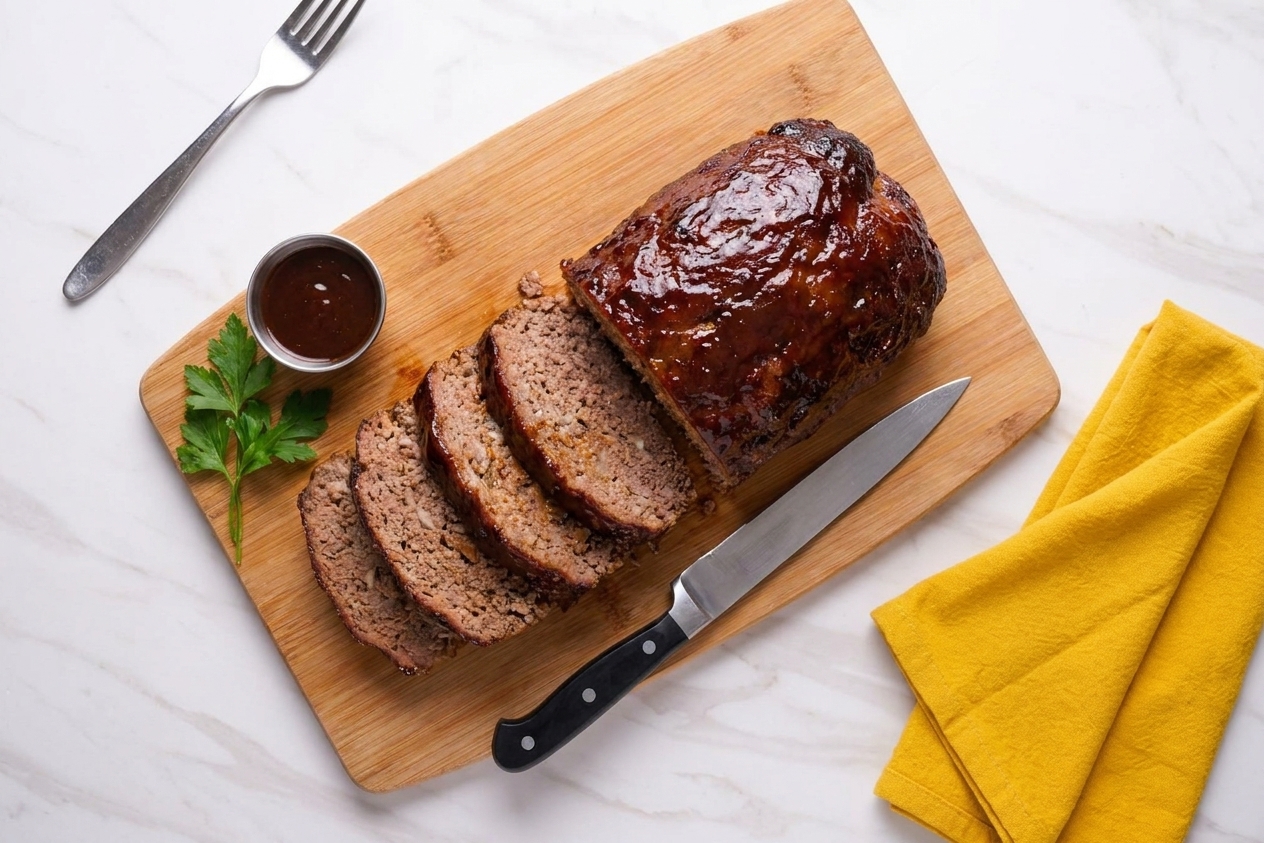
My meatloaf is too soft to slice. What now?
Let it rest longer. Ten minutes is the minimum, but 15 to 20 minutes can make a big difference. You can also chill it for 20 to 30 minutes, then slice thicker. (Bonus: chilled slices crisp up beautifully in a skillet.)
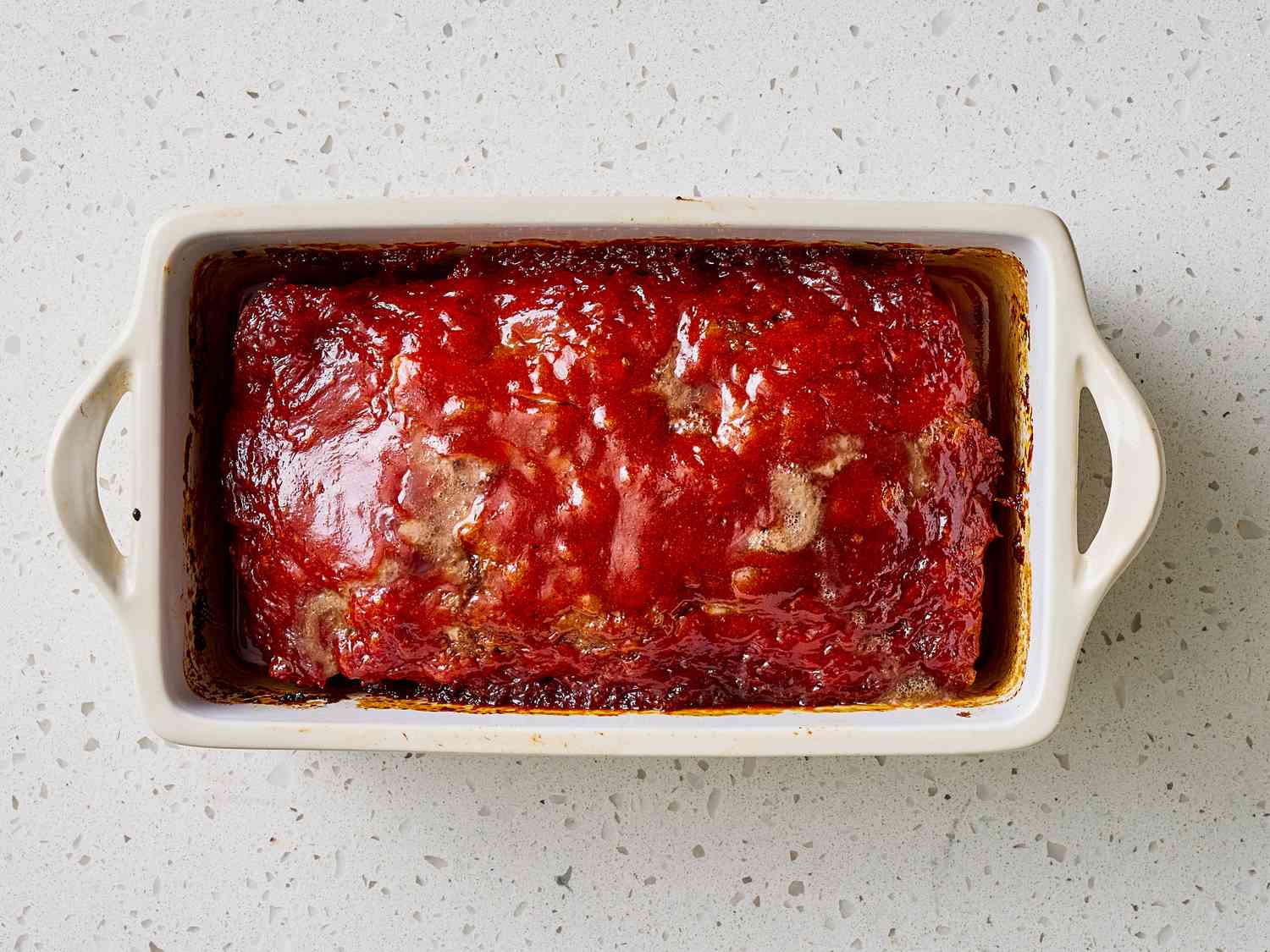
Can I cook it in a loaf pan inside the crock-pot?
You can, but it tends to sit in its own juices. For better texture, shape it freeform and use a foil sling so it stays lifted and drains a bit.
What slow cooker size works best?
A 6-quart is the sweet spot for a 2-pound loaf with space around the sides. In a 4-quart, you may need to shape a slightly shorter, narrower loaf so it is not pressed against the walls. In an 8-quart, it will still work, just keep the loaf compact and centered so it stays tall enough to slice nicely.