What are crystal noodles?
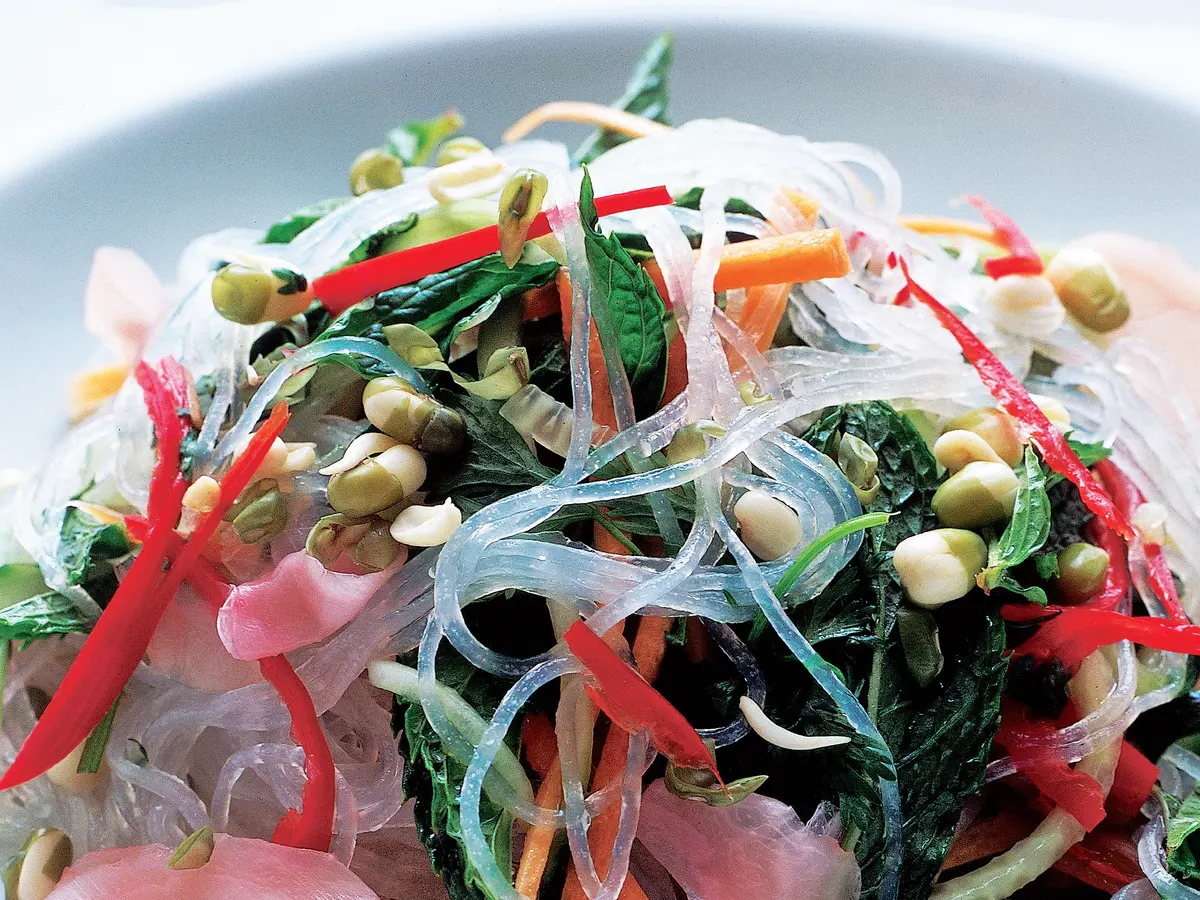
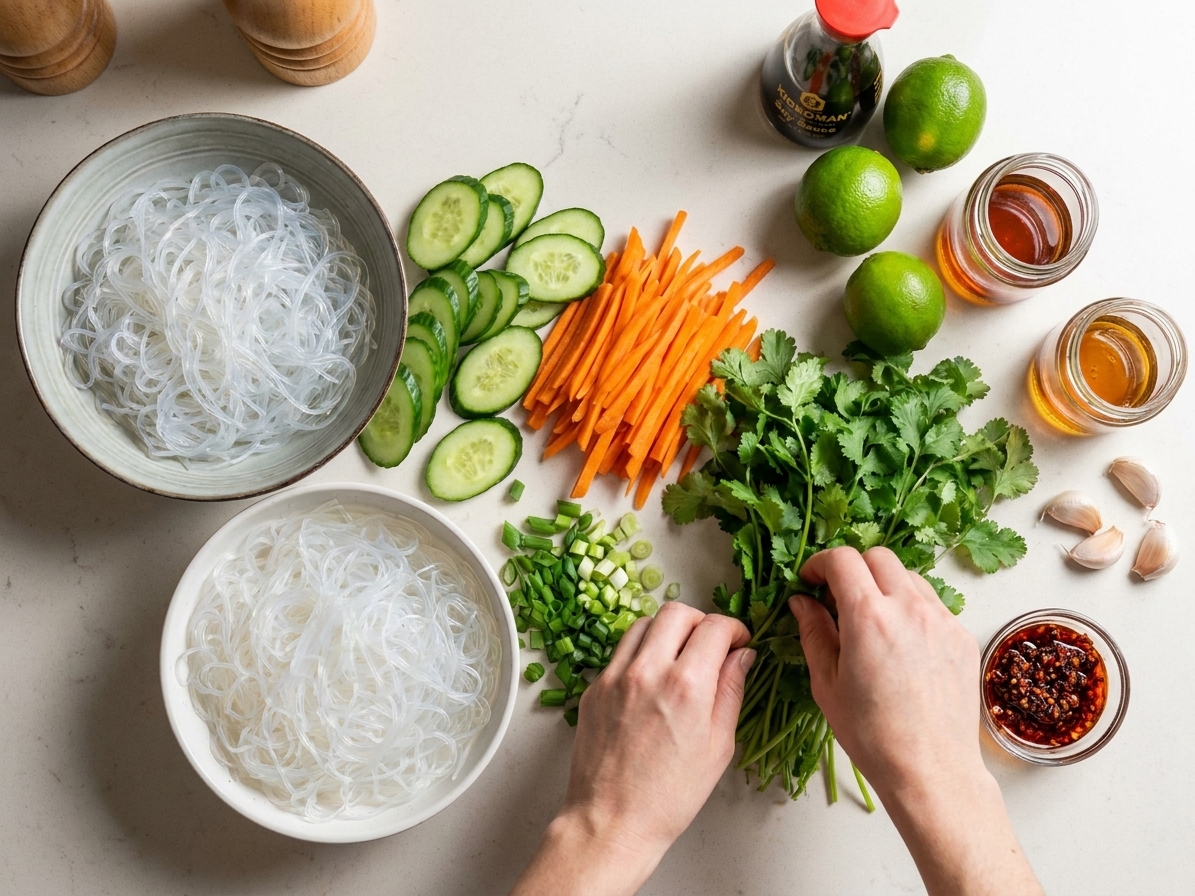
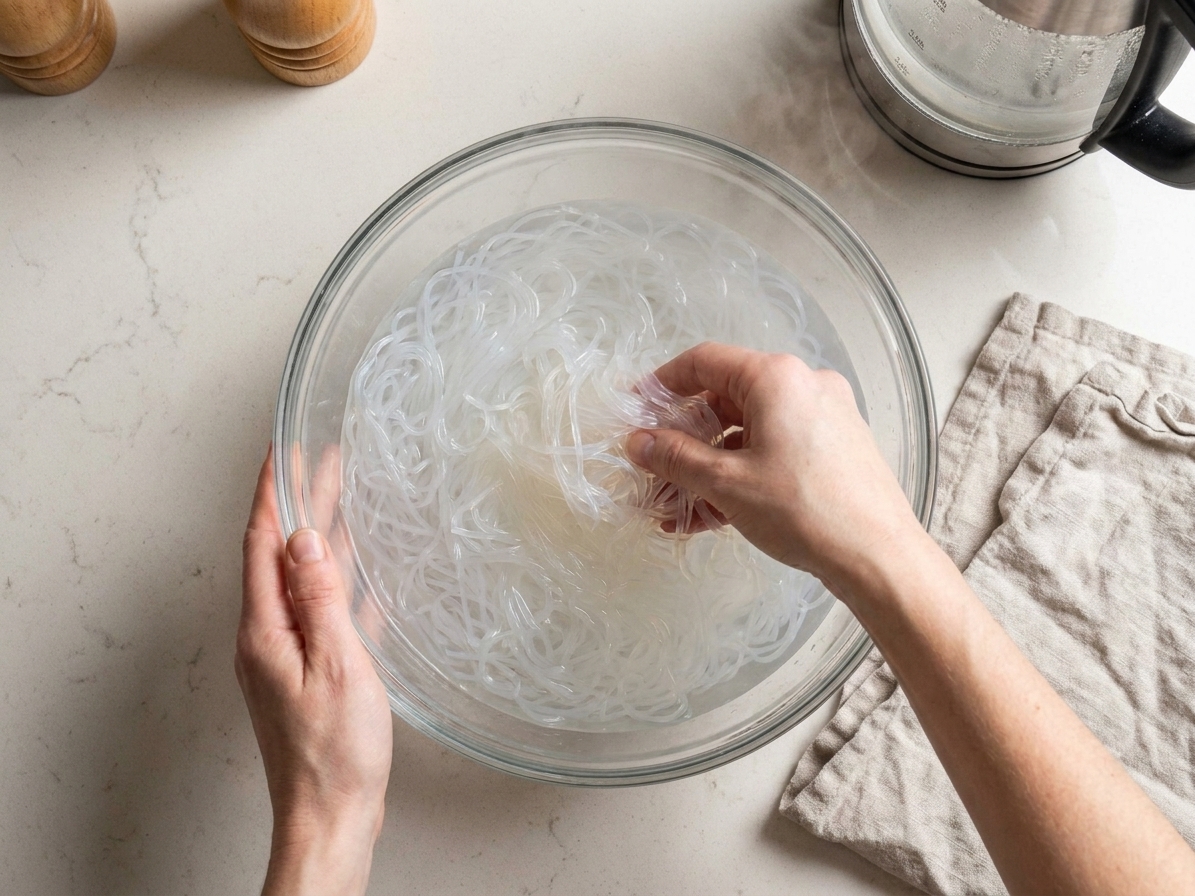
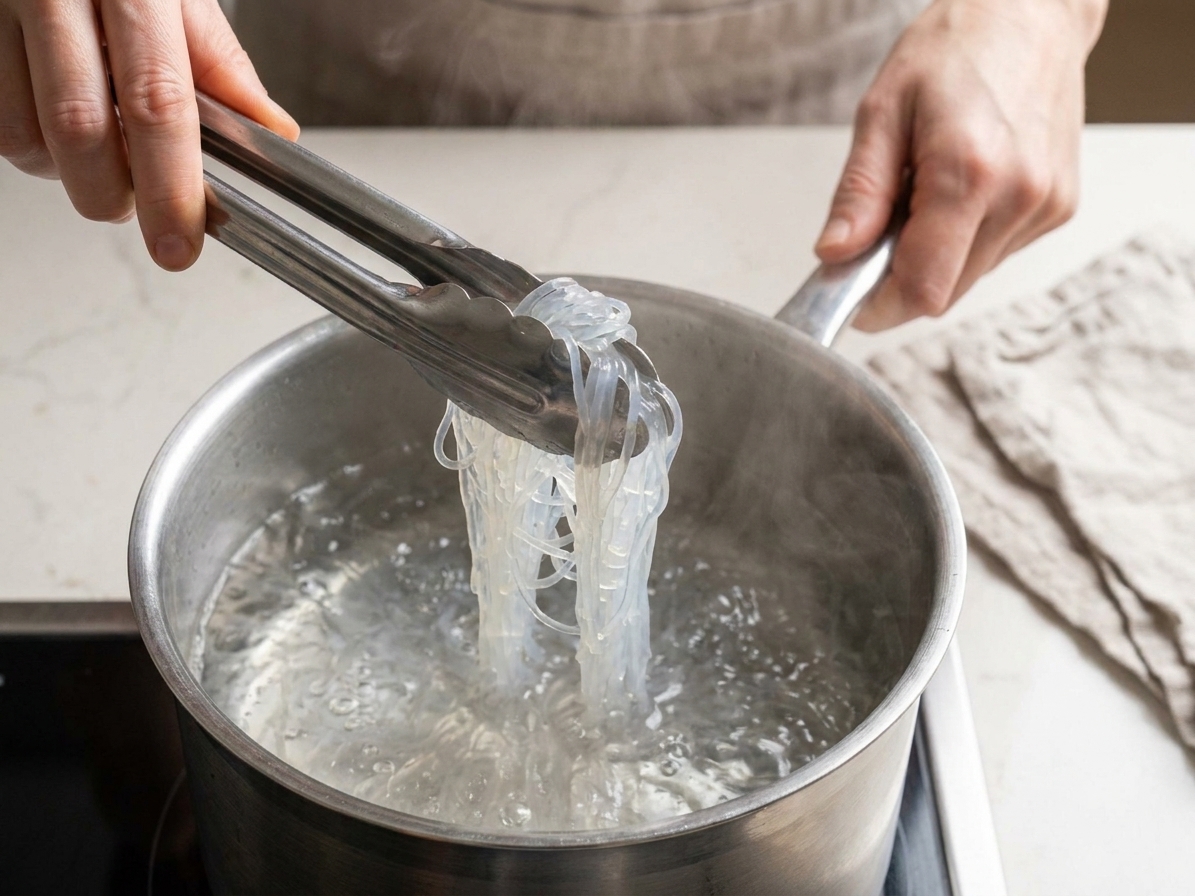
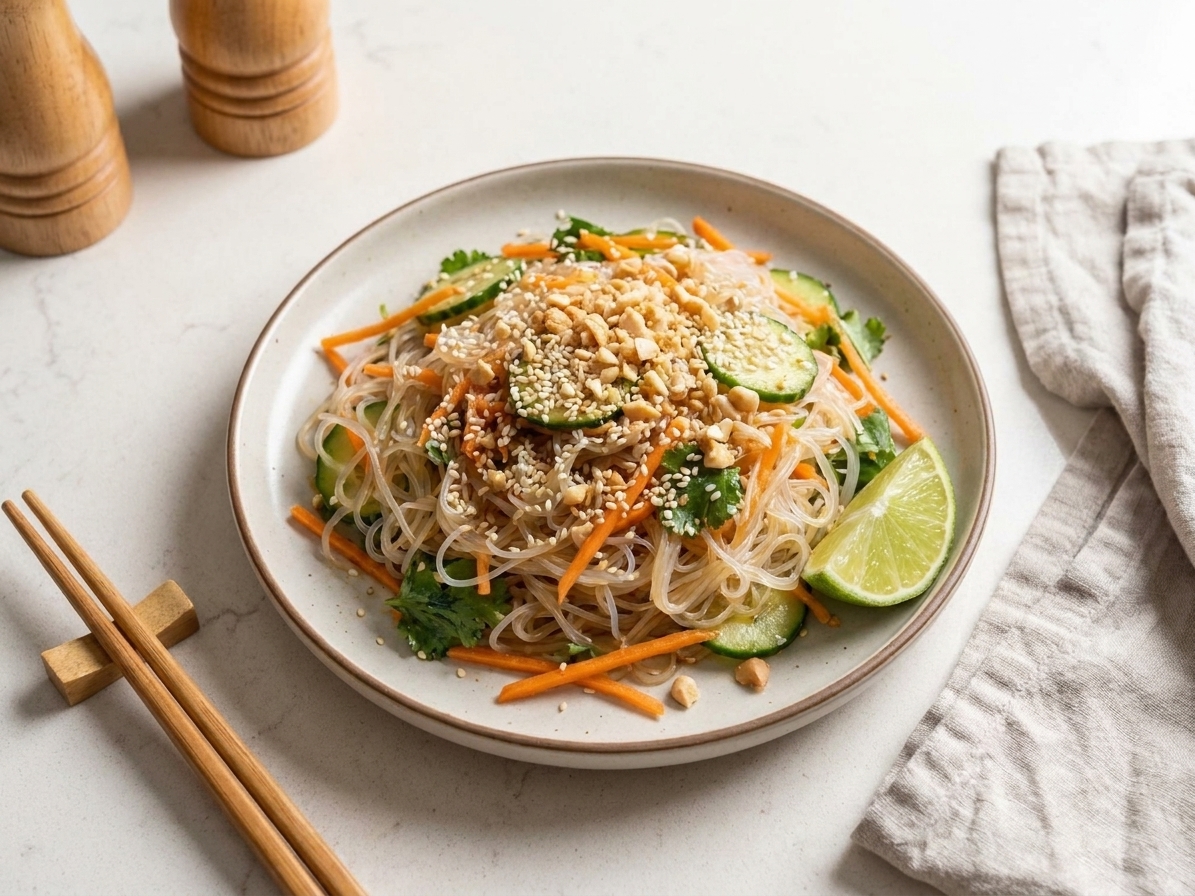
Crystal noodles are translucent noodles usually made from mung bean starch, and sometimes sweet potato starch. They are commonly sold as glass noodles or cellophane noodles. They cook quickly and turn clear when ready.
Are crystal noodles the same as rice noodles?
No. Rice noodles are made from rice flour and tend to be opaque white. Crystal noodles are starch-based and become translucent. Texture-wise, crystal noodles are usually bouncier and a little more slippery.
What should I look for on the package?
Look for “glass noodles” or “cellophane noodles,” and check the ingredients for mung bean starch or sweet potato starch. The word “vermicelli” can mean different things depending on the store, so the ingredient list is the best clue.
Do I have to boil them?
Not always. Some brands are fully cooked with a hot soak alone, while others benefit from a quick blanch. Follow your package directions. If you are unsure, the soak + short blanch method here is a reliable way to get them tender without turning them gummy.
How do I keep crystal noodles from sticking together?
Rinse well after cooking, drain thoroughly, and toss with dressing soon after. If you are holding them for a bit, a tiny drizzle of neutral oil or sesame oil helps.
Can I make this gluten free?
Yes, with one swap. Use tamari or certified gluten free soy sauce. Crystal noodles are often gluten free, but always check the package for mixed ingredients and cross-contamination warnings.
What protein works best here?
Shrimp is my favorite for a quick win. Rotisserie chicken is the easiest. For vegetarian options, use baked tofu, edamame, or a fried egg on top.
Where can I buy crystal noodles?
Check the Asian aisle at most grocery stores, or any Asian market. They are usually near the rice noodles and ramen.