Mom's Best Recipes
Recipe

Dry Rubbed Turkey

Crisp-skinned, juicy roasted turkey powered by a bold pantry dry rub and simple timing you can actually follow.

Author By Matt Campbell
4.8
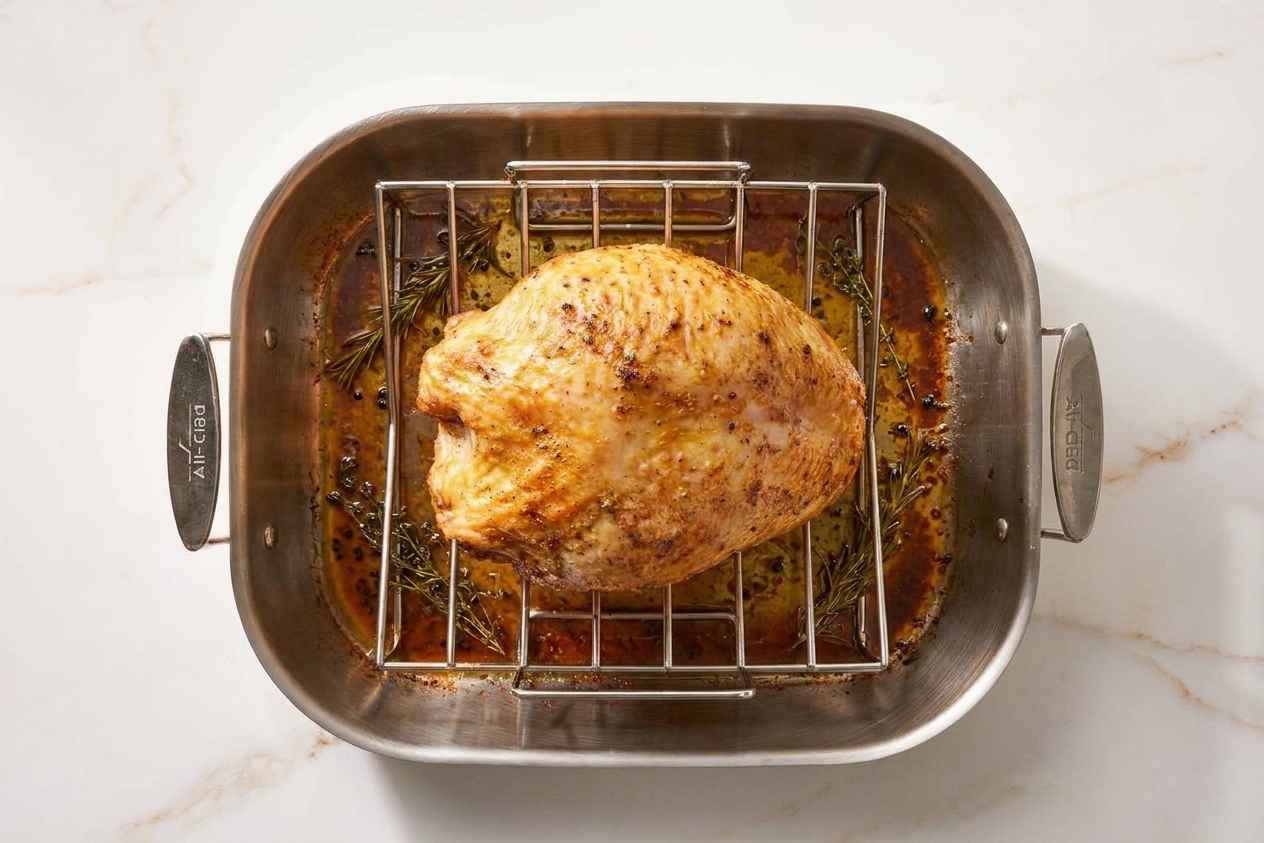
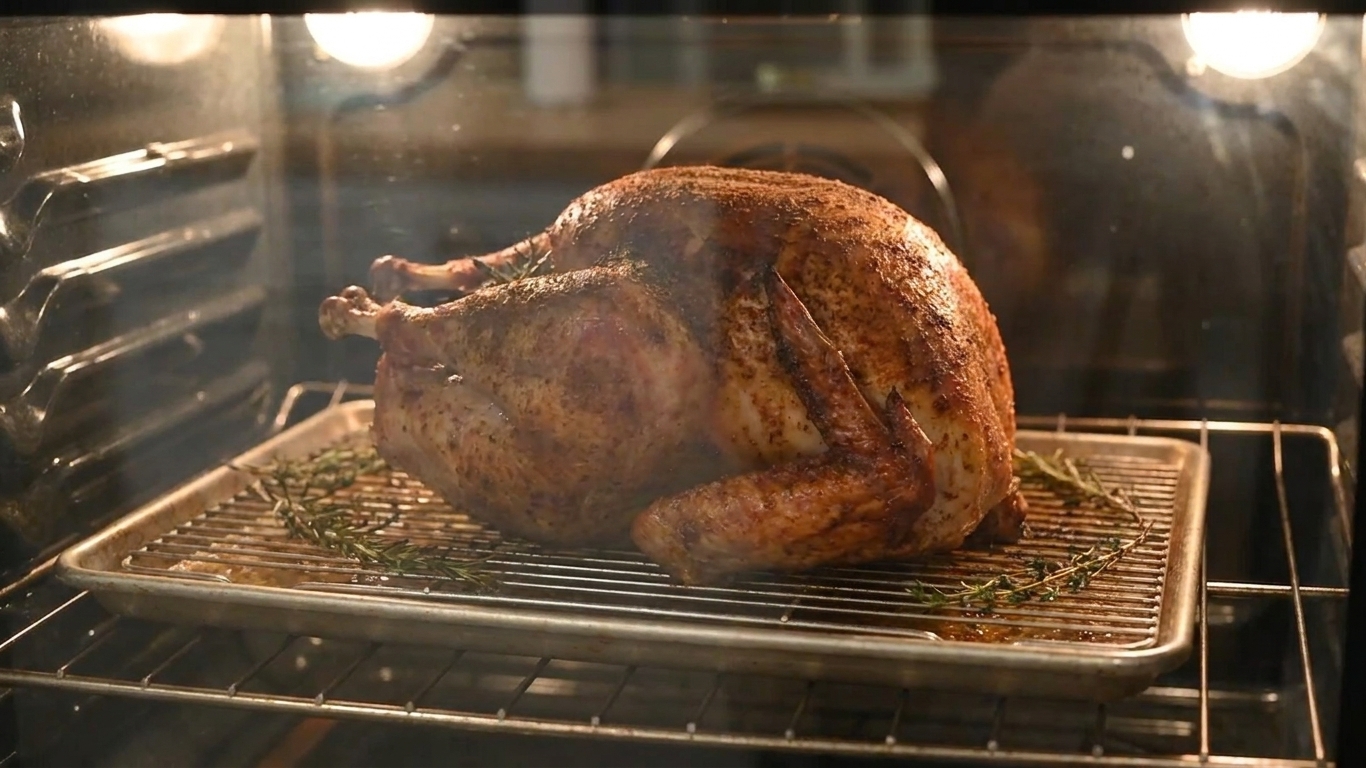
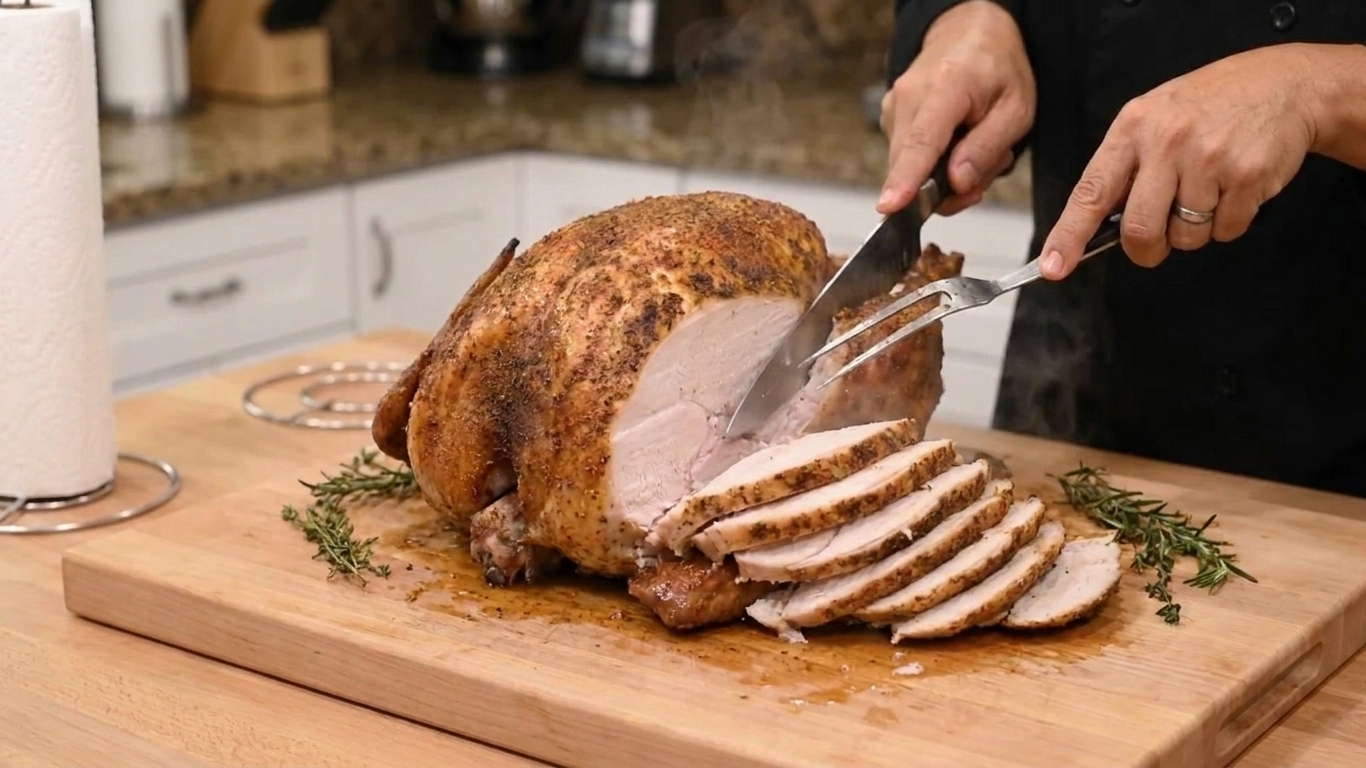
A whole dry rubbed turkey roasted to deep golden brown on a sheet pan with a roasting rack, resting on a wooden cutting board in a warm home kitchen

Dry rubbed turkey is my favorite kind of turkey because it is quietly confident. No buckets. No mystery brine math. Just a punchy spice rub, a little patience, and a roast that gives you crisp skin, juicy meat, and those browned bits in the pan that make gravy taste like it went to culinary school.

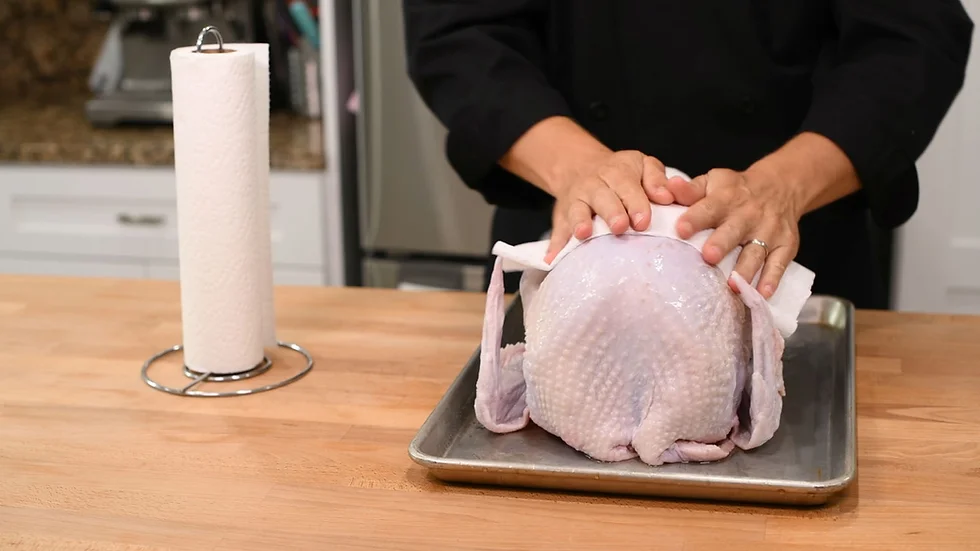
This is the version I make when I want turkey that tastes big and bold without turning my kitchen into a science fair. The trick is simple: salt goes on early (so the meat seasons all the way through), and the rest of the rub shows up to bring color, crunch, and that “wait, what did you put on this?” factor.

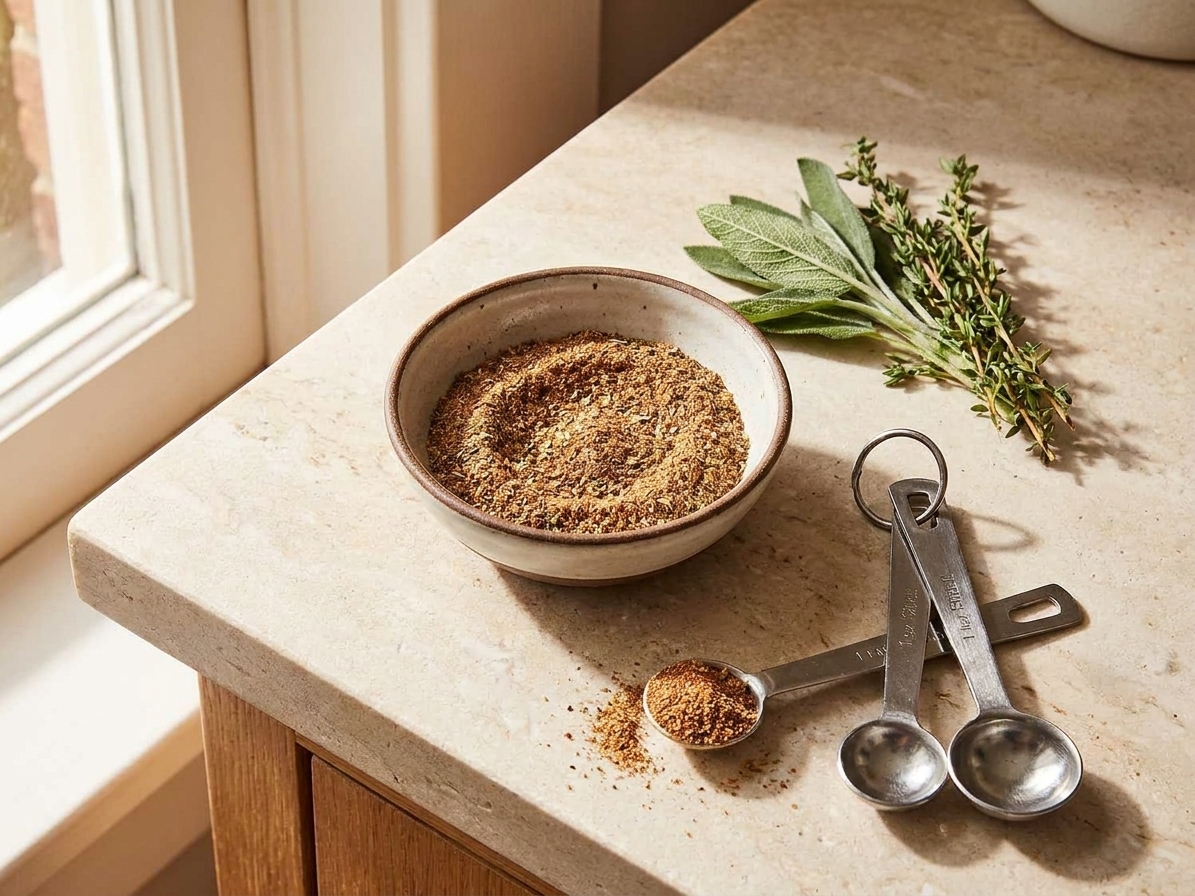
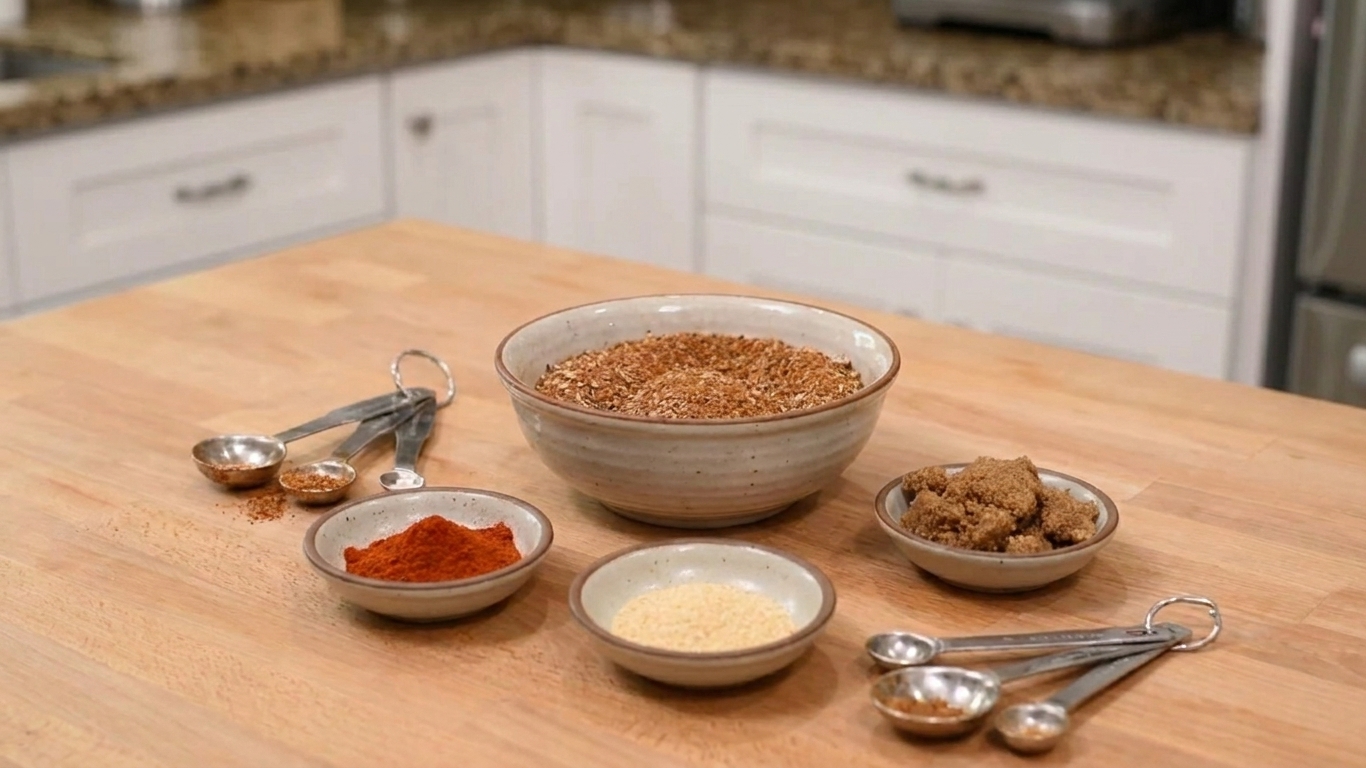
A bowl of mixed turkey dry rub on a light kitchen counter with measuring spoons and small bowls of paprika, garlic powder, and brown sugar nearby

Why It Works

  • Juicy slices: Salt in the rub seasons the meat deeply and helps it hold onto moisture.
  • Crisp, bronzed skin: A dry surface plus paprika and a touch of sugar equals beautiful color and crackly edges.
  • Big flavor with pantry staples: Smoked paprika, garlic, herbs, and pepper do the heavy lifting without requiring a specialty store run.
  • Low drama: You can rub it the day before, roast it the next day, and still act like it was effortless.

Pairs Well With

Storage Tips

Cool fast: Carve leftover meat off the bone within 1 to 2 hours of cooking so it chills quickly and stays safe.

  • Refrigerator: Store sliced turkey in an airtight container up to 4 days. Add a splash of broth or a spoonful of drippings to keep it juicy.
  • Freezer: Freeze turkey in flat, labeled bags up to 3 months. Press out air for best texture.
  • Reheat without drying out: Warm slices in a covered skillet with a few tablespoons of broth over low heat, or cover with foil in a 300°F oven until just hot.
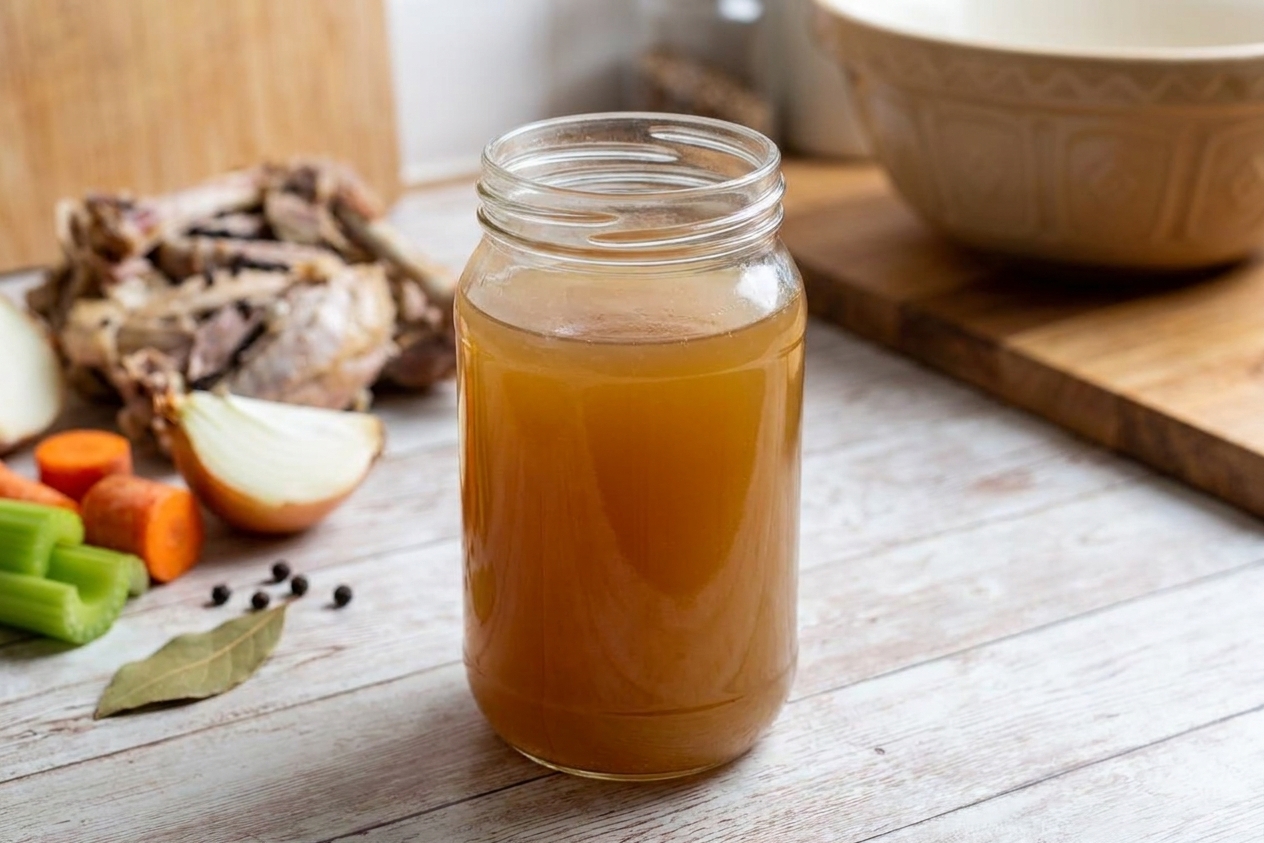
  • Bonus move: Save the carcass and any pan drippings for stock. Future-you will feel personally supported.

Common Questions

Do I need to brine if I use a dry rub?

No. This recipe is designed to be great without a wet brine. The salt in the rub acts like a dry brine if you apply it ahead of time. If you only have an hour, you still get great flavor, just not as deeply seasoned as an overnight rest.

How far ahead can I rub the turkey?

Best is 12 to 24 hours uncovered in the fridge so the skin dries out (hello, crispness). If you are short on time, rub it and let it sit while the oven preheats, but keep the room-temp rest to 30 to 60 minutes max. If your kitchen is warm, keep it chilled and pull it out closer to roasting.

Should I put rub under the skin?

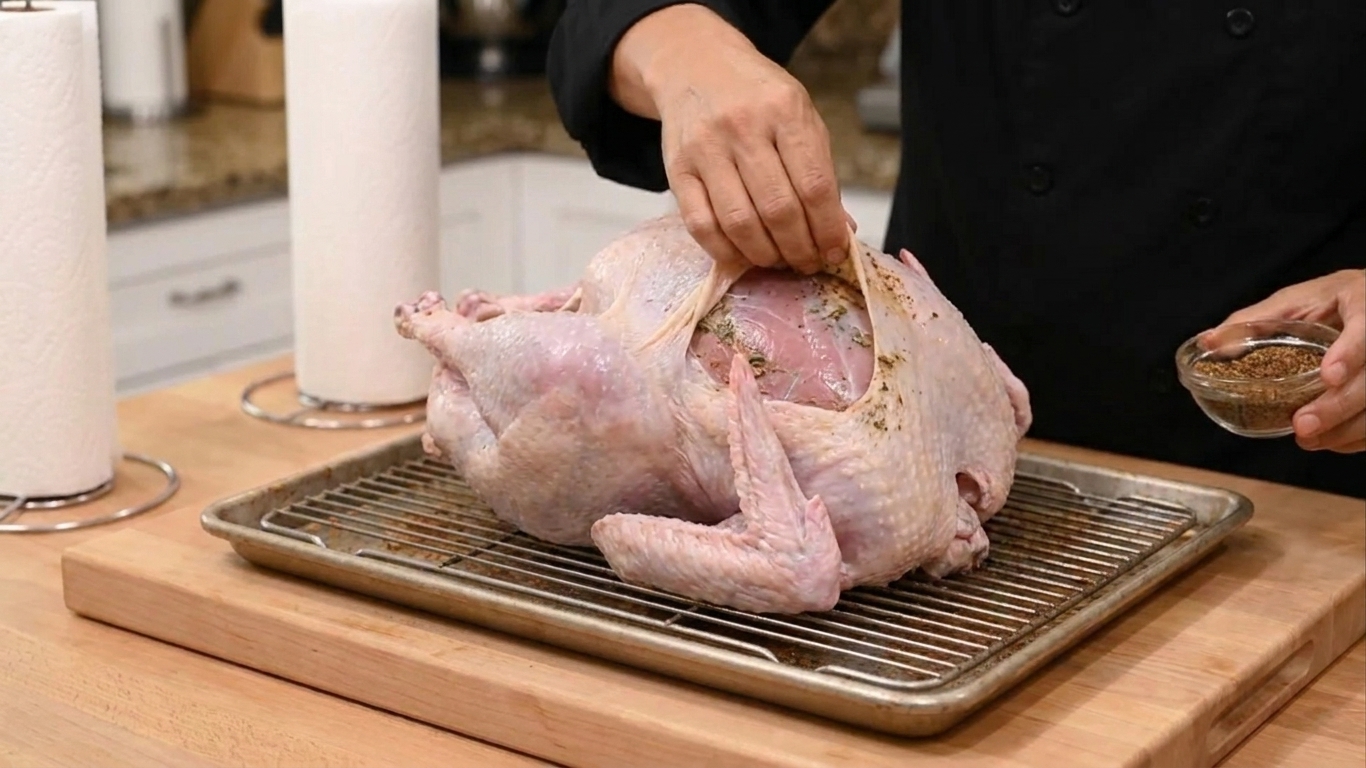
Yes, if you feel like doing one small “chef move.” Loosen the breast skin gently with your fingers and rub a little of the spice mix directly onto the meat (about 1 to 2 teaspoons per side). Then rub the outside too. More flavor, same effort level.

Can I use this dry rub on a turkey breast or legs?

Absolutely. Use the same rub and roast to temperature. For best texture, aim for 165°F in the thickest part of the breast and 175 to 185°F in the thighs.

What if my turkey is labeled “pre-brined” or “enhanced”?

Those turkeys already contain salt solution. You can still use this recipe, but reduce the kosher salt in the rub by about half so it does not get too salty.

How do I know it is done without drying it out?

Use a thermometer and place it in the thickest part of the breast (without touching bone) and in the inner thigh near the joint. Pull the turkey when the breast hits 160 to 162°F, then rest it. Carryover heat will take it to 165°F. For food safety, make sure the thickest parts reach 165°F before serving.

How long will it take per pound?

At 325°F, a whole turkey often lands around 12 to 15 minutes per pound, but treat that as a vibe, not a promise. Shape, starting temperature, and oven accuracy change everything, so the thermometer is the boss.

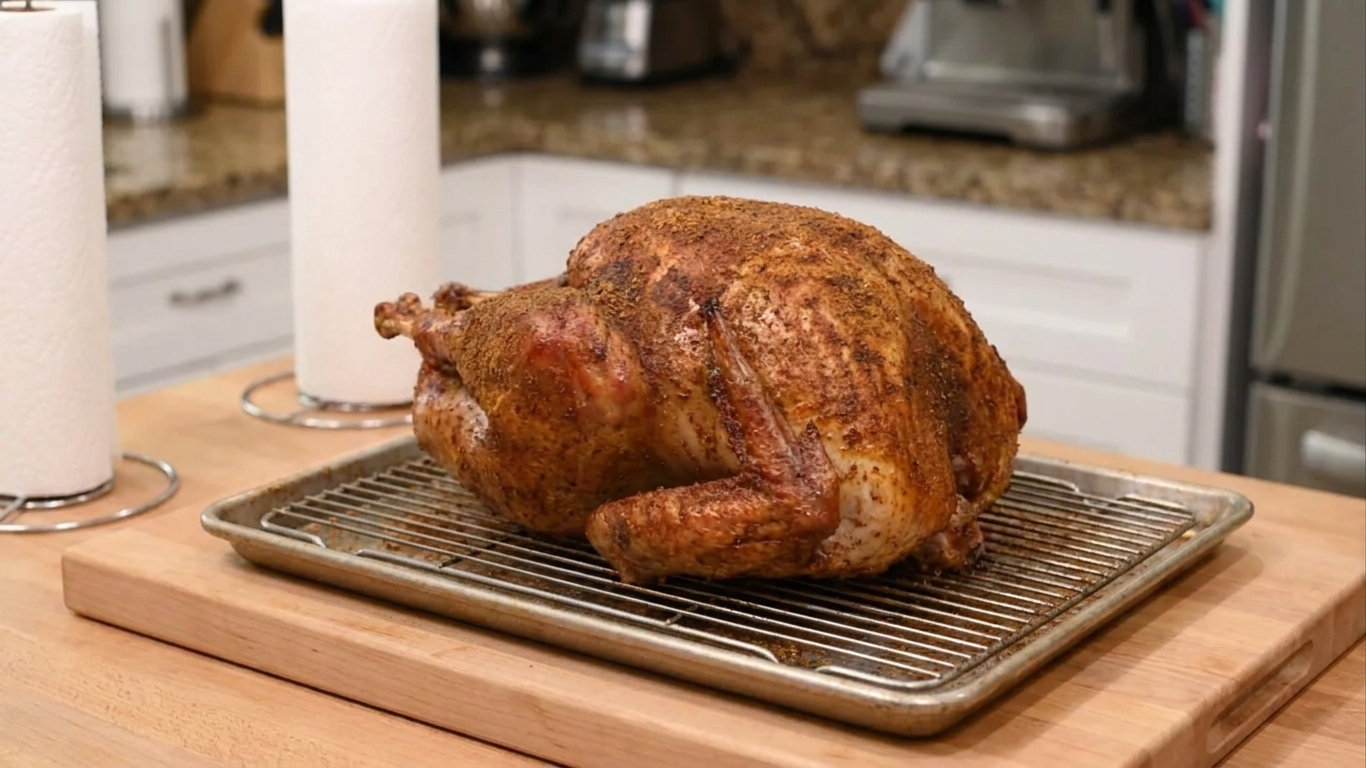
The first time I hosted a turkey dinner, I treated it like a final exam. I read too many guides, bought too many ingredients, and somehow still ended up with bland meat and a sink full of brine water I did not know how to emotionally process.

This dry rub version is what I switched to when I wanted turkey to feel like cooking for friends: relaxed, a little chaotic, and wildly delicious. Now I rub it down the night before, leave it uncovered to dry out, and roast it with enough confidence to actually enjoy a snack while it cooks. Tasting as you go is encouraged, and yes, that includes stealing a crispy skin corner when nobody is looking.