Mom's Best Recipes
Recipe

Easy Asian Salad Dressing

A 5-minute, shake-it-in-a-jar dressing that’s tangy, sesame-nutty, and just sweet enough to make salads actually exciting.

Author By Matt Campbell
4.8
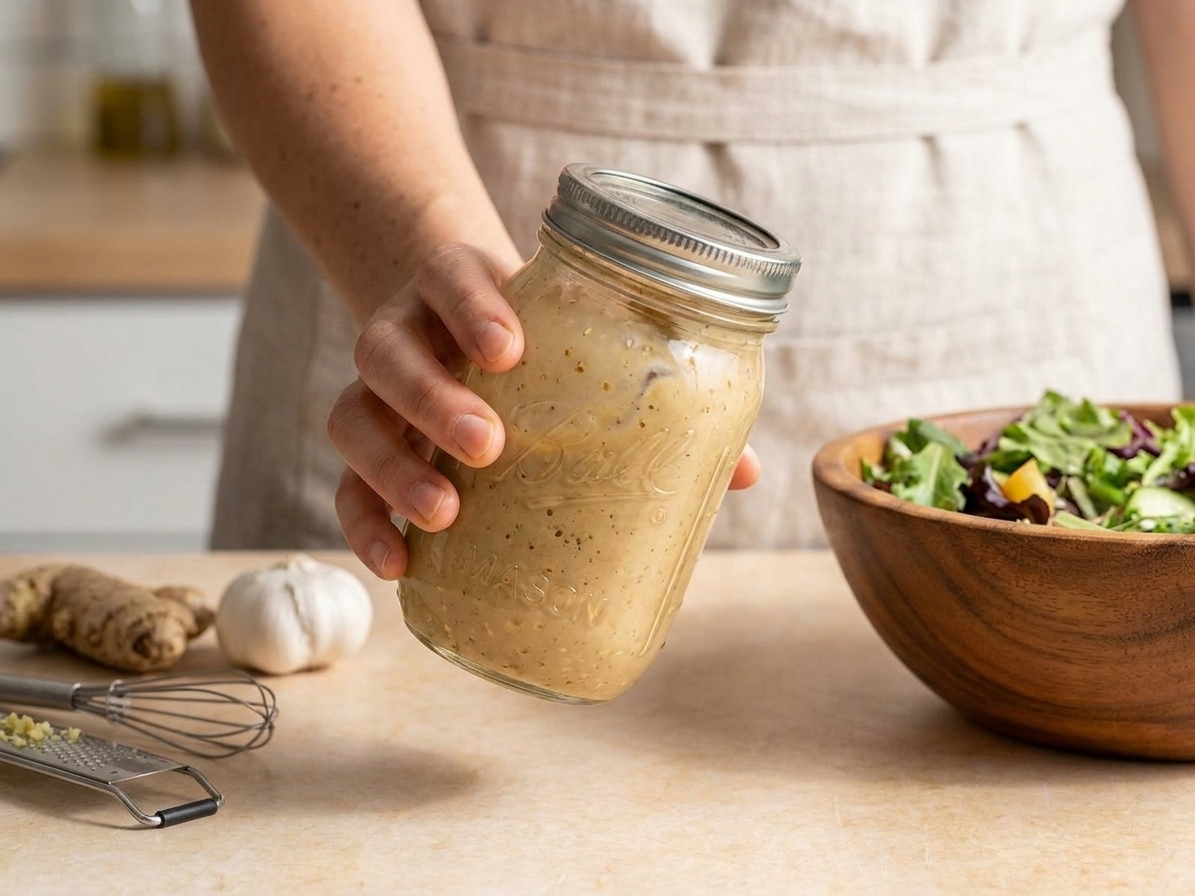
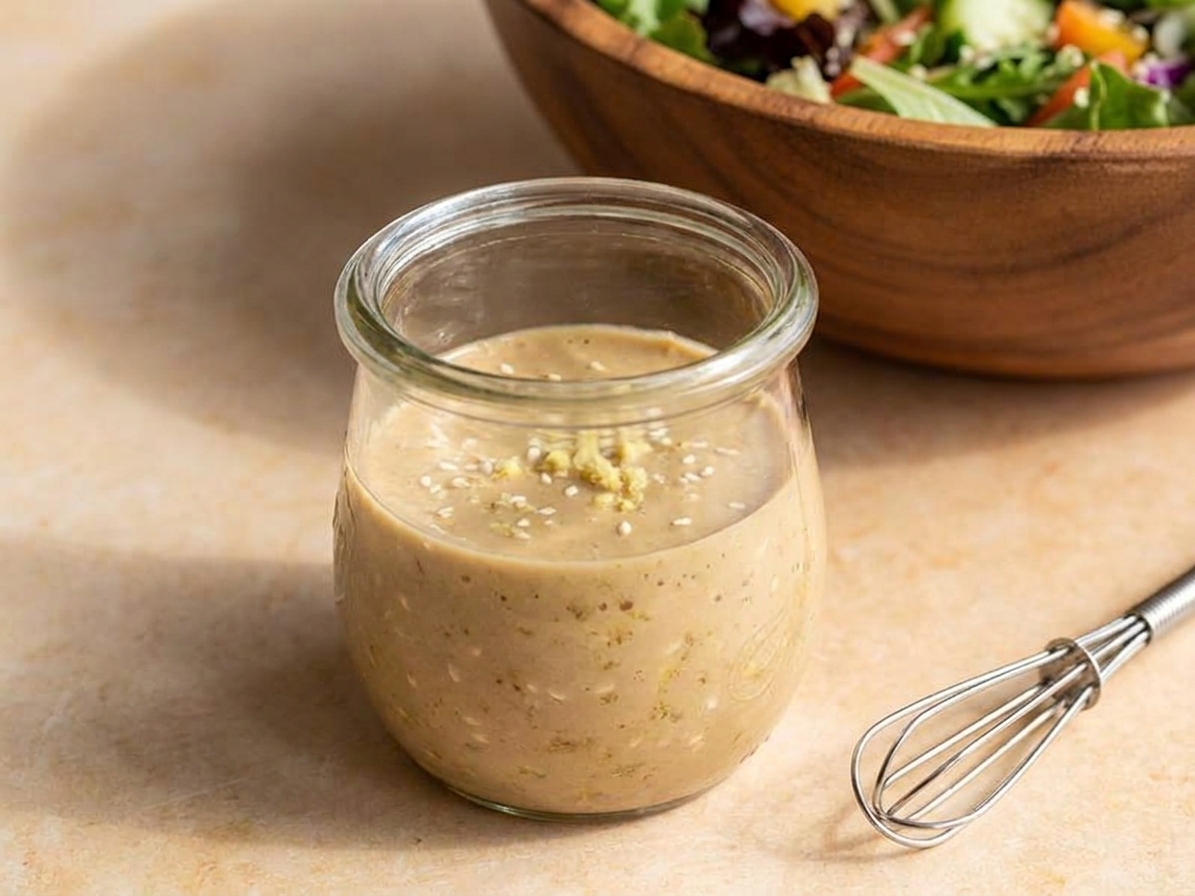
A small glass jar of sesame ginger salad dressing with visible flecks of grated ginger and sesame seeds on a light stone kitchen counter, with a whisk and a salad bowl nearby

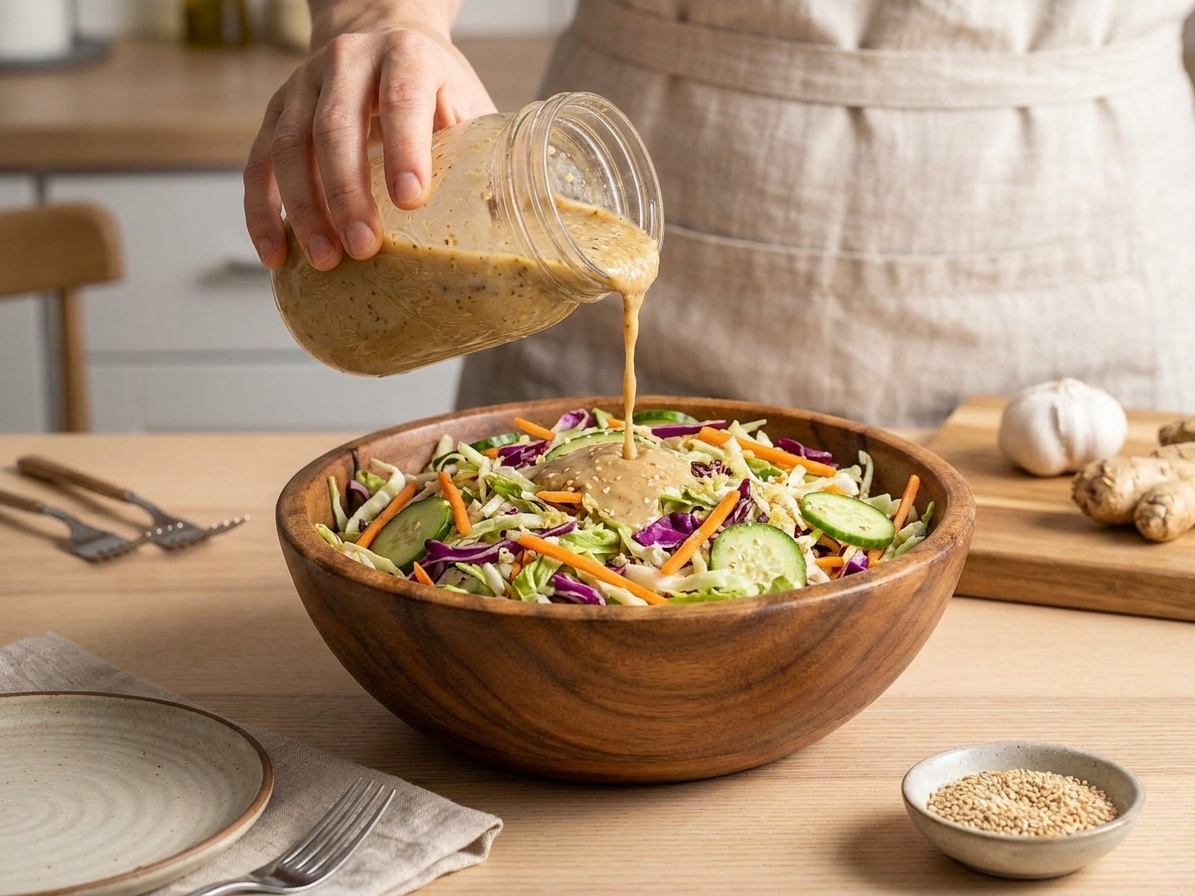
If your salads have been feeling a little like a chore, this is your rescue plan. This Asian salad dressing is the kind of quick, loud-in-the-best-way sauce that makes crunchy greens and leftover chicken suddenly feel intentional. It’s salty from soy sauce, tangy from rice vinegar, nutty from toasted sesame oil, and balanced with a little honey or brown sugar so it tastes like something you’d happily pay for at your favorite lunch spot.

My favorite part is how low drama it is. No blender required. No weird ingredients that live in the back of your fridge forever. Just a jar, a lid, a quick shake, and you have a dressing that plays nice with everything from shredded cabbage to cucumber salads to cold noodles.

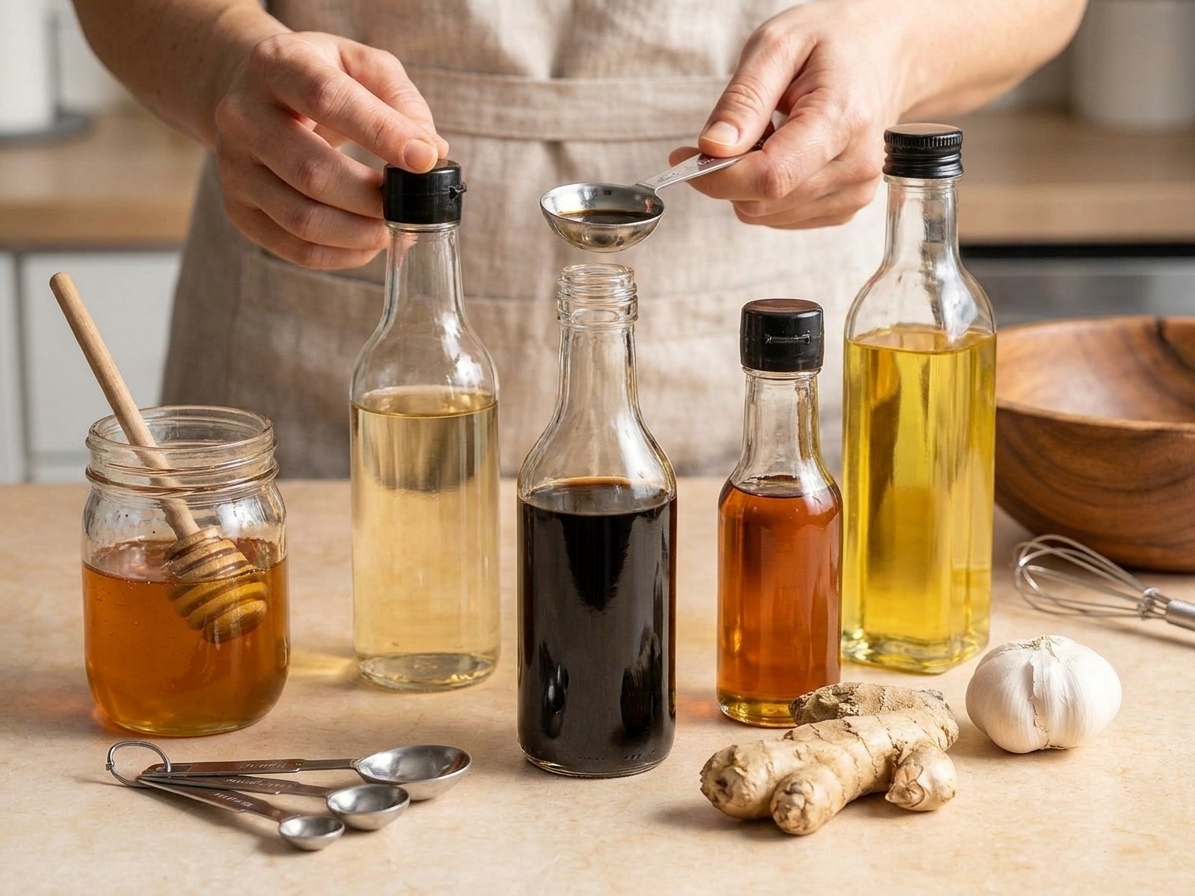
Soy sauce, rice vinegar, toasted sesame oil, honey, fresh ginger, garlic, and neutral oil arranged on a bright kitchen counter with measuring spoons

Why It Works

  • Balanced flavor fast: Soy plus vinegar plus a touch of sweet gives you that hit of restaurant-style contrast without extra steps.
  • Emulsifies easily: A little Dijon helps the oil and vinegar hang together longer, so you are not constantly re-shaking (though some separation is still normal).
  • Flexible: Make it creamy, make it spicy, make it citrusy. This base is a choose-your-own-adventure.
  • Works beyond salad: Use it as a marinade for chicken, a drizzle for roasted veggies, or a quick sauce for rice bowls.

Pairs Well With

Storage Tips

Refrigerate: Store in a sealed jar or container and refrigerate. For best flavor and punch, use within 3 to 5 days. It can last up to 7 days in the fridge, but fresh garlic and ginger get stronger over time, and quality can dip.

Use your senses: If it smells off, looks unusual, or tastes weird, toss it. When in doubt, make a fresh batch. It takes 5 minutes and your future salad will thank you.

Shake before using: Even with Dijon, separation is normal. Give it a 5-second shake and you are back in business.

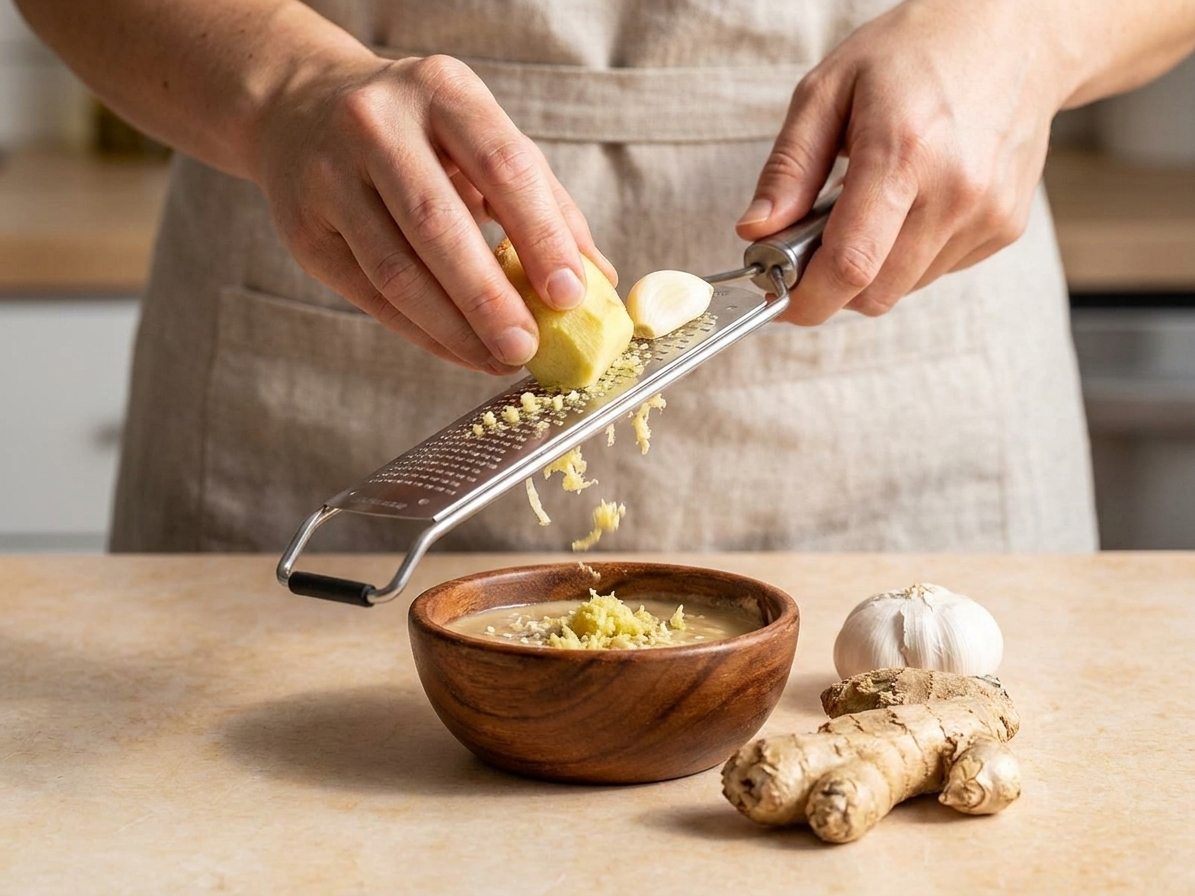
Garlic and ginger note: Fresh garlic can get more intense over time. If you prefer a milder dressing for later-in-the-week salads, use less garlic, use garlic paste, or steep a smashed clove in the dressing for 30 minutes, then remove it.

Do not freeze: The texture can break and taste flat after thawing. This one is best fresh.

Common Questions

What makes an Asian salad dressing taste “restaurant good”?

Balance and a little punch. You want salty (soy), tangy (rice vinegar), nutty (toasted sesame oil), and sweet (honey or sugar). Fresh ginger and garlic make it pop. Taste it, then tweak: more vinegar for brightness, more honey for roundness, or more soy for depth.

Should I use seasoned or unseasoned rice vinegar?

Unseasoned rice vinegar is the move here. Seasoned rice vinegar already has sugar and salt, which can throw off the balance. If seasoned is what you have, just start with less honey and taste as you go.

Is toasted sesame oil the same as regular sesame oil?

Not quite. Toasted sesame oil is the dark, super-fragrant one that’s mainly used for flavor. Regular (untoasted) sesame oil is lighter and more neutral. If you use regular sesame oil, the dressing will still work, but you will lose that signature nutty aroma.

Can I make it without sesame oil?

You can, but it loses that signature sesame vibe. If you are out, use a neutral oil only and add 1 to 2 tablespoons toasted sesame seeds for a little nutty backup.

Is this the same as Japanese ginger dressing?

Not exactly. Japanese ginger dressing is often blended with onion and sometimes carrot for a thicker, orange-tinted dressing. This one is a simpler soy-sesame vinaigrette with fresh ginger.

How do I make it creamy?

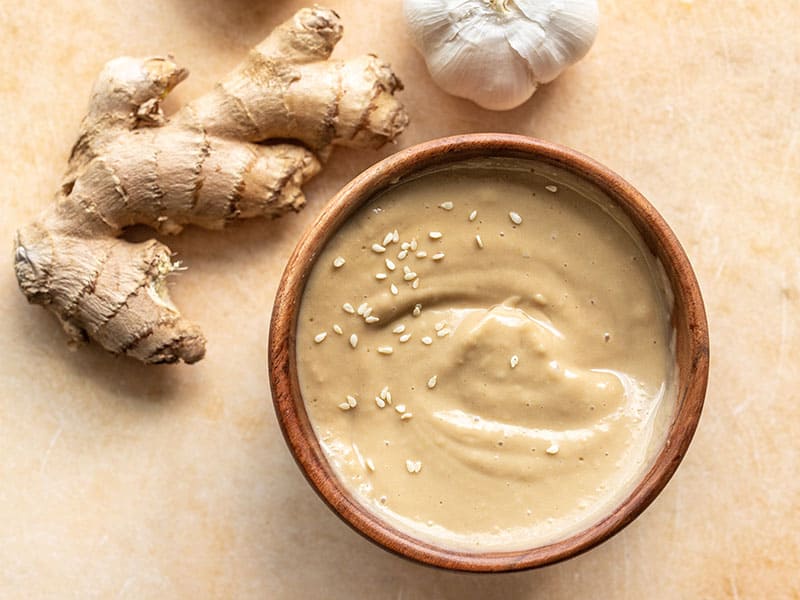
Whisk in 2 tablespoons tahini or 2 to 3 tablespoons mayo. Add a splash of water to loosen if needed. It turns into a sesame-ginger situation that clings to every leaf in a very satisfying way.

What salads does this work best on?

Anything crunchy: shredded cabbage, romaine, cucumber, carrots, bell pepper, snap peas. It is also excellent tossed with cold noodles and shredded rotisserie chicken.

Is there a low-sodium option?

Use low-sodium soy sauce. You can also swap part of the soy sauce for coconut aminos, but sodium levels vary a lot by brand, so check labels. Either way, taste at the end and adjust.

How can I make it gluten-free or vegan?

Gluten-free: Use tamari (gluten-free soy sauce) or a certified gluten-free alternative. Vegan: Swap honey for maple syrup or agave. Also note this dressing contains soy and sesame.

I started making versions of this dressing when I realized I was basically meal prepping ingredients but not excitement. I would have a container of greens, some chicken, maybe cucumbers, and then I would drown it in whatever random bottled dressing was hanging around. Once I nailed this shake-in-a-jar combo, salads stopped being the “healthy thing I should do” and became the “wait, let me make another bowl” thing. Also, the jar-shake method makes me feel like a mad scientist in the best way, which is exactly the energy I want on a weeknight.