Do I need to peel figs for preserves?
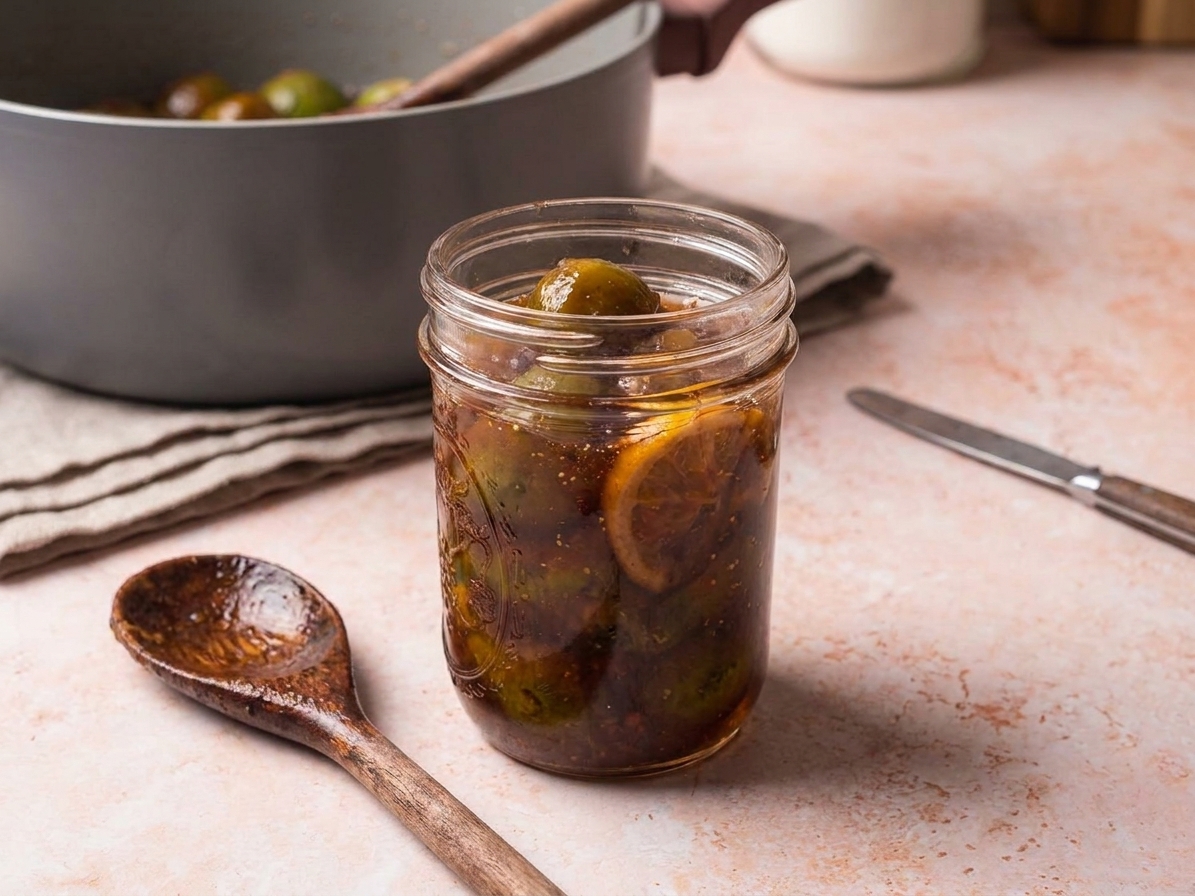
Nope. The skin softens as it cooks and adds that classic preserve texture. Just rinse, dry, and trim the stems.
How do I know when fig preserves are done?
Use the cold plate test: chill a small plate in the freezer. Drop a spoonful of preserves on it, wait 30 seconds, then drag a finger through. If it wrinkles and holds the line, you are set. If it runs like syrup, simmer a bit longer.
Can I use dried figs?
This recipe is written for fresh figs, which set up naturally and stay bright. If you only have dried figs, you can make a similar preserve by chopping them and simmering with extra water to rehydrate (start with 3/4 to 1 cup water per 8 ounces dried figs), then add the sugar and lemon and cook until thick. The flavor will be deeper and more caramel-like, and the texture will be less juicy than fresh-fig preserves.
Why are my preserves too thin?
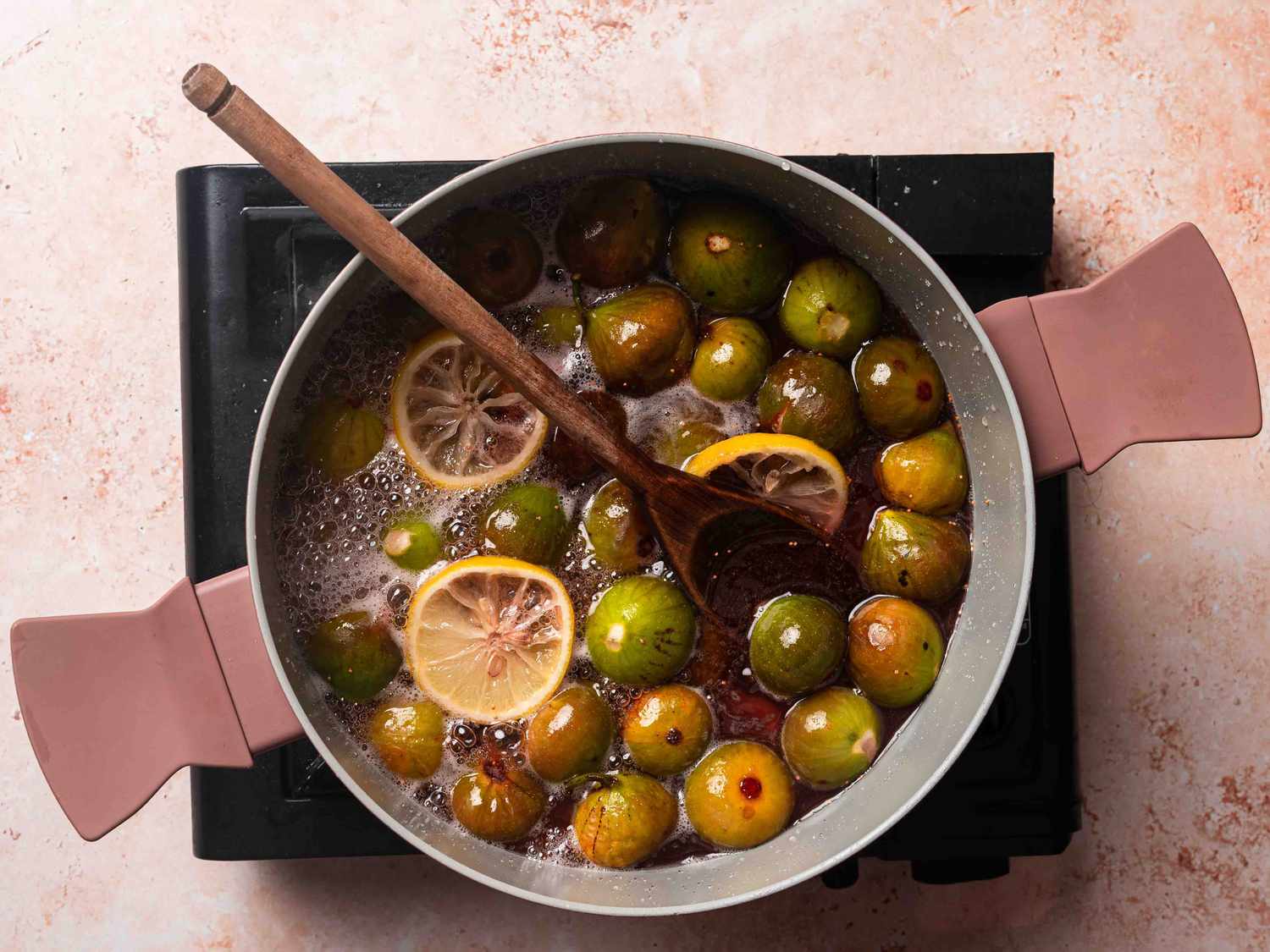
Either they need more simmer time, or your figs were extra juicy. Keep simmering in 3 to 5 minute bursts and re-test on the cold plate. Also, keep it at a steady simmer, not a hard boil, so it reduces without scorching.
Why are my preserves too thick?
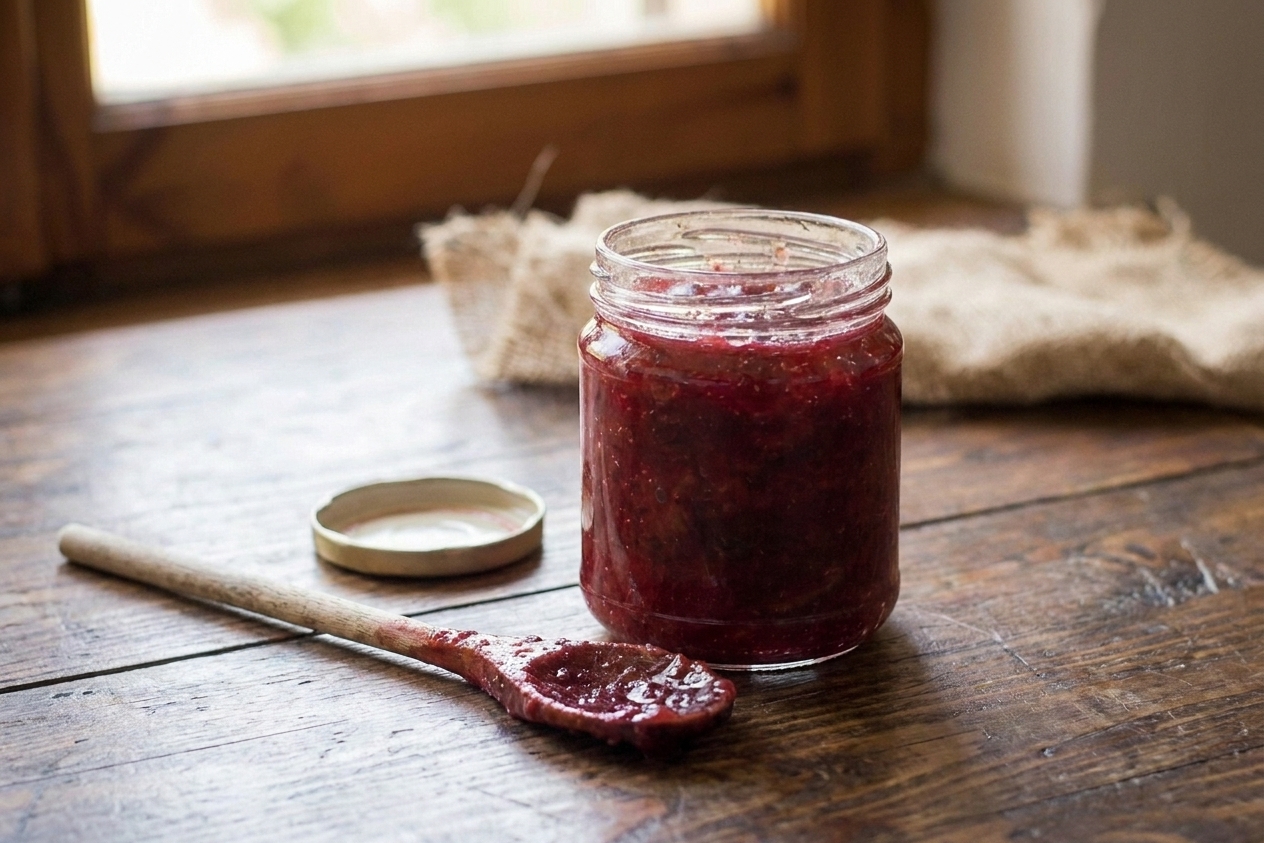
They cooked a little past your ideal set. Warm the jar gently and stir in 1 to 2 teaspoons hot water at a time until it loosens. It also relaxes after a day in the fridge.
What kind of figs should I use?
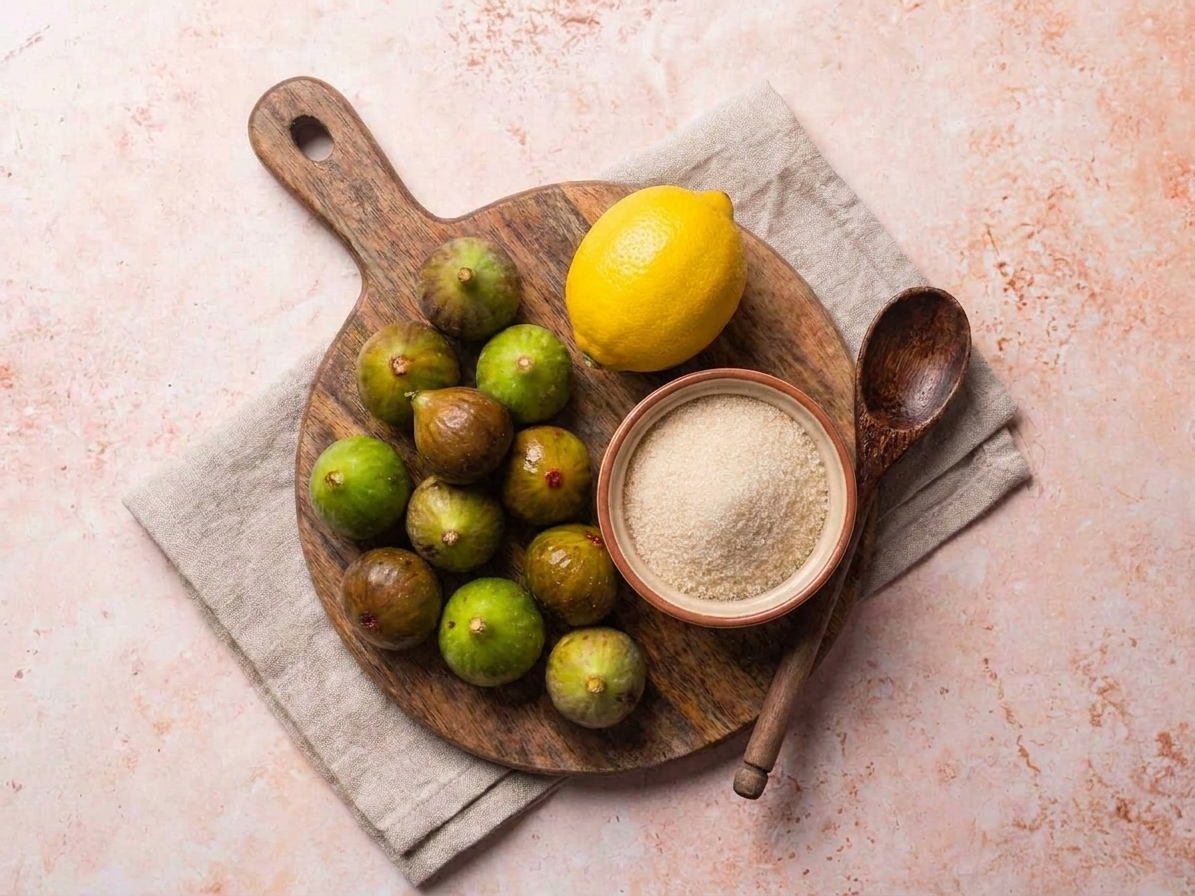
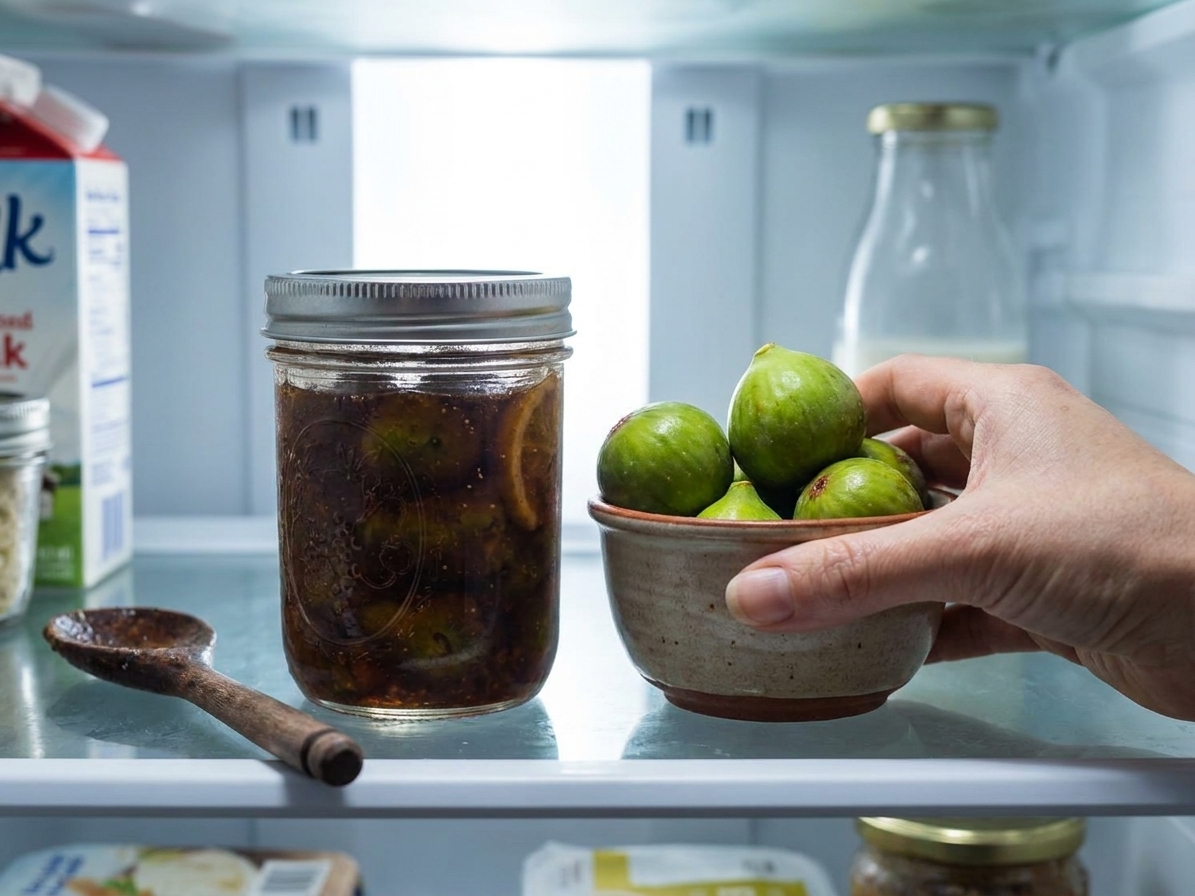
Any ripe, fragrant fig works: Black Mission, Brown Turkey, Kadota, Adriatic. Softer figs cook down faster. Firmer ones keep more chunks. Choose figs that are ripe and sweet-smelling, but not fermented. Avoid moldy fruit or figs that are leaking heavily or sour.