Mom's Best Recipes
Recipe

Easy Homemade Pizza Dough

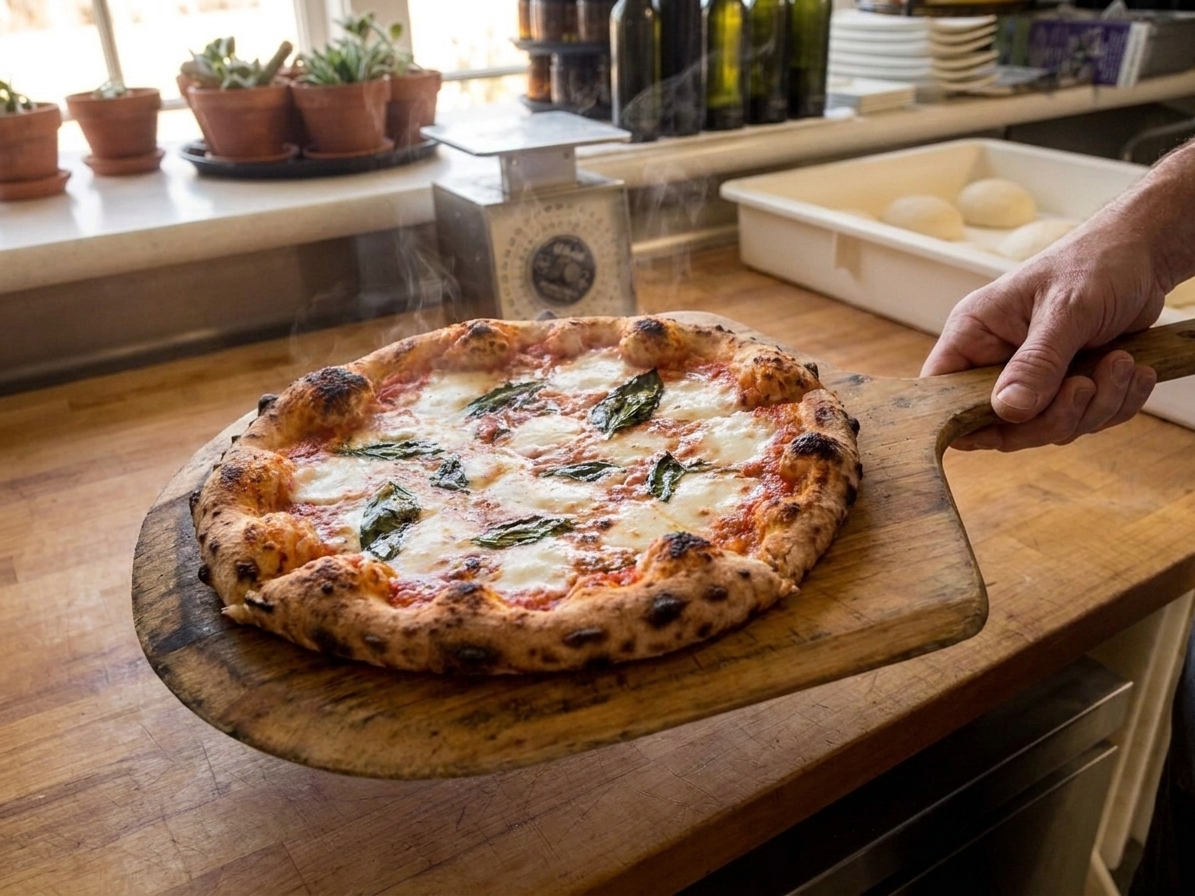
A simple, flexible pizza dough that turns into two crisp, chewy 12-inch pizzas with minimal fuss.

Author By Matt Campbell
4.8
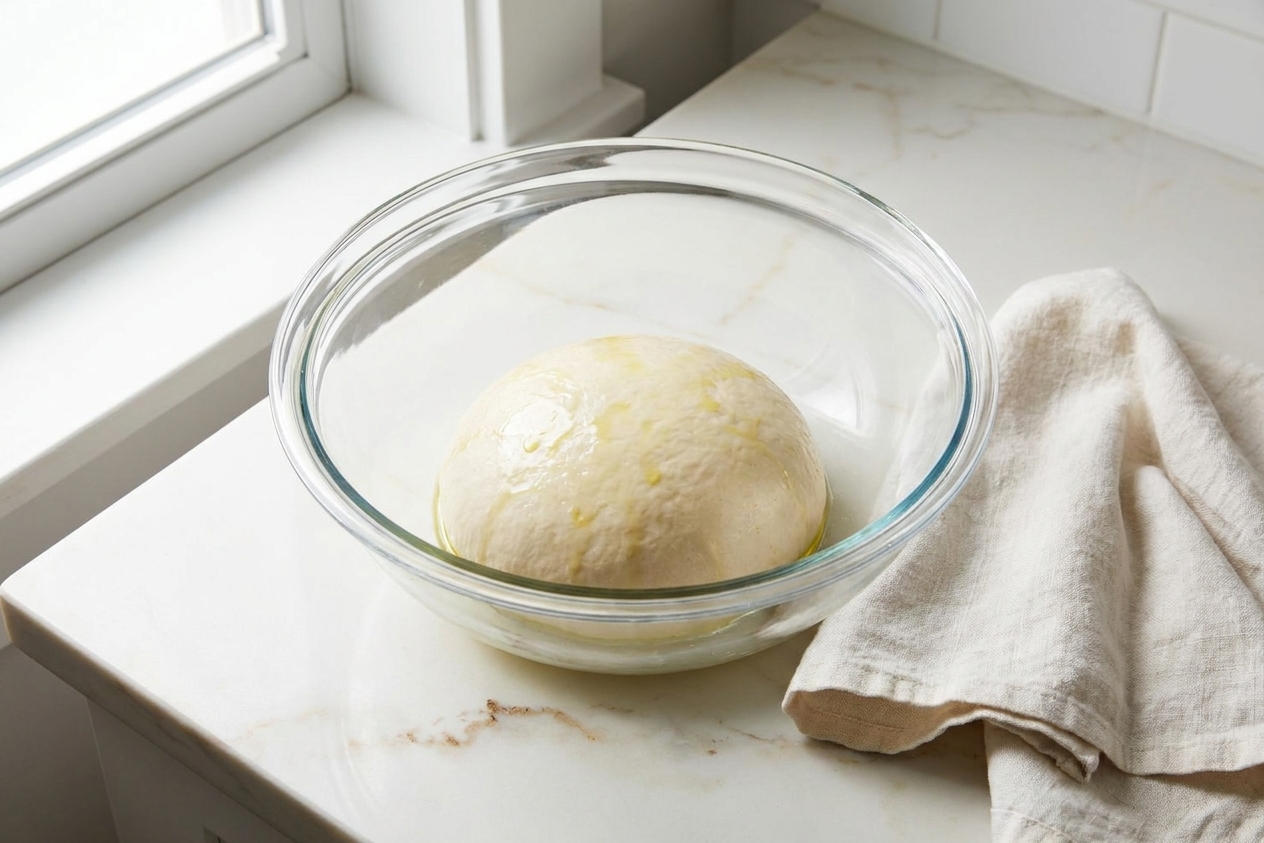
A smooth, lightly oiled pizza dough ball resting in a glass bowl on a warm kitchen counter with a folded towel nearby, natural window light

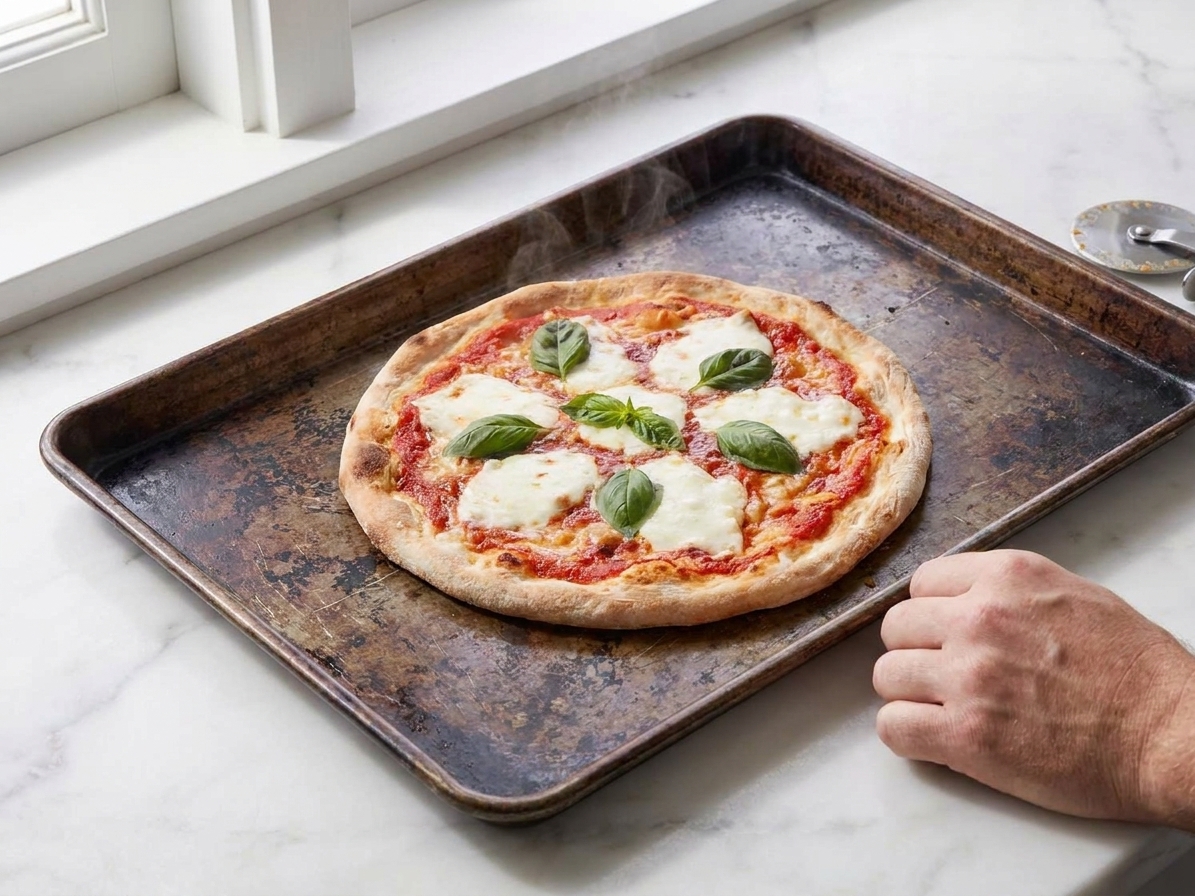
Homemade pizza dough has a reputation for being fussy. It is not. If you can stir, wait, and resist dumping in too much flour, you can absolutely make dough that bakes up with a crisp bottom, chewy edges, and that little blistered, toasty flavor that makes you reach for a second slice.

This is my go-to “friend in the kitchen” dough. It uses basic pantry ingredients, mixes by hand, and gives you options depending on your day: bake it the same night, or let it hang out in the fridge for extra flavor. The best part is the vibe. Dough is forgiving. You can be a little imperfect. Just taste your sauce, keep your oven hot, and let the crust do its thing.

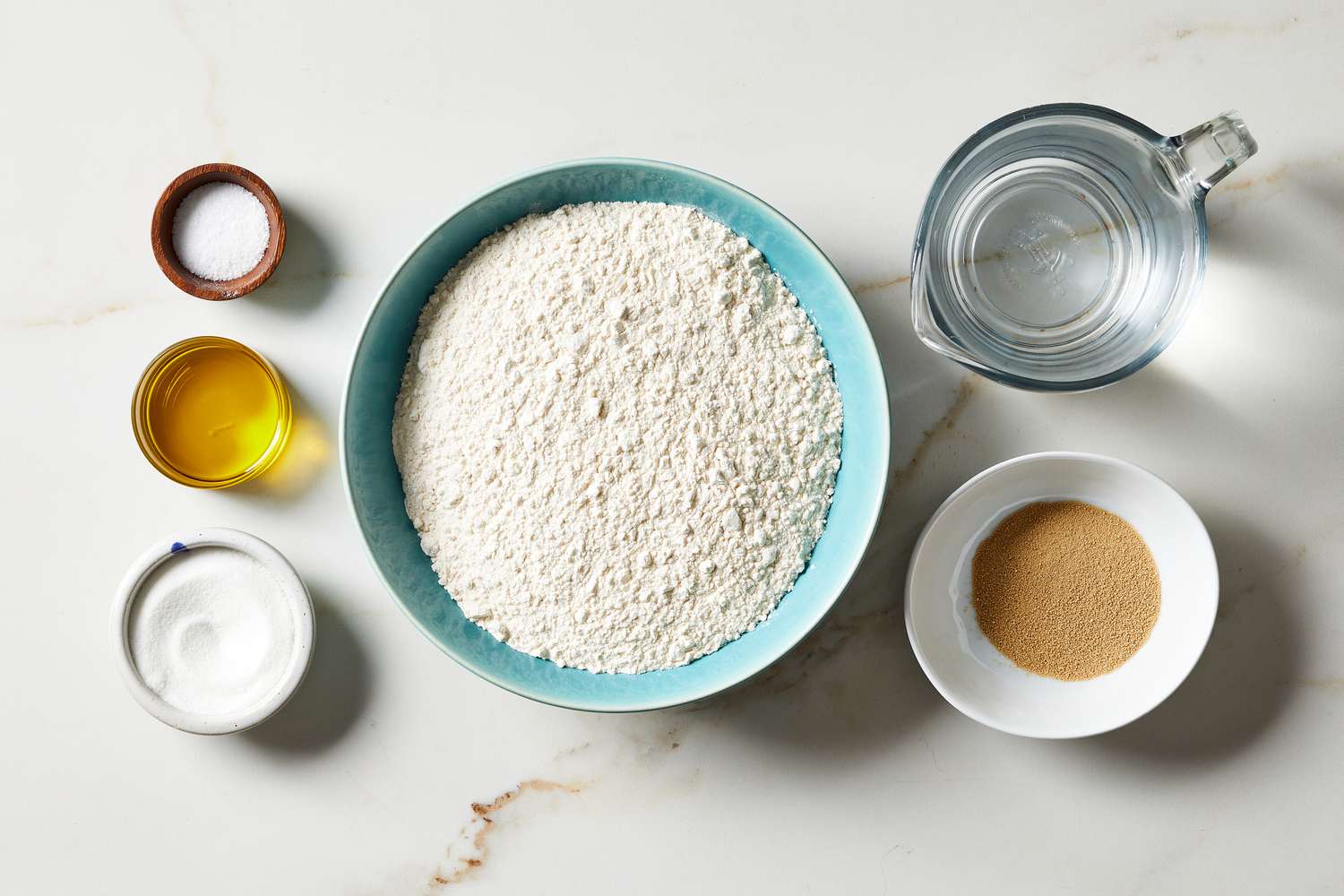
Pizza dough ingredients arranged on a wooden board, including flour in a bowl, a small dish of yeast, a measuring cup of warm water, salt, and olive oil on a cozy kitchen counter

Why It Works

  • Crisp plus chewy texture: A medium-hydration dough that bakes up with a sturdy, crisp bottom and a tender, chewy bite.

  • Simple ingredients: All-purpose flour works great, and you can swap in some bread flour if you have it.

  • Flexible timing: Make it same-day or refrigerate it overnight for deeper flavor and easier stretching.

  • Beginner friendly shaping: Clear cues for when the dough is ready, plus gentle troubleshooting so you do not panic and over-flour.

Pairs Well With

Storage Tips

Refrigerate the dough: After the first rise, lightly oil the dough ball and place it in a covered container. Refrigerate for up to 3 days. For best stretching, let it sit at room temperature 60 to 90 minutes before shaping.

Freeze the dough: After the first rise, portion into 2 balls, oil lightly, and place each in a freezer bag. Freeze up to 3 months. Thaw overnight in the fridge, then rest at room temperature 60 to 90 minutes before using.

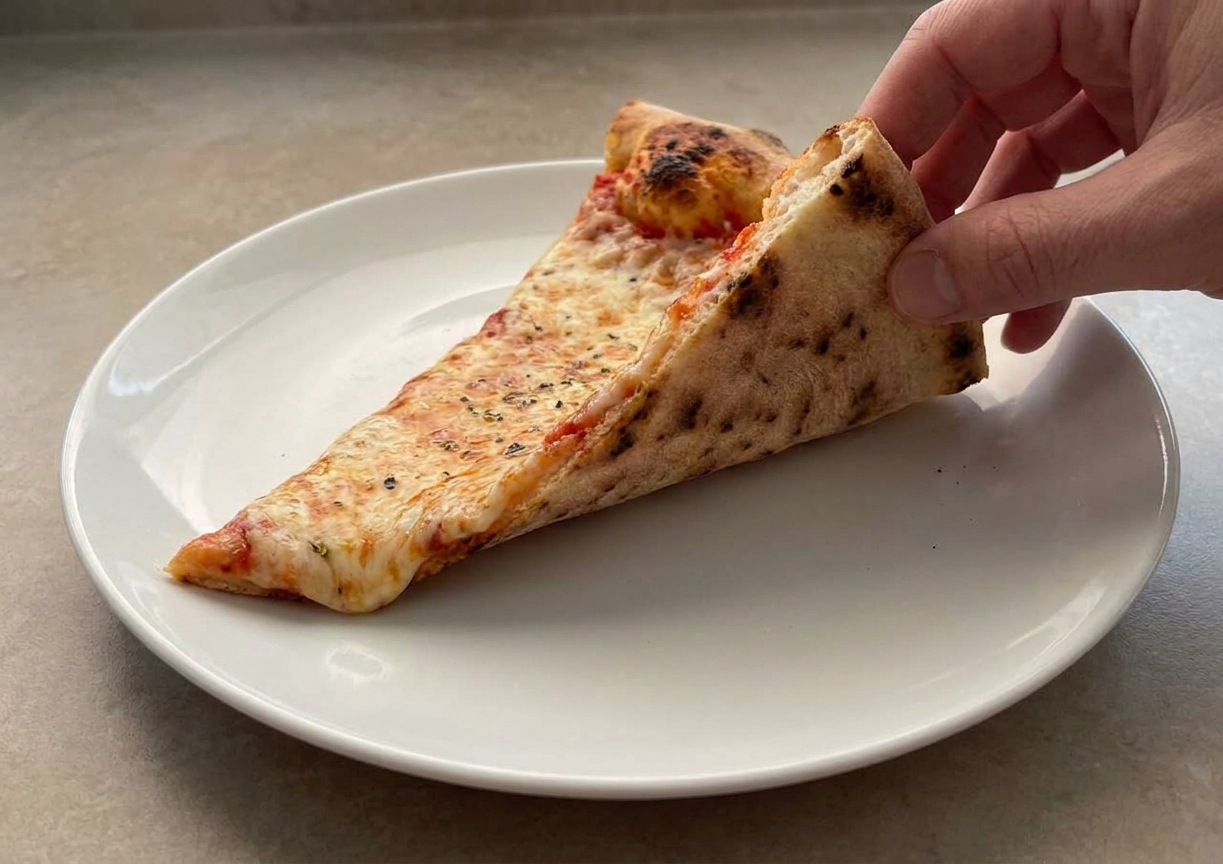
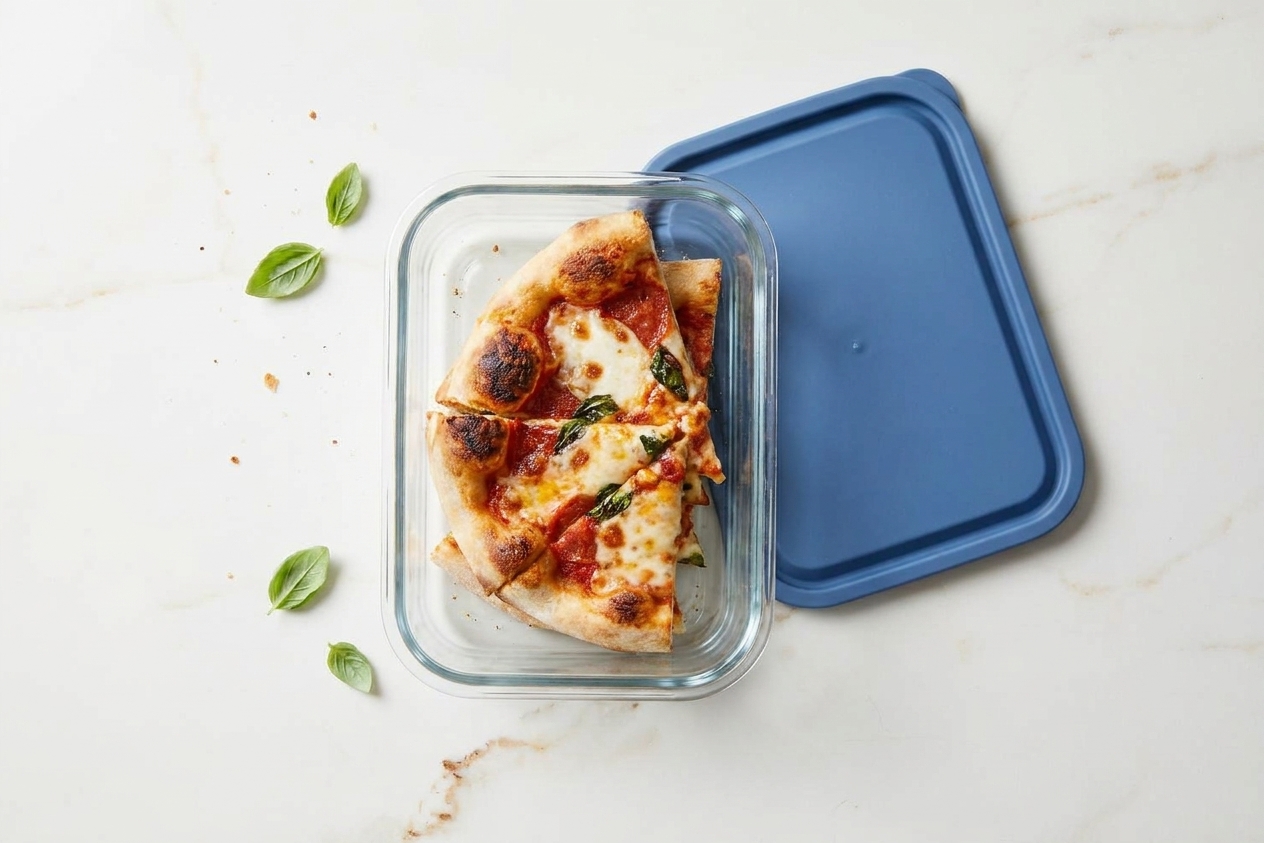
Leftover baked pizza: Wrap slices and refrigerate up to 4 days. Reheat in a skillet over medium heat with a lid for 2 to 4 minutes (crisps the bottom, melts the top) or on a sheet pan at 425°F for 6 to 8 minutes.

A glass food storage container holding leftover pizza slices on a kitchen counter with a reusable lid set beside it

Common Questions

Do I need bread flour?

Nope. All-purpose flour makes excellent pizza. Bread flour gives a slightly chewier crust, so use it if you have it. If you want to split the difference, do half all-purpose and half bread flour.

My dough is sticky. Should I add more flour?

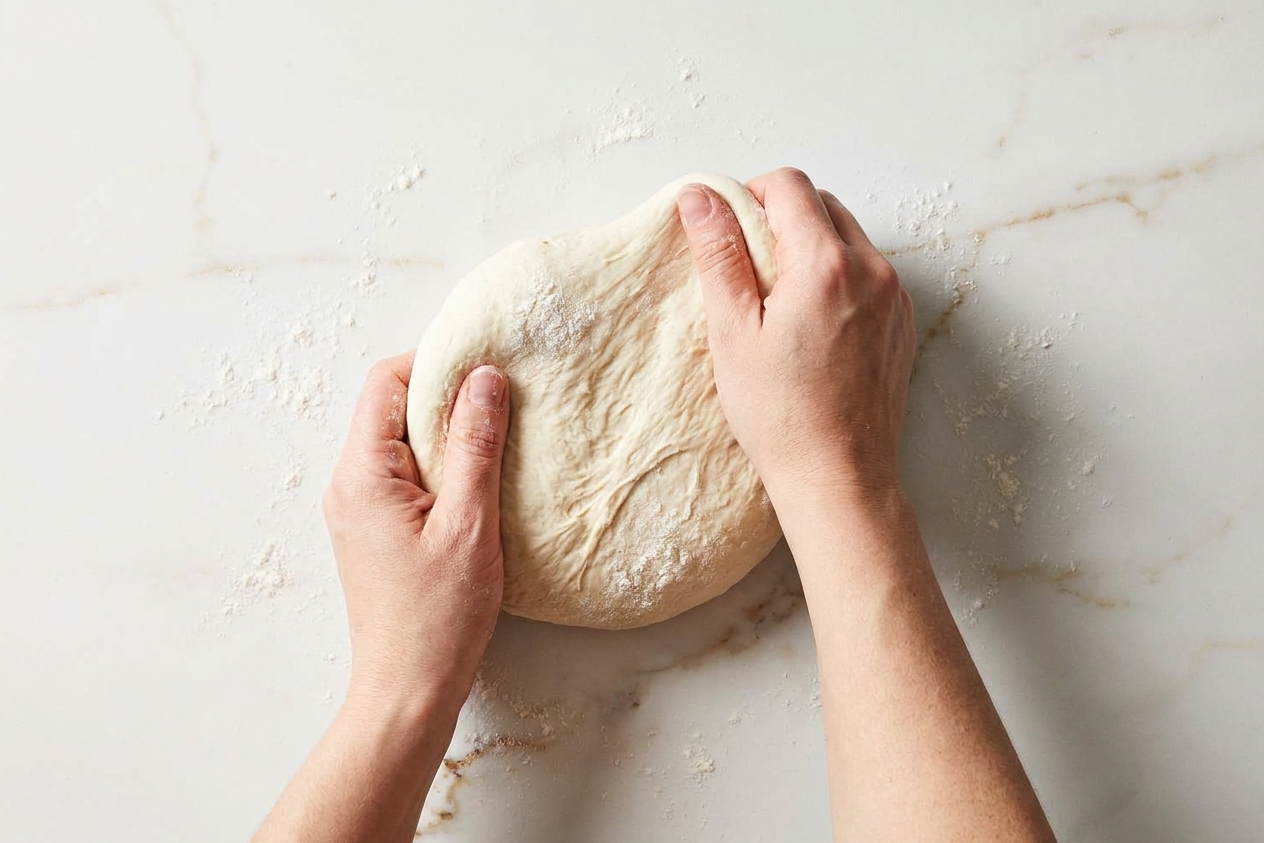
A little tacky is perfect. If it is truly sticky and clinging to your hands after a few minutes of kneading, add flour only a tablespoon at a time. The goal is a dough that feels soft and slightly tacky, not dry.

Can I make this dough without a stand mixer?

Yes. This recipe is designed for hand mixing. A bowl, a spoon, and your hands are enough.

Why does my dough snap back when I stretch it?

That usually means the gluten is tight and the dough is too cold or not rested enough. Cover it and let it relax 10 to 15 minutes, then try again. Also, bring refrigerated dough to room temperature before stretching.

What is the best baking surface?

A pizza stone or steel is great, but a flipped sheet pan works. The key is preheating it so the bottom sets fast and gets crisp.

Can I use instant yeast instead of active dry?

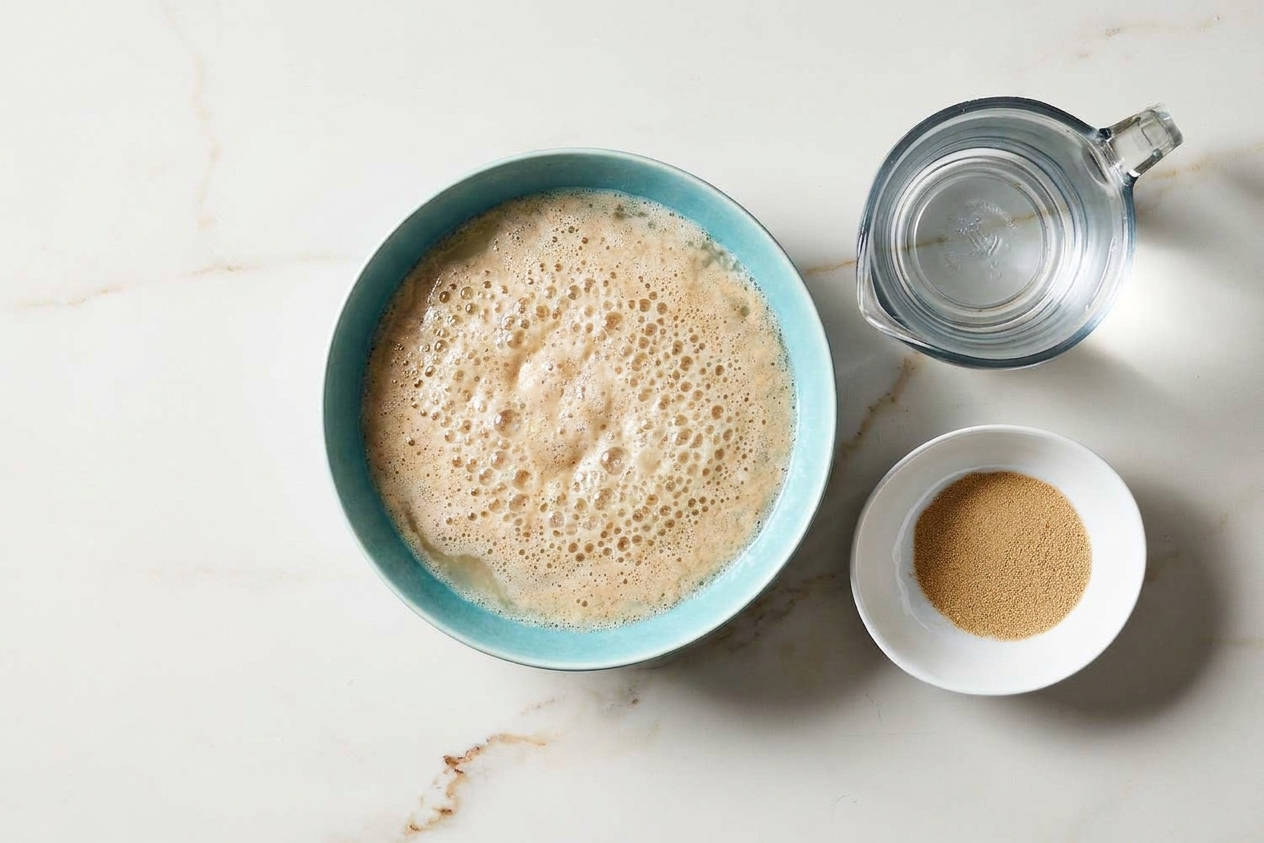
Yes. Use the same amount. Instant yeast may rise a bit faster. If you use instant yeast, you can skip the “bloom” step and mix it straight into the flour, but I still like dissolving it in warm water because it is reassuring.

How do I know the dough has doubled?

It should look noticeably puffier and feel airy. A gentle fingertip press should leave a dent that slowly fills back in. If it springs back immediately, it likely needs a little more time.

Any tips for baking on a sheet pan?

Use a sturdy sheet pan and preheat it upside down so you can slide the pizza on like a stone. Middle rack is a good default. If you are using parchment, check your brand’s heat rating. Some are not meant for 500°F. If in doubt, dust a peel or the back of another sheet pan with flour or semolina instead.

Pizza dough is one of those “I wonder if…” kitchen projects that turned into a weekly habit for me. I started making it because I wanted the crisp, blistered edges you get at a good spot, but without turning dinner into a whole production. Now it is my reset button. Mix, knead, let it rise while you do literally anything else, then throw on a bright sauce and whatever is in the fridge. It is relaxed cooking that still feels like you did something special.