Mom's Best Recipes
Recipe

Easy Keto Bread

Soft, sliceable low carb bread that toasts like a champ and makes a legit sandwich.

Author By Matt Campbell
4.8
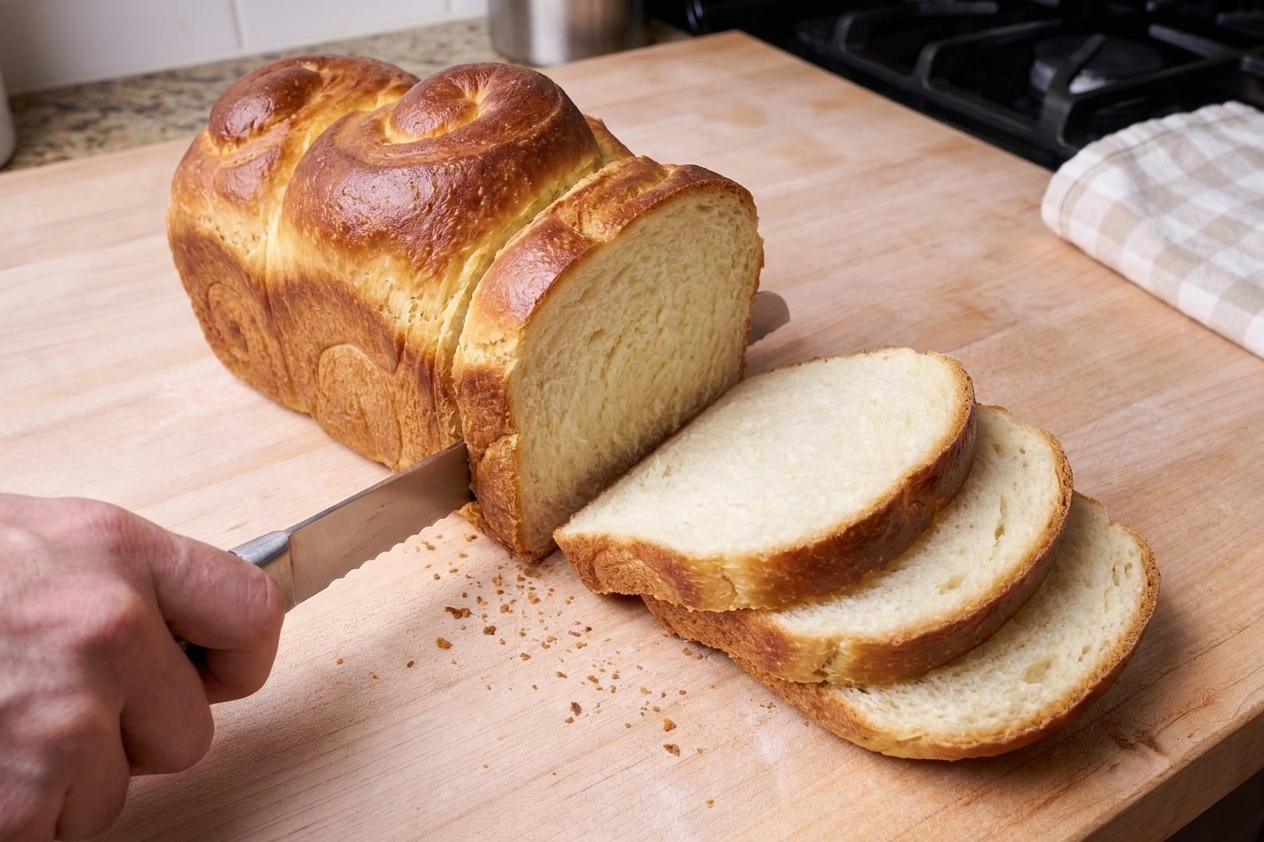
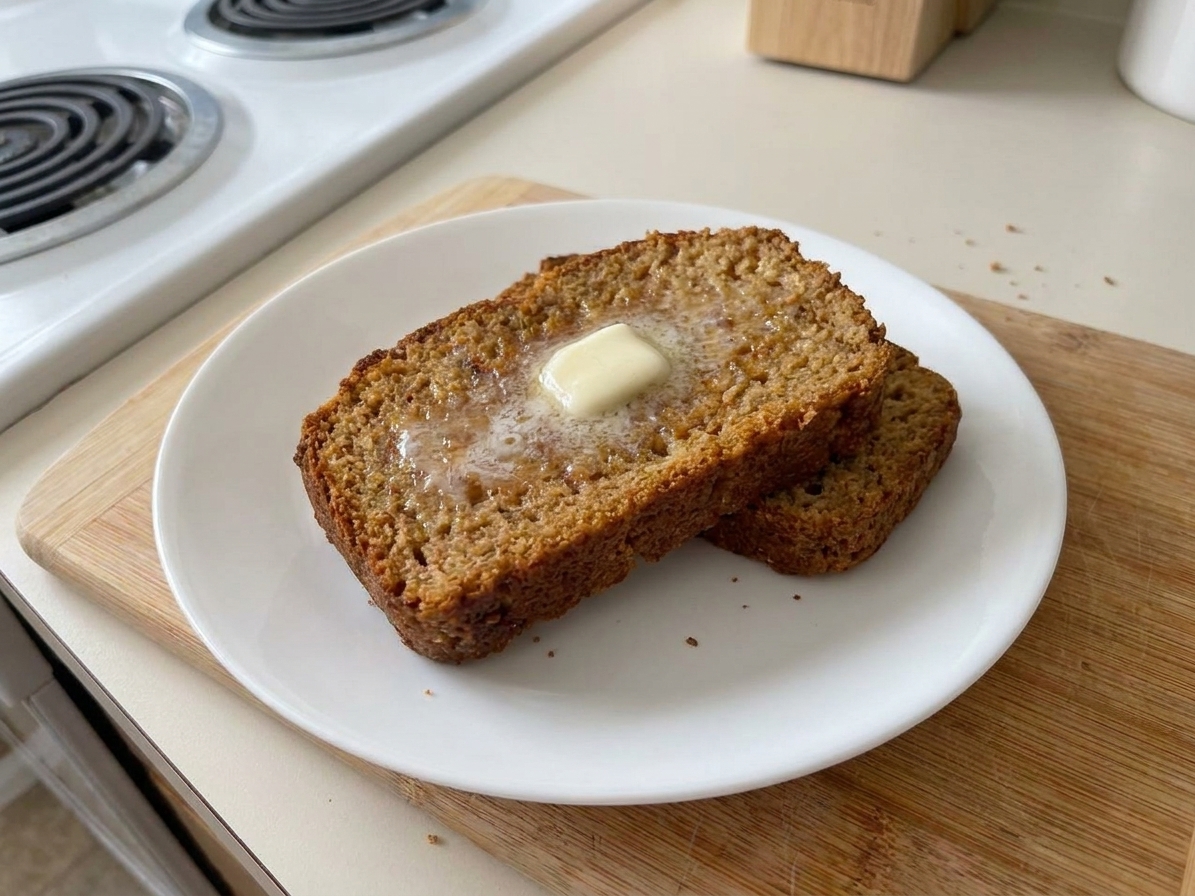
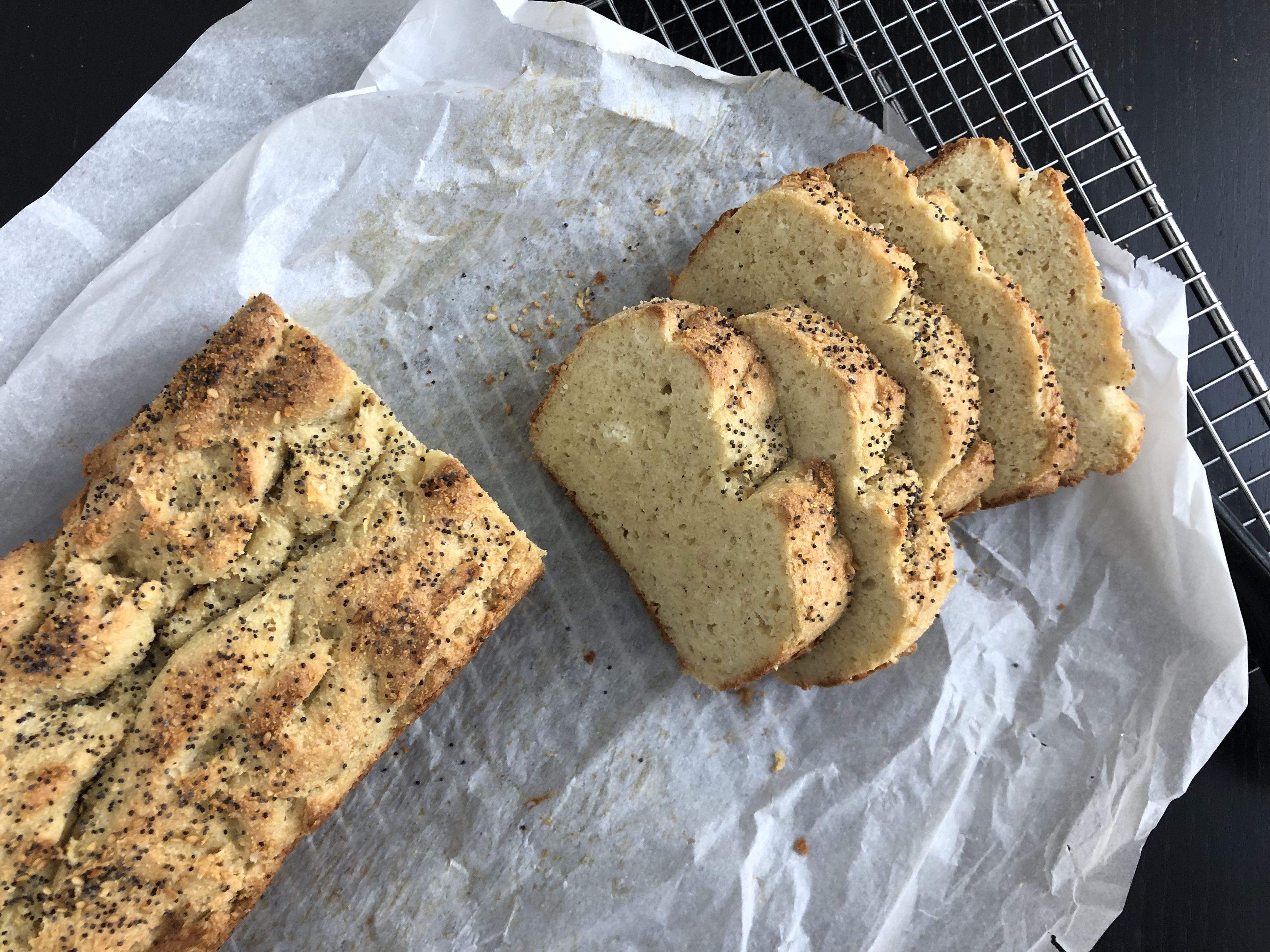
A golden brown loaf of keto bread sliced on a wooden cutting board with a few slices fanned out, on a bright home kitchen counter

Keto bread has a reputation for being either weirdly eggy, oddly wet, or shaped like a brick that could survive re-entry. This one is not that. This is the loaf I make when I want something I can slice thin, toast hard, and load up with tuna salad or a reckless amount of butter.

The secret is a small team effort: almond flour for tenderness, psyllium husk powder for that bread-like structure, and a quick rest so the dough can hydrate before it hits the oven. It is relaxed, forgiving, and the crumbs do not immediately betray you.
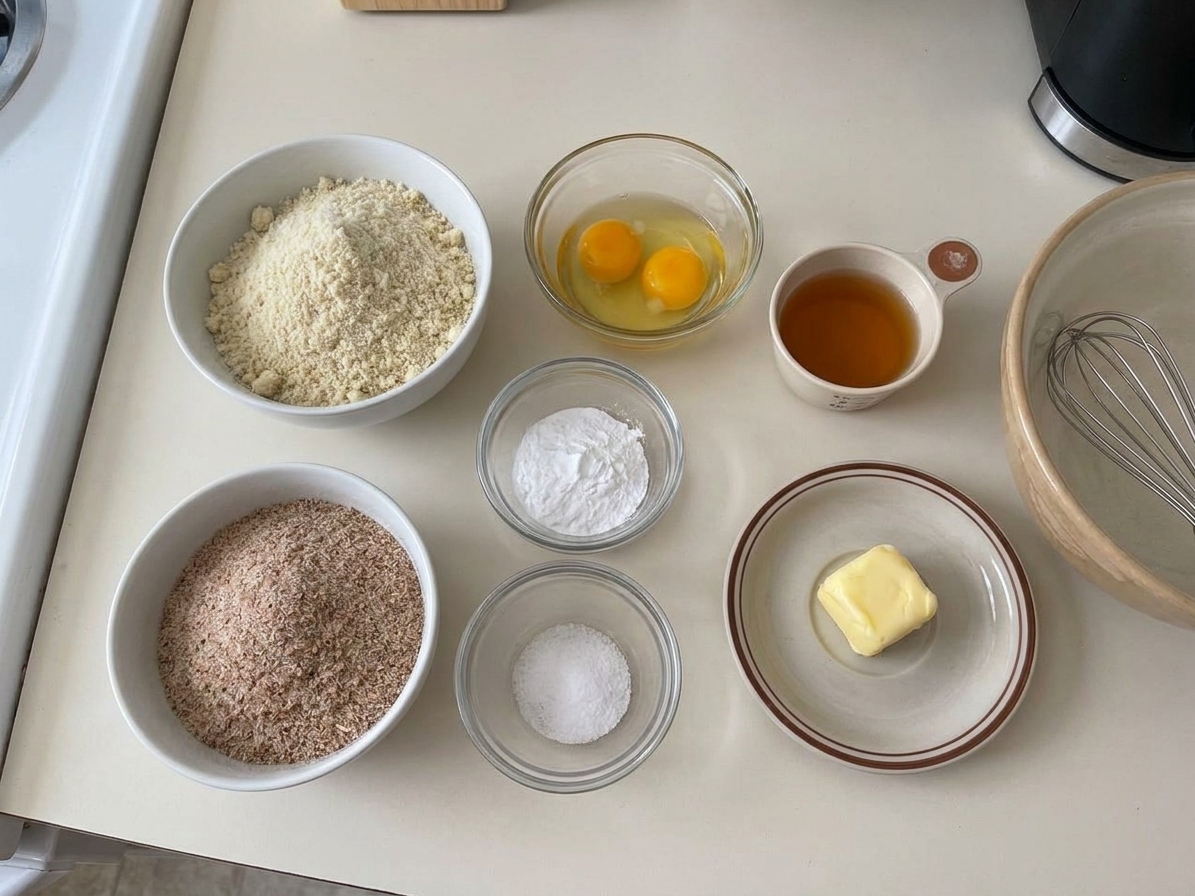
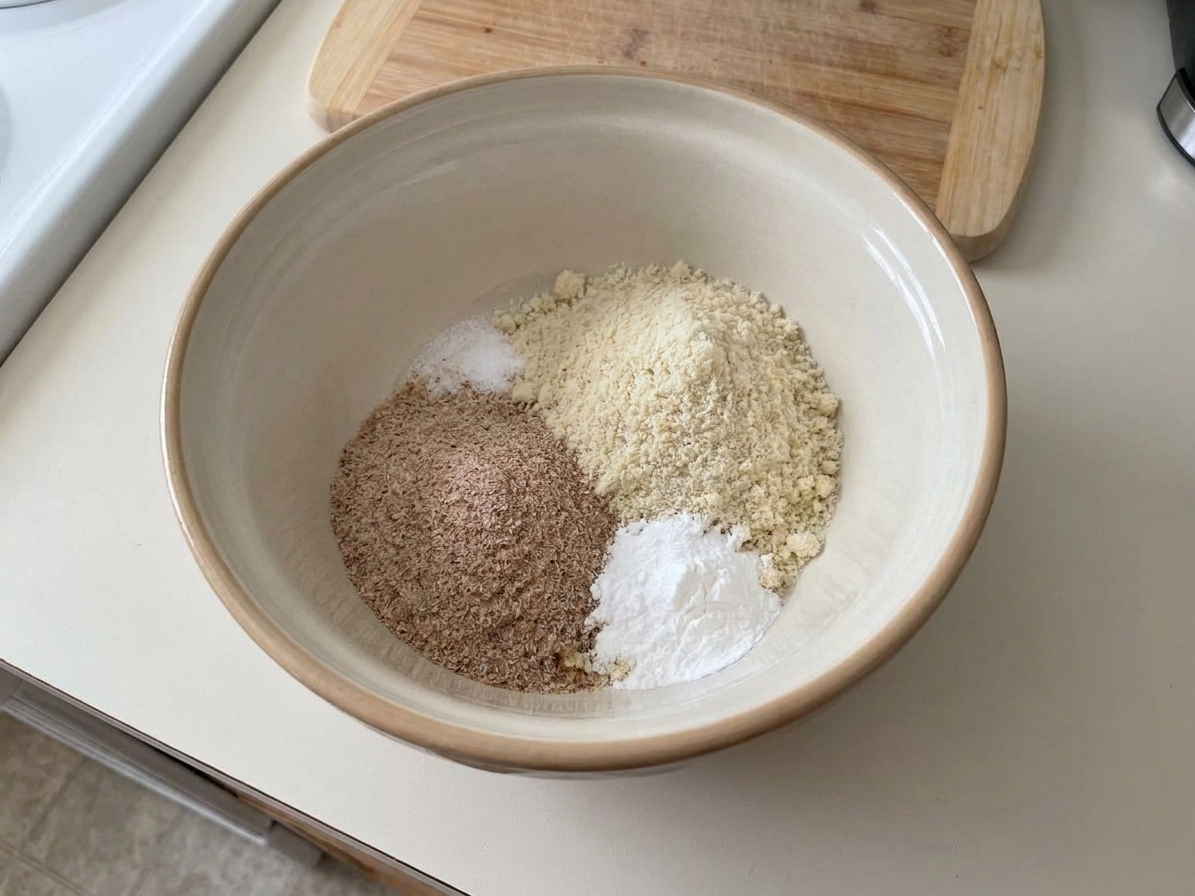
Almond flour, psyllium husk powder, eggs, baking powder, salt, apple cider vinegar, and butter measured out on a kitchen counter

Why It Works

  • Psyllium builds chew and lift: It traps moisture so the loaf bakes up springy and sliceable instead of sandy.
  • Vinegar helps the rise: Baking powder already has acid built in, but a little vinegar can give it a helpful nudge and improve the crumb in this style of loaf.
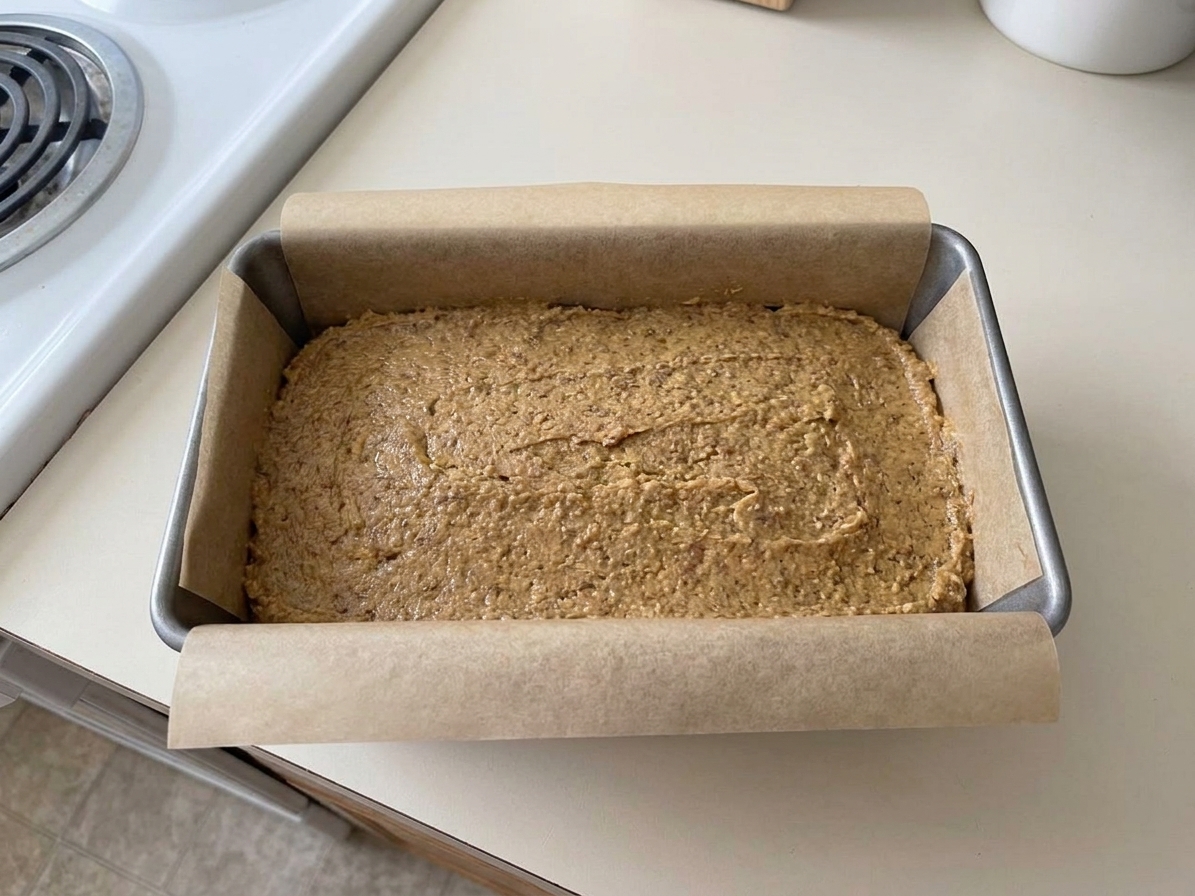
  • Resting the batter prevents gumminess: Psyllium needs a few minutes to hydrate. Skip this and the center can bake up dense.
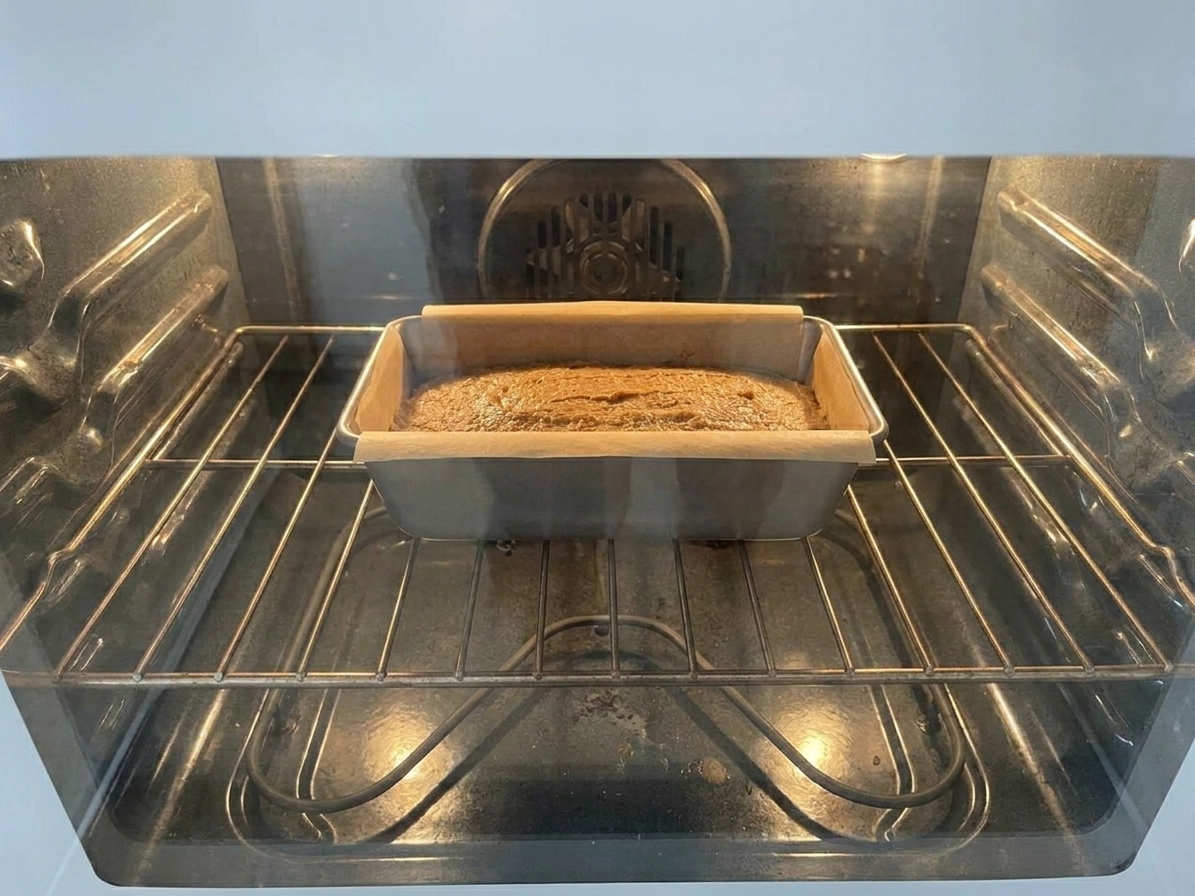
  • Low and steady bake: Keto loaves can brown before they are set. We bake until the interior is truly done, not just tan on top.

Pairs Well With

Storage Tips

Room temp: Store the fully cooled loaf (or slices) in a sealed bag or container for up to 2 days. Paper towel inside the bag helps absorb excess moisture.

Fridge: Up to 1 week, tightly wrapped. It is usually still safe, but quality can decline (it can dry and firm up), so plan to toast or warm slices.

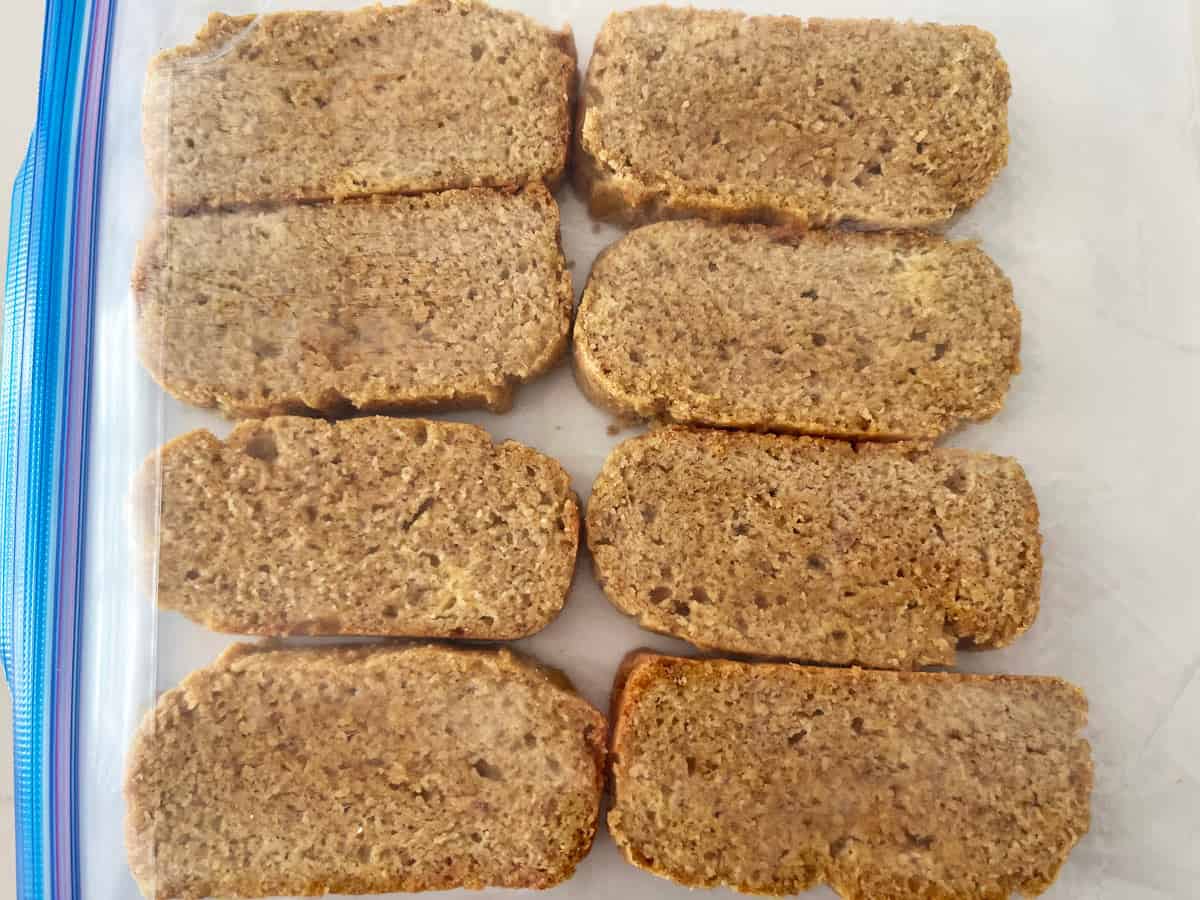
Freezer: Best move. Slice the loaf, freeze slices on a sheet pan for 30 minutes, then bag them up for up to 3 months. Toast straight from frozen.

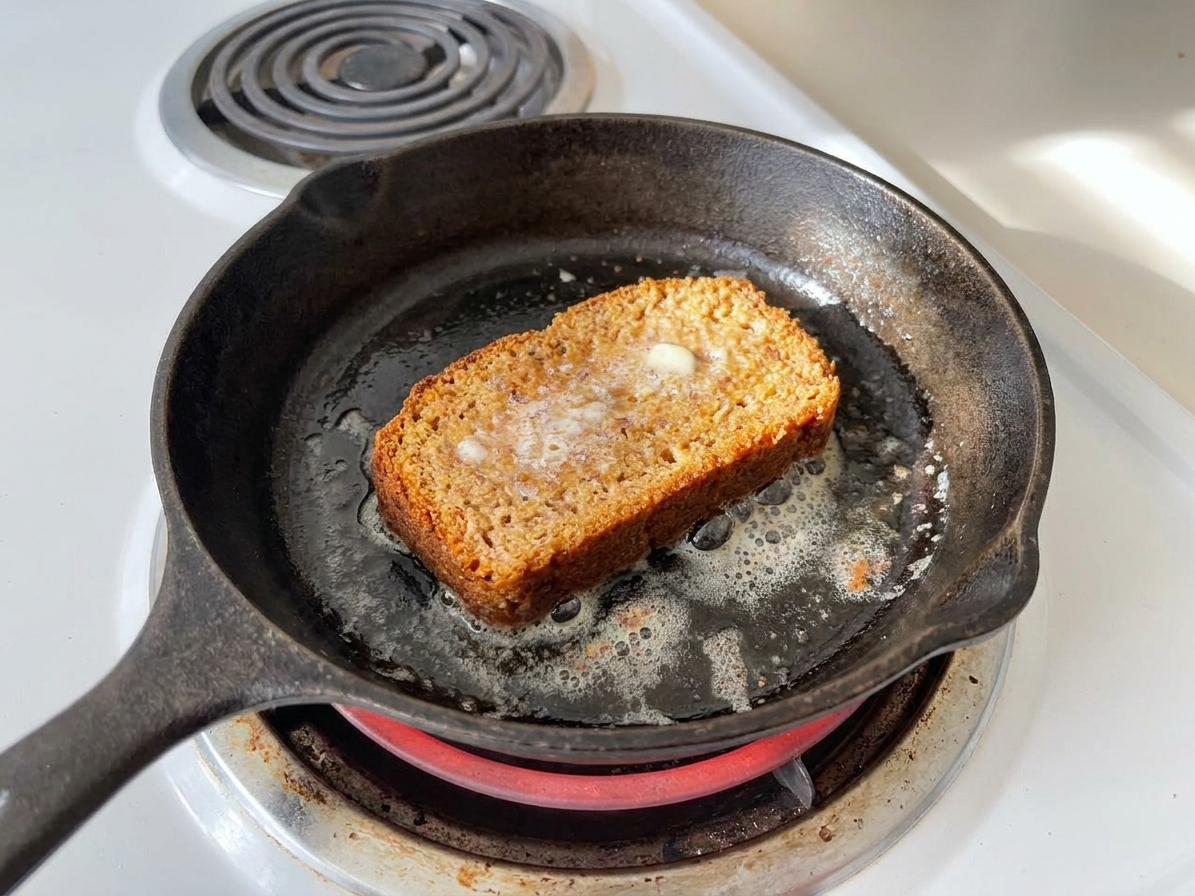
Reheat: Toast is the hero here. A skillet with a little butter also gives you those crisp edges that make everything feel more like real bread.

Sliced keto bread packed in a freezer bag, ready to freeze

Common Questions

Why is my keto bread gummy in the middle?

The usual culprits are underbaking, slicing while warm, or not letting the psyllium hydrate. Bake until the center is set (firm, not jiggly) and a skewer comes out with a few moist crumbs but no wet batter. If you use a thermometer, treat around 200 F in the center as a helpful confirmation, plus the visual tests. Then cool completely before slicing.

Do I have to use psyllium husk powder?

For this style of loaf, yes. Psyllium is what gives you structure and a bread-like bite. Whole husk can work, but it is more rustic and you may see little flecks. Absorbency varies a lot by brand and grind, so if you swap to whole husk, start with the same amount by weight and expect to adjust water by 1 to 3 tablespoons to get a thick, scoopable dough.

Why did my loaf turn purple or gray?

Some psyllium brands react with baking powder and heat, which can darken the crumb. It is harmless, just not cute. Switching psyllium brands usually fixes it.

Can I make it dairy free?

Yes. Swap the melted butter for the same amount of melted coconut oil or avocado oil.

Can I use coconut flour instead of almond flour?

Not as a 1:1 swap. Coconut flour is extremely absorbent. If you need a nut-free loaf, it is better to use a recipe written specifically for coconut flour.

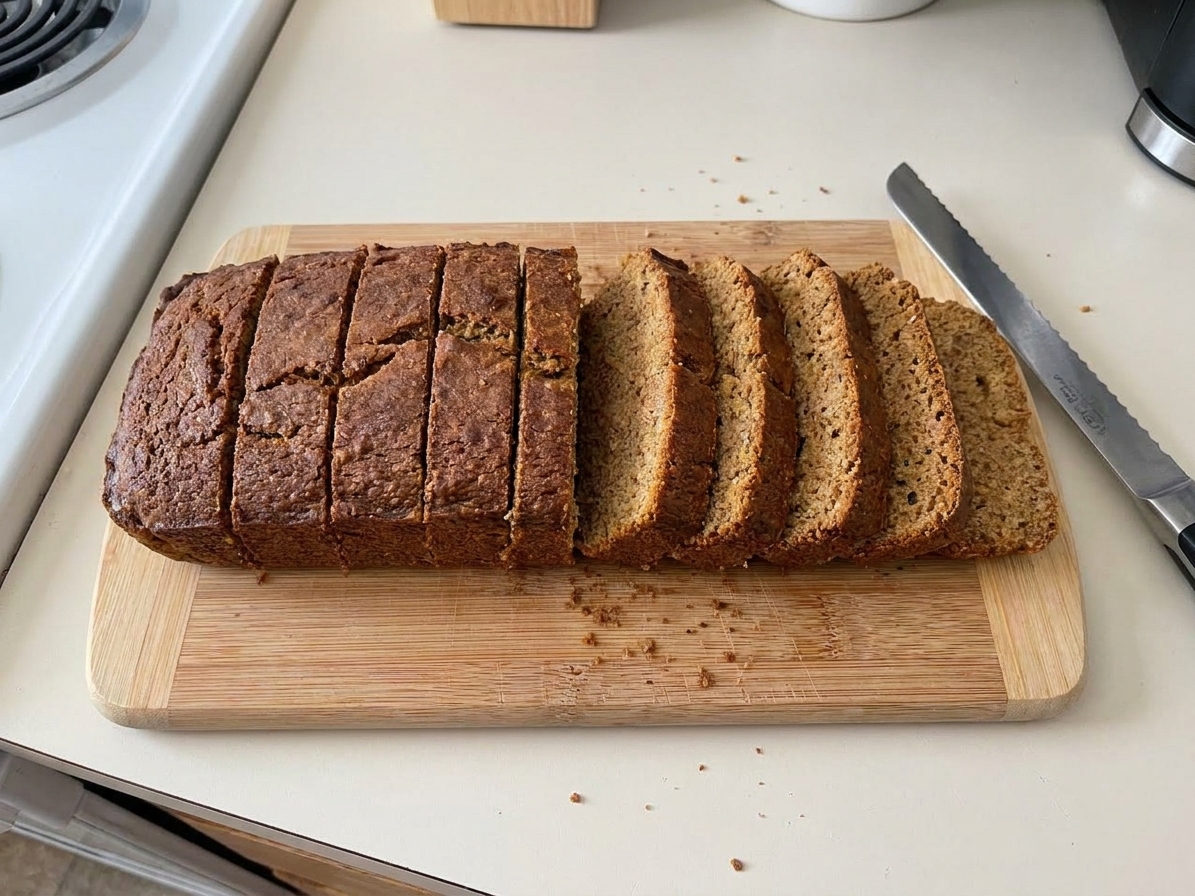
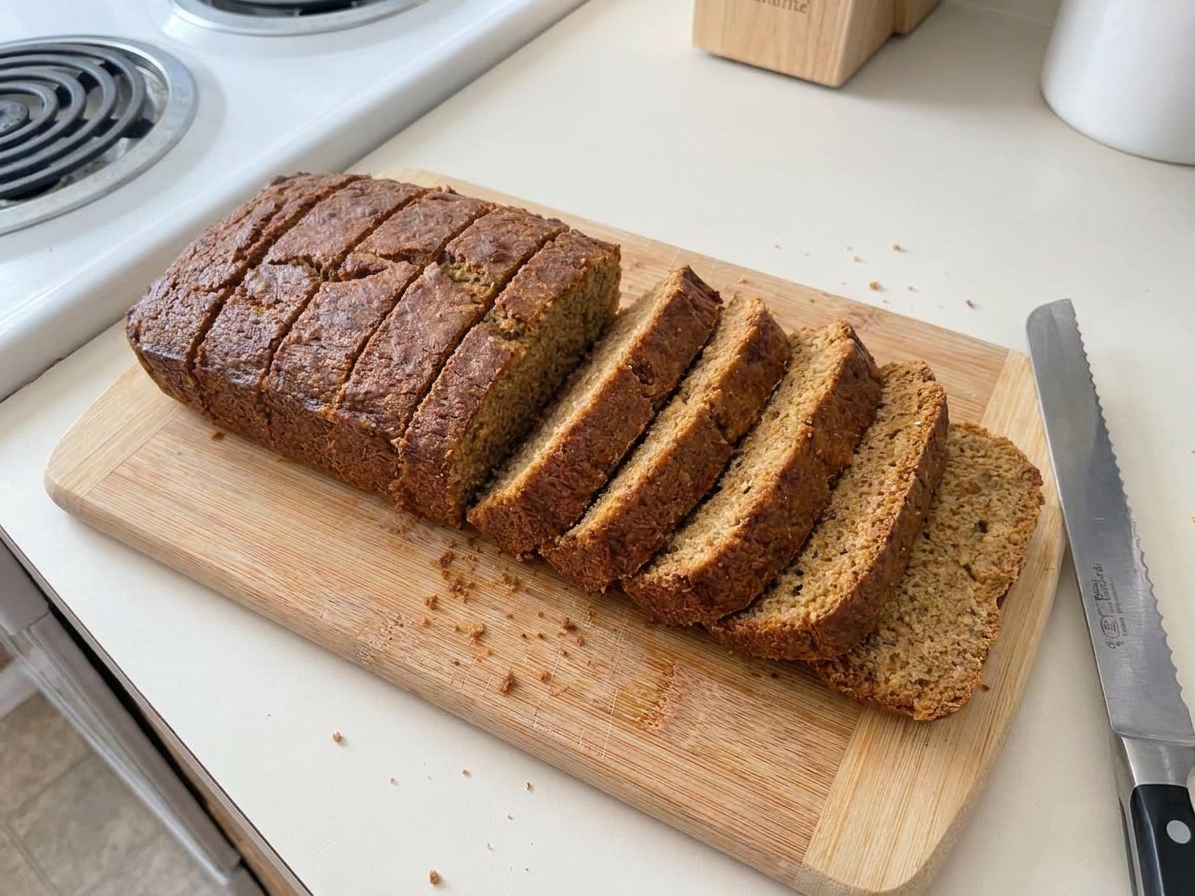
A fully cooled keto bread loaf sliced into even pieces on a cutting board

I love a big cooking project, but I also love feeding myself on a Tuesday without turning the kitchen into a science fair. Keto bread was one of those things I avoided for a while because every loaf felt like a gamble. Then I started treating it like a sauce: let it rest, taste the balance (salt matters), and do not rush the finish. Now this loaf is my default. It is the one I toast when I want crunch, and the one I trust when I am building a sandwich that deserves to be eaten over the sink.