Mom's Best Recipes
Recipe

Shokupan Milk Bread

Pillowy Japanese milk bread with a fine, shreddable crumb and lightly sweet flavor, built for toast, sandwiches, and snacking straight from the board.

Author By Matt Campbell
4.8
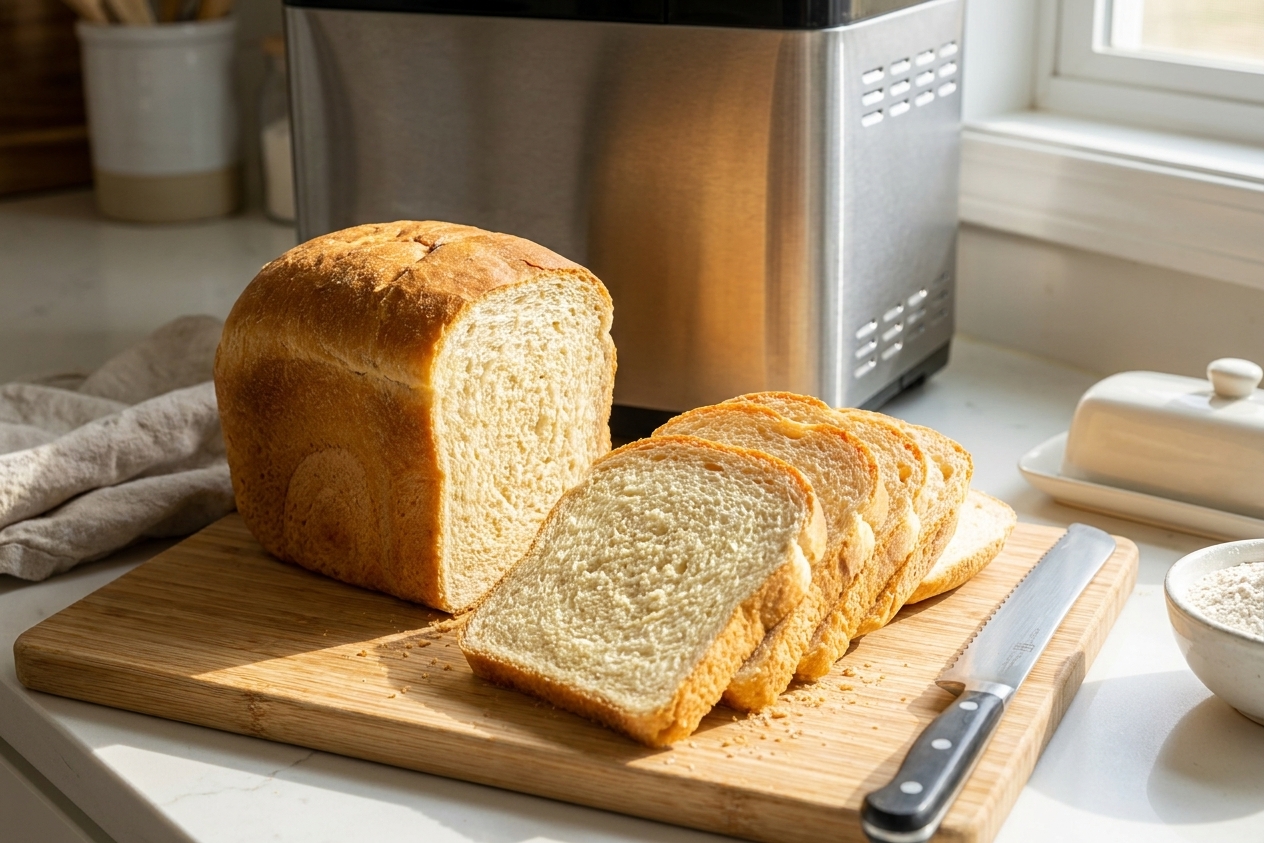
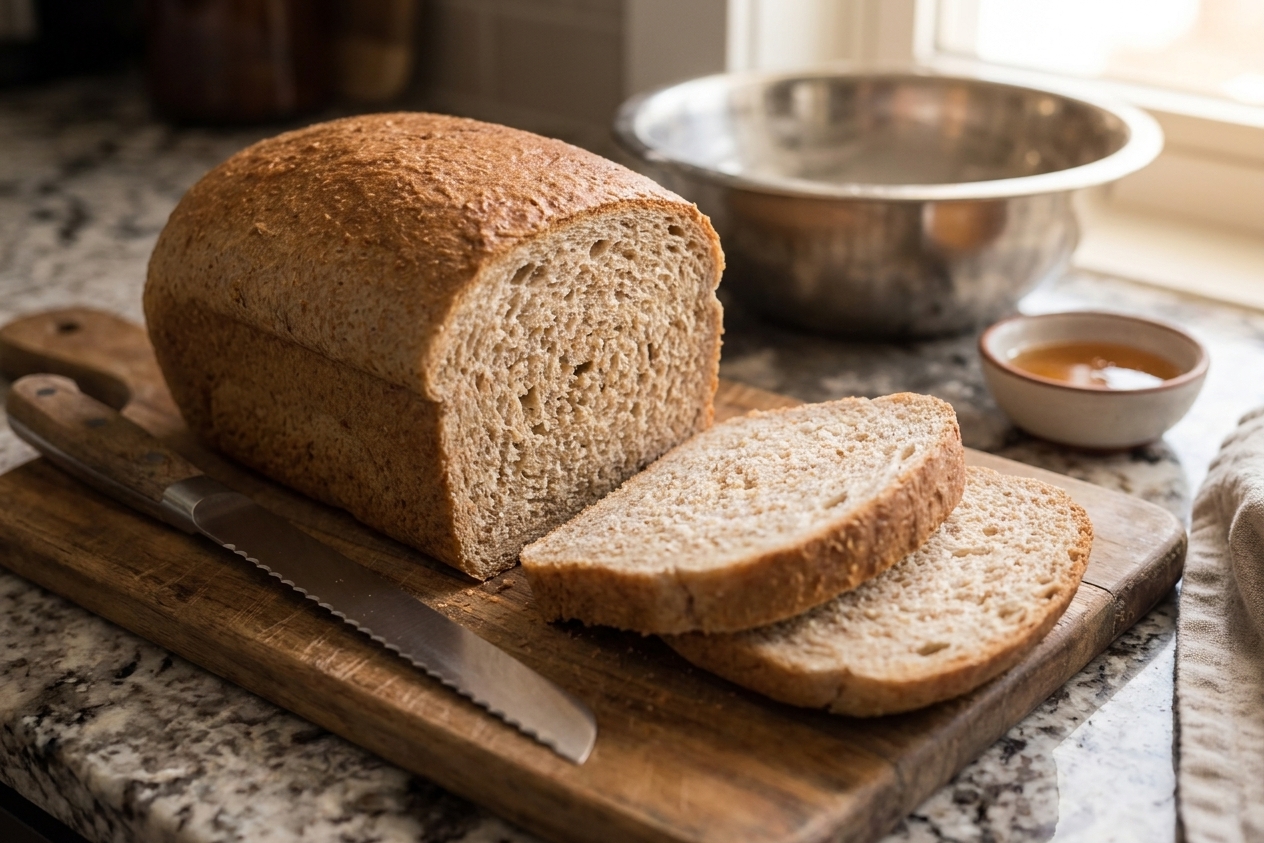
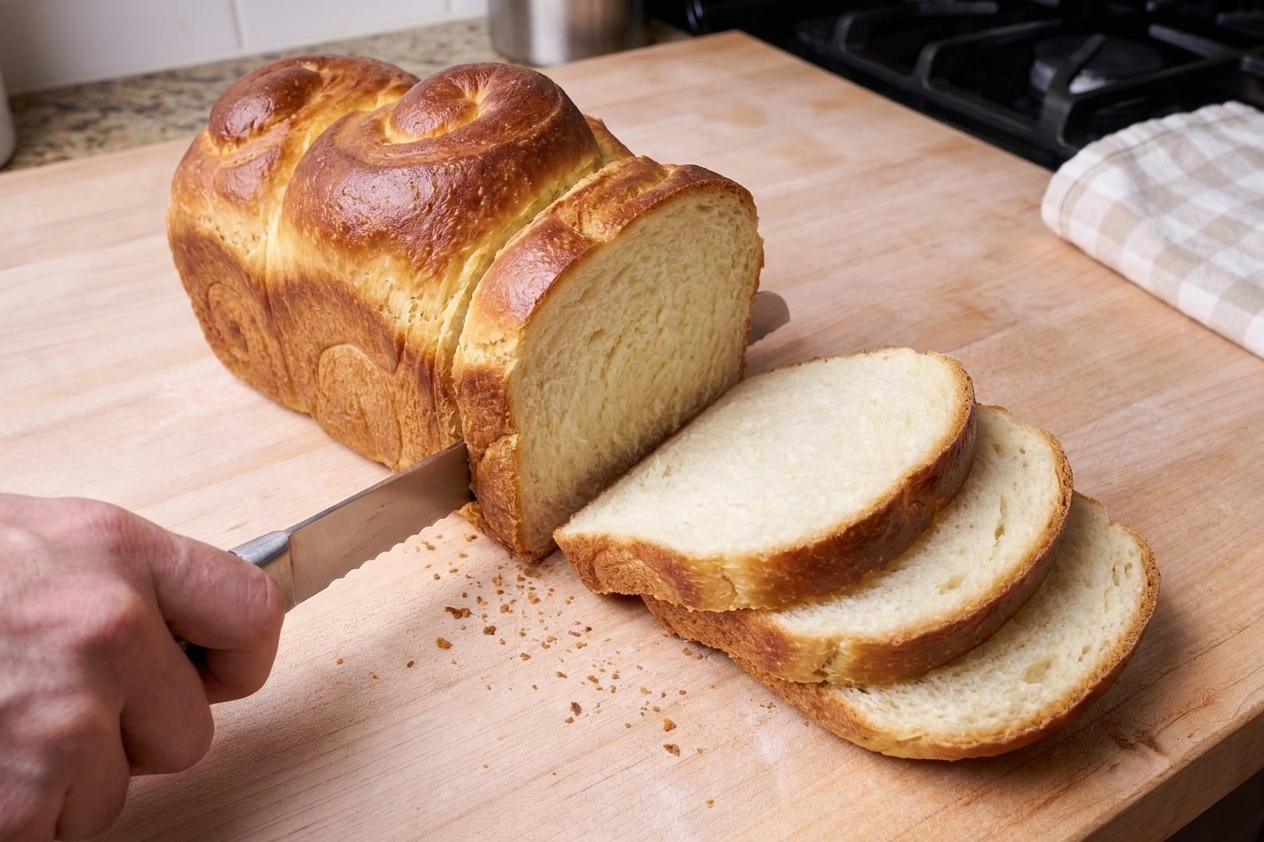
A tall, soft Japanese shokupan loaf sliced on a wooden cutting board with a few slices fanned out in a warm, homey kitchen setting

Shokupan is the bread I bake when I want maximum comfort with minimum drama. It is Japanese milk bread, famous for that cloud-soft crumb that tears in feathery layers and somehow makes even plain buttered toast taste like you have your life together.

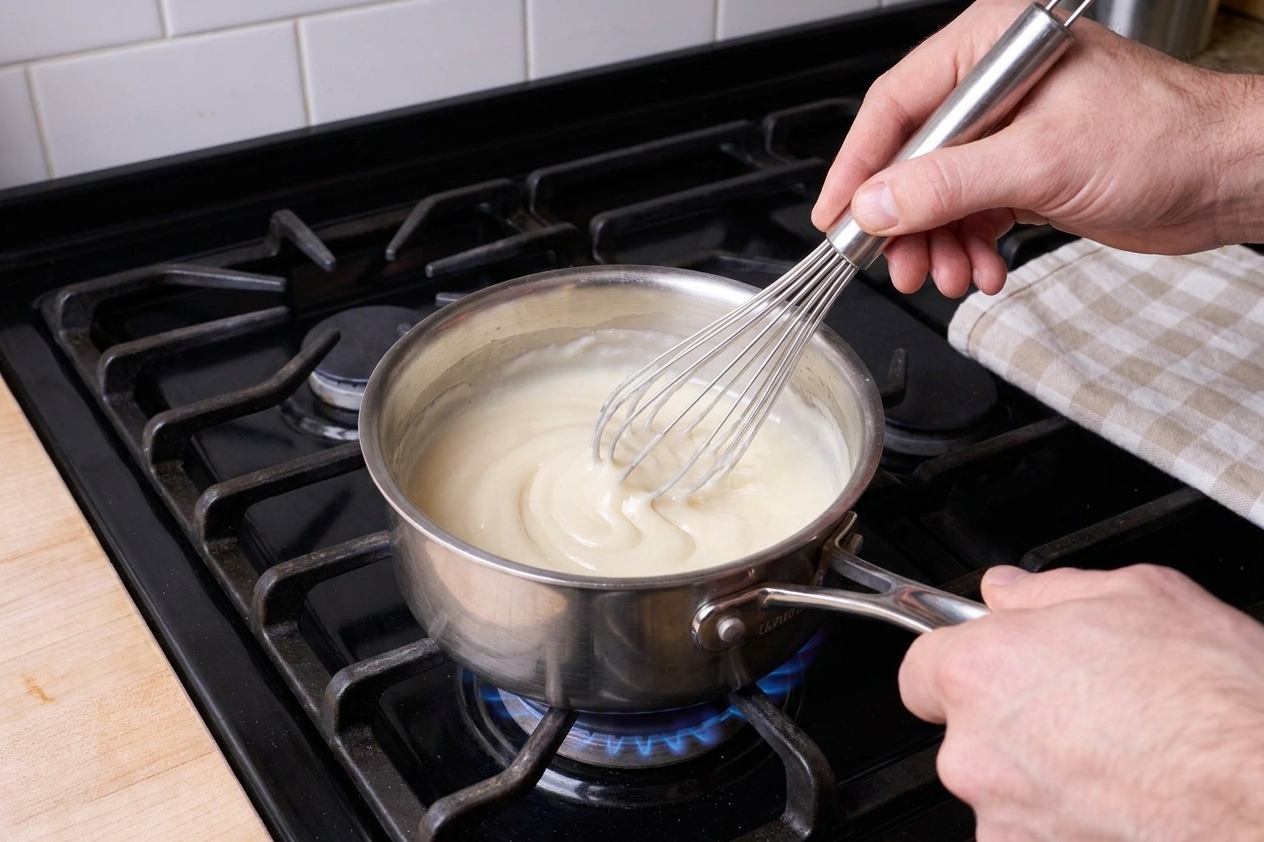
The secret is tangzhong, a quick cooked flour paste that locks in moisture and keeps the loaf soft for days. No obscure ingredients, no complicated schedule. Just a few smart steps, a little patience, and a loaf that is basically a hug in sandwich form.

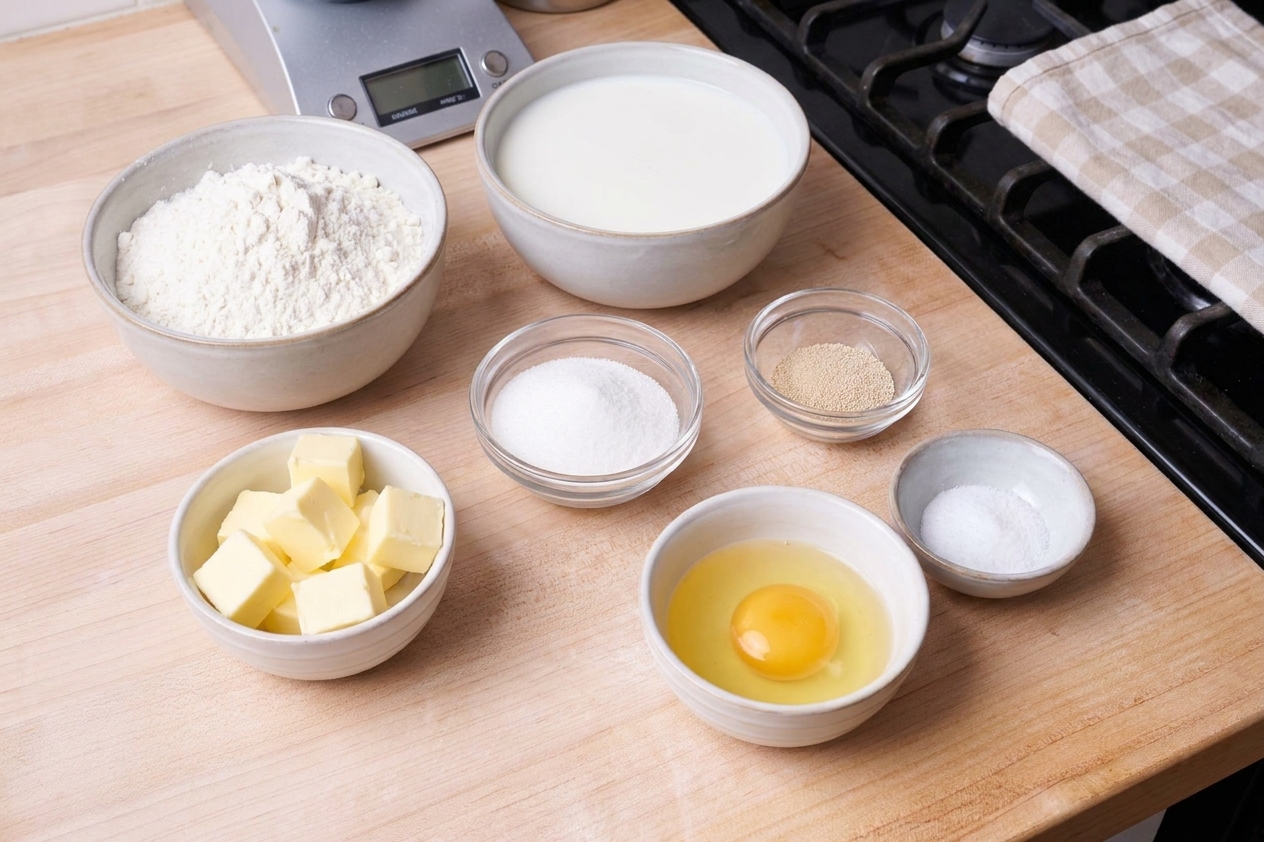
Measured flour, milk, sugar, yeast, butter, egg, and salt arranged in small bowls in a tidy home kitchen prep area

Why It Works

  • Ultra-soft slices: Tangzhong gives you that plush, even crumb without turning the bread cakey.
  • Stays fresh longer: This loaf holds moisture well, so day-two toast is still a joy.
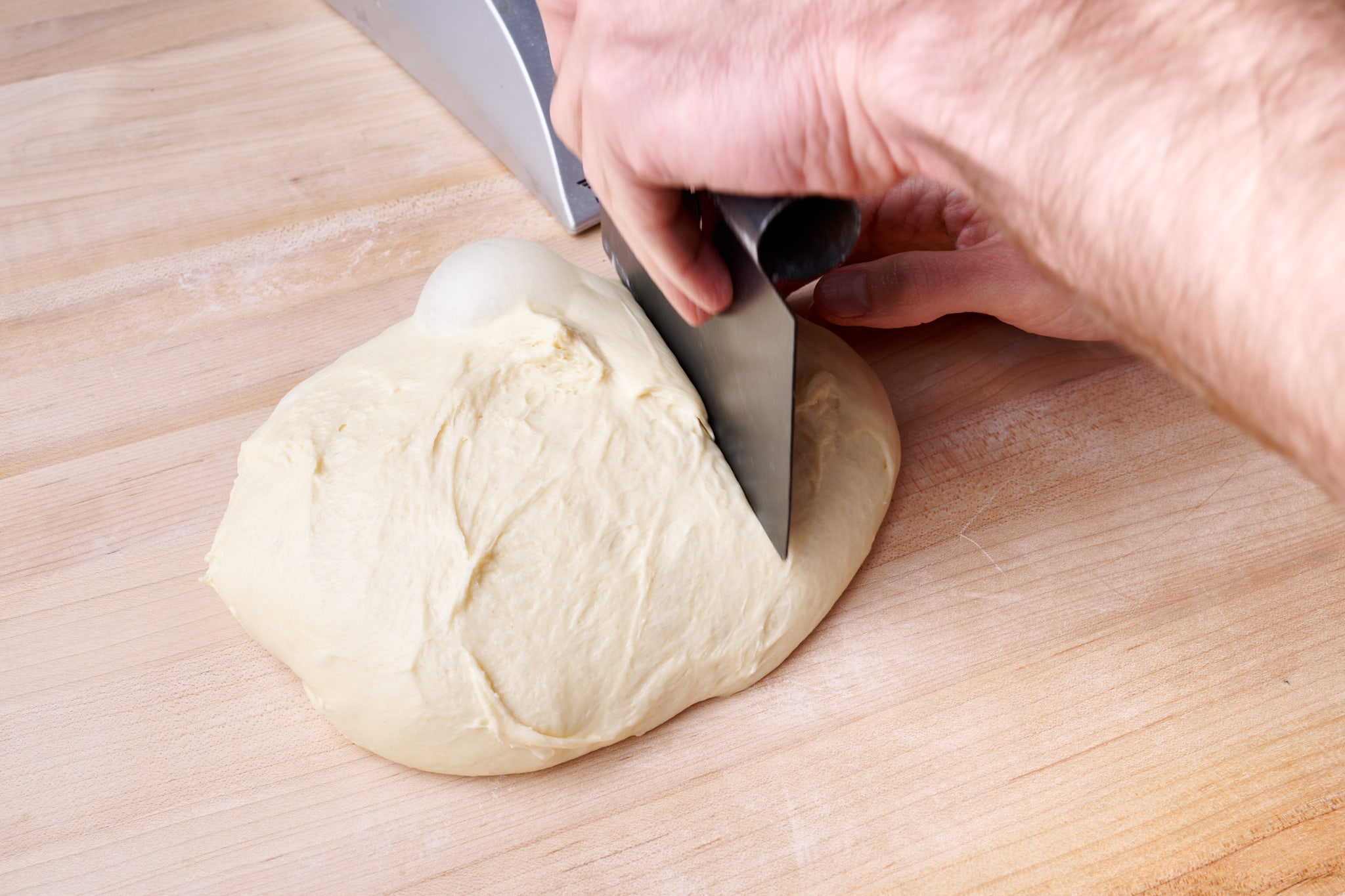
  • Beginner-friendly shaping: Simple rolls create a tall loaf with pretty pull-apart layers.
  • Versatile flavor: Lightly sweet and milky, it plays nice with jam, eggs, or a serious sandwich.

Pairs Well With

Storage Tips

Room temperature: Let the loaf cool completely, then store in a well-sealed bag or airtight container for 2 to 4 days. I like to keep it unsliced until needed to slow drying.

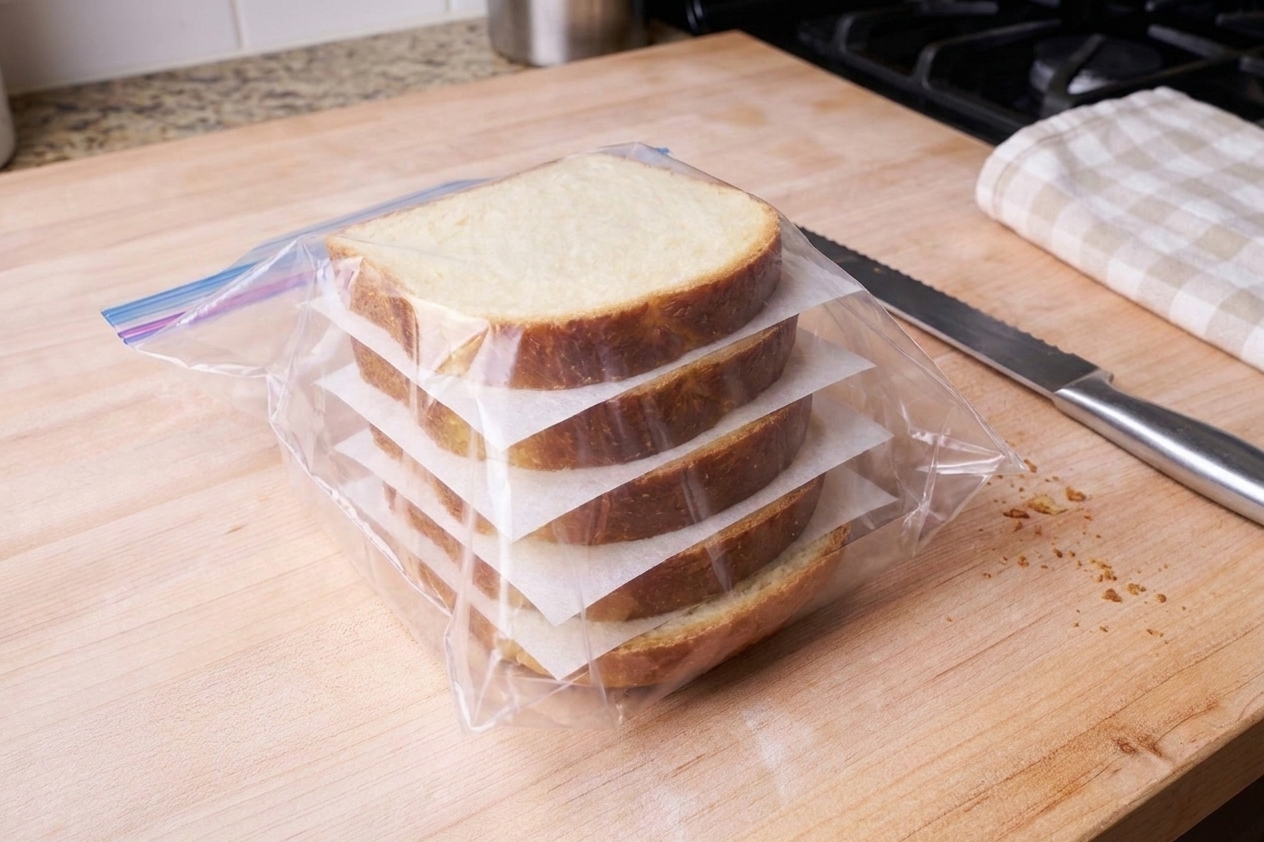
Freeze: Slice the cooled loaf, place parchment between slices, and freeze in a zip-top bag for up to 2 months. Toast straight from frozen.

Refresh: If slices feel a bit dry, lightly mist with water and warm in a toaster oven for a few minutes. It brings the softness back fast.

Sliced shokupan stacked with parchment between slices and stored in a zip-top bag for freezing

Common Questions

Do I need a special shokupan pan?

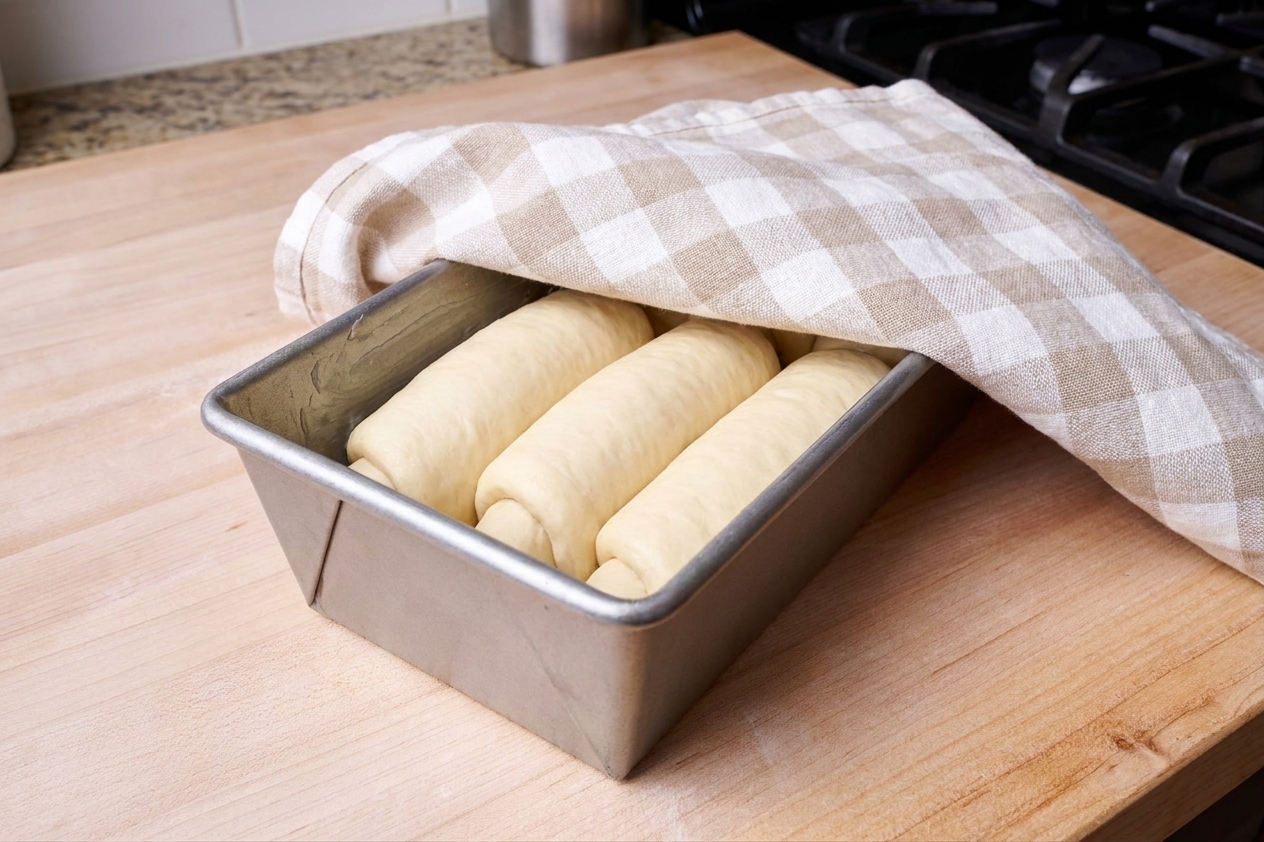
No. A 9x5-inch loaf pan works great for this dough amount. A Pullman pan gives a more squared-off shape, but the texture is still fantastic in a standard pan. If you use a smaller pan, the dough may dome high or risk overflowing.

What is tangzhong and can I skip it?

Tangzhong is a cooked mix of flour and milk that gelatinizes the starches. It makes the bread softer and helps it stay fresh. You can technically skip it, but you will lose that signature shokupan tenderness and keeping power.

Can I use bread flour instead of all-purpose?

Yes. Bread flour can give a slightly chewier bite and taller rise. If you use bread flour, hold back a tablespoon or two of milk and add only if the dough feels dry. Shokupan dough should be soft and a little tacky, not stiff.

Can I use active dry yeast?

Yes. Swap in the same amount. If you want the quickest start, dissolve it in the lukewarm milk first and let it stand until foamy, about 5 minutes, then proceed with the recipe.

Why is my dough not getting smooth?

This dough needs a solid knead to develop gluten. Keep going until it is glossy and stretchy. If it is tearing, give it a 5 to 10 minute rest, then knead again. Resting helps the gluten relax so it can organize.

How do I know it is fully baked?

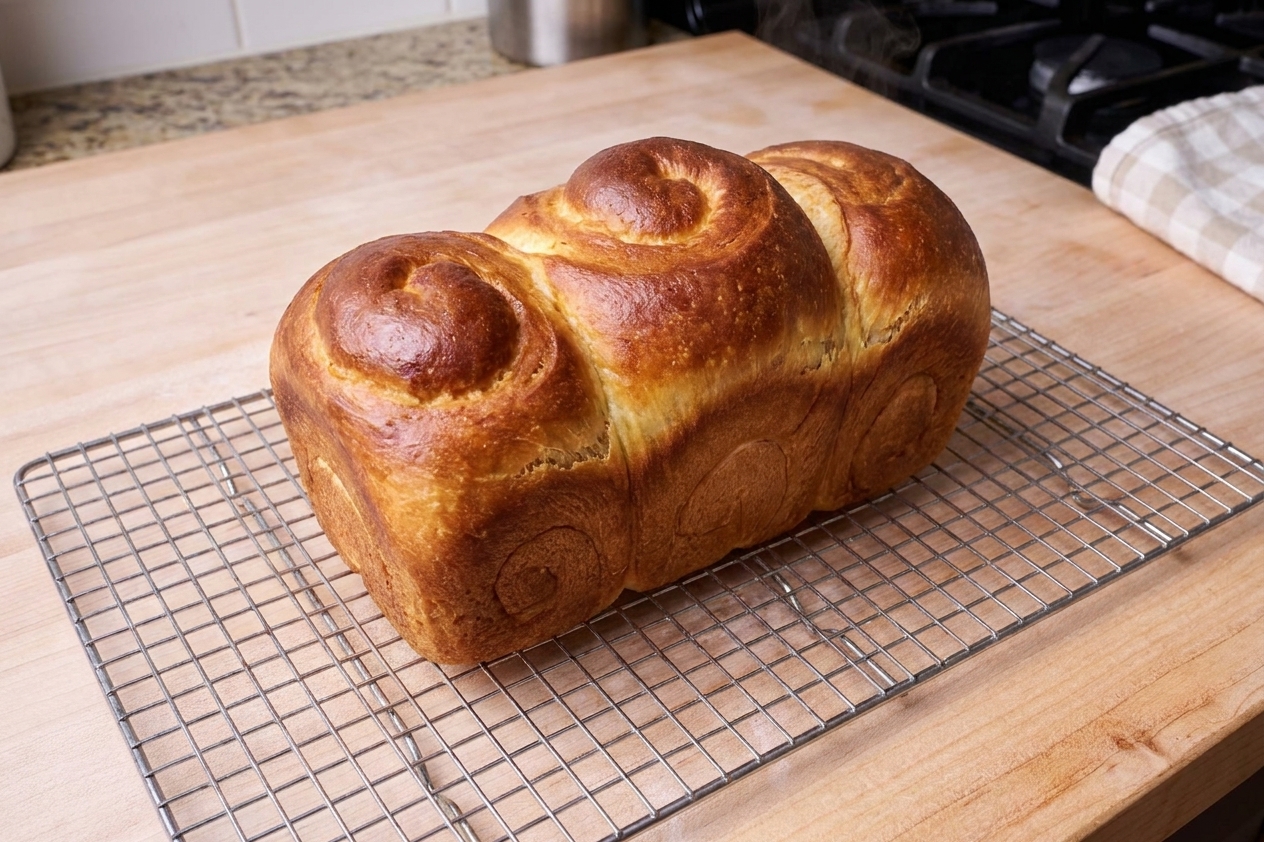
The top should be deeply golden and the loaf should sound hollow when tapped. If you use a thermometer, you are aiming for about 195 to 200°F in the center for the softest, fully set crumb.

The first time I tried shokupan at home, I expected it to be fussy. It was not. The tangzhong felt like a tiny magic trick, and suddenly I had this soft, tall loaf that made peanut butter and jelly taste like a five-star dessert. Now it is my go-to “reset” bake when the week is messy and I want something cozy and reliable to anchor breakfasts and lunchboxes.