
Mom's Best Recipes
Recipe

Easy Lemon Icing

A 3-ingredient, 5-minute lemon icing that turns any bake into a bakery-looking treat with a bright, tangy, citrusy finish. Zest and salt are optional, but highly encouraged.

Author By Matt Campbell
4.9
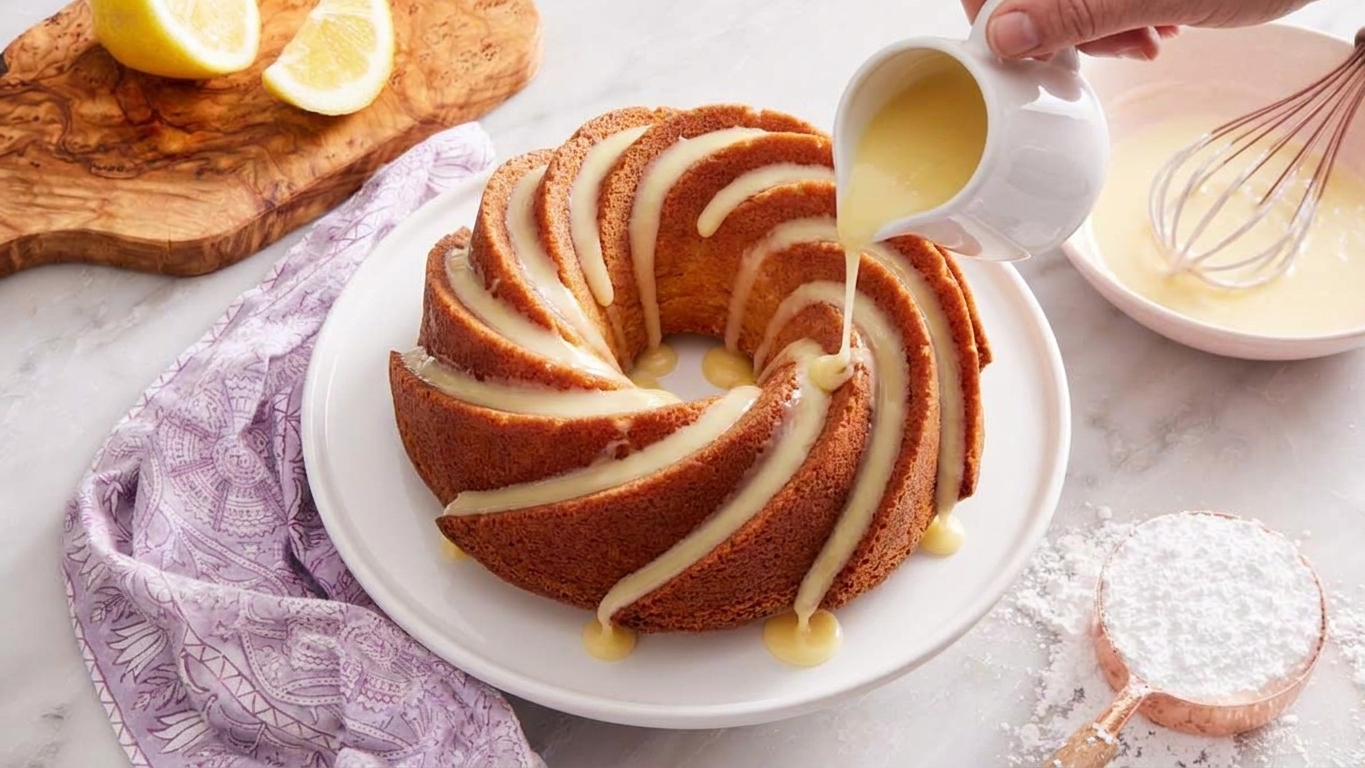
A golden Bundt cake on a white cake stand while glossy lemon icing is being drizzled over the top, pooling slightly in the ridges on a bright kitchen counter

Lemon icing is my favorite kind of finishing move. It is bright, loud in the best way, and it hits with that tangy citrus snap that makes even a basic loaf cake look like it has plans later. This version is the simple, dependable one: powdered sugar, fresh lemon juice, and just enough zest to make your kitchen smell like you are thriving.

The goal here is glossy, smooth, and drizzleable. It should set up with a soft sheen, not turn into a rock, and not slide right off your baked goods like it is trying to escape. You can make it thick for spreading on cookies, or thin for that perfect drip down the sides of a Bundt cake. I will show you both, plus how to fix it if you overshoot.
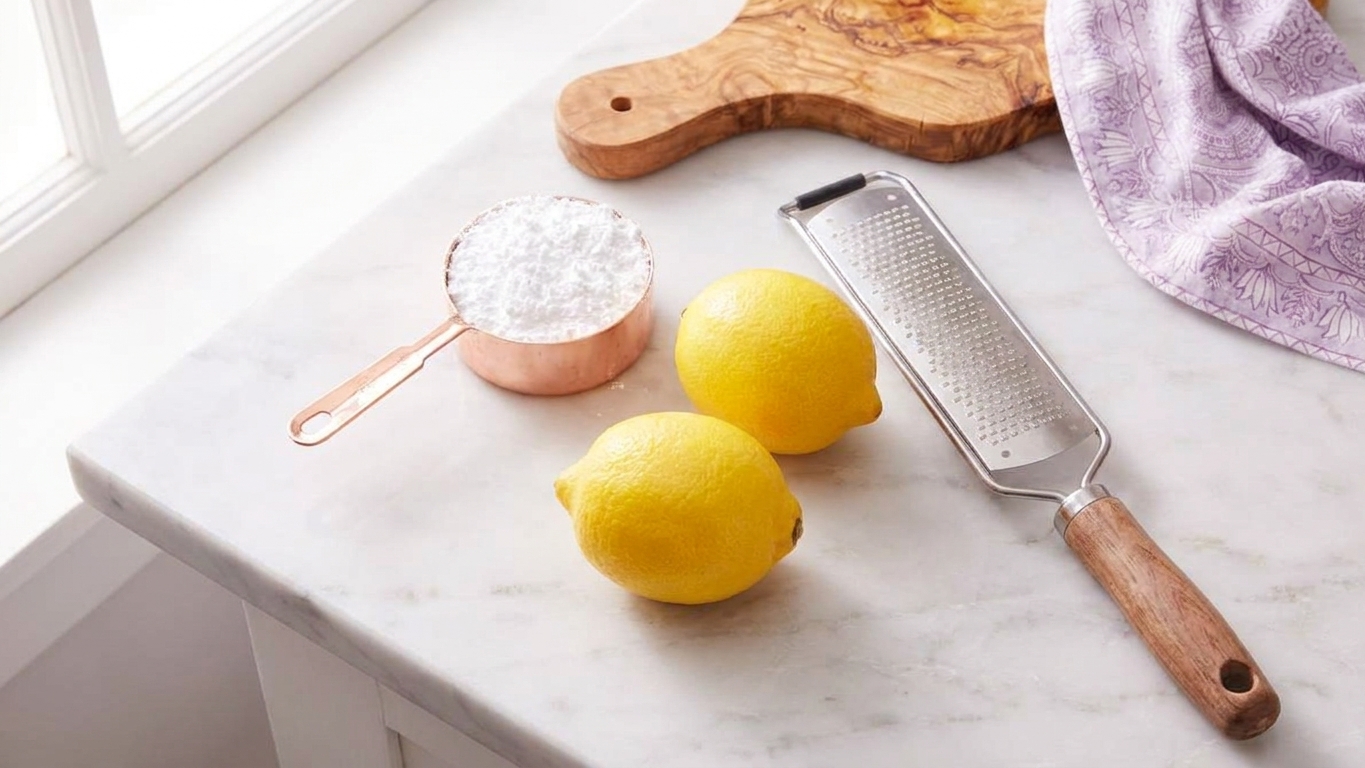
A small bowl of powdered sugar with whole lemons and a microplane zester on a clean kitchen counter in natural window light

Why It Works

  • Big lemon flavor without weird extracts: Fresh juice brings the tang, zest brings the aroma.
  • Fast and forgiving: Too thick? Add drops of juice. Too thin? Add a spoonful of sugar.
  • Sets nicely: It dries to a smooth finish that stays tender, not brittle.
  • Works on everything: Drizzle on cakes and scones, spread on cookies, or use it as a quick glaze for rolls.

Pairs Well With

Storage Tips

Storage Tips

Short term (best option): Store leftover lemon icing in an airtight container in the fridge for 3 to 5 days. If you used zest, give it a quick sniff and stir before using, since zest can get a little bitter over time.

To use again: Let it sit at room temperature for 10 to 15 minutes, then stir well. If it thickened, loosen it with 1 to 2 teaspoons water or lemon juice, adding a few drops at a time.

Freezing: Not my favorite, but it can work. Freeze in a freezer-safe container and use within 1 to 2 months for best texture. Thaw overnight in the fridge, then whisk until smooth. If it looks separated, keep whisking and add a tiny splash of liquid to bring it back.

On baked goods: Once set, iced items can usually sit covered at cool room temperature for a day. For anything topped with cream cheese, whipped cream, or other dairy-heavy frostings, follow that recipe’s storage rules instead.

Common Questions

Common Questions

How do I make lemon icing thicker or thinner?

Thicker: Add powdered sugar, 1 tablespoon at a time.

Thinner: Add lemon juice or water, 1 teaspoon at a time. Go slow. It changes fast.

Why is my icing grainy?

Usually it just needs more whisking, or your powdered sugar is lumpy. Sift the powdered sugar next time, and whisk for 30 to 60 seconds until glossy. If you used zest, make sure it is finely grated so it does not feel chunky.

Can I use bottled lemon juice?

Yes, especially in a pinch. Fresh juice tastes brighter and cleaner, but bottled will still give you a solid tang. If you use bottled, I strongly recommend adding zest to bring back that fresh lemon aroma.

Does lemon icing harden?

It sets. It will dry to the touch and hold its shape, but it should still bite tender. If it is turning rock-hard, it is usually too thick, you used very little liquid, or it sat a long time in a very dry environment. Thin it slightly next time for a softer finish.

Can I make it dairy-free?

This recipe is naturally dairy-free if you stick with powdered sugar, lemon juice, and zest. If you are highly sensitive to dairy or allergens, check your powdered sugar label and brand notes to be safe.

Can I color lemon icing?

Yes. Use a tiny amount of gel food coloring so you do not thin the icing out. One toothpick dip is often enough.

Hands whisking a small bowl of pale yellow lemon icing with a metal whisk on a kitchen counter, with a lemon half nearby

I started making lemon icing in the phase of life where I was baking more than I could reasonably justify, mostly because I wanted an easy way to make “regular cake” feel like a moment. Lemon glaze was the answer. I could take a plain loaf, stir three ingredients together while it cooled, and suddenly it looked like I had it all under control. The best part is that it tastes like you tried harder than you did. That is my kind of kitchen magic.