Mom's Best Recipes
Recipe

Easy Miso Ramen

A weeknight miso ramen with a rich, savory broth, springy noodles, and simple toppings like jammy eggs and scallions.

Author By Matt Campbell
4.8
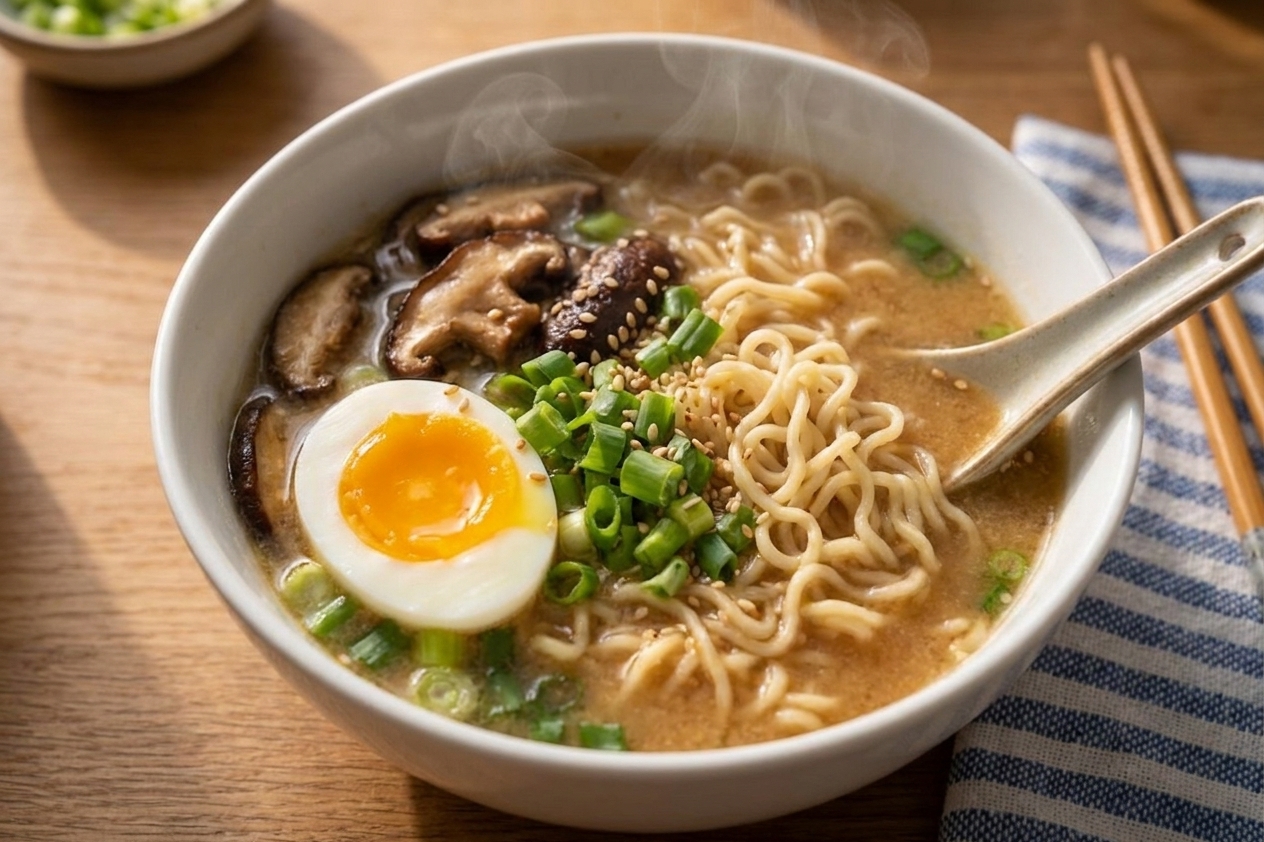
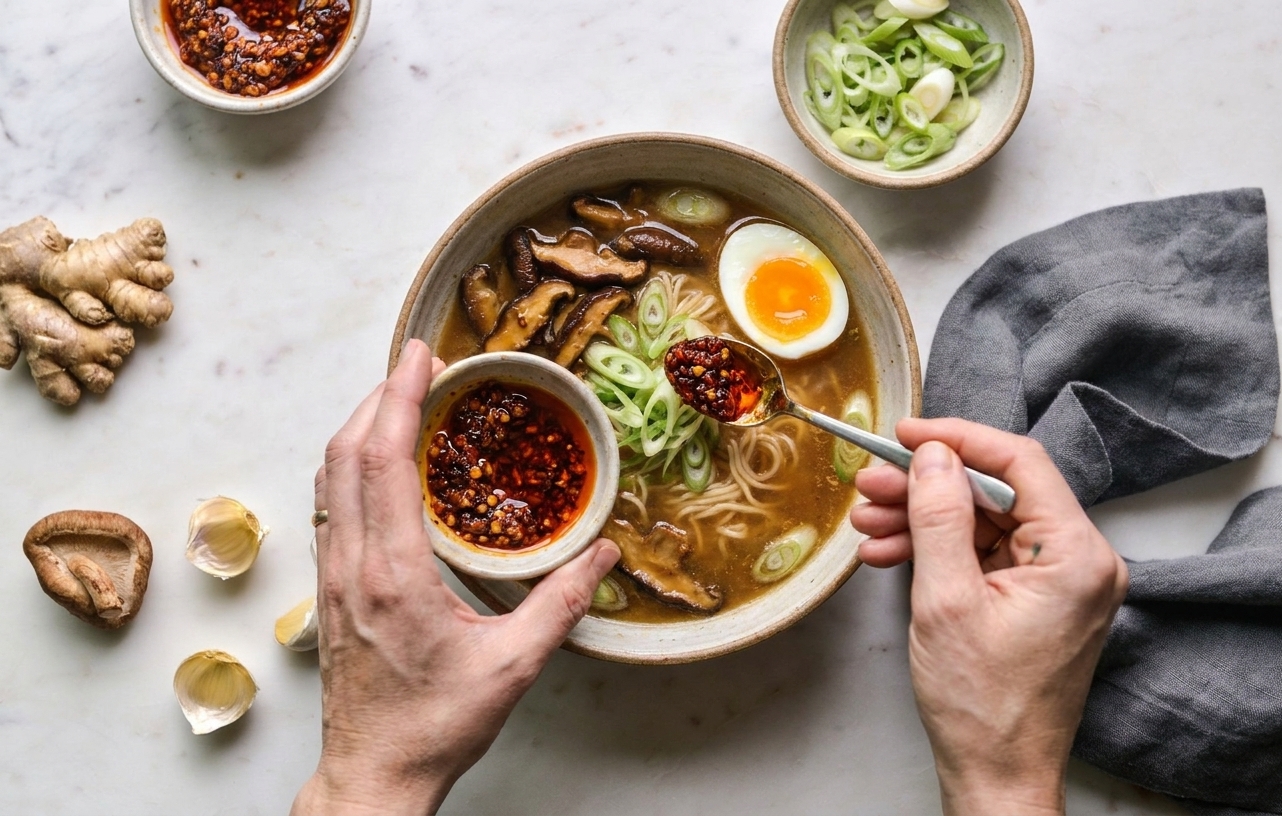
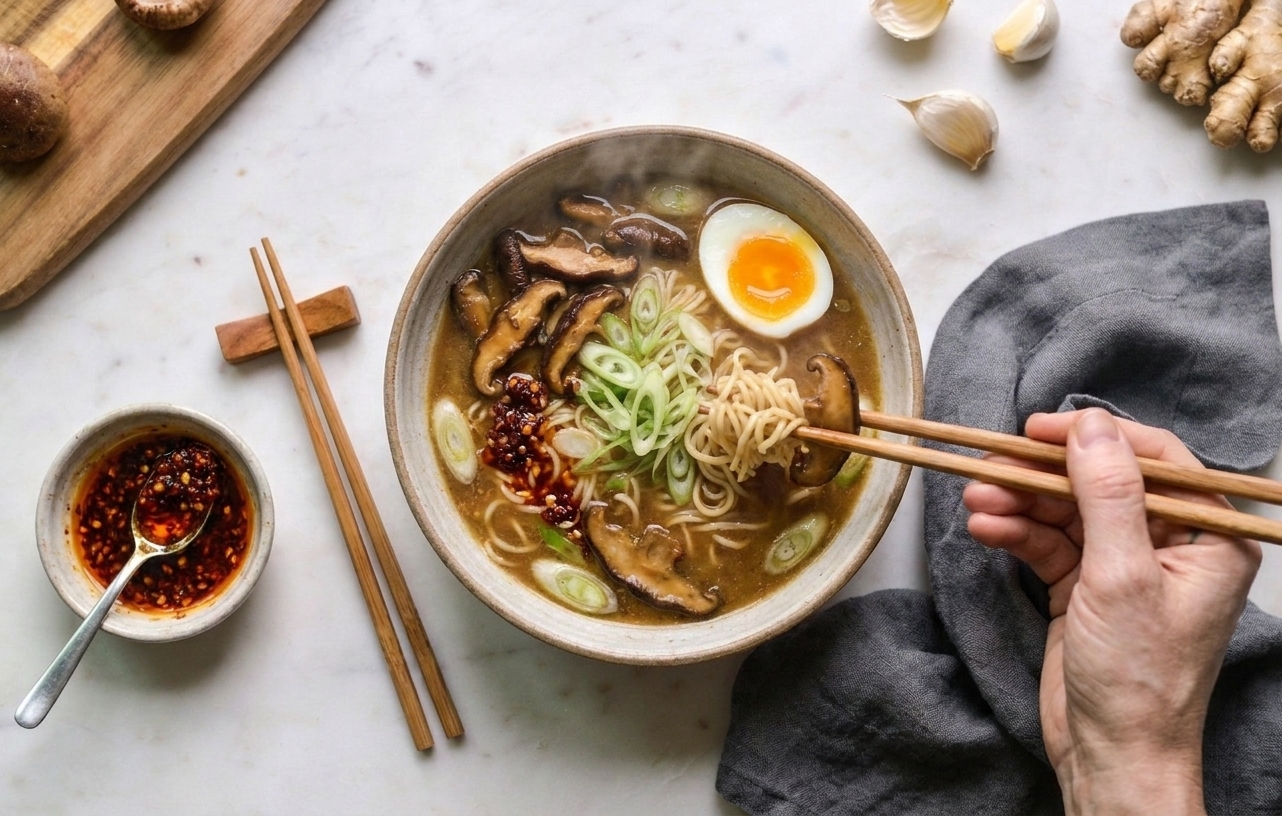
A steaming bowl of miso ramen with curly noodles, a jammy soft-boiled egg, sliced scallions, mushrooms, and chili oil on a wooden table with chopsticks

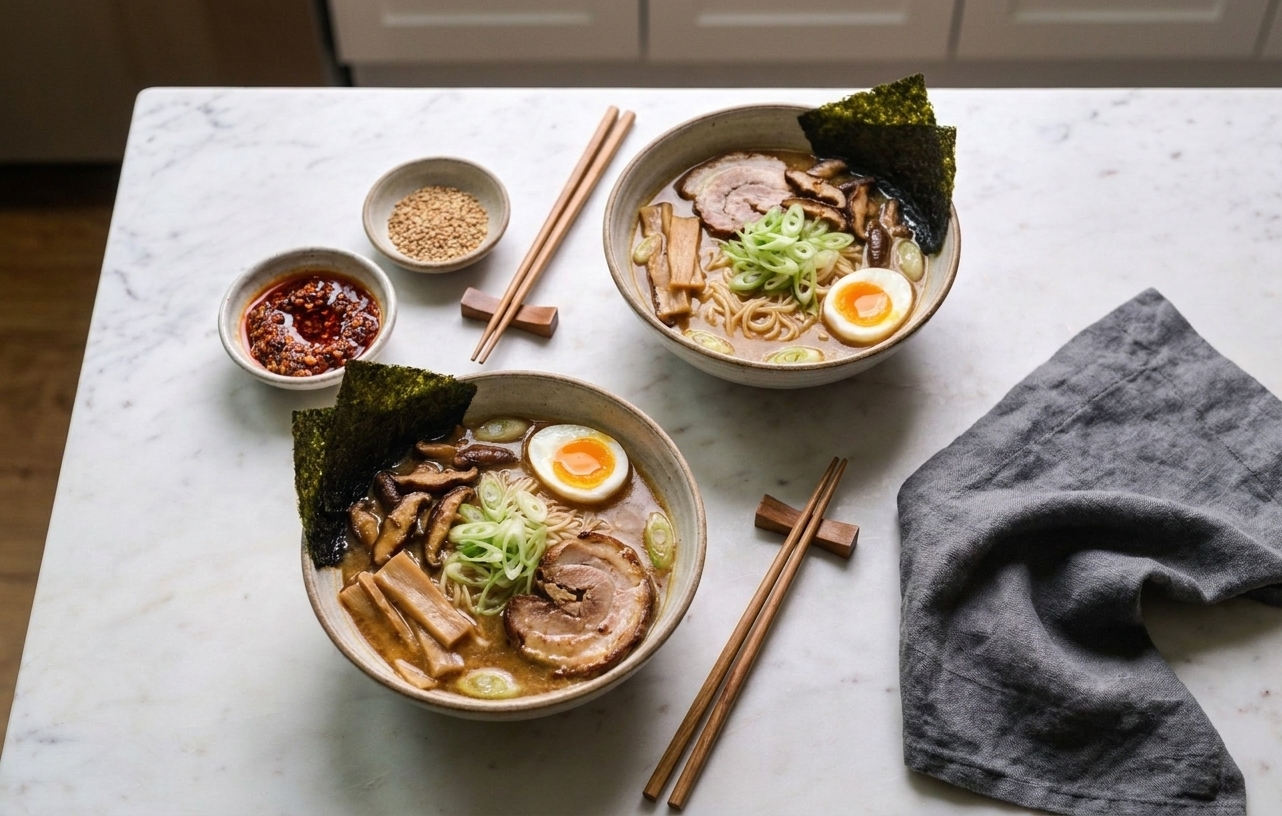
Miso ramen is the kind of meal that makes your kitchen feel like a tiny noodle shop, even if you are wearing sweatpants and the sink is doing that thing where it quietly judges you. This version is built for real life: a deeply savory broth you can pull together fast, noodles that actually have some bounce, and toppings that are mostly optional but highly encouraged.

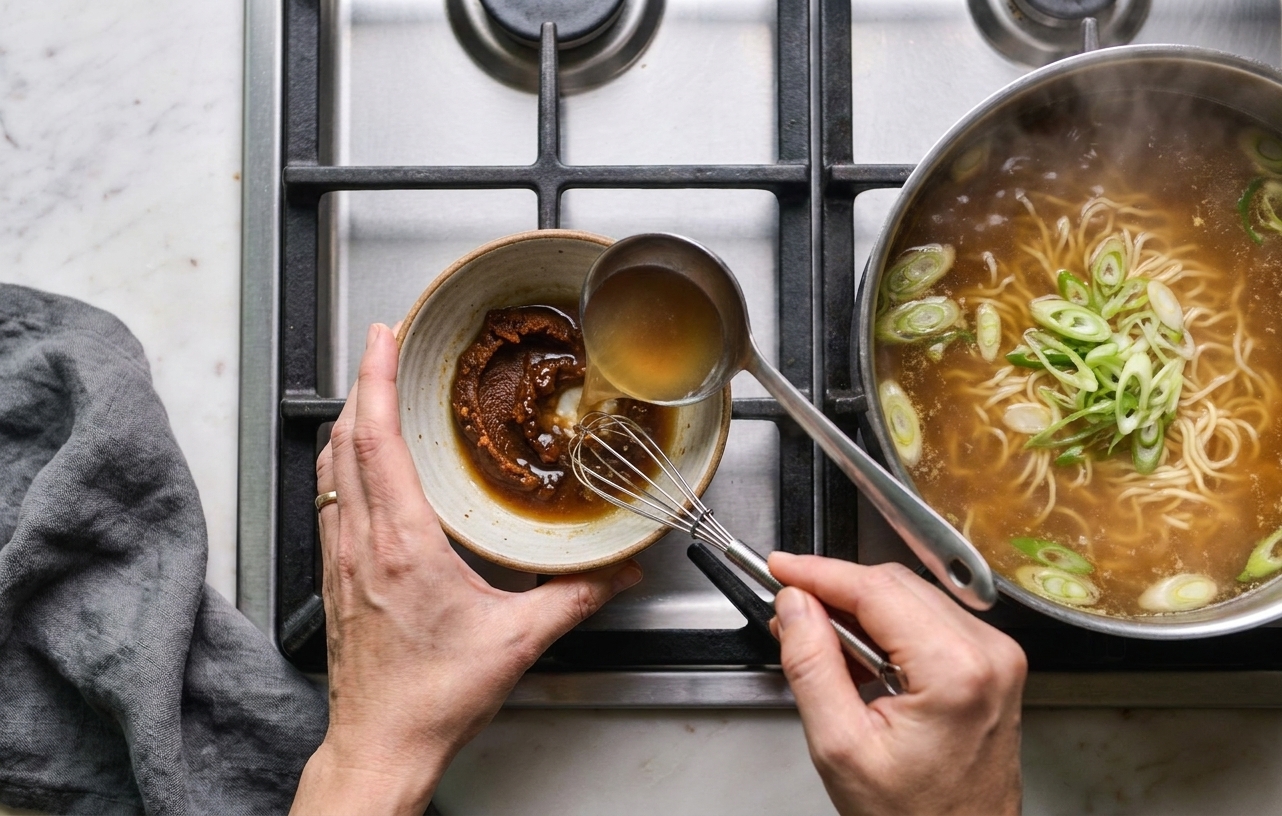
The key is treating miso with a little respect. We bloom aromatics in fat, build a quick broth, then whisk miso in off heat so it stays bold and fragrant instead of turning flat. The result is cozy, salty, and just spicy enough to keep you going back for one more sip.

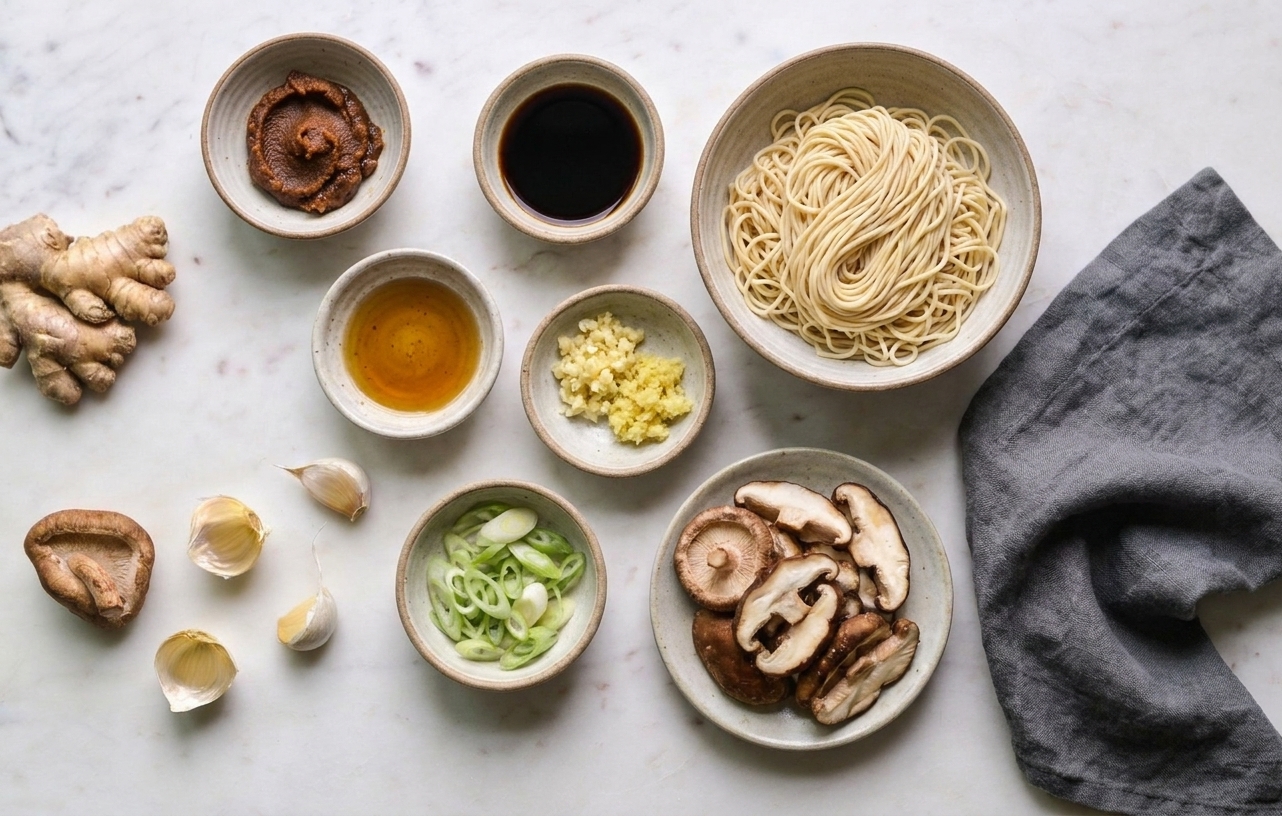
A home kitchen counter with small bowls of miso paste, soy sauce, sesame oil, minced garlic, grated ginger, sliced mushrooms, scallions, and ramen noodles laid out for cooking

Why It Works

  • Fast but layered broth: Garlic, ginger, and toasted sesame oil do the heavy lifting so you get that slow-simmer vibe in about 20 minutes.
  • Miso stays punchy: You whisk it in off heat so the flavor stays round, nutty, and a little sweet.
  • Flexible toppings: Use what you have. Mushrooms, spinach, leftover chicken, tofu, corn, kimchi, all welcome.
  • Restaurant-feel noodles at home: Separate pot for noodles means your broth stays less starchy and your noodles stay springy.

Pairs Well With

Storage Tips

Store broth and noodles separately. Noodles keep drinking broth like they are paid per sip, so split them up if you want good leftovers.

  • Broth: Cool, then refrigerate in a sealed container for up to 4 days. Reheat gently until steaming, not violently boiling.
  • Noodles: Rinse briefly under cool water, drain well, and refrigerate up to 2 days. Optional: toss with a few drops of neutral oil if you want extra insurance against sticking.
  • Toppings: Keep eggs, sliced scallions, and cooked mushrooms in separate containers when possible.

To reheat: Warm broth first. Add noodles at the end just to heat through, then top and serve.

Freezing: The broth freezes well for up to 2 months. Noodles do not love the freezer. Freeze broth only.

Common Questions

What kind of miso should I use?

White (shiro) miso is mild and a little sweet, great for beginners and kids. Shinshu (often labeled “yellow”) is a balanced, everyday option. Awase miso means a blended miso (often white plus red), and the flavor can range from mellow to bold depending on the brand. Red (aka) miso is deeper and saltier. If you use red, start with a smaller amount and add to taste.

Why can’t I boil the miso?

You can, but it tends to dull the aroma and make the flavor taste flatter. The fix is easy: turn the heat to low or off, whisk miso with a little hot broth in a bowl, then stir it back in.

Is miso ramen vegetarian?

It can be. Use vegetable broth, skip the egg if needed, and add tofu, mushrooms, and greens. Check your noodles, some fresh ramen noodles contain egg.

How do I keep it from getting too salty?

Miso, soy sauce, and broth all bring salt, so the move is to taste before you add more. Using low-sodium broth and low-sodium soy sauce helps a lot. If you overshoot, add a splash of water or unsalted broth, then brighten with a little rice vinegar or lime.

How do I add protein fast?

Leftover rotisserie chicken, cooked shrimp, quick-seared tofu, or a soft-boiled egg are all great. You can also stir in frozen edamame for a zero-effort win.

What noodles should I buy?

Fresh ramen noodles are awesome if you can find them. Dried ramen noodles work great too. A rough guide: dried, about 8 to 10 ounces total for 4 bowls; fresh, about 12 to 16 ounces total. In a pinch, udon is thicker and chewier, and rice noodles will change the vibe but still taste good.

Any quick umami boosters?

Totally optional, but fun: simmer a small piece of kombu in the broth (remove before it boils), add a pinch of dashi powder, or finish with a tiny splash of fish sauce (not vegetarian). Chili crisp also brings instant depth.

How do I make it spicy?

Add chili oil, sriracha, gochujang, or a pinch of crushed red pepper. I like finishing the bowl with chili oil so you can control the heat per person.

I love miso ramen because it hits that sweet spot between “I want comfort food” and “I refuse to babysit a stock pot for six hours.” When I was learning more hands-on cooking outside of school, ramen was one of those dishes that taught me a lot fast: how fat carries flavor, how salt needs balance, and how one spoonful of something fermented can make a whole pot taste like it has a backstory.

This is the bowl I make when I want cozy carbs and a broth that makes you pause mid-sip and go, okay wow. Also, it is wildly forgiving, which is my favorite trait in both recipes and people.