Mom's Best Recipes
Recipe

Easy Pan Sauce

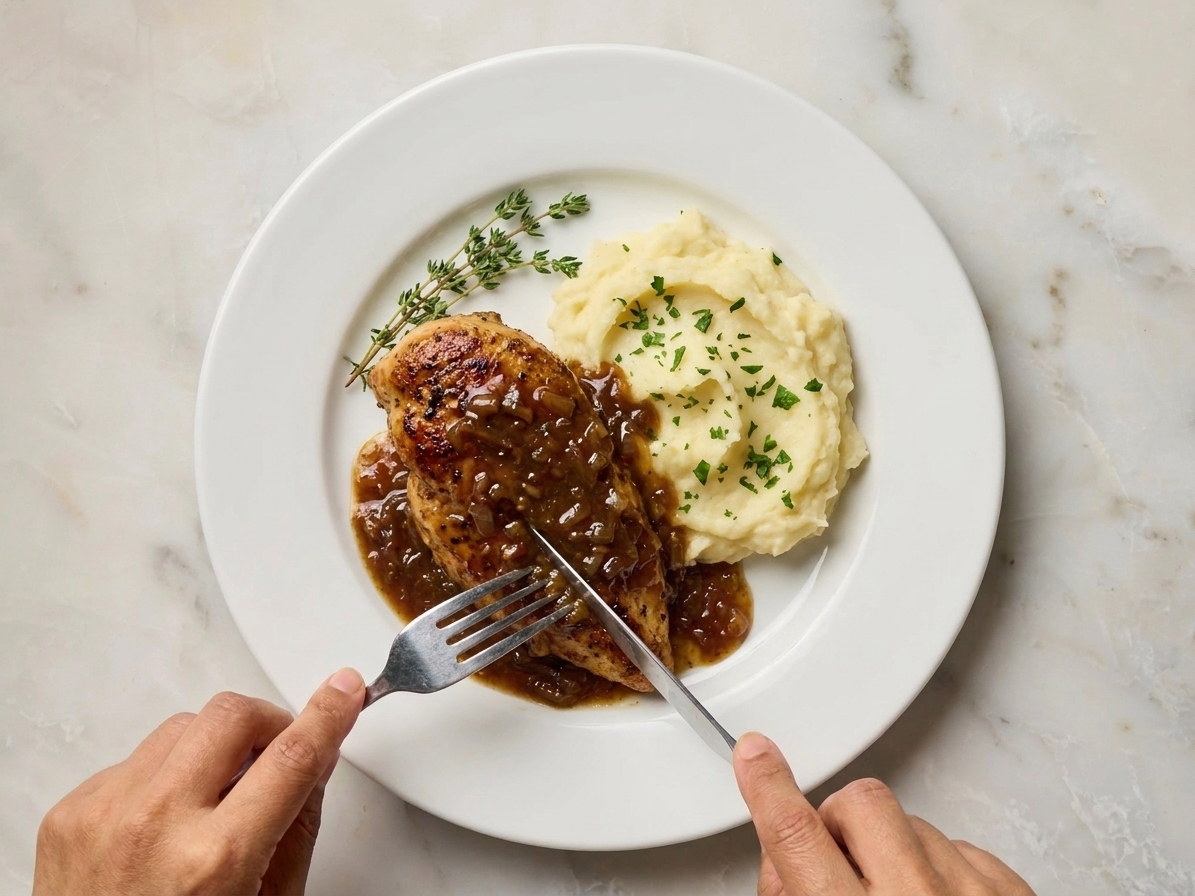
A fast, flexible sauce made right in the skillet with drippings, broth, a splash of acid, and a buttery finish.

Author By Matt Campbell
4.8
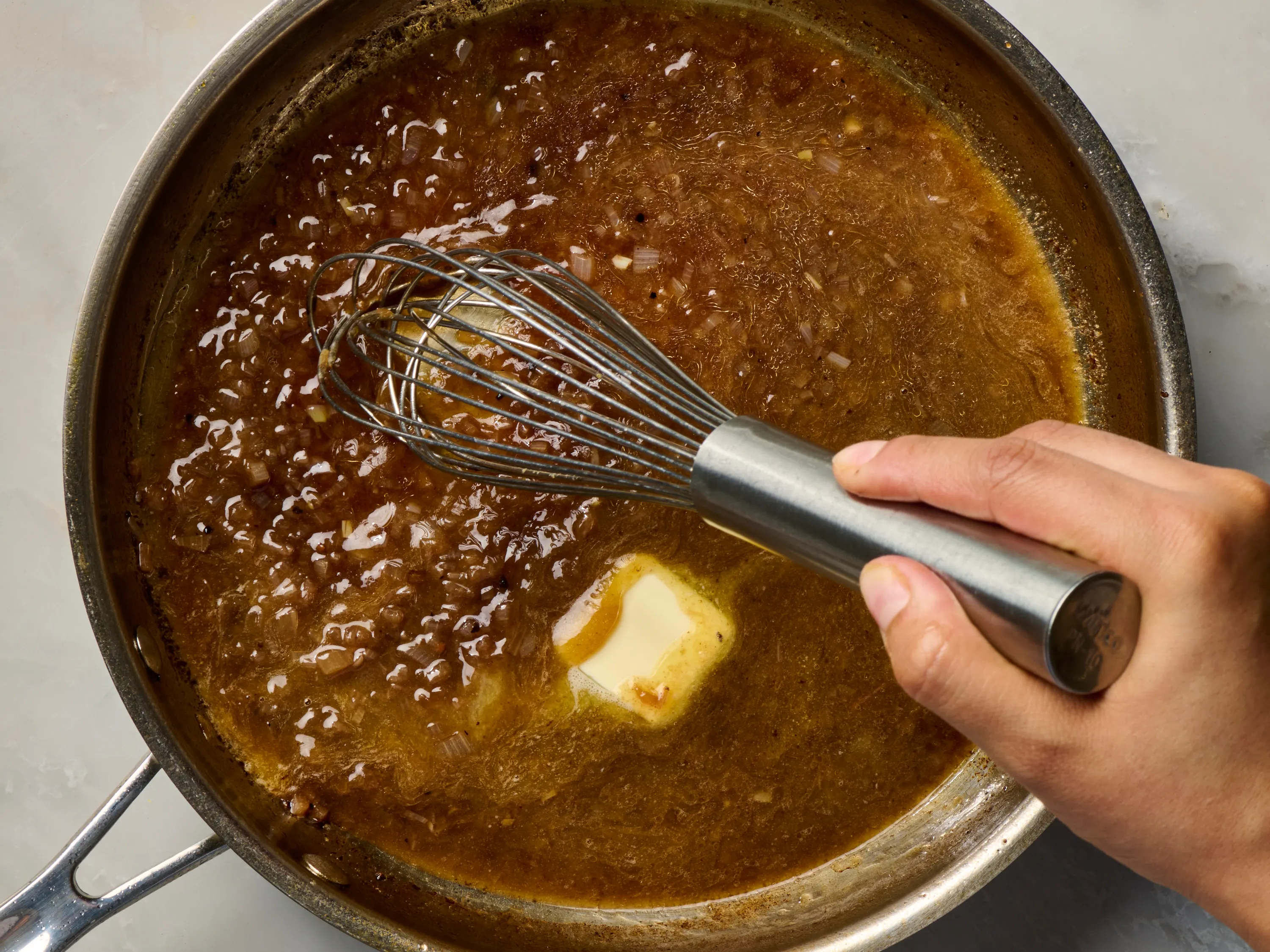
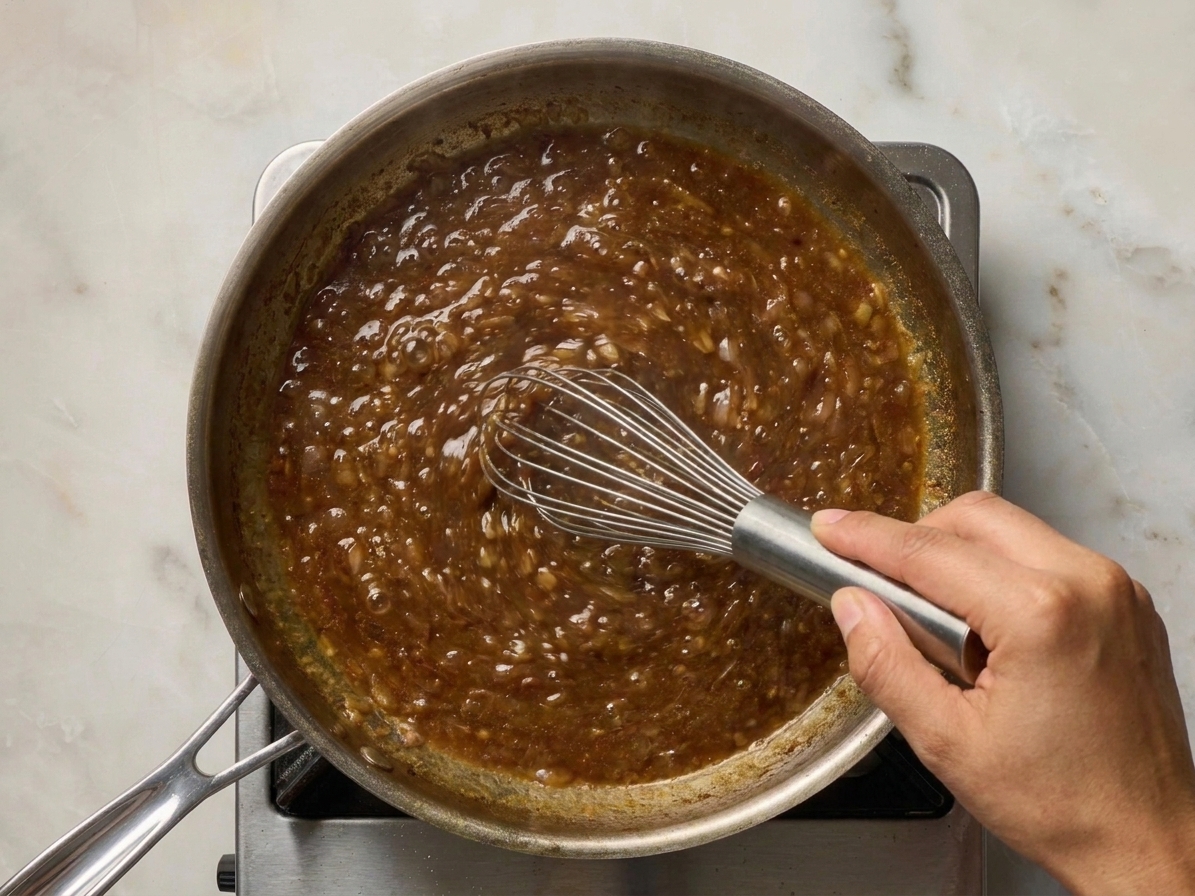
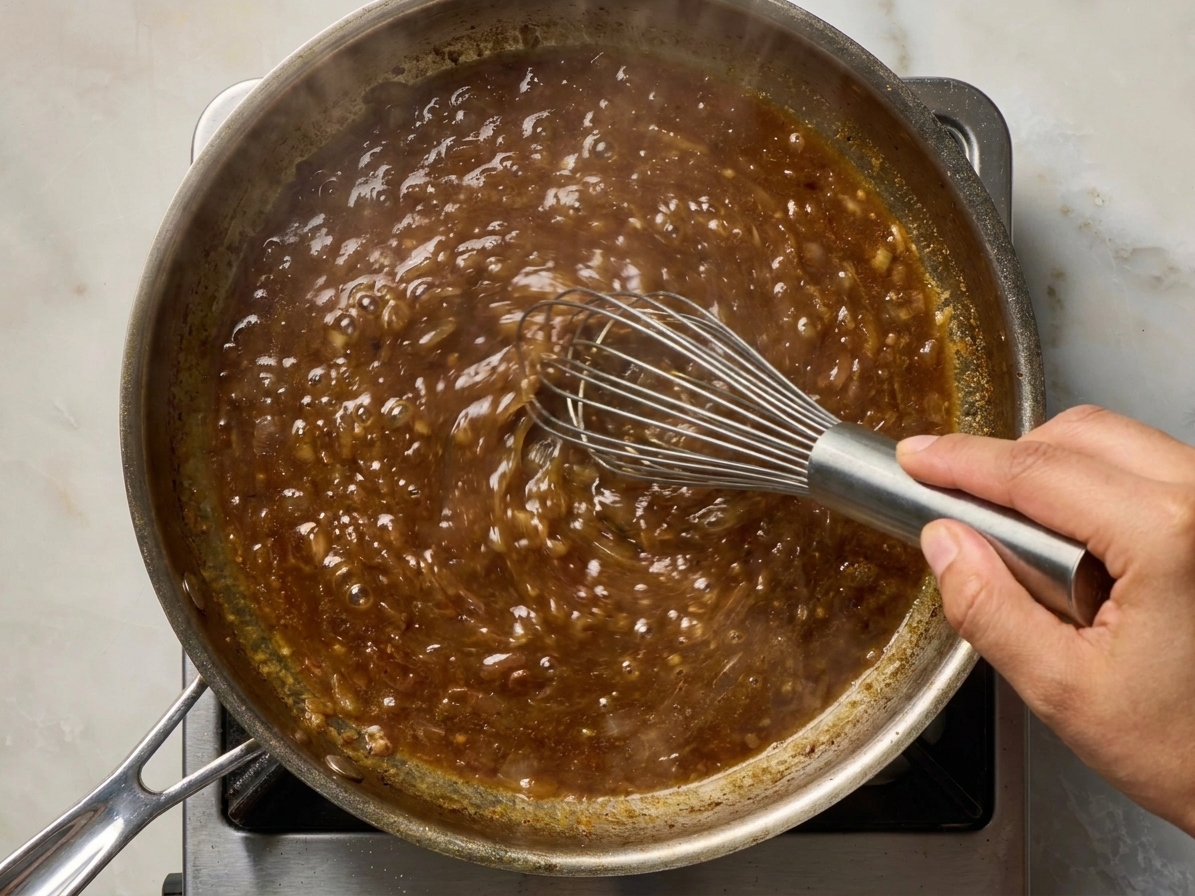
A stainless steel skillet on a stovetop with a glossy pan sauce bubbling and being whisked, warm kitchen lighting

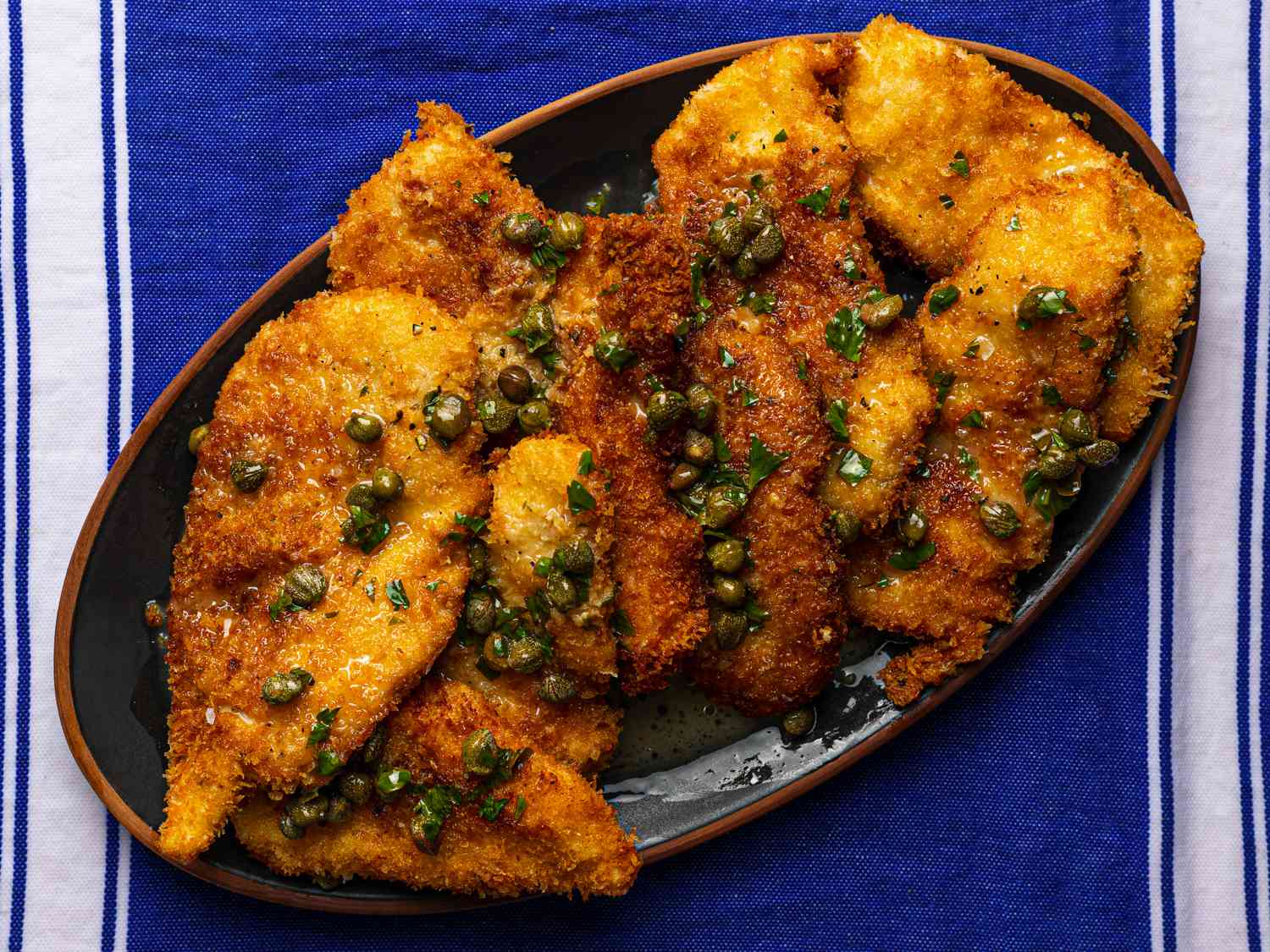
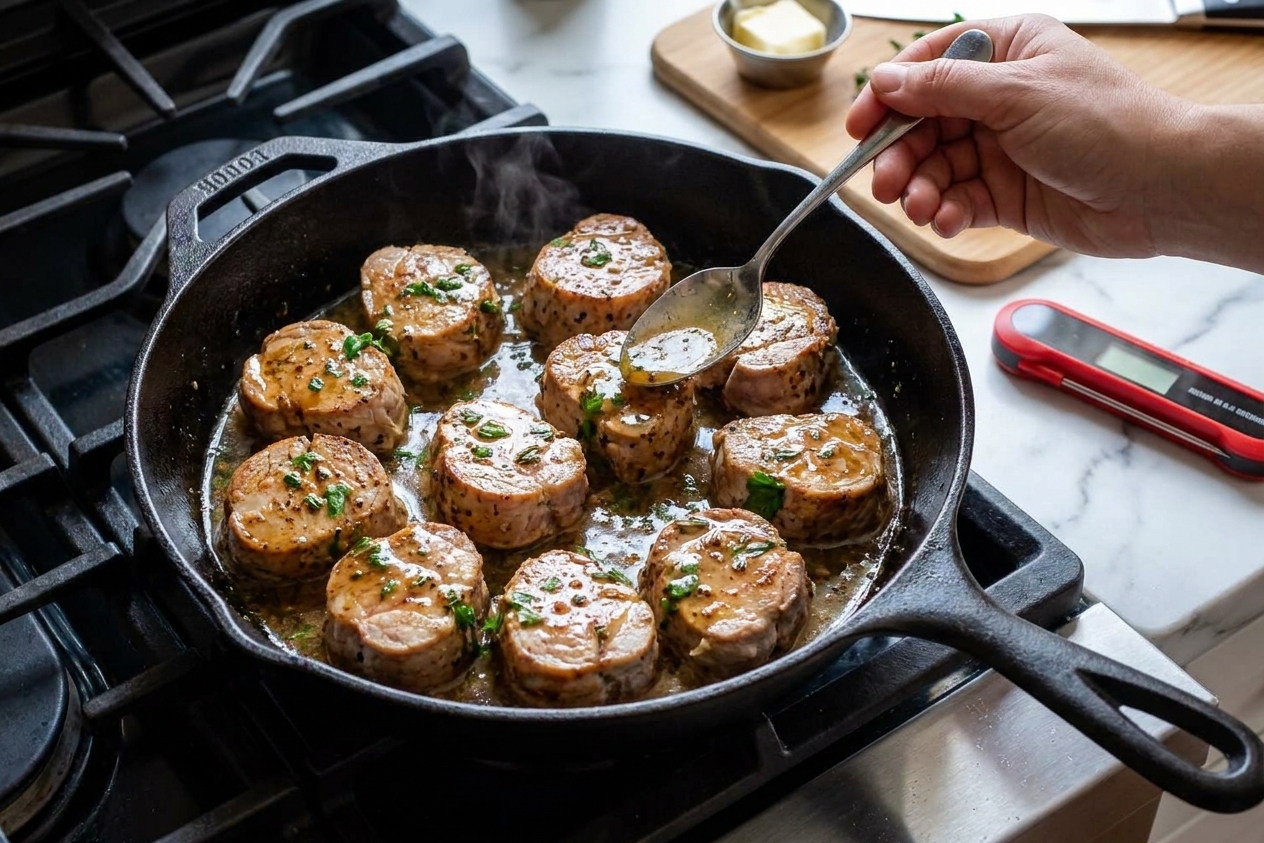
Let’s talk about the most underrated kitchen flex: making a sauce out of nothing. No packet. No jar. Just the brown bits in your pan, a splash of liquid, and a little butter to pull it all together into something that makes plain chicken taste like you tried harder than you did.

This is a simple pan sauce, the kind you can make after searing chicken thighs, pork chops, or a steak. It’s bright, savory, and glossy, and it takes about as long as it takes your food to rest. Also, if your sauce gets weird, splits, or tastes flat, I’ve got you. We are not wasting those crispy bits.

Small bowls of chicken broth, lemon wedges, butter cubes, minced garlic, and chopped parsley arranged on a kitchen counter

Why It Works

  • Uses what you already have: drippings plus broth or wine equals instant flavor without extra work.
  • Balanced by design: fond brings savoriness, acid wakes it up, and butter smooths the edges.
  • Fast and forgiving: you can scale it up, swap liquids, and fix it if it reduces too far or tastes too sharp.
  • Works with almost anything: chicken, pork, steak, mushrooms, and even roasted veggies.

Pairs Well With

Storage Tips

Pan sauce is best fresh, but leftovers are still very worth saving.

  • Fridge: Store in an airtight container for up to 3 to 4 days.
  • Reheat: Warm gently in a small saucepan over low heat, whisking often. Add a splash of broth or water to loosen if it thickened.
  • If it looks separated: Take it off the heat and whisk in 1 to 2 teaspoons cold butter. If needed, add a small splash of cool broth or water while whisking until it comes back together.
  • Freeze: You can freeze it up to 2 months, but butter-finished sauces may separate when thawed. Thaw in the fridge and rewarm slowly while whisking.
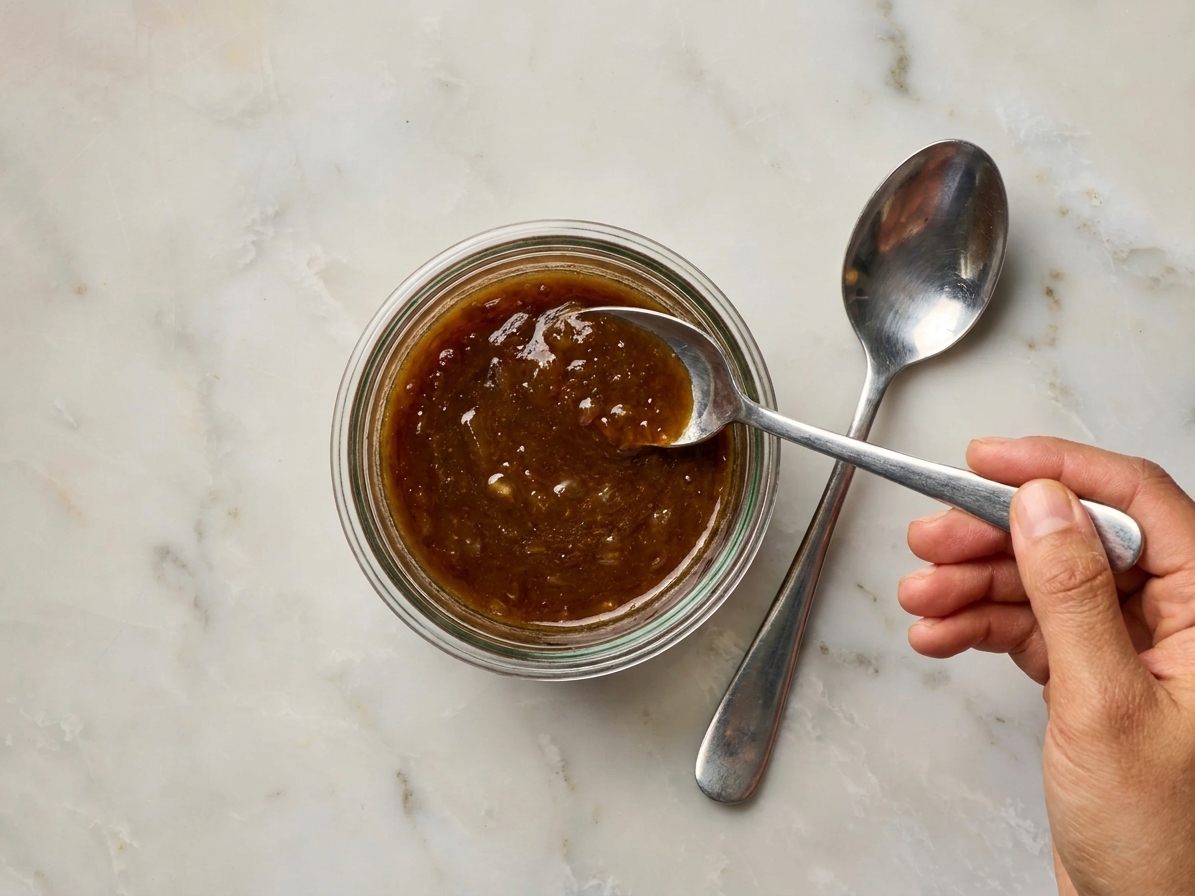
A small glass container filled with brown pan sauce sitting on a kitchen counter next to a spoon

Common Questions

What is “fond” and do I really need it?

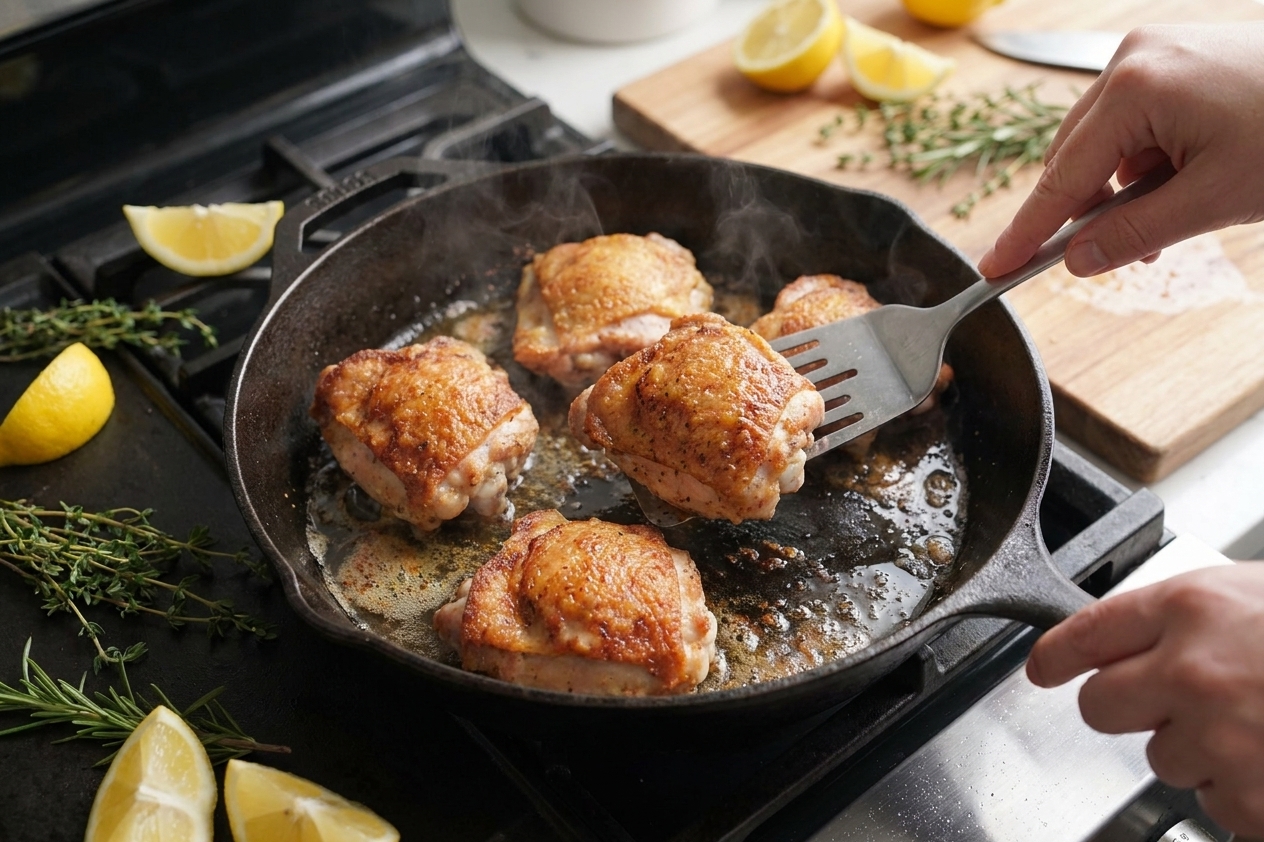
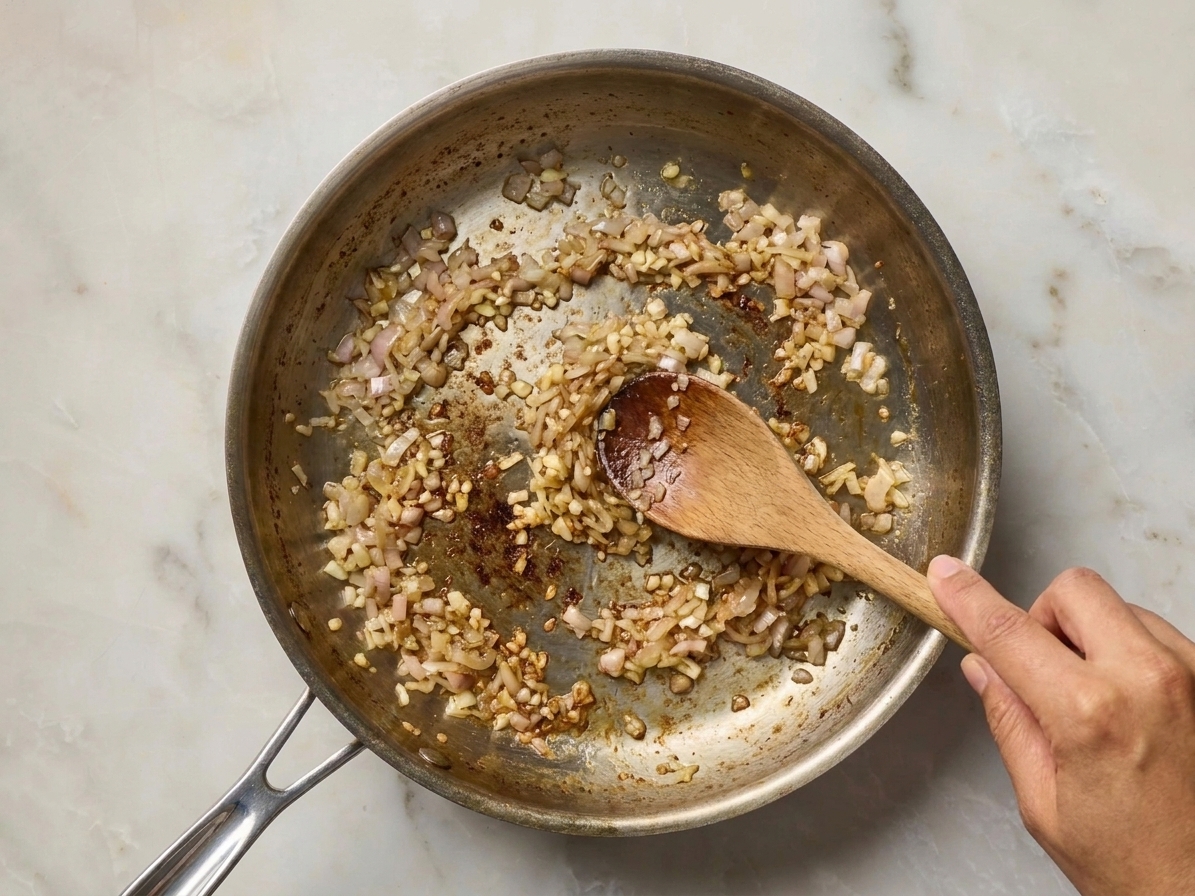
Fond is the browned bits stuck to the bottom of the pan after searing meat. It is basically concentrated flavor. You can still make this sauce without much fond, but it will be lighter and less savory. If your pan is very clean, add a pinch more salt and a little extra acid for pop.

Can I make pan sauce without wine?

Absolutely. Use more broth, plus lemon juice or vinegar for brightness. Wine is nice, not required.

Why did my sauce taste bitter?

Usually one of these culprits: the fond got too dark (burnt), the garlic scorched, or the wine reduced too far and turned harsh. Over-reduction can also concentrate bitter notes that were already there. Next time, lower the heat and deglaze sooner. To fix bitterness now, whisk in a bit more broth and finish with butter. A tiny pinch of sugar can also help in a pinch.

Why did my sauce break or look greasy?

That typically happens when the heat is too high after adding butter. Take the pan off the burner and whisk like you mean it. Add a teaspoon of cool water or broth to help it emulsify, then whisk in cold butter a little at a time.

How do I thicken pan sauce?

Most of the time, you just reduce it by simmering. If you need a quicker, thicker result, whisk 1 teaspoon cornstarch with 1 tablespoon cold water and drizzle it in while simmering for 30 to 60 seconds. Keep it subtle or it starts tasting like cafeteria gravy.

What acid is best: lemon or vinegar?

Lemon is bright and clean, great for chicken and fish. Vinegar is punchier, great with pork and richer meats. Use what fits the mood, and start small. You can always add more.

I skipped culinary school and chased the hands-on route, so I learned this the way a lot of line cooks do: by watching someone turn a dry chicken breast into a plate that suddenly deserved a cloth napkin. Pan sauce is that move. It’s not fancy. It’s just paying attention to what’s already in the pan and refusing to let flavor go down the drain. Also, it makes you look like the organized one in the kitchen, even if your sink says otherwise.