Mom's Best Recipes
Recipe

Easy Pear Preserves

A small-batch, one-pot pear preserve that tastes like cozy fall fruit with a bright lemon finish.

Author By Matt Campbell
4.8
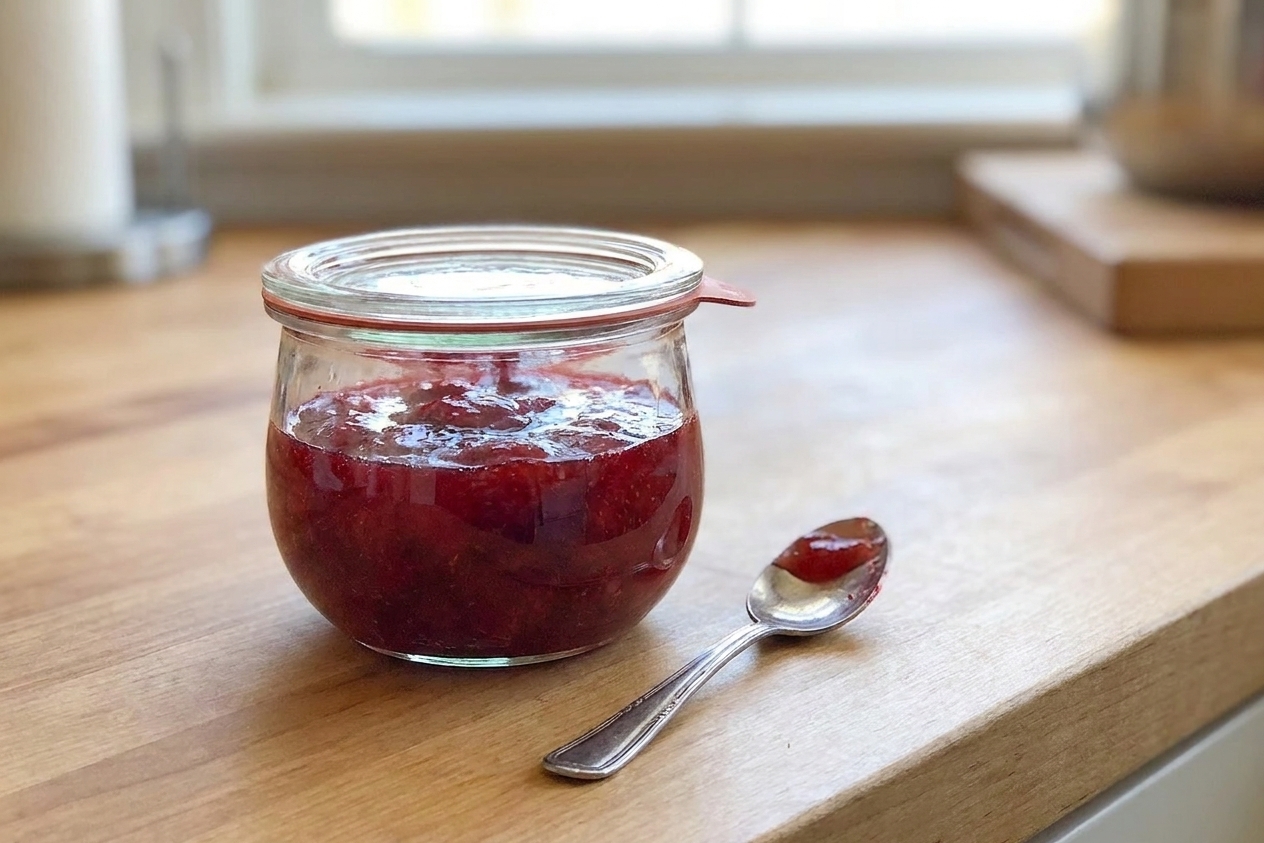
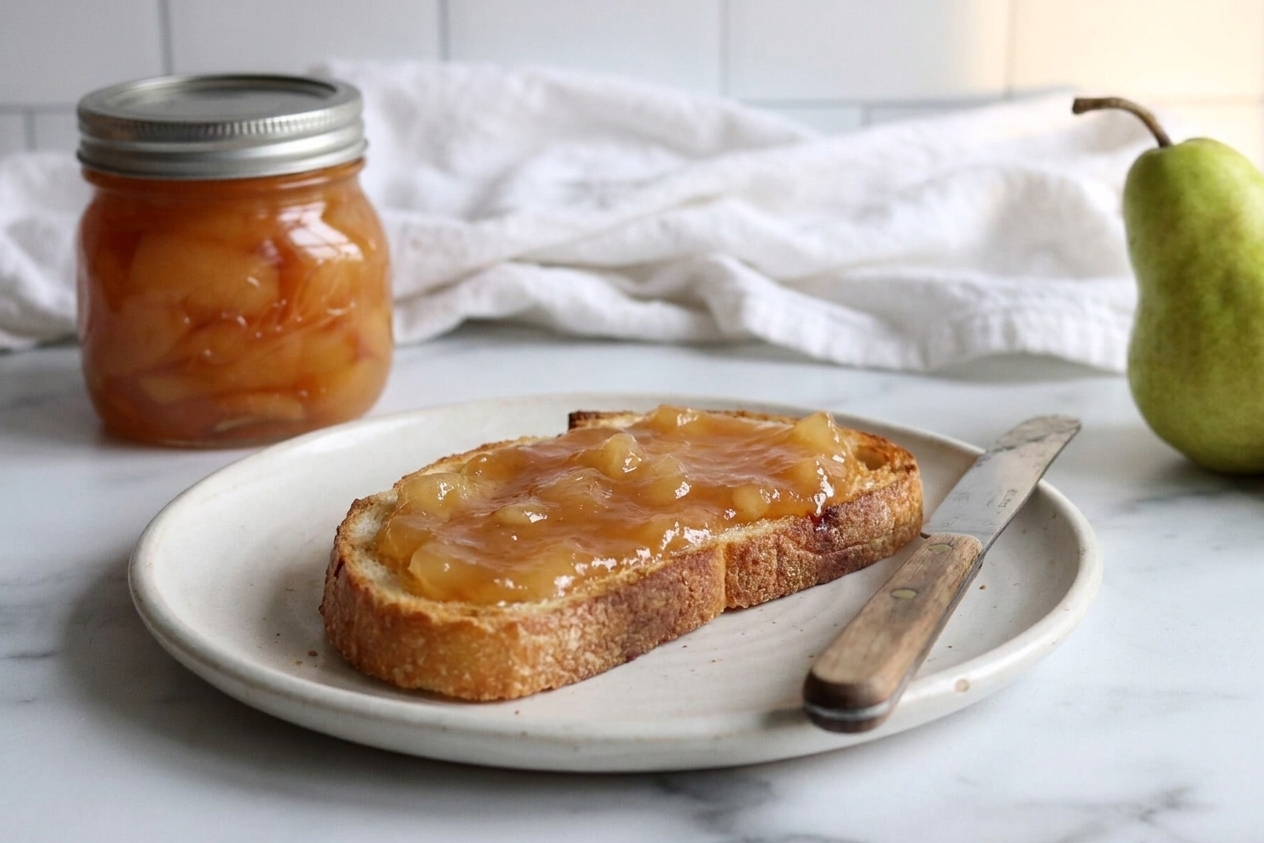
A small glass jar filled with golden pear preserves on a sunlit kitchen counter, with a spoon resting beside it and fresh pear slices nearby

Pear preserves are one of those quietly elite pantry moves. They taste fancy, but they are basically fruit, sugar, and a little patience while your kitchen smells like a candle you would actually buy. This version is small-batch, low-drama, and built for real life: accessible pears, one pot, and clear checkpoints so you know when you are winning.

We keep the flavor bright with lemon, cozy with vanilla, and textured with tender pear pieces suspended in a glossy syrup. Spread it on toast, swirl it into yogurt, or do what I do and “accidentally” eat it straight off the spoon while you pretend you are just tasting for seasoning.

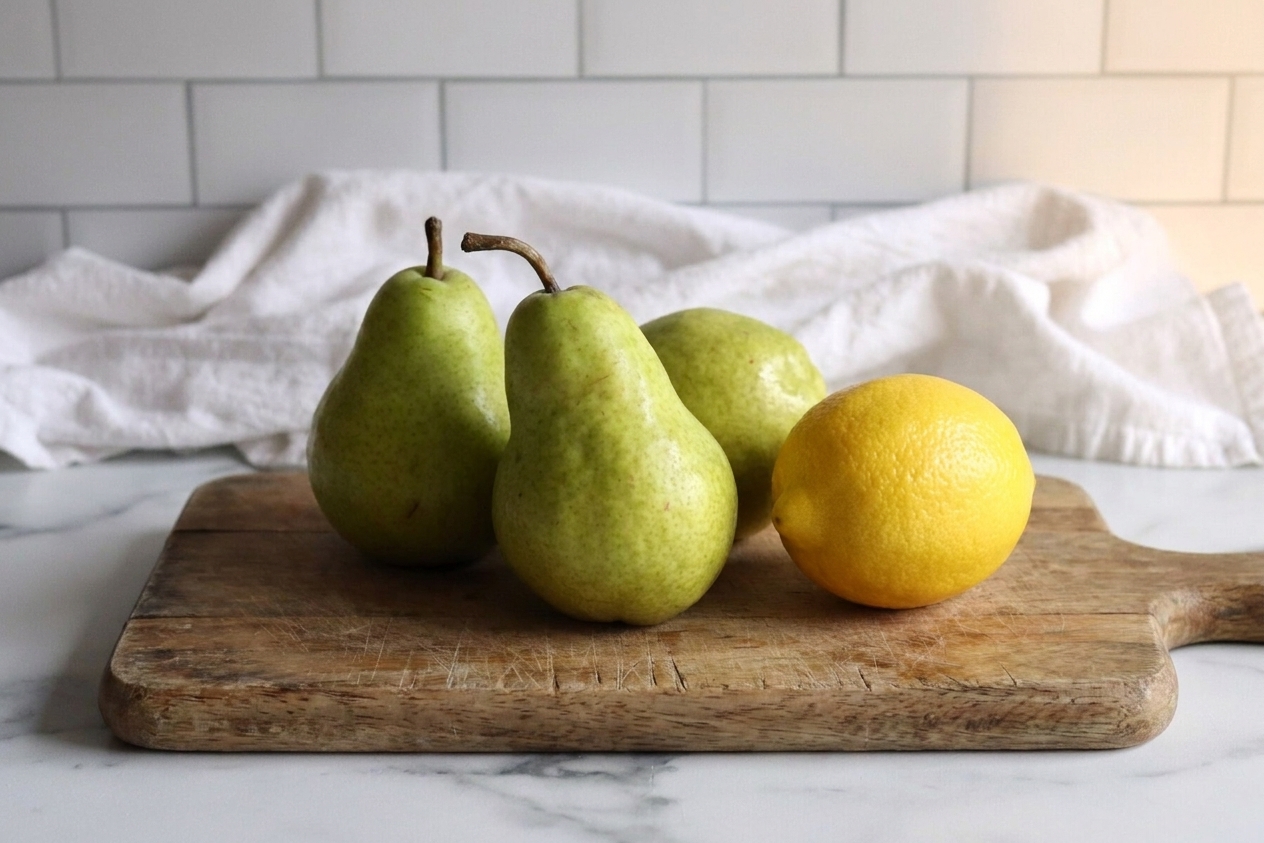
Ripe pears and a lemon on a wooden cutting board on a warm, consistent home kitchen counter with soft natural light

Why It Works

  • Big pear flavor, not just sugar. A pinch of salt and fresh lemon keep it from tasting flat.
  • Reliable set without added pectin. A steady simmer plus lemon and reduction gets you to spoonable thickness.
  • Chunky or smooth, your call. You control the texture with one quick mash step.
  • Small batch. Great when you have a few pears to use up and do not want an all-day canning project.
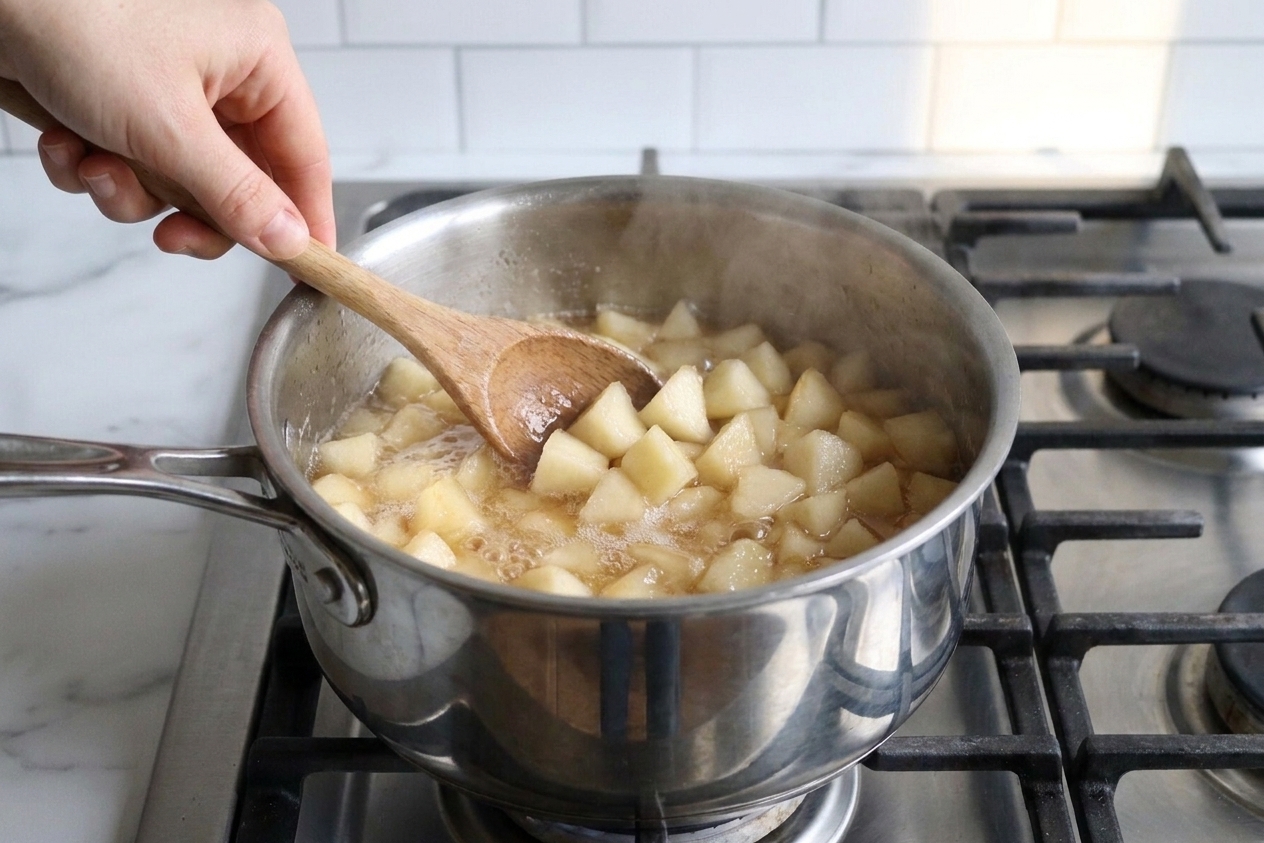
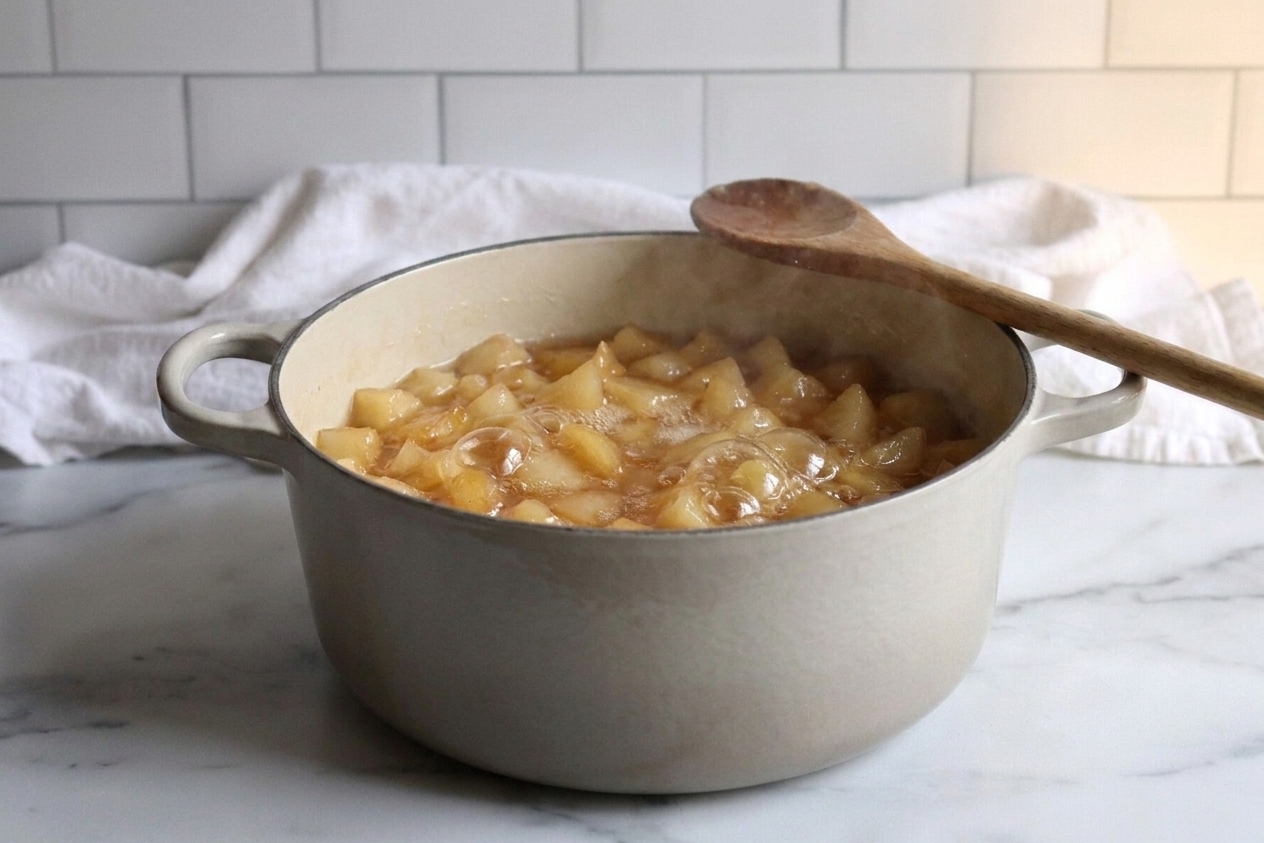
Chopped pears simmering in a stainless steel saucepan with visible bubbling syrup on a stovetop in a clean home kitchen

Pairs Well With

Storage Tips

How to Store Pear Preserves

  • Refrigerator: Cool completely, then store in a clean jar with a tight lid for 2 to 3 weeks. Use clean utensils (no double-dipping), and discard if you see mold or notice an off smell.
  • Freezer: Freeze in freezer-safe jars or containers for up to 6 months. Leave about 1/2 inch of headspace so the jar does not crack. Thaw overnight in the fridge.
  • Water-bath canning (optional): Only do this if you are following a tested canning recipe and processing time from a trusted source like the USDA, NCHFP, or Ball. Canning safety depends on acidity, jar size, and altitude, so I treat this recipe as a refrigerator or freezer preserve by default.

Quick texture note

If your preserves thicken too much in the fridge, stir in 1 to 2 teaspoons warm water to loosen them back up.

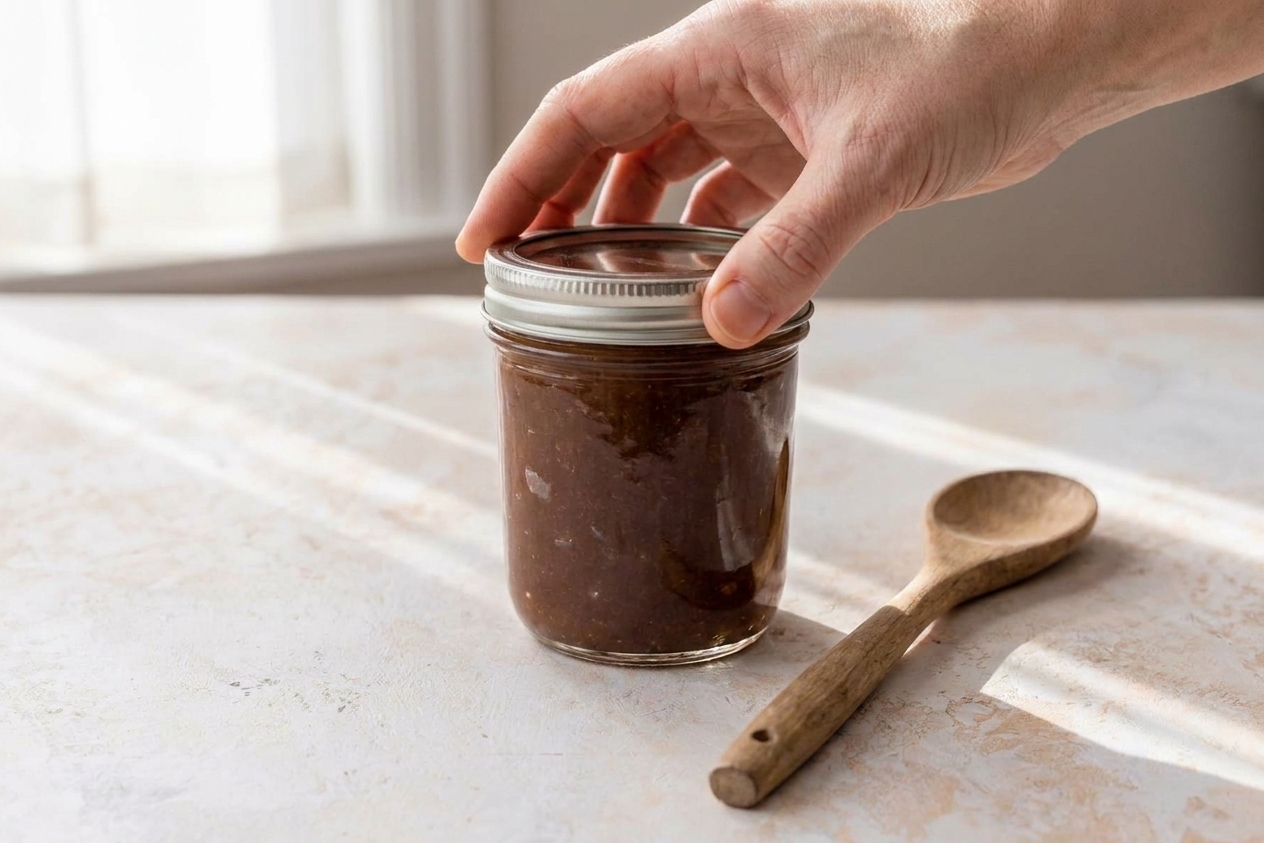
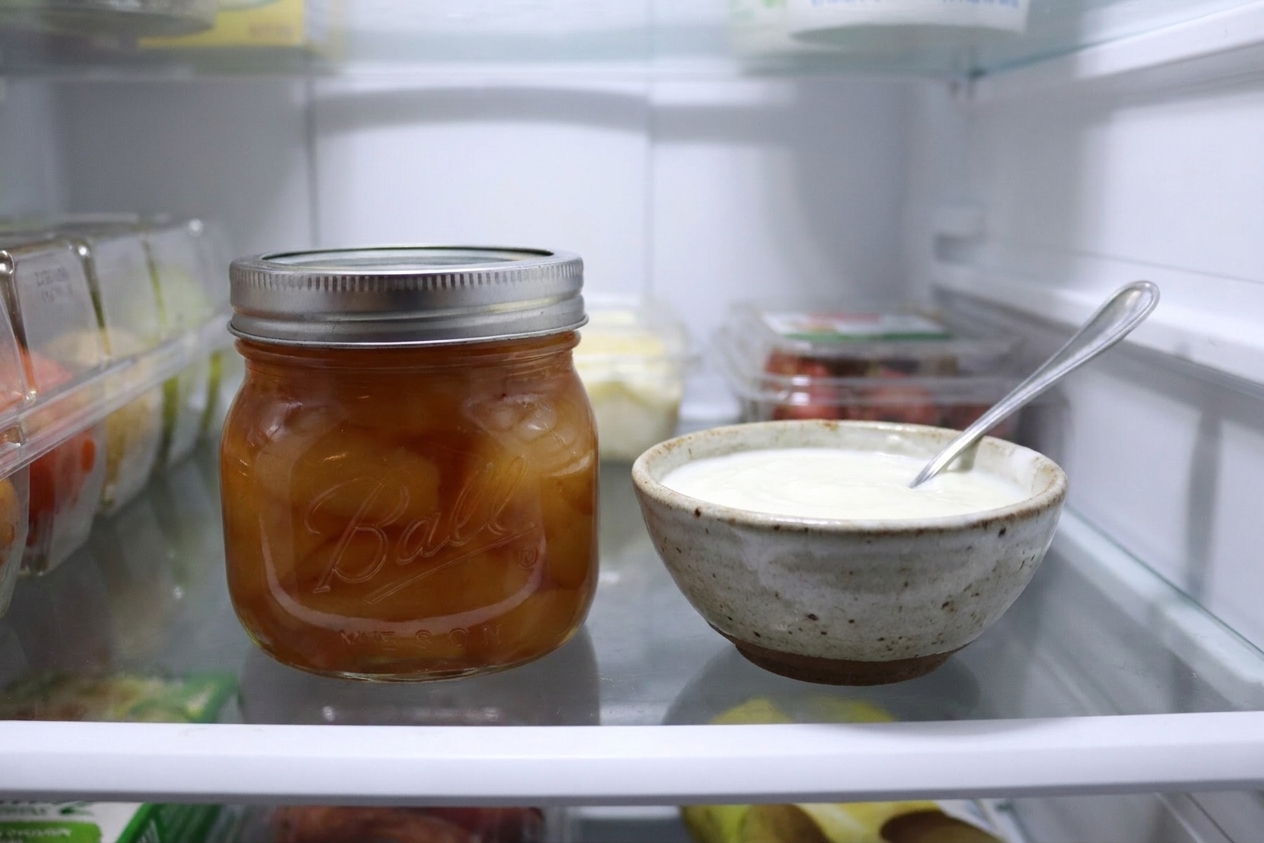
A sealed glass jar of pear preserves sitting on a refrigerator shelf next to a small bowl of yogurt and a spoon

Common Questions

Common Questions

Do I need pectin for pear preserves?

Often, no. Pears do contain some natural pectin, but they are generally lower-pectin than fruits like apples or citrus, and ripeness and variety can change how well they set. This recipe works because the lemon juice adds acid (and a little extra pectin if you use zest) and the preserves thicken through a slow, uncovered reduction. If you want a firmer, jam-like set, cook a bit longer and use the cold-plate test.

How do I know when pear preserves are done?

Use the cold-plate test: put a small plate in the freezer before you start. When you think the preserves are ready, drop a teaspoon onto the cold plate, wait 30 seconds, then drag your finger through it. If it wrinkles slightly and the line holds, you are there. It will thicken more as it cools.

If you like a numbers-based backup, you can also use an instant-read thermometer. Many jams set around 220°F/104°C at sea level, and lower at higher altitudes. Consider this an optional helper, not the only goal, because texture matters more than a single reading.

Why are my preserves runny?

Usually it just needs more time. Simmer uncovered a bit longer and stir often near the end. Pear preserves are famous for looking loose in the pot, then thickening as they cool. If you measured accurately, the fix is almost always reduce longer, not add more sugar.

Why did my preserves turn grainy?

That can happen if sugar crystals form on the sides of the pot. Brush down the sides with a little water early in the simmer and avoid aggressive stirring before the sugar dissolves. Once it is dissolved, stir as needed to prevent sticking.

Can I use Bartlett, Bosc, or Anjou pears?

Yes. Bosc holds its shape well and stays pleasantly chunky. Bartlett breaks down more and makes a softer preserve. Anjou is a nice middle ground. The key is ripe but not bruised-mushy.

Can I reduce the sugar?

You can, but it will change the set and the shelf life. For a lower-sugar option, treat it like a fruit sauce and store it in the fridge, then plan to use it sooner.

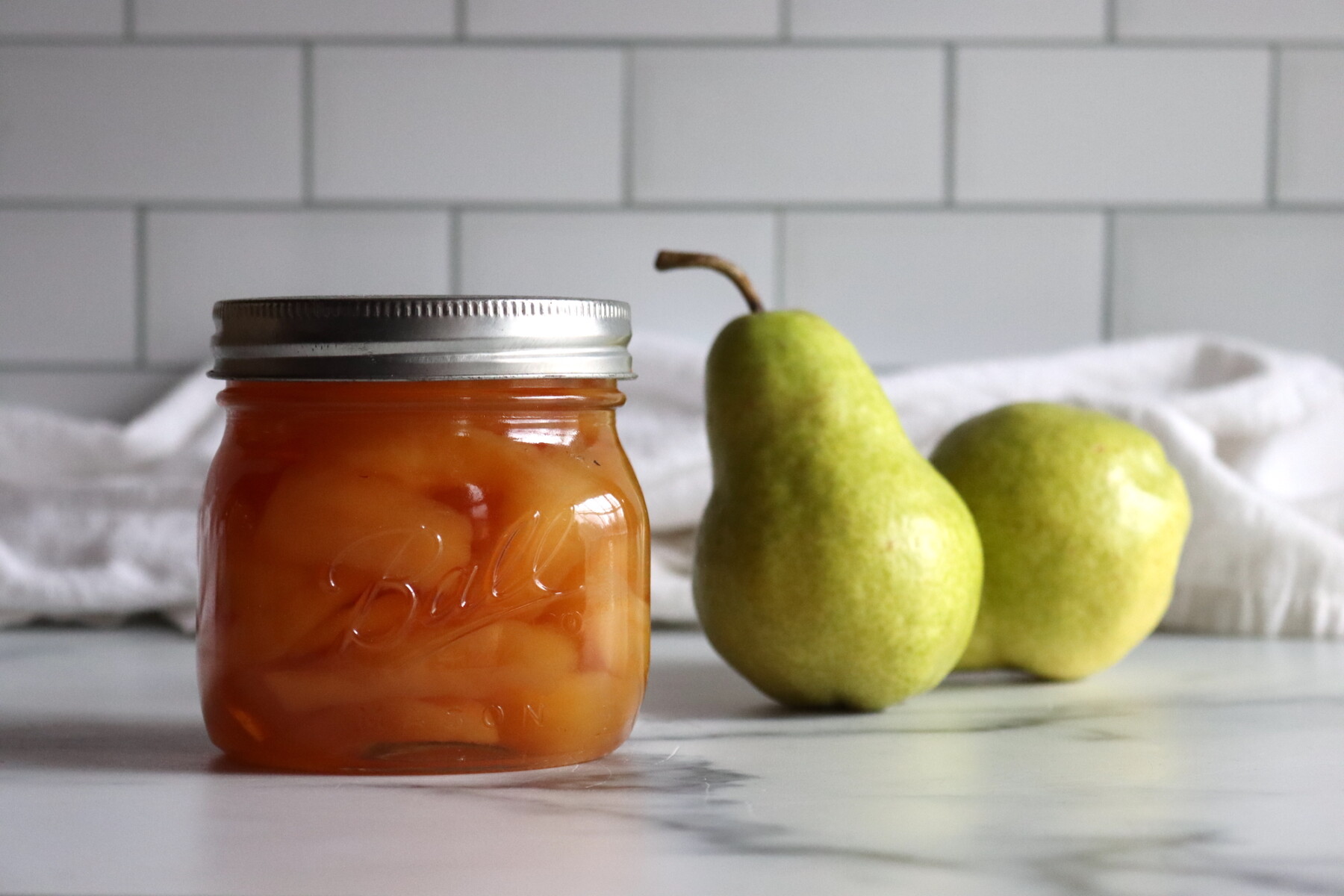
I started making pear preserves for the same reason most good kitchen habits begin: I had a pile of pears that went from “not ready yet” to “use me today” overnight. I did not want a fussy project. I wanted something I could stir with one hand while cleaning as I go, tasting, adjusting, and letting the pot do the heavy lifting. Now it is my favorite way to keep pears around past their prime, and it makes even a boring Tuesday toast feel like I tried harder than I did.