Do I need mirin and sake?
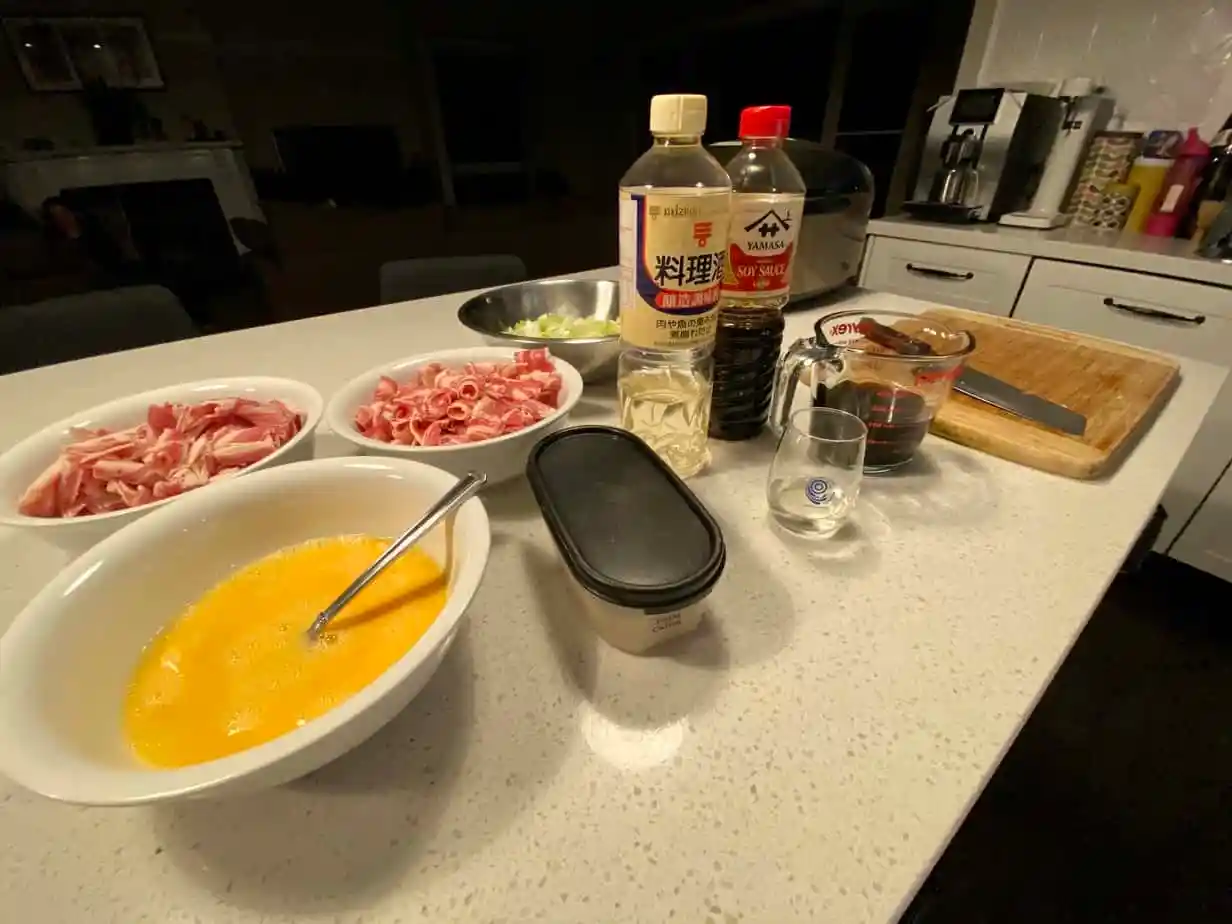
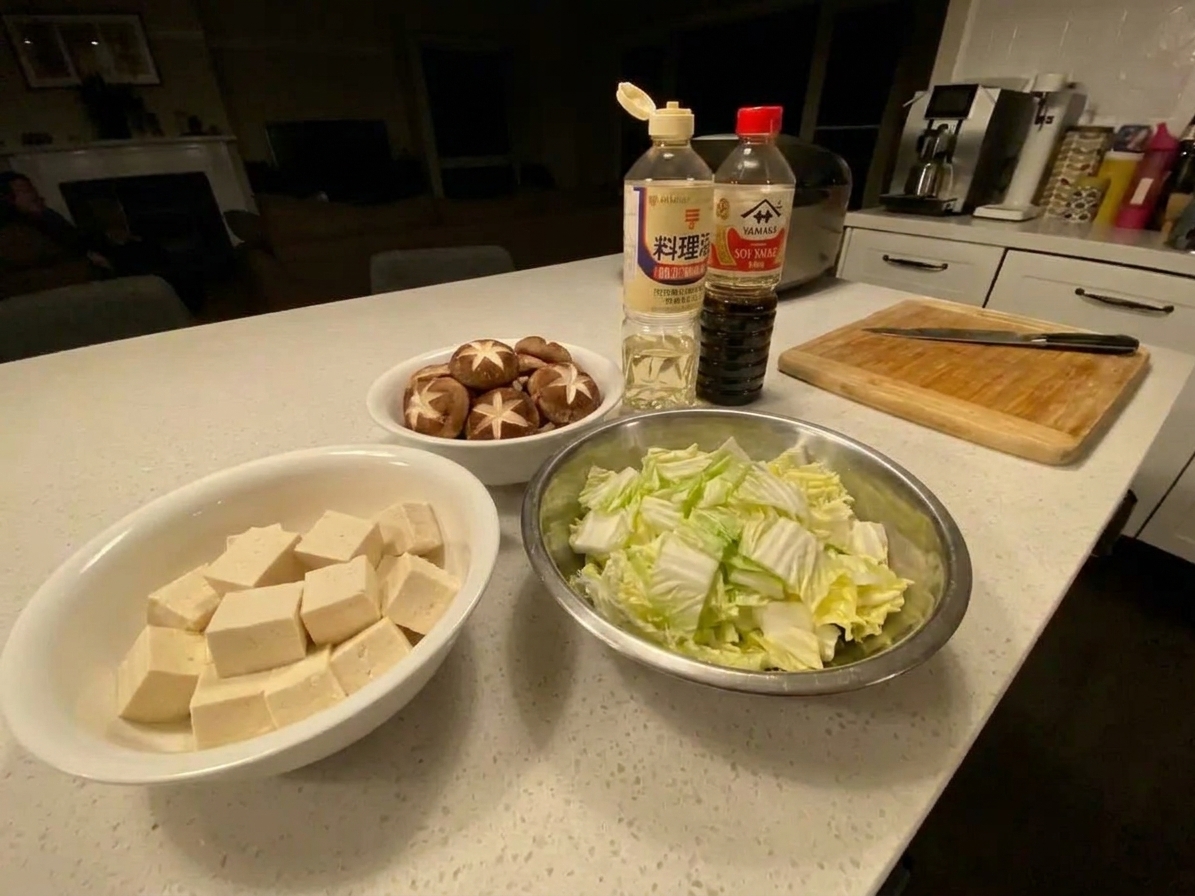
They help give sukiyaki its signature sweet depth. If you are missing one, you can still make a tasty version.
- No mirin: mirin is sweet, so you want a sweet replacement, not more soy. Use 1/4 cup water or sake + 1 to 2 teaspoons sugar for every 1/4 cup mirin in the recipe (stir until the sugar dissolves), then adjust to taste. If you have it, a tiny splash of rice vinegar (1/2 teaspoon) can add a hint of brightness, but it is optional.
- No sake: use water or low-sodium broth. The dish will be slightly less aromatic, still delicious.
What kind of beef should I buy?
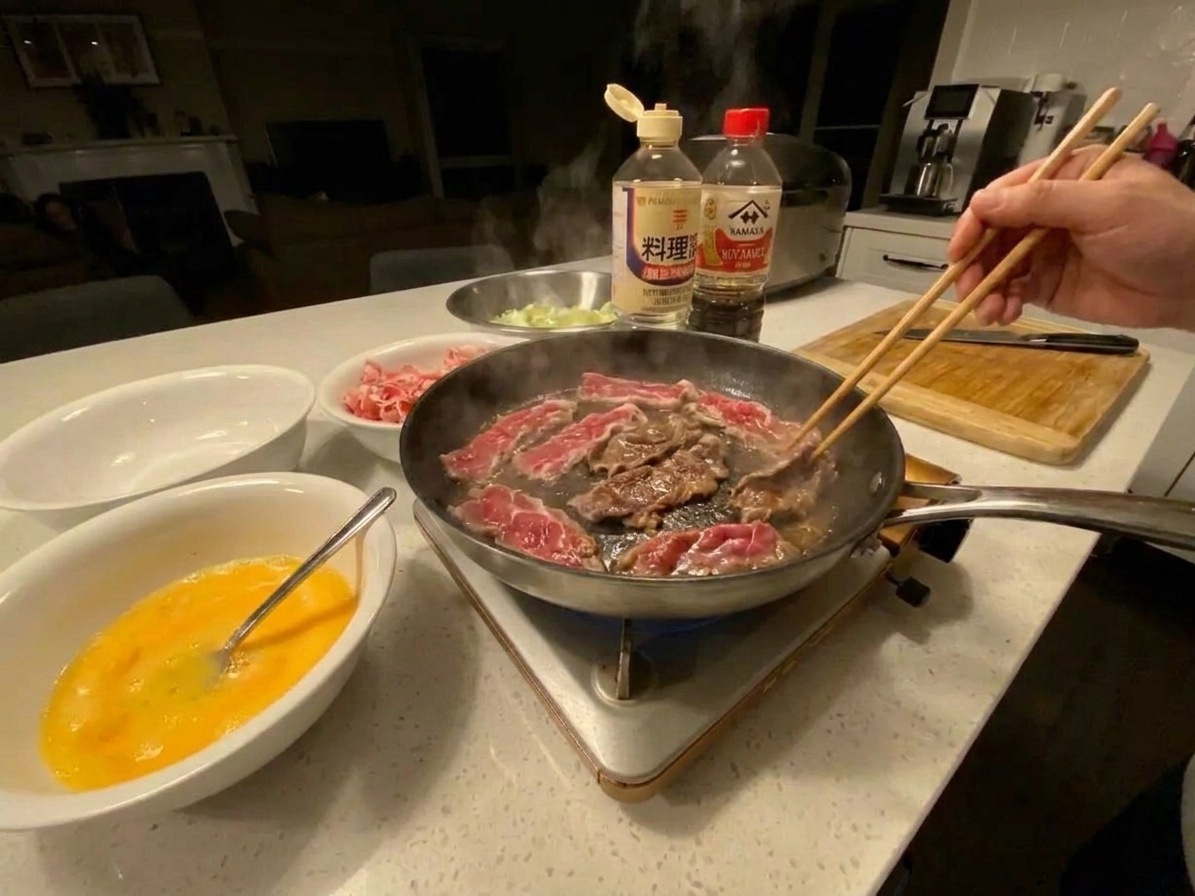
Look for very thin slices labeled shabu-shabu or sukiyaki beef at an Asian market. If you are using regular steak, partially freeze it for 20 to 30 minutes, then slice as thin as you can against the grain.
Is sukiyaki spicy?
Traditional sukiyaki is not spicy. If you want heat, add a little shichimi togarashi at the table or simmer a sliced chili in the broth.
What noodles work best?
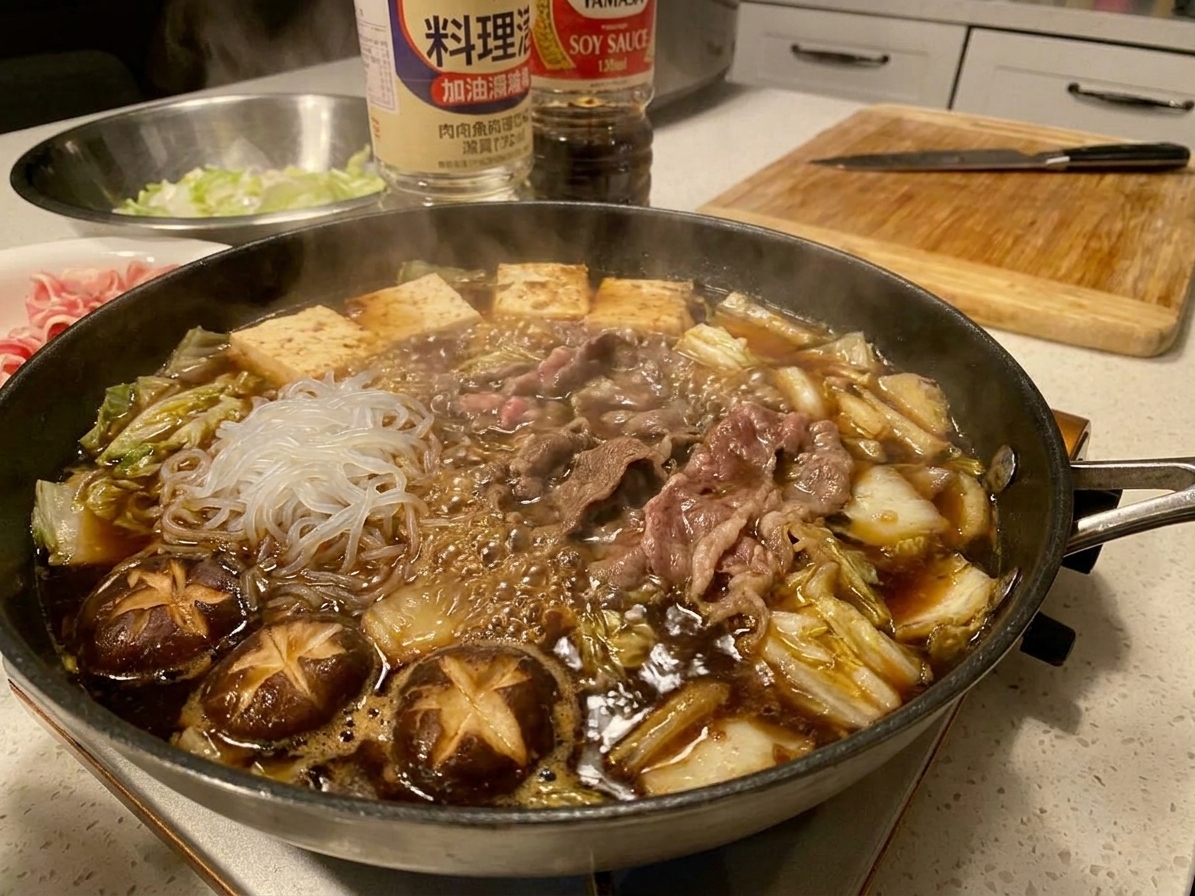
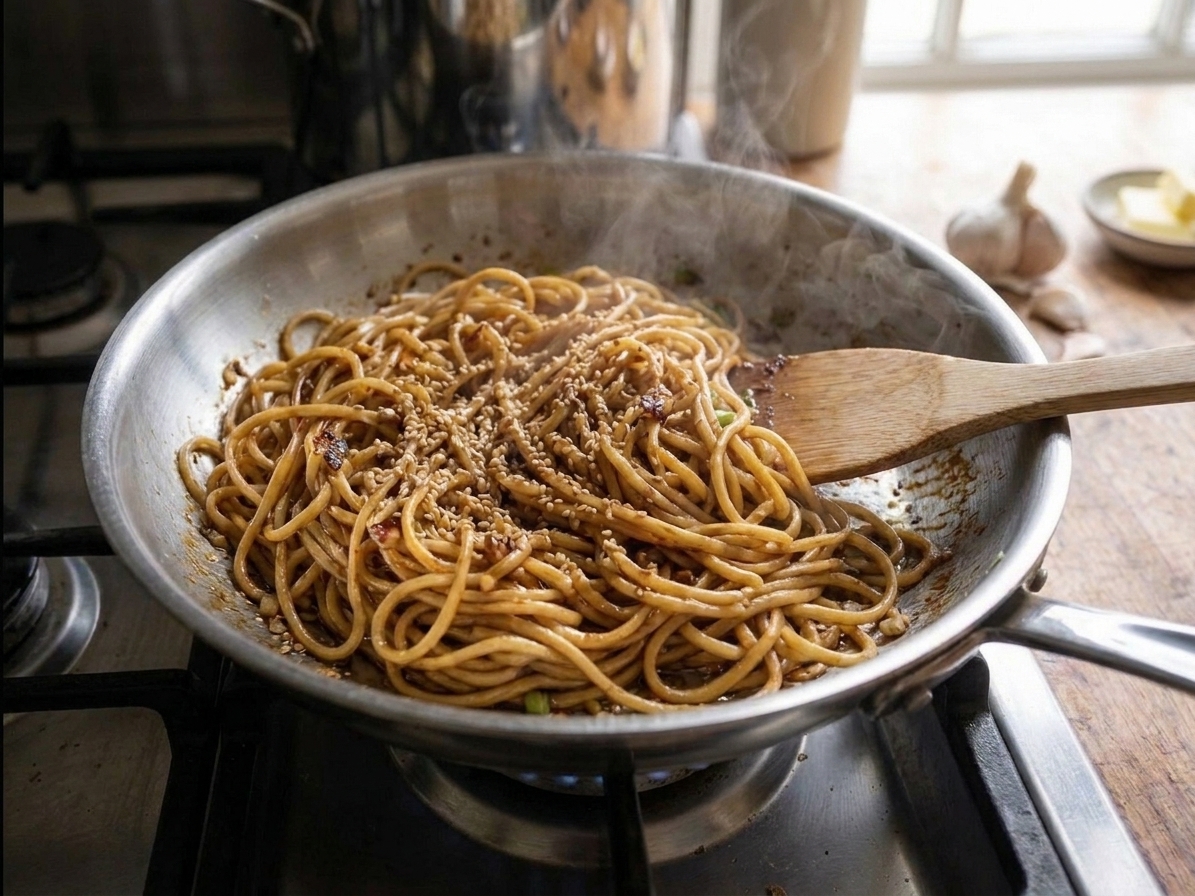
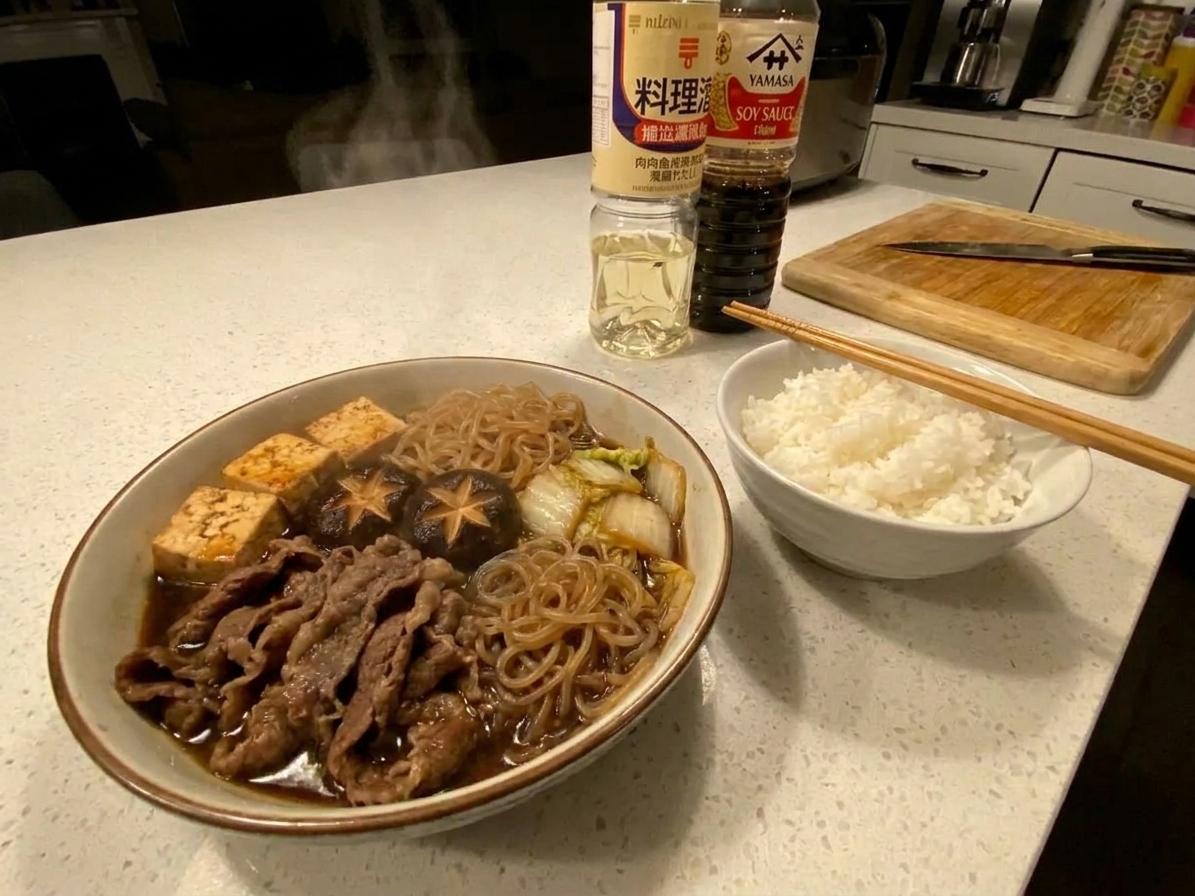
Udon for chewy comfort, or shirataki for a lighter option. Rice also works great for soaking up the broth.
Any tips for shirataki noodles?
Rinse them well, then dry-pan them in the empty skillet for 1 to 2 minutes (no oil) to cook off the extra moisture and any odor. After that, they soak up flavor much better.
Do I have to use napa cabbage?
Nope. Baby bok choy, regular green cabbage, or even spinach can work. Add tender greens at the end so they do not overcook.
What tofu is best?
Firm tofu holds up best here. Softer tofu can break apart once everything starts bubbling and getting stirred.
Is sukiyaki traditionally served with egg?
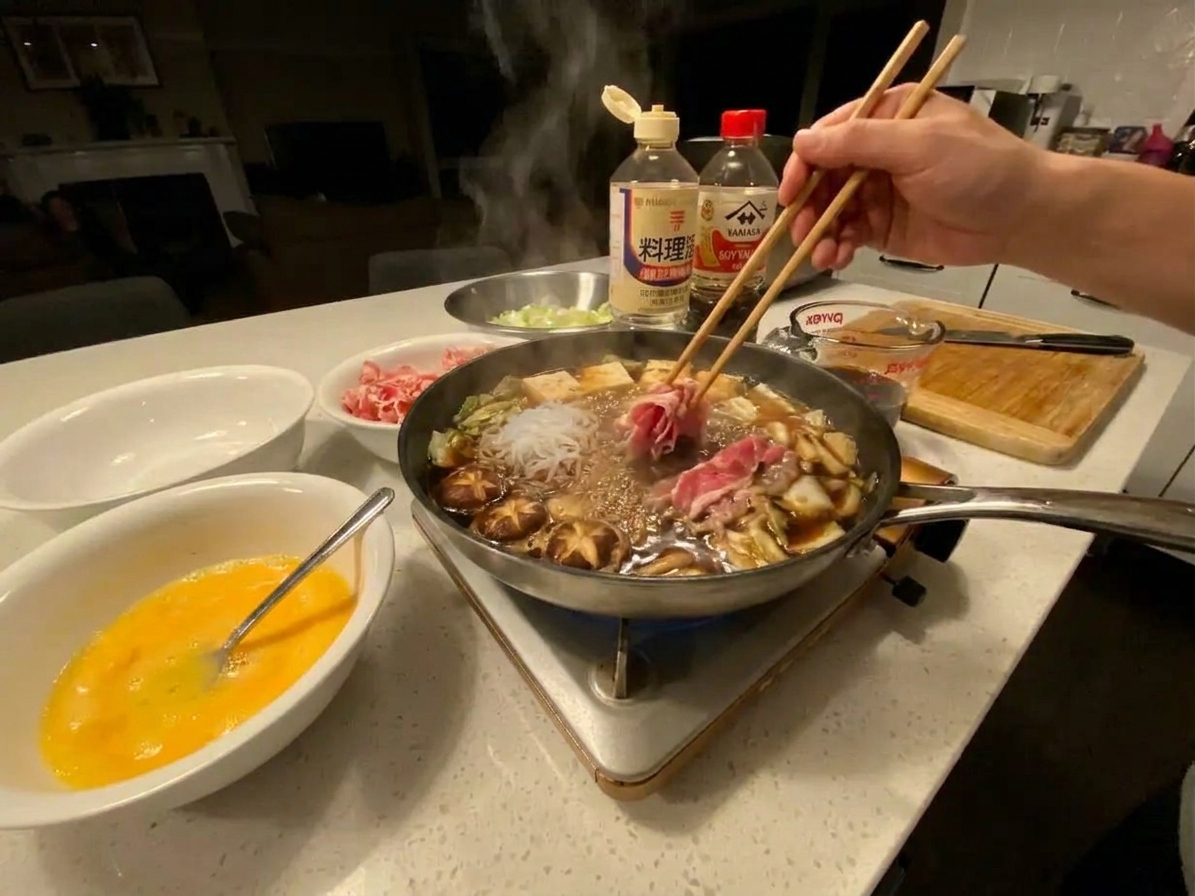
Yes. Many people dip hot bites of beef and tofu into raw beaten egg for a creamy, mellow contrast. It is completely optional. If you choose to do it, use fresh, properly handled eggs and follow your local food safety guidance.