Mom's Best Recipes
Recipe

Easy Unleavened Flatbread

A no-yeast, skillet-cooked flatbread that turns pantry basics into warm, soft rounds with crisp edges in under 30 minutes.

Author By Matt Campbell
4.8
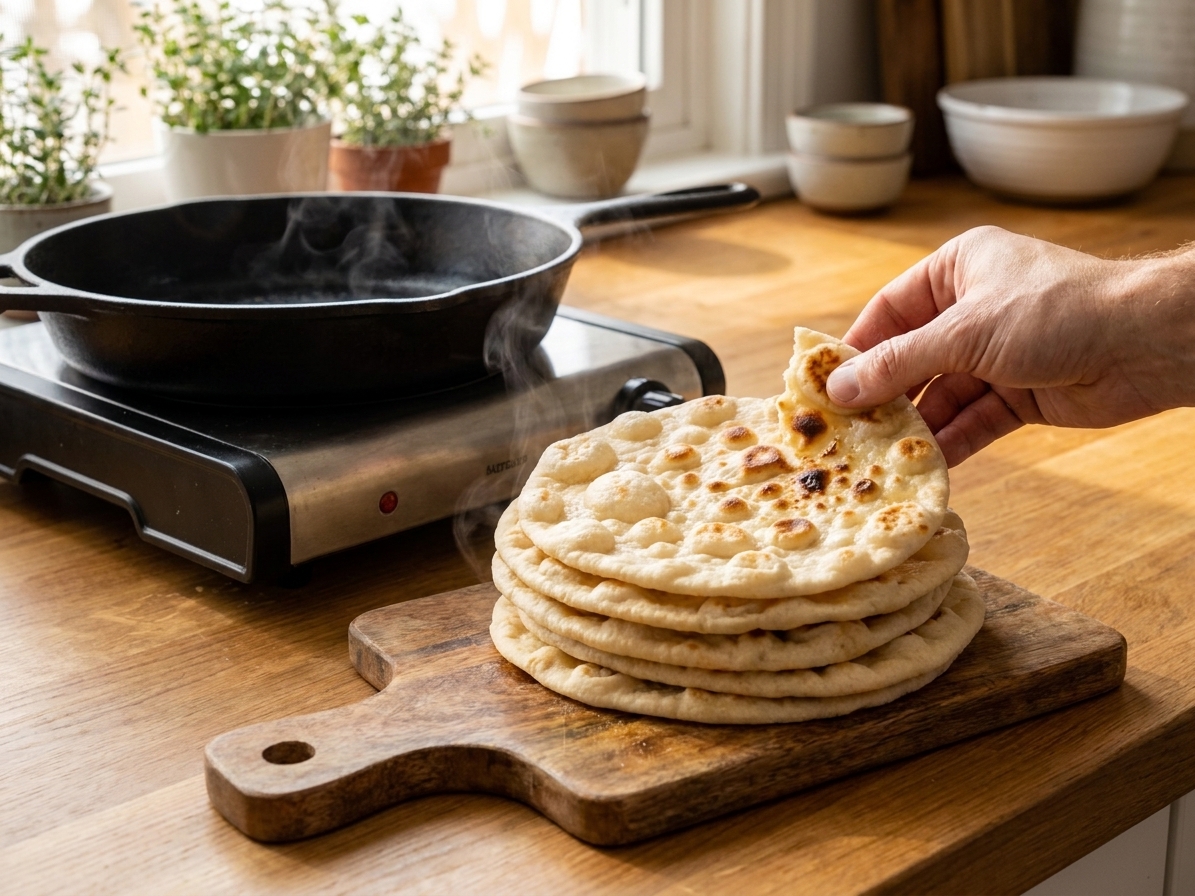
A stack of warm unleavened flatbreads on a wooden cutting board beside a cast iron skillet on a bright kitchen counter

Unleavened bread is the kind of recipe that makes you feel wildly capable. No yeast. No waiting. No "is it rising?" anxiety. Just flour, water, salt, and a little fat for tenderness, mixed into a quick dough and cooked in a hot skillet until you get those toasty brown spots and crisp edges.

This version is my weeknight workhorse. It is soft enough to wrap around leftover chicken, sturdy enough to scoop up chili, and fast enough to make while you are finishing whatever is simmering on the stove. If your dinner needs a cozy carb sidekick, this is it.

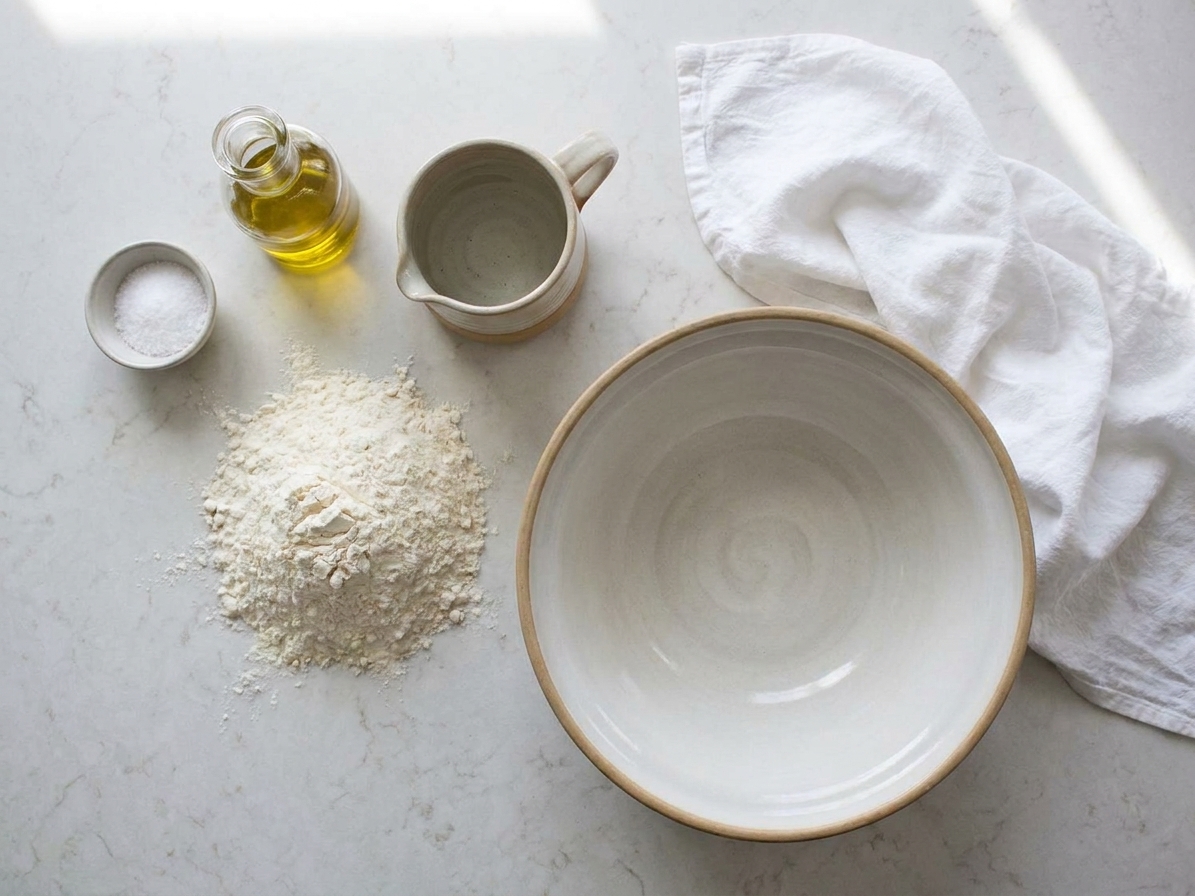
All-purpose flour, kosher salt, olive oil, and a measuring cup of warm water arranged on a clean kitchen counter with a mixing bowl

Why It Works

  • Quick by design: No yeast means no proofing time, so you can go from craving to carb in minutes.
  • Soft with crisp edges: A little oil in the dough plus a hot pan gives you flexible centers and browned, toasty spots.
  • Forgiving dough: If it feels sticky, dust it. If it feels dry, add a splash of water. This bread is chill.
  • Multipurpose: Use it like tortillas, a pita-style scoop, or a quick base for an easy chickpea salad moment.

Pairs Well With

Storage Tips

Room temp (best for same day): Cool completely, then keep flatbreads in a zip-top bag or airtight container. Same day is best, but they are generally fine up to 24 hours if sealed well. If your kitchen is hot or humid, refrigerate sooner for best quality.

Refrigerator: Store up to 4 days, best within 2 to 3 for the softest texture. Reheat in a dry skillet over medium heat for 30 to 60 seconds per side, or microwave 10 to 20 seconds wrapped in a damp paper towel to keep them flexible. (You cook these on medium-high, but reheat on medium so they warm through without turning brittle.)

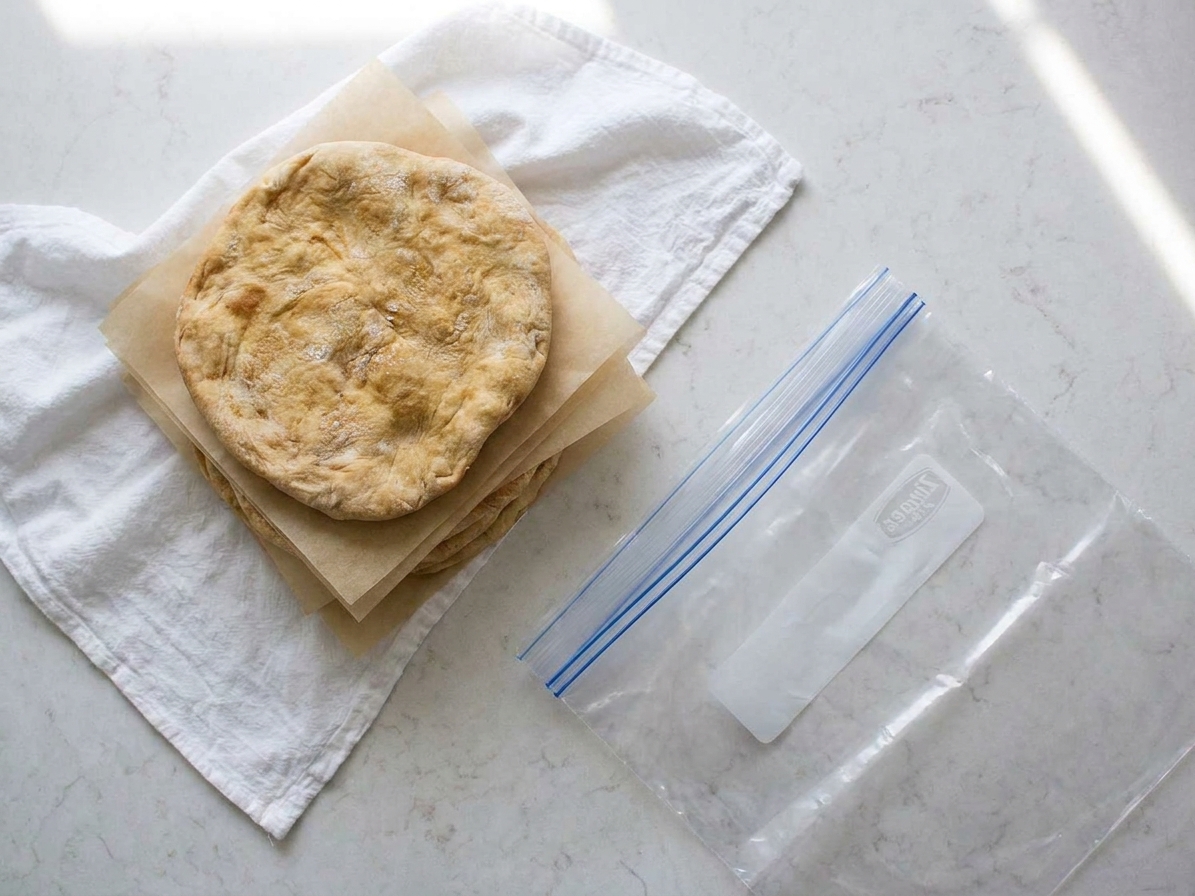
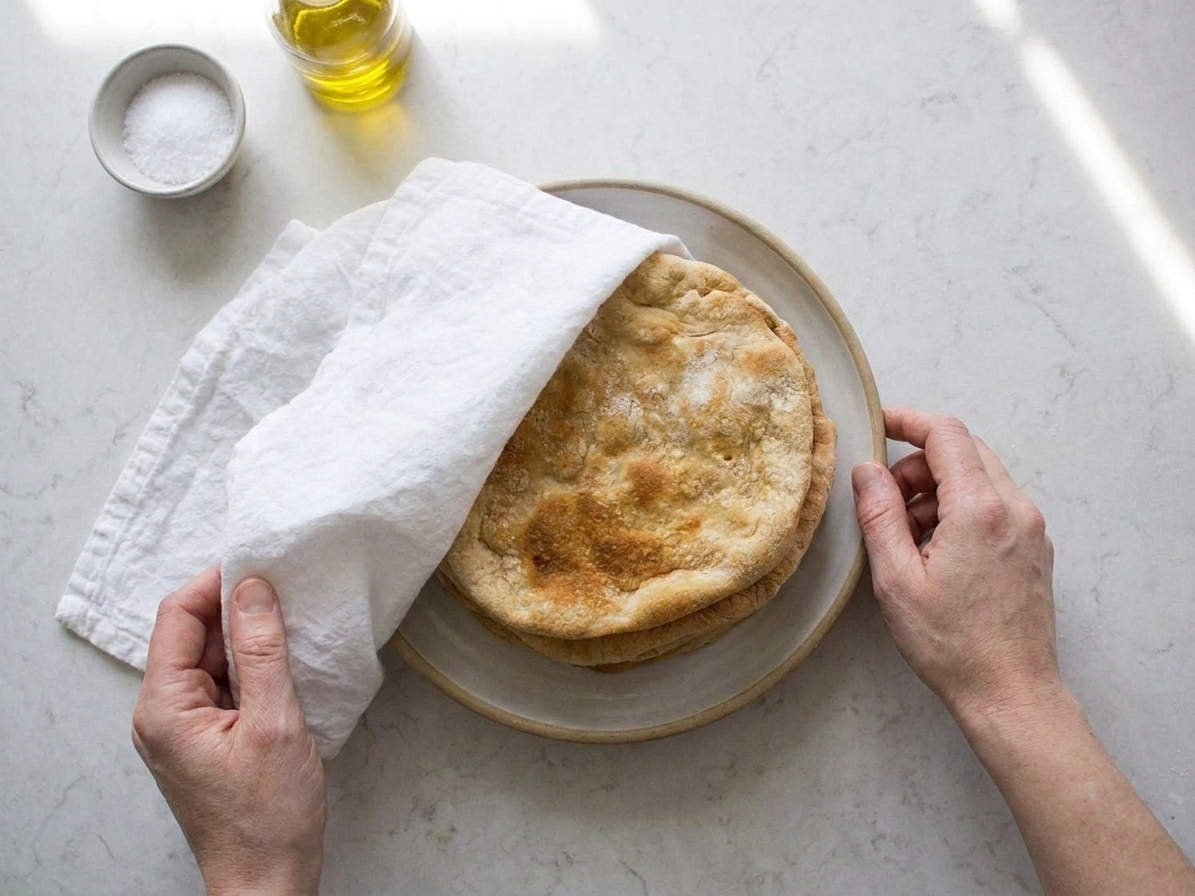
Freezer: Freeze up to 2 months for best quality. Stack with parchment between pieces, seal well, and thaw at room temp. Warm in a skillet to bring back the toasty flavor.

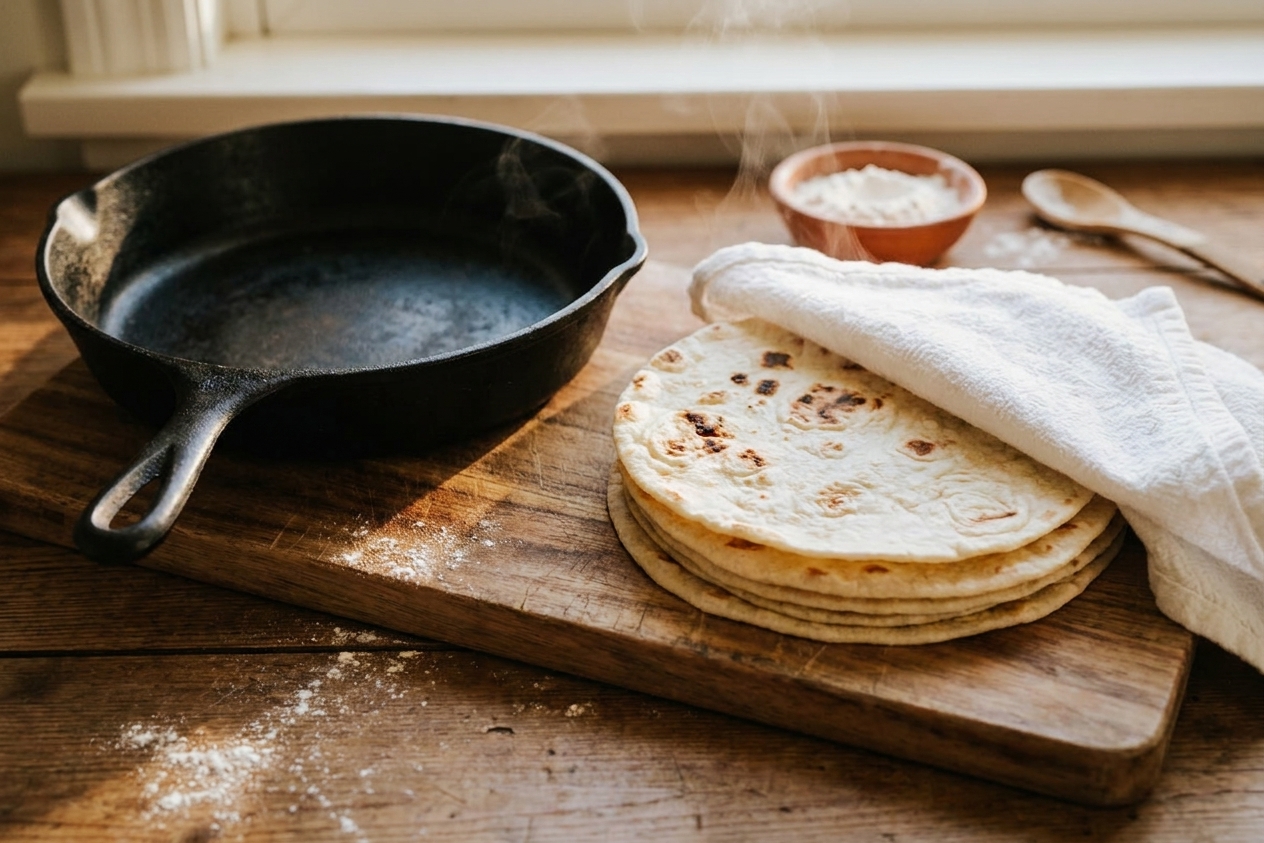
A stack of unleavened flatbreads separated by parchment paper ready to be stored in a zip-top freezer bag on a kitchen counter

Common Questions

Is unleavened bread the same as tortillas?

They are close cousins. Flour tortillas typically include a bit more fat and are often rolled very thin for extra flexibility. This flatbread is a little thicker and more rustic, but it works the same way for wraps and dipping.

Can I make it with whole wheat flour?

Yes. Swap in up to half whole wheat flour without changing anything. If you go 100 percent whole wheat, add 1 to 2 extra tablespoons of water and let the dough rest the full 10 minutes so it hydrates.

Why is my bread tough?

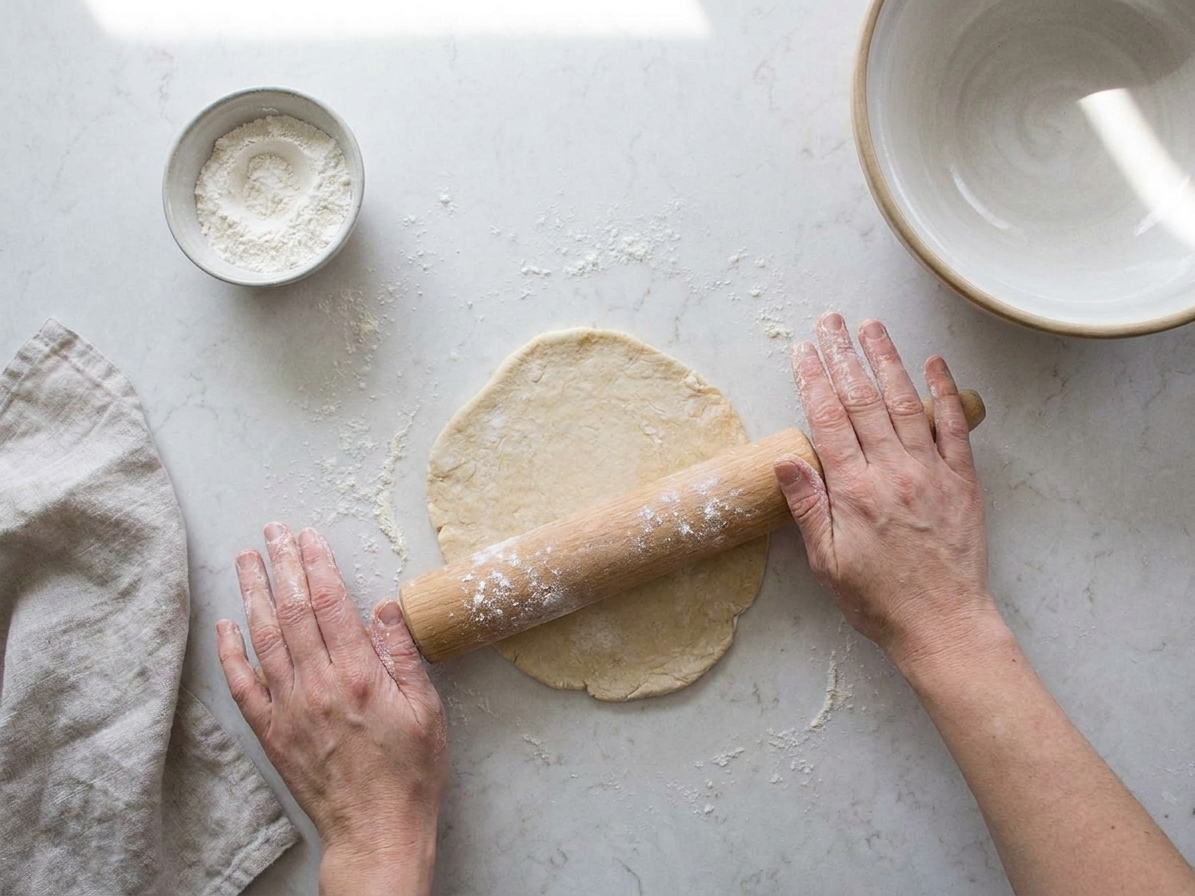
Usually one of two things: too much flour during rolling, or overcooking. Use just enough flour to prevent sticking, and cook on medium-high so you get color fast without drying it out. Also, brush or wipe off any excess flour on the surface before it hits the skillet, since loose flour can scorch and make the bread taste dry.

Why is my dough shrinking when I roll it?

That is the dough telling you it needs a little more rest. Cover it and let it sit 5 more minutes, then try again. Resting relaxes the gluten so it rolls out without springing back.

Can I bake it instead of using a skillet?

You can, but the skillet gives better browning. If you want to bake, heat a sheet pan in a 475°F oven. Place rolled rounds on the hot pan and bake 4 to 6 minutes, flipping once, until you see light browning and a few puffy spots. Thicker rounds may need an extra minute.

How do I add flavor without making it complicated?

Mix in 1 teaspoon garlic powder, 1 teaspoon dried oregano, or a few grinds of black pepper. Or brush the cooked breads with melted butter mixed with minced garlic and a pinch of salt.

I ditched culinary school plans for the hands-on route, but this is exactly the kind of core-skill recipe I love: a simple dough that teaches you how flour and water behave in real time. The first time I made unleavened bread, I overfloured the counter and ended up with crackers that could double as coasters. Now I keep it relaxed: touch the dough, adjust as you go, and trust the skillet. When the kitchen smells toasty and you are stacking warm rounds under a towel, it feels like you just gave dinner a hug.