Mom's Best Recipes
Recipe

Elephant Toothpaste

A quick, dramatic foam experiment with everyday ingredients. Big wow factor, minimal fuss, and plenty of tips to keep it safe and easy to clean.

Author By Matt Campbell
4.8
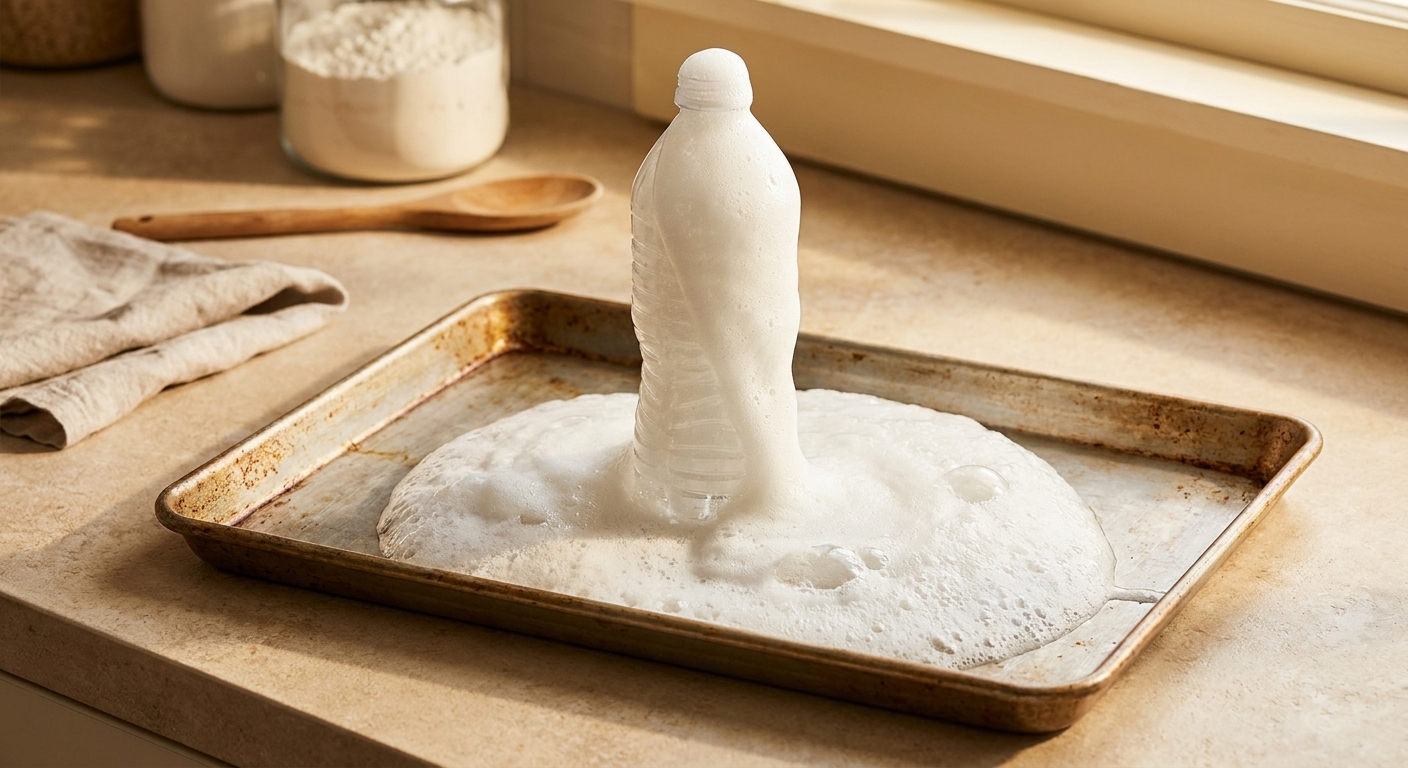
A tall stream of colorful foamy bubbles overflowing from a plastic bottle on a rimmed baking sheet on a bright kitchen counter

If you have ever wanted a kitchen moment that feels like a tiny, controlled volcano, Elephant Toothpaste is the one. It is not edible, but I am still calling it a recipe because we are measuring, mixing, and chasing a very specific result: huge, fluffy foam that pours out of a bottle like it has somewhere important to be.

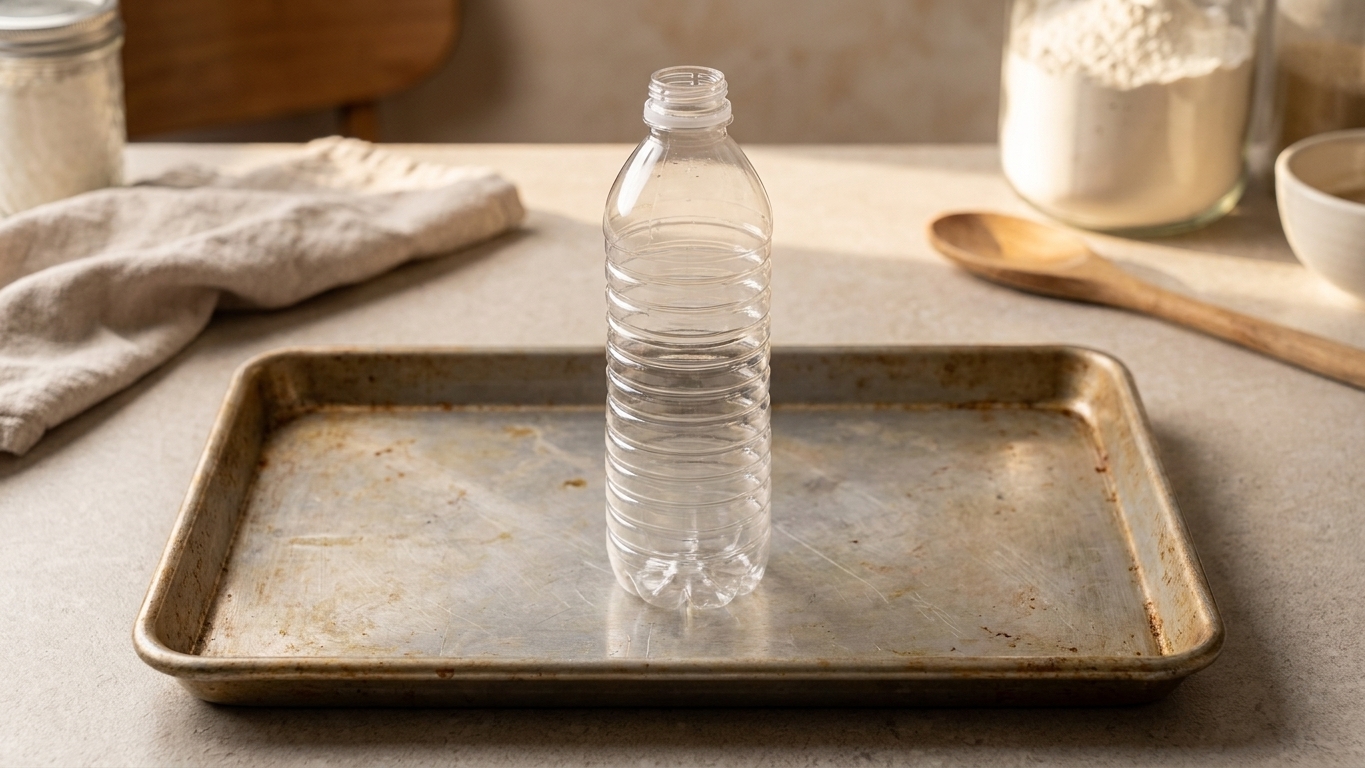
This is one of my favorite “do it once, then immediately do it again” activities. The ingredients are easy to find, the steps are short, and the payoff is instant. Set up on a tray, keep a towel nearby, and lean into the chaos.
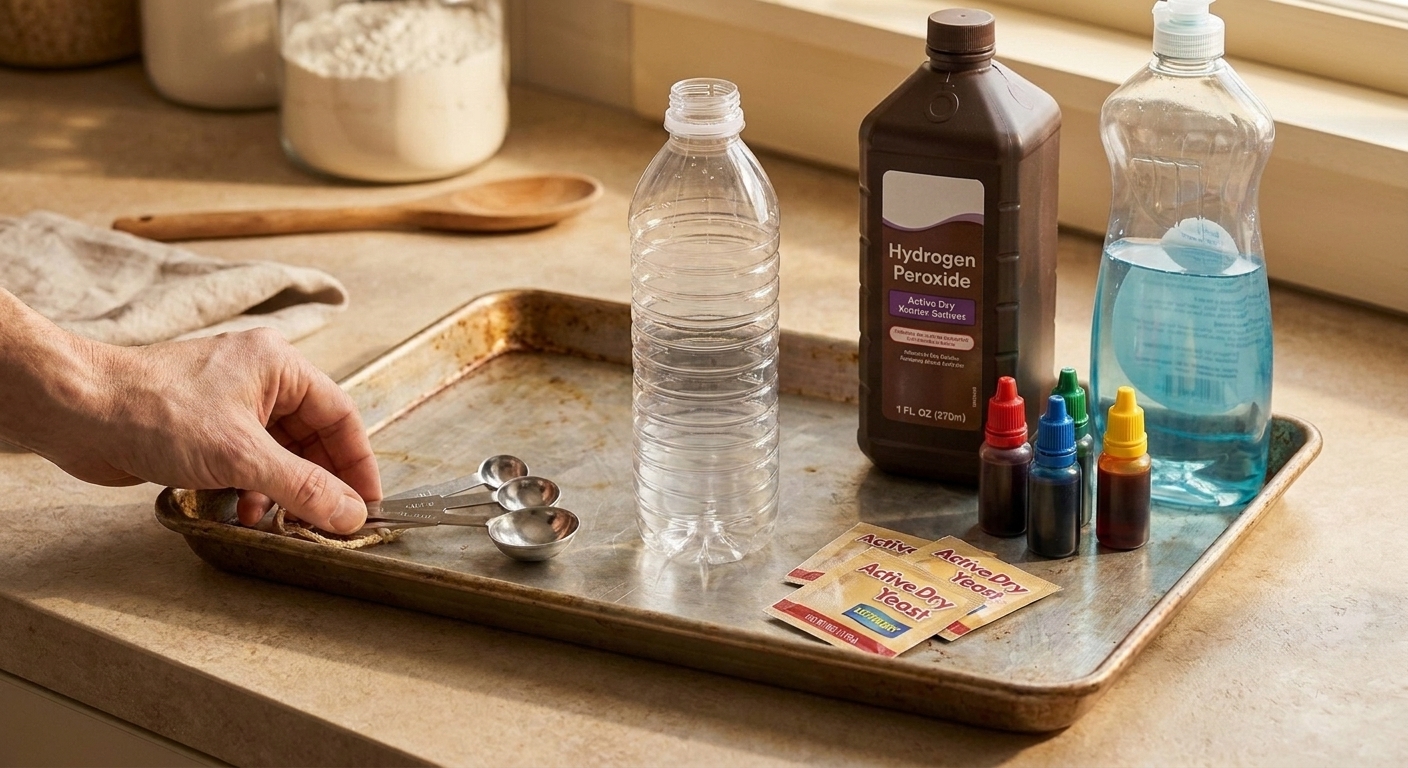
Hydrogen peroxide bottle, dish soap, packets of yeast, food coloring, and measuring spoons arranged on a kitchen counter next to a plastic bottle and a rimmed baking sheet

Why It Works

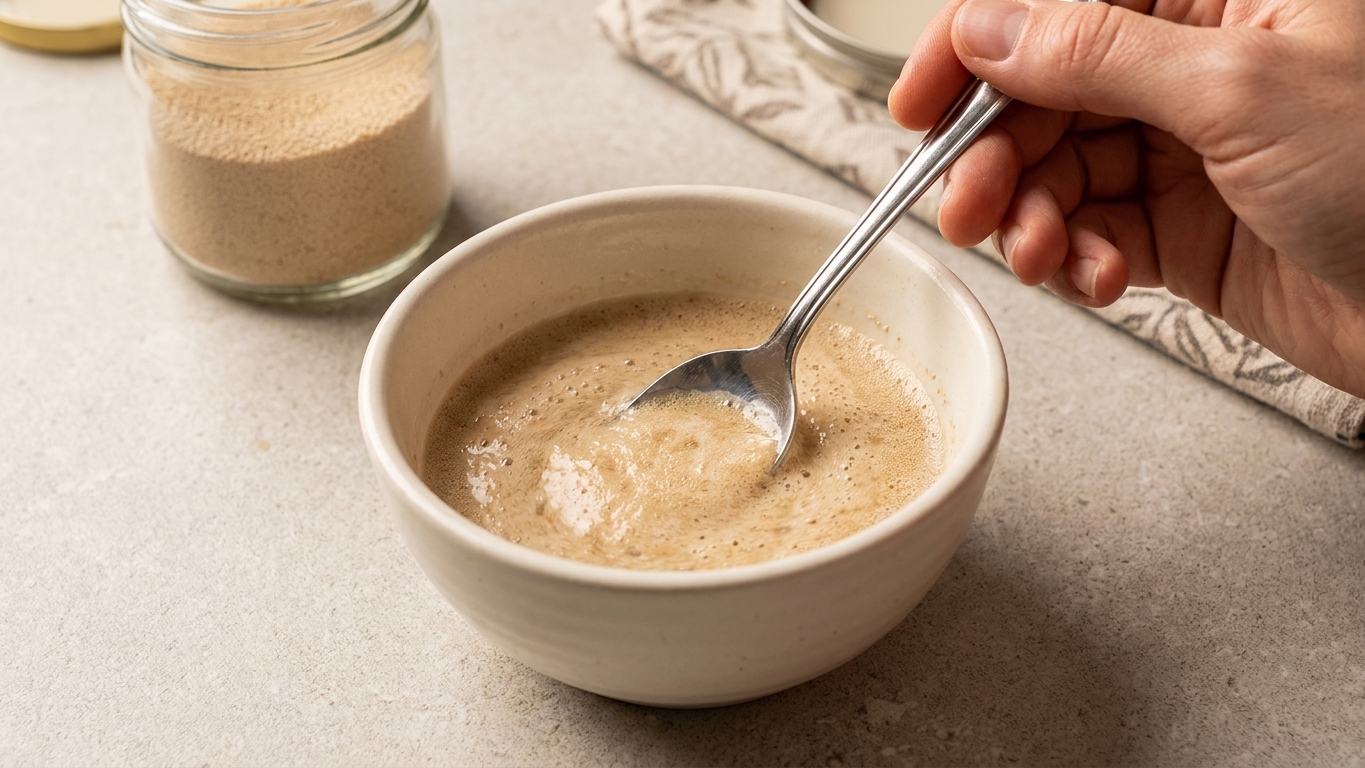
  • Big foam, low stress: Warm water wakes the yeast up fast, and a squeeze of dish soap makes the foam thick and satisfying.
  • Accessible ingredients: This version uses common 3% hydrogen peroxide, so it is family friendly with basic precautions.
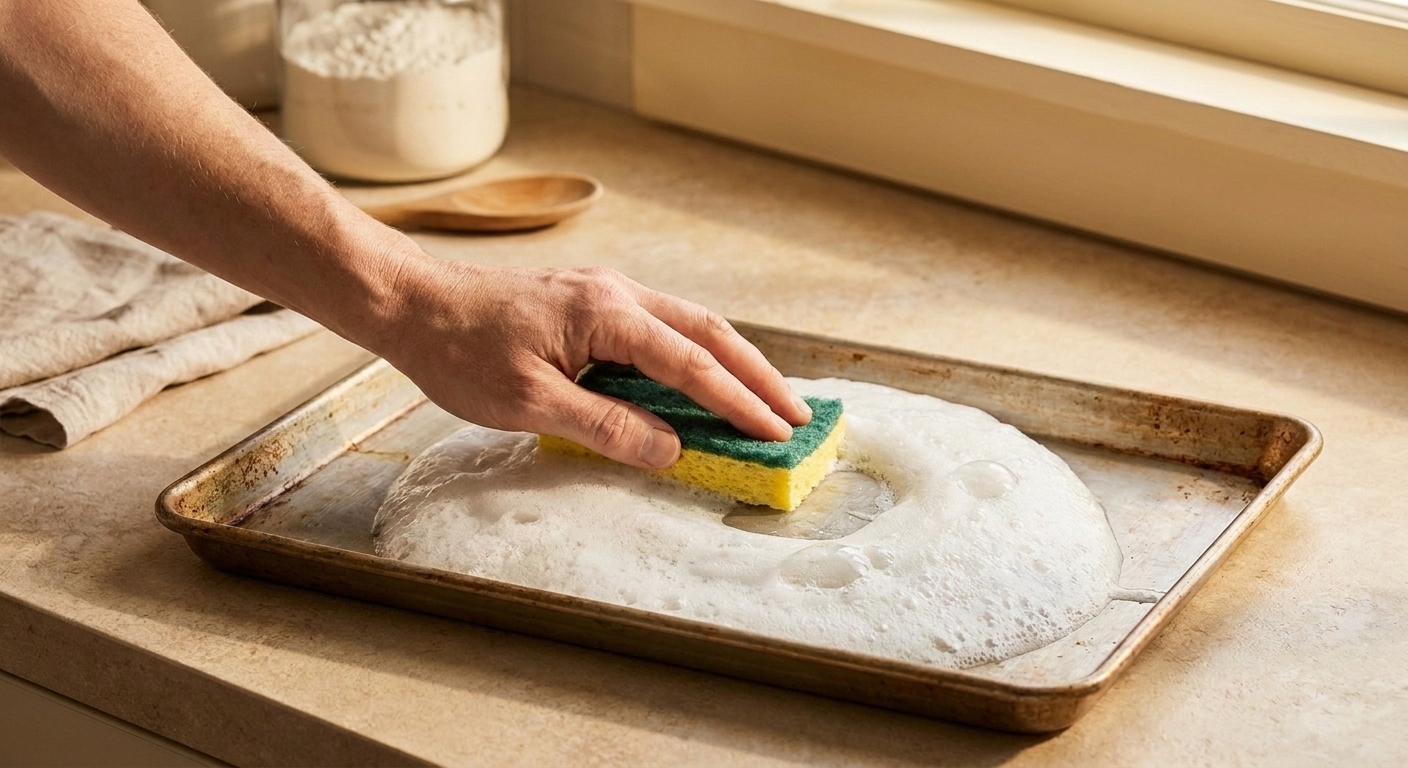
  • Easy cleanup: The foam is mostly soap and water. Do it on a sheet pan, then wipe and rinse.
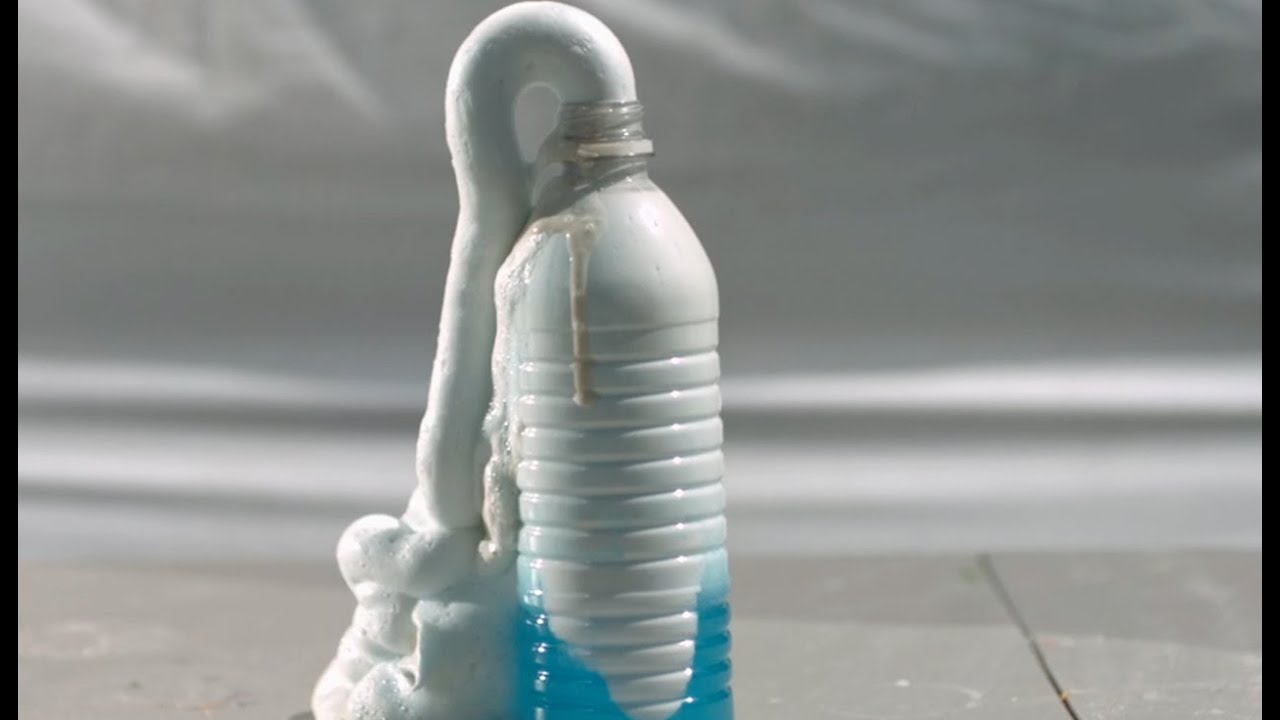
  • Teachable moment: Hydrogen peroxide breaks down into water and oxygen, yeast speeds it up, and soap traps the oxygen into bubbles for maximum drama.

Pairs Well With

Storage Tips

There are no leftovers you want to store, but here is how to handle what you have:

  • Foam: Scoop into the sink, then rinse with plenty of warm water. It is basically soapy water with a small amount of leftover peroxide.
  • Unused yeast mixture: Pour down the drain with plenty of water.
  • Unused hydrogen peroxide: Keep it in the original bottle, tightly capped, stored in a cool, dark spot. It breaks down with light and heat over time.
  • Food coloring stains: If you used a lot, wipe counters right away. A little dish soap and warm water usually does it.
A rimmed baking sheet with leftover soap foam being wiped up with a sponge on a kitchen counter

Common Questions

Is Elephant Toothpaste safe?

With 3% hydrogen peroxide only and basic precautions, it is generally safe for supervised kids. It can still irritate eyes and sensitive skin. Keep it away from faces, wear safety glasses, and use gloves if you have sensitive hands. Do not ingest. Wash hands after touching the foam.

Why did my foam not explode out of the bottle?

  • Your water may have been too hot and killed the yeast (aim for warm bath water, about 100 to 110°F).
  • Your hydrogen peroxide may be old. It weakens over time, especially if stored in light.
  • You may need more dish soap. Also, a narrow-neck bottle helps the foam rise in a taller column instead of spreading out right away.

Can I do this without yeast?

Yes, but yeast is the easiest household catalyst. Other versions use different catalysts that are not always as easy to handle at home. If you want simple and reliable, stick with yeast.

Does it get hot?

It can feel warm. The reaction releases heat, but with 3% hydrogen peroxide it is usually mild. Still, do not lean over the bottle, and keep hair and faces back.

Can I do this inside?

Yes, as long as you use a tray and give yourself space. A kitchen counter is perfect. Avoid carpet. If you have toddlers or pets, consider doing it in the sink or outside.

I am a food person, but I also love any kitchen project that makes people laugh and lean in. The first time I made Elephant Toothpaste, I underestimated the foam and had that split-second “this is fine” moment as it climbed out of the bottle like it owned the place. Now I treat it like a real recipe: tray first, ingredients measured, and everyone standing back for the grand finale. It is messy in the fun way, and cleanup is honestly easier than frosting cupcakes.