Mom's Best Recipes
Recipe

Classic Chicken Adobo

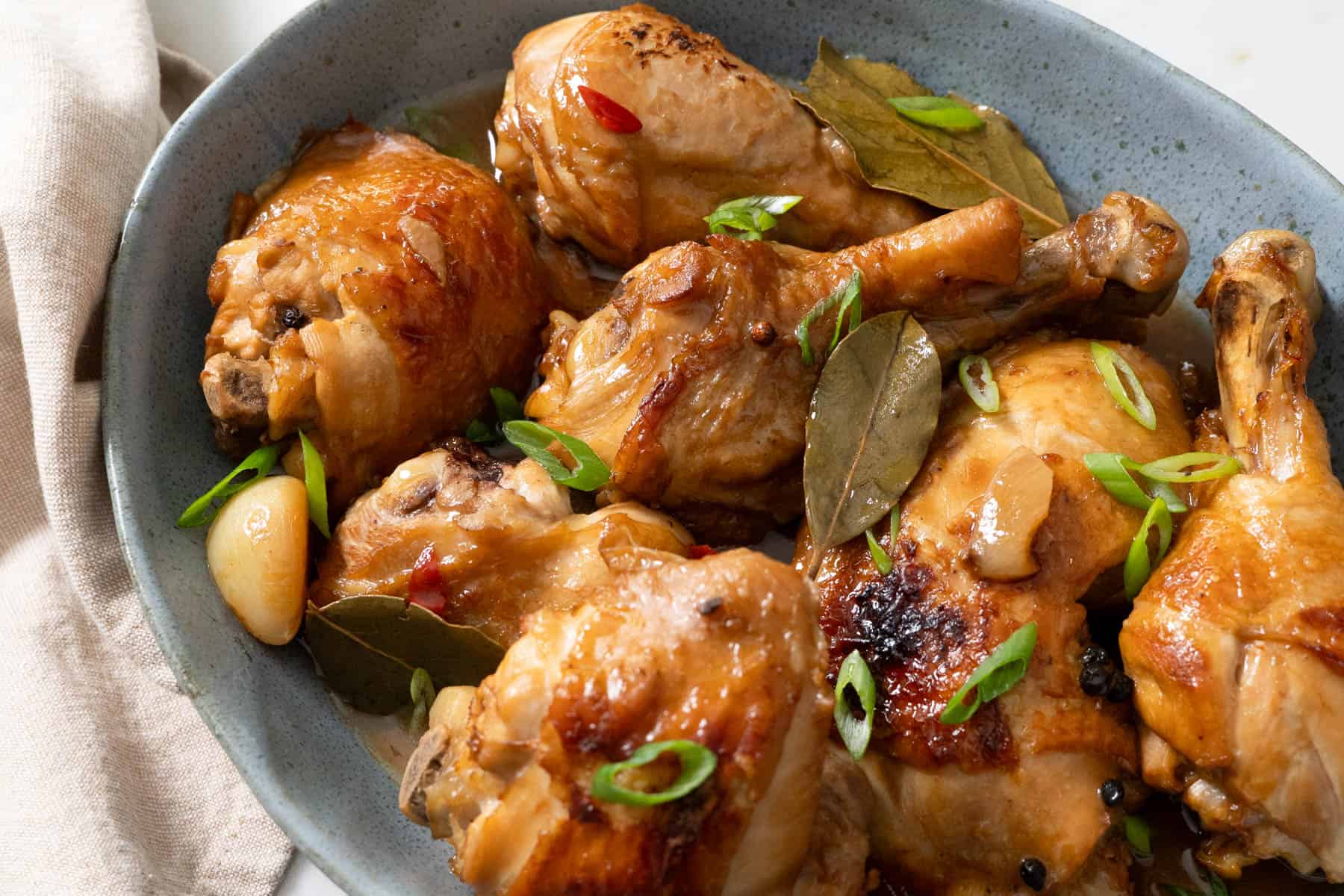
A warm, practical take on classic chicken adobo: tangy, savory sauce, tender chicken, and optional crisped edges served over rice.

Author By Matt Campbell
4.8
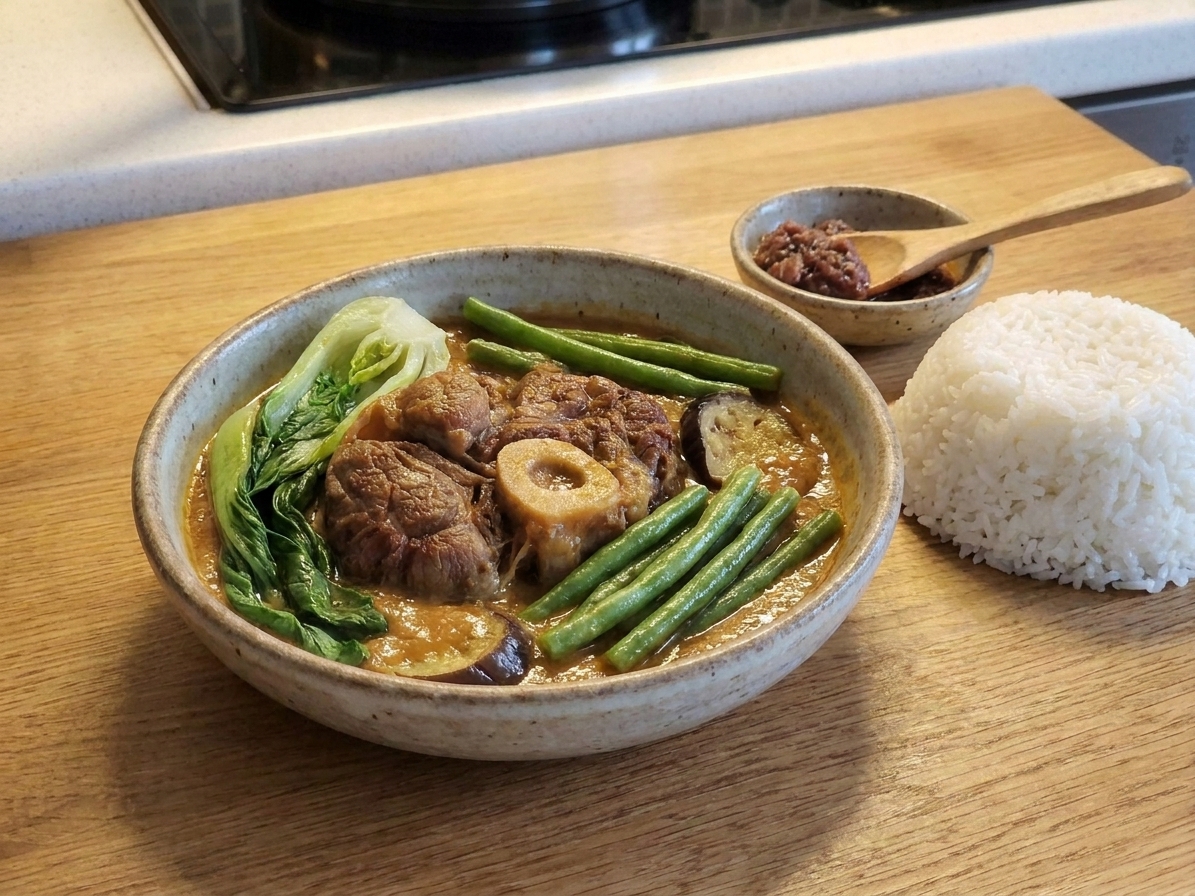
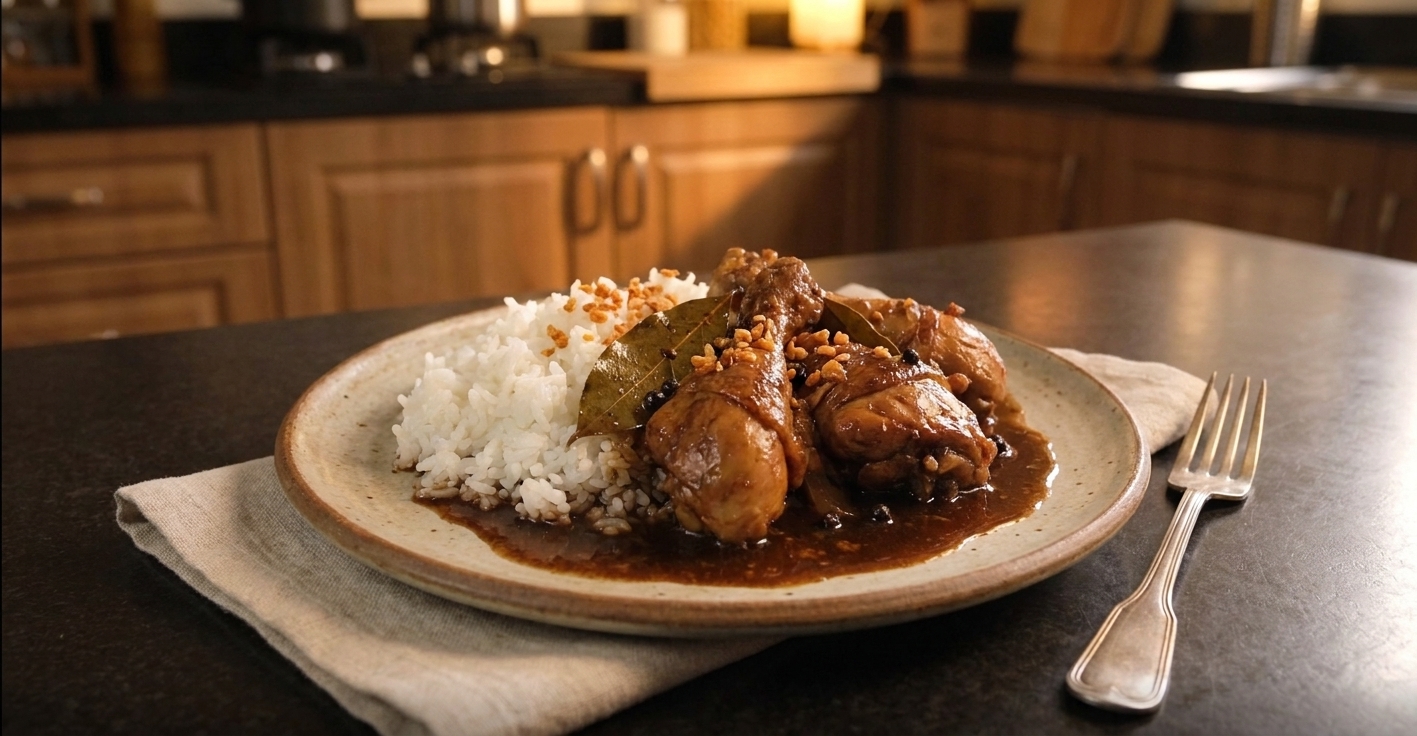
A plated chicken adobo bowl with glossy sauce, steamed white rice, and sliced scallions on a warm-toned kitchen table with soft natural light

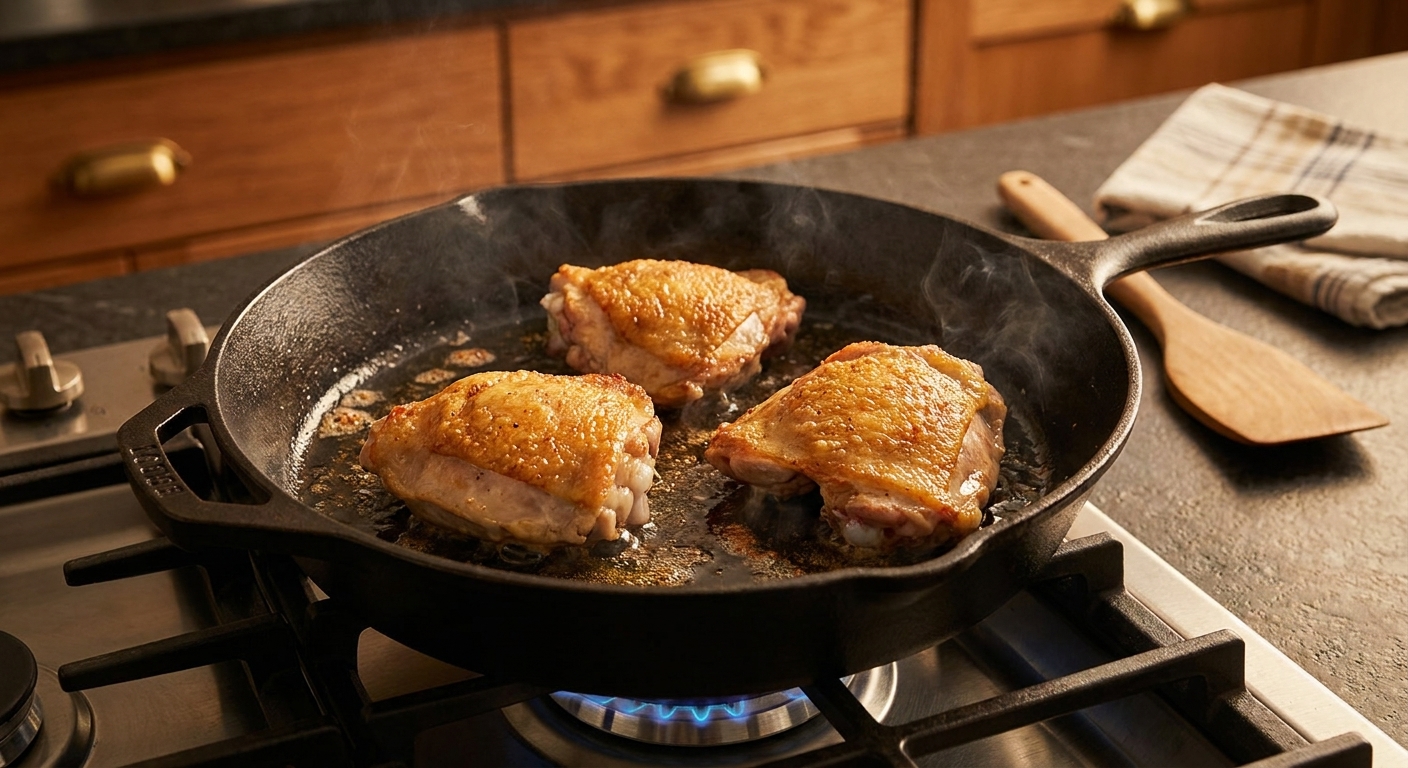
If you want one Filipino meal that delivers big comfort with very little drama, make chicken adobo. It is salty, tangy, garlicky, and the sauce is basically a shortcut to instant cozy. This version is built for real life: pantry-friendly ingredients, clear steps, and an optional quick sear at the end for those crisp edges that make you hover over the pan “just tasting” until dinner magically gets smaller.

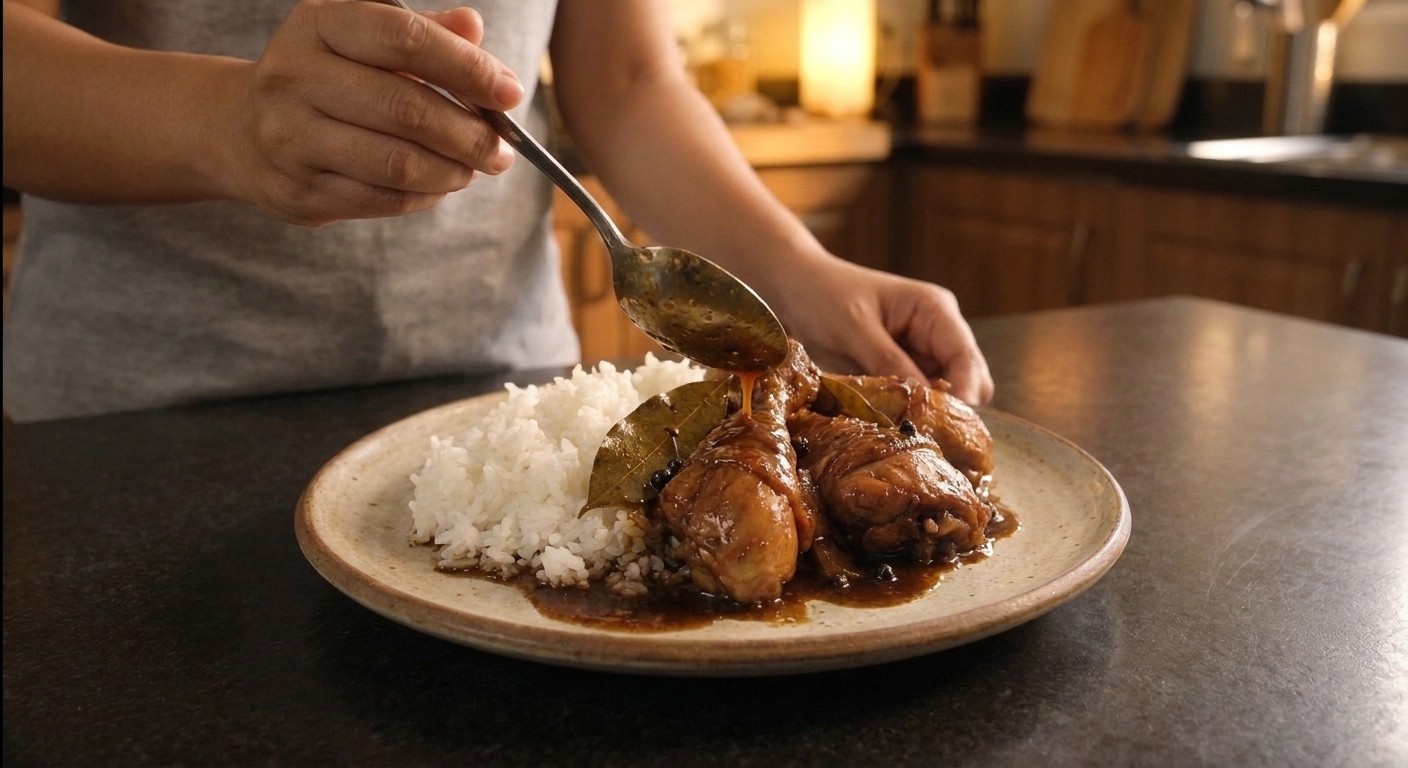
Serve it over rice, spoon extra sauce on top, and call it what it is: a weeknight win that also tastes even better tomorrow.

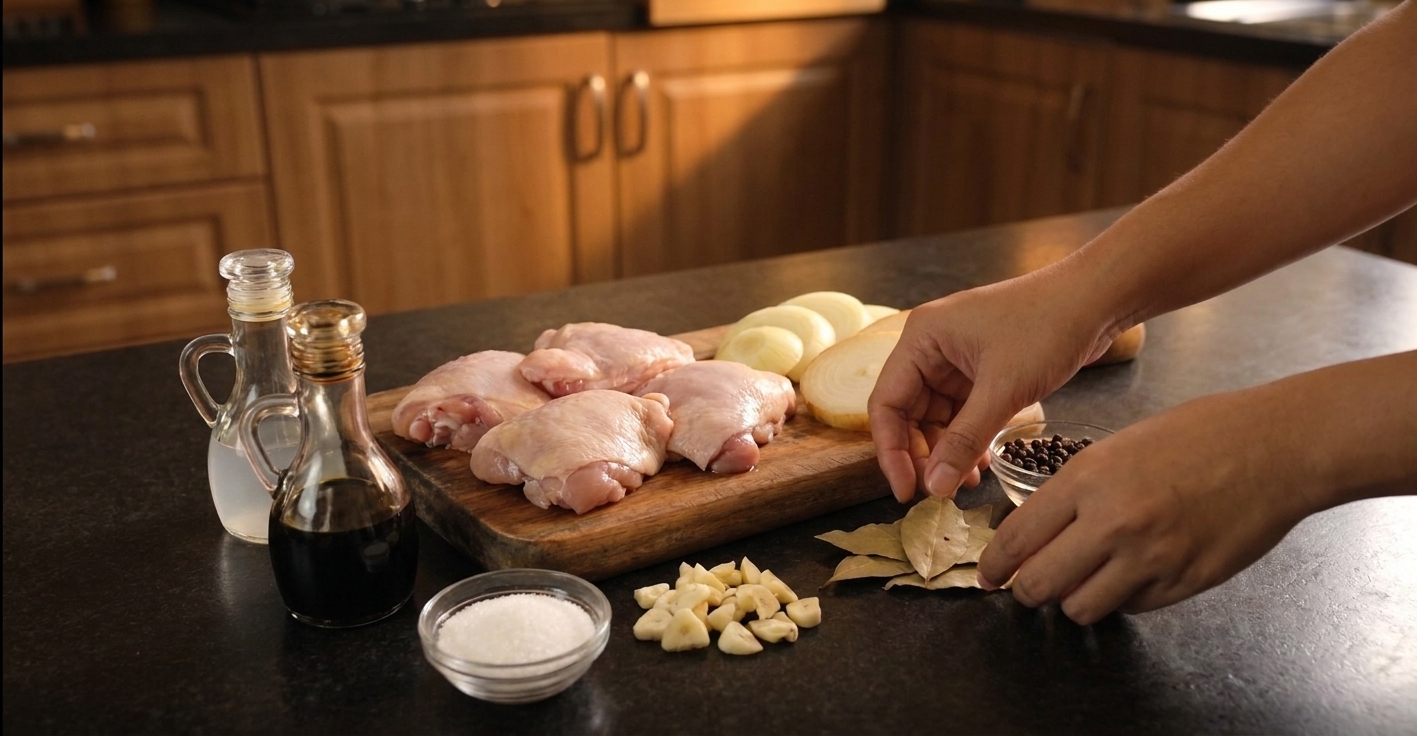
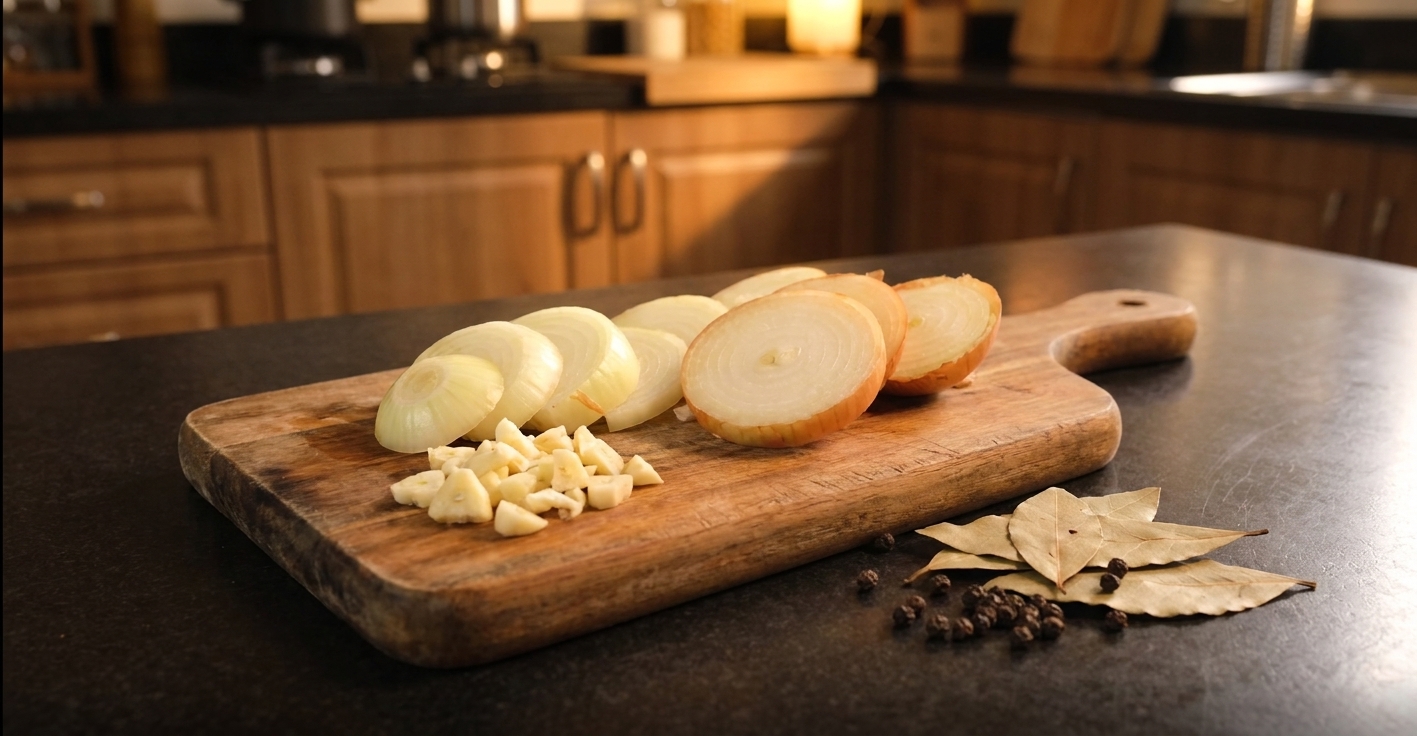
Raw chicken thighs, soy sauce, vinegar, garlic, bay leaves, peppercorns, sugar, and onions arranged on a clean kitchen counter with consistent warm lighting

Why It Works

  • Balanced flavor fast: Soy sauce brings savory depth, vinegar brings brightness, and garlic ties it all together.
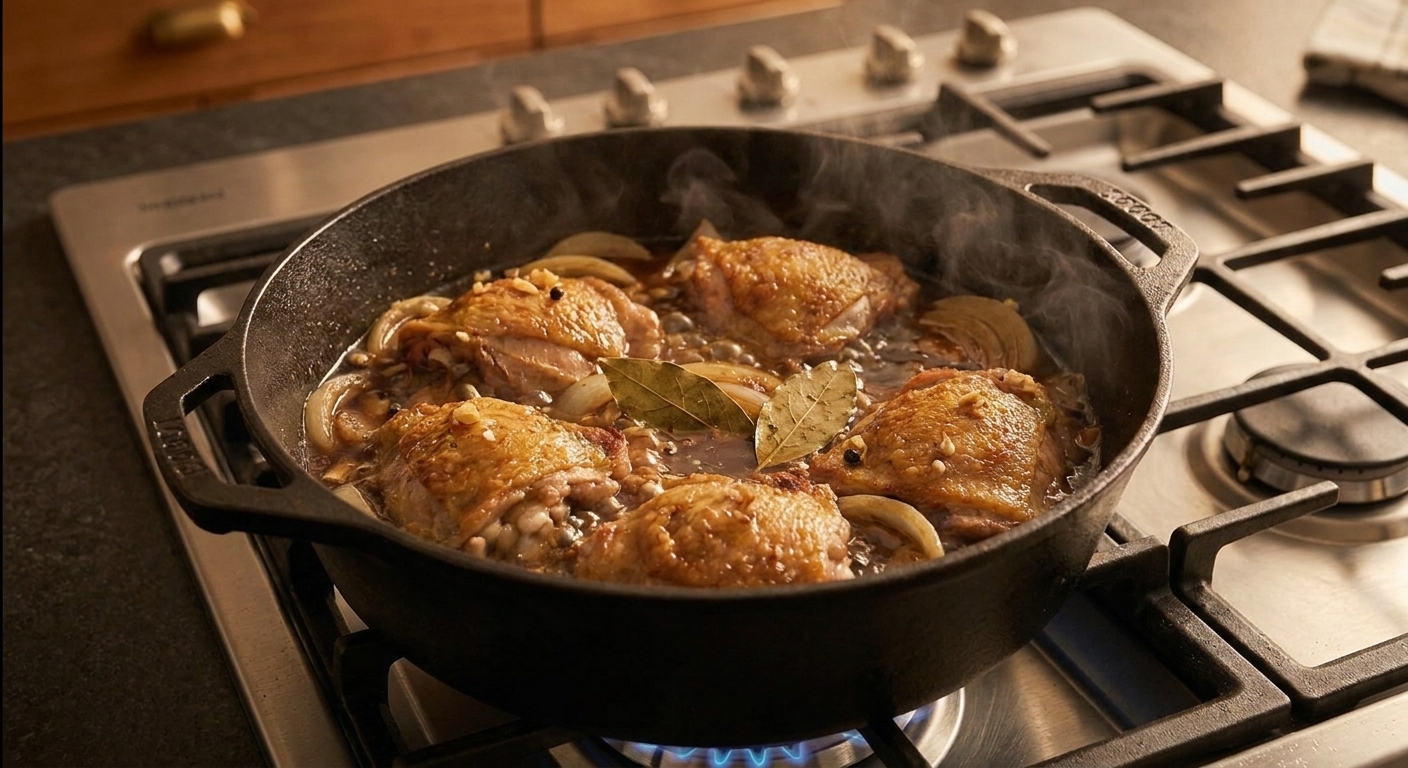
  • Tender chicken every time: Gentle simmering keeps the meat juicy and helps it soak up the sauce.
  • Glossy, spoonable sauce: A short reduction at the end concentrates everything into that signature adobo “pause mid-bite” intensity.
  • Meal prep friendly: It reheats like a champ and tastes even more developed the next day.

Pairs Well With

Storage Tips

Refrigerate: Cool completely, then store chicken and sauce together in an airtight container for up to 4 days.

Freeze: Freeze in a freezer-safe container for up to 2 months. Thaw overnight in the fridge.

Reheat: Warm gently on the stove over medium-low with a splash of water if the sauce got too thick. For crisp edges again, pull the chicken out and sear it in a skillet for 1 to 2 minutes per side, then spoon the hot sauce over top.

Common Questions

What’s the best vinegar for chicken adobo?

Cane vinegar is classic, but distilled white vinegar works great and is the most accessible. Apple cider vinegar adds a softer fruitiness. If you switch vinegars, keep the amount the same and adjust with a pinch of sugar if it tastes too sharp.

Can I use chicken breast instead of thighs?

You can, but thighs are more forgiving. If you use boneless, skinless breasts, keep the simmer gentle and start checking early, around 15 to 20 minutes, depending on thickness. Aim for 165°F / 74°C in the thickest part, then pull them so they stay juicy.

Do I need to marinate?

No. A quick 15-minute sit while you chop garlic helps, but the simmer does most of the work. If you want deeper flavor, marinate up to 8 hours in the fridge.

How do I make the sauce thicker?

Remove the chicken and simmer the sauce uncovered for 5 to 10 minutes. It thickens as it reduces. If you want it glossy-fast, whisk in 1 tablespoon cold butter off the heat (optional, not traditional, very delicious).

Is adobo supposed to be sour?

It should be tangy, not mouth-puckering. If it is too sharp, add 1 to 2 teaspoons brown sugar or a splash more soy sauce, then simmer 1 minute and taste again.

My adobo tastes too salty. What can I do?

Soy sauce strength varies a lot by brand. If you know you are salt-sensitive, use low-sodium soy sauce. If it is already cooked and too salty, add a splash of water and simmer a minute, or serve with extra rice to mellow it out.

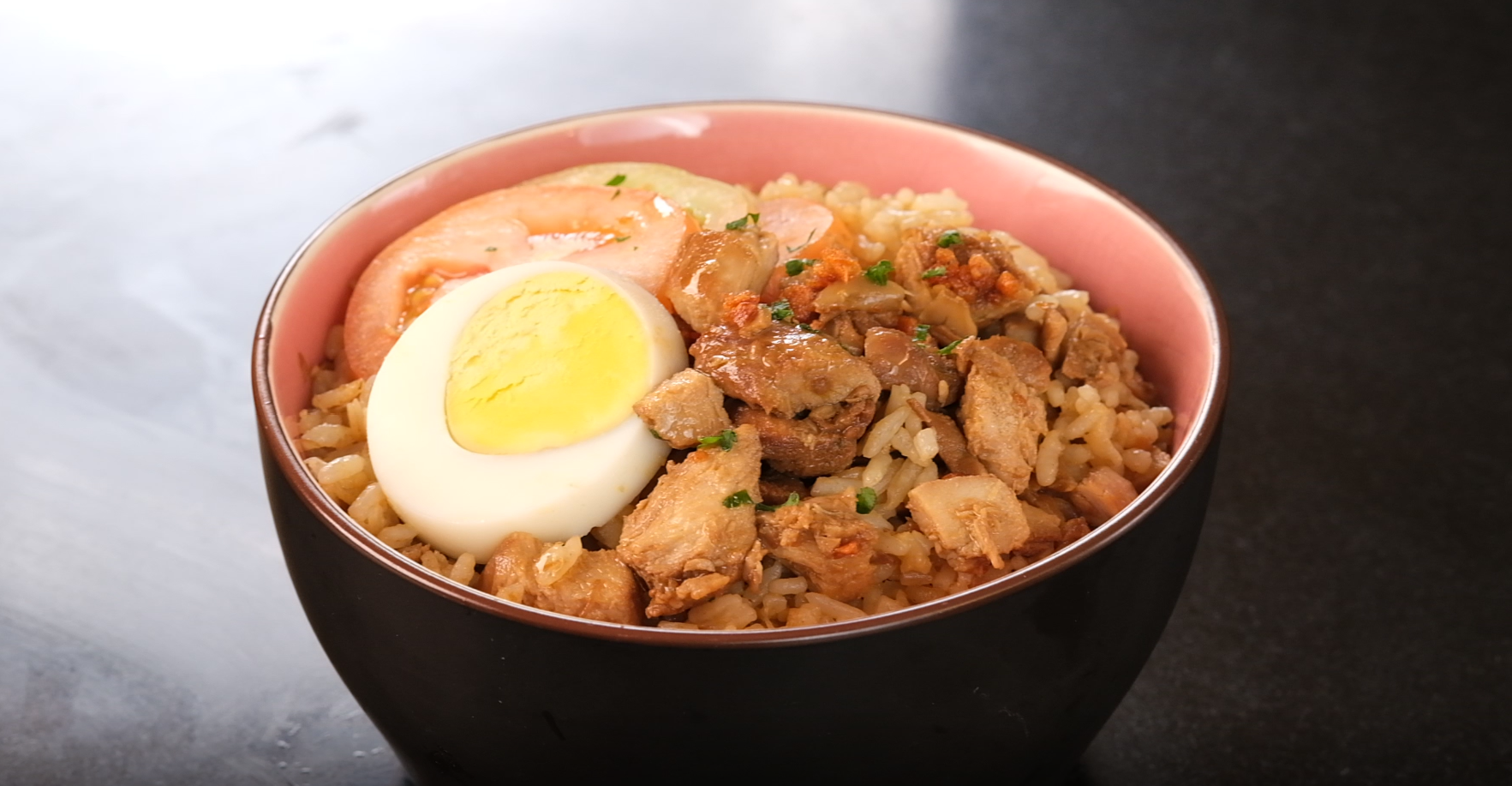
I love recipes that feel like they have your back, and chicken adobo is one of those. The first time I made it, I kept thinking, “That’s it?” Just soy sauce, vinegar, garlic, and time. Then the kitchen started smelling like something way bigger than the ingredient list. Now it is my go-to when I want a meal that tastes like I tried harder than I did, especially when the only thing I have the energy to cook is something that basically braises itself.