Mom's Best Recipes
Recipe

Fresh Thyme Butter Pasta

A glossy lemony butter sauce loaded with fresh thyme and garlic, tossed with pasta and finished with Parmesan and black pepper.

Author By Matt Campbell
4.8
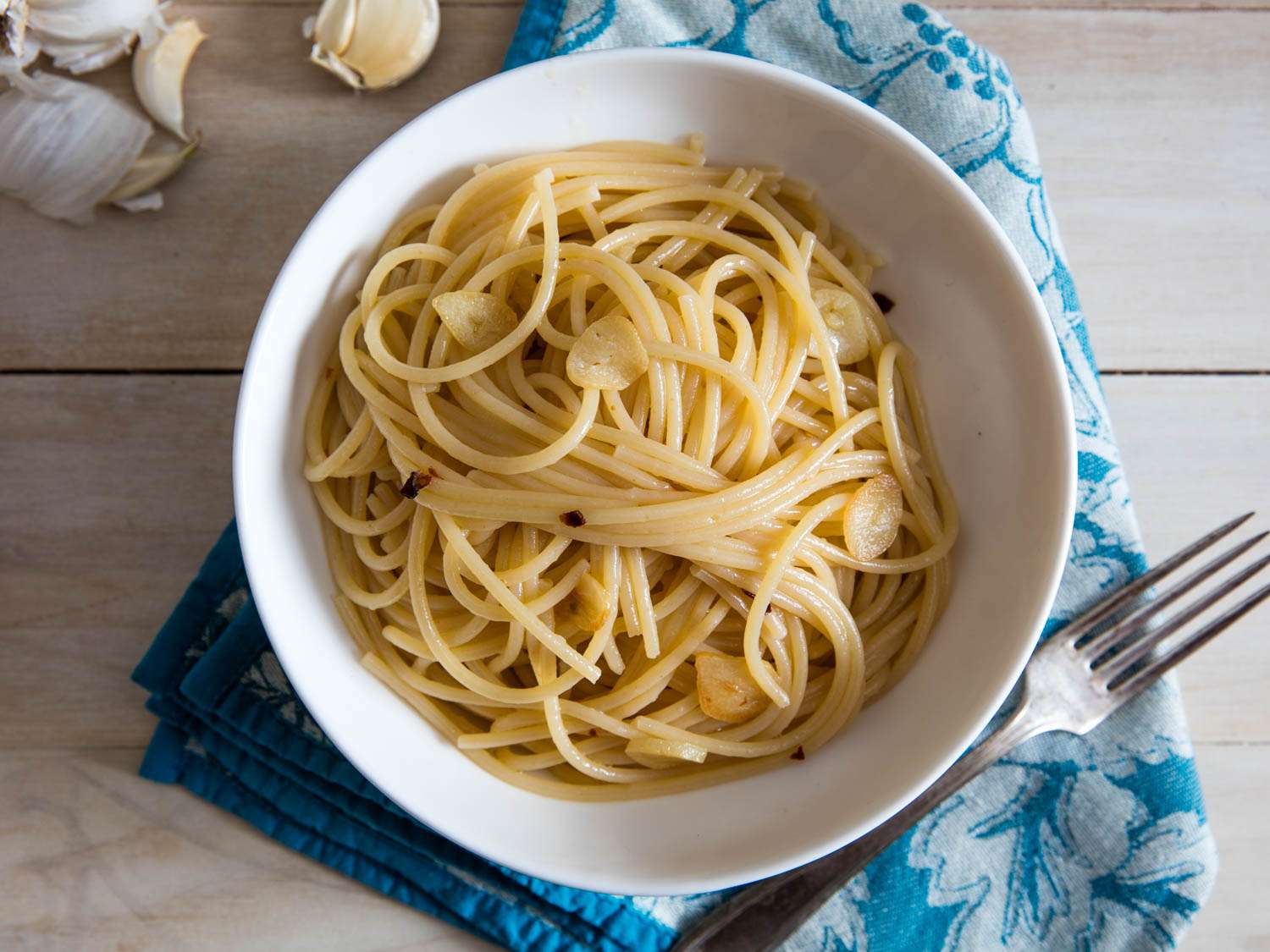
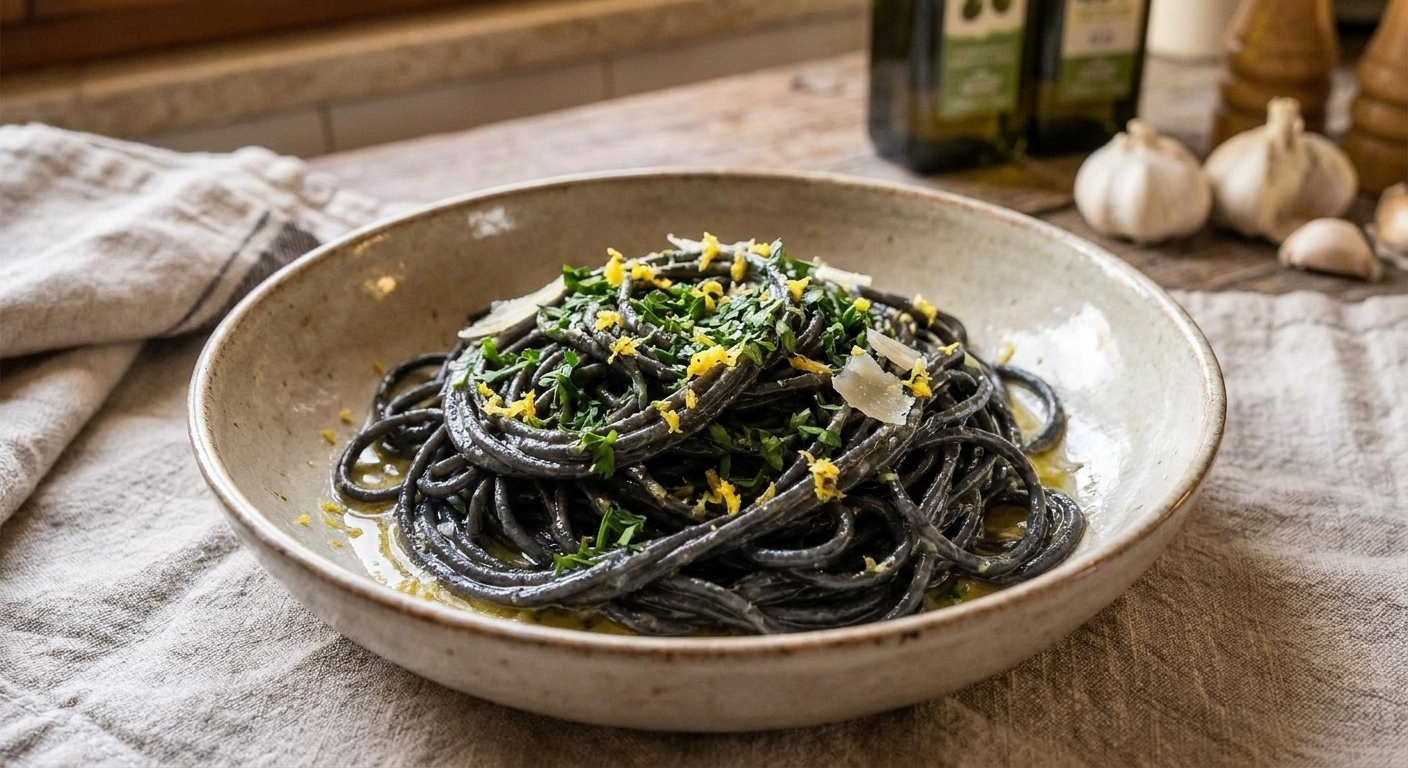
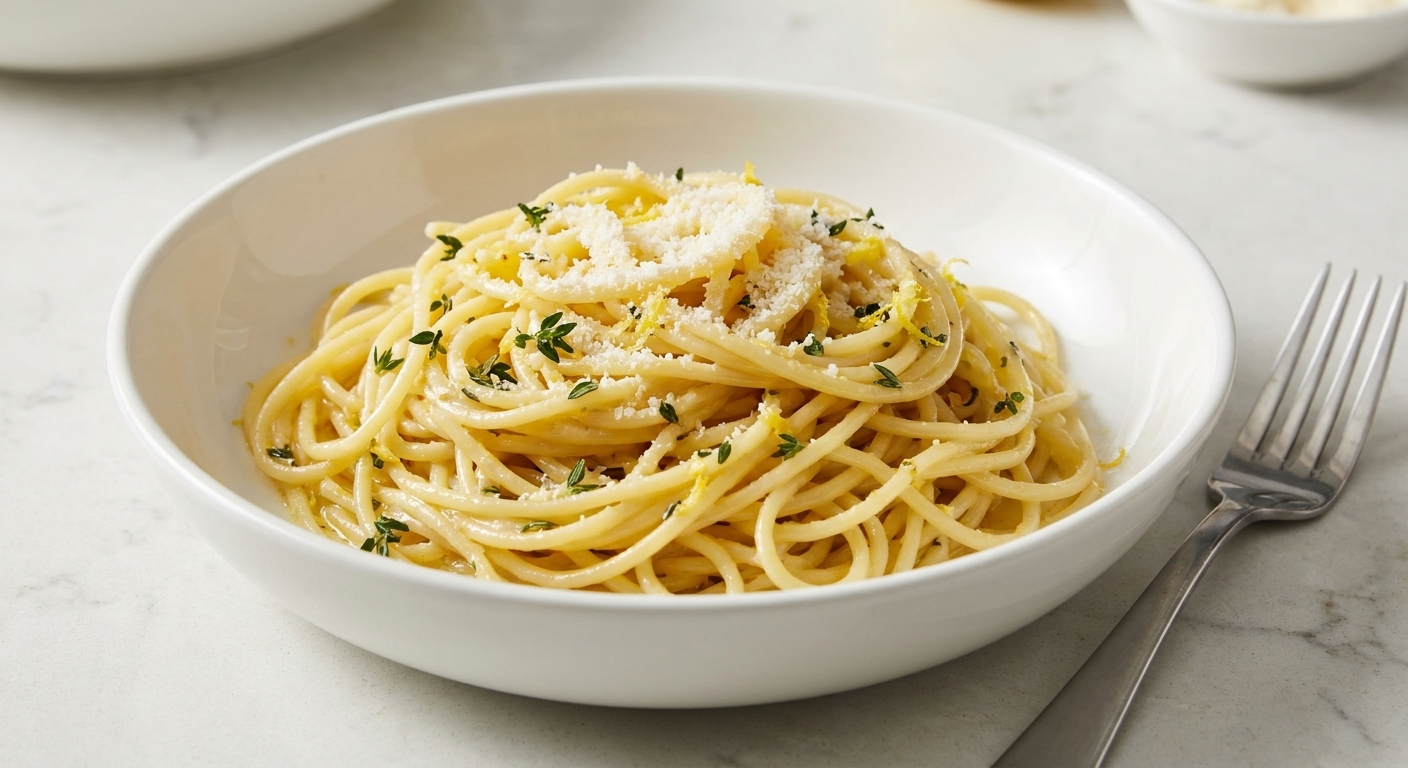
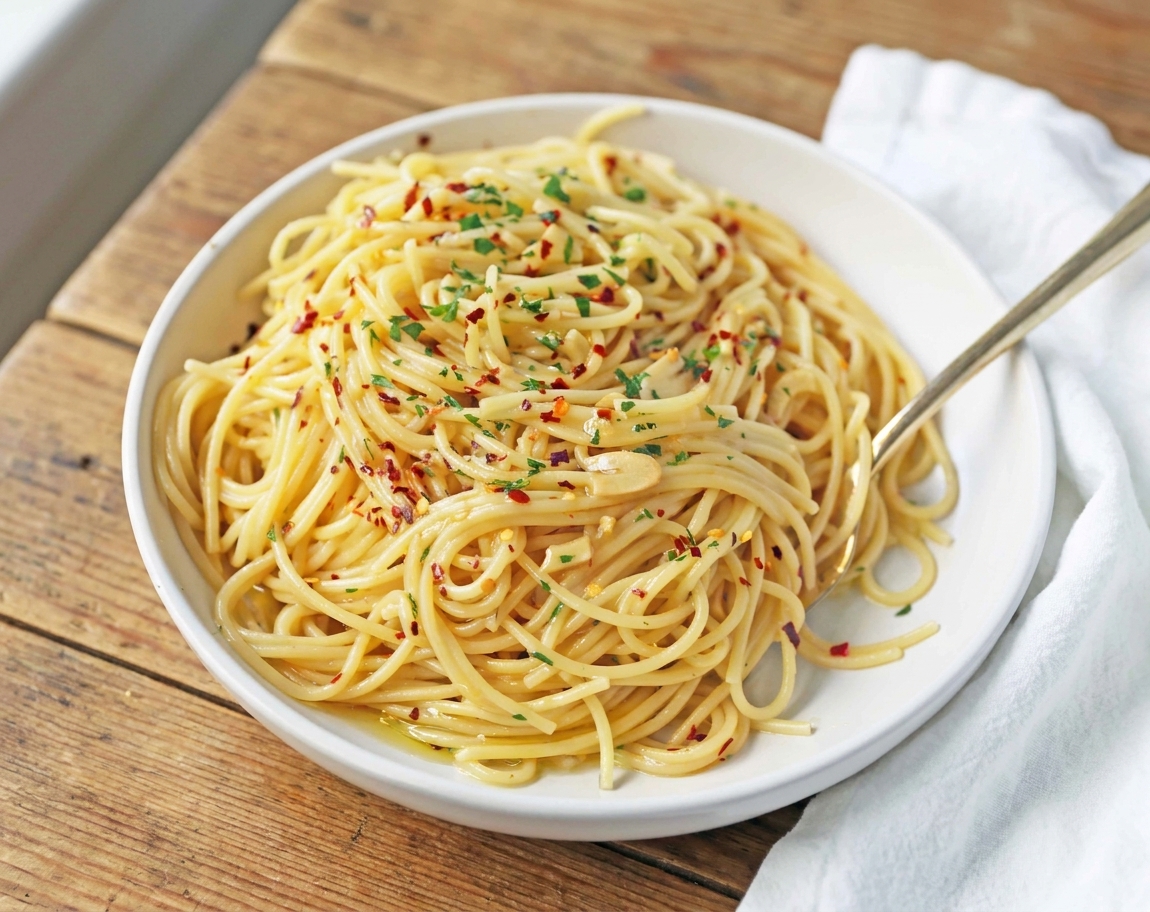
A white shallow bowl of spaghetti coated in glossy thyme butter sauce with lemon zest and grated Parmesan on top, set on a light stone countertop with a fork beside it

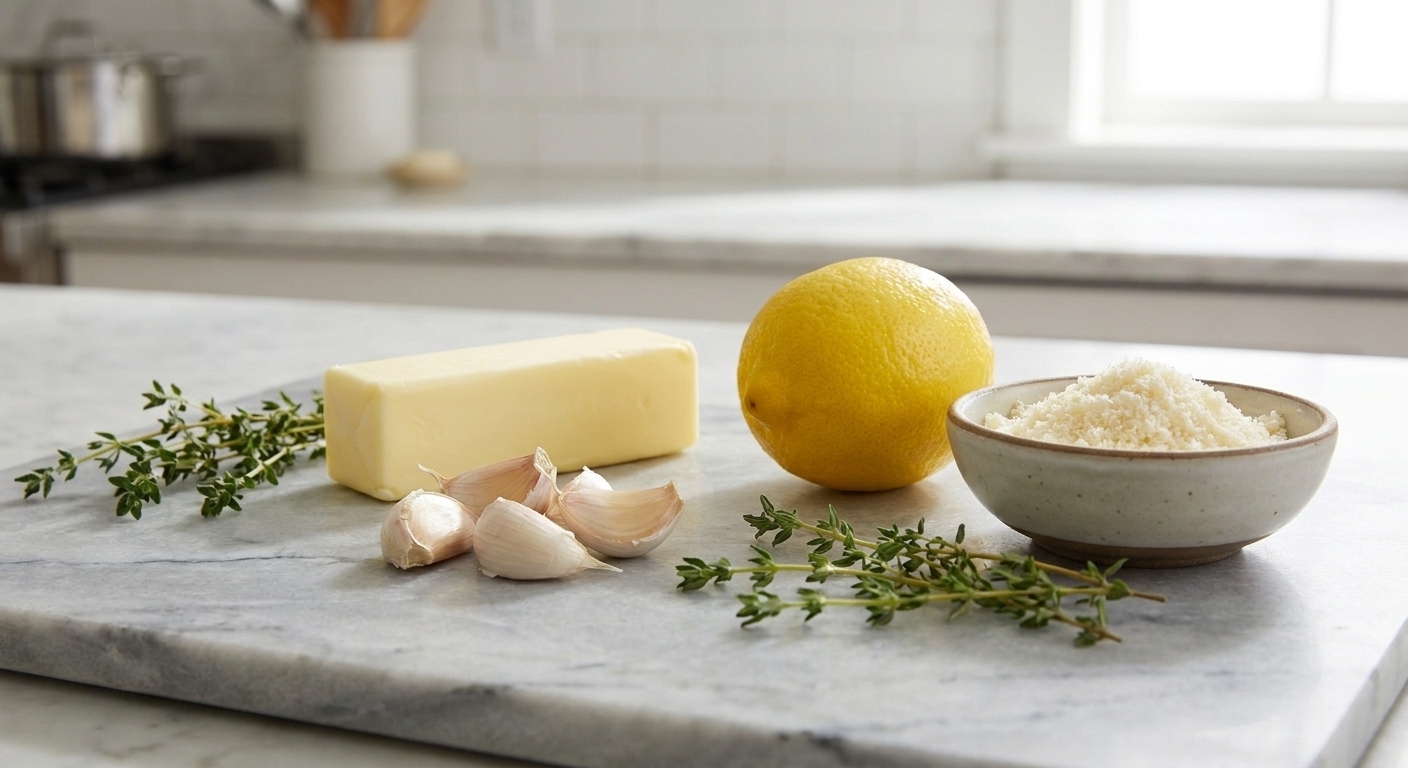
Fresh thyme is one of those herbs that quietly makes everything taste like you tried harder than you did. It is woodsy, a little lemony, and it plays extremely well with butter, garlic, and anything that needs a cozy backbone.

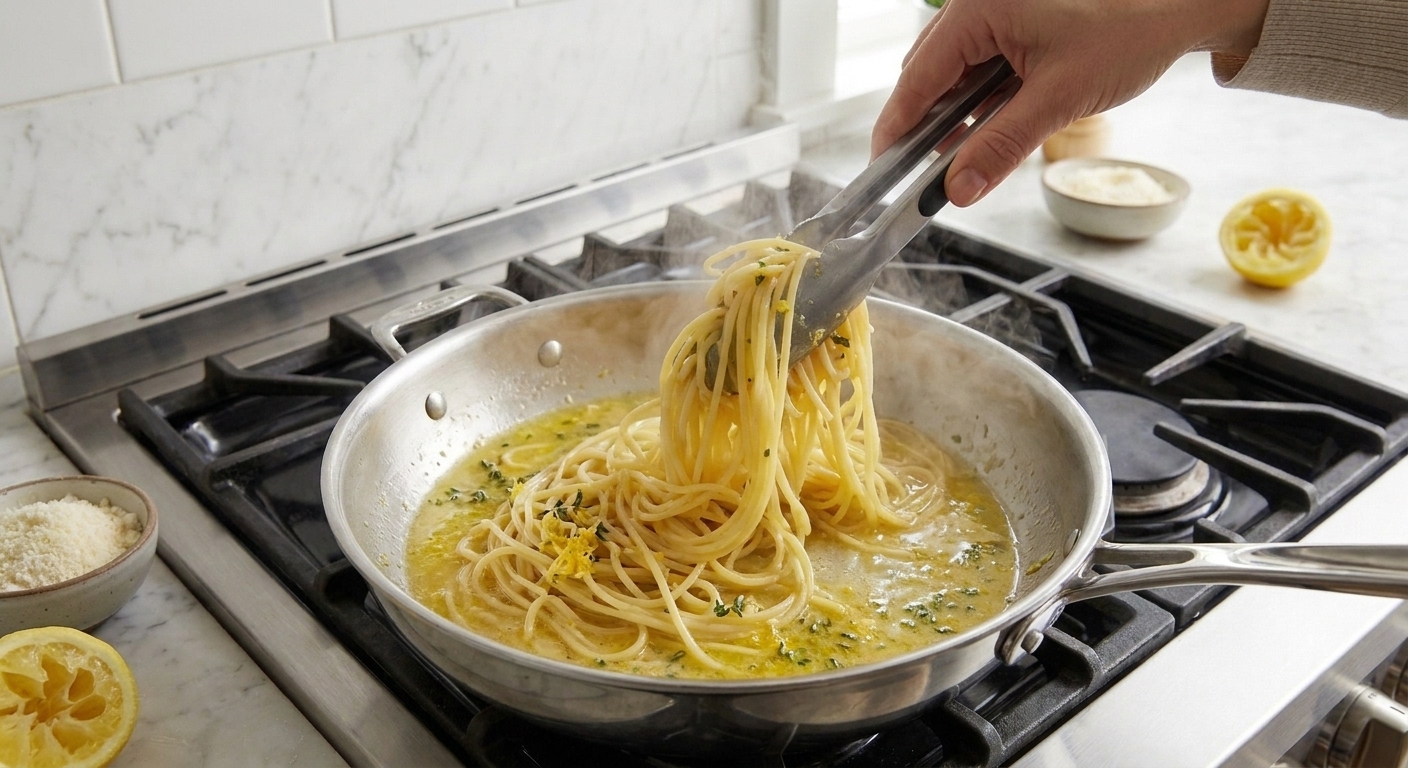
This pasta is my favorite way to use it because it is low drama but still has that pause mid-bite seasoning moment. The sauce is basically thyme butter that gets brightened with lemon and stretched into a silky coating using pasta water. No cream, no complicated steps, just smart stirring and a lot of tasting as you go.
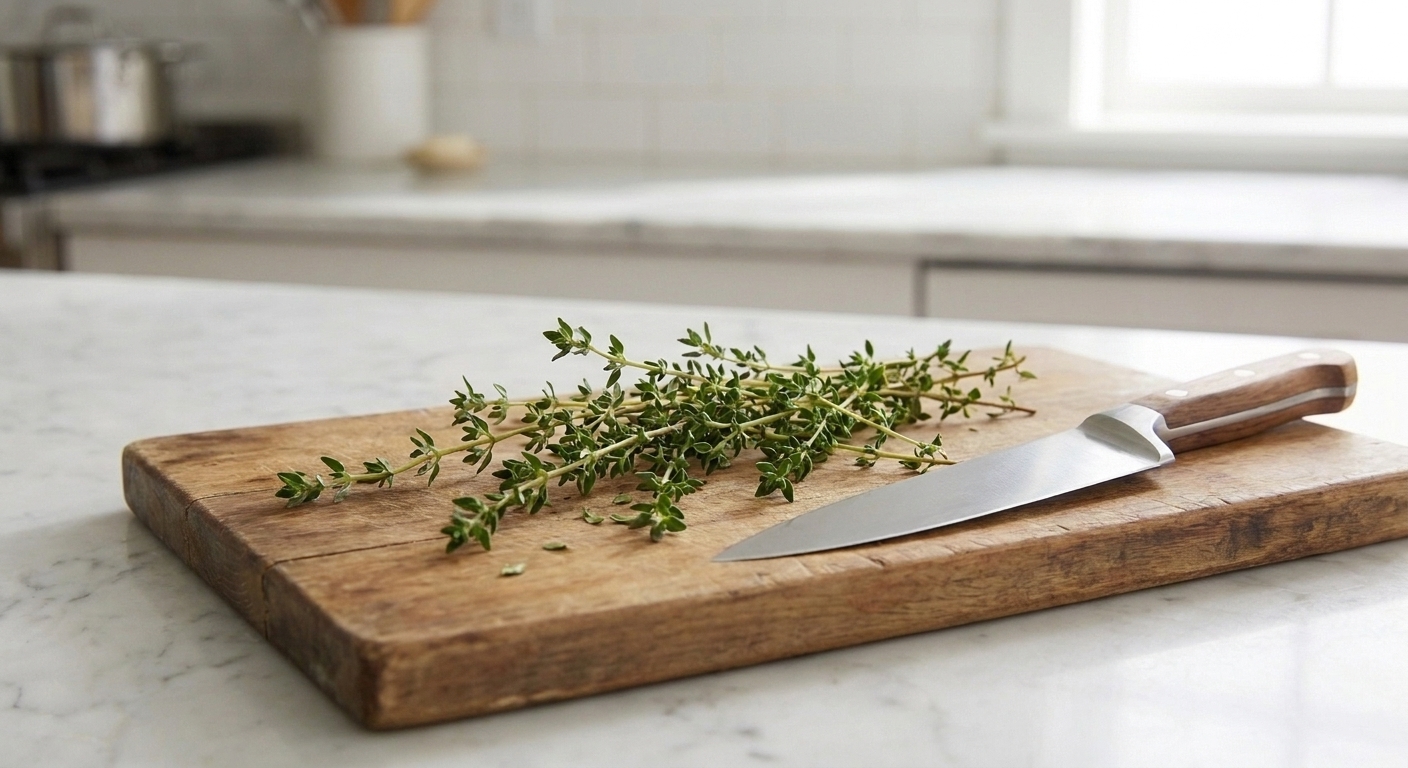
Fresh thyme sprigs scattered on a wooden cutting board next to a chef's knife on a bright kitchen counter

Why It Works

  • Fresh thyme actually tastes fresh because we add most of it at the end, not cooked into oblivion.
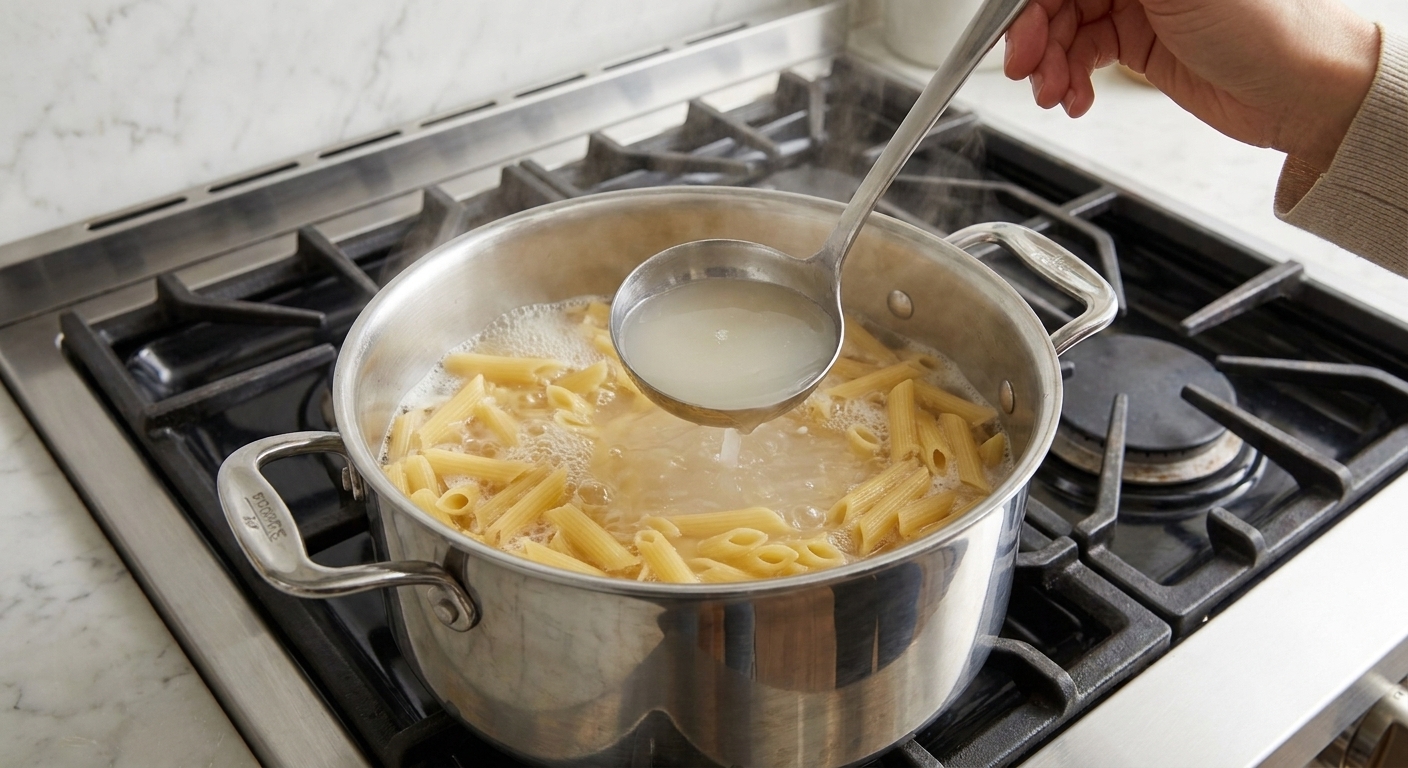
  • Butter turns into a real sauce with starchy pasta water, so the noodles look glossy instead of greasy.
  • Lemon and Parmesan do the balancing act that makes the dish feel lighter while still being comfort food.
  • Built-in flexibility: add chicken, shrimp, mushrooms, or a handful of greens without changing the method.
A ladle lifting cloudy starchy pasta water from a stainless steel pot on a home stove while pasta boils

Pairs Well With

Storage Tips

Fridge: Store leftovers in an airtight container for up to 3 days.

Reheat like you mean it: Warm in a skillet over medium-low with a splash of water or broth. Stir and toss until the sauce loosens and turns glossy again. Microwave works too, but add a teaspoon of water first and stir halfway through.

Freezing: You can freeze it, but butter and Parmesan sauces can separate. If you do, freeze up to 1 month and reheat gently in a pan with a splash of water, stirring and tossing to bring it back together.

A clear glass meal prep container filled with leftover thyme butter pasta, lid resting nearby on a clean kitchen counter

Common Questions

Can I use dried thyme instead of fresh?

Yes. A good swap is 1 teaspoon dried thyme for 1 tablespoon fresh leaves. If you want it thyme-forward, add up to 1 1/2 teaspoons, but start with 1 teaspoon and taste before you commit. Add dried thyme earlier with the garlic so it has time to bloom in the butter.

How do I strip thyme leaves fast?

Pinch the top of the sprig with one hand, then pull your fingers down the stem against the grain. The leaves fall right off. If the stems are very tender, do not stress about a few tiny pieces.

Why did my sauce look oily?

It usually needs more pasta water and a little more tossing. Add a tablespoon at a time, keep the heat low, and stir until it turns silky. Also make sure you are not rinsing your pasta, you want that starch.

What pasta shapes work best?

Spaghetti, linguine, fettuccine, and bucatini are great. Short shapes like rigatoni work too, but you may want a touch more pasta water so the sauce coats every nook.

What can I add to make it a full meal?

Top it with a fried egg, add roasted chicken, toss in sautéed mushrooms, or stir in a couple handfuls of baby spinach at the end until just wilted.

Fresh thyme is the herb I buy for one “responsible adult” recipe, then I have half a bunch left and zero plans. This pasta is what I make when I want that thyme to do something useful without signing me up for a whole roast situation. It is the kind of meal I throw together with music on, butter melting in the pan, and me grabbing “just one more” pinch of thyme until it smells like a kitchen you want to hang out in.