Mom's Best Recipes
Recipe

Garlic Herb Beef Fillet Roast

A tender, holiday-worthy fillet roast with a garlicky herb crust, crisp sear, and an easy pan sauce you can make while it rests.

Author By Matt Campbell
4.8
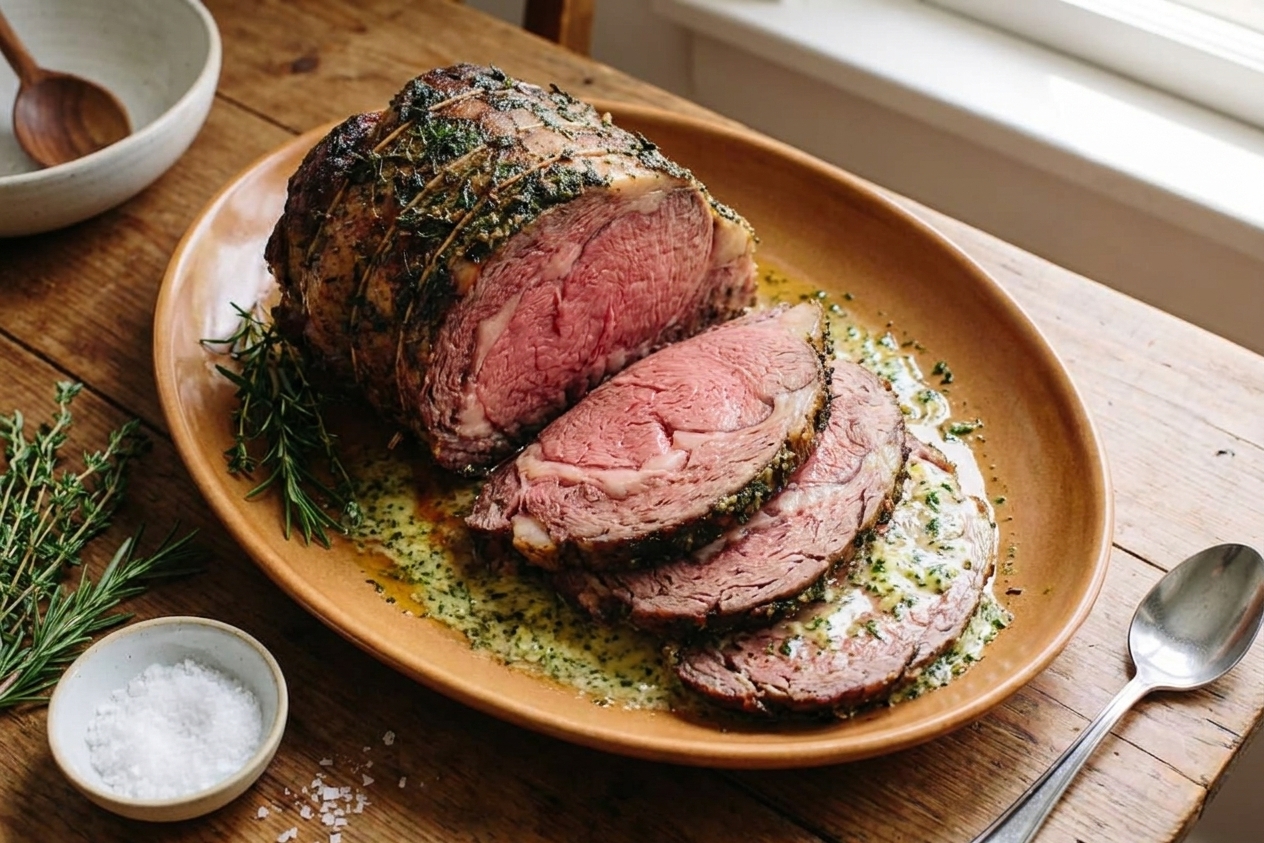
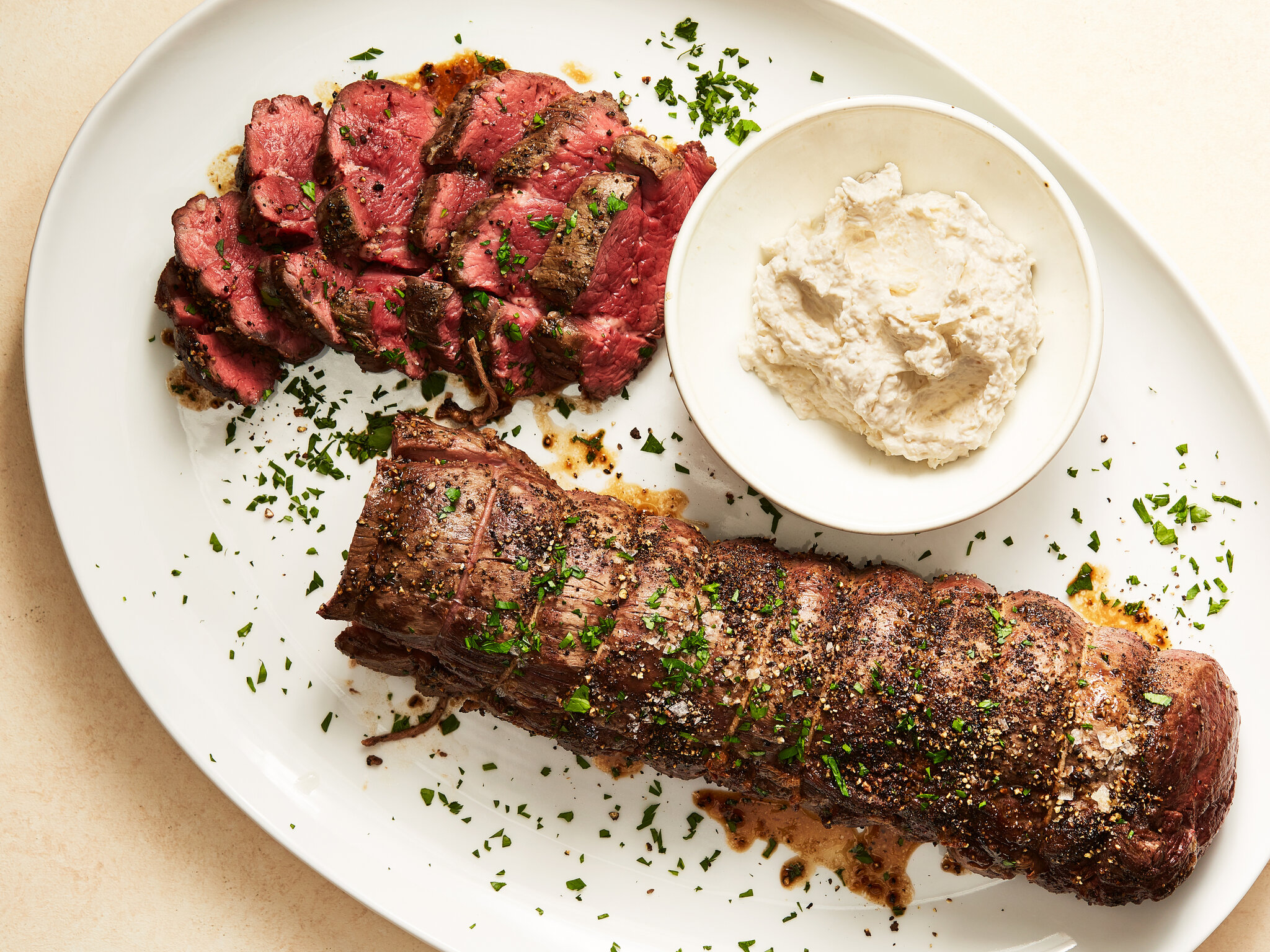
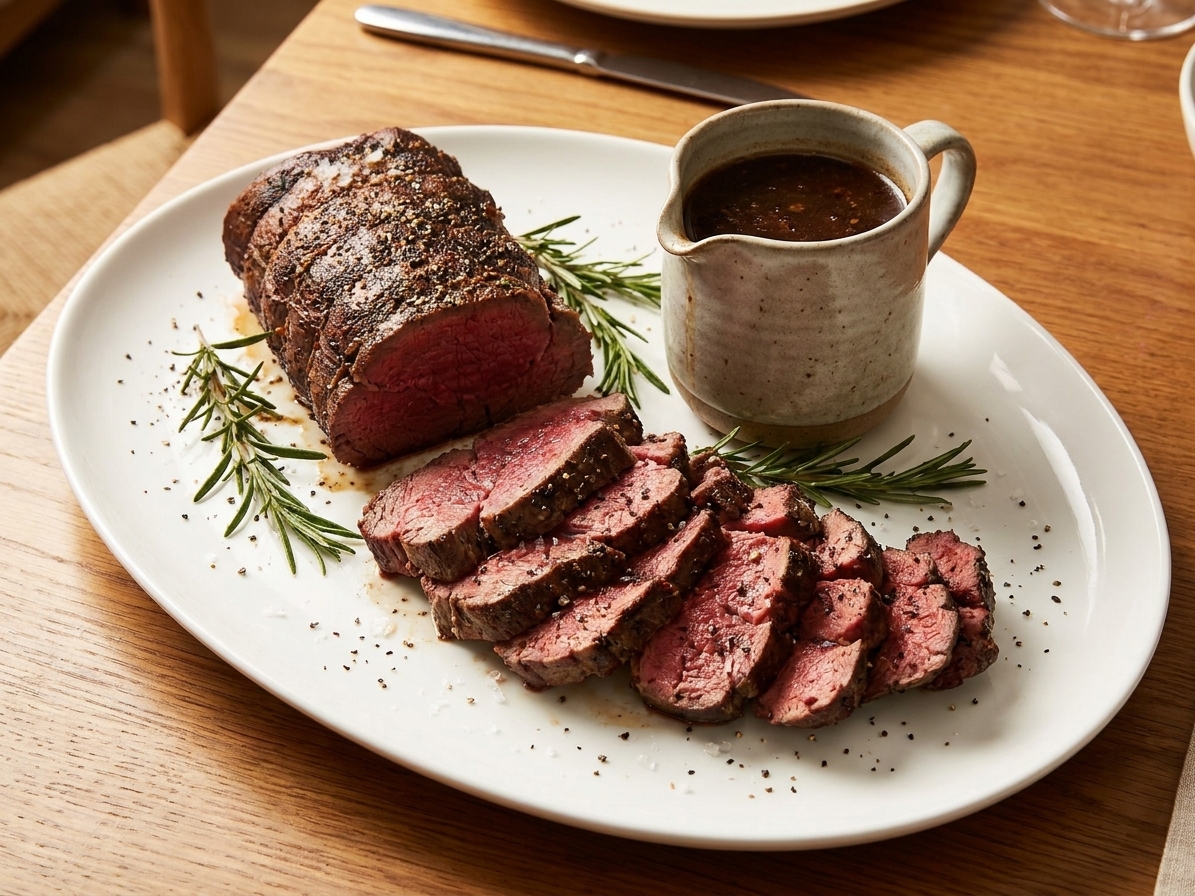
A sliced beef fillet roast with a golden garlic herb crust arranged on a white platter with pan juices, rosemary sprigs, and a small bowl of sauce on a wooden table

Beef fillet roast is the kind of dish that looks like you worked all day, even if you mostly just watched the oven do its thing. It is tender, mild, and ridiculously elegant, which means the flavor has to come from the outside: a bold crust, a confident sear, and a sauce that tastes like you meant it.

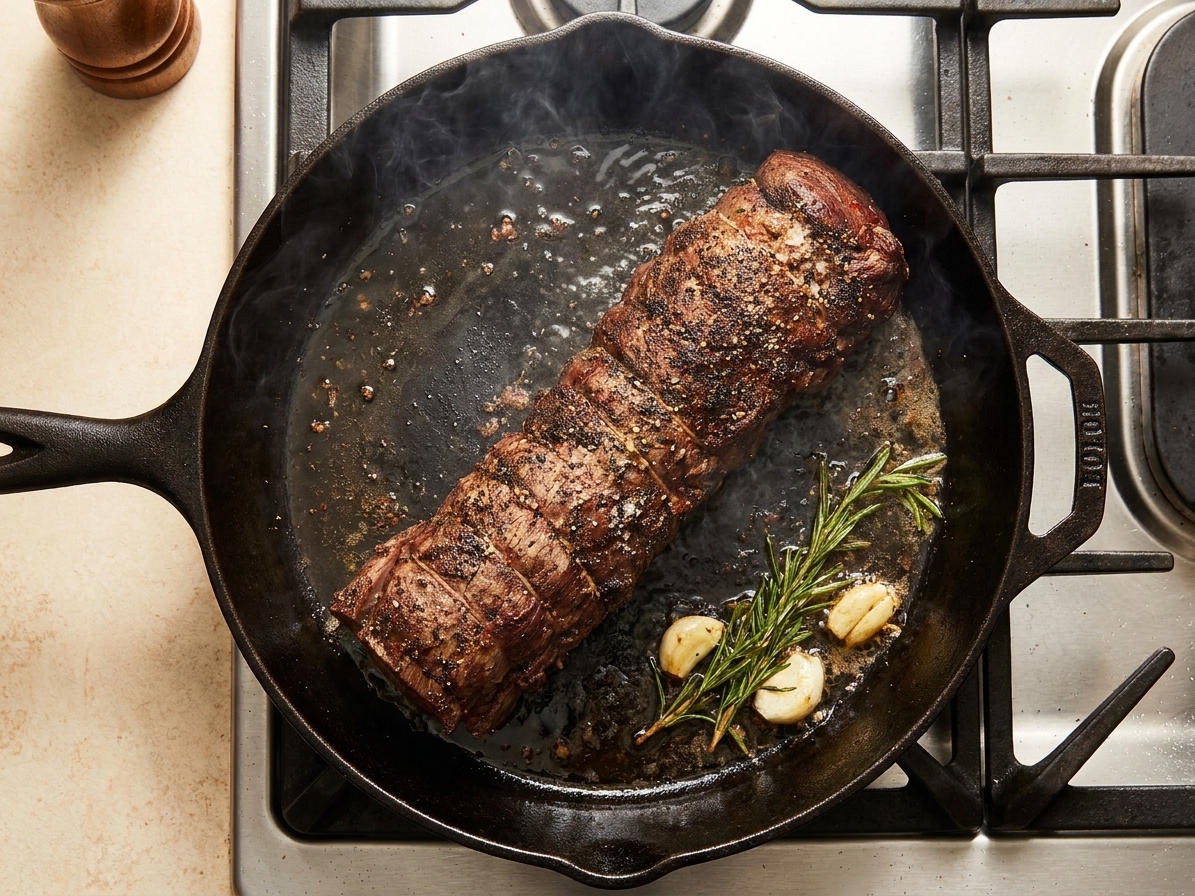
This version keeps it approachable: garlic, herbs, a little Dijon, and a quick pan sauce that is basically “steakhouse energy” in five minutes. The real secret is temperature, not talent. Use a thermometer, pull it early, let it rest, and you will slice into a perfectly rosy center like you have been doing this forever.

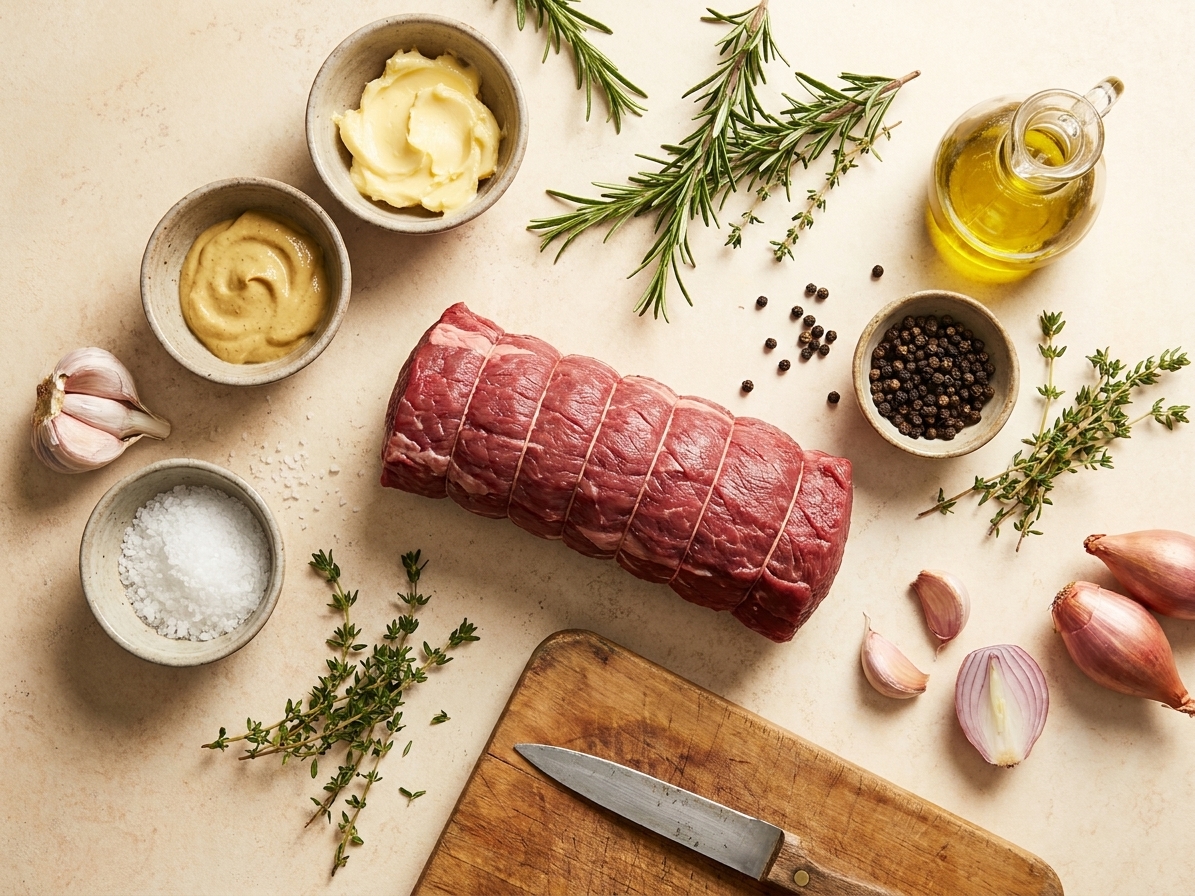
Raw ingredients for beef fillet roast on a kitchen counter including beef fillet roast, garlic, rosemary, thyme, Dijon mustard, butter, olive oil, salt, pepper, and shallots in small bowls

Why It Works

  • Tender results without drama: Fillet is naturally tender, so the main job is not overcooking it. We roast low-ish after a hard sear for even doneness.
  • Big flavor where it matters: Garlic, herbs, and Dijon create a savory crust that browns beautifully and seasons every slice.
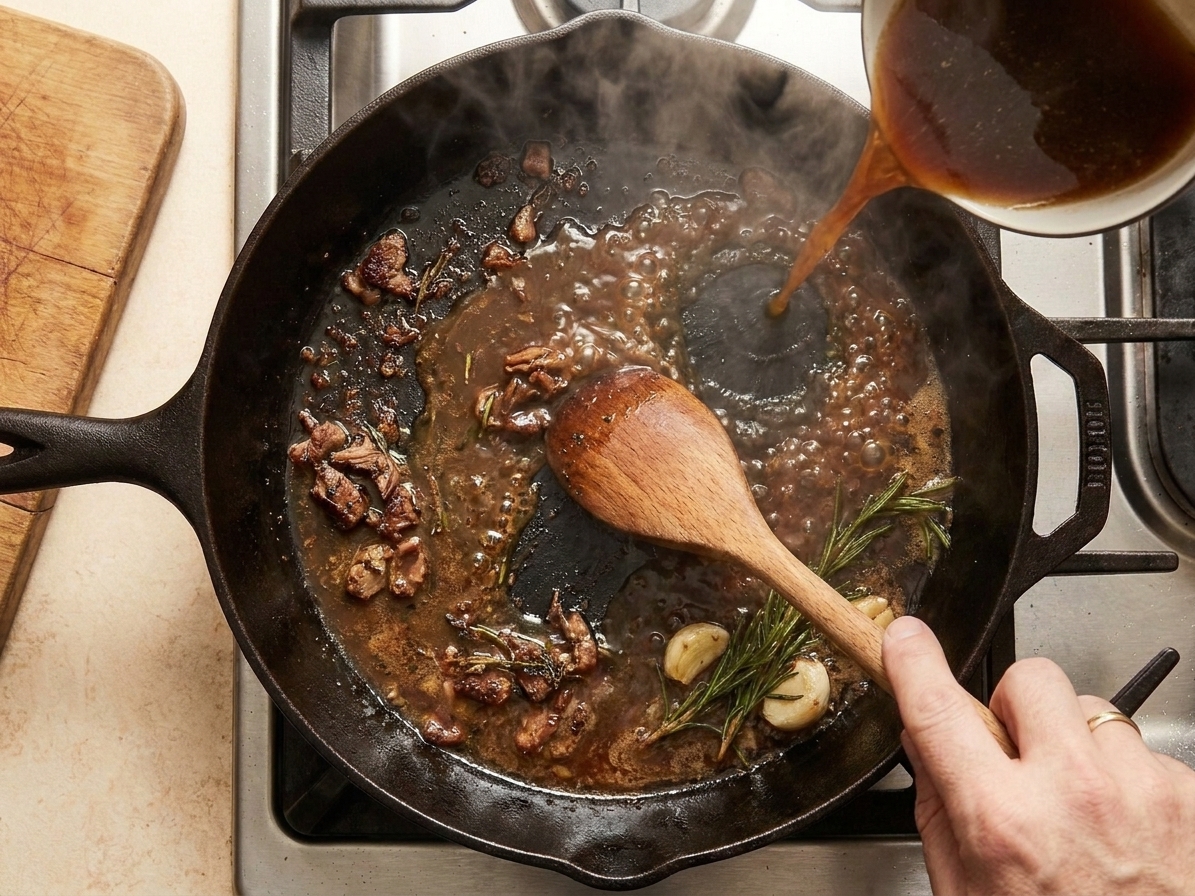
  • Restaurant-style sauce, pantry-simple: Deglazing the pan with broth and a splash of wine (optional) pulls up all the good browned bits, then butter finishes it silky.
  • Clear temperature targets: The recipe tells you exactly when to pull it for rare, medium-rare, or medium so you can cook to your crowd.

Pairs Well With

Storage Tips

Refrigerate: Cool leftovers, then store in an airtight container for up to 3 days. Keep slices with a little sauce or pan juices to prevent drying out.

Freeze: Wrap slices tightly in plastic wrap, then place in a freezer bag. Freeze up to 2 months. Thaw overnight in the fridge.

Reheat without turning it gray: Warm slices gently in a covered skillet with a splash of broth over low heat, just until heated through. Or wrap in foil and warm in a 250°F oven for 10 to 15 minutes. Microwaving works, but it is the fastest path to “why is it chewy now.”

Doneness heads-up: Reheating, even gently, will nudge medium-rare toward medium. It is still delicious, just a little less rosy.

Leftover ideas: Thin-slice for sandwiches with horseradish mayo, toss into a creamy mushroom pasta, or pile onto a salad with blue cheese and crispy shallots.

Common Questions

Is beef fillet roast the same as beef tenderloin?

Pretty much. “Beef fillet” is a common way of referring to the tenderloin, either as a whole roast or a center-cut portion. If your piece is labeled tenderloin roast or filet roast, you are in the right place.

Do I need to tie the roast?

If it is uneven or has a thinner tail end, yes, tying helps it cook evenly. Most center-cut roasts are already fairly uniform, but a few loops of kitchen twine never hurts. If your roast came pre-tied, leave it.

Where should I place the thermometer?

Put the probe into the center of the thickest part of the roast. Aim for the middle, not the very end, and make sure the tip is not touching the pan or skillet (pan contact can give a false high reading).

What internal temperature should I aim for?

Pull temps matter because carryover cooking finishes the job while it rests. How much carryover you get depends on roast size and how hot the pan is, so use these as smart targets, not rigid rules.

  • Rare: pull at 120°F, rest to about 125°F
  • Medium-rare: pull at 125°F, rest to about 130 to 133°F
  • Medium: pull at 135°F, rest to about 140 to 145°F

I do not recommend taking fillet past medium unless someone specifically requests it.

Why not sear with the garlic herb butter on the roast?

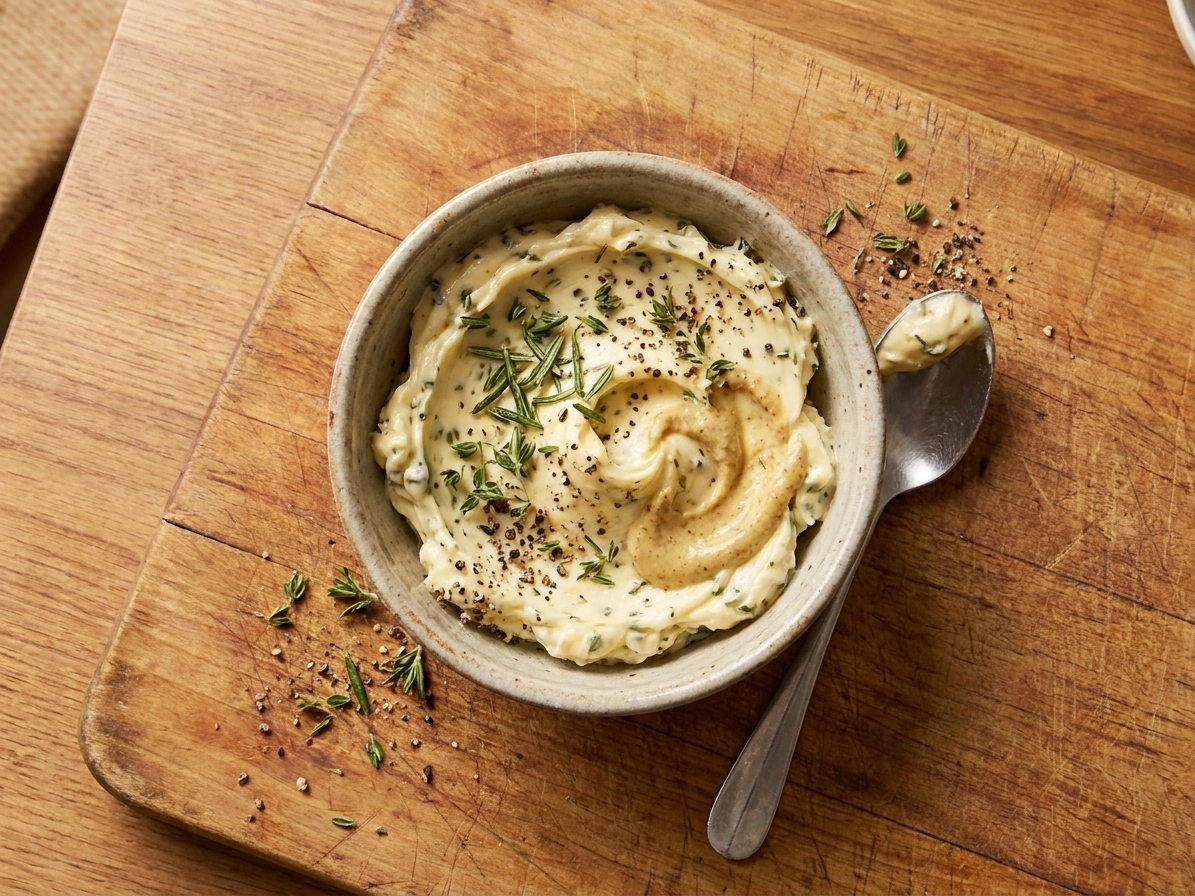
Because butter and minced garlic can scorch fast over high heat. You will get better flavor by searing the beef with oil, salt, and pepper first, then adding the garlic herb butter for the oven roast (or basting at the end). Same great crust, no bitter burnt notes.

Can I cook this without searing first?

You can, but searing builds flavor and gives you that browned crust. If you want an even easier path, you can roast at 425°F the whole time, but you will have a smaller window between perfect and overdone. Sear plus moderate roast is more forgiving.

What if I do not have a meat thermometer?

It is still doable, but it is guessy. Fillet is expensive, so I strongly recommend a basic instant-read thermometer. If you must go without, start checking early and slice-test one end, but expect less precision.

Is it safe to serve this rare or medium-rare?

This is a whole-muscle cut, and searing the outside helps a lot. That said, food safety is personal and local guidance varies. Use beef from a reputable source, handle it cleanly, and cook to the doneness you are comfortable serving.

Should I use salted or unsalted butter?

Either works. If using salted butter, go a little lighter on the initial salting and adjust the sauce at the end.

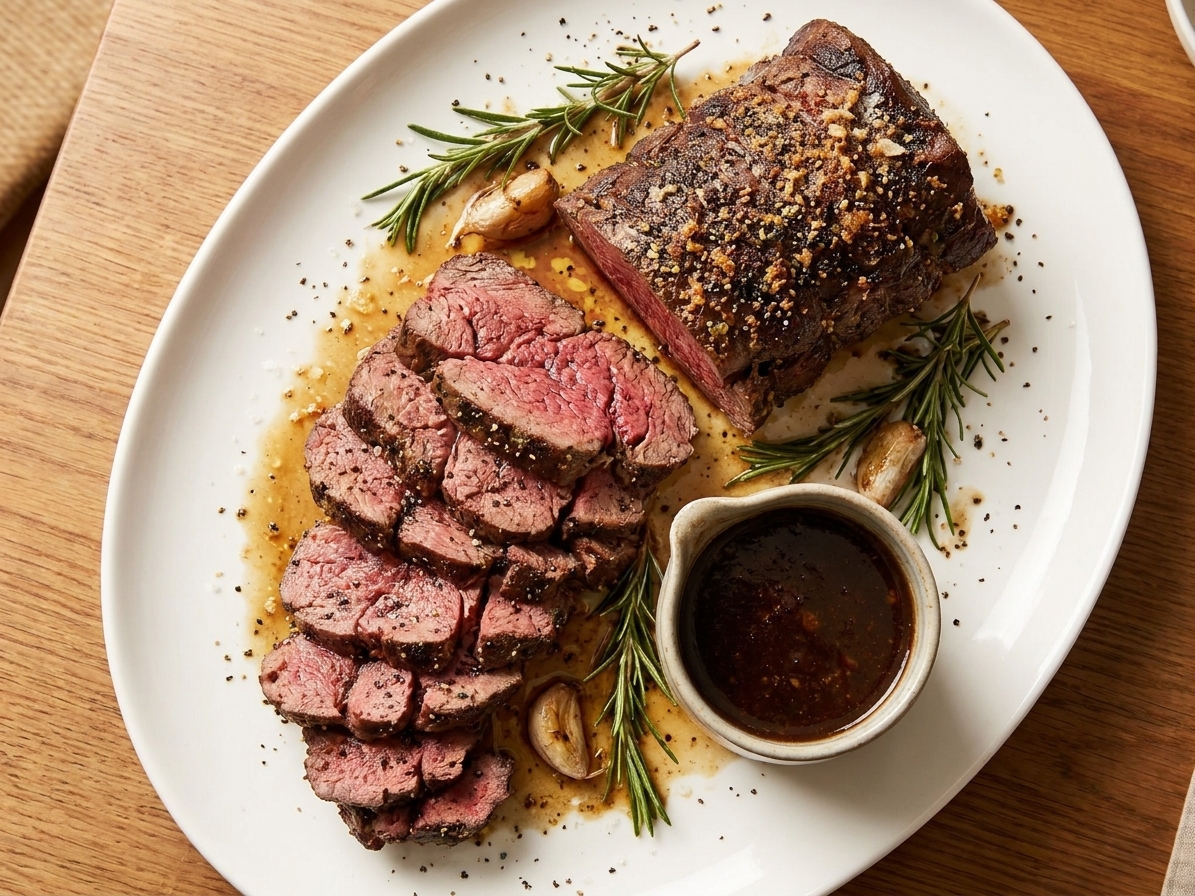
I used to think fillet roast was reserved for restaurants and holidays where everyone expects you to be serious. Then I actually cooked one at home and realized it is basically a confidence trick: season aggressively, sear hard, roast gently, and let it rest like it just ran a marathon. The first time I sliced into a perfectly rosy center, I did that thing where you pretend it was totally on purpose. Now it is my go-to “I want this to feel fancy but not stressful” roast, especially when I can keep everyone busy snacking while it rests and I whisk up the pan sauce.