Mom's Best Recipes
Recipe

Garlic Herb Beef Tenderloin Roast

A tender, juicy roast with a fast sear, an oven finish, and a simple pan sauce that makes it feel like a special occasion without turning your kitchen into a stress factory.

Author By Matt Campbell
4.9
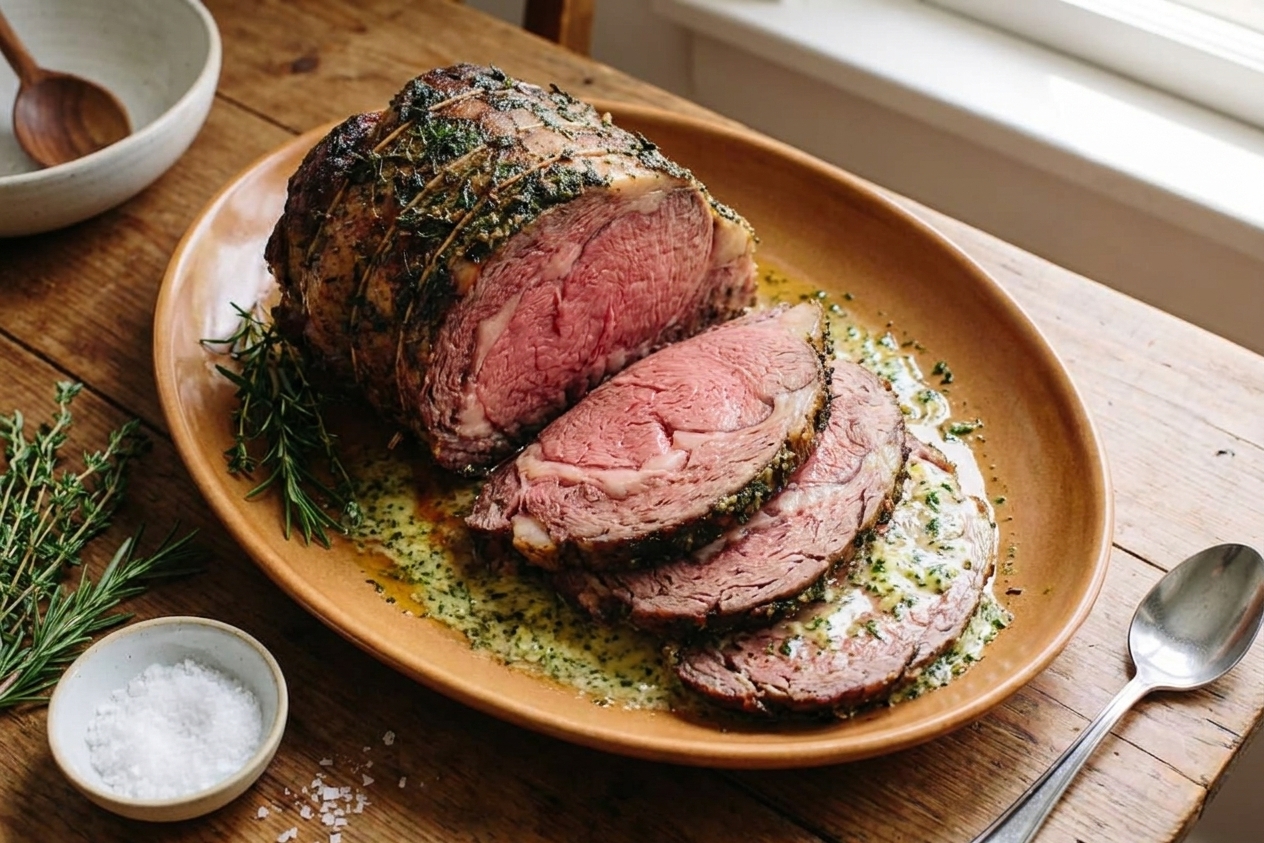
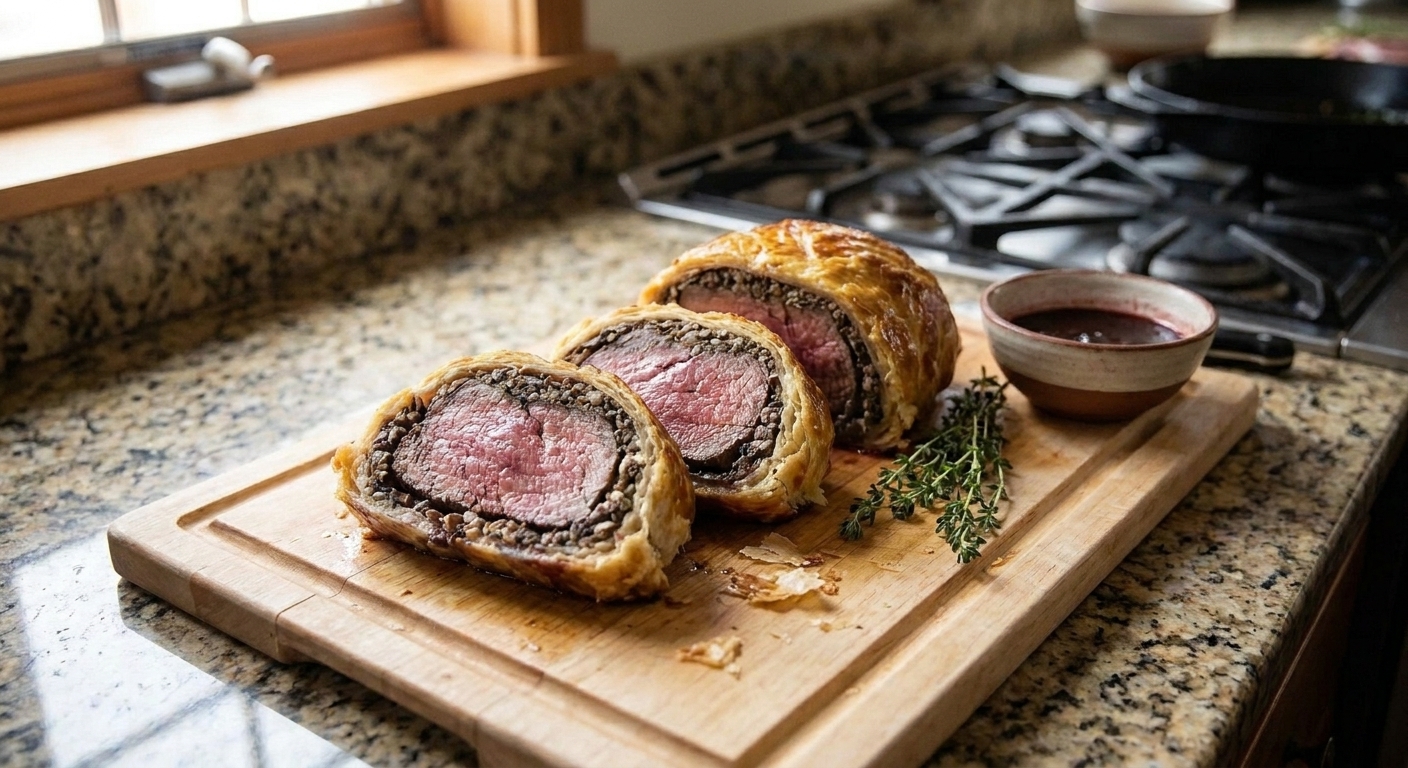
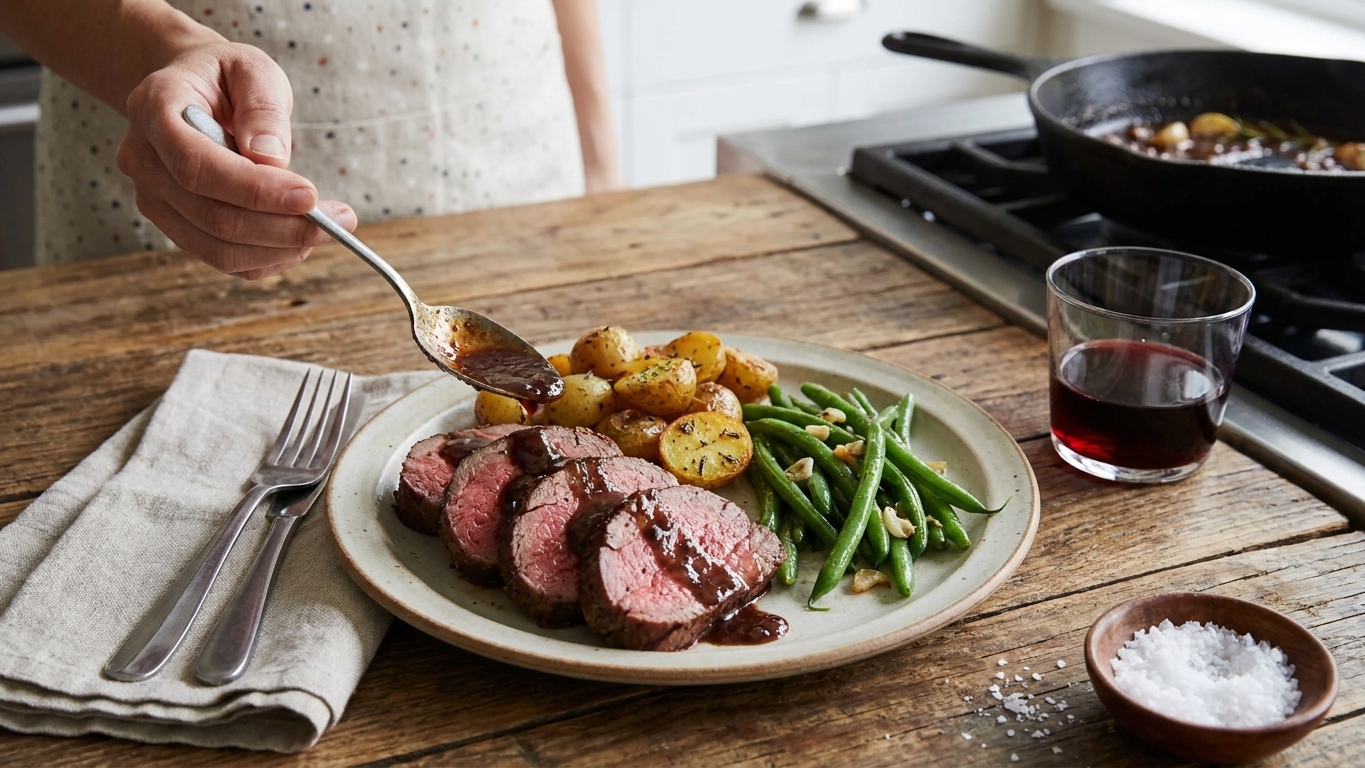
Sliced beef tenderloin roast arranged on a platter with rosemary sprigs, flaky salt, and a small bowl of glossy pan sauce on a warm wood table

Beef tenderloin roast is the dinner you make when you want people to think you had a whole plan, even if you were kind of winging it until 4:30 pm. It is naturally tender, it cooks fast compared to bigger roasts, and it plays very nicely with bold flavors like garlic, herbs, and a pan sauce that you can absolutely spoon over everything on the plate.

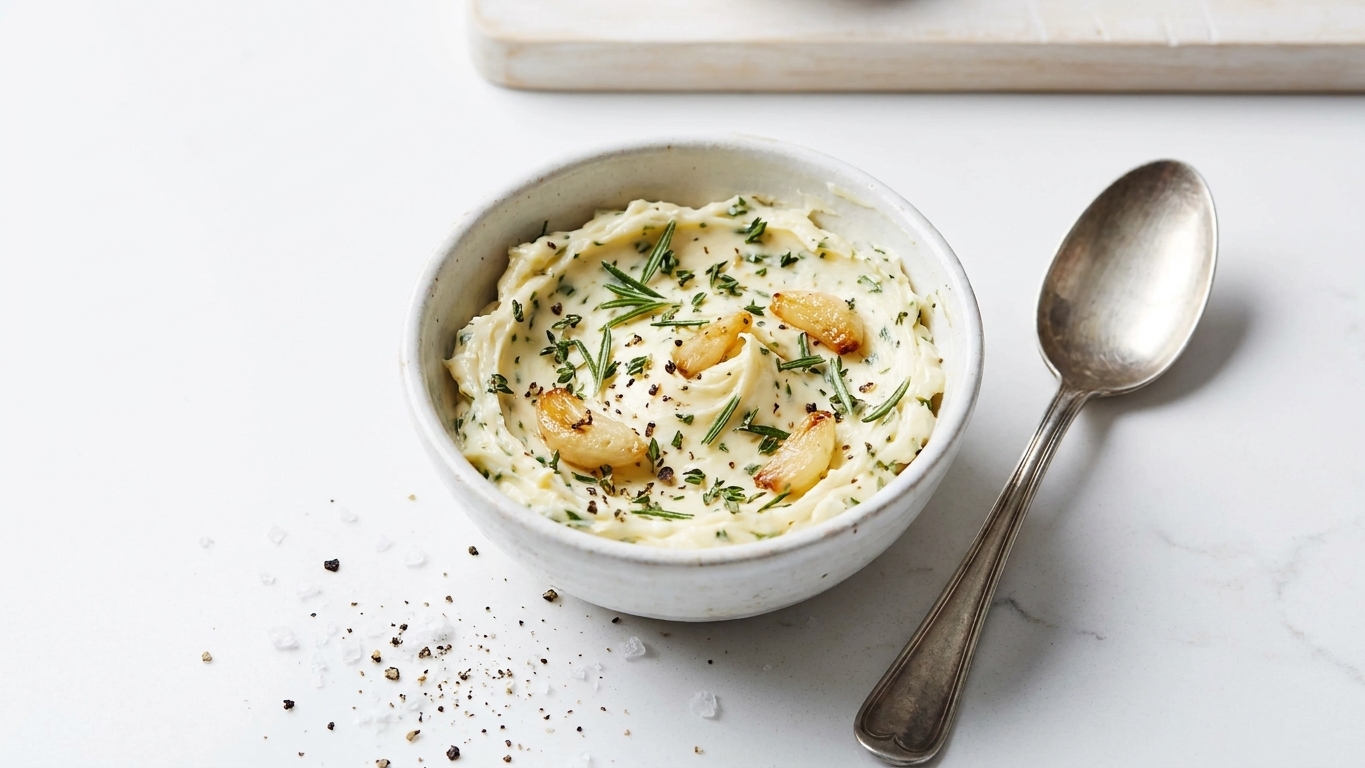
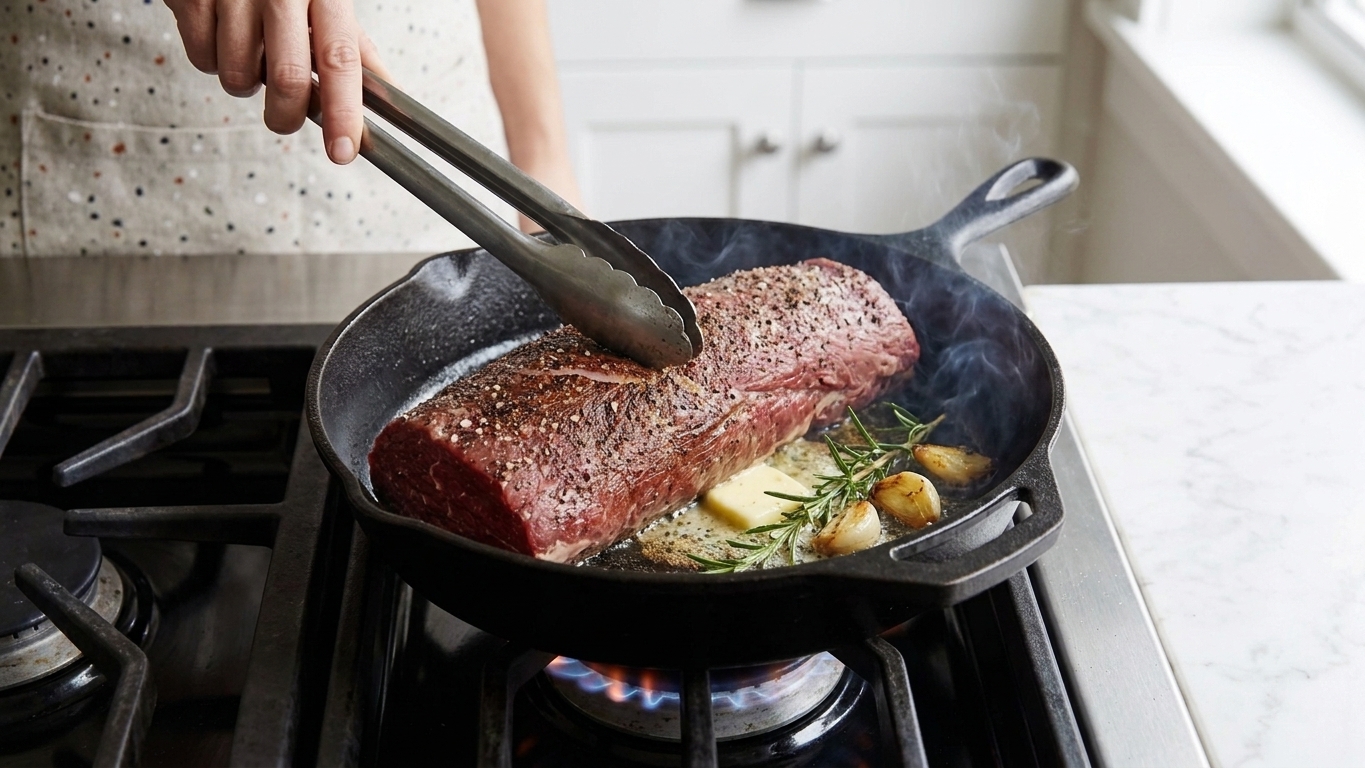
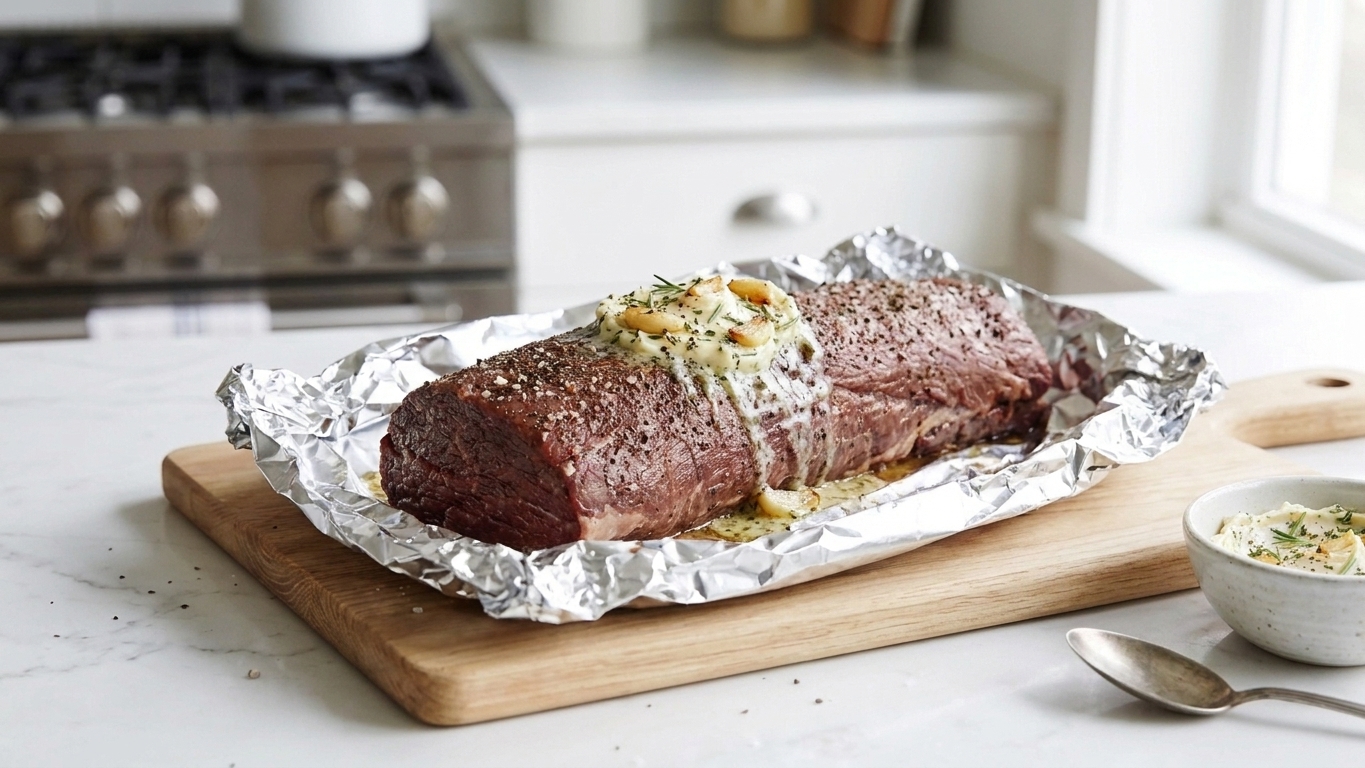
This version keeps it simple: a hard sear for those crisp, browned edges, a quick oven finish, and a garlic herb butter that melts into the meat while it rests. You get that steakhouse vibe without needing steakhouse equipment, and I will keep you locked in on the one thing that matters most here: internal temperature.

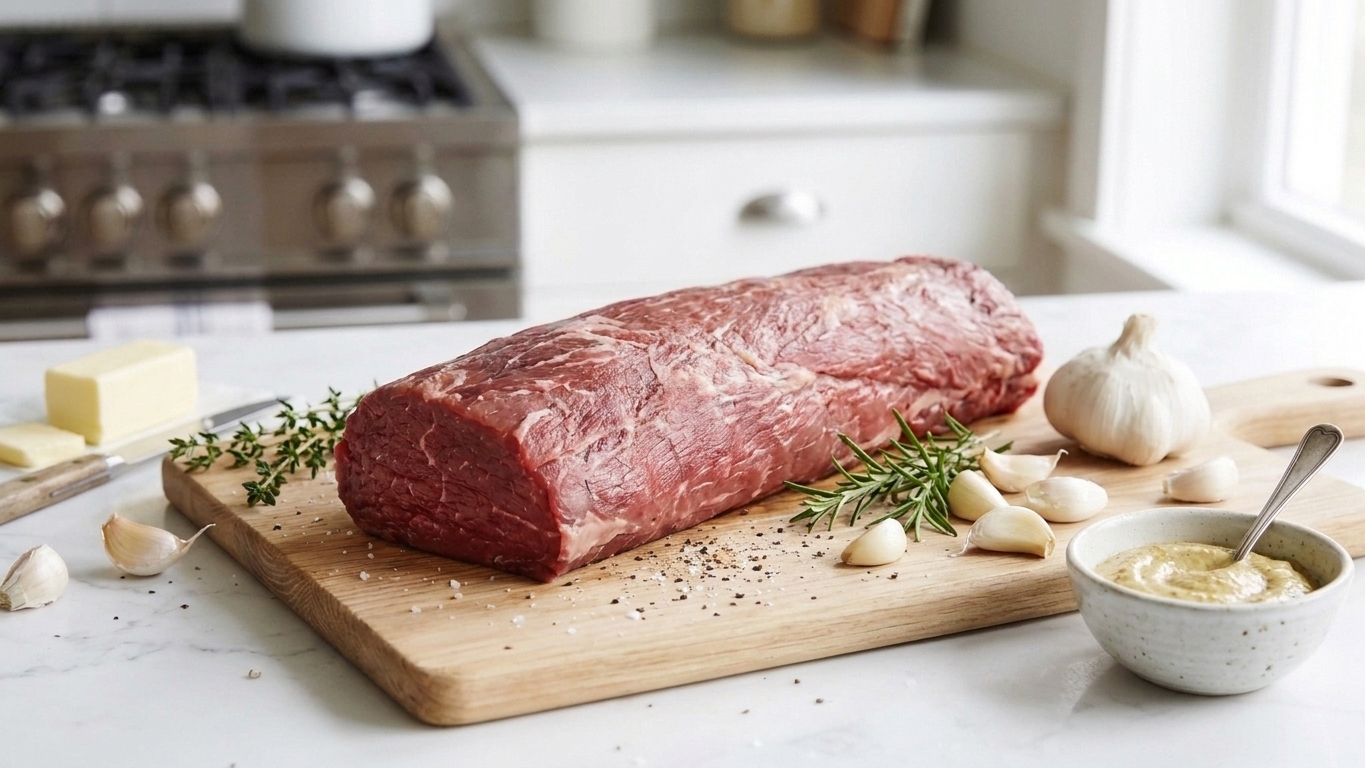
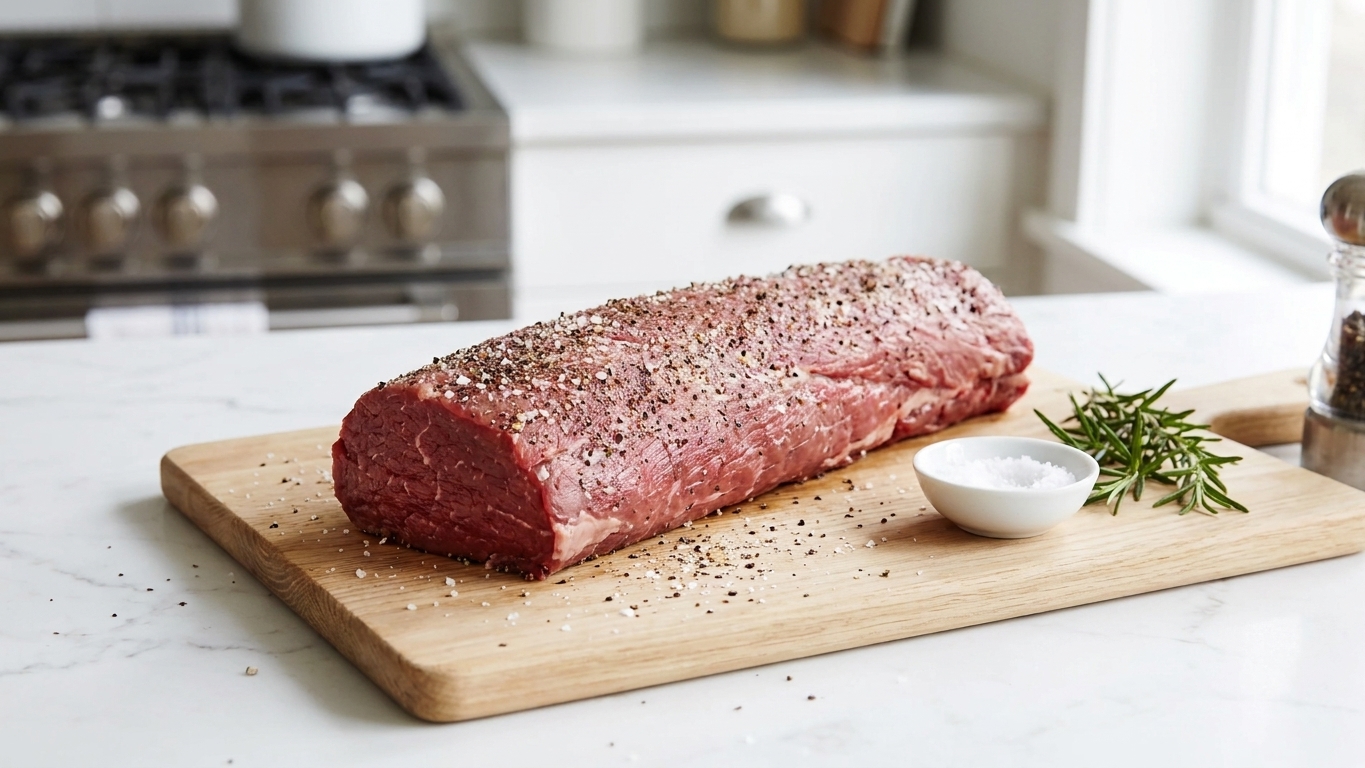
Raw beef tenderloin roast on a cutting board surrounded by garlic, fresh rosemary, thyme, butter, salt, pepper, and a small bowl of Dijon mustard on a bright kitchen counter

Why It Works

  • Crisp outside, juicy inside: Searing first builds a deep crust, then the oven gently finishes the center.
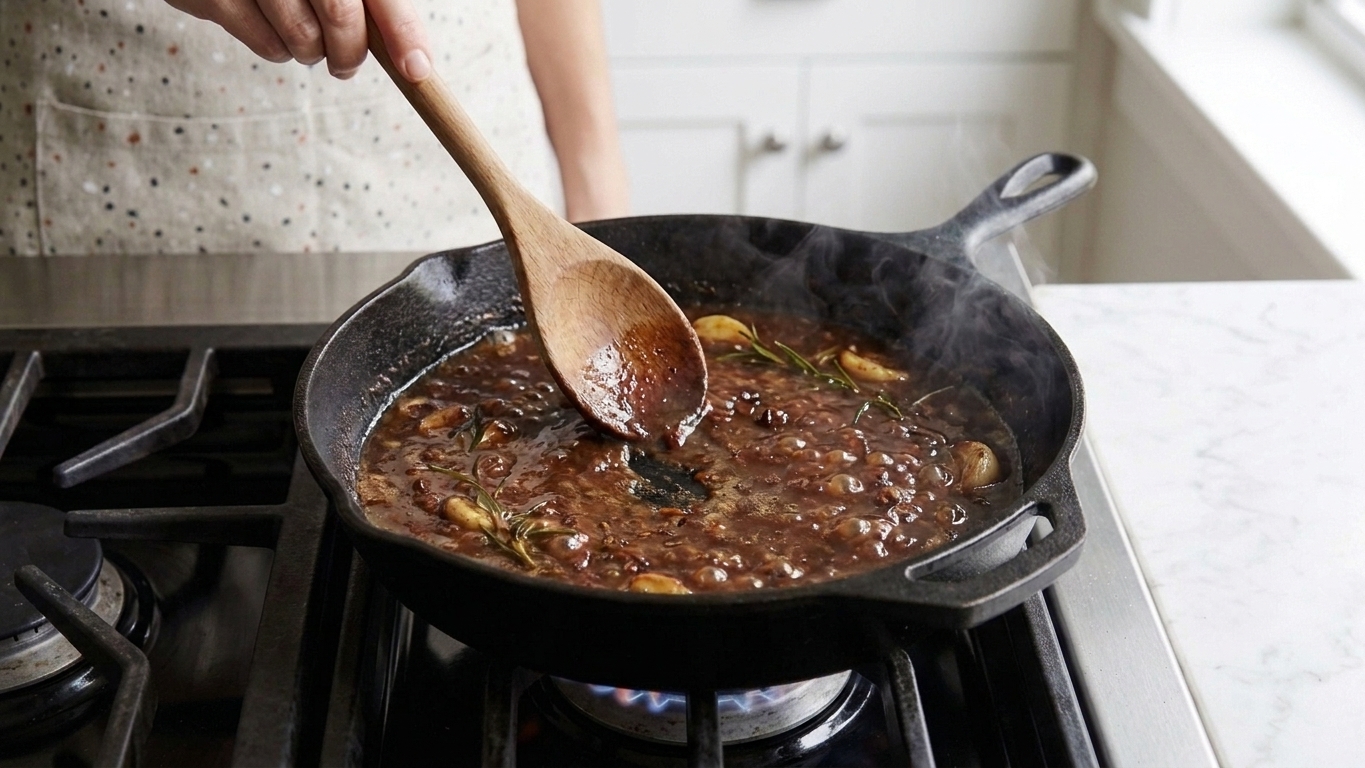
  • Garlic herb butter does double duty: It seasons the meat and becomes the start of a ridiculously good pan sauce.
  • Clear temps and timing: Tenderloin is lean, so we aim for perfect doneness, not “cook until it feels done.”
  • Resting is not optional: A short rest keeps slices moist and makes the roast easier to carve cleanly.

Pairs Well With

Storage Tips

Refrigerate: Cool leftover tenderloin, then store in an airtight container for up to 3 days. If you have pan sauce, store it separately so the meat does not get soggy.

Freeze: Slice the beef, wrap tightly, and freeze up to 2 months. Thaw overnight in the fridge.

Reheat without drying it out: Place slices in a baking dish with a splash of broth or a spoonful of pan sauce, cover with foil, and warm at 275°F just until heated through. Or go stovetop: gently warm slices in a skillet over low heat with a little butter.

Leftover move I love: Thin slices on toasted bread with horseradish mayo and arugula, plus a drizzle of warmed pan sauce if you are feeling fancy.

Common Questions

What temperature should beef tenderloin be cooked to?

Use an instant-read thermometer in the thickest part of the center (avoid touching the pan). These are pull temperatures:

  • 120 to 125°F for rare
  • 130 to 135°F for medium-rare (my pick for tenderloin)
  • 140 to 145°F for medium

After resting, the temp typically rises about 5°F (sometimes up to 10°F, depending on roast size and how you rest it).

USDA note: The USDA recommends whole cuts of beef reach 145°F with a 3-minute rest for food safety. Many people cook tenderloin like a steak and choose lower final temps for doneness, so decide what you are comfortable with.

Do I need to tie beef tenderloin?

If your roast is uneven in thickness, yes. Tying with kitchen twine every 1 to 2 inches helps it cook evenly and look neat when sliced. If it is already uniformly shaped, you can skip it.

Should I sear tenderloin before roasting?

Yes. Searing builds flavor and gives you that browned exterior. The oven alone will cook it through, but it will not give you the same crust.

Do I need to trim it?

Many tenderloin roasts are sold trimmed. If yours has a tough, shiny strip called silver skin, remove it with a sharp knife (slide the blade just under it and trim it off). That one step makes a big difference in tenderness.

Can I prep this ahead of time?

Absolutely. You can make the garlic herb butter up to 3 days ahead. You can also season the roast and keep it uncovered on a rack in the fridge overnight for a drier surface and better sear.

What if I do not have a roasting rack?

No problem. Set the tenderloin on a few thick onion slices, or even a couple of celery stalks. You just want air under the roast so it cooks evenly.

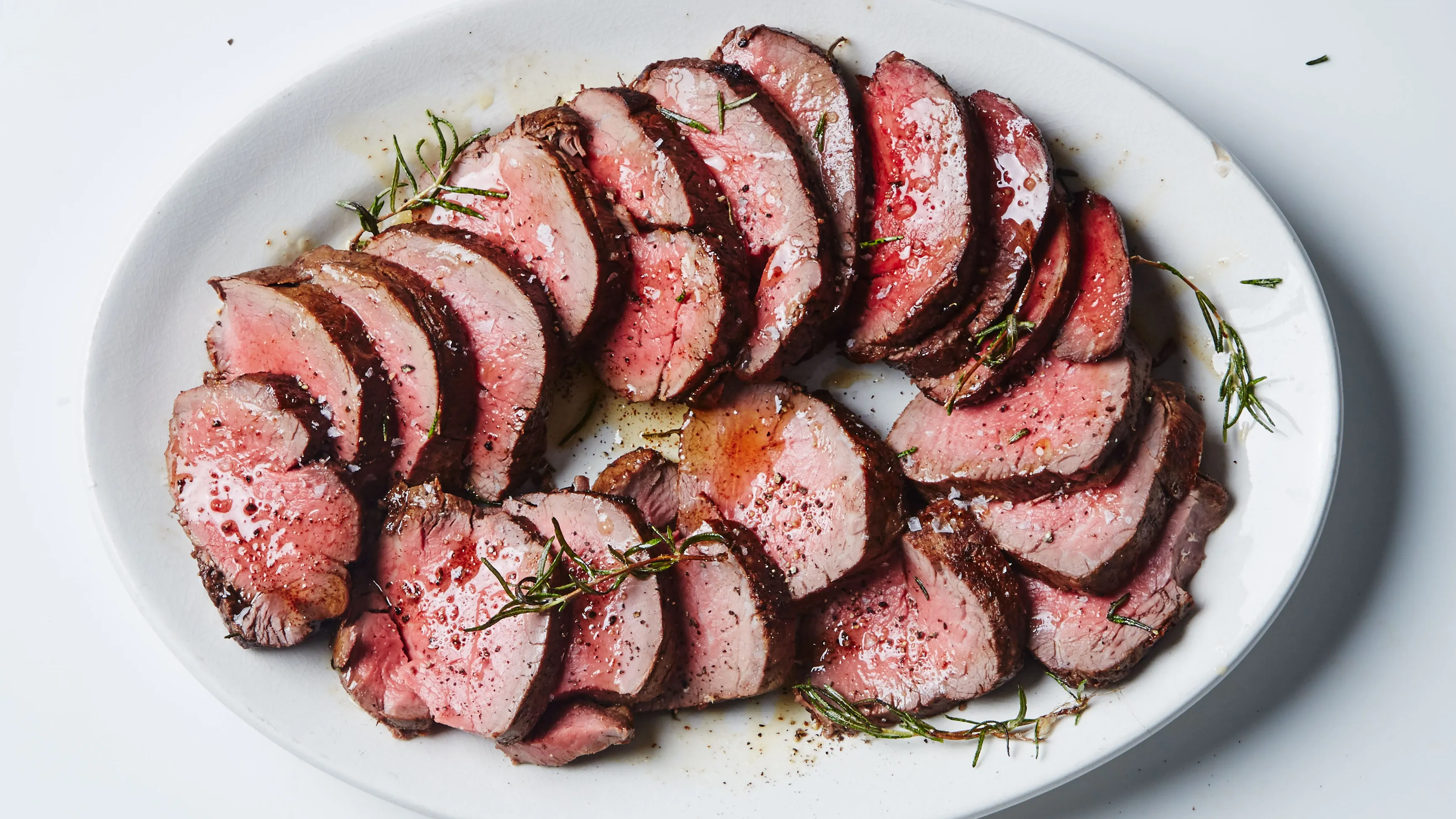
The first time I cooked a beef tenderloin roast, I treated it like a big tough roast and kept it in the oven way too long. It was still tender enough to eat, but it was not that buttery, “pause mid-bite” kind of good. Now I cook it like what it is: a fancy, extra-tender steak that happens to be shaped like a roast. Hard sear, quick oven finish, thermometer in charge, then I let a garlic herb butter melt over the top while it rests. It feels calm and cozy, and it makes the whole kitchen smell like you have your life together.