Mom's Best Recipes
Recipe

Garlic Herb Ribeye Roast

Crisp-edged, tender ribeye roast with a garlic herb crust and an easy pan jus for spooning over every slice.

Author By Matt Campbell
4.8
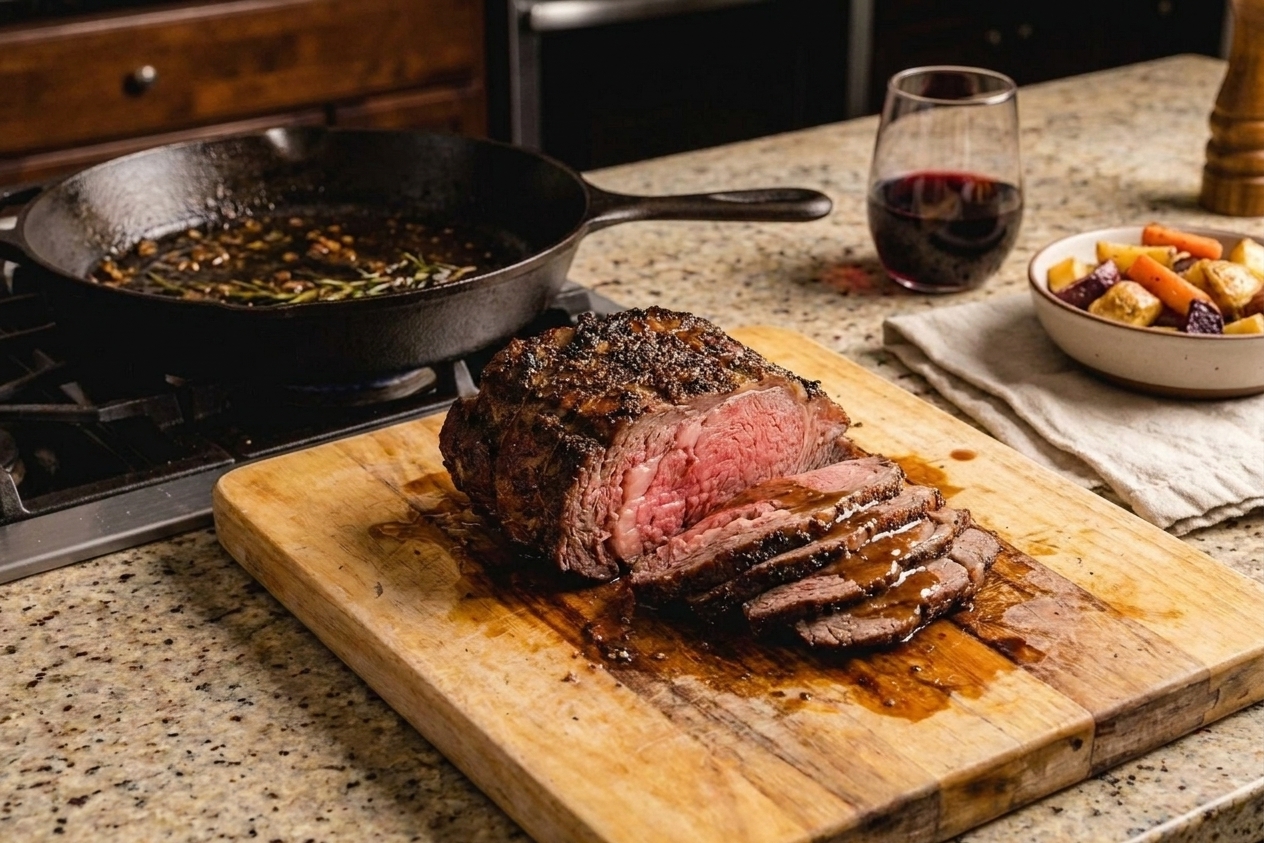
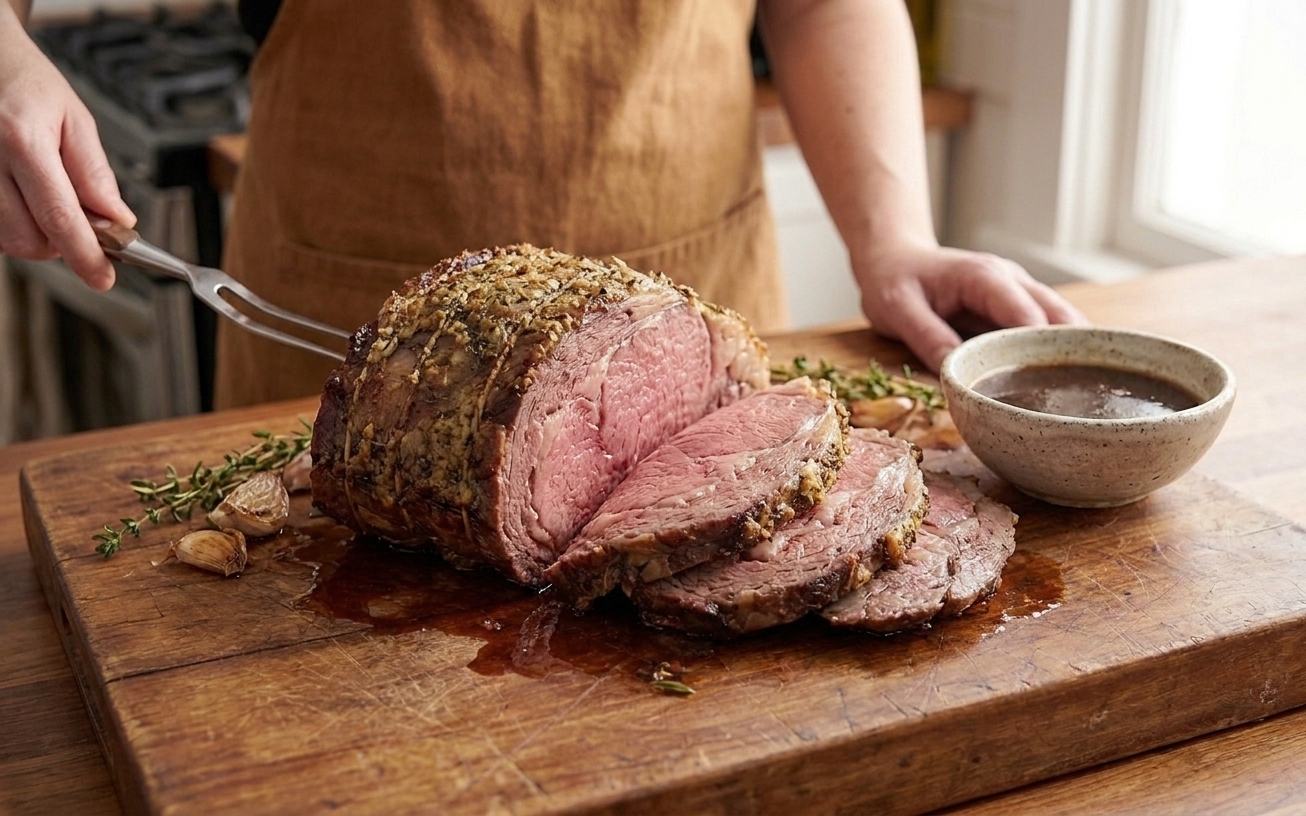
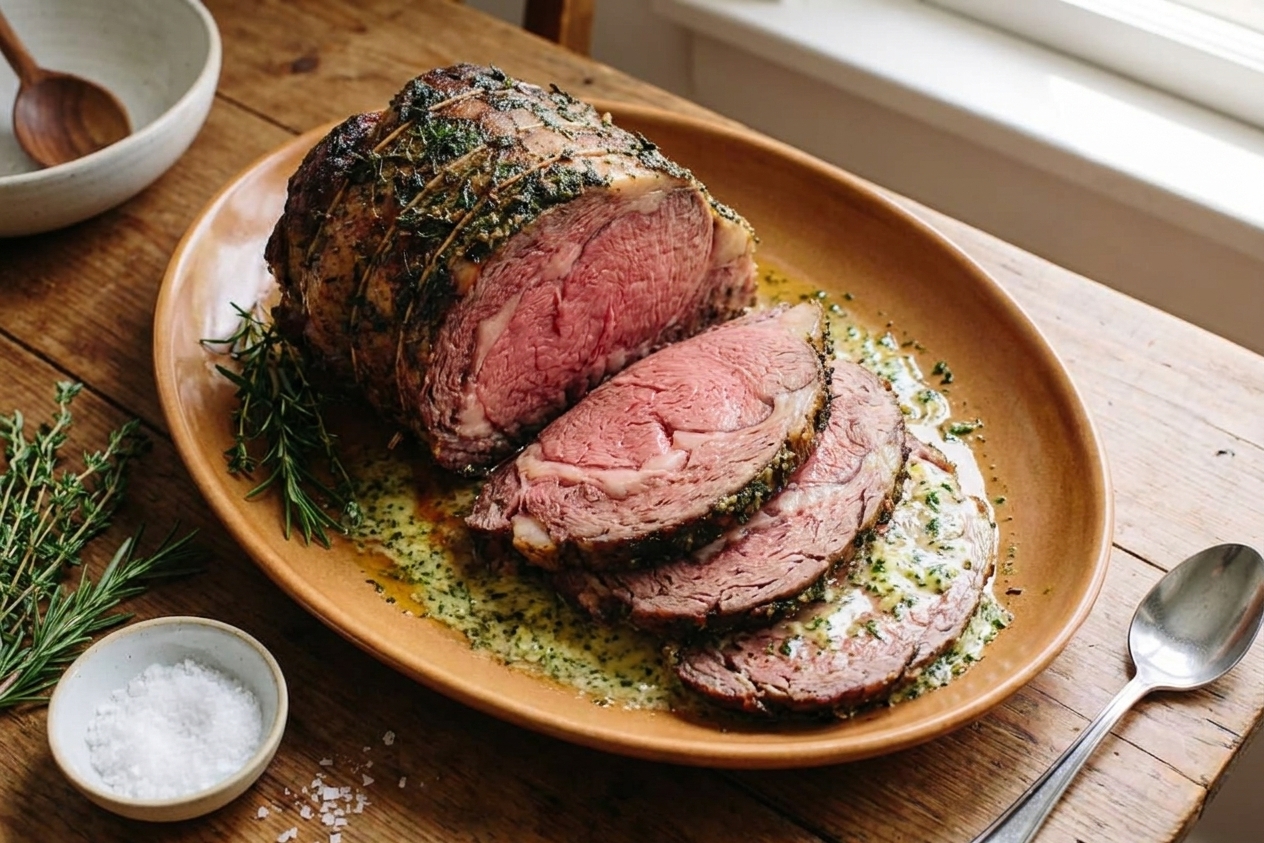
A sliced ribeye roast with a browned garlic herb crust on a cutting board, juices pooled lightly, with a small bowl of pan jus on the side in a warm home kitchen

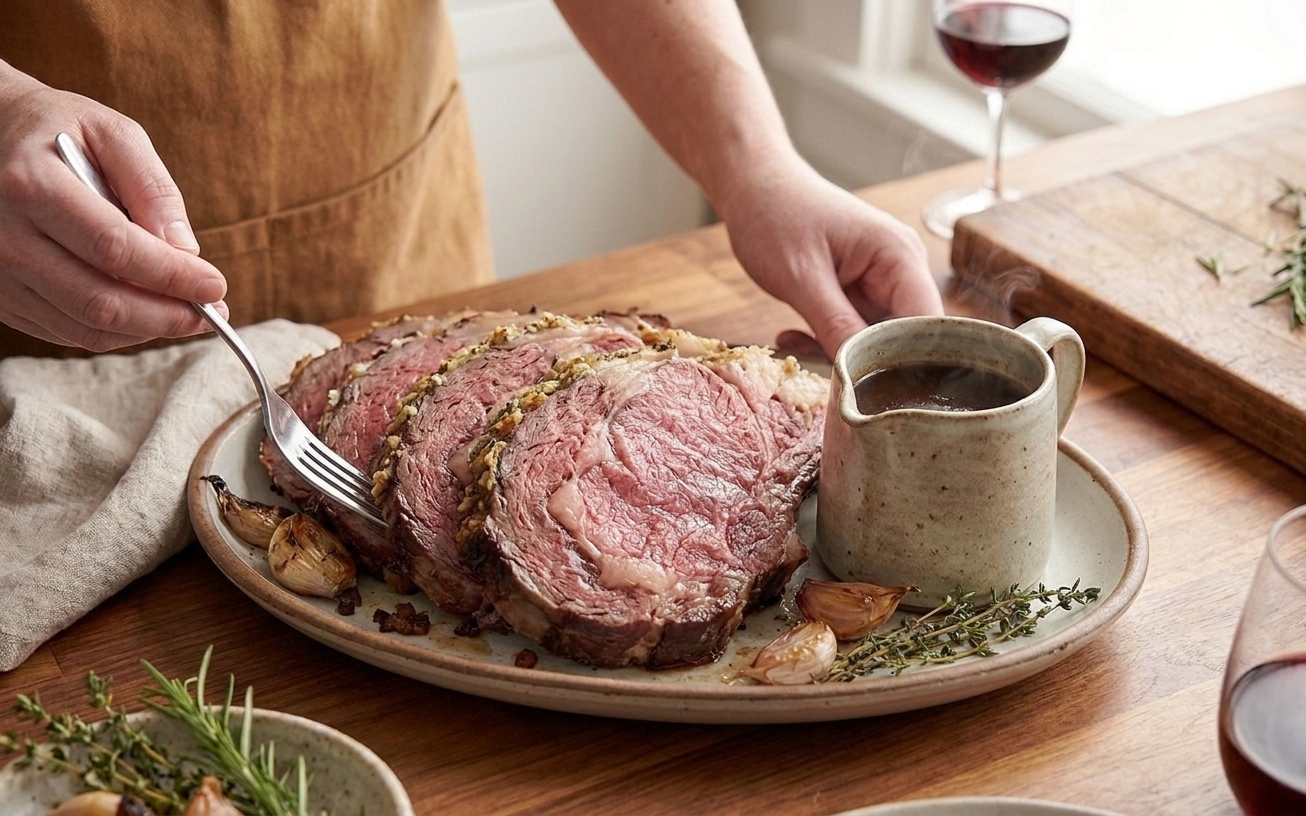
Ribeye roast is the dinner that makes people wander into the kitchen like, "So... when do we eat?" It is basically a giant ribeye steak that decided to dress up for the occasion. The payoff is huge: buttery beef, a crisp crust, and those rosy slices that feel like a steakhouse flex without the steakhouse bill.

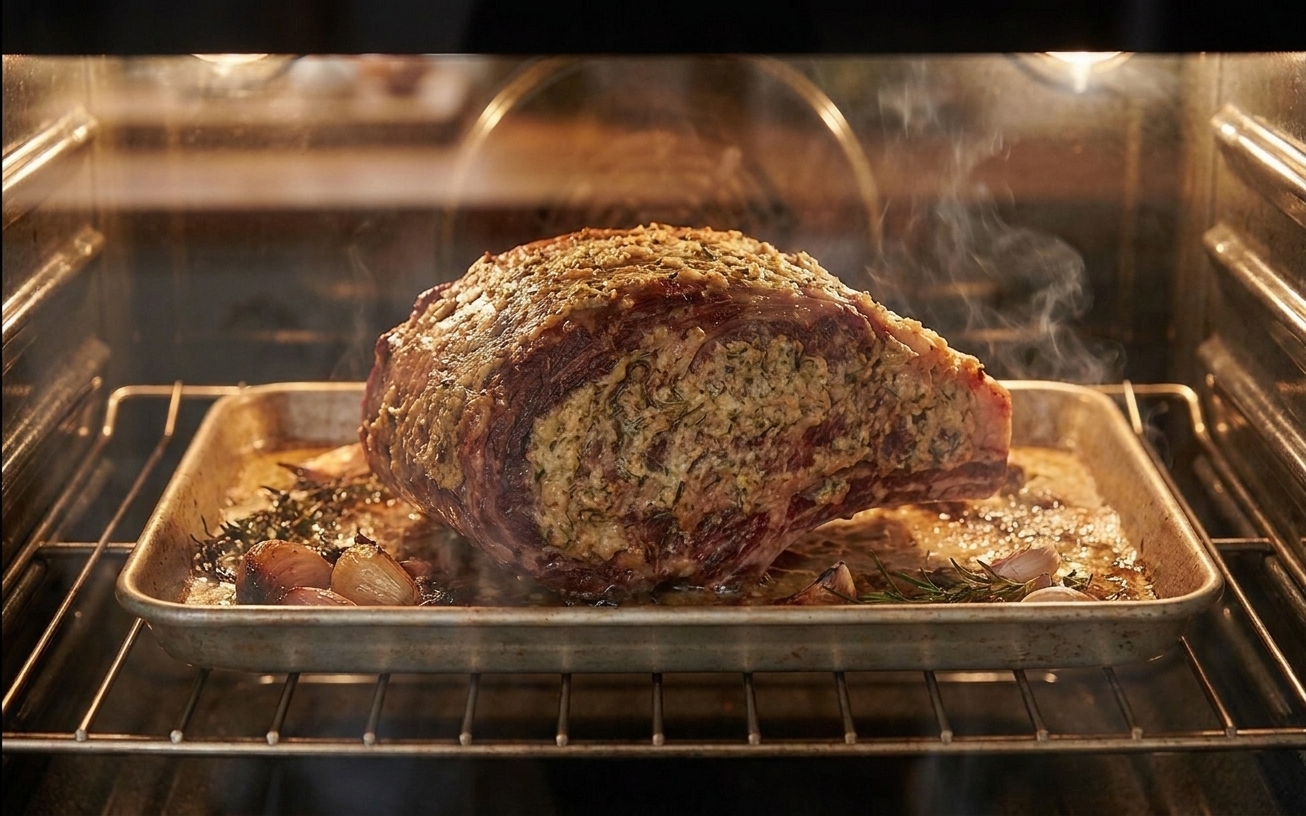
This is my go-to method when I want something impressive but not fussy. We do a bold garlic herb rub, a hot start to kick off browning, then finish at a lower temp so the center stays tender and evenly pink. Add a quick pan jus at the end and suddenly everyone is dragging bread through their plate like it is the rule.
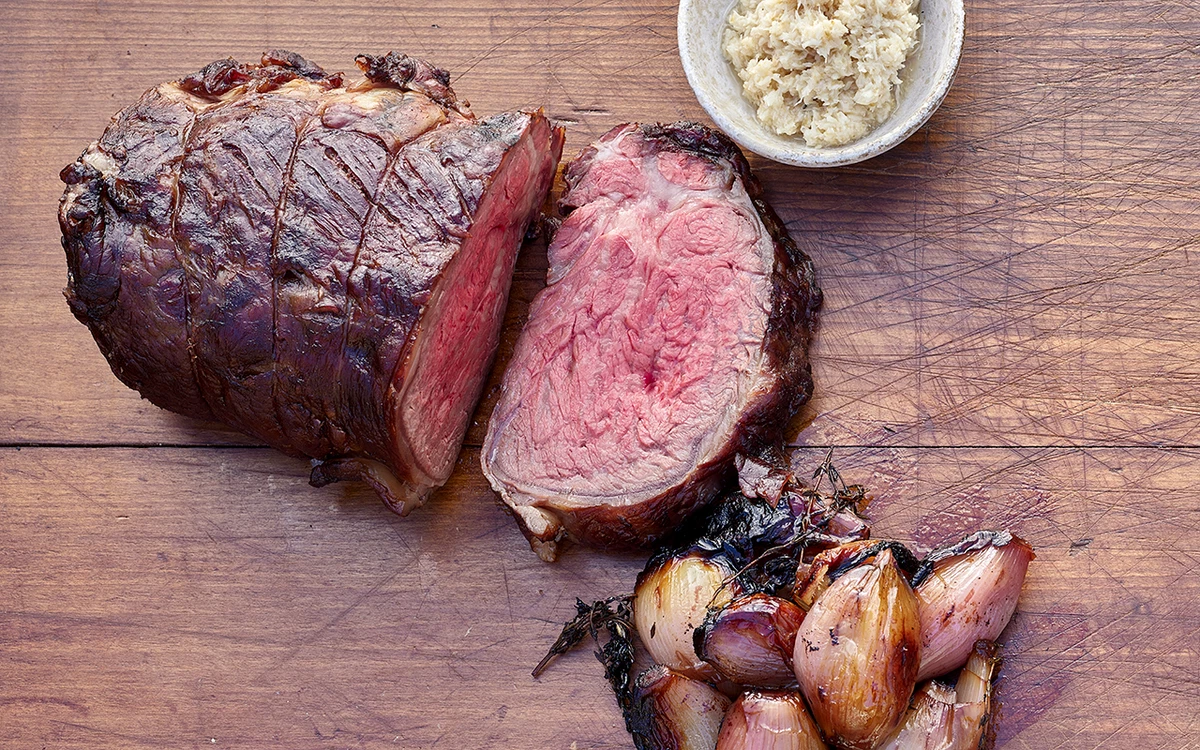
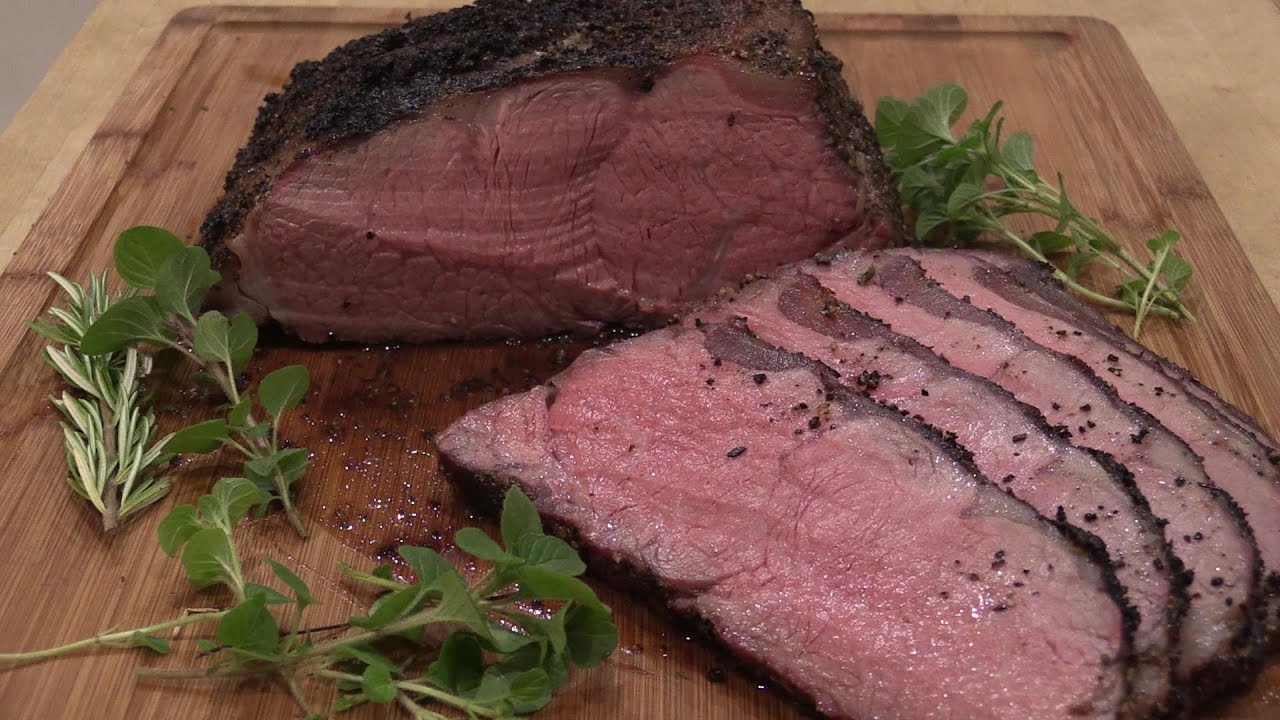
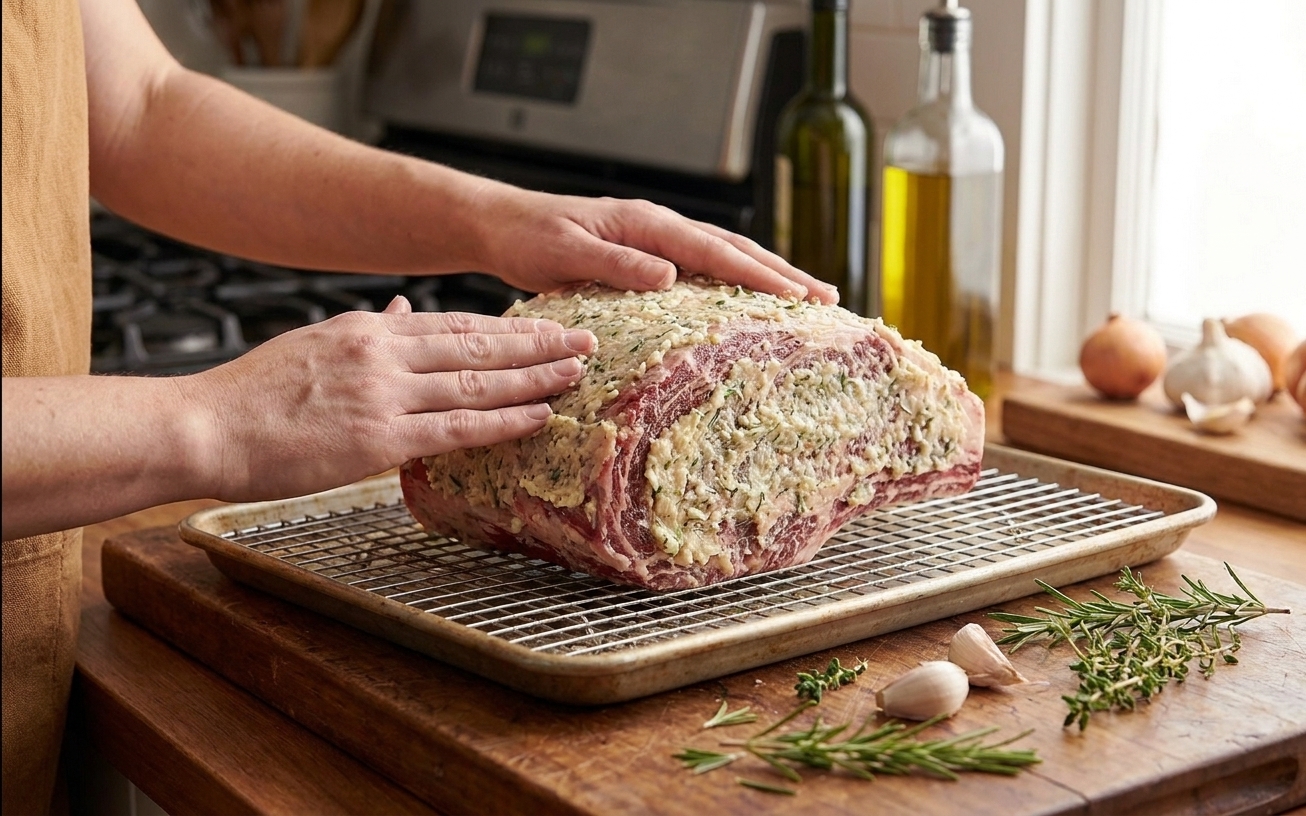
A raw ribeye roast on a rimmed sheet pan surrounded by small bowls of salt, pepper, minced garlic, chopped rosemary, thyme, olive oil, and Dijon mustard on a bright kitchen counter

Why It Works

  • Even doneness: Starting hot then lowering the oven helps the roast cook more gently, so you get fewer overcooked edges.
  • Real crust: Drying the surface and using a high-heat start builds that browned, savory exterior without needing a grill.
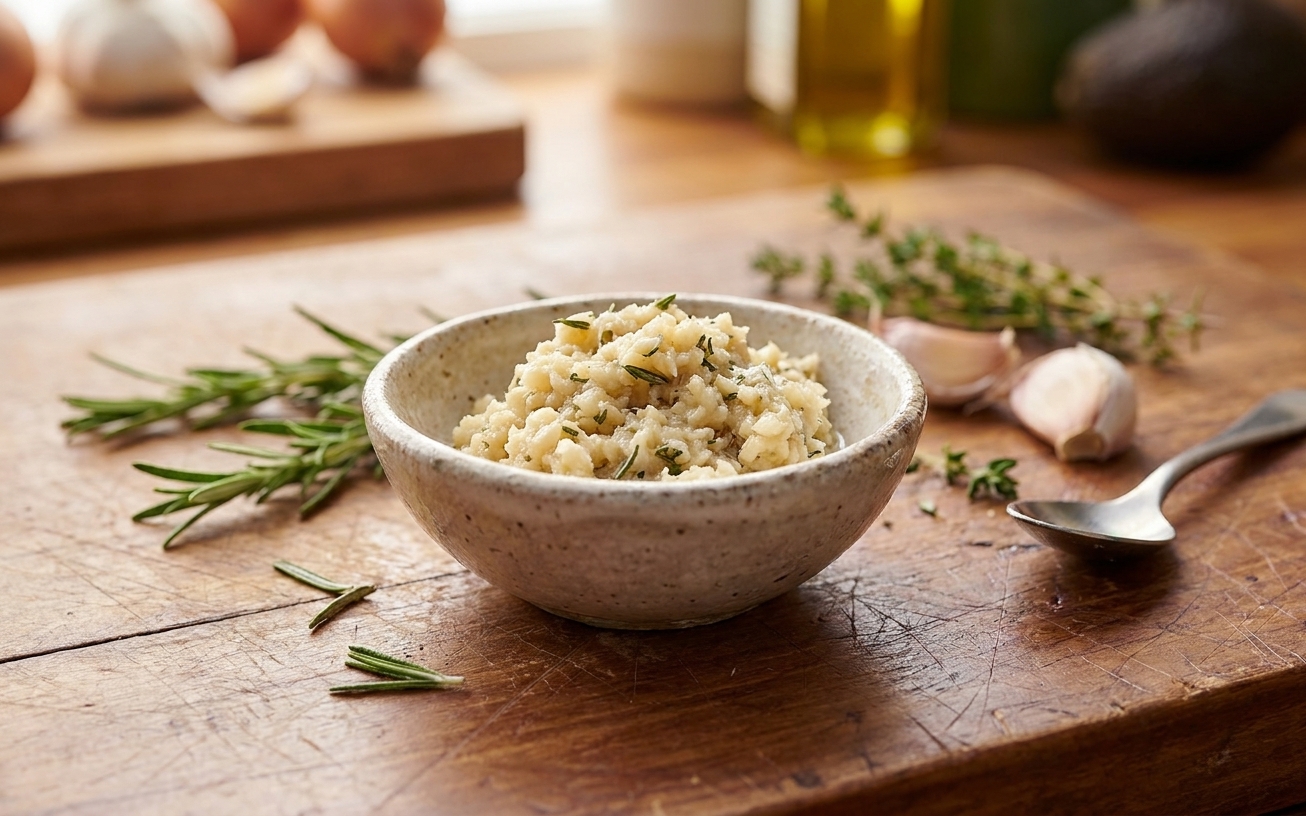
  • Flavor that sticks: The garlic herb paste acts like edible glue for seasoning, plus it perfumes the whole roast as it cooks.
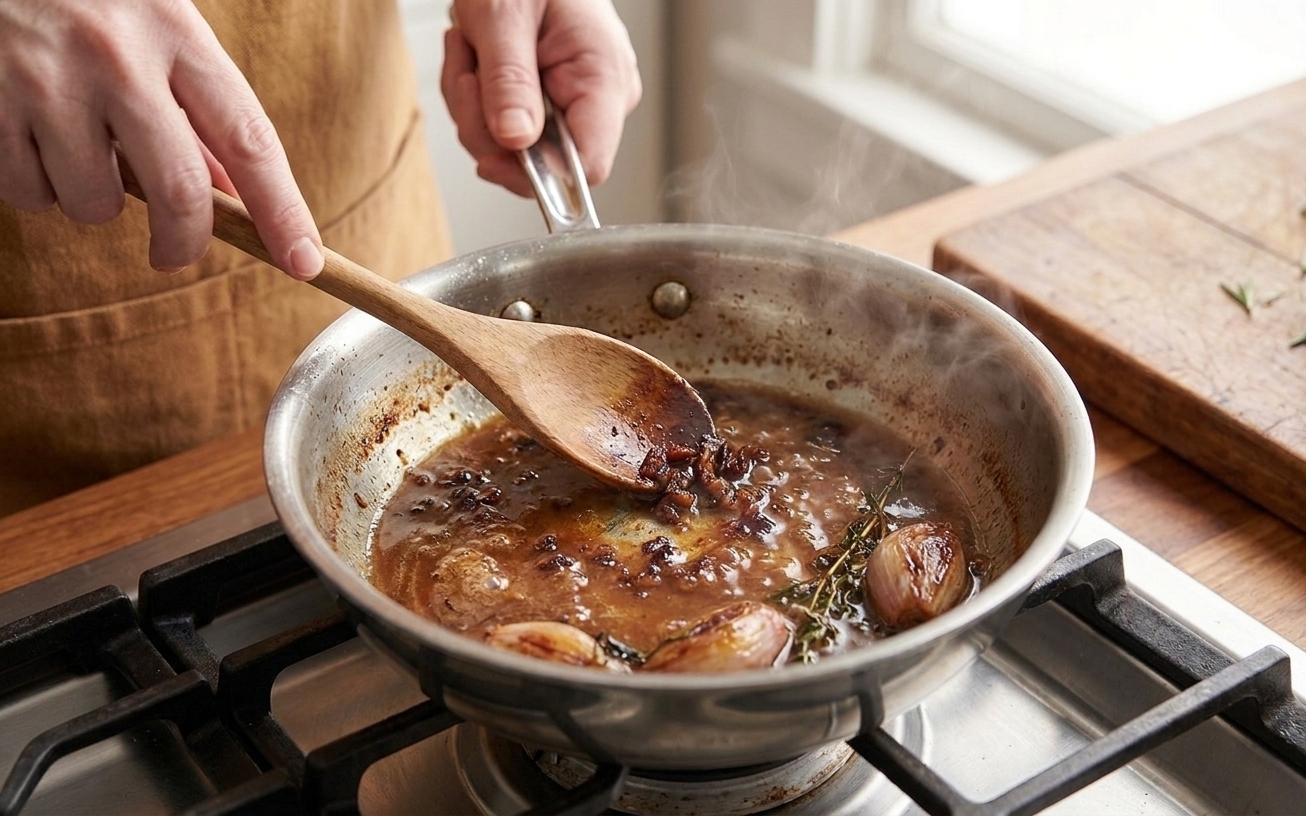
  • Jus with zero drama: A quick deglaze turns the pan drippings into something you will want to spoon on everything.

Pairs Well With

Storage Tips

Refrigerate: Cool leftover ribeye roast, then wrap tightly or store in an airtight container. Keep refrigerated for up to 4 days.

Freeze: Slice or keep in a chunk, wrap well (plastic wrap plus freezer bag is best), and freeze up to 2 months for best texture. It stays safe longer in the freezer, but quality is what starts to slide.

Reheating (best method): Place slices in a baking dish with a splash of beef broth or leftover jus, cover with foil, and warm at 275°F until just heated through. Low and slow keeps it from turning into chewy "sad beef."

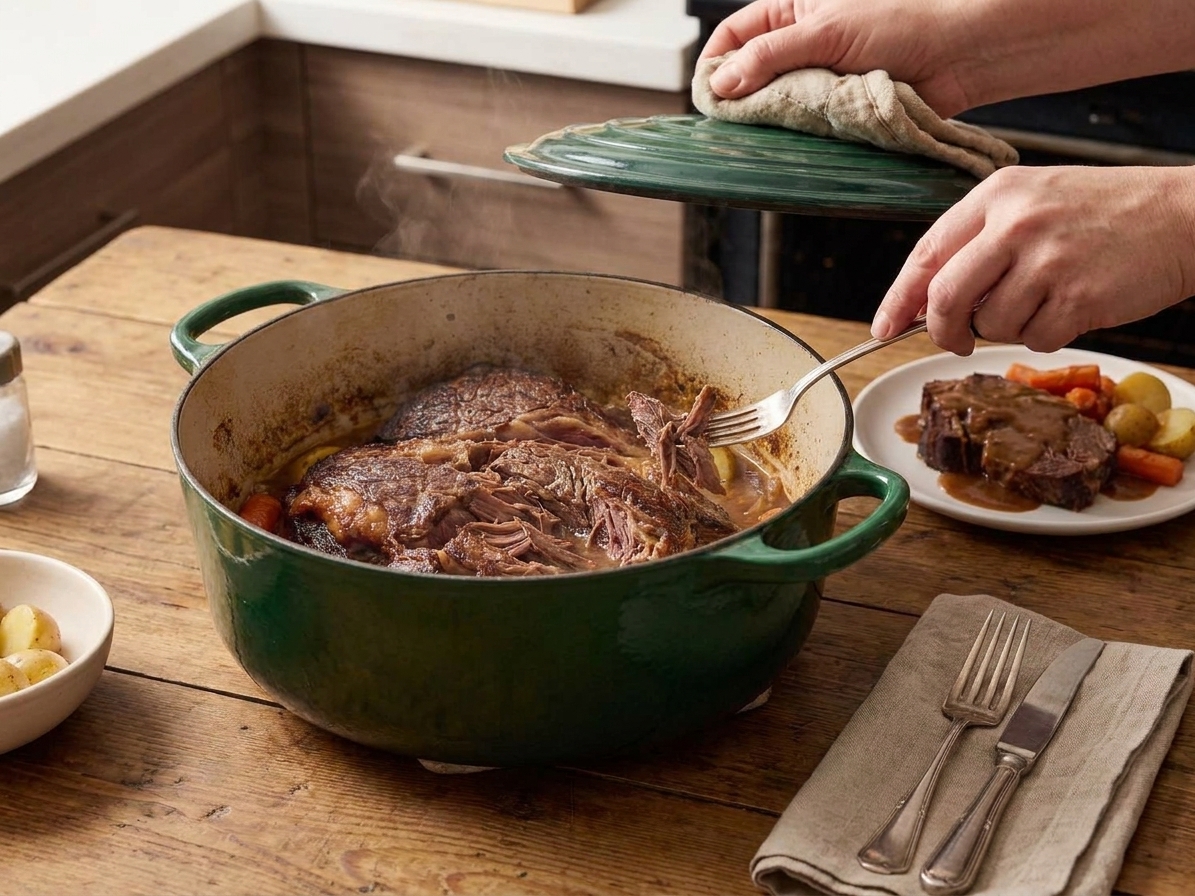
Leftover ideas: Thin-slice for French dip sandwiches, chop for steak fried rice, or toss into a creamy pasta right at the end so it stays tender.

Common Questions

How much ribeye roast per person?

A good rule is 1/2 pound per person for boneless. If you want generous leftovers, bump it to 3/4 pound per person. For bone-in, plan closer to 3/4 pound per person since the bones add weight.

Should I roast ribeye covered or uncovered?

Uncovered. You want dry heat circulating so the exterior browns and the fat renders. Covering traps steam and softens the crust.

Do I need to sear it first on the stove?

Not necessary with this method. The high-heat start does the job. If you love a deeper crust and have a big enough skillet, you can sear 2 to 3 minutes per side first, but it is optional.

What internal temperature should I aim for?

Pull temps matter because the roast keeps cooking while it rests. Carryover can be about 5 to 10°F depending on the roast and how you rest it. Aim to remove it at:

  • Rare: 120°F (finishes around 125 to 130°F)
  • Medium-rare: 125°F (finishes around 130 to 135°F)
  • Medium: 135°F (finishes around 140 to 145°F)

I recommend medium-rare for ribeye roast. The fat has time to soften, and the beef stays buttery.

Why did my roast turn out dry?

The usual suspects are overcooking and skipping the rest. Use a thermometer, pull early, and rest at least 20 to 30 minutes. Also, do not carve right out of the oven unless you enjoy watching all the juices sprint away.

Can I prep ribeye roast ahead of time?

Yes. You can rub the roast with salt and the herb mixture up to 24 hours ahead, then refrigerate it uncovered on a rack. That dry, salted surface browns like a dream.

The first time I made a ribeye roast, I treated it like it was going to explode if I looked at it wrong. I hovered. I panicked. I opened the oven too much. Classic. Now I cook it like a friend hanging out in your kitchen: calm, curious, and tasting the vibes as we go.

What I love about ribeye roast is that it is secretly low effort for how dramatic it looks. You season it well, trust the thermometer, and let resting do the heavy lifting. Then you slice it and suddenly you are the person who "makes roasts" like that is just a thing you casually do.