Mom's Best Recipes
Recipe

Garlic Herb Roast Beef

A cozy, weeknight-friendly roast beef with crispy edges, a garlicky herb paste, and a quick pan gravy you can make while it rests.

Author By Matt Campbell
4.8
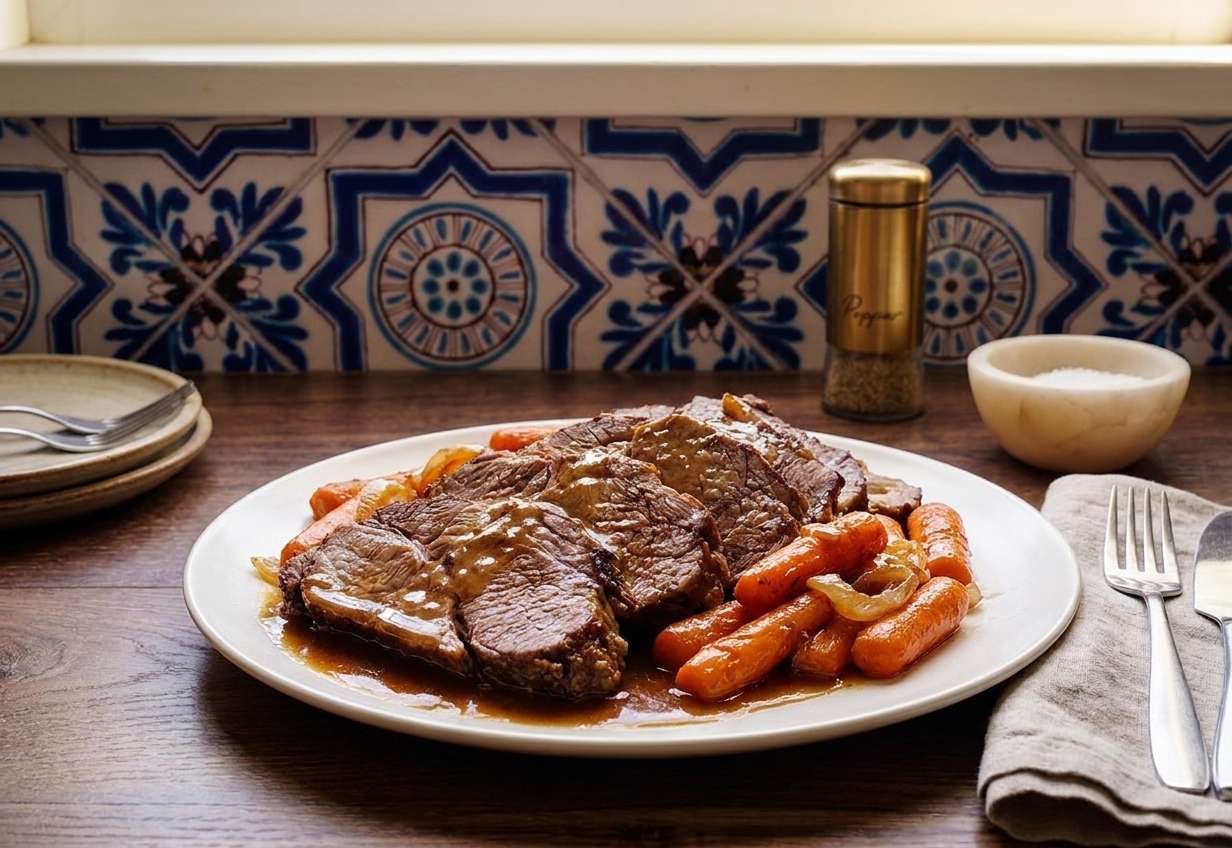
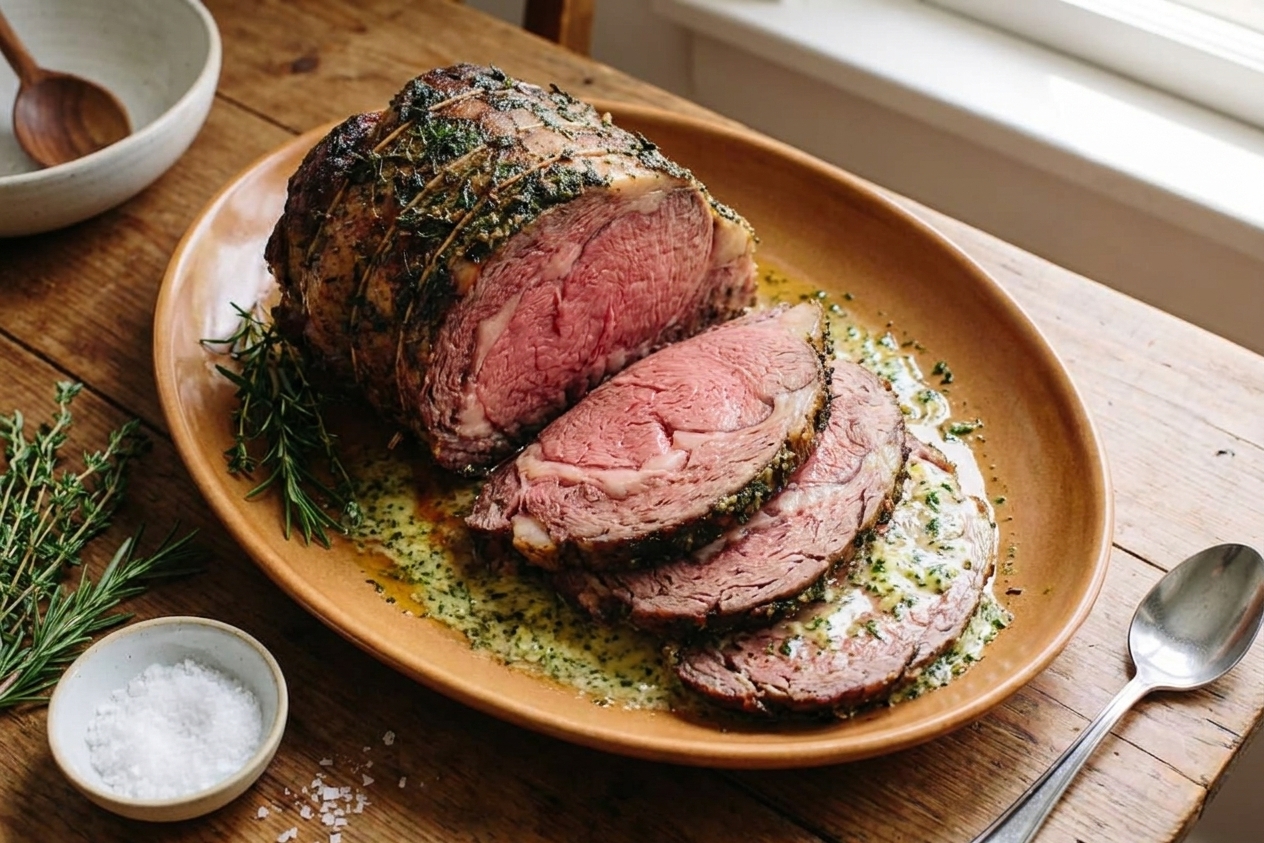
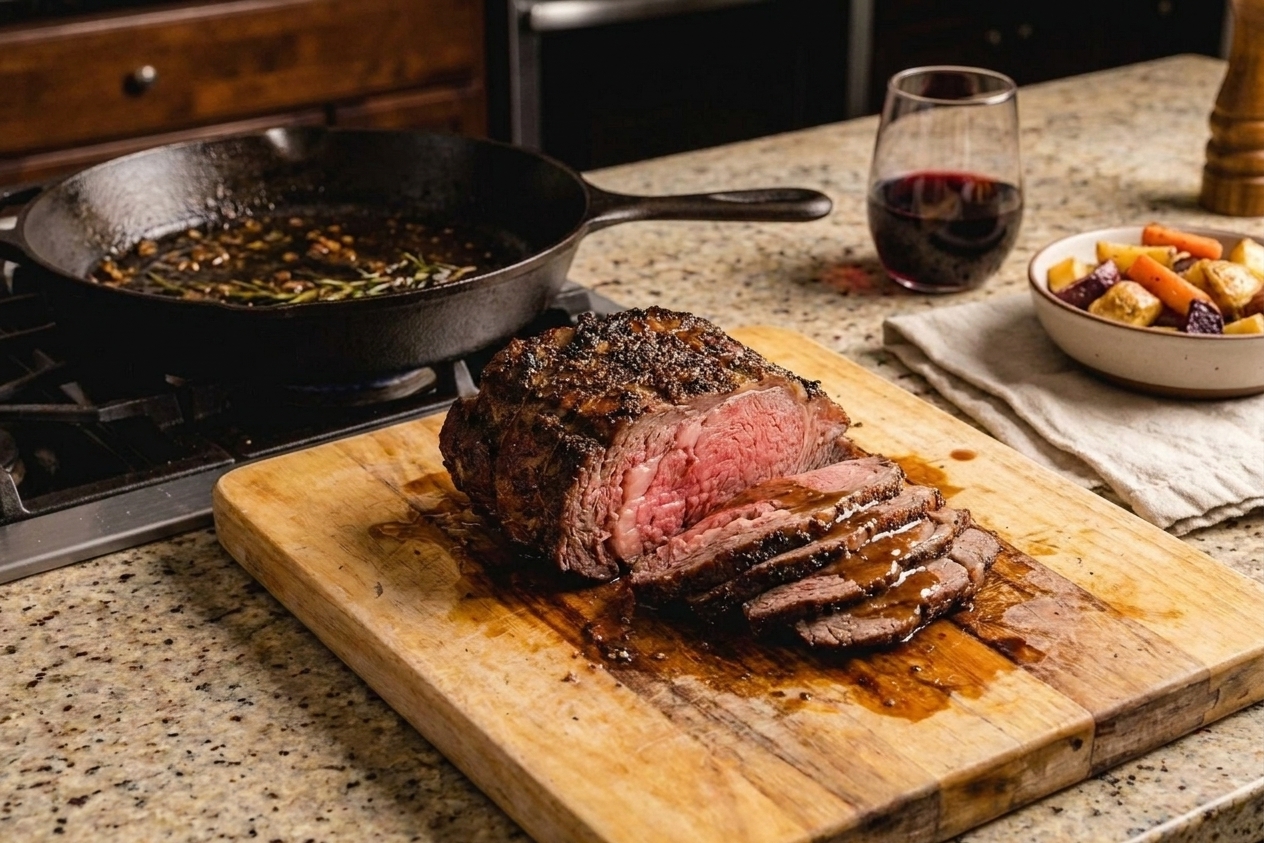
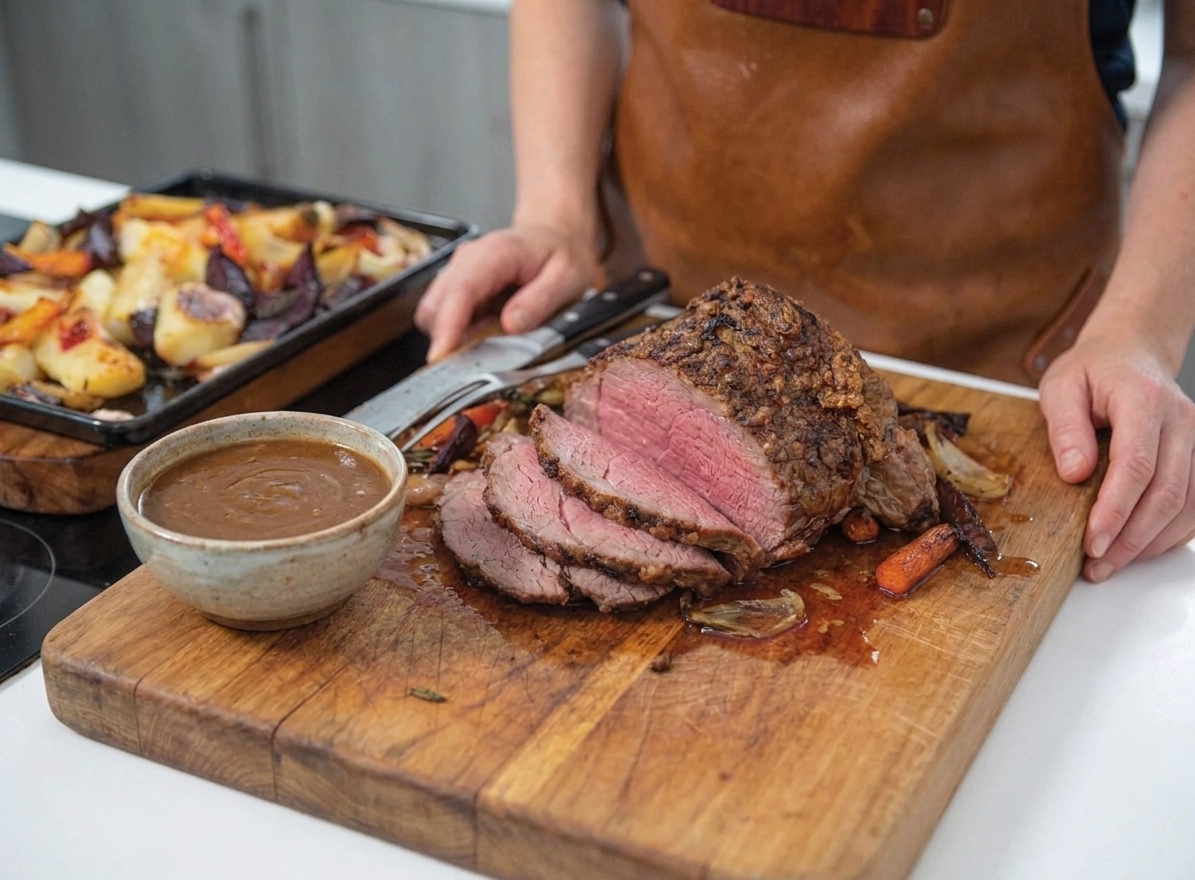
Sliced garlic herb roast beef on a cutting board with pan juices and a small bowl of gravy, warm kitchen lighting

Roast meat has a reputation for being a big, fussy weekend project. I disagree. You can absolutely pull off a deeply satisfying roast beef without a culinary degree or a fancy schedule, you just need two things: a solid seasoning paste and the confidence to use a thermometer.

This garlic herb roast beef is my sweet spot. It gets a high-heat start for those crisp, browned edges, then coasts at a lower temp so the middle stays juicy. While the roast rests, you turn the drippings into a simple pan gravy that tastes like you tried harder than you did.

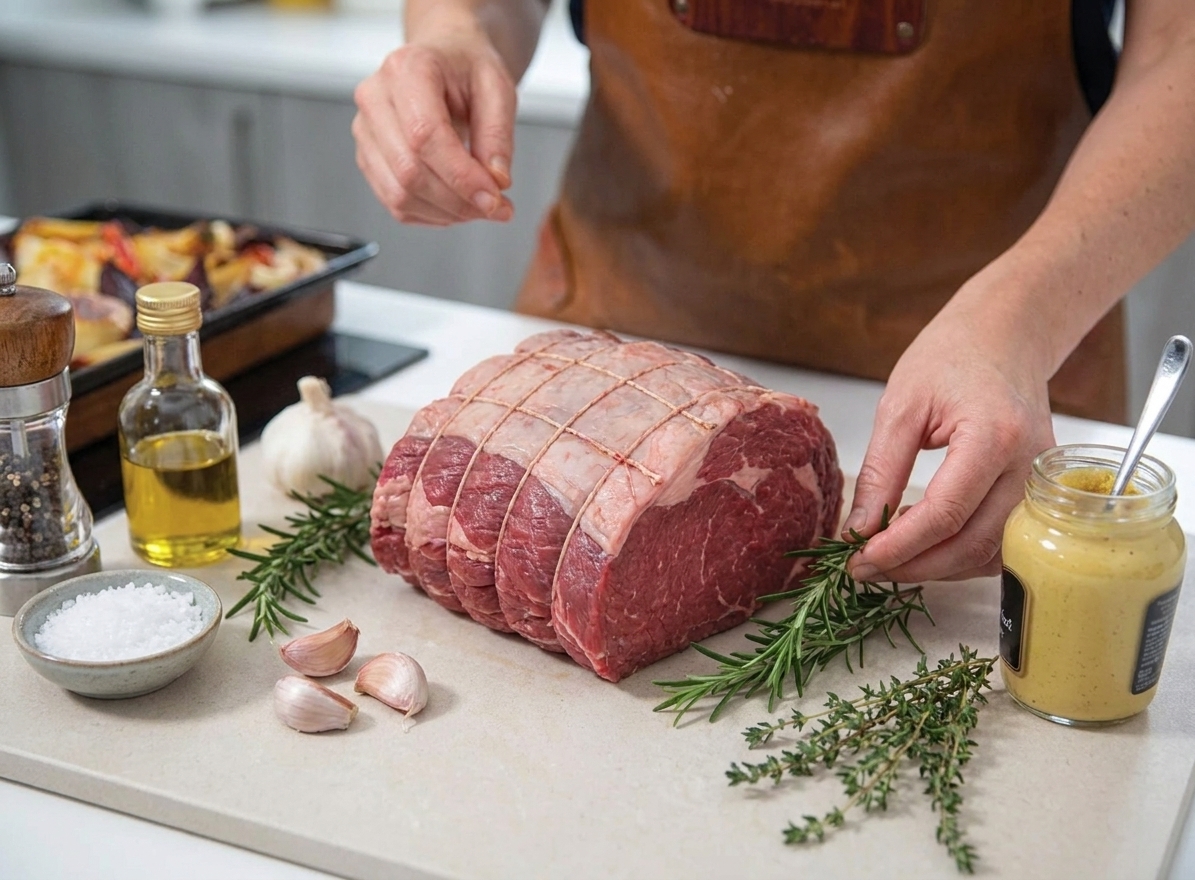
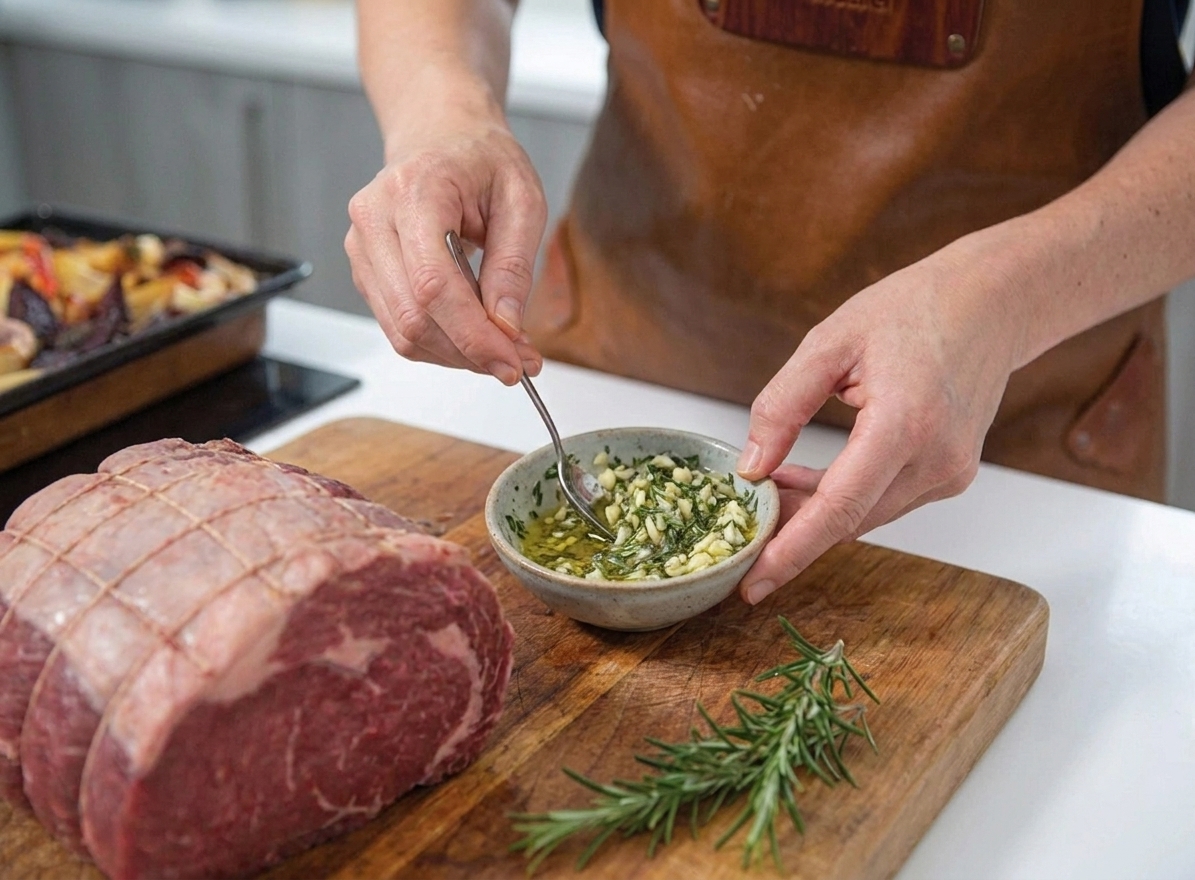
Raw beef roast, garlic, fresh herbs, salt, pepper, olive oil, and Dijon mustard arranged on a light kitchen counter

Why It Works

  • Big flavor with accessible ingredients: Dijon, garlic, rosemary, and thyme do the heavy lifting.
  • Juicy, sliceable results: A thermometer keeps you out of the overcooked danger zone.
  • Crisp edges, tender center: High heat to start, then a gentler roast to finish.
  • Fast pan gravy: A quick deglaze plus a simple slurry turns drippings into gold.

Pairs Well With

Storage Tips

Refrigerate: Cool leftovers, then store in an airtight container for up to 4 days. For the best texture, keep slices with a spoonful of gravy or pan juices.

Freeze: Freeze sliced roast beef in a single layer, then transfer to a freezer bag for up to 2 months (still safe longer, best quality in that window). Freeze gravy separately.

Reheat without drying it out: Warm slices in a skillet with a splash of broth or gravy over medium-low heat, just until heated through. Microwaving is fine too, but cover it and add a little liquid.

Leftover MVP move: Toasted rolls, warm beef, melty provolone, and a swipe of horseradish mayo. You are welcome.

Common Questions

What cut of beef is best for roast beef?

For an affordable roast that slices beautifully, I love top round or bottom round. They are lean, which means they are best cooked to rare to medium and sliced very thin against the grain. If you want a little more tenderness and richer flavor, go for sirloin tip (still lean, still benefits from a good rest and thin slicing). If you are feeling fancy, ribeye roast is the deluxe option.

Do I need to sear the roast first?

Not with this method. The high-heat start gives you plenty of browning. If you enjoy searing, go for it, but it is optional and adds another pan to wash.

How do I know when it is done?

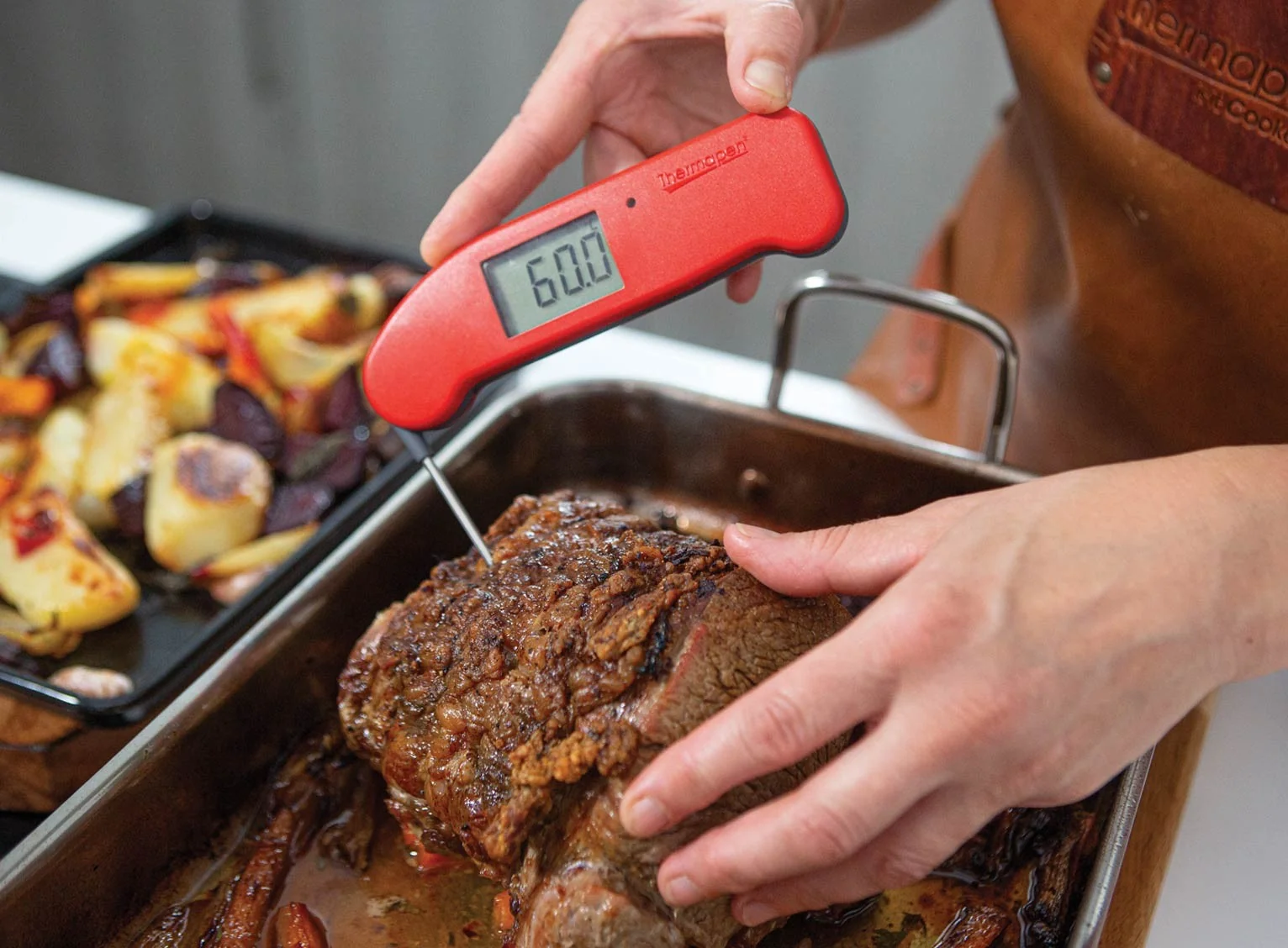
Use a thermometer in the thickest part, avoiding fat pockets. If you are using an instant-read, check quickly toward the end of roasting and put it right back in the drawer. If you want to monitor the whole time, use a leave-in probe thermometer.

Doneness temps (pull temp, then final temp after resting):

  • Rare: pull at 120°F, rest to about 125°F
  • Medium-rare: pull at 130°F, rest to about 135°F
  • Medium: pull at 140°F, rest to about 145°F

Note: With round cuts, I do not recommend going past medium unless you plan to slice paper-thin and serve with plenty of gravy.

Why does my roast beef come out tough?

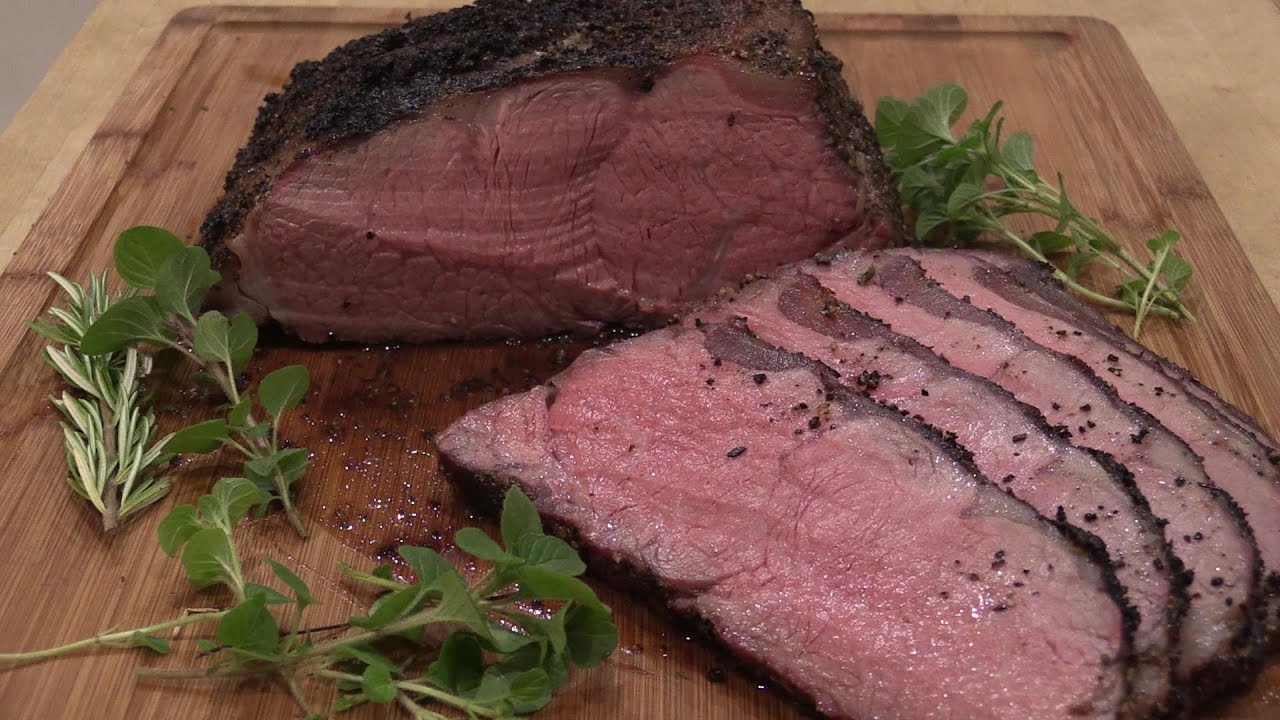
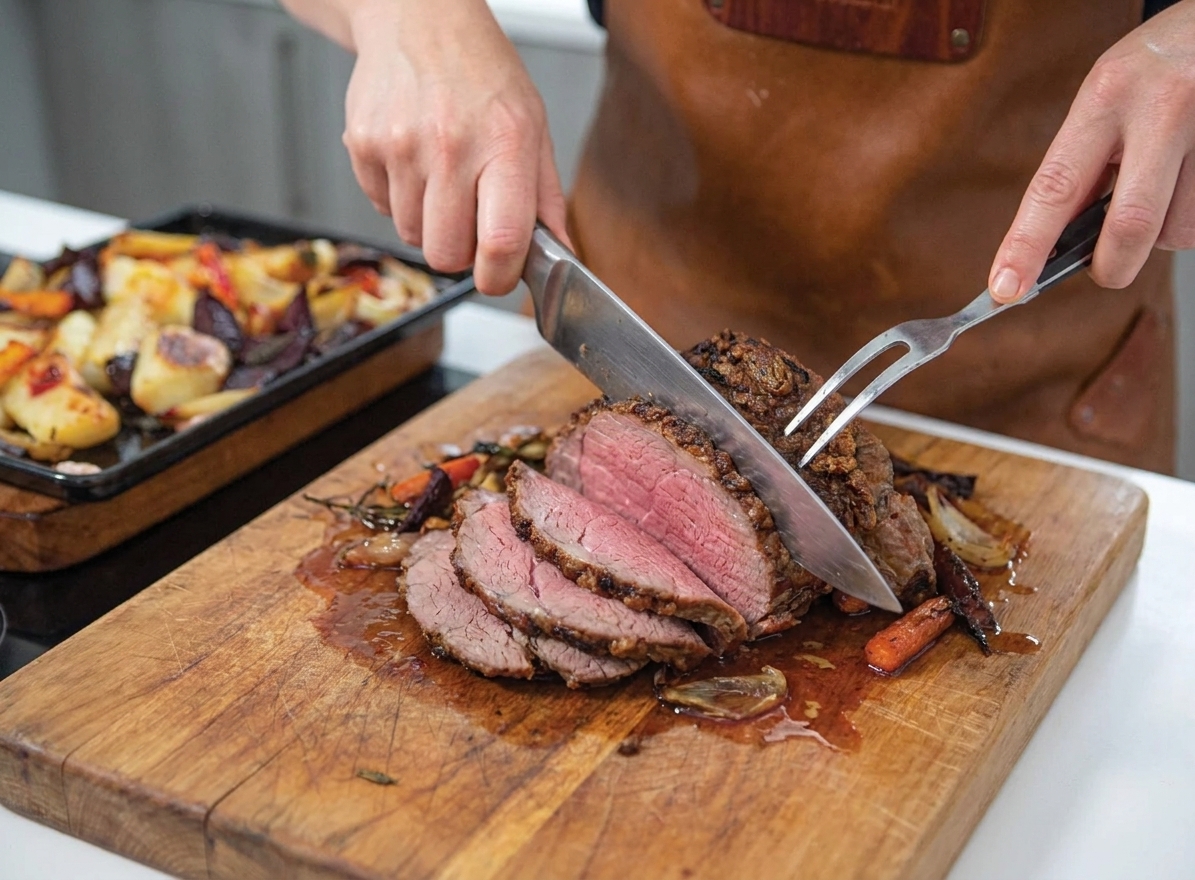
Two common reasons: it was cooked too far past your target temp, or it was sliced with the grain. Let it rest, then slice against the grain as thin as you can manage. Look for the long lines running through the meat (the muscle fibers) and cut across them like you are snipping threads.

Can I make this without gravy?

Absolutely. Save the pan juices and spoon them over the slices, or serve with a bright sauce like chimichurri if you want a fresher vibe.

I used to think roast beef was one of those dishes you only nailed after years in a professional kitchen. Then I started cooking for real life, meaning hungry people, limited time, and a very small tolerance for complicated steps. This roast is the one that made me relax. Season aggressively, trust the thermometer, and let the meat rest like it just finished a long shift. The first time I got those rosy slices with the browned edges, I had that mid-bite pause where you realize you just leveled up.