Mom's Best Recipes
Recipe

Garlic Herb Tenderloin Roast

A juicy, holiday-worthy tenderloin roast with a crisp sear, garlic herb butter, and an easy pan sauce you can pull off on a regular Tuesday.

Author By Matt Campbell
4.8
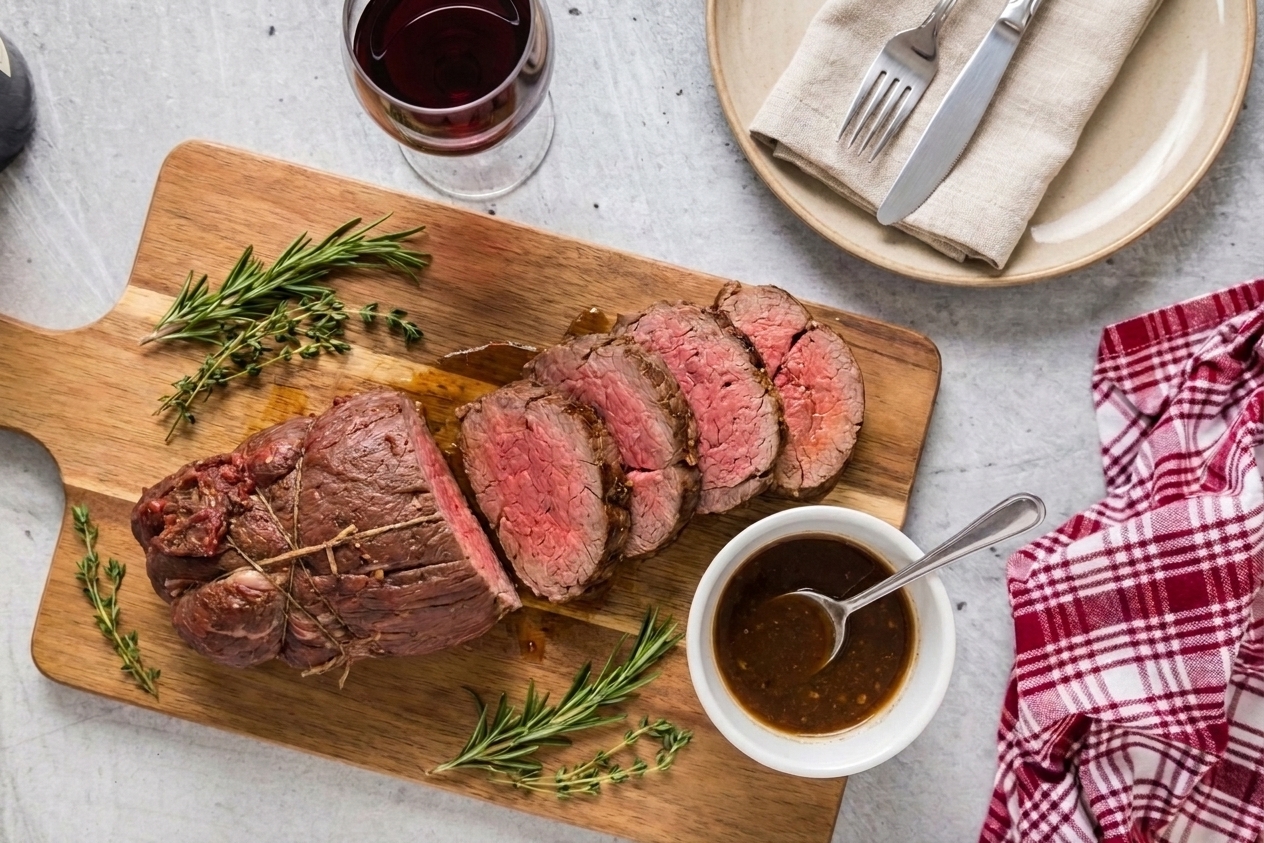
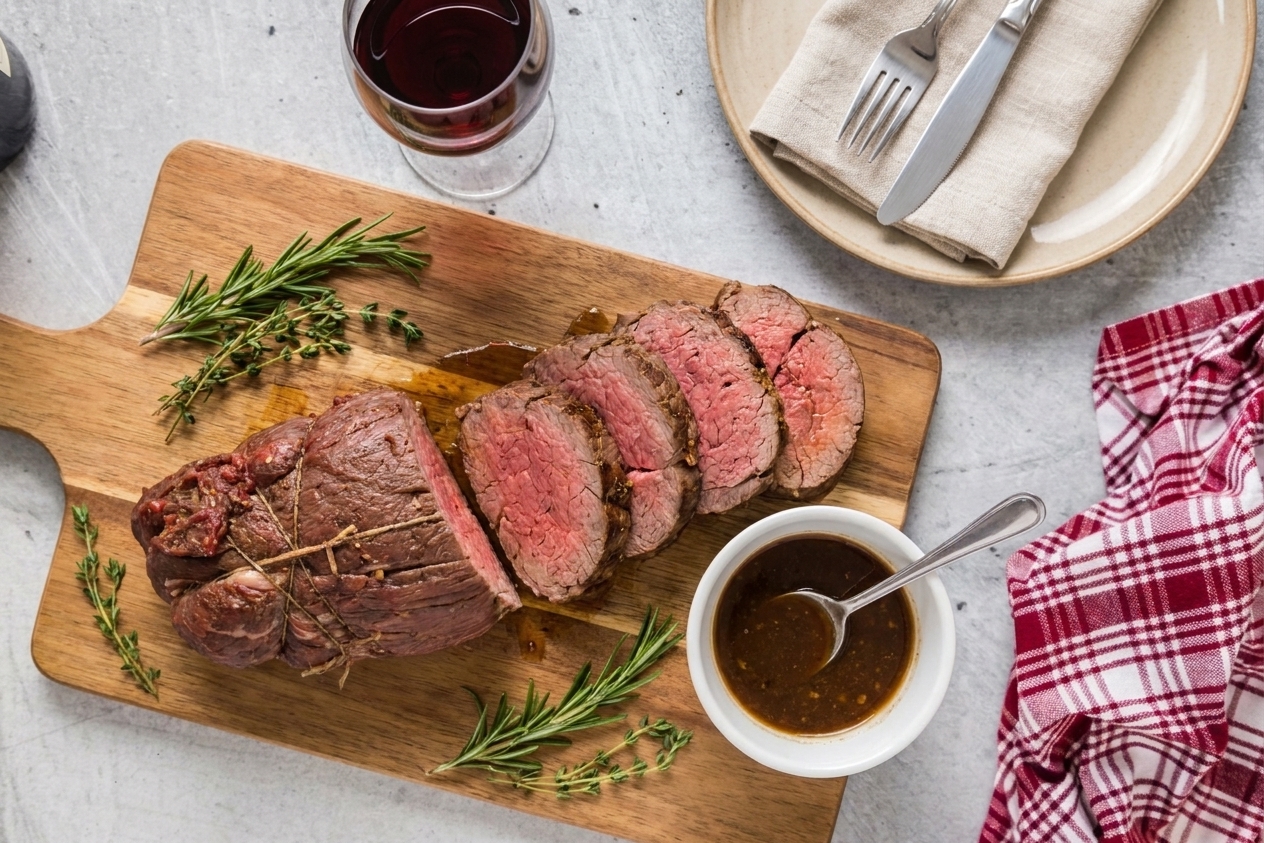
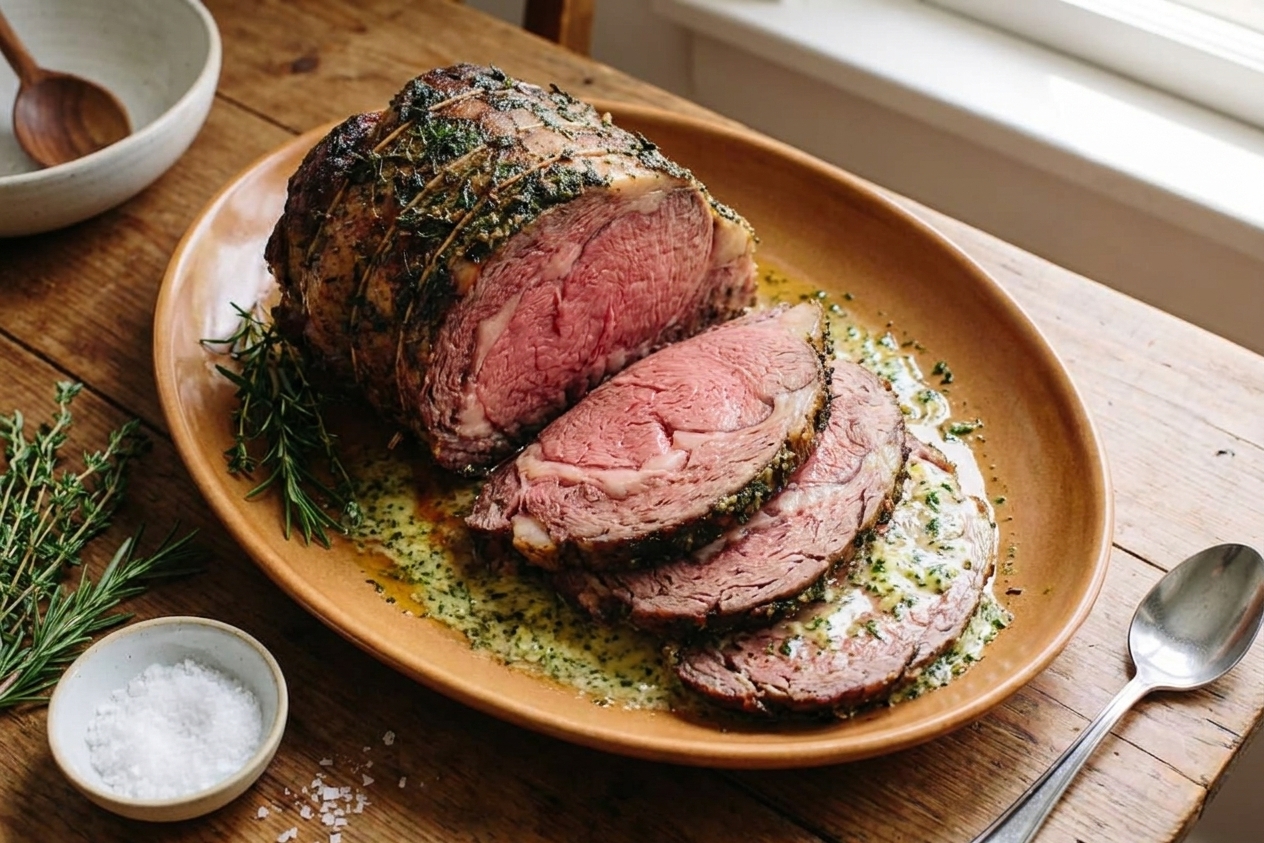
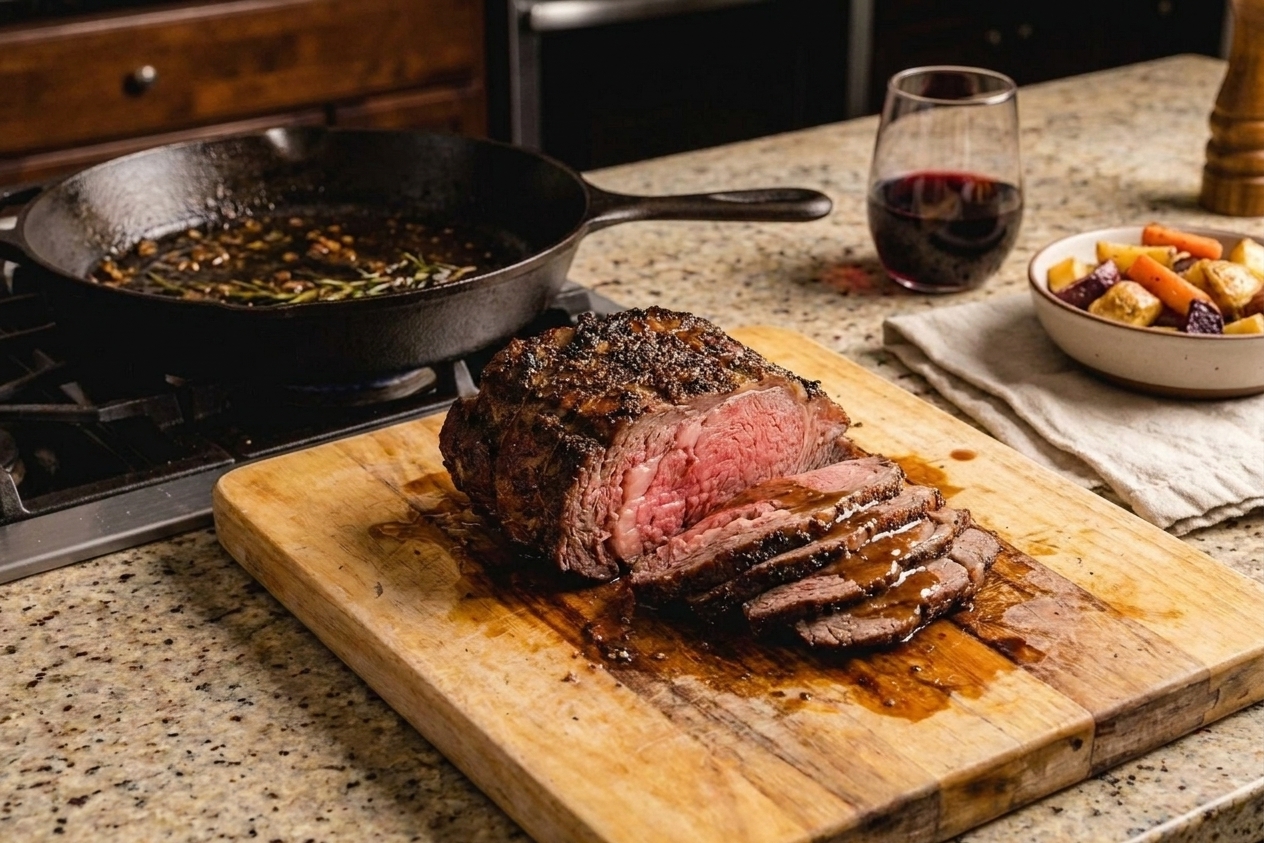
A sliced garlic herb tenderloin roast on a cutting board with a rosy center, pan juices nearby, and a simple dinner table setting in warm kitchen light

Tenderloin roast is the kind of dinner that makes people assume you worked way harder than you did. It is lean, it is naturally tender, and it cooks fast, which is both the magic and the trap. Treat it like a lazy pot roast and it will punish you with dryness. Treat it like a quick roast that needs high heat first and a gentle finish, and you get that dreamy, butter-soft bite with crisp edges.

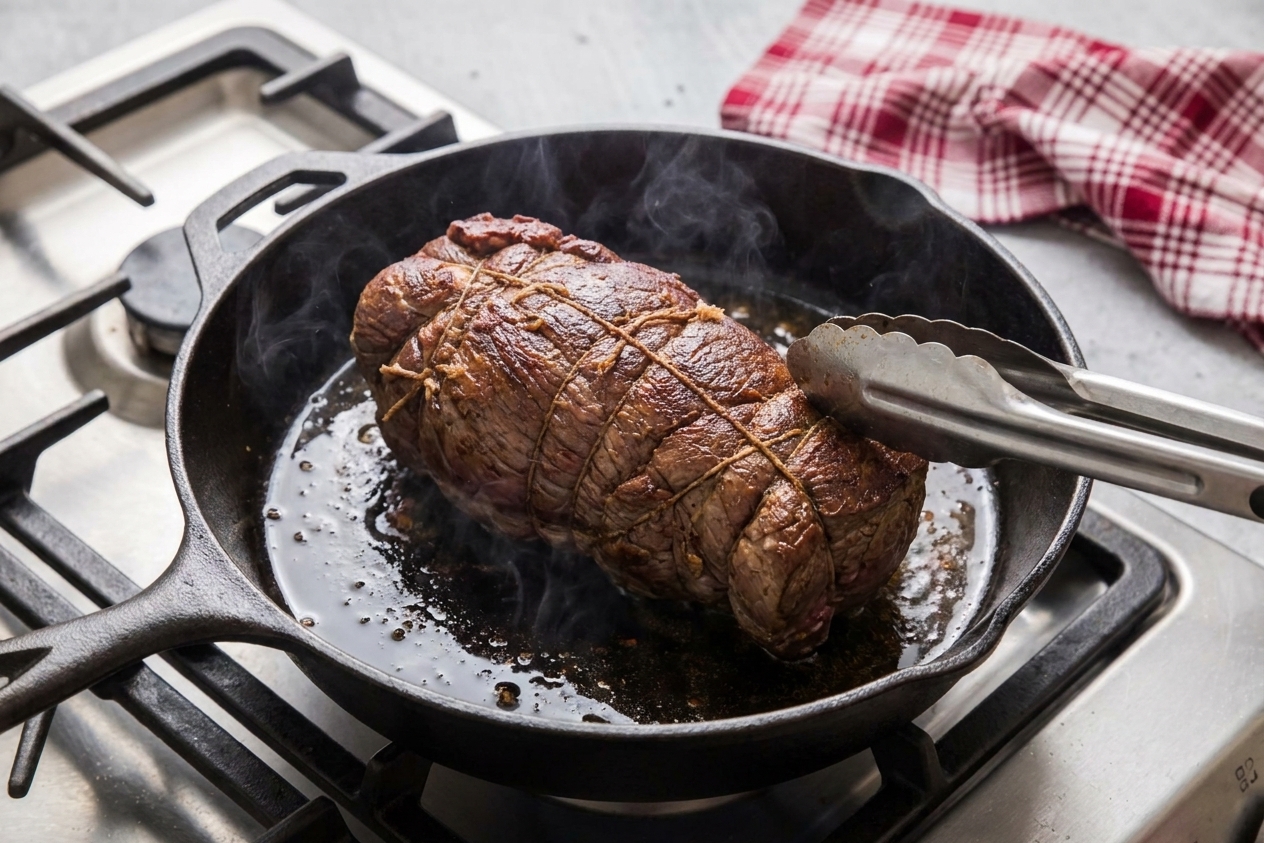
This version keeps the ingredient list approachable: garlic, herbs, lemon, a little Dijon, and enough butter to make the crust taste like you meant to impress someone. We sear first, roast to temp (not to vibes), then build a pan sauce while the meat rests. The whole thing feels fancy, but it is basically a well-timed sequence of easy moves.
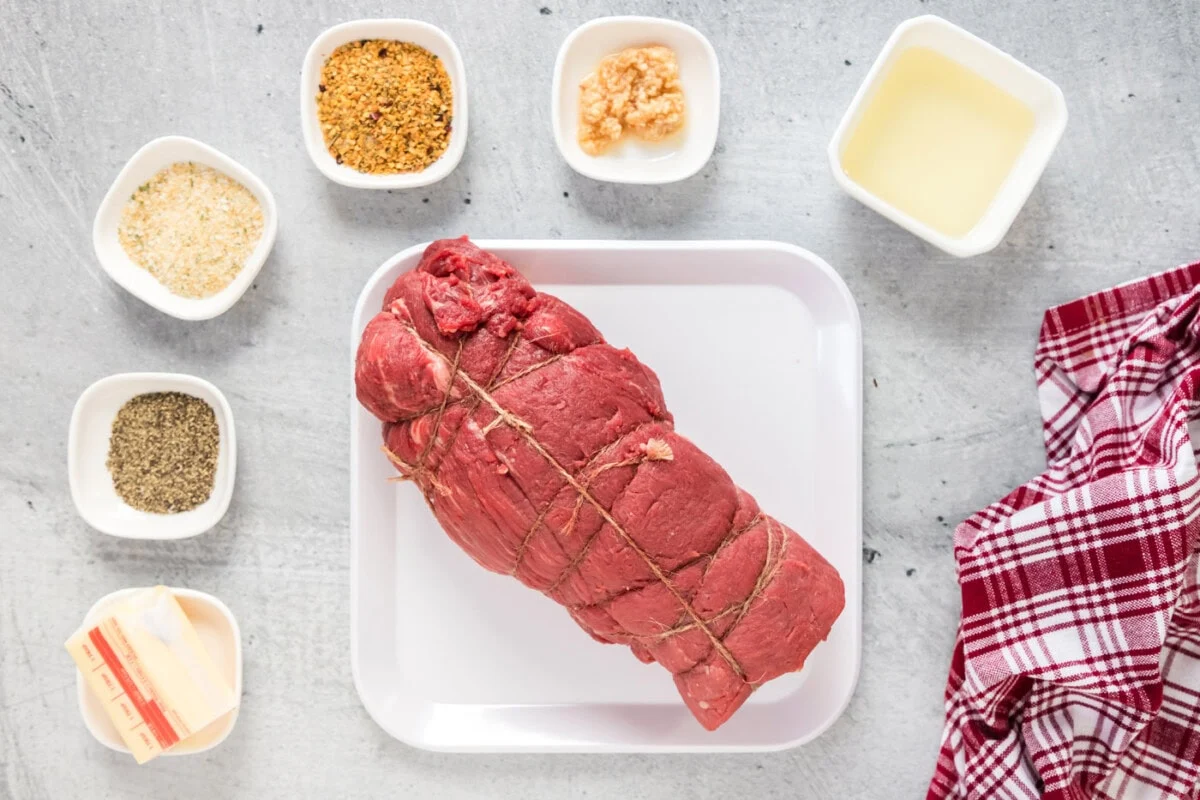
Raw beef tenderloin roast on a tray with small bowls of salt, pepper, chopped herbs, minced garlic, Dijon mustard, butter, olive oil, and a lemon on a clean kitchen counter

Grab a thermometer, taste as you go, and do not skip the rest. Resting is where the juiciness happens. Also, yes, you are allowed to steal an end slice before anyone sits down. Consider it quality control.
Why It Works

  • Fast cooking, big payoff: Tenderloin roasts quickly, so you get a special-occasion centerpiece without an all-day commitment.
  • Sear plus roast: The stovetop sear builds a deep, savory crust. The oven finish keeps the center tender.
  • Garlic herb butter does double duty: It flavors the meat and enriches the pan sauce without extra steps.
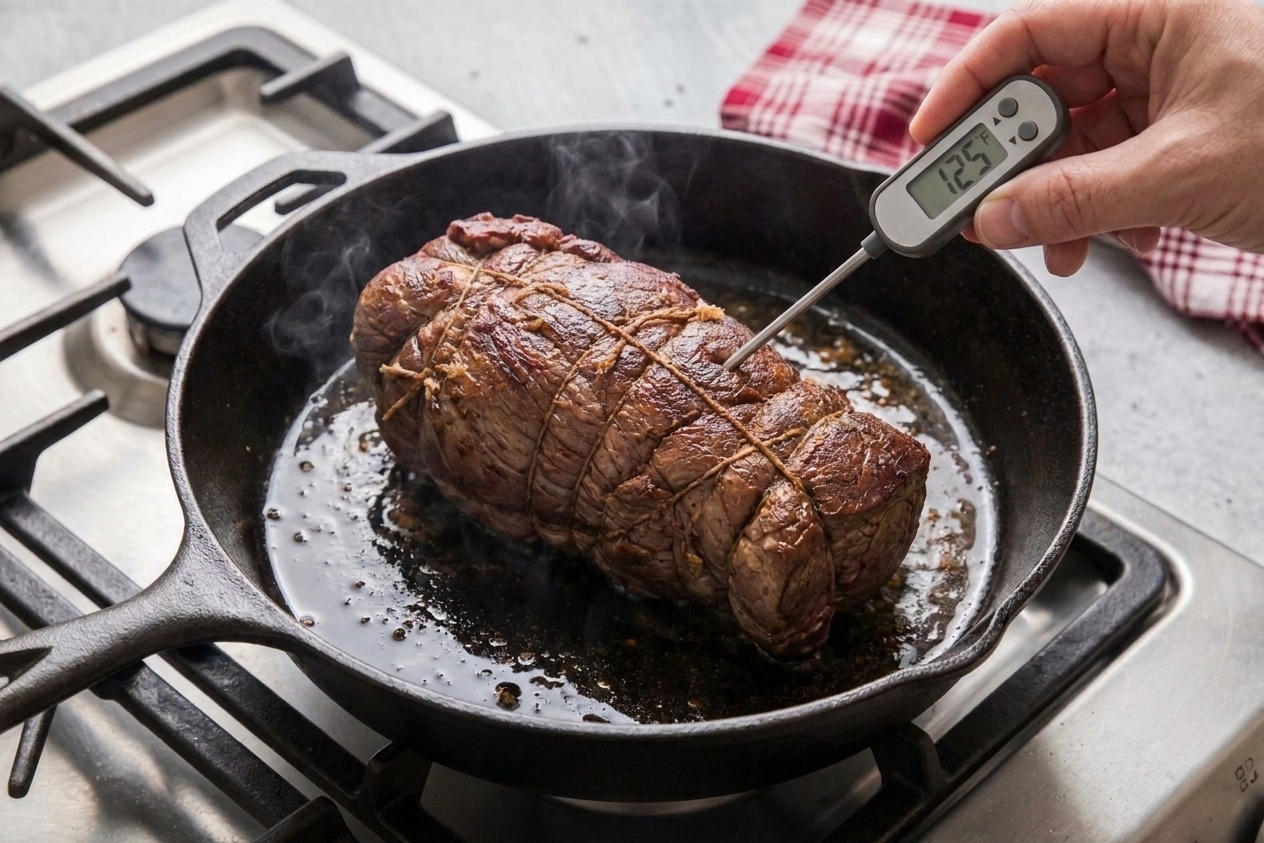
  • Temperature-driven doneness: You cook to an internal temp, so you do not have to guess.
  • Rest time is built in: The roast rests while you make a quick sauce, so everything hits the table hot.

Pairs Well With

Storage Tips

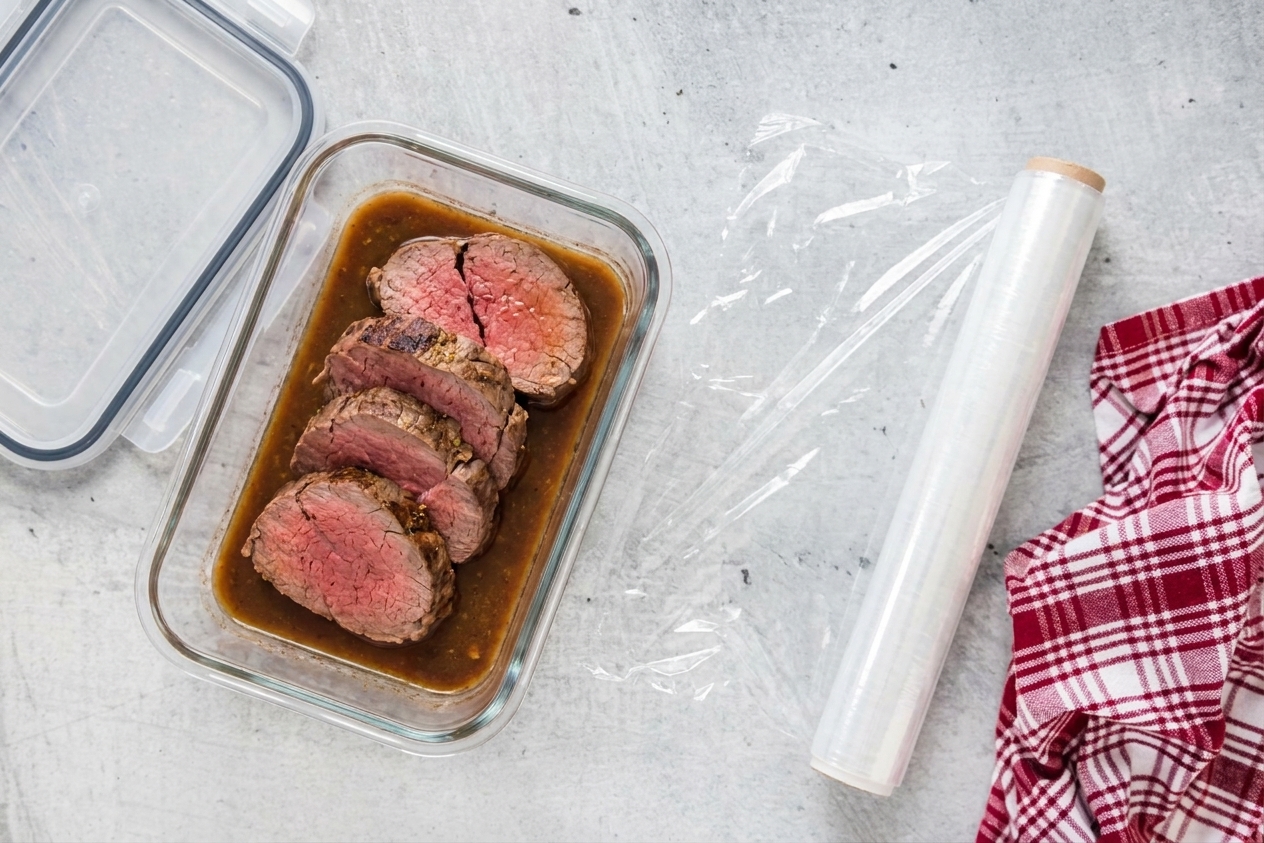
Refrigerate: Cool leftover tenderloin, then wrap tightly or store in an airtight container. Refrigerate up to 3 days.

Freeze: Slice, wrap portions in plastic wrap, then place in a freezer bag. Freeze up to 2 months. Thaw overnight in the fridge.

Reheat without drying it out: Tenderloin is lean, so gentle heat wins. Place slices in a baking dish with a splash of broth or leftover pan sauce, cover with foil, and warm at 275°F until just heated through.

Leftover ideas: Thin slices make an elite sandwich with horseradish mayo, or toss warmed slices into buttery noodles with any extra sauce.

Slices of cooked tenderloin roast stored in a glass container with a little pan sauce, set on a kitchen counter next to plastic wrap

Common Questions

What kind of tenderloin roast is this recipe for, beef or pork?

This is written for a beef tenderloin roast (often sold as center-cut beef tenderloin or châteaubriand). Pork tenderloin is a different cut and cooks differently.

Do I need to trim silver skin or ask the butcher?

If you see a tough, shiny strip (silver skin), it is worth removing because it will not soften as it cooks. Many roasts are sold already trimmed. If you are buying from a butcher, you can simply ask for the tenderloin to be trimmed and tied.

What internal temperature should I cook tenderloin roast to?

Use a thermometer and pull the roast early. It will rise a bit as it rests. Note: Many home cooks (and chefs) prefer the temps below for tenderness and juiciness. USDA guidance for whole cuts is often cited as 145°F with a rest, so follow your comfort level.

  • Rare: pull at 120 to 125°F, rest to 125 to 130°F
  • Medium-rare: pull at 130 to 135°F, rest to 135 to 140°F
  • Medium: pull at 140 to 145°F, rest to 145 to 150°F
  • Medium-well: pull at 150 to 155°F, rest to 155 to 160°F (less tender)
  • Well: pull at 160°F+, rest 165°F+ (expect a drier roast)

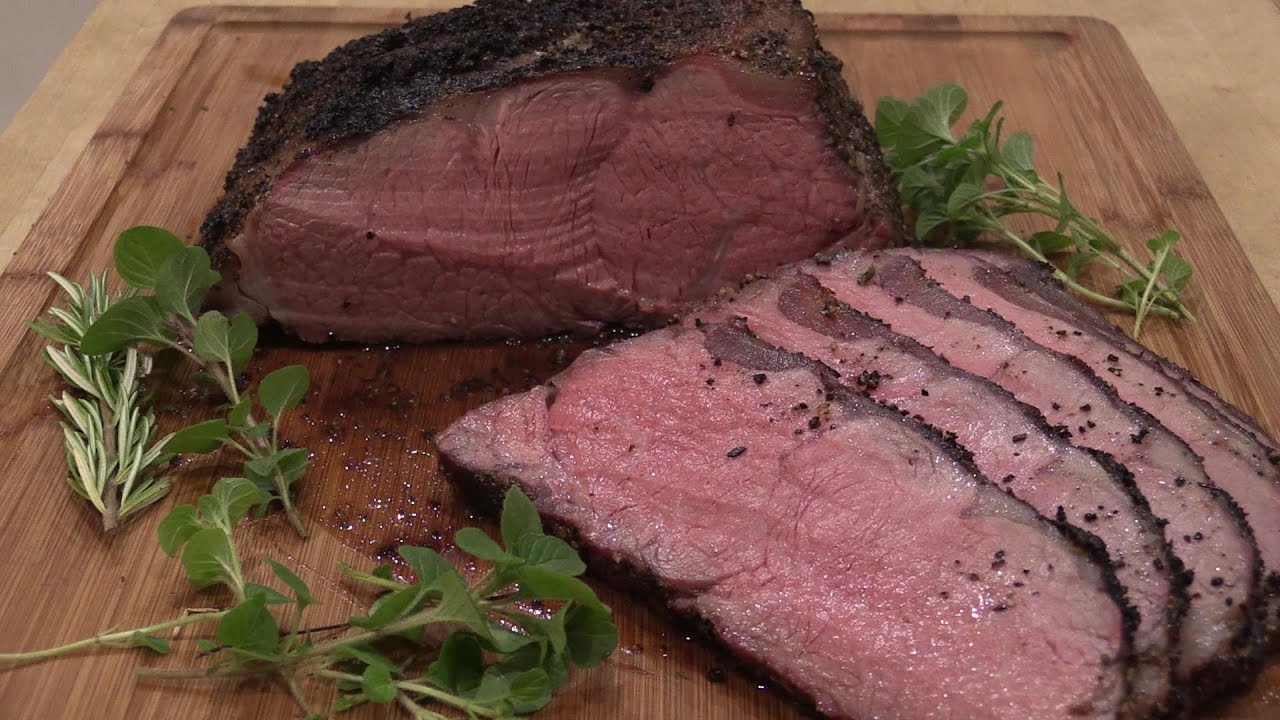
For the most tender result, medium-rare is the sweet spot.

Do I need to tie the tenderloin?

If your roast is uneven in thickness, tying helps it cook more evenly. Many roasts come pre-tied. If yours is not, use kitchen twine to tie it every 1.5 to 2 inches.

Should I let the roast come to room temperature first?

Letting it sit out for 30 to 45 minutes takes the chill off and helps it cook more evenly. Keep it covered and out of direct sun. If you do not have time, you can still cook it, just rely on the thermometer.

Can I skip the sear?

You can, but you will miss out on the best part: the crust and those flavorful browned bits that turn into sauce. If you have an oven-safe pan, it is easy. If not, sear in a skillet and transfer to a roasting pan.

Why did my tenderloin roast turn out dry?

Usually it is one of three things: cooked past medium, no rest time, or reheated too aggressively. Tenderloin is lean, so it has less margin for error than fattier roasts.

I used to think “tenderloin roast” lived in the land of white tablecloths and people who own matching serving platters. Then I started chasing practical skills in the kitchen and realized it is basically a timing exercise with a thermometer. Sear it like you mean it, roast it gently, rest it like it has earned a nap, and suddenly you have a centerpiece that makes your kitchen feel like a restaurant for one night. I love recipes like this because they are confident but not fussy. The goal is not perfection; it is that moment when you slice into it and the board catches a little juice and everyone goes quiet for the first bite.