How do I keep venison roast from drying out?
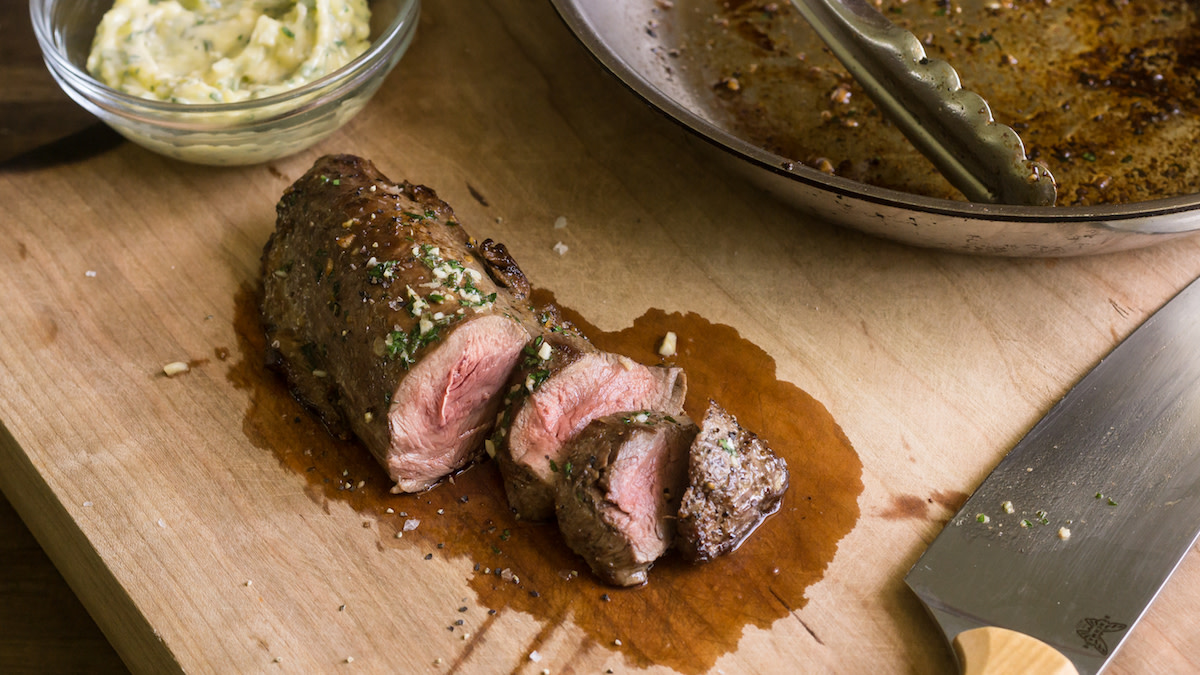
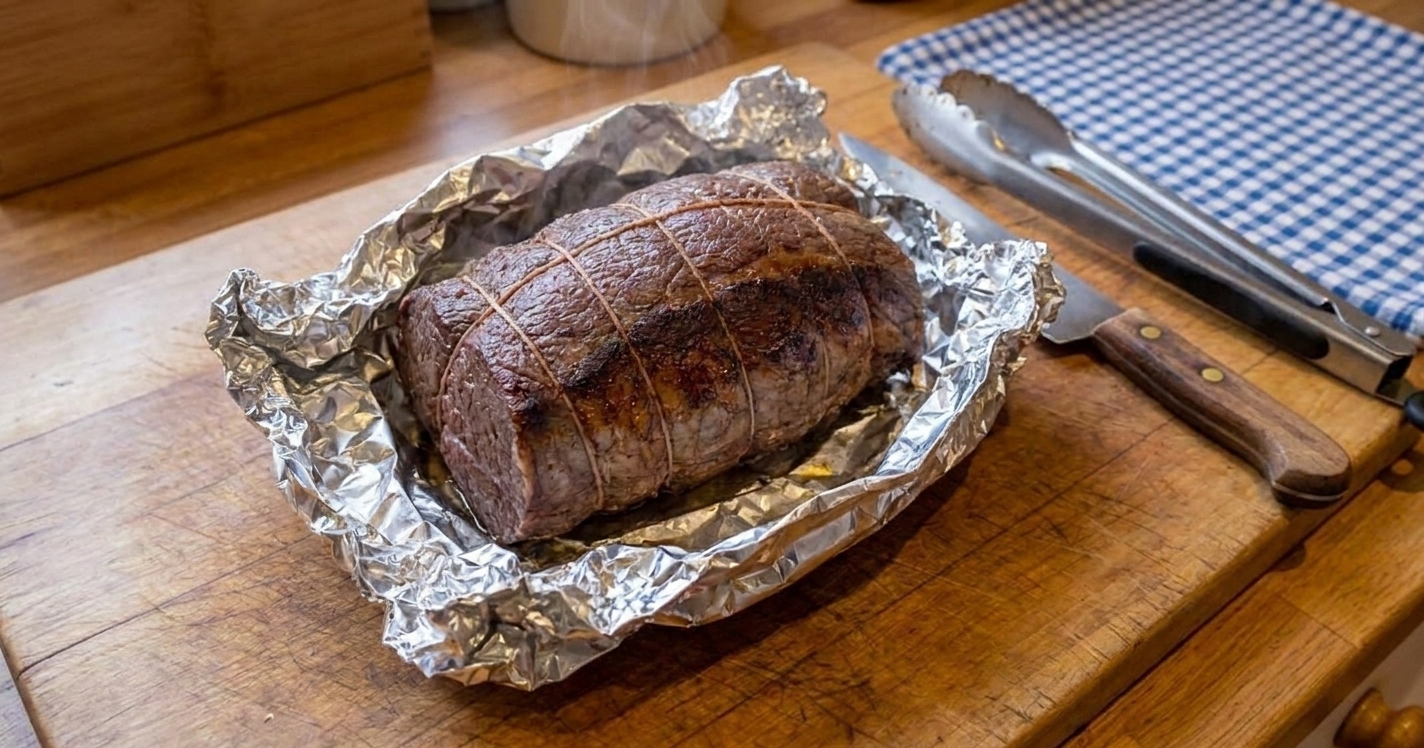
Cook to temperature, not time. Venison is lean, so it goes from tender to dry fast. Use a thermometer and pull it at 130 to 135°F for medium-rare to medium (my preference for tenderness), then rest 15 to 20 minutes. Expect about a 5°F rise as it rests. Also, salt the meat ahead of time if you can.
Is 130°F safe for venison?
Food safety depends on how the meat was handled in the field and your own risk tolerance. Many sources cite 145°F plus a rest for whole cuts, but plenty of cooks prefer a lower pull temperature for juiciness. If you want to align with more conservative guidance, roast to 145°F (then rest). Just know it will be more done and less juicy.
Does venison need to be soaked in milk or buttermilk?
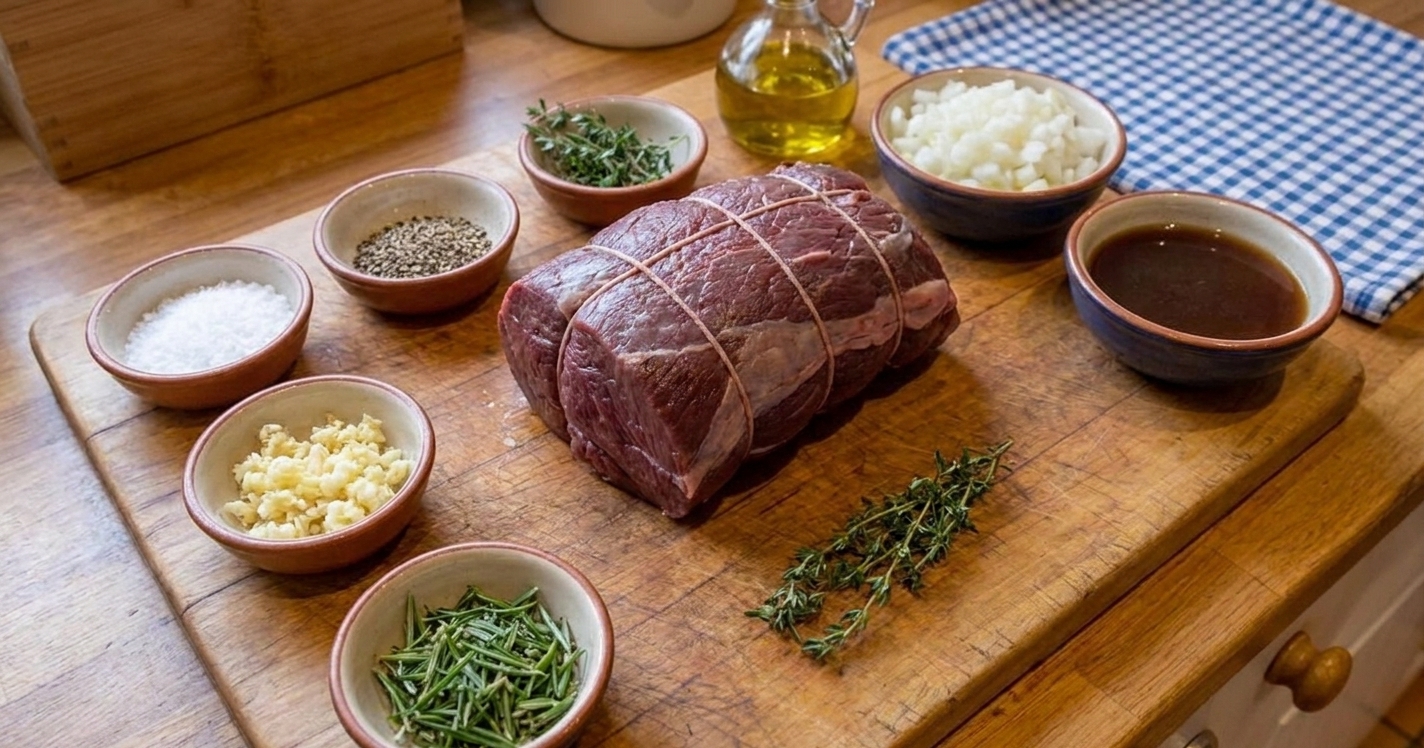
Not required. If your roast is very “wild” tasting or you are sensitive to that flavor, you can soak in buttermilk for 4 to 12 hours, then pat very dry and proceed. I usually skip it and focus on browning, aromatics, trimming, and a good gravy.
What cut of venison is best for this roast?
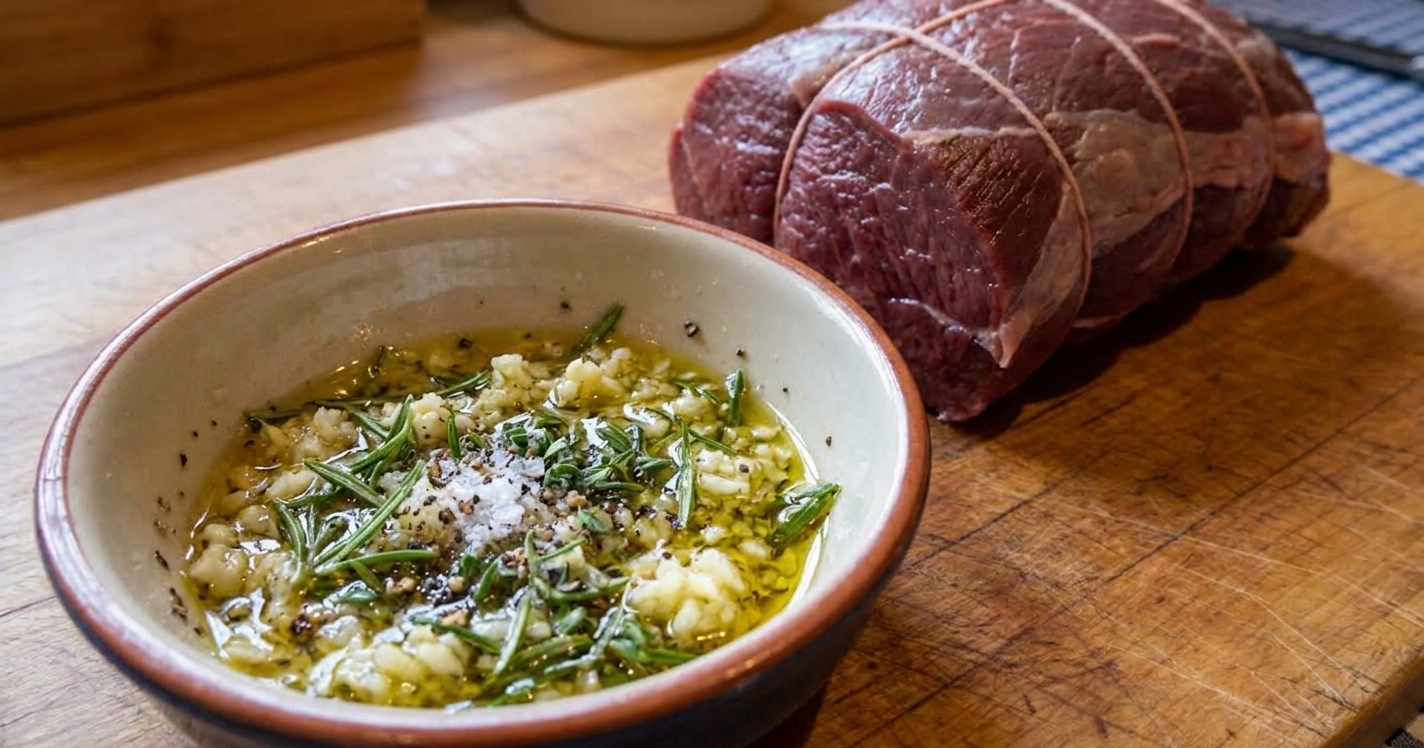
This method is best for a single-muscle hindquarter roast you want to slice (think top round or sirloin tip style). Shoulder or chuck can be tougher and often do better with braising until fork-tender. If your shoulder or chuck roast is well-trimmed and fairly even, you can still use this method, but if it is full of seams and connective tissue, consider a braise instead.
Should I cover the roast?
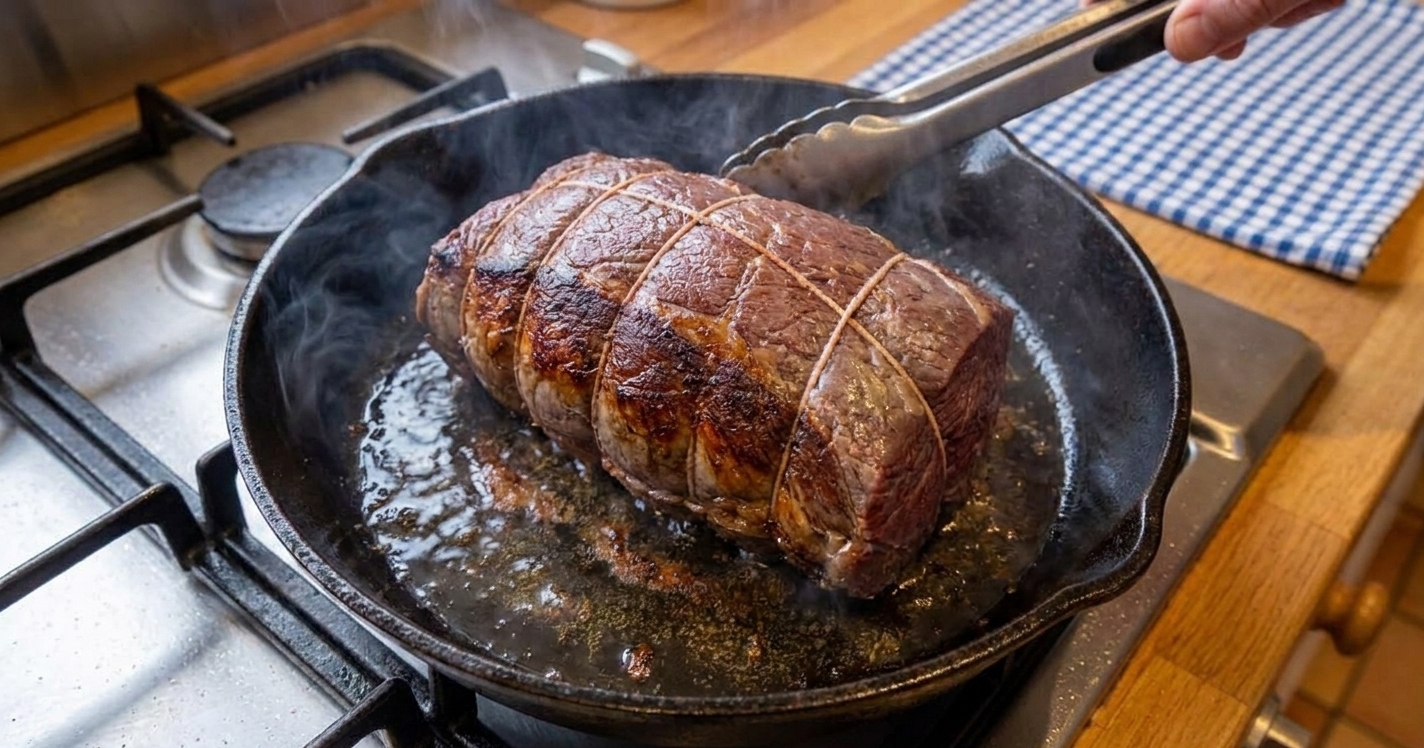
Not for the full cook. Leaving it uncovered helps the outside brown. If the top is getting too dark before it hits temperature, tent loosely with foil.
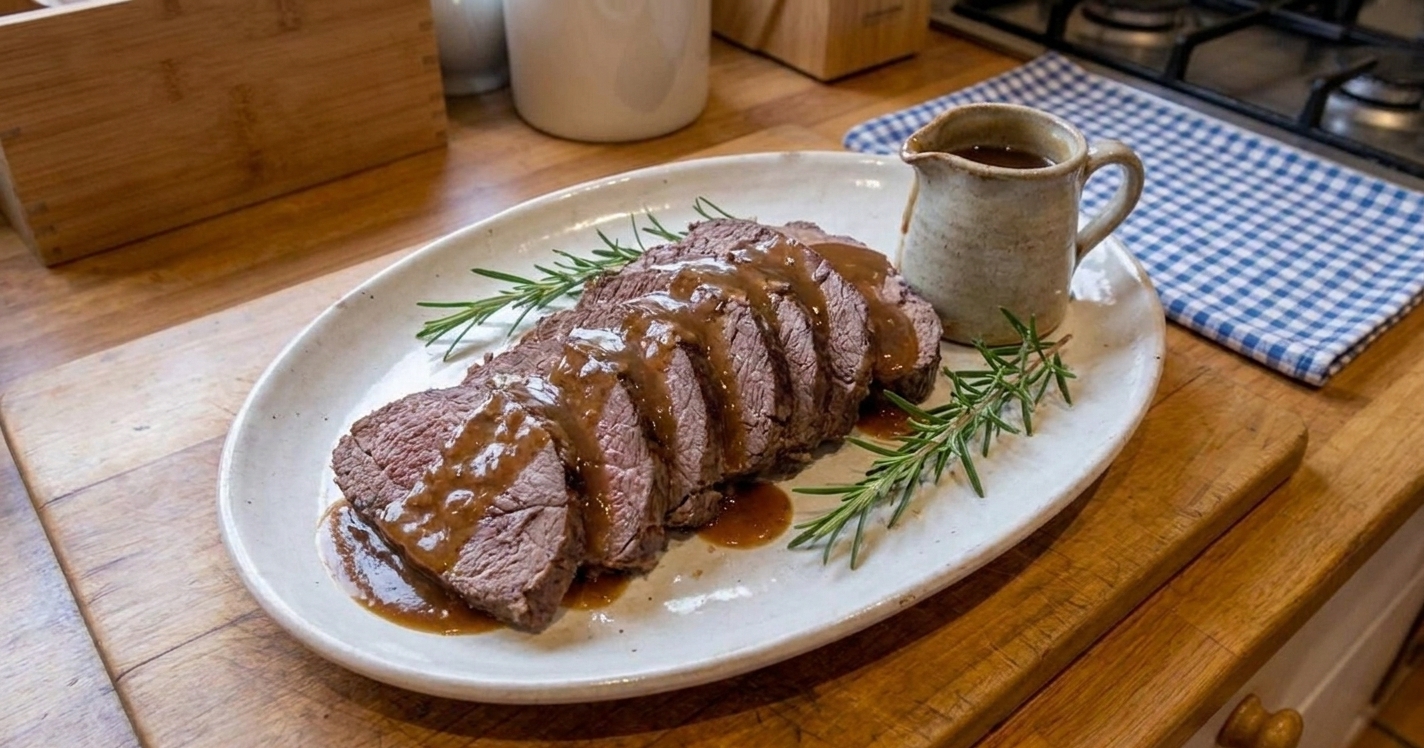
How do I slice venison roast?
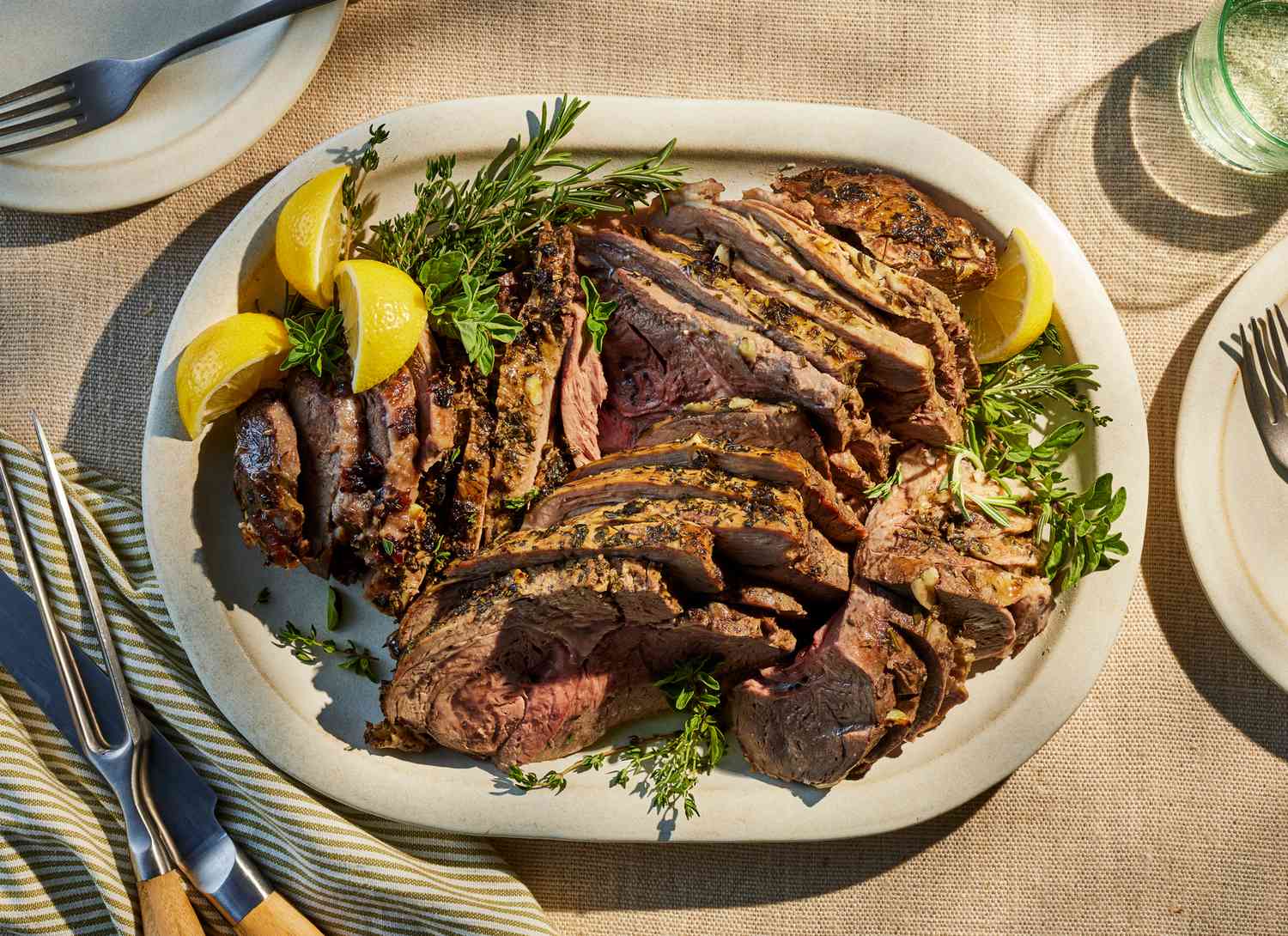
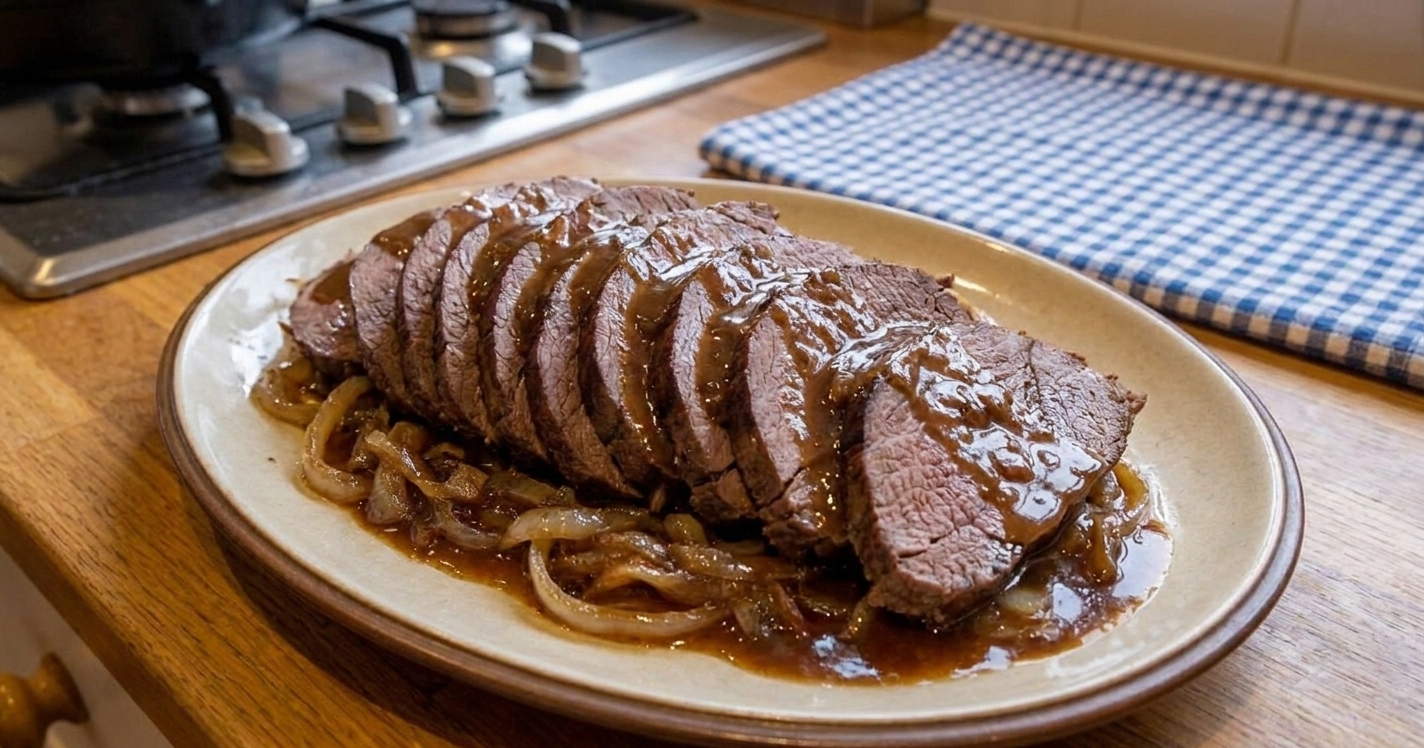
Let it rest, then slice across the grain. Thin slices feel more tender. If you are unsure which way the grain runs, look for the lines in the meat and cut perpendicular to them.