Mom's Best Recipes
Recipe

Ghormeh Sabzi

A classic Persian herb stew with beef, kidney beans, and dried limes, slow-simmered until lush and tangy.

Author By Matt Campbell
4.8
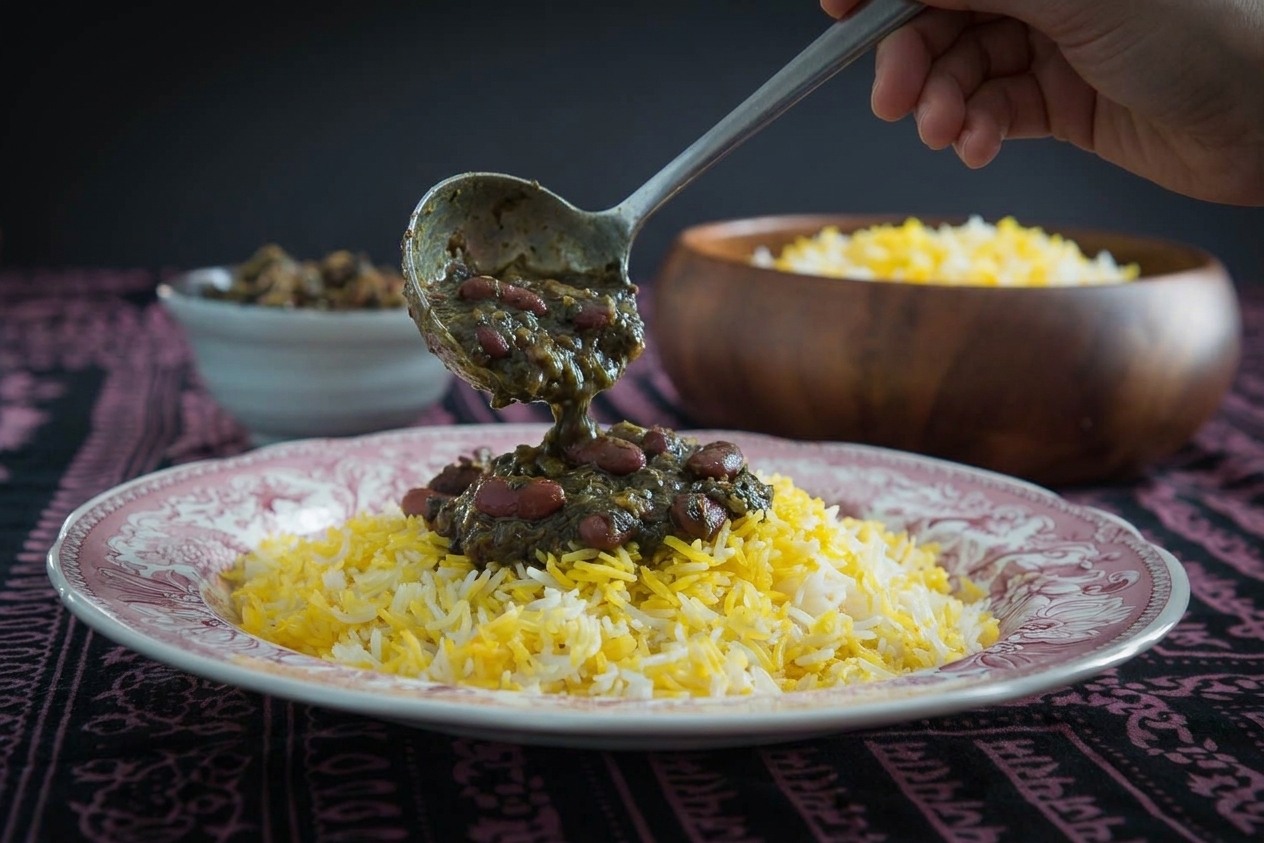
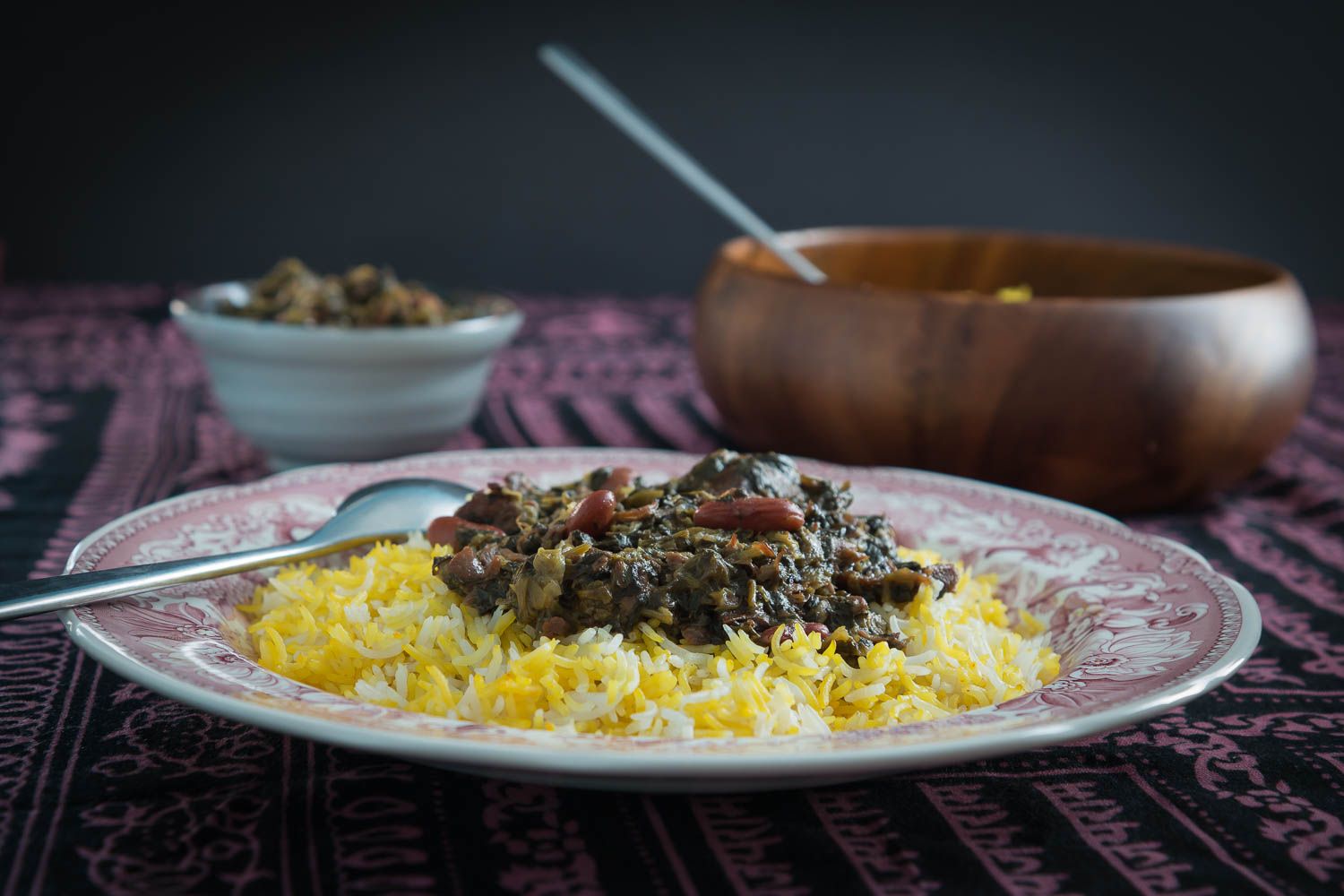
A bowl of ghormeh sabzi with dark green herb stew and tender beef chunks served beside fluffy basmati rice with a saffron-tinted top, on a warm kitchen table with soft natural light

Ghormeh sabzi is one of those dishes that makes your whole house smell like you know what you are doing, even if you are cooking in sweatpants and your sink is full of measuring spoons. It is a Persian herb stew with a deep, savory backbone, a gentle tang from dried limes (the signature move), and a slow simmer that turns simple ingredients into something that tastes like it has history.

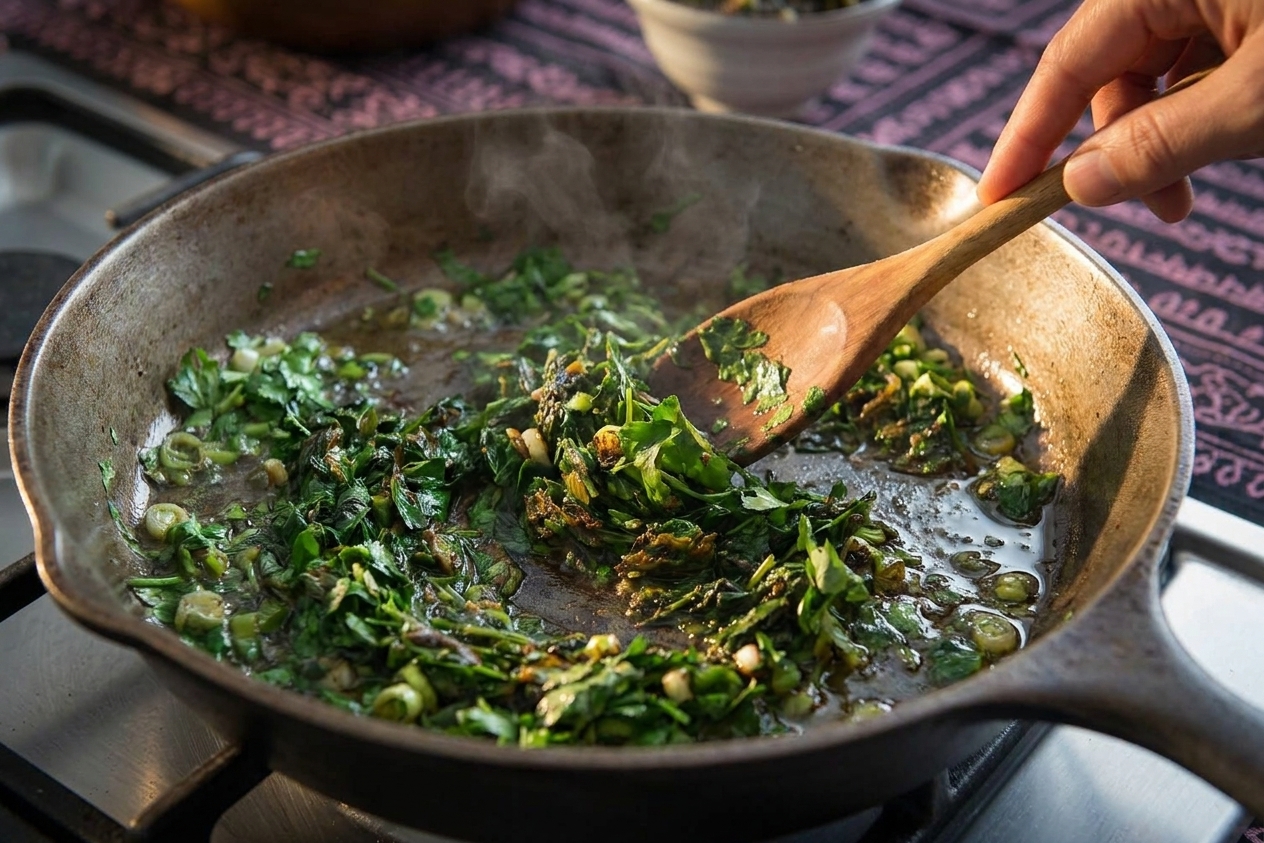
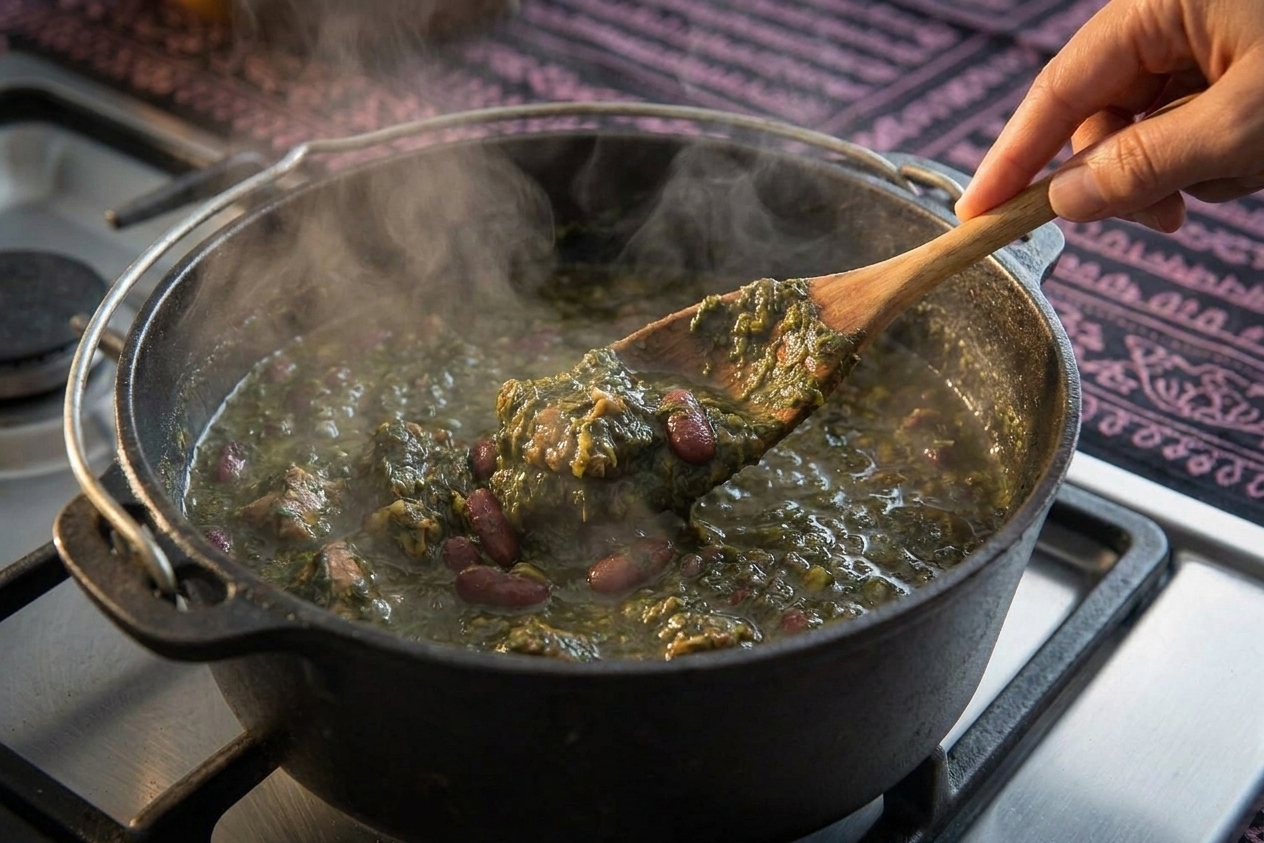
The vibe is cozy, but the flavor is bright. Think: herb-forward like a green curry’s more grounded cousin, with tender beef, creamy kidney beans, and a sauce that begs for basmati rice. If you have never cooked Persian food before, this is a great entry point because the method is straightforward. The only real secret is patience, plus giving the herbs enough time in the pan so they go from “fresh and grassy” to “dark, toasty, and serious.”
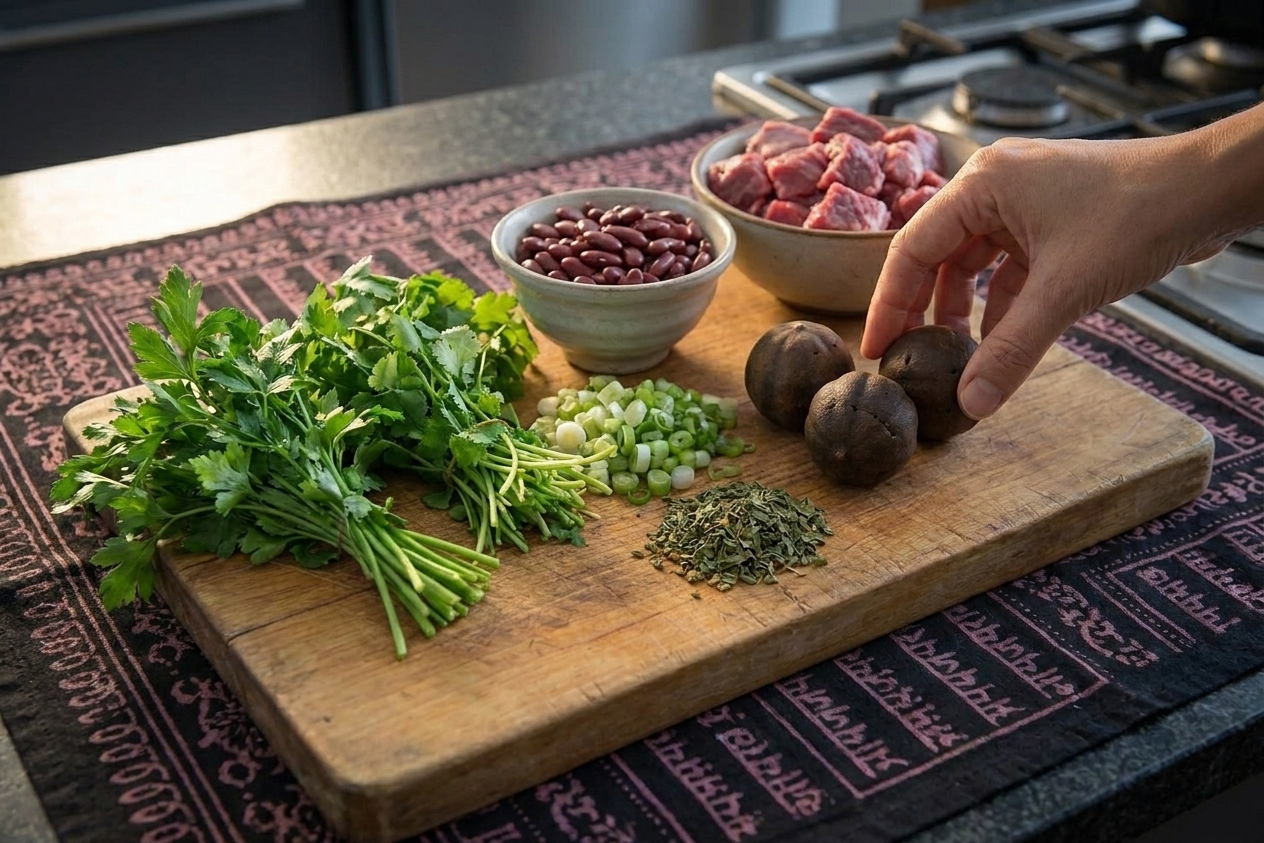
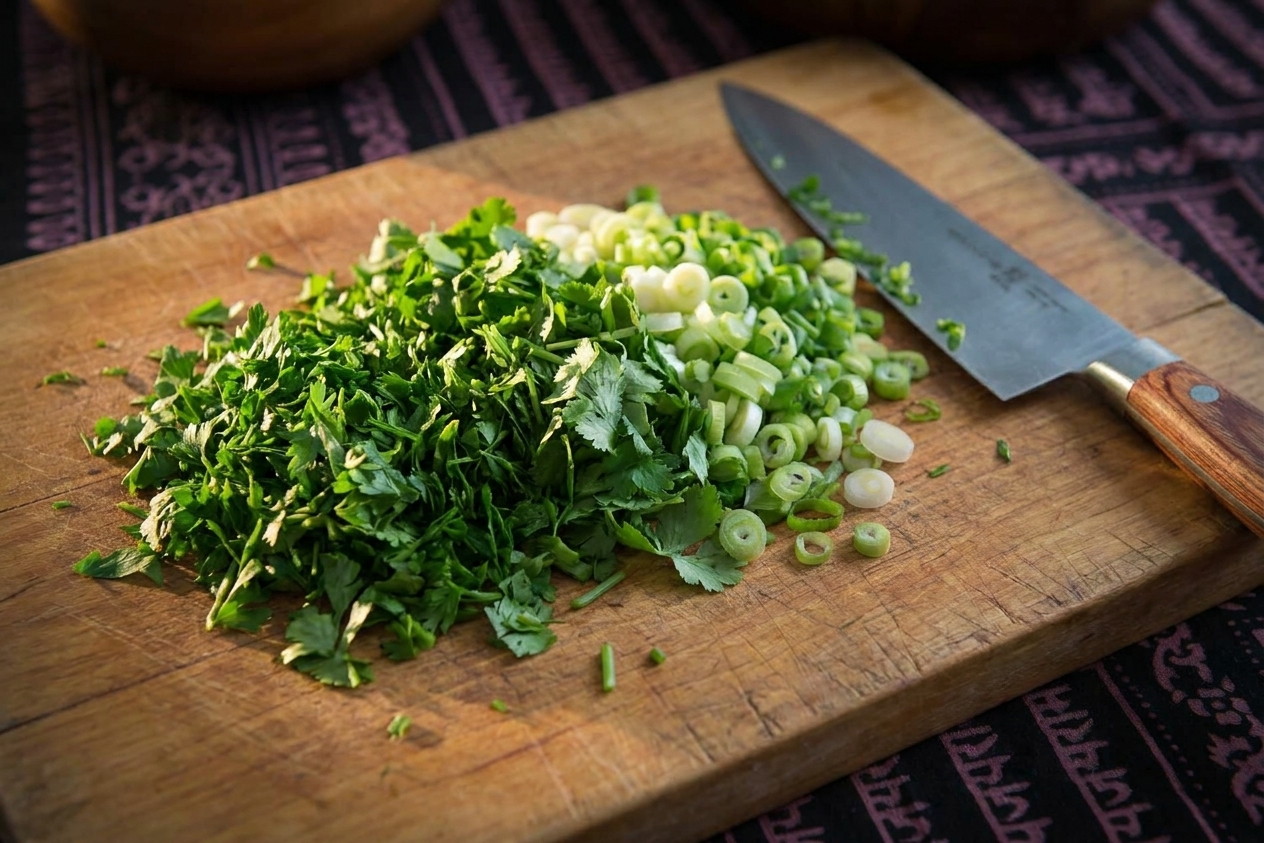
Fresh parsley, cilantro, scallions, dried fenugreek, dried limes, kidney beans, and cubed beef arranged on a wooden kitchen counter with warm natural light

Why It Works

  • Deep herb flavor, not raw greens. We sauté the herbs until they darken and smell nutty. That step is where ghormeh sabzi becomes ghormeh sabzi.
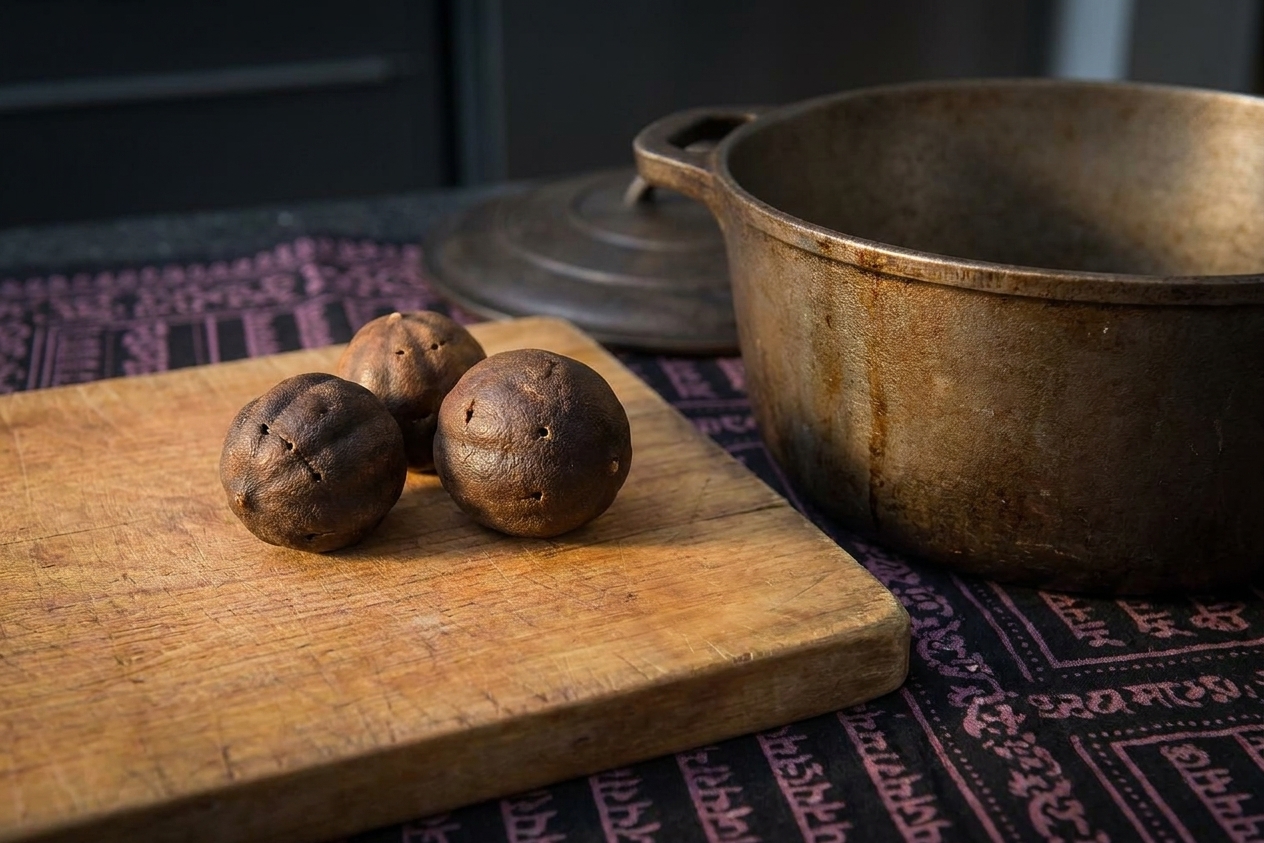
  • Balanced tang. Dried limes (limoo amani) give a unique citrusy, earthy tartness that tastes complex, not sharp.
  • Tender meat, glossy stew. A low simmer lets the beef soften while the beans and herbs thicken the sauce naturally.
  • Accessible ingredients with smart swaps. Fresh herbs plus a pinch of dried fenugreek gets you very close to restaurant-level flavor without a specialty shopping marathon.

Pairs Well With

Storage Tips

Ghormeh sabzi is a leftovers champion. It often tastes even better the next day once the dried lime and herbs have had more time to mingle.

Refrigerate

  • Cool completely, then store in an airtight container for up to 4 days.
  • Keep rice separate if possible so it stays fluffy.

Freeze

  • Freeze in portioned containers for up to 3 months.
  • Leave a little headspace since stews expand as they freeze.

Reheat

  • Warm gently in a saucepan over medium-low heat, stirring occasionally.
  • If it thickens a lot, add a splash of water or low-sodium beef broth.
  • Taste at the end and adjust salt and lime tang. The flavor can mellow after chilling.
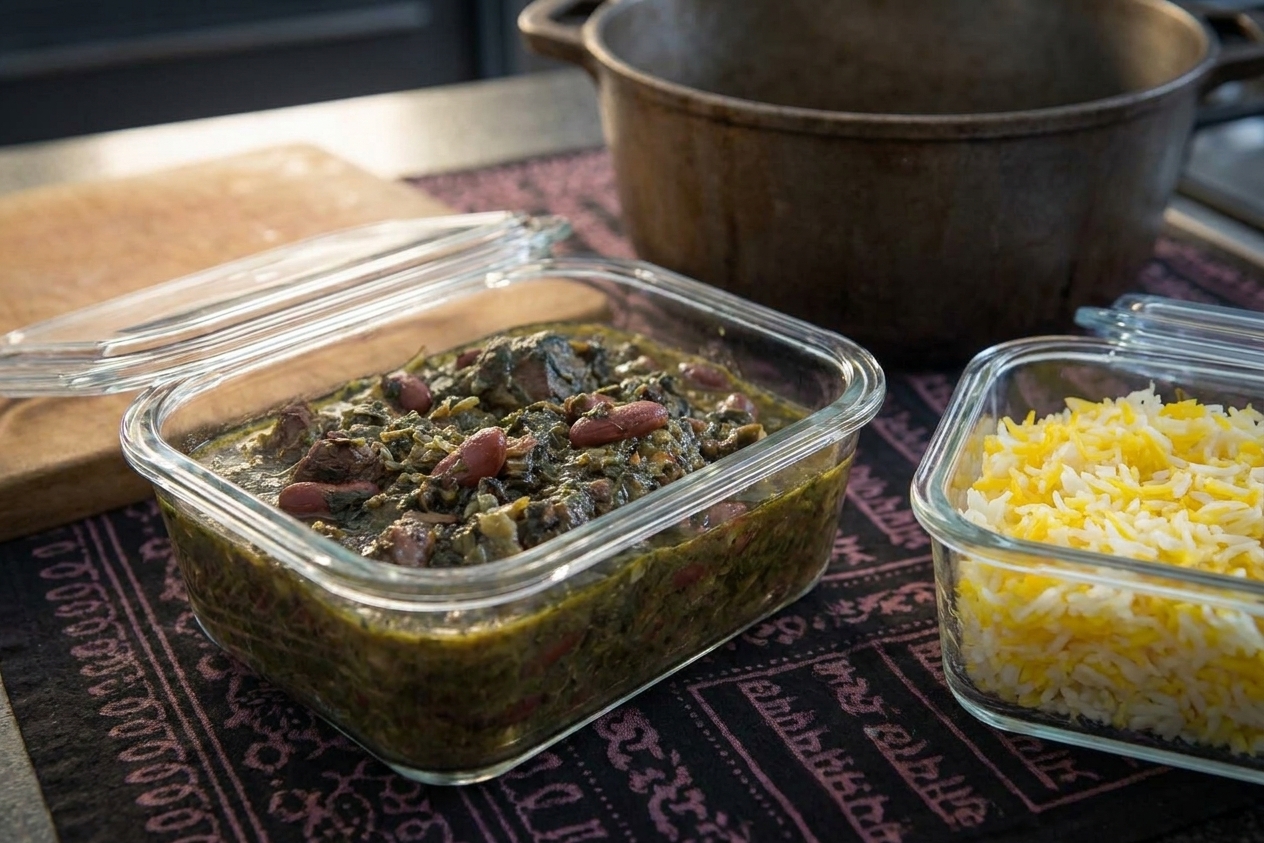
A glass meal prep container filled with leftover ghormeh sabzi stew, covered and set on a kitchen counter next to a small container of basmati rice

Common Questions

What does ghormeh sabzi taste like?

It is savory and herb-forward with a gentle sour note from dried limes. The herbs taste toasted and deep, not like a salad. The overall feel is hearty like a beef stew, but brighter.

Do I have to use dried limes (limoo amani)?

They are the signature flavor, so I strongly recommend them. If you cannot find them, use 2 to 3 tablespoons fresh lime juice added at the end, plus a small strip of lemon peel during simmering for aroma. It will be tasty, but different.

Why do you pierce the dried limes?

Piercing helps them release flavor into the stew. If your dried limes are rock hard, soak them in hot water for 10 minutes first. Either way, pierce them, but do not crush or split them. That is where bitterness likes to hide.

My stew tastes bitter. What happened?

Two common culprits: the dried limes simmered too aggressively or too long (or were cracked open), or you used too much dried fenugreek. Keep the simmer gentle, pierce but do not split the limes, and measure fenugreek with a light hand.

Can I make ghormeh sabzi with chicken or lamb?

Yes. Lamb shoulder is fantastic and traditional in many homes. Chicken thighs work too. For boneless thighs, simmer them for 30 to 40 minutes or until tender and 165°F/74°C in the thickest part. For bone-in thighs, plan on 40 to 50 minutes. Add chicken after the herbs and liquid go in so it stays juicy.

Is ghormeh sabzi gluten-free?

Yes, as written. Just double-check your canned beans and broth if you use broth.

Do you leave the dried limes in when serving?

You can, but many people remove them before serving so no one accidentally bites into a super-sour pocket. If you love the tang, leave them in and just warn your table.

The first time I made ghormeh sabzi, I thought, “There is no way this many herbs are going to turn into something this rich.” Then the kitchen did that magic trick where it starts smelling like toasted greens and onions, and suddenly you are standing over the pot stirring like it is your job. I love this dish because it rewards a little chaos. Herbs everywhere, steam on the cabinets, and that moment when you taste the broth and the dried lime tang hits. It is bold, comforting, and it makes plain rice feel like a real plan.