Mom's Best Recipes
Recipe

Ginger Bug

A bubbly wild-fermented starter made from ginger, sugar, and water that jumpstarts naturally carbonated homemade sodas.

Author By Matt Campbell
4.8
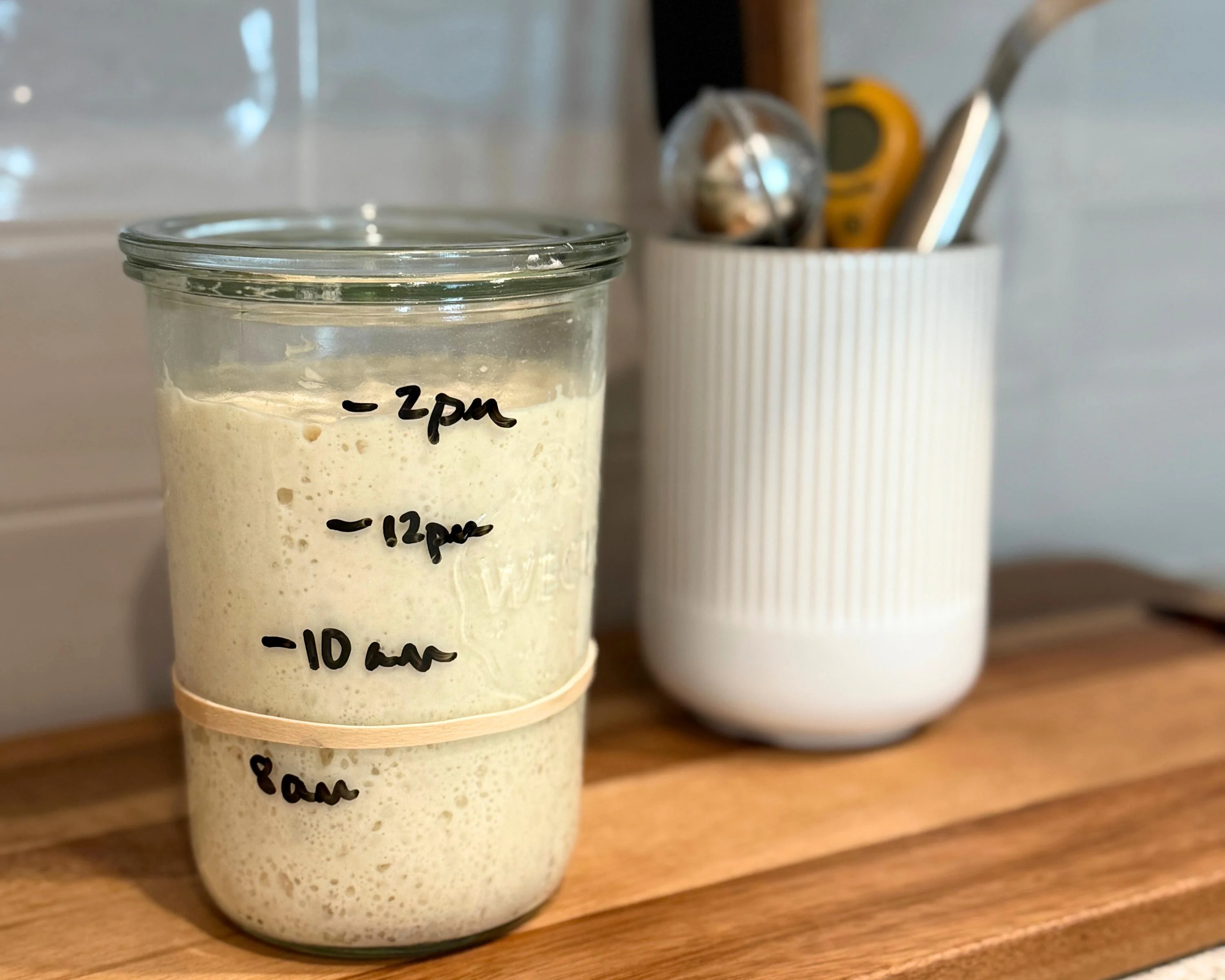
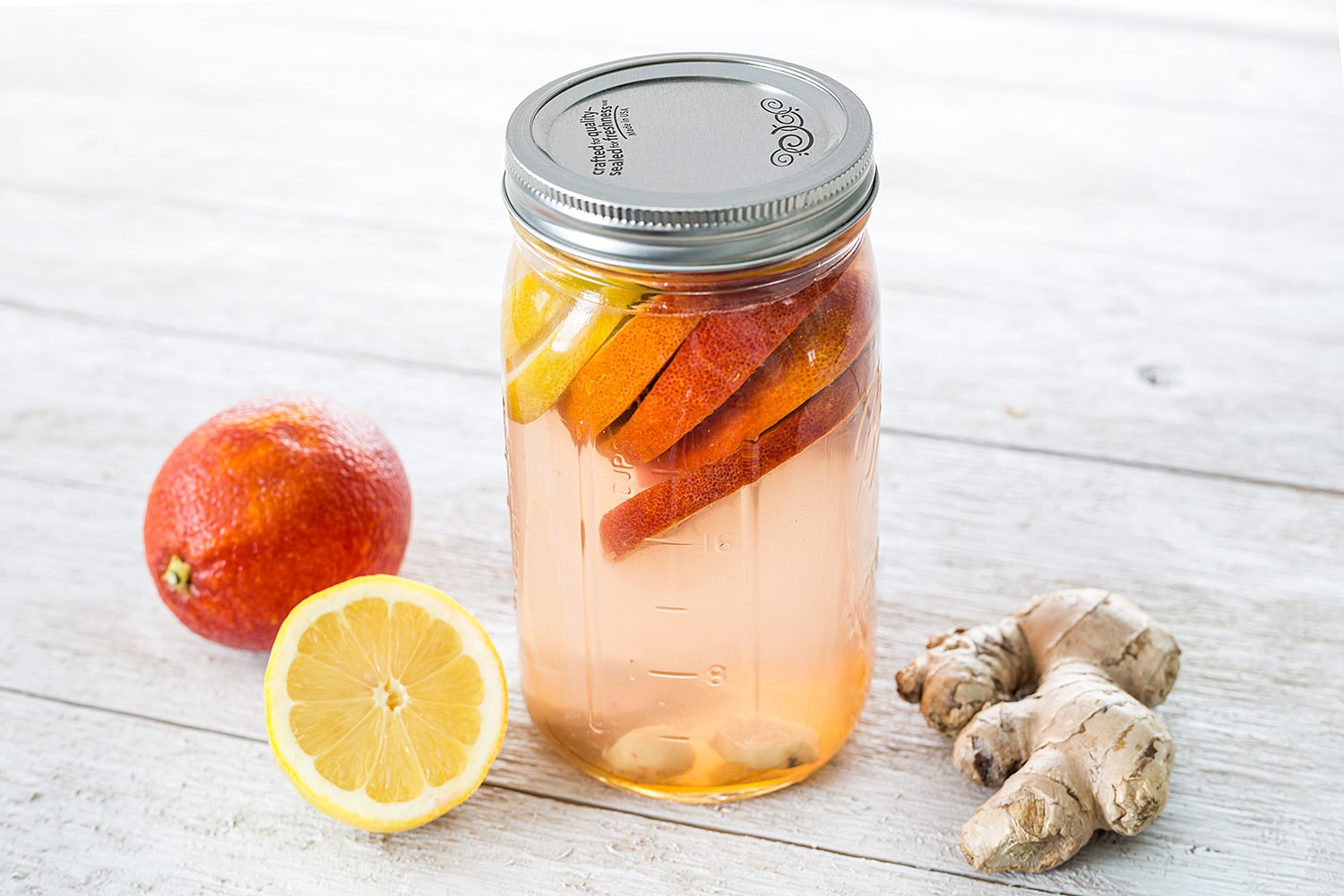
A clear glass jar of active ginger bug starter with visible bubbles and sliced ginger on a bright kitchen counter

If you have ever wanted homemade soda that tastes like real ingredients and not a melted gummy bear, a ginger bug is your new kitchen side quest. It is a tiny wild fermentation starter made from fresh ginger, sugar, and water. You feed it for a few days until it gets lively, then you use that bubbly liquid to carbonate things like ginger ale, fruit sodas, and even lemonade.

The vibe here is low drama and high reward. No fancy equipment required, no commercial yeast packets, and no mysterious powders. Just a jar, some ginger, and a little patience. The payoff is that crisp, natural fizz that makes you pause mid-sip and think, okay, wow.

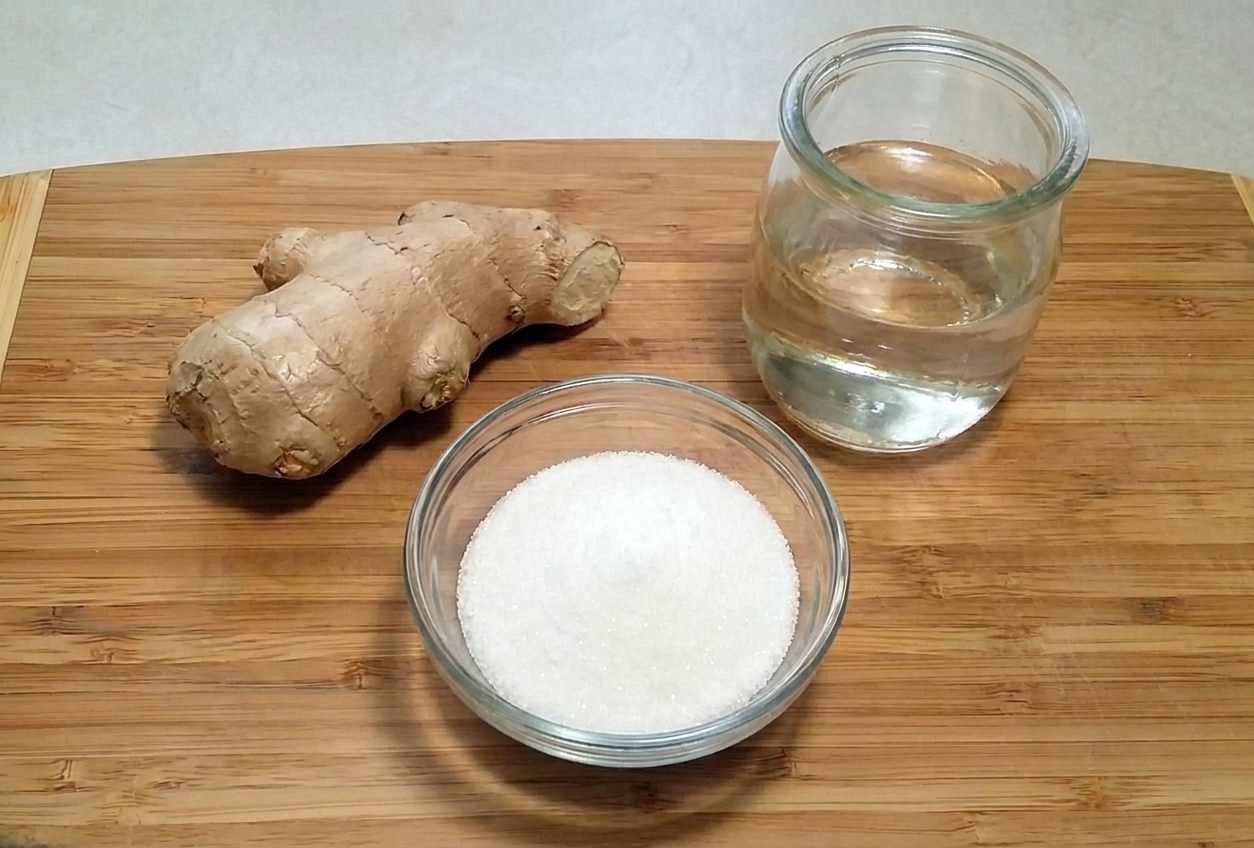
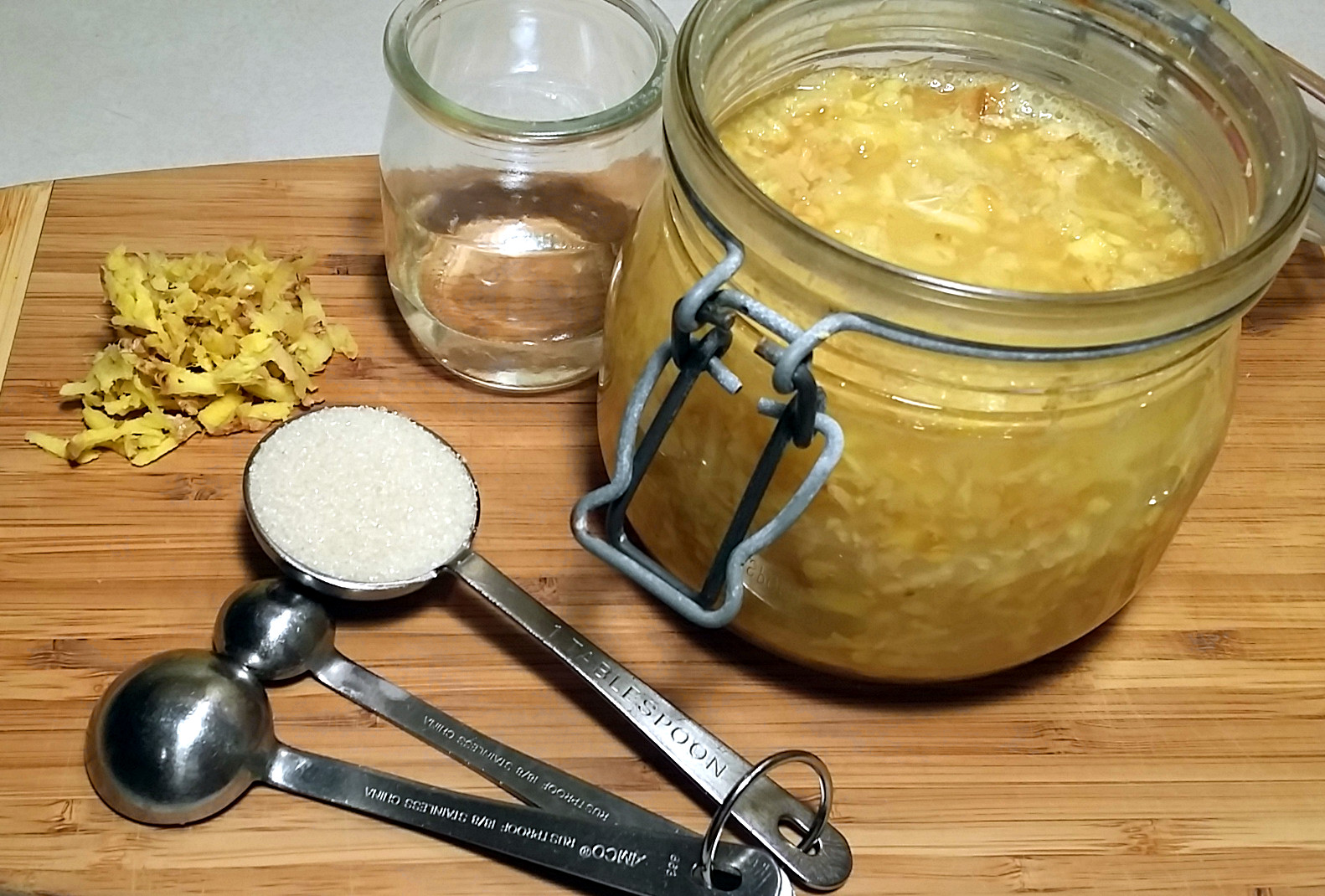
Fresh ginger root, a small bowl of sugar, and a jar of water on a clean kitchen counter

Why It Works

This ginger bug method works because you are encouraging naturally occurring yeasts and friendly bacteria that live on fresh ginger (and in your kitchen environment) to multiply in a sweet, watery environment.

  • Fast flavor build: Ginger brings heat and aroma right from day one, so even the starter smells inviting, not funky.
  • Reliable activity cues: You will know it is working when you see bubbles, hear a faint hiss when stirred, and smell a lightly sweet, spicy, slightly tangy aroma.
  • Flexible and forgiving: If it slows down, you usually just warm it up a bit and feed it again.
  • Sets you up for real fizz: Once active, the bug provides the microbes that create carbonation in sealed bottles.

Pairs Well With

Storage Tips

How to Store and Maintain Your Ginger Bug

Short-term (active on the counter): Keep the jar at room temperature, loosely covered (lid set on top or cloth with a rubber band). Feed it daily with ginger and sugar until it is consistently bubbly.

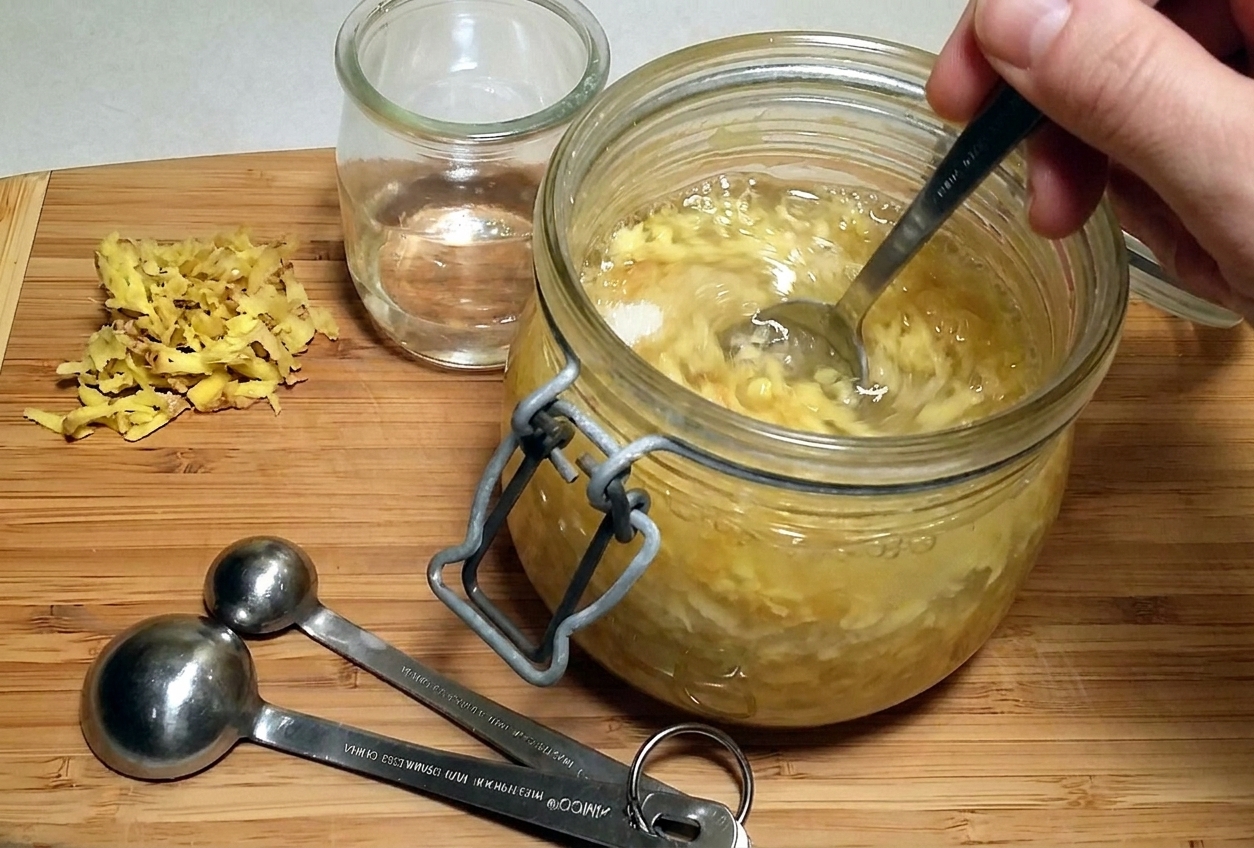
In the fridge (maintenance mode): Once your bug is active, you can refrigerate it with a lid on. Feed it about every 1 to 2 weeks with 1 tablespoon sugar and 1 tablespoon grated ginger. If it has been sitting a while, let it hang out at room temperature for a few hours after feeding to wake up before returning it to the fridge.

Before making soda: Take it out of the fridge and feed it for 1 to 2 days at room temperature. Use it when it is fizzy and fragrant.

Straining: You can keep the ginger pieces in the jar, but if it gets too crowded with ginger pulp, strain out some solids and add fresh ginger back in.

Discard rule: If you ever see fuzzy mold (green, black, pink, or white fuzz) or it smells rotten or strongly solvent-like, throw it out and start over. A little sediment is normal. A thin, smooth film can happen, but fuzz is a no.

Common Questions

What is a ginger bug?

A ginger bug is a wild-fermented starter made by feeding fresh ginger and sugar in water for a few days. When it becomes bubbly, you use the strained liquid to inoculate sweet beverages so they carbonate naturally in sealed bottles.

How long does a ginger bug take to become active?

Usually 2 to 5 days, depending on the temperature of your kitchen and how fresh your ginger is. Warmer rooms ferment faster. If your kitchen is cool, expect closer to 5 to 7 days.

How do I know my ginger bug is ready?

Look for steady bubbles rising after a feeding, a light fizz when you stir, and a pleasant ginger aroma that is sweet and slightly tangy. A good test is: feed it, wait 6 to 12 hours, and see if it looks noticeably more active.

Do I need organic ginger?

Not strictly, but very fresh ginger (and ginger that has not been heavily treated) can be more reliable for getting a lively bug going. Organic can be a good option, but it is not a guarantee of anything magical. Whatever you buy, scrub it well and use the peel.

Should I peel the ginger?

Nope. The wild microbes you want are generally on the ginger’s surface, especially the peel and little crevices. Just scrub it thoroughly and chop or grate it.

Why is my ginger bug not bubbling?

  • Too cold: Move it to a warmer spot (around 70 to 78°F is great).
  • Too hot: If your kitchen is very warm, fermentation can race ahead and get temperamental. Move it to a slightly cooler spot and keep an eye on it.
  • Chlorinated water: Use filtered water or let tap water sit out overnight.
  • Not enough food: Keep the daily feedings consistent.
  • Ginger quality: Try a new knob of ginger, ideally very fresh.

Is it safe?

When it smells fresh and pleasantly tangy and you do not see mold, it is generally considered safe in the same way other home ferments are. Use clean jars and utensils. When you bottle soda, use bottles rated for pressure and monitor carbonation closely to avoid over-carbonation.

What are the bad signs?

Throw it out if you see fuzzy mold (green, black, pink, or white fuzz) or if it smells rotten, putrid, or strongly like nail polish remover or solvent. When in doubt, discard and start over.

Can I make it without sugar?

Not really. The sugar is the fuel that helps the fermentation happen. You can use white sugar, raw sugar, or cane sugar. Honey can work but is less predictable.

What can I use ginger bug for?

Homemade ginger ale, lemon soda, pineapple soda, apple soda, and basically any sweetened juice or tea you want to carbonate. Think of it as your DIY soda yeast.

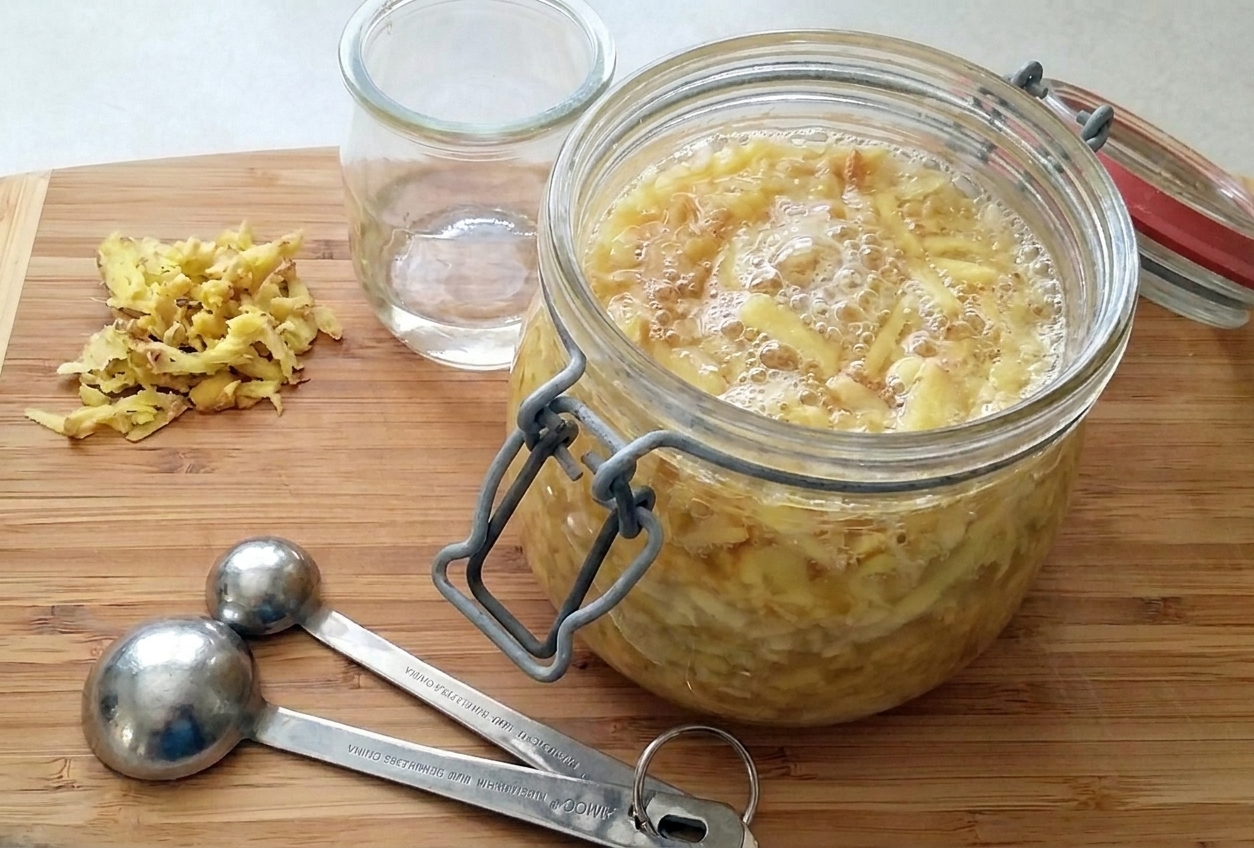
The first time I made a ginger bug, I treated it like a moody science project. I kept checking it like it owed me rent, stirring it every time I walked by. Then one morning it finally looked alive, tiny bubbles racing up the sides, and it smelled like fresh ginger candy with a whisper of tartness. I used it to carbonate lemon juice and a little sugar, and the fizz was the kind that makes you grin because you did not buy it. You made it.