Mom's Best Recipes
Recipe

Glazed Donuts

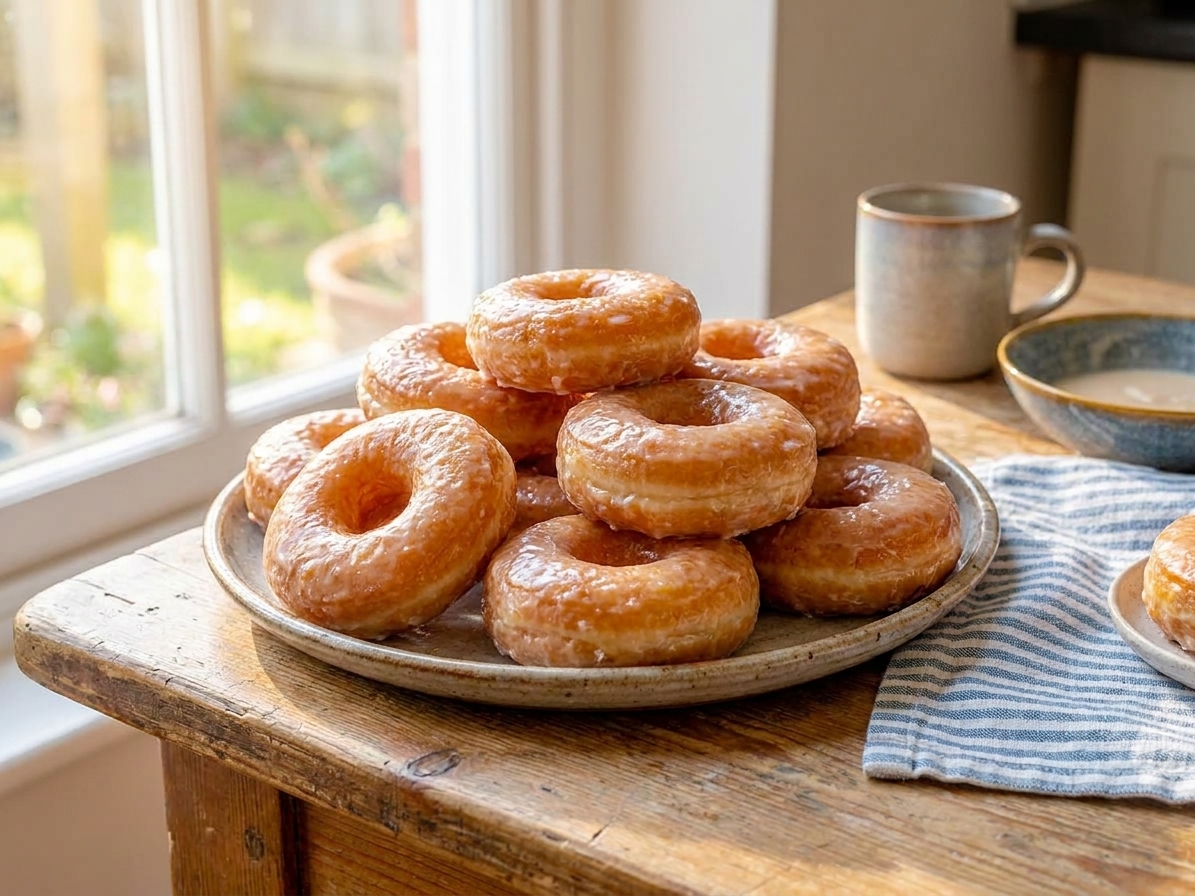
Fluffy yeast donuts with a crackly-sweet vanilla glaze that sets glossy like the shop ones.

Author By Matt Campbell
4.8
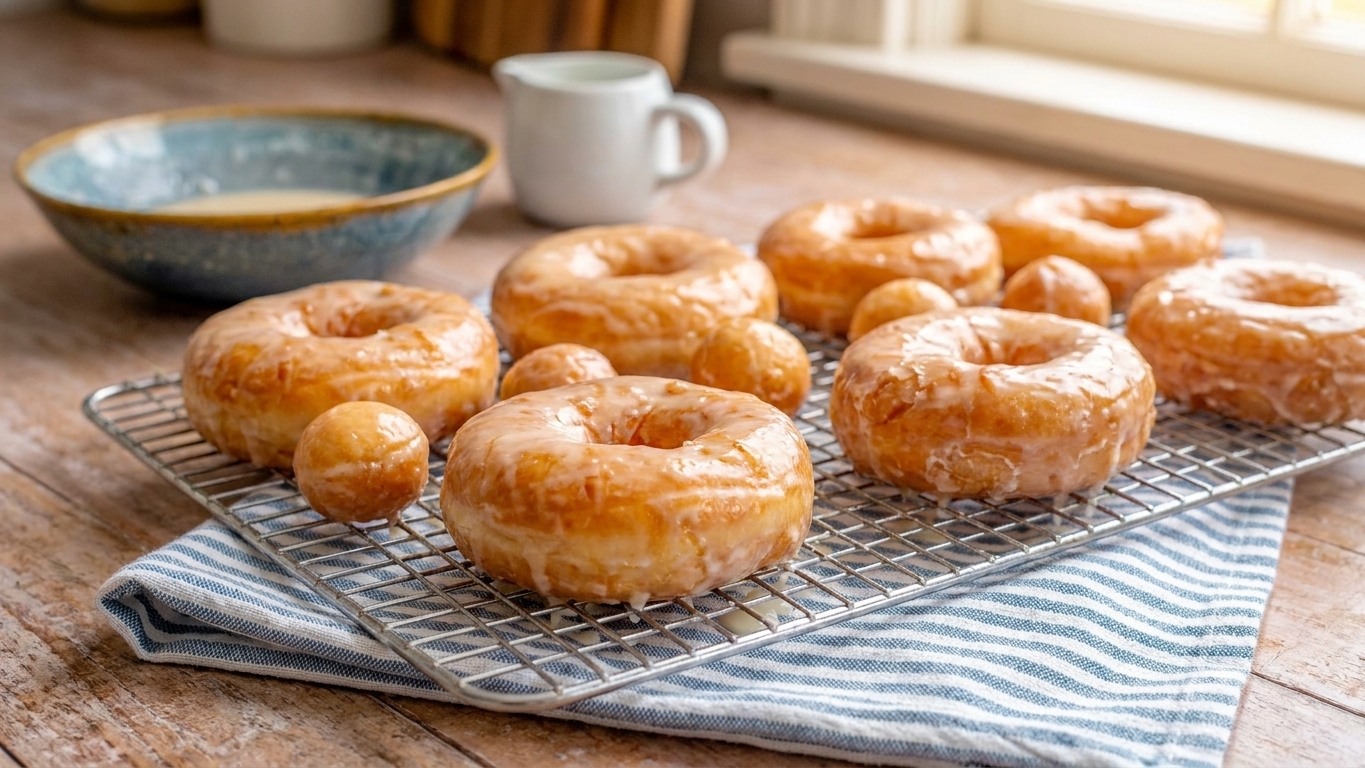
A tray of freshly glazed yeast donuts with a glossy vanilla sheen on a parchment-lined baking sheet

There are two kinds of mornings: the ones where you’re a responsible adult with yogurt, and the ones where you look at your kitchen and think, I could make glazed donuts right now. This recipe is for the second kind, but it is still very doable on a normal-human timeline.

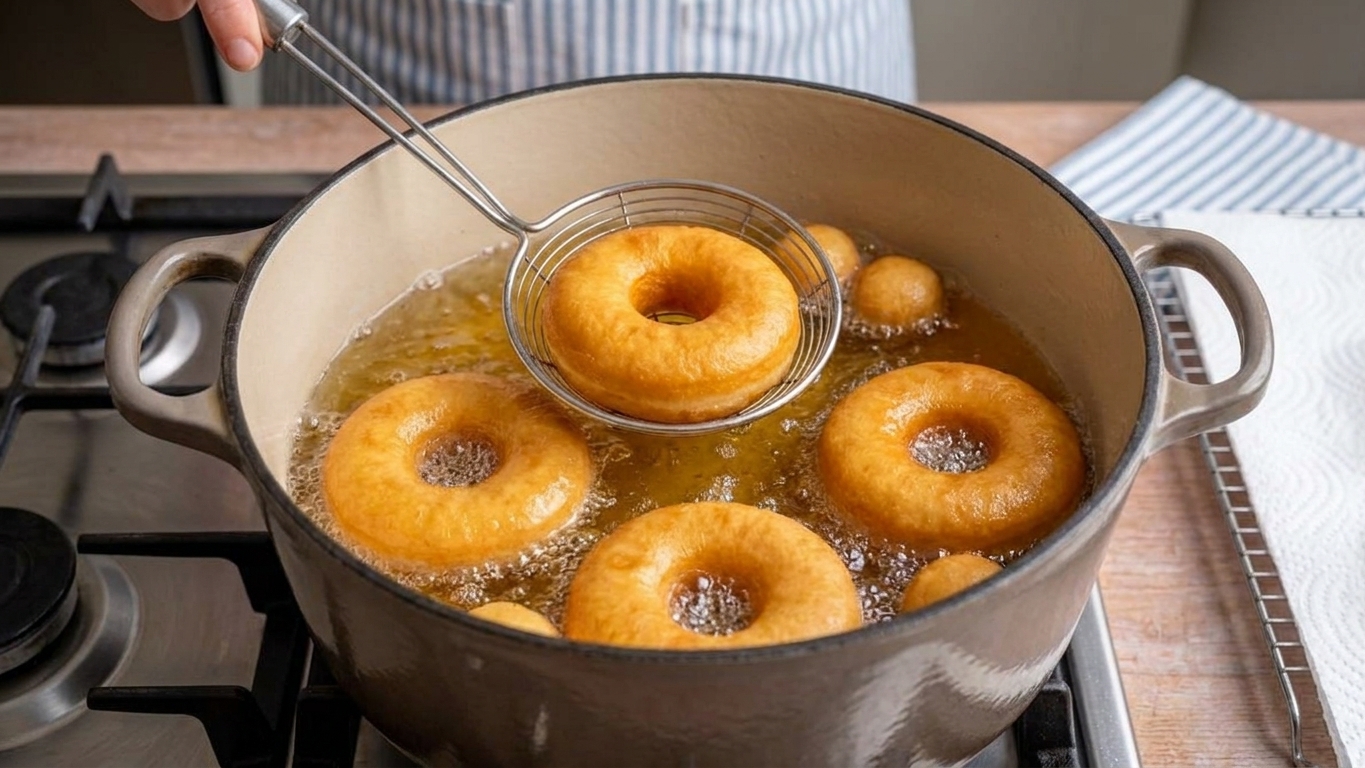
These are classic yeast-raised donuts. They fry up with crisp, lacy edges, stay soft and bouncy inside, and then take a quick dip in a vanilla glaze that sets into that shiny, thin shell. The kind that makes you pause mid-bite like, okay, wow.

No specialty flour. No mystery additives. Just a few small moves that make them feel donut-shop legit: a gentle dough, a proper proof, and oil that stays in the sweet spot.

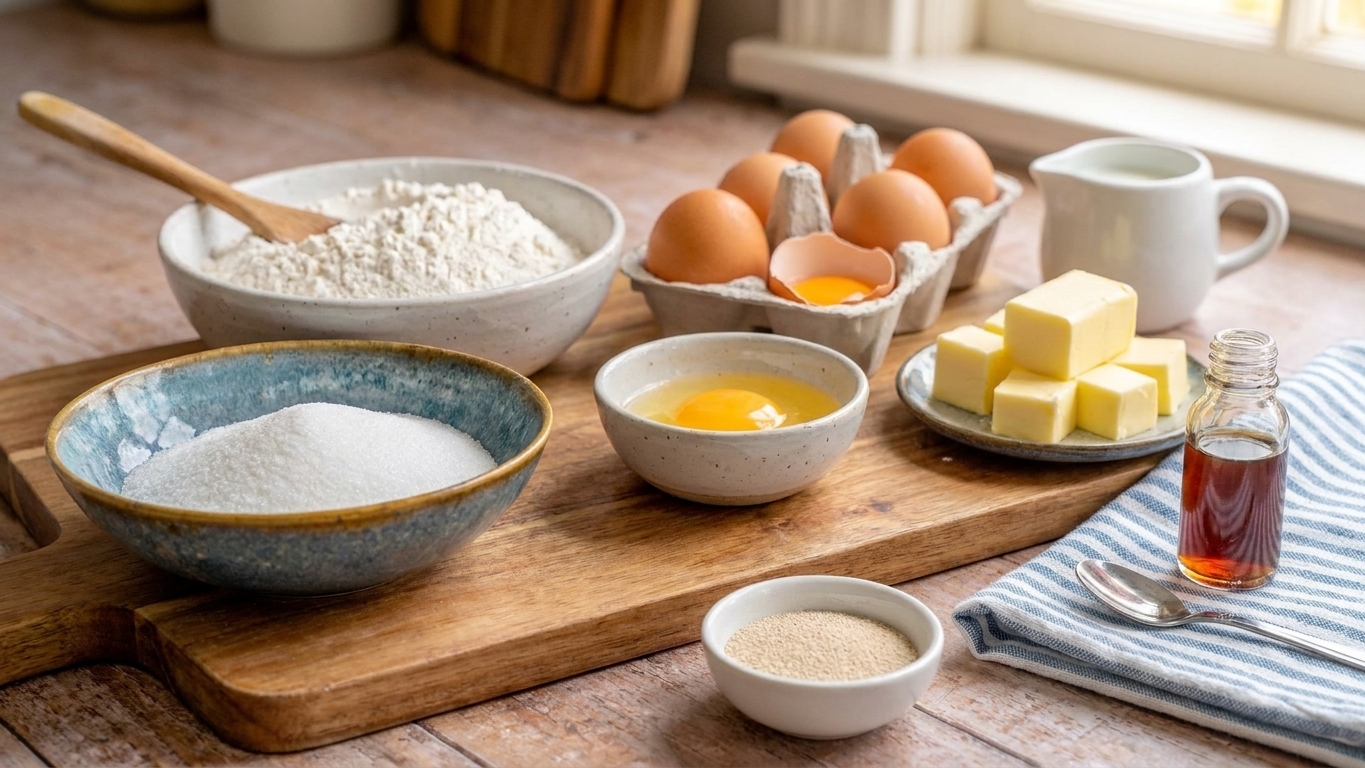
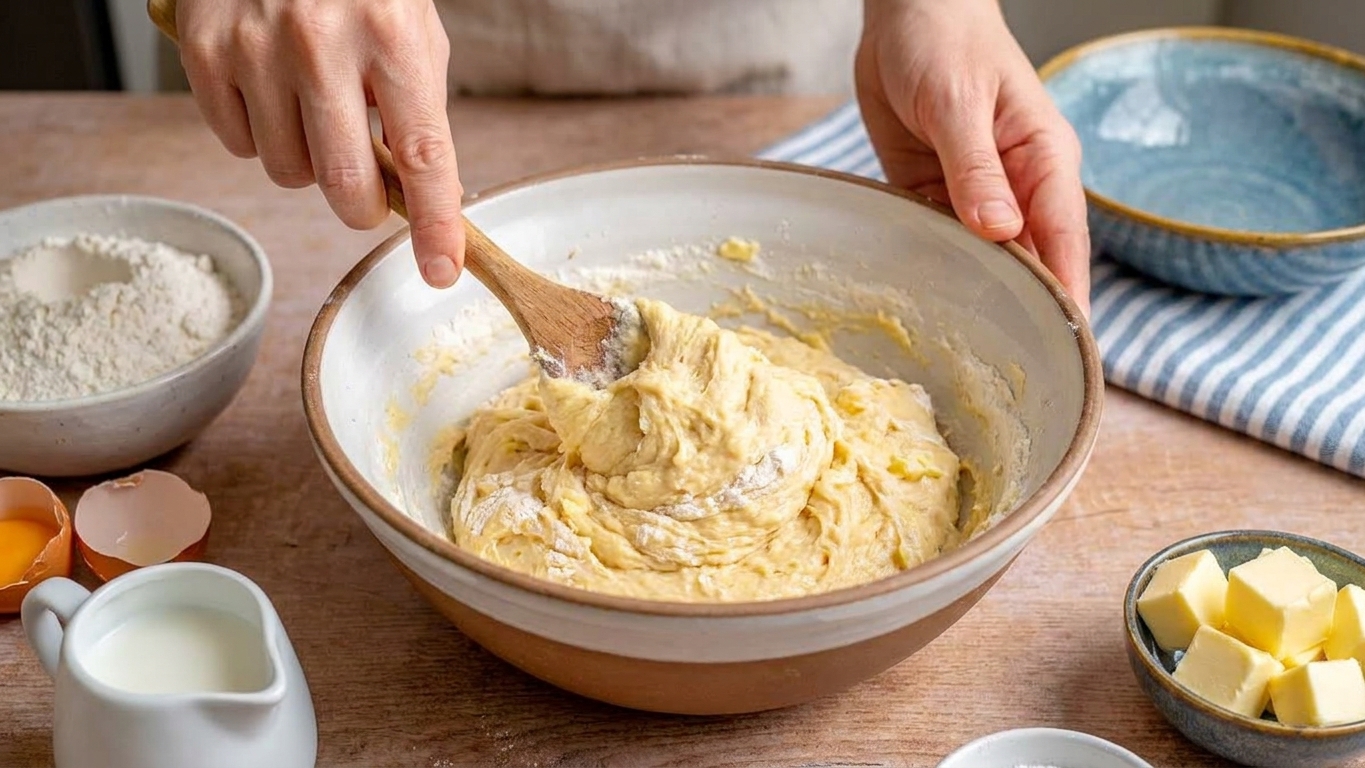
Measured donut ingredients like flour, sugar, eggs, butter, milk, yeast, and vanilla

Why It Works

  • Soft, fluffy interior: Enriched yeast dough (milk, egg, butter) keeps these tender and bouncy.
  • Crisp edges without grease: Frying at 350°F means quick browning and less oil absorption.
  • Glaze that actually sets: Warm donuts plus a properly thick glaze gives you that thin crackle layer instead of a sticky puddle.
  • Accessible and forgiving: Clear cues are built in, like “puffy and jiggly” proofing and color targets for frying.

Pairs Well With

Storage Tips

Donuts are at their peak the day you fry them. But if you have leftovers (respect), here’s how to keep them happy.

Room temperature (best option)

  • Store in a paper bag inside a loosely closed plastic bag, or in an airtight container lined with paper towels.
  • Keep at room temperature for up to 1 day.

Rewarming

  • Microwave: 8 to 12 seconds per donut to bring back the soft bite.
  • Oven: 300°F for 5 to 7 minutes. This helps the exterior a bit more than the microwave.
  • Note: the glaze may soften or look a little “melted.” Still delicious.

Freezing (for unglazed donuts)

  • Freeze unglazed donuts once completely cool. Wrap individually and freeze up to 2 months.
  • Thaw at room temperature, warm gently, then glaze fresh.

Common Questions

Can I bake these instead of frying?

You can, but they will taste more like a soft donut-shaped roll (still good, just different). If you want to try it, bake at 375°F until lightly golden, about 10 to 14 minutes depending on thickness. For extra confidence, aim for about 190°F to 200°F in the center. Lightly brush warm baked donuts with melted butter, then dip in glaze to help it cling.

Why didn’t my donuts puff?

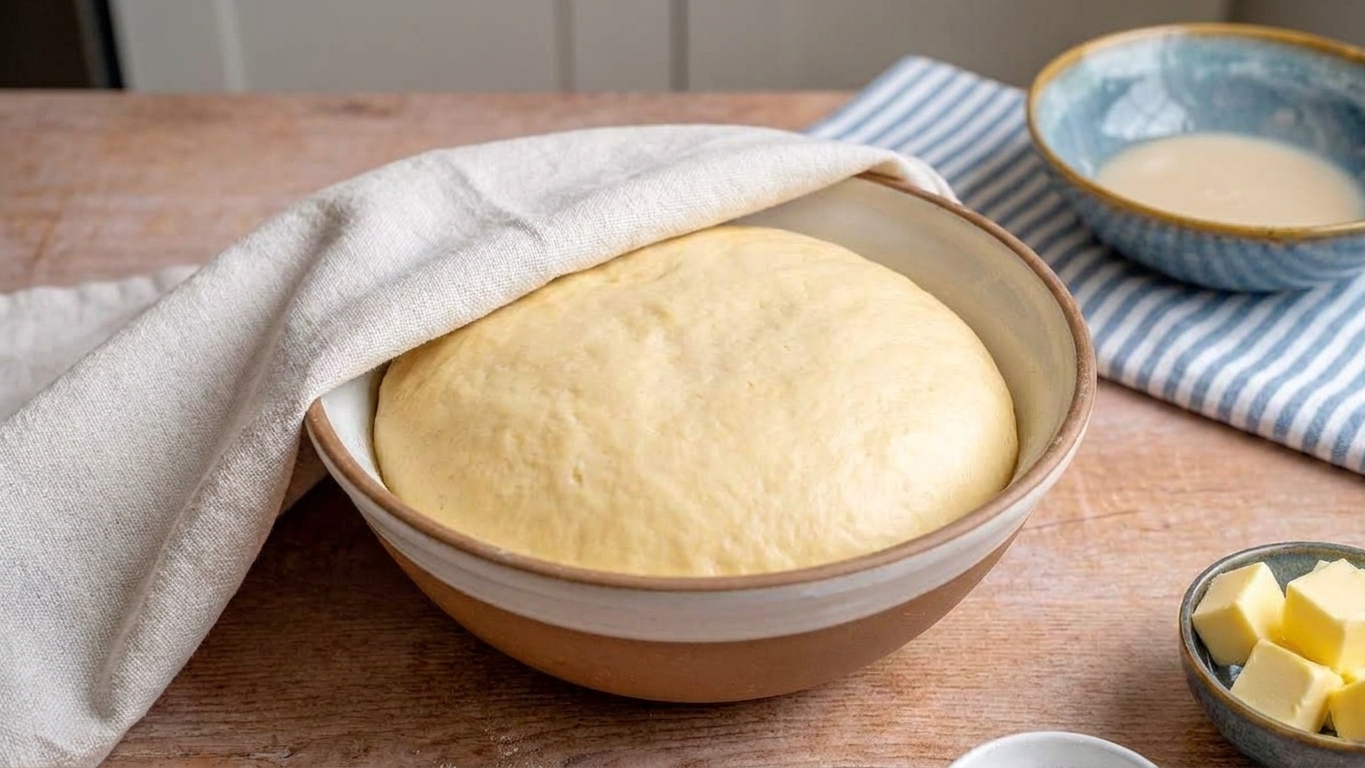
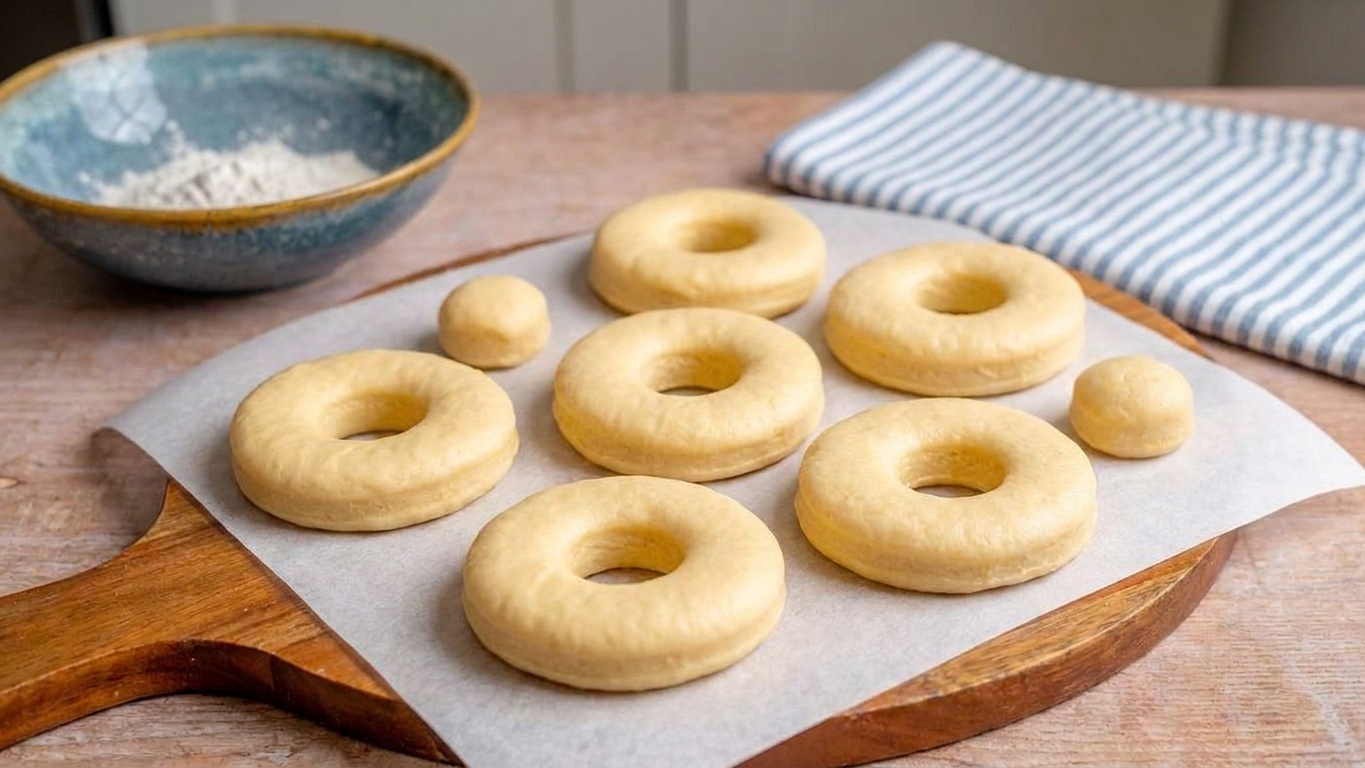
Usually one of three things: your yeast was inactive, your dough did not proof long enough, or the oil temperature was too low. Donuts should look puffy and jiggly before frying. If you poke one gently, the dent should slowly fill back in.

How do I know the oil is the right temperature without a thermometer?

A thermometer is ideal (and safer), but you can test with a small dough scrap. At the right heat, it should sizzle immediately and float, turning golden in about 60 to 90 seconds per side. Scrap size matters, so treat this as a rough cue. If it browns instantly, your oil is too hot. If it sits there pale and oily, too cool.

Can I make the dough the night before?

Yes. After kneading, cover the dough and refrigerate overnight for the first rise. In the morning, let it sit at room temperature for 30 to 60 minutes, then roll, cut, proof, and fry.

Why is my glaze soaking in instead of setting?

Usually the glaze is too thin, or the donut surface is too hot or too oily. If donuts are hot, the glaze can melt and run. If they are very oily, the glaze can slide or absorb. Make the glaze thick enough to coat a spoon in a smooth layer, and dip donuts when they are warm, not hot, about 2 to 3 minutes after frying. If needed, blot the donut tops very lightly with a paper towel before dipping.

Can I use instant yeast?

Yes. Use the same amount (2 1/4 teaspoons). You can skip the blooming step and mix it right into the dry ingredients, but blooming still works if that is your habit.

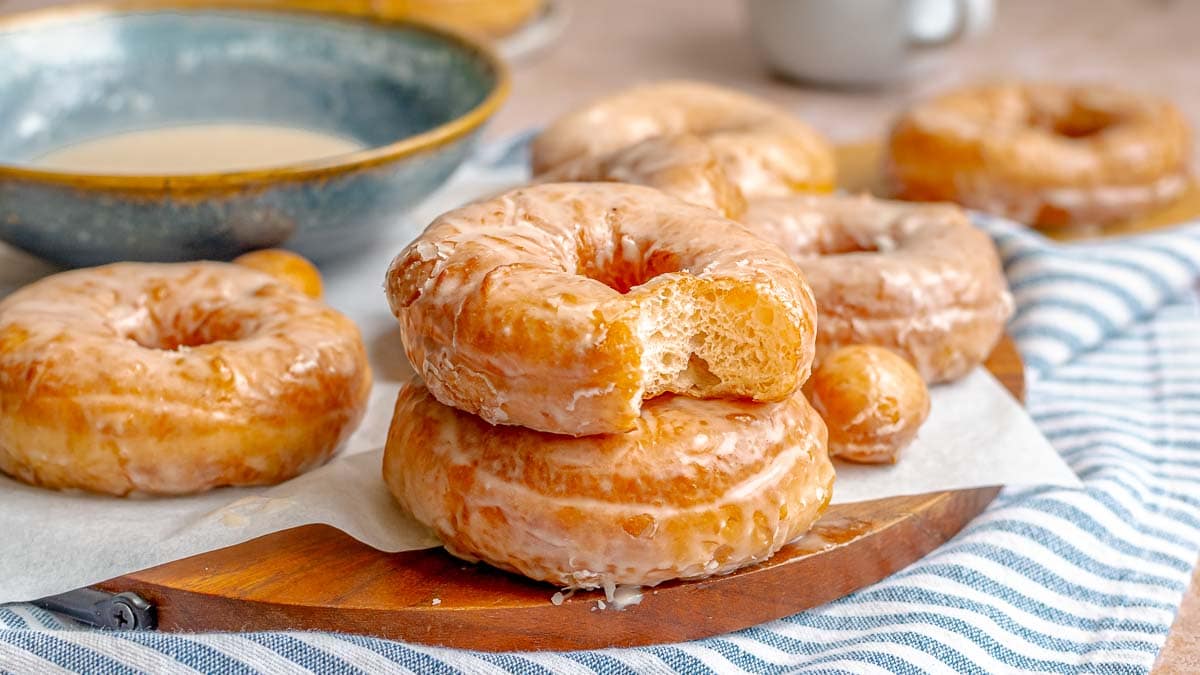
The first time I made glazed donuts at home, I treated it like a big scary project. Turns out it is mostly just dough with a little patience and a little confidence. Now it feels like cooking with a friend: flour on the counter, oil quietly humming, and that moment when the first donut flips and suddenly looks like it belongs behind bakery glass. The glaze is the best part because it is instant gratification. Dip, lift, drip, done. Try not to “taste test” three in a row. Or do. I’m not your boss.