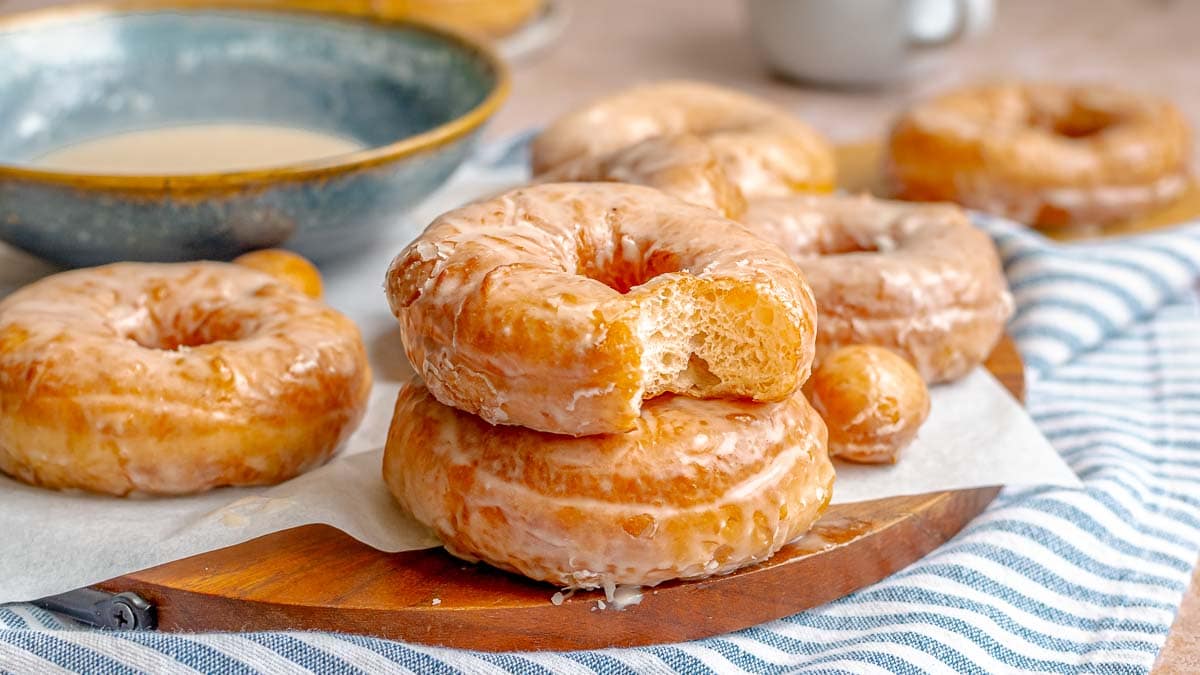
Is fried dough the same as donuts?
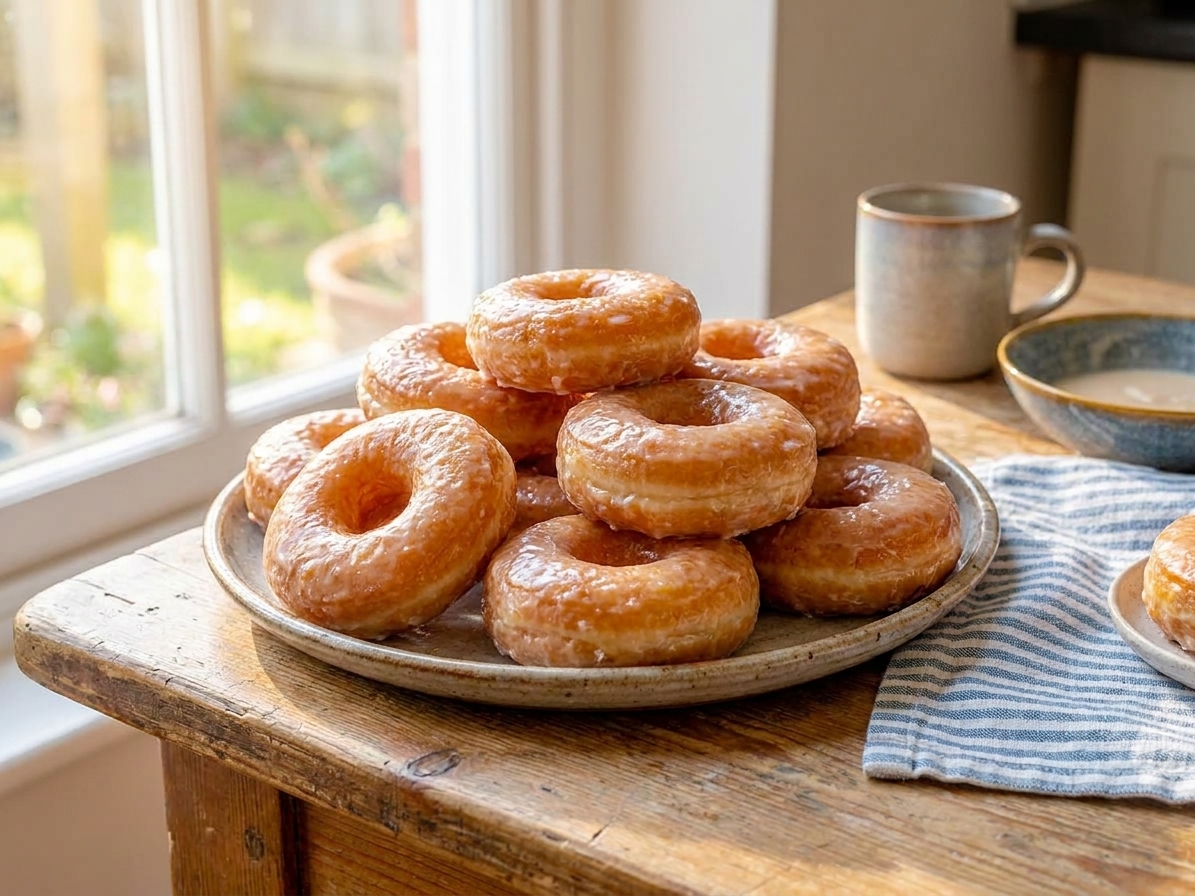
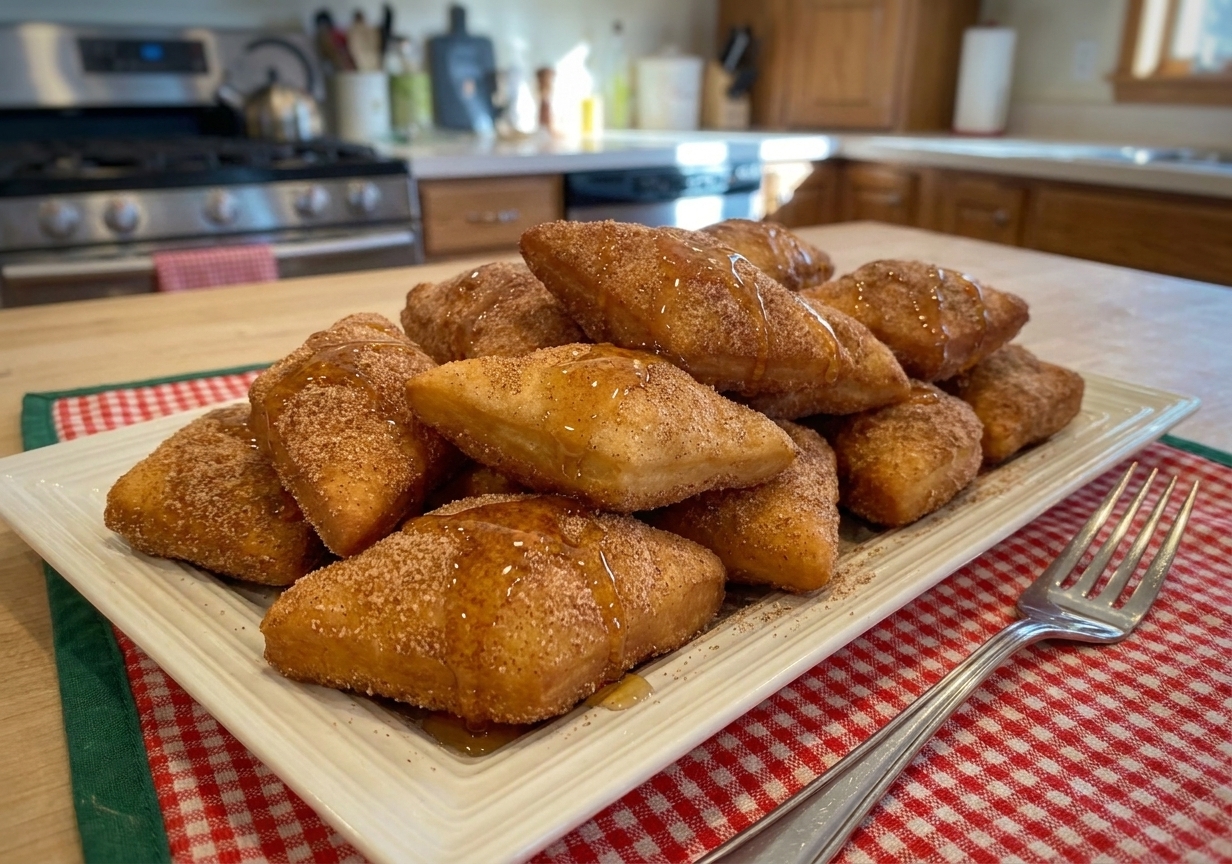
They are cousins. Donuts are often yeasted or enriched, while cake donuts use baking powder or baking soda. Fried dough is the relaxed version: a simple dough, a quick fry, and a topping.
What oil is best for frying dough?
Use a neutral oil with a higher smoke point like canola, vegetable, peanut, or avocado oil. Extra-virgin olive oil is not ideal here because the flavor can clash and it may smoke sooner. (Refined or light olive oil is a different story, but neutral oils keep the classic fair-style vibe.)
What temperature should the oil be?
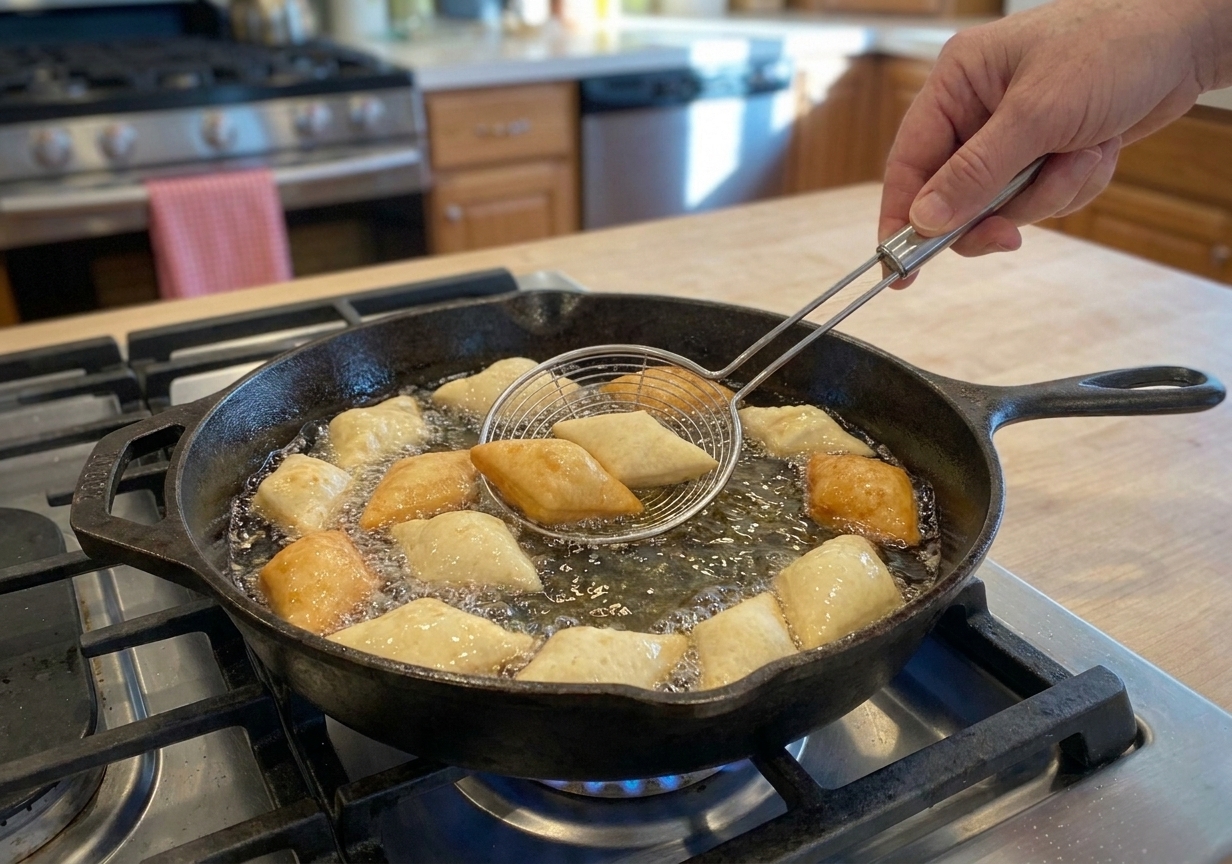
Aim for 350°F. If it is cooler, the dough soaks up oil and goes heavy. If it is hotter, the outside browns before the inside cooks through.
Can I make the dough ahead of time?
Yes, with a small caveat. You can mix and cover it, then refrigerate for up to 24 hours, but baking powder loses some of its lift over time. For the puffiest texture, same-day is best. If chilling, let the dough sit at room temp for about 15 minutes before rolling if it feels stiff.
Can I bake it instead of frying?
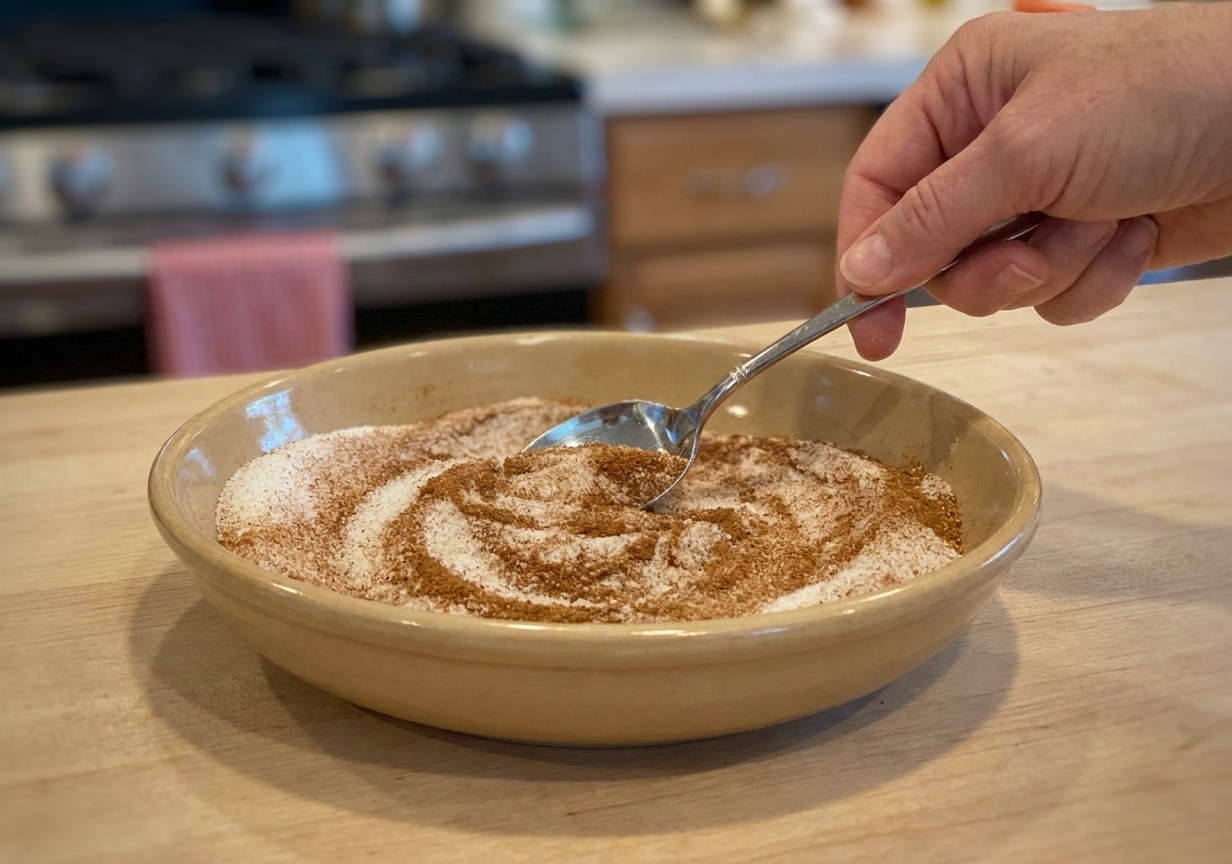
You can, but it will not taste like fried dough. If you want to try it anyway: brush with melted butter, bake at 425°F for 8 to 12 minutes until golden, flipping once halfway for more even browning, then toss in cinnamon sugar.
Why is my fried dough tough?
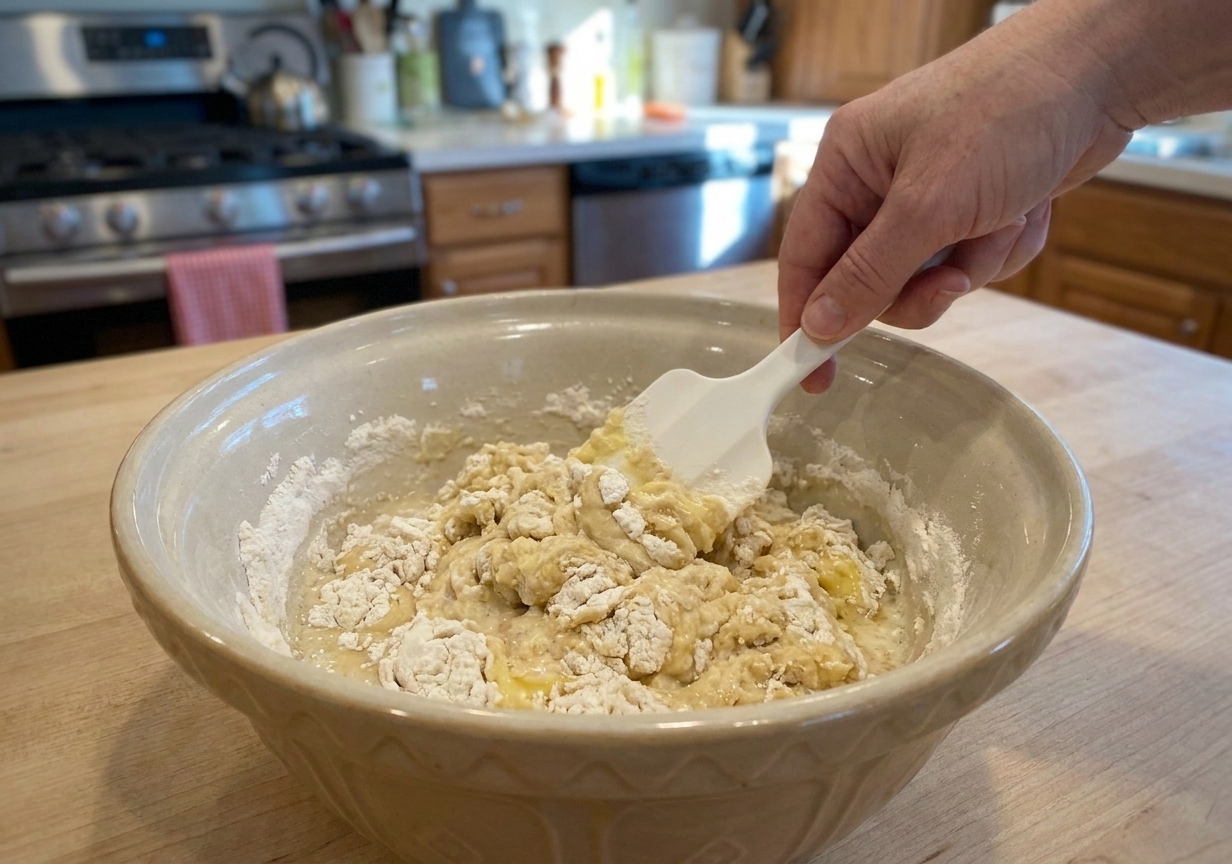
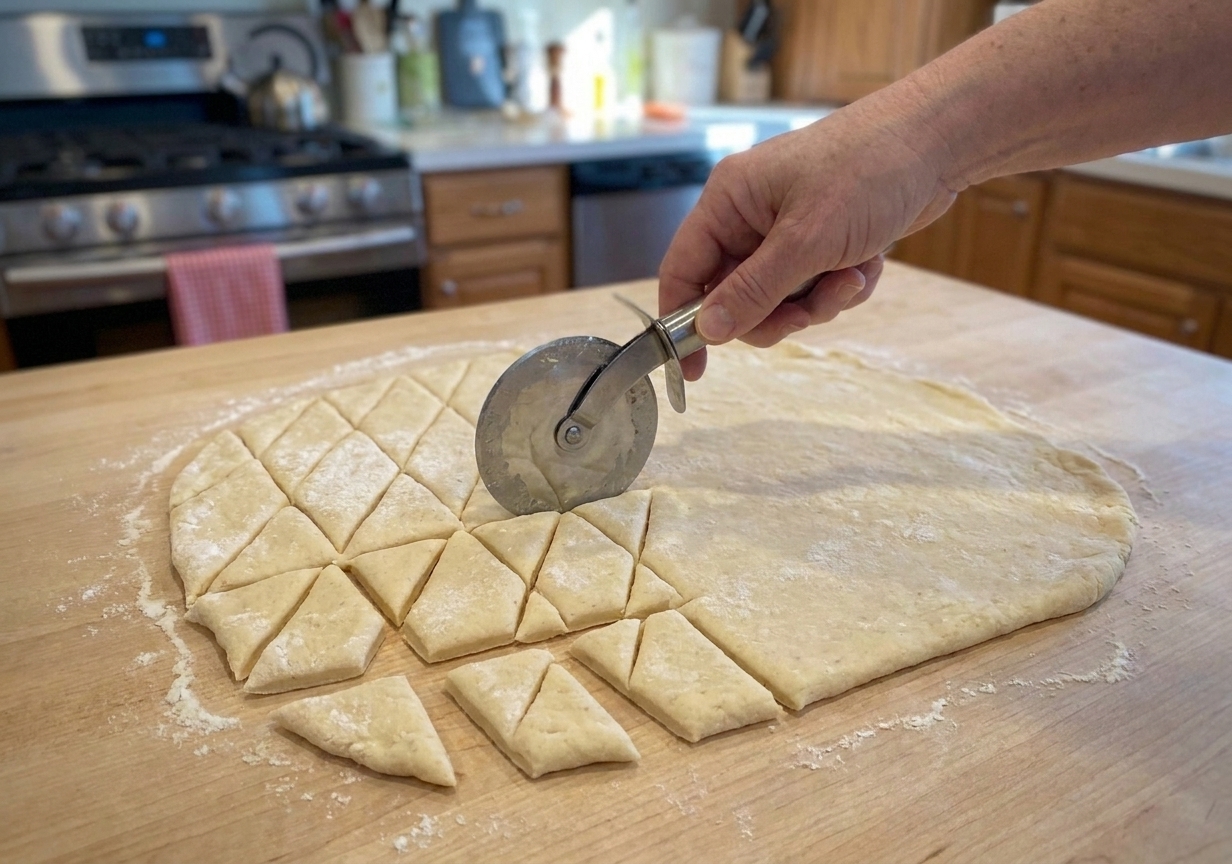
Most likely too much flour or overmixing. Measure flour by spooning into the cup and leveling, and mix only until the dough comes together.
Why is it brown outside but raw inside?
Your oil is likely too hot. Bring it back to 350°F and fry in smaller batches so the temperature stays steady.
Why is my dough shrinking back when I roll it?
That usually means the gluten is a little too developed (too much kneading). Let the dough rest for 10 minutes, then roll again gently.