Mom's Best Recipes
Recipe

Gluten-Free Pizza Base

A sturdy, golden gluten-free pizza base that is easy to spread, holds toppings, and bakes up with crisp edges and a chewy, satisfying bite.

Author By Matt Campbell
4.8
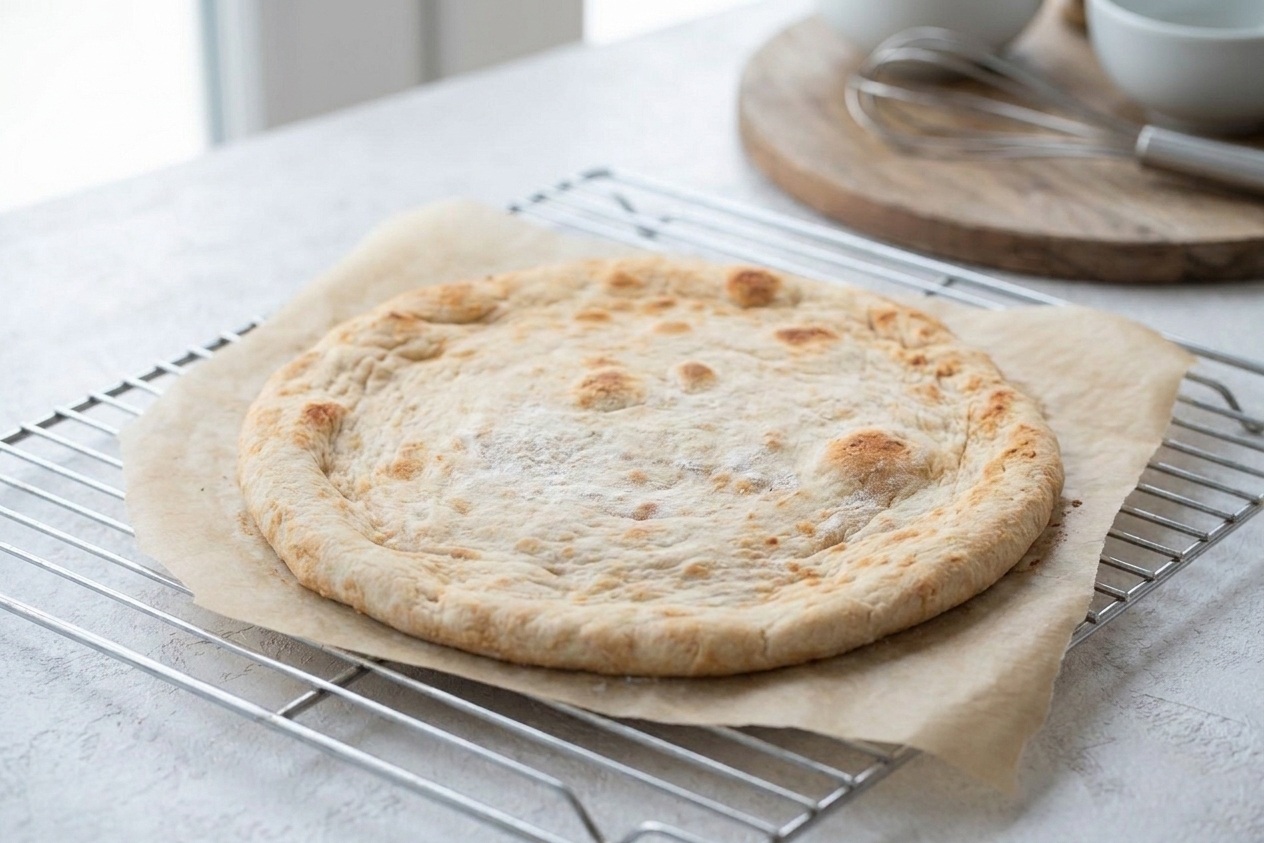
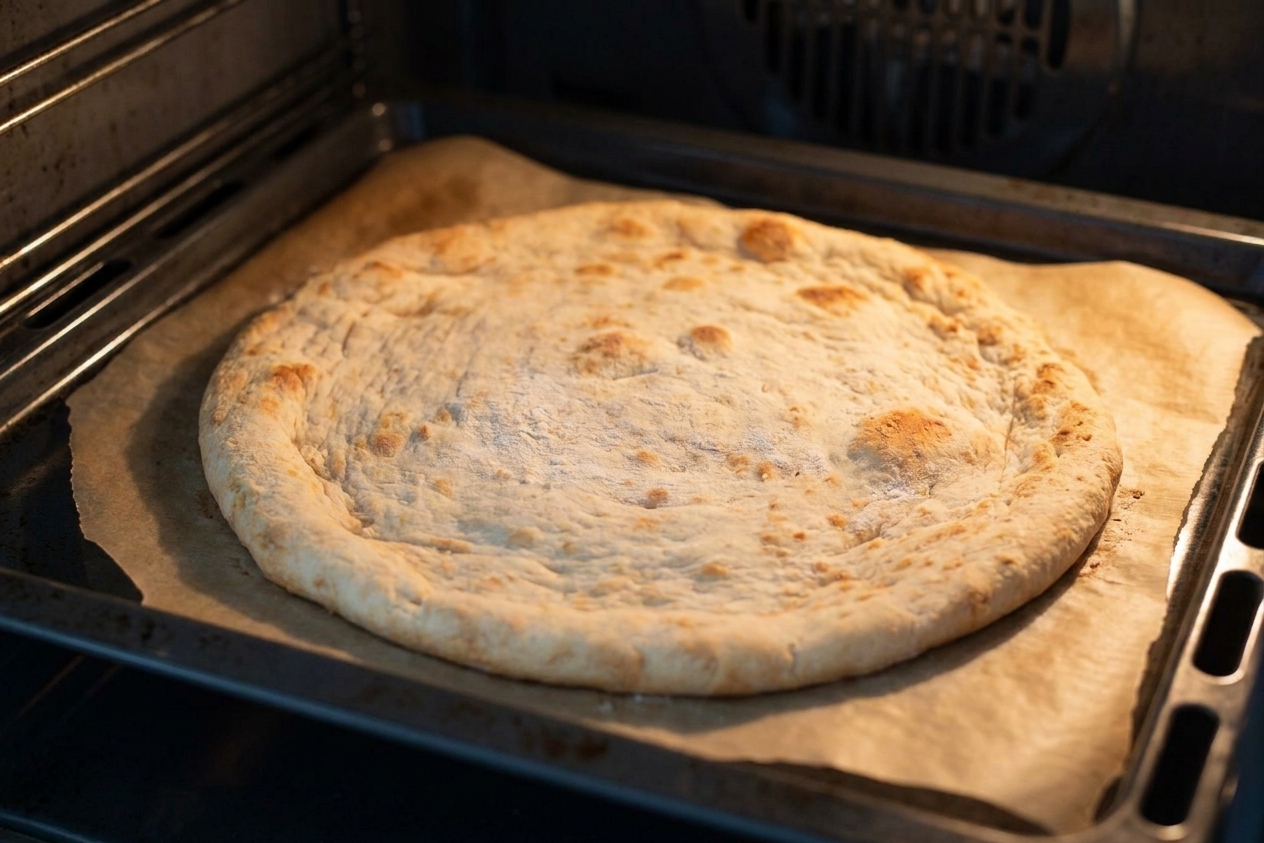
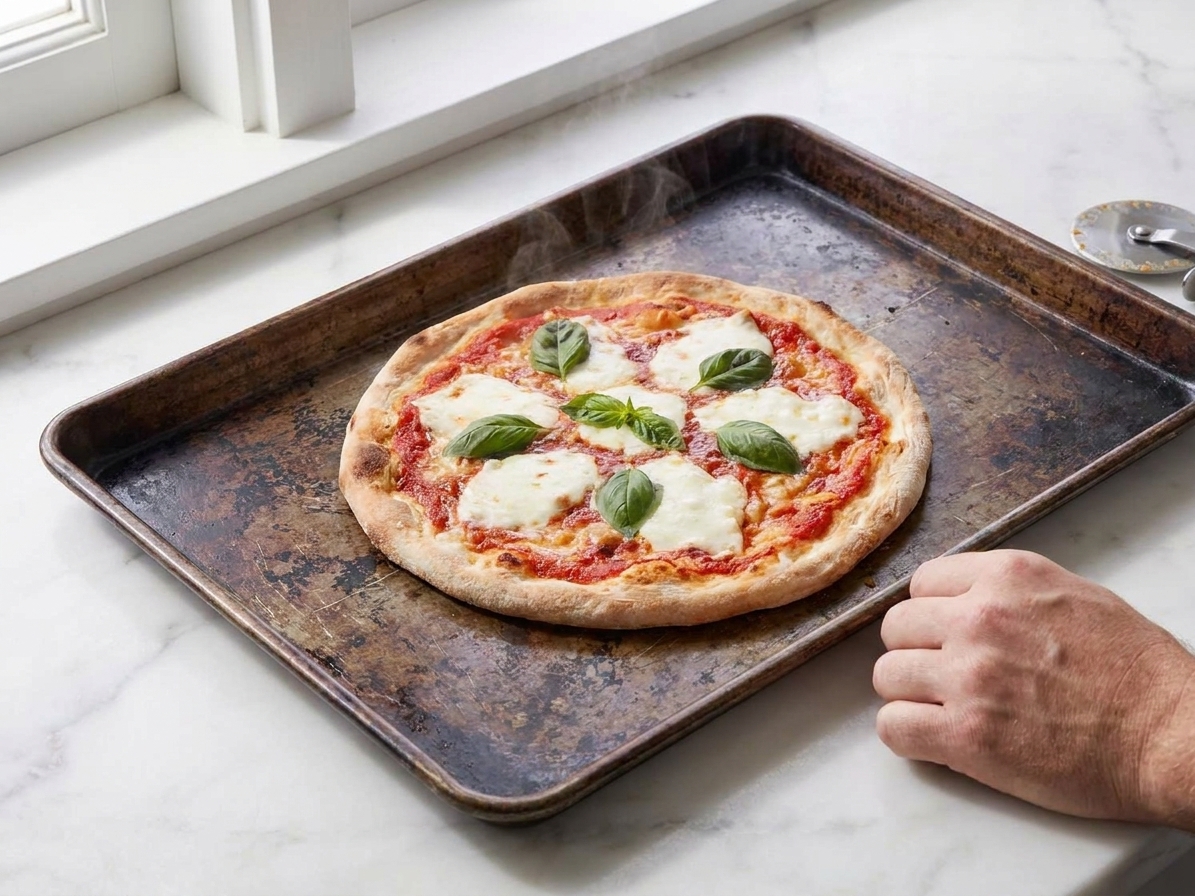
A freshly baked gluten-free pizza base on parchment paper with golden crisp edges and a lightly blistered surface on a sheet pan

Gluten-free pizza can be incredible, but the base has to do some heavy lifting. You want a crust that browns, holds toppings, and still gives you that satisfying chew. Not a sad cracker, not a gummy sponge, and definitely not something that collapses the second you add sauce.

This gluten-free pizza base is my go-to when I want crisp edges, a tender middle, and a dough that is easy to handle with a spatula and a little confidence. It uses a widely available gluten-free flour blend, a touch of yogurt for tenderness, and enough yeast to bring a little lift and that “real pizza” flavor. If your weeknight needs pizza, this is the crust that shows up and does the job.
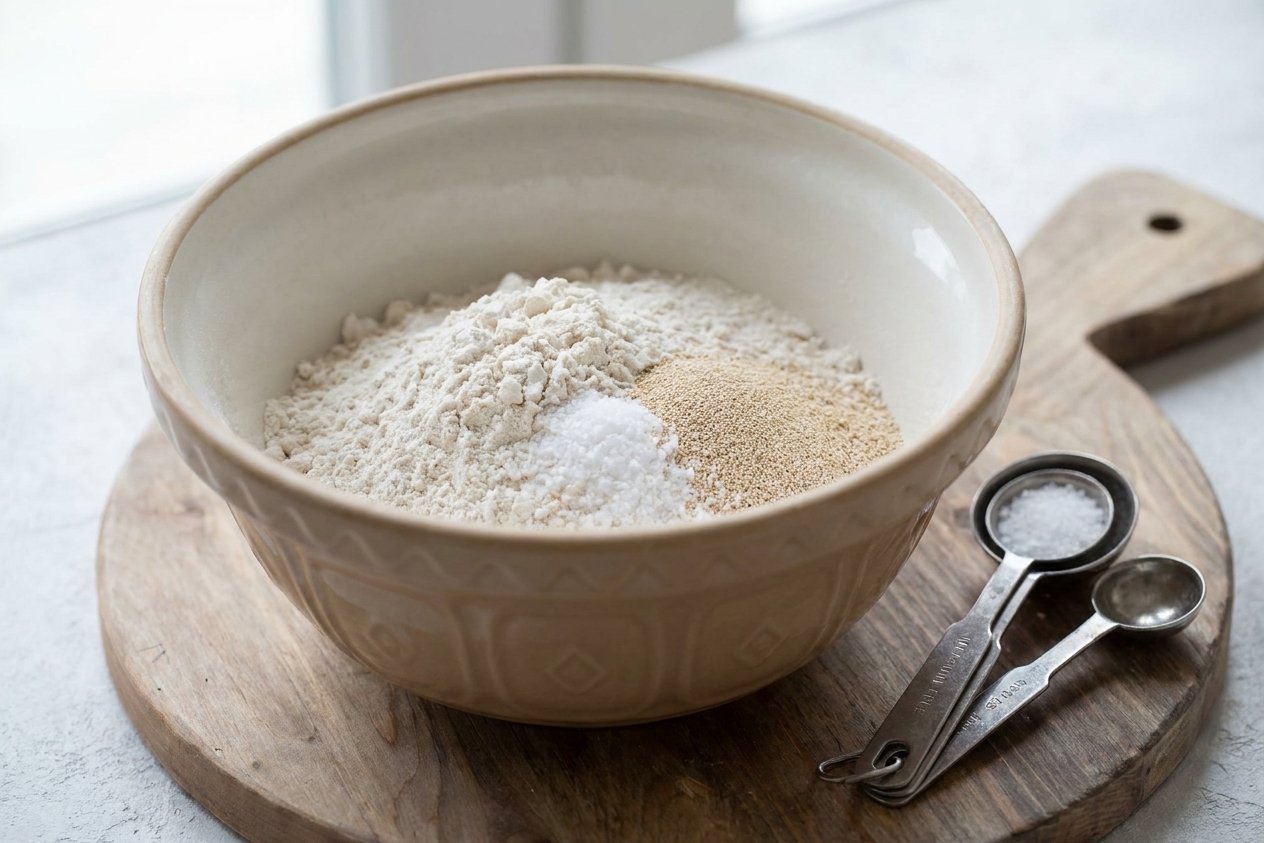
A mixing bowl on a kitchen counter filled with gluten-free flour blend, salt, and yeast, with measuring spoons nearby

Why It Works

  • Better structure without gluten: A mix of gluten-free flour, psyllium husk, and yogurt gives the dough flexibility so it spreads instead of cracking.
  • Crisp bottom, not pale: Preheating the oven hard and using a hot pan or stone helps the base set fast and brown properly.
  • Easy to customize: Make it thin and crispy or slightly thicker and chewy. Either way, it holds sauce and toppings like a champ.
  • No specialty hunt: The ingredients are widely available in most well-stocked grocery stores, and the technique is straightforward.

Pairs Well With

Storage Tips

To store: Let the baked base cool completely, then wrap tightly and refrigerate for up to 3 days.

To freeze: Par-bake the base (see instructions), cool, then freeze flat in a zip-top bag for up to 2 months. Parchment between bases keeps them from sticking.

To reheat: For best texture, reheat on a preheated sheet pan at 425°F for 6 to 10 minutes until the bottom is crisp again. The microwave works in a pinch, but it softens the crust.

A par-baked gluten-free pizza base cooling on parchment paper on a wire rack in a bright kitchen

Common Questions

What gluten-free flour blend should I use?

Use a measure-for-measure (1:1) gluten-free flour blend that includes rice flour and starches. If your blend does not include xanthan gum, add 1 teaspoon xanthan gum to the dry ingredients for better structure.

Do I really need psyllium husk?

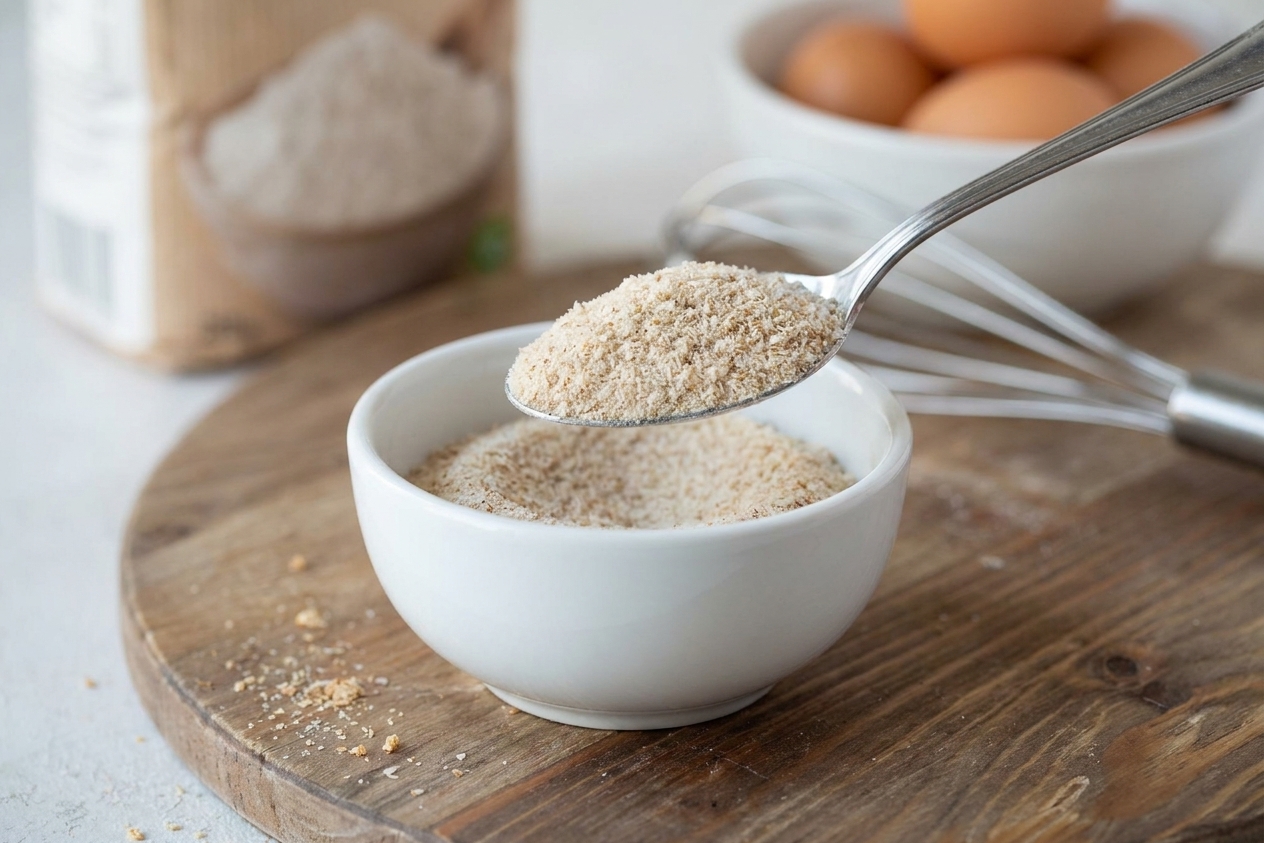
Psyllium husk is the secret for that flexible, bread-like bite. Without it, many GF crusts crack or bake up dry. If you cannot find it, ground chia can help, but the texture will be more delicate and less chewy.

Why is my crust gummy in the middle?

Common culprits are too much sauce, watery toppings, a low oven temperature, or skipping the par-bake. Keep sauce thin (about 1/3 to 1/2 cup max), use low-moisture cheese, pre-cook juicy veggies (mushrooms, zucchini, spinach), bake hot, and do the quick par-bake step so the base sets before toppings go on.

Can I make this dairy-free?

Yes. Swap the Greek yogurt for a thick, unsweetened dairy-free yogurt. For best browning, brush the edges with olive oil before baking.

Is this yeast-free?

Yes, with a small adjustment. Skip the yeast and add 2 teaspoons baking powder to the dry ingredients. Keep the 10-minute rest for psyllium hydration (it still matters), then bake as directed. The flavor will be less “pizzeria” and the texture will lean more tender than chewy, but it still makes a solid base.

The first time I tried making a gluten-free pizza base from scratch, I treated it like regular dough. Big mistake. I had flour everywhere, the crust tore when I moved it, and the center baked up with that classic “is this cooked?” wobble. After a few rounds of trial and error, I realized GF pizza needs a different vibe. Less kneading, more hydration, and a couple smart helpers like psyllium and a quick par-bake. Now this is the crust I make when friends come over, because nobody wants a pity slice. They want pizza.