Common Questions
What pan size should I use?
A 9 x 13-inch baking dish is the standard and gives you a nice balance of layers. You can also use:
- 10 x 15-inch (jelly roll style): thinner layers, a bit more edge browning, and a slightly shorter bake.
- 9 x 9-inch: thicker layers, needs a longer bake. Scale the recipe down to about two thirds unless you like a very tall casserole.
Why does my béchamel turn out thin?
Usually one of three things: the roux didn’t cook long enough, the milk went in too fast, or the sauce didn’t simmer long enough after the milk was added. You want it thick enough that it coats a spoon. Also, add the eggs only after the béchamel cools slightly so they don’t scramble.
Do I have to use bucatini?
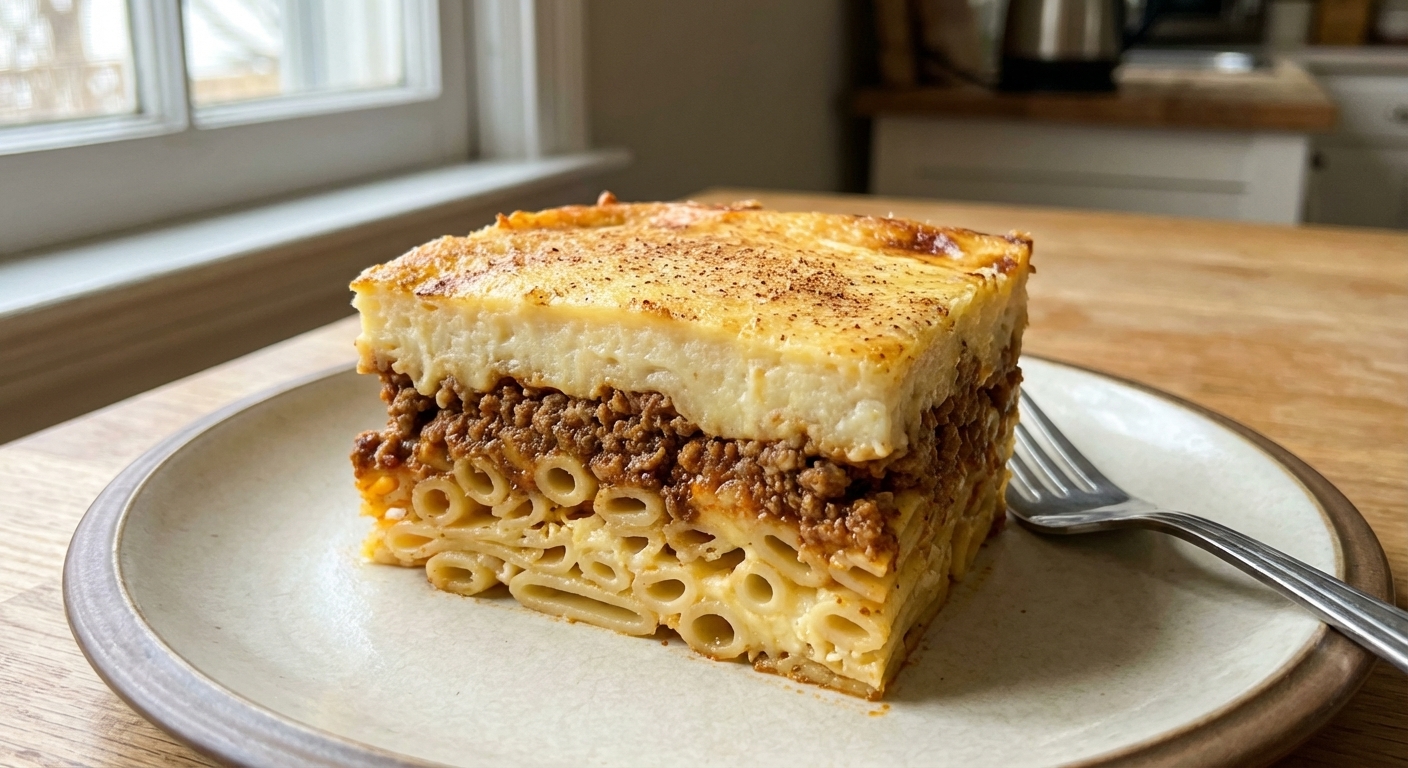
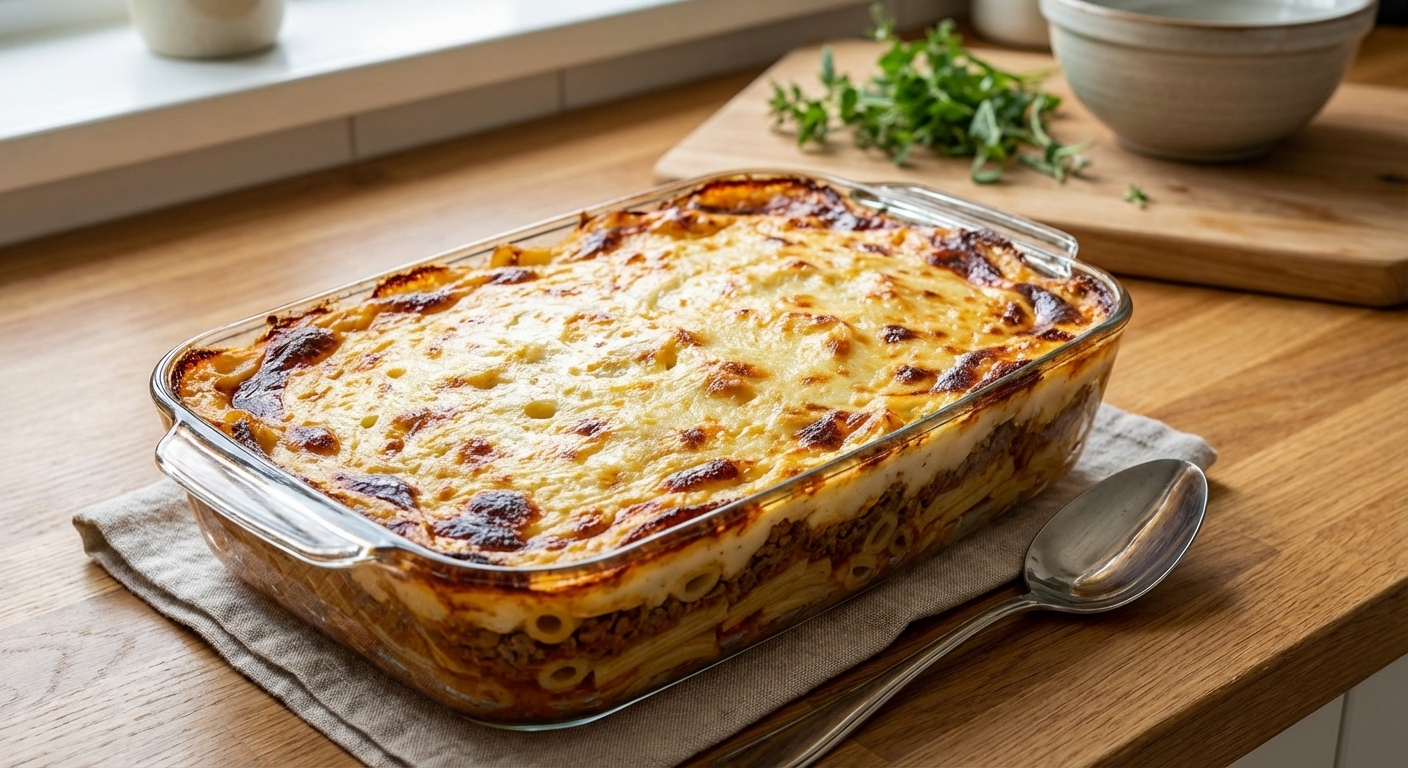
No. Traditional pastitsio is often made with pastitsio pasta (No. 2), a long thick tube pasta that’s made for layering. If you can’t find it, bucatini is a great stand-in, and penne or ziti work well too. Just avoid very small shapes that disappear into the bake.
Can I make pastitsio ahead?
Yes. You can assemble the full casserole, cover, and refrigerate up to 24 hours before baking. Let it sit at room temp for 20 to 30 minutes before it goes in the oven (and don’t leave it out longer than 2 hours total). Bake as directed, adding 5 to 10 minutes if it’s still very cold.
How do I get clean slices?
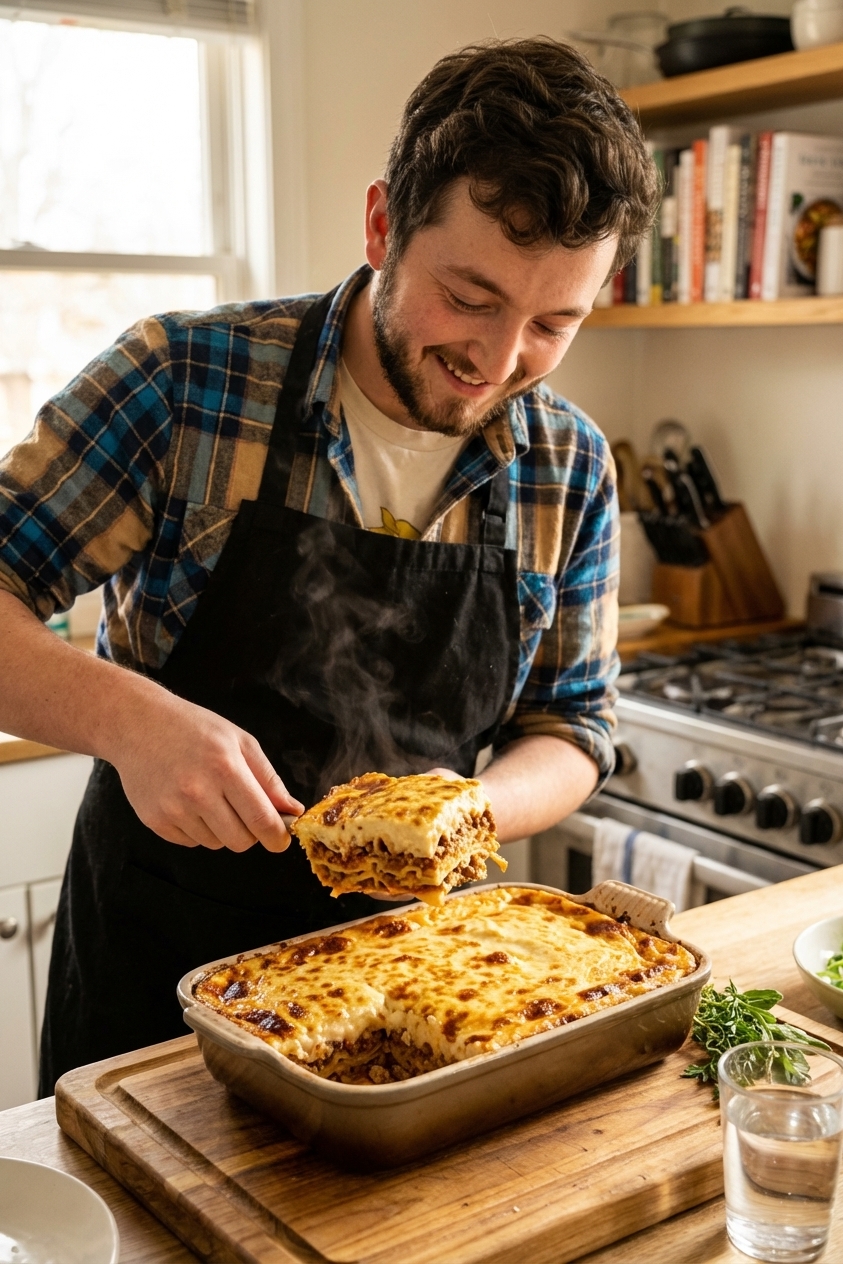
Let it rest at least 20 to 30 minutes after baking. For extra clean slices, chill for 1 hour, slice, then rewarm the pieces. Use a sharp knife and wipe it between cuts.
Is pastitsio the same as moussaka?
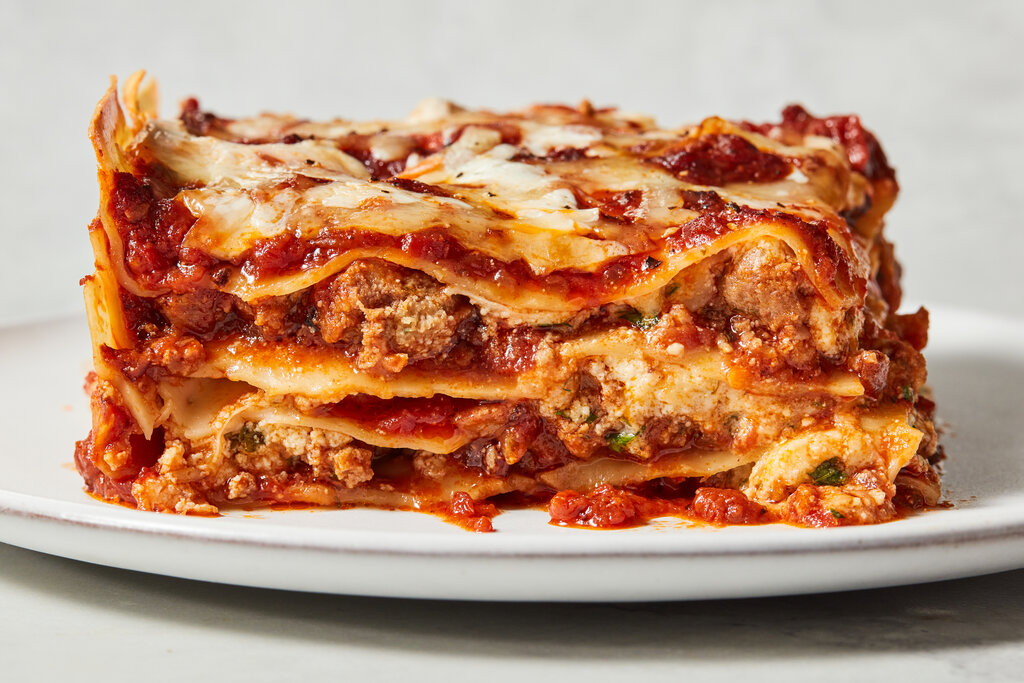
They’re cousins, not twins. Moussaka is usually layered with eggplant or potatoes. Pastitsio is layered with pasta and often has that cinnamon-forward meat sauce.