Mom's Best Recipes
Recipe

Grilled Halibut with Lemon Herb Butter

Crisp edges, juicy flakes, and a bright sauce you'll want to spoon on everything.

Author By Matt Campbell
4.8
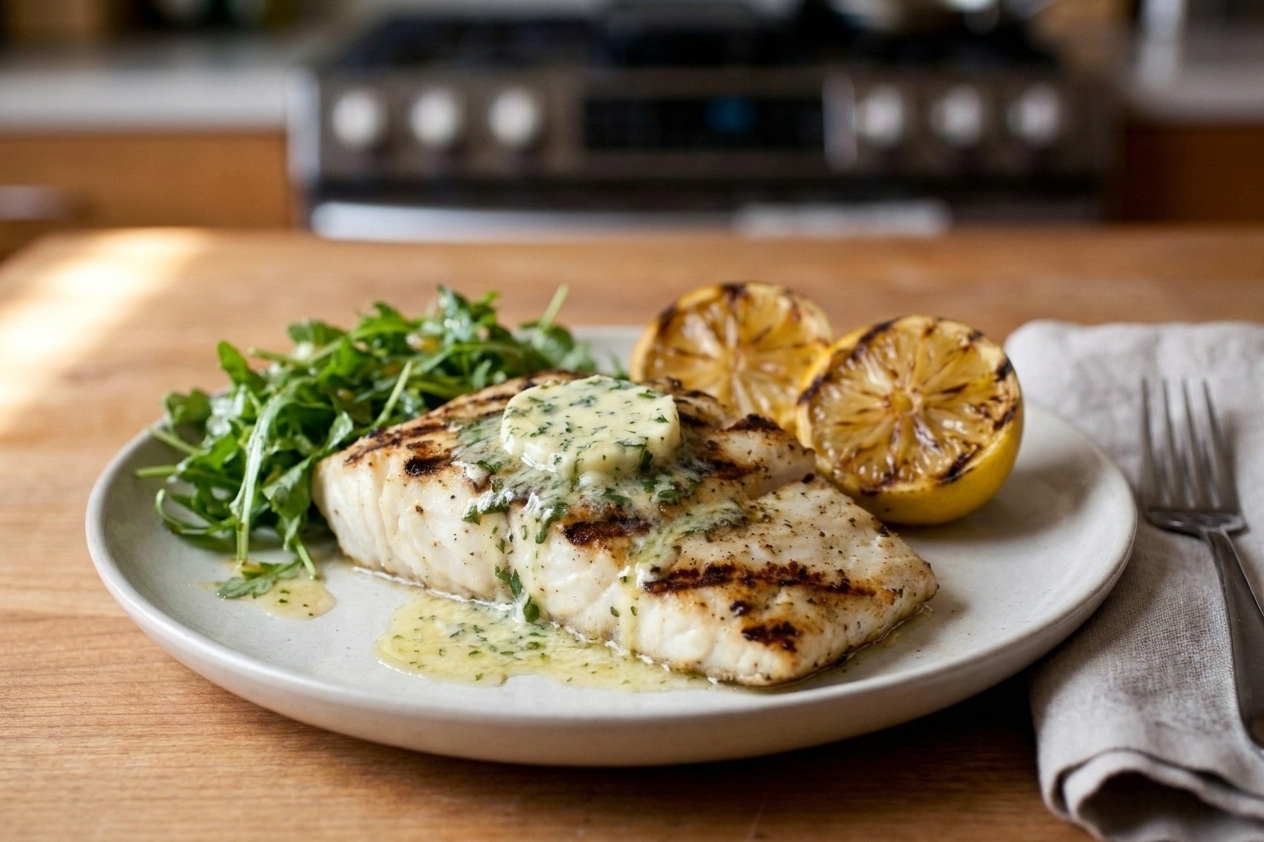
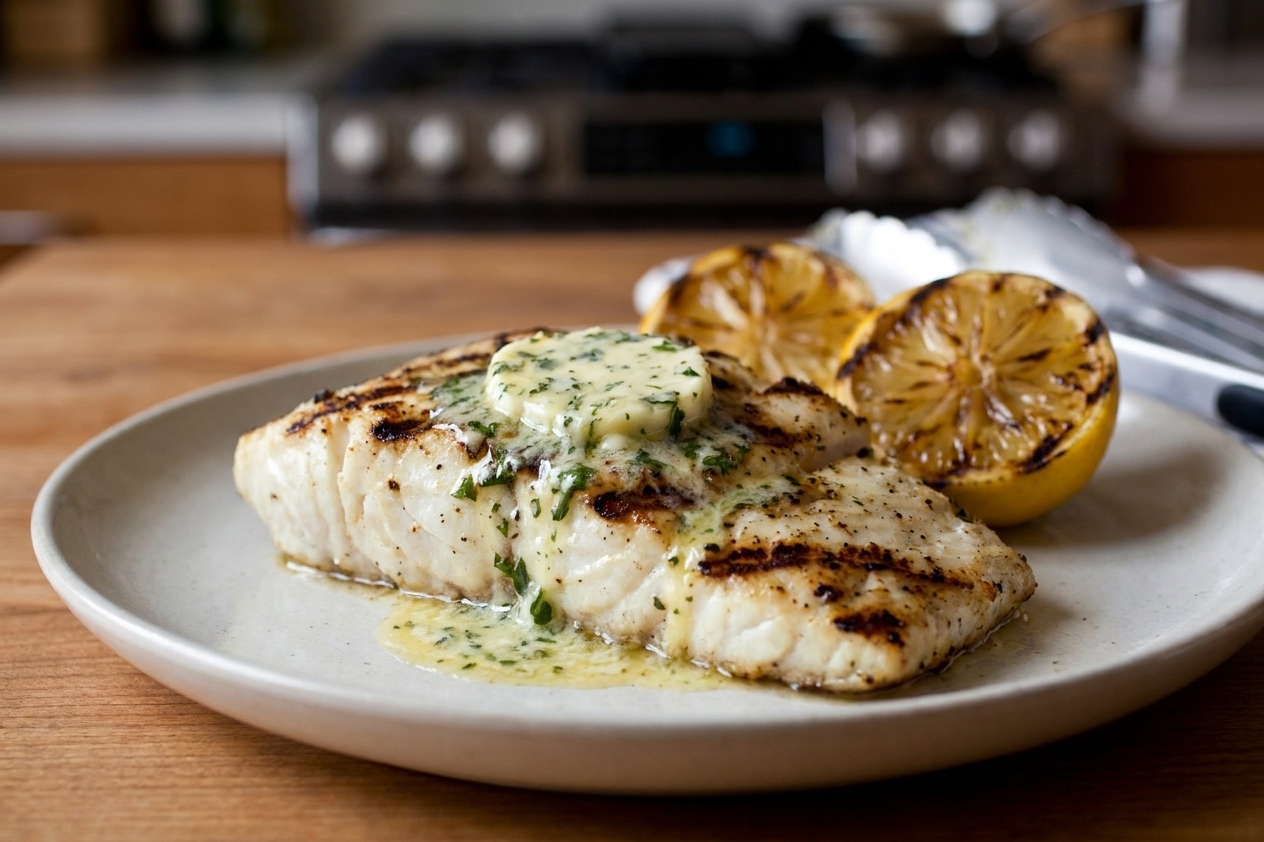
A plated grilled halibut fillet with char marks, topped with melting lemon herb butter, served with grilled lemon halves on a light ceramic plate

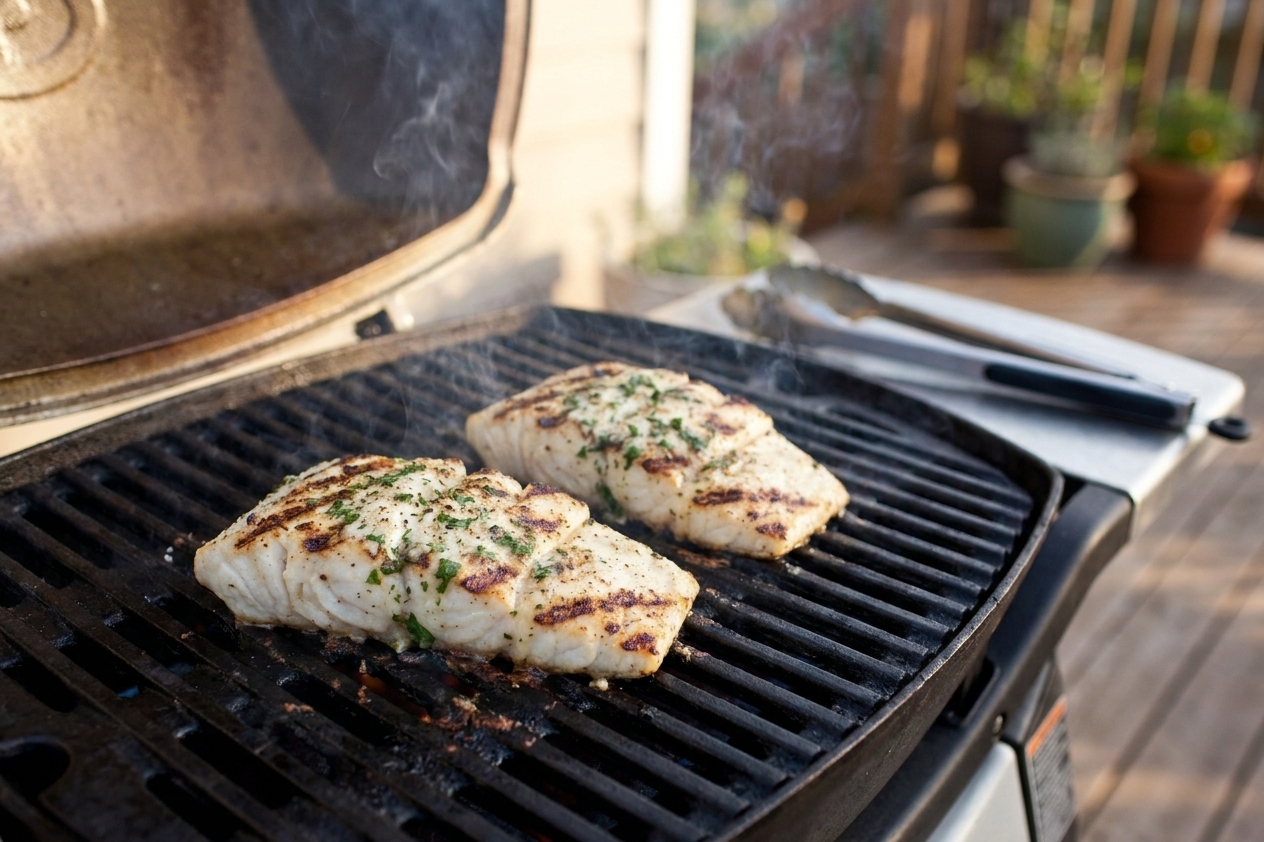
Halibut is one of those fish that feels fancy, but it doesn't need a fancy attitude. Treat it like a good steak that happens to live in the ocean: get the grill hot, season it confidently, and don't move it until it releases.

This grilled halibut comes out tender and flaky with crisp edges and a quick lemon herb butter that tastes like you tried harder than you did. The best part is the method is repeatable. Once you know how to stop fish from sticking and when to pull it, you're basically unstoppable.

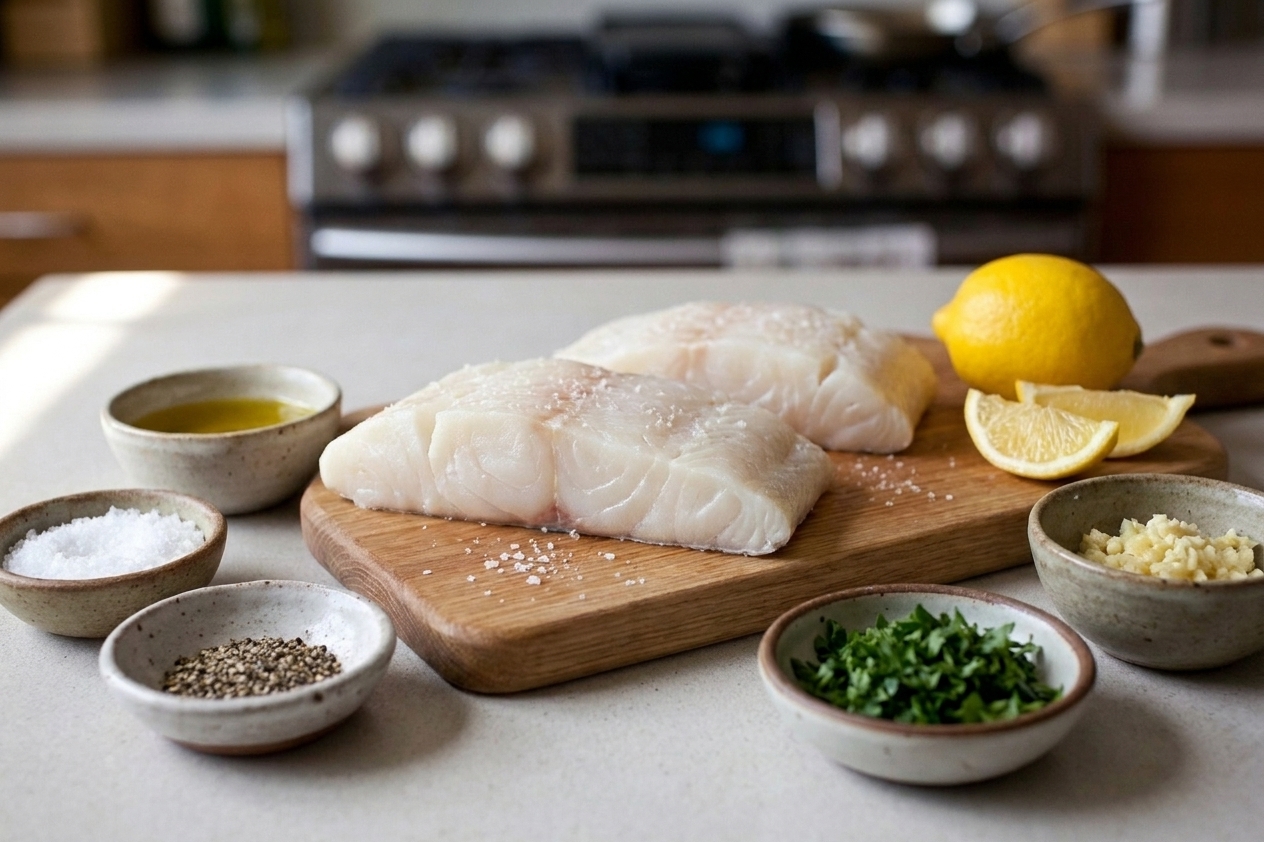
Raw halibut fillets on a cutting board with small bowls of salt, pepper, olive oil, chopped parsley, minced garlic, and a lemon on a neutral kitchen counter

Why It Works

  • Juicy, not dry: A quick dry brine style salt rest and high heat help keep halibut moist and tender.
  • No-stick grilling without drama: You oil the fish and the grates, then don't touch it until it releases naturally.
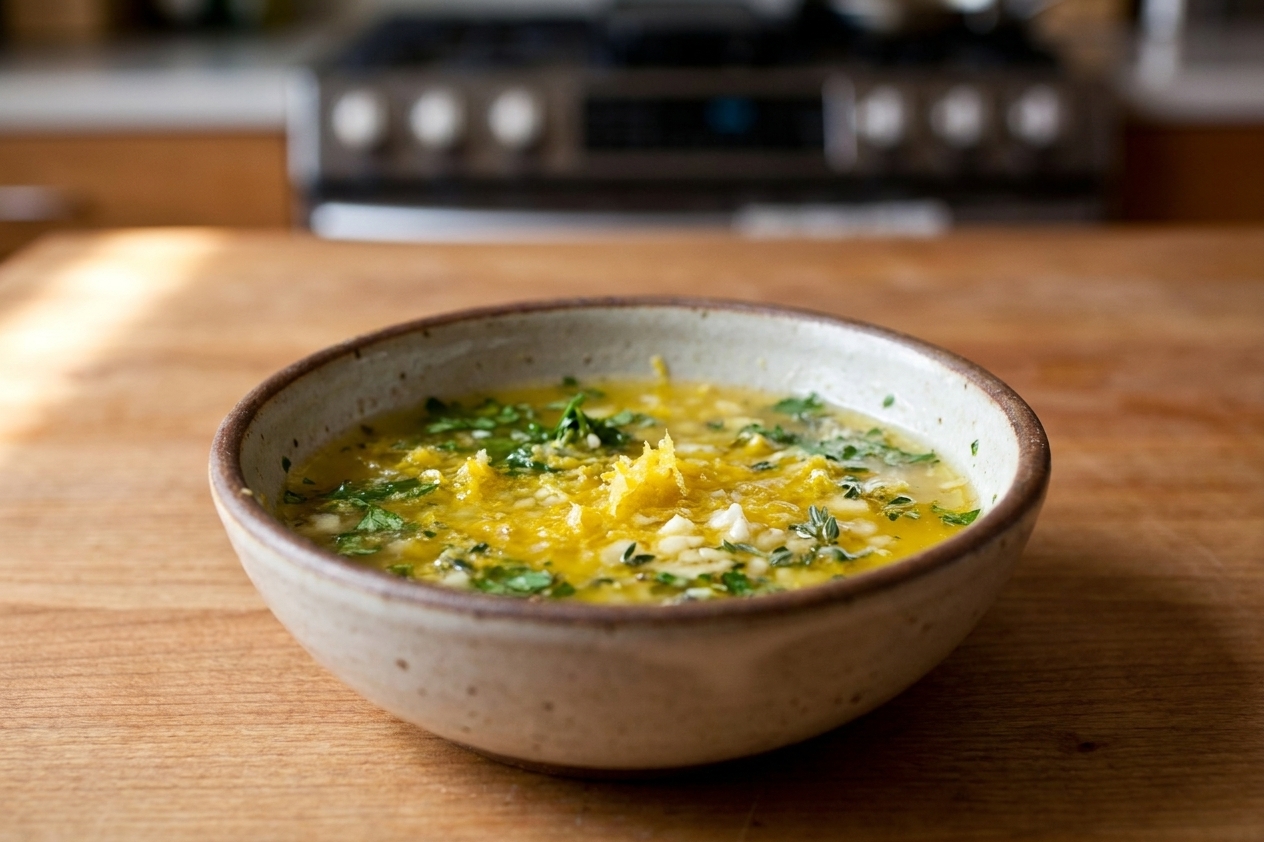
  • Big flavor from small effort: Lemon zest, garlic, and herbs bloom in warm butter and turn into an instant restaurant finish.
  • Works on gas or charcoal: The timing stays the same. You're just aiming for a hot grill and clean grates.

Pairs Well With

Storage Tips

Refrigerate: Cool leftover halibut, then store in an airtight container for up to 2 days. Fish is best sooner rather than later.

Keep the butter separate: If you can, store extra lemon herb butter in its own container. It's great on veggies, rice, or toast.

Reheat gently: The goal is warm, not “cook it again.”

  • Skillet: Add a teaspoon of water or butter, cover, and warm over low heat 2 to 4 minutes.
  • Oven: Wrap loosely in foil and warm at 300°F for about 8 to 12 minutes.
  • Cold option: Flake it into a salad with a lemony vinaigrette. Honestly, this is underrated.

Do not freeze if you can avoid it: You can freeze cooked halibut for up to 1 month, but the texture will be drier and more crumbly after thawing.

Common Questions

How do I keep halibut from sticking to the grill?

Three things: clean grates, hot grill, and oil on the fish. I also oil the grates right before the fish goes down. Then don't flip early. If it's sticking, it's usually telling you it's not ready yet.

What internal temperature should halibut be?

For the juiciest result, I pull it around 130°F to 135°F in the thickest part and let carryover do the rest. For FDA guidance, cook finfish to 145°F. If you choose the lower pull temp, use high-quality fish, keep it cold, and serve it right away.

Is halibut better with skin on or off?

Either works, but skin-on is a little more forgiving and can help with sticking. If your fillets are skinless, no problem. Just be extra committed to the hot grill, clean grates, and oil.

Can I grill halibut in foil?

You can, especially if your fillets are thinner or falling apart. You'll lose some of the crisp edges and char, but you gain insurance. If you go foil, add lemon slices and a splash of wine or broth to gently steam it.

What if I don't have halibut?

This method works with other thick, lean white fish like cod, haddock, or grouper. Just adjust cook time for thickness. Black cod (sablefish) also grills well, but it's much richer and more delicate, so it can cook faster and flake sooner. Keep a close eye on it.

I used to treat halibut like it was fragile glass. I'd baby it, flip it too soon, and then act surprised when it tore and glued itself to the grates like it was paying rent.

What fixed it for me was getting comfortable with two truths: the grill needs to be hotter than you think, and fish needs time to release. Now I grill halibut the same way I cook when friends are over. Confident heat, simple seasoning, and a bright buttery finish that makes everyone suddenly quiet for a second.