Mom's Best Recipes
Recipe

Gulab Jamun

Tender, golden milk dumplings soaked in cardamom-rose syrup until glossy, sweet, and melt-in-your-mouth.

Author By Matt Campbell
4.8
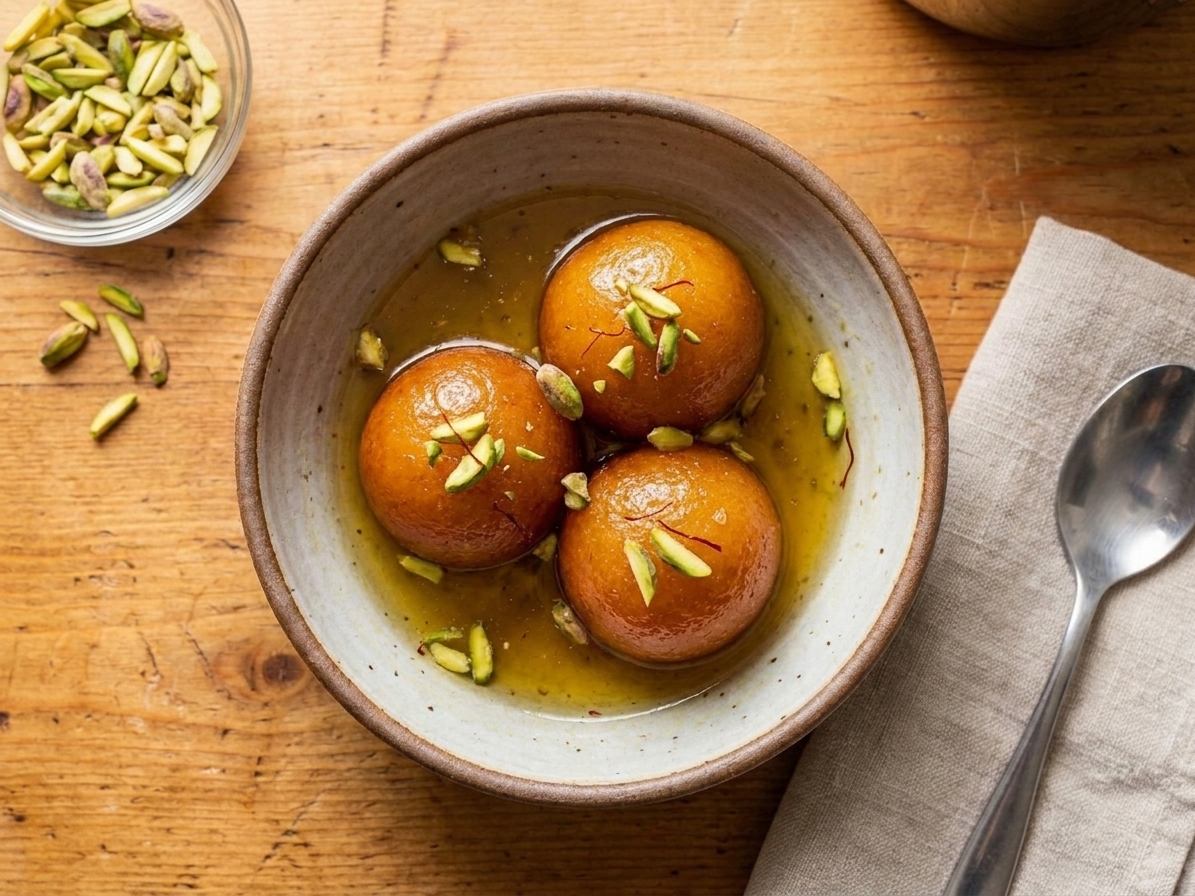
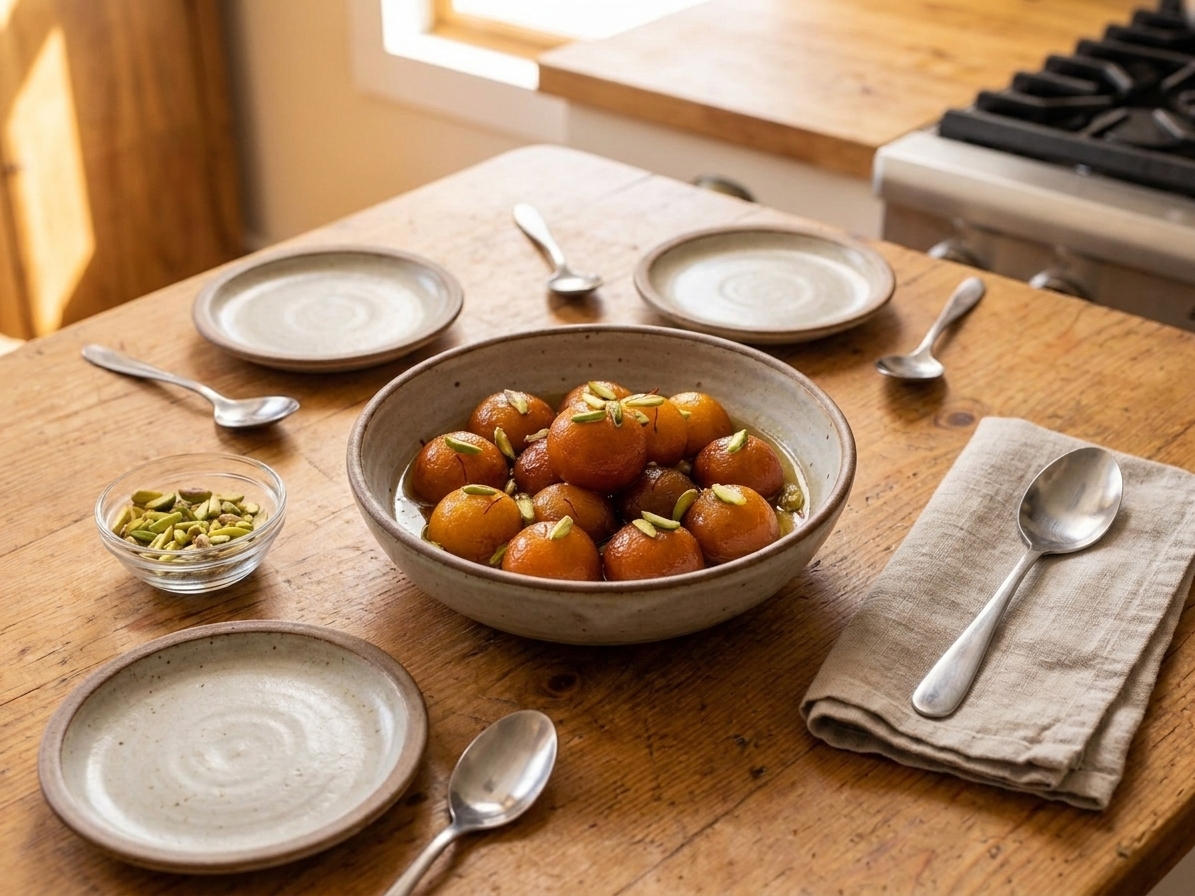
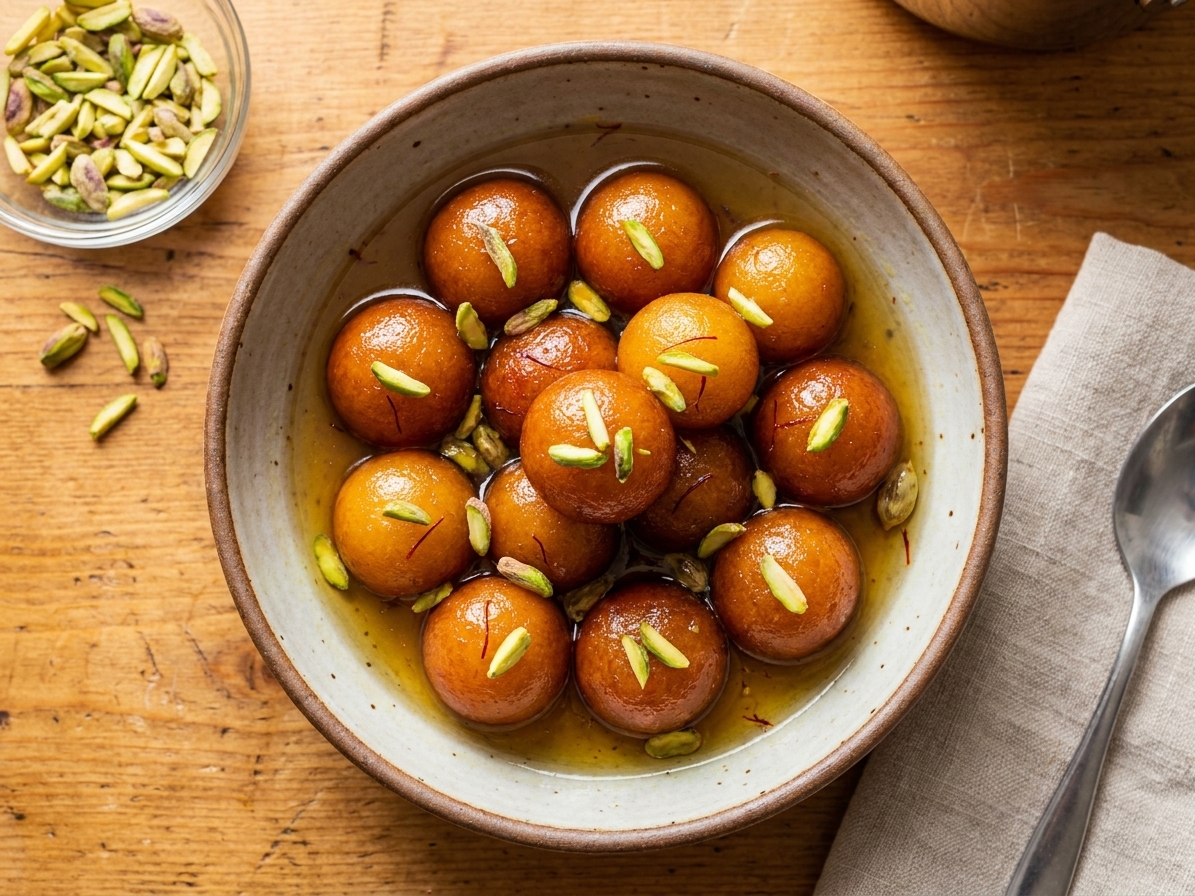
A bowl of glossy gulab jamun soaking in amber sugar syrup, garnished with slivered pistachios on a warm kitchen table

Gulab jamun is one of those desserts that makes the whole kitchen smell like a celebration. You get those soft, browned little dough balls, then you drop them into warm, fragrant syrup and watch them go from “cute” to “completely irresistible.”

This is a home-cook version using milk powder, which means no hunting down fancy ingredients and no hours of reducing milk. The payoff is huge: pillowy centers, a delicate browned exterior, and a syrup that tastes like cardamom, rose, and cozy evenings. Do not worry if you do not have rose water or saffron. They are optional, and the recipe is still classic and delicious without them.
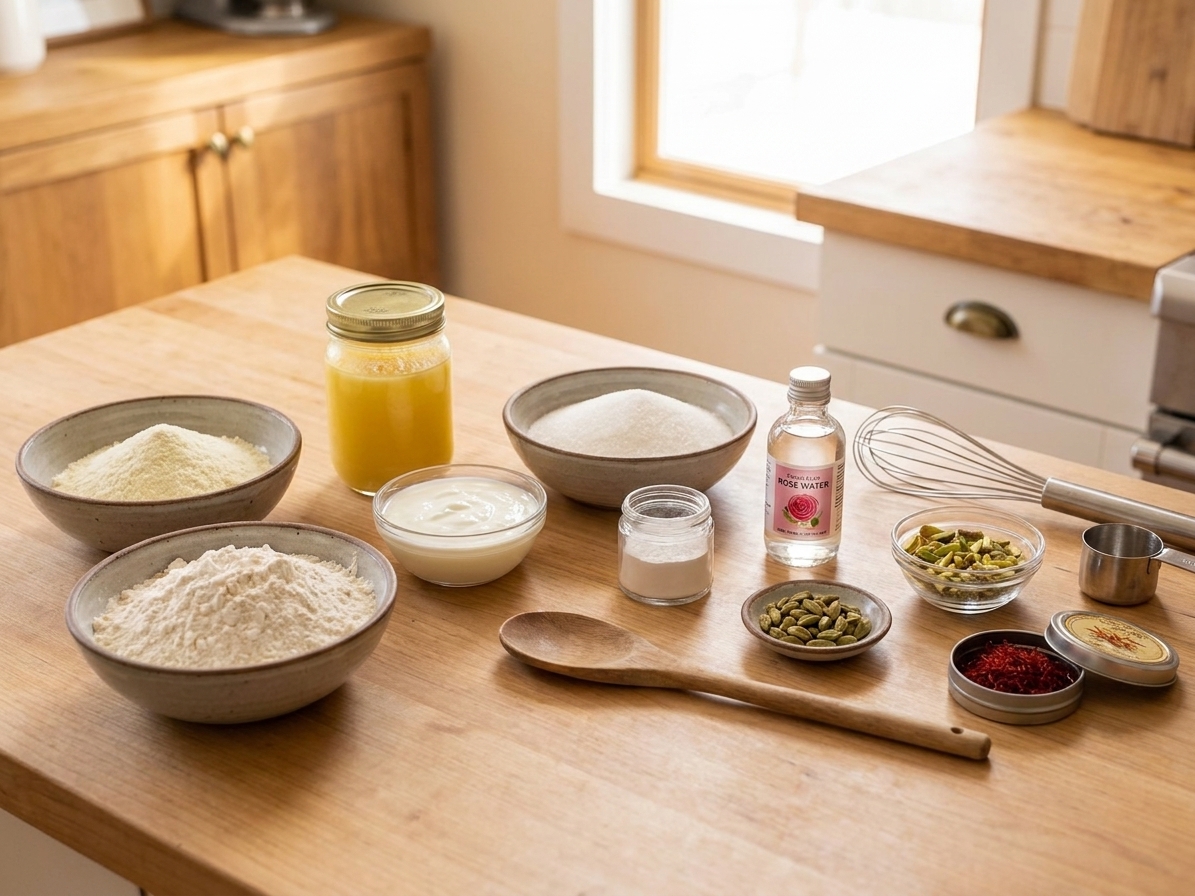
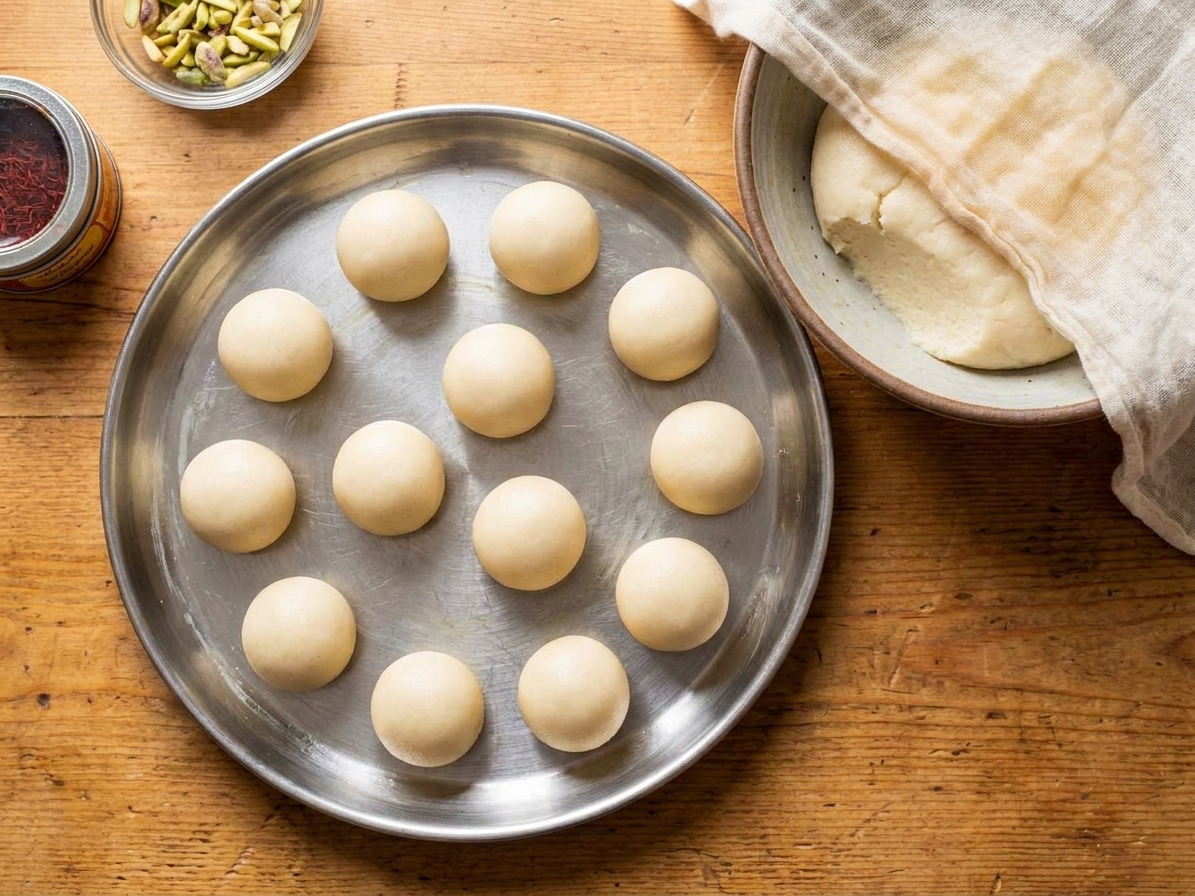
Milk powder, flour, ghee, yogurt, baking powder, sugar, cardamom pods, rose water, and pistachios arranged on a bright kitchen counter

Why It Works

  • Milk powder dough gives you that classic tender bite without making khoya from scratch.
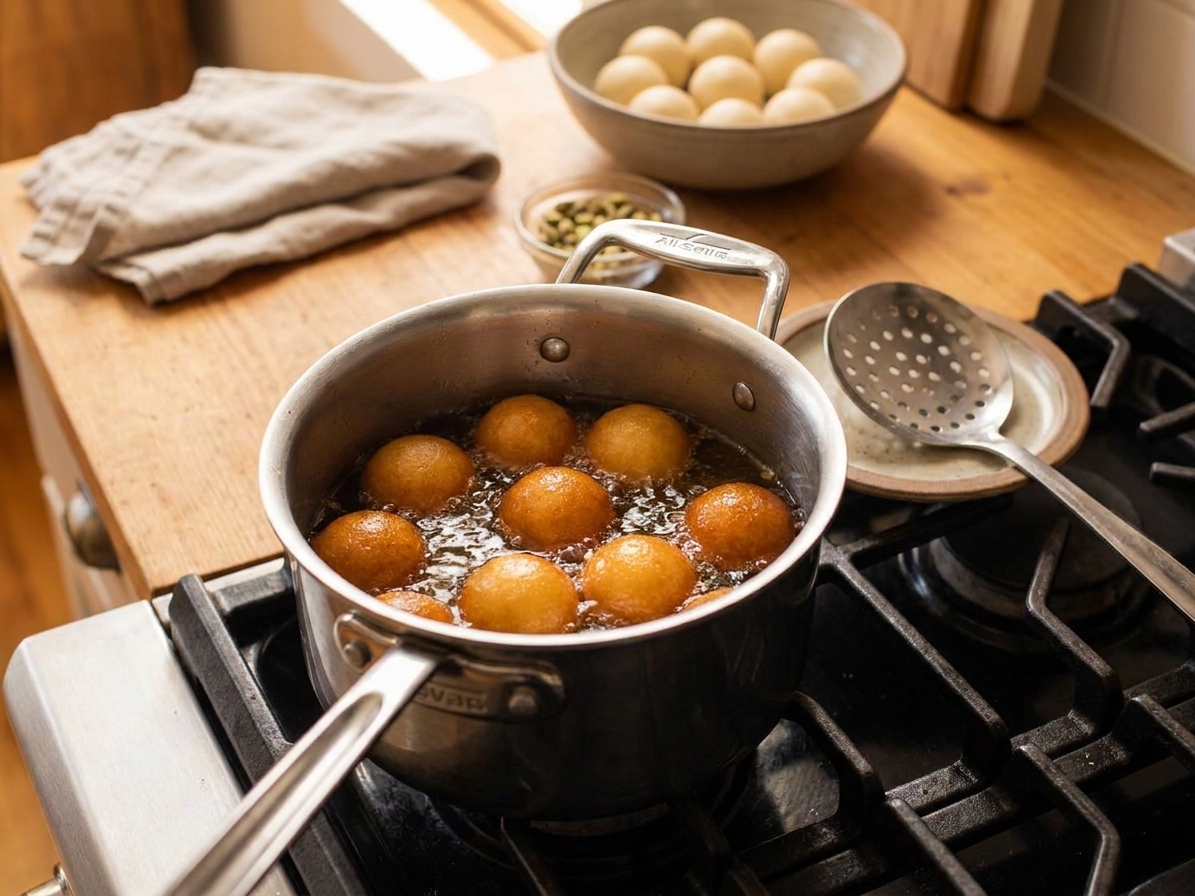
  • Low and steady frying helps the centers cook through before the outside gets too dark. Adjust the heat as needed for slow, even browning.
  • Warm syrup plus warm jamun is the soaking sweet spot, so the syrup actually moves into the middle instead of just glazing the outside.
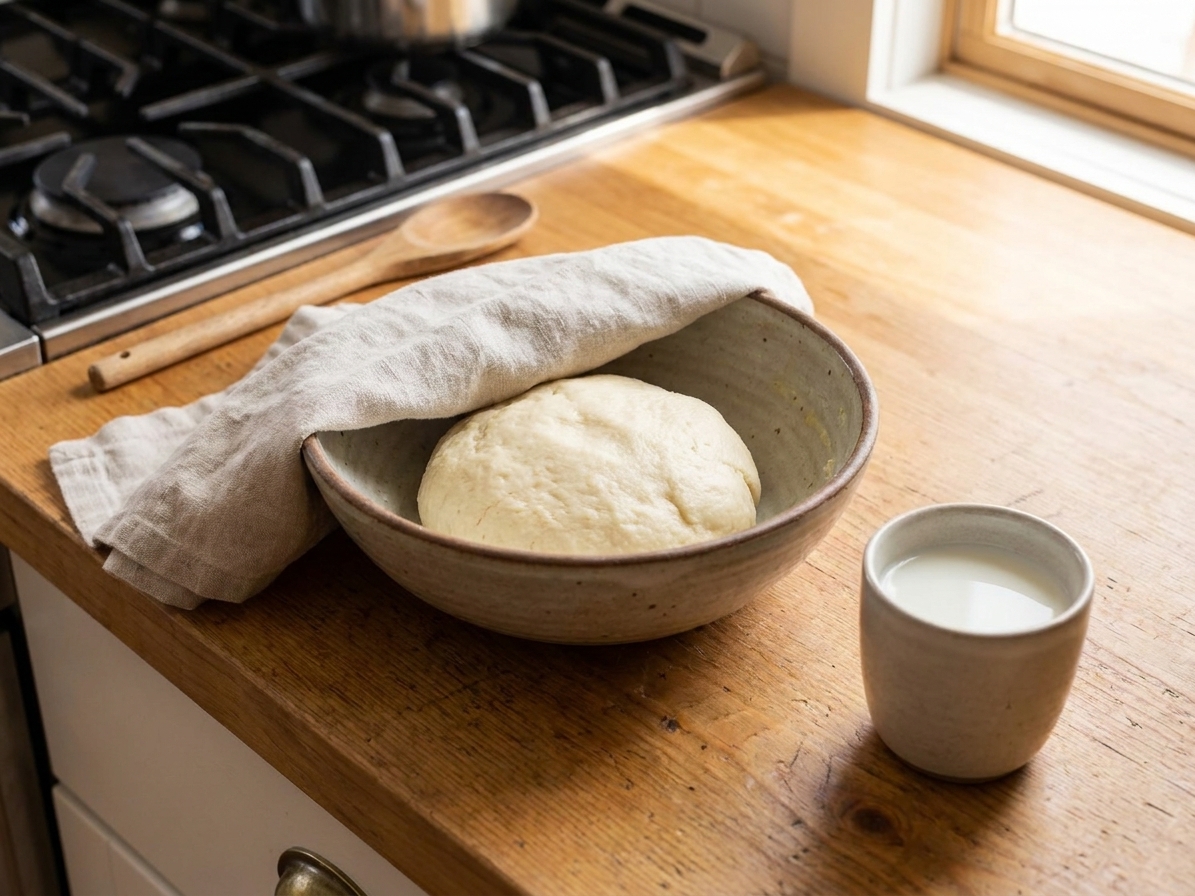
  • A short rest after mixing the dough makes rolling smoother and helps prevent cracks.

Pairs Well With

Storage Tips

Refrigerator: Store gulab jamun in the syrup in an airtight container for up to 4 days. Keep refrigerated, and do not leave at room temp for extended periods since this is a dairy-based sweet.

Reheating: Warm gently in the microwave in a bowl with syrup (20 to 40 seconds). You want warm, not boiling. On the stove, use low heat.

Freezing: Freeze the fried, cooled jamun before soaking for up to 2 months. Thaw in the fridge, warm the syrup, then soak. You can freeze soaked jamun too, but the texture turns a little more delicate.

Common Questions

Why did my gulab jamun crack while frying?

Cracks usually mean the dough is too dry or not rested. Add milk a teaspoon at a time until the dough feels soft and cohesive, then let it rest 10 minutes. Also roll the balls smooth, without seams.

Why are they hard in the center?

Most often the oil was too hot, so the outside browned before the inside cooked. Keep the oil in a gentle frying range, about 300°F to 325°F for small jamun, and adjust as needed. The goal is slow, even browning. Another culprit is a tight dough. Mix gently and stop once it comes together.

Why didn’t they soak up syrup?

Temperature matters. Aim for warm syrup (not boiling) and warm jamun (not piping hot). If both are cold, soaking is slow and uneven. If syrup is too hot, the outside can get fragile.

Can I make gulab jamun without rose water?

Absolutely. Skip it, or use a little saffron or a tiny splash of vanilla for a different vibe. Cardamom alone still tastes classic.

What oil should I use?

Use a neutral oil (canola, vegetable, avocado) or half oil and half ghee for extra aroma. Avoid strongly flavored oils.

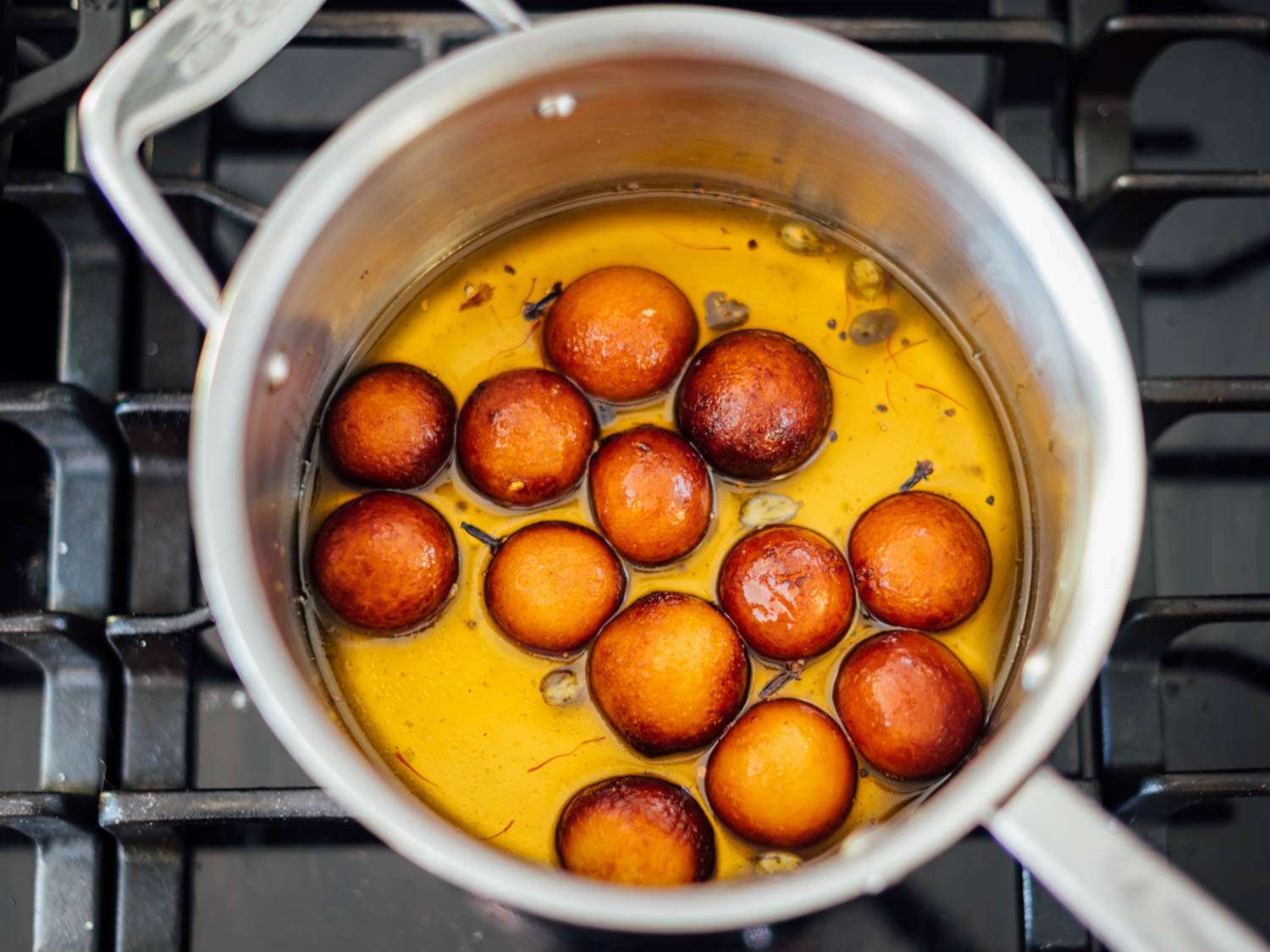
A small saucepan filled with sugar syrup and a few gulab jamun floating on top, cardamom pods visible

I used to think gulab jamun was strictly a restaurant dessert, like it required secret techniques and a chef’s calm hands. Then I watched someone make it at home and realized the “secret” is mostly patience. Gentle heat, soft dough, warm syrup. The first time I fried a batch, I hovered over the pot like a nervous parent, turning each one like it was precious. When they hit the syrup and puffed up, I was sold. It is hands-on, a little messy, and completely worth it.