Mom's Best Recipes
Recipe

Panda Express Chow Mein (Copycat)

A fast, pantry-friendly copycat with tender yakisoba-style noodles, crisp cabbage, and that savory soy-garlic gloss.

Author By Matt Campbell
4.8
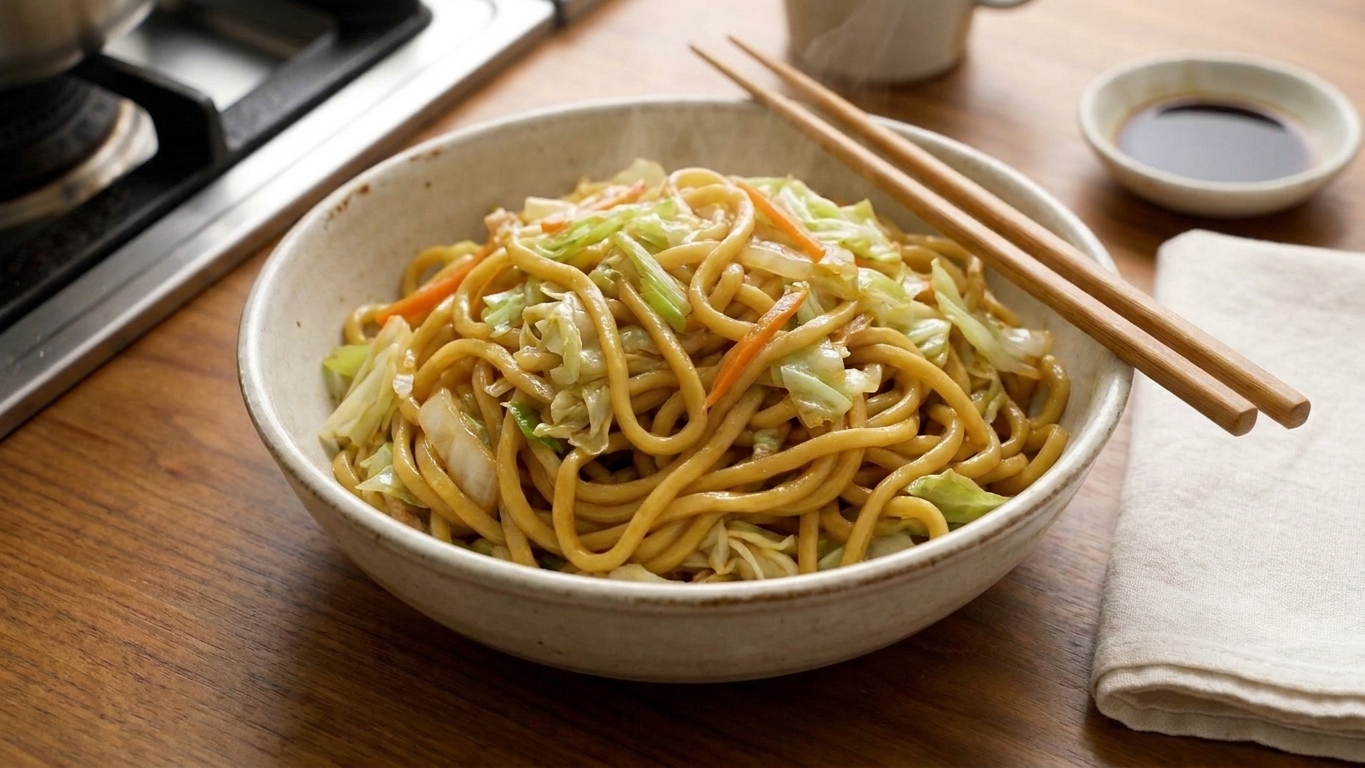
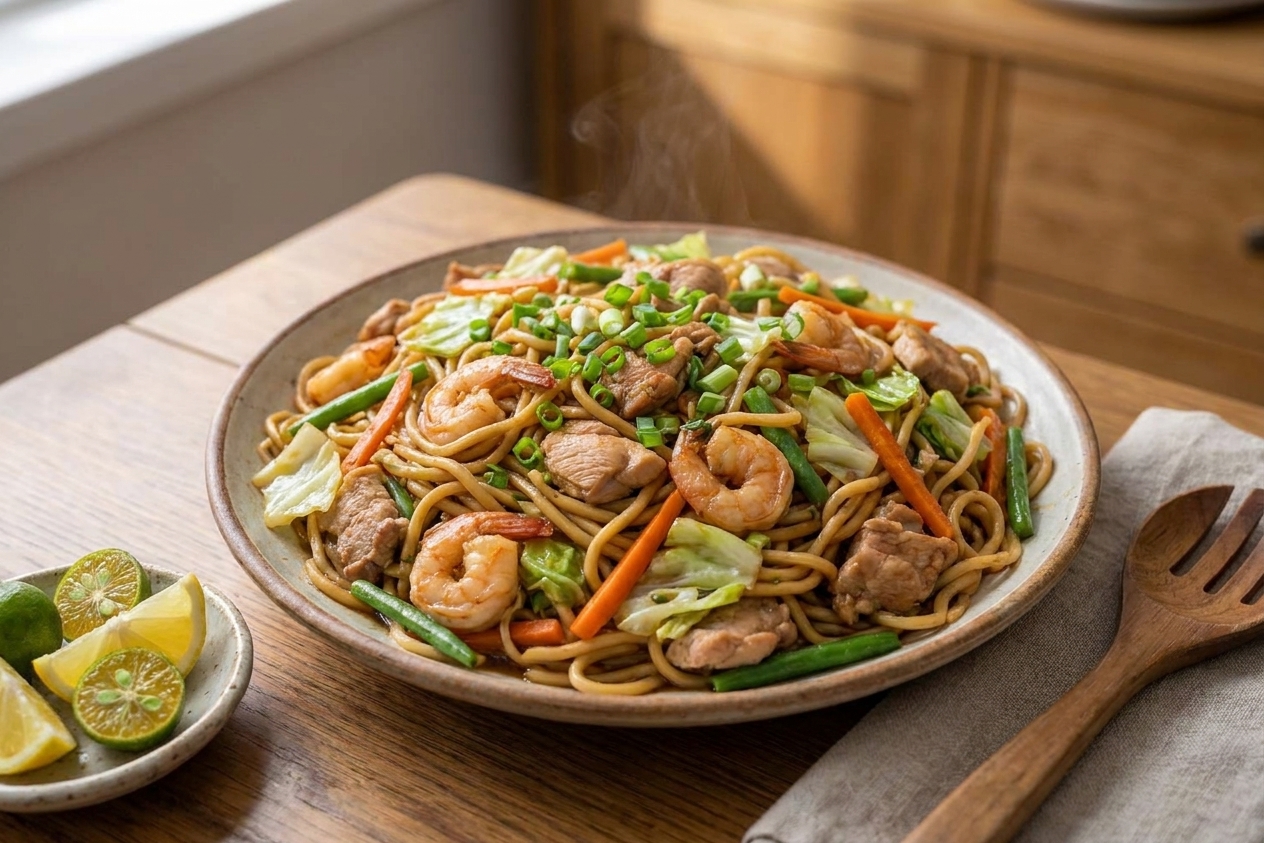
A heaping bowl of Panda Express-style chow mein with glossy noodles and shredded cabbage on a wooden table

Panda Express chow mein is one of those sides that quietly steals the show. The noodles are springy, the cabbage stays a little crisp, and the whole thing has that savory, slightly sweet soy-garlic gloss that makes you keep “testing for seasoning” straight from the pan.

This copycat is designed for real life. No hard-to-find sauces. No mystery steps. Just a hot pan, accessible ingredients, and a couple small tricks to get that takeout texture at home.
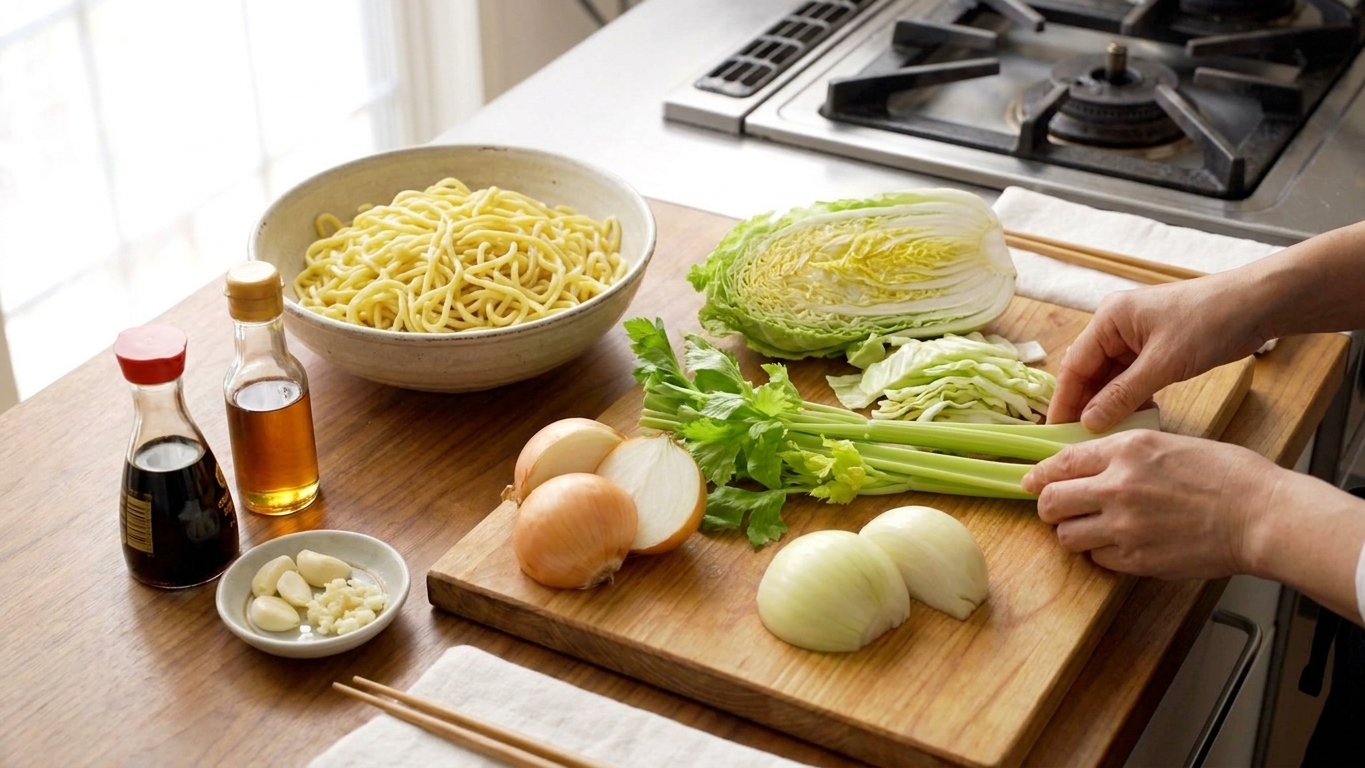
Chow mein ingredients arranged on a kitchen counter including noodles, cabbage, celery, onions, soy sauce, garlic, and sesame oil

Why It Works

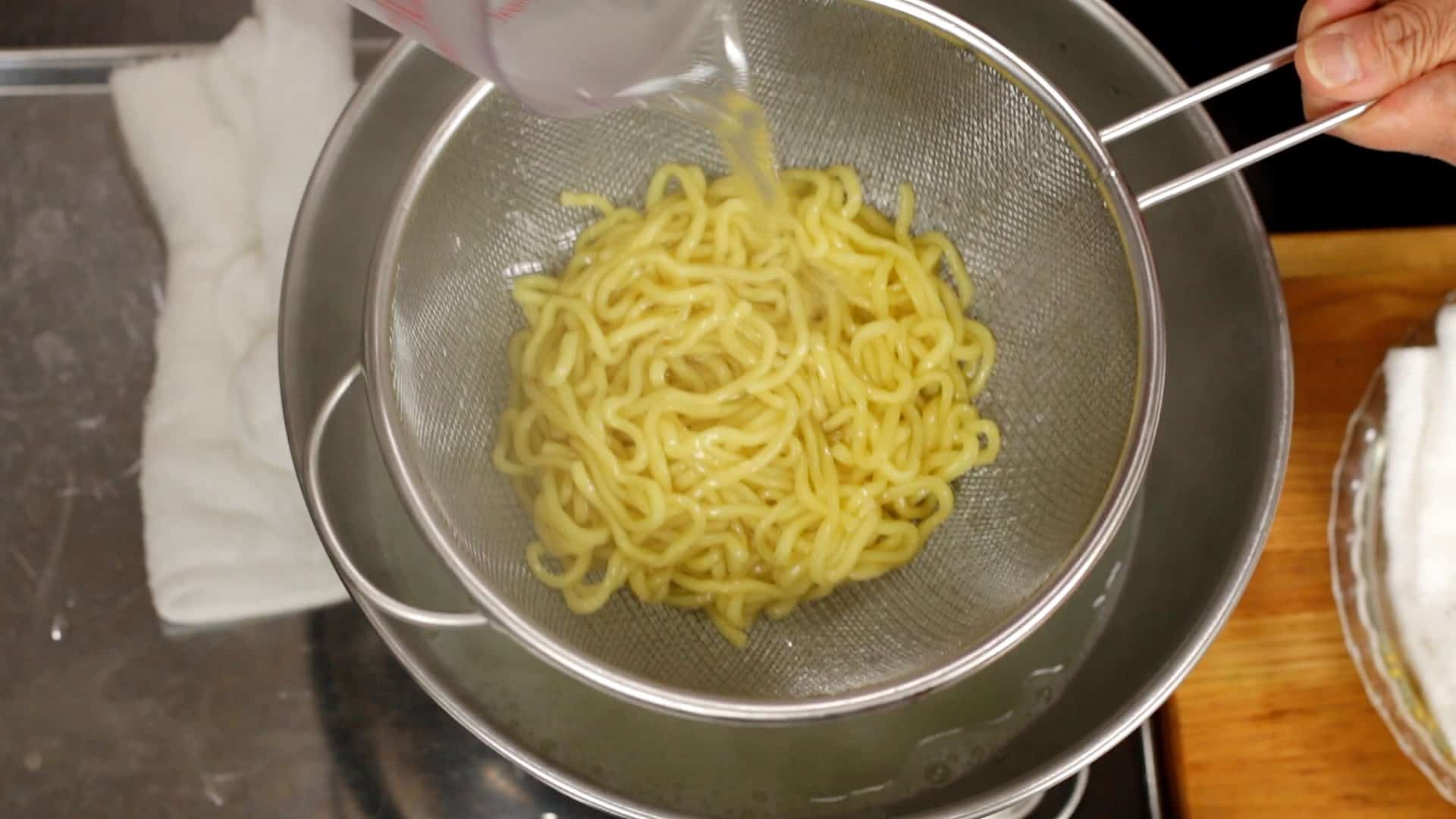
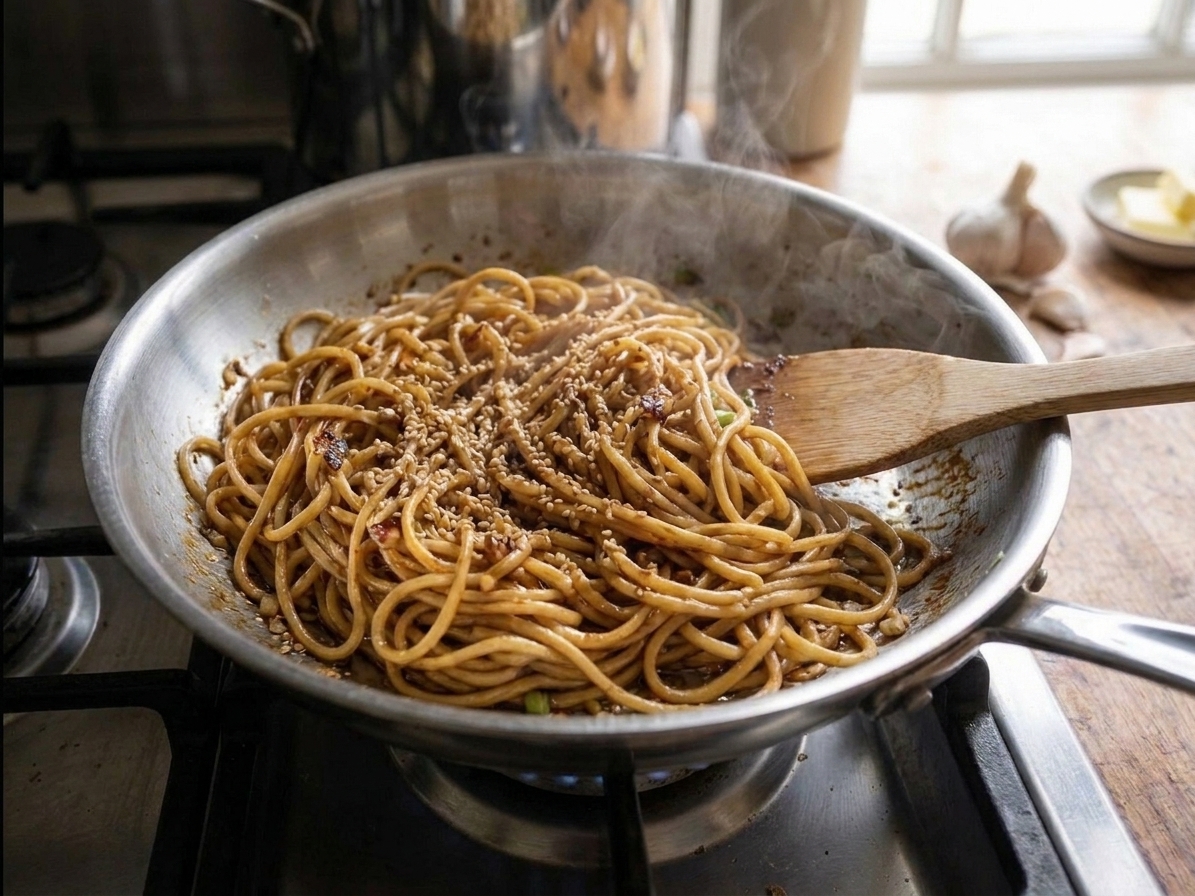
  • Takeout-style texture: We loosen the noodles, drain them aggressively, then stir-fry hot and fast so they do not turn gummy.
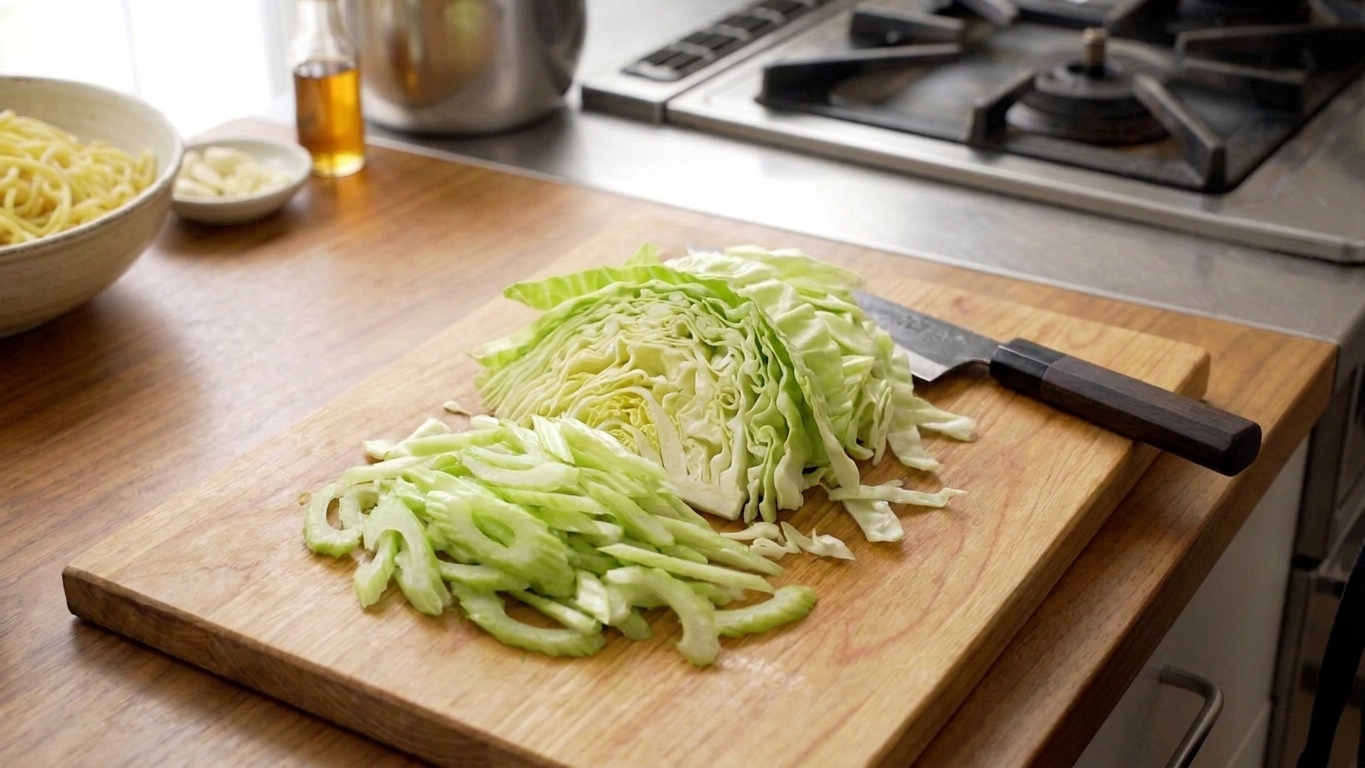
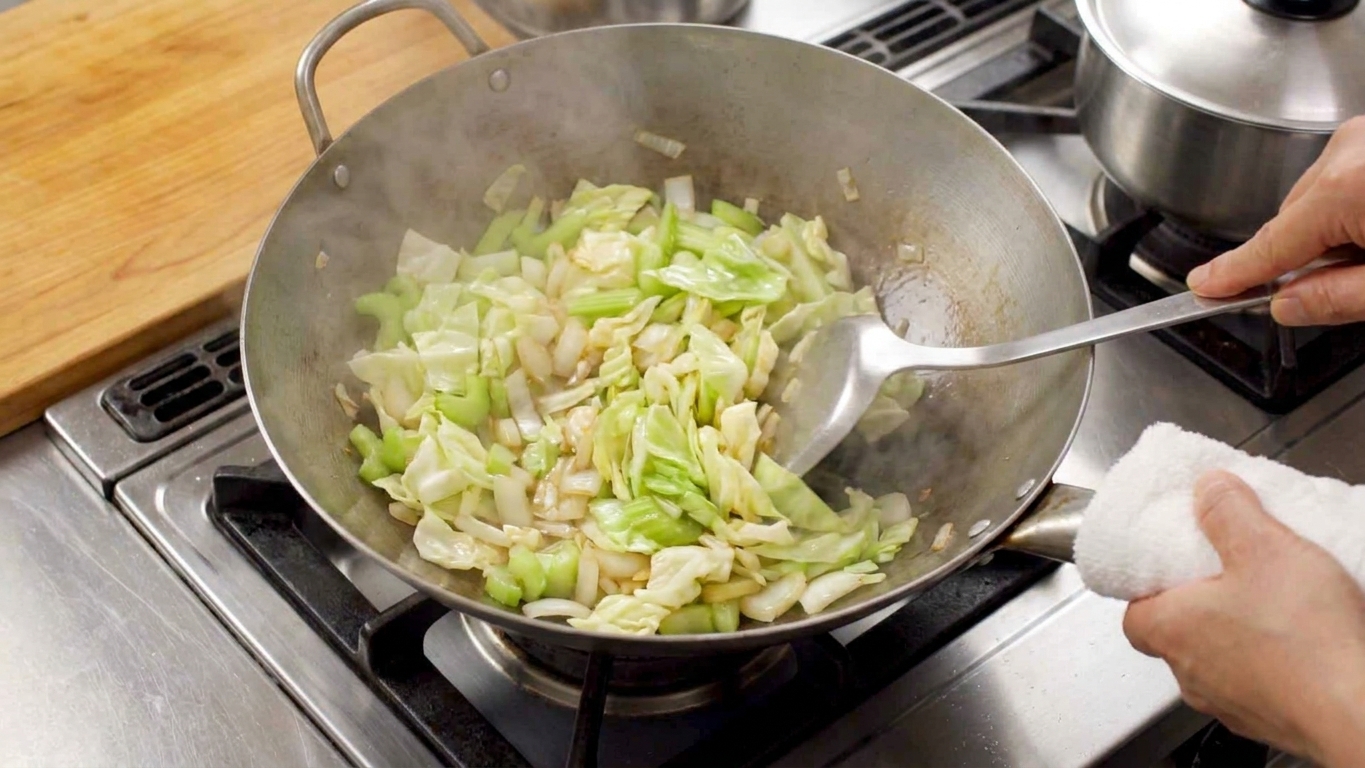
  • Crisp-tender veggies: Cabbage and celery go in early enough to sweeten, but not so long they go limp.
  • Flavor that lands: A simple sauce built from soy sauce, oyster sauce, a touch of sugar, and sesame oil gets you very close to the Panda Express vibe.
  • Weeknight speed: Everything cooks in one pan in about 8 to 10 minutes once you start.

Pairs Well With

Storage Tips

Refrigerate: Cool completely, then store in an airtight container for 3 to 4 days.

Reheat (best method): Toss in a skillet or wok over medium-high heat with a small splash of water (or chicken broth) to loosen the sauce, 2 to 4 minutes. Finish with a tiny drip of sesame oil if you want it extra fragrant.

Microwave: Works fine. Cover and heat in 30-second bursts, stirring in between. Add a splash of water so the noodles stay springy.

Freezing: You can, but the cabbage softens a lot after thawing. If you plan to freeze, slightly undercook the veggies and thaw overnight in the fridge before reheating in a hot skillet.

Common Questions

What noodles does Panda Express use for chow mein?

Panda Express chow mein is made with wheat-based stir-fry noodles. At home, the closest easy swap is yakisoba noodles (often sold refrigerated). You can also use fresh lo mein noodles. If all you have is dried spaghetti, it will work in a pinch, but the texture will be less bouncy. Tip: cook it 1 minute shy of al dente, rinse, then toss with a little oil before stir-frying.

Can I make this without oyster sauce?

Yes. Oyster sauce adds that savory depth and slight sweetness. If you need to skip it, use extra soy sauce plus a little hoisin, or soy sauce plus a pinch more sugar. The flavor will be a bit lighter, still delicious.

Why did my chow mein turn soggy?

The top two culprits are wet noodles and a pan that is not hot enough. Drain the noodles very well, and cook in a wide skillet or wok over medium-high heat so moisture evaporates quickly.

Can I add protein?

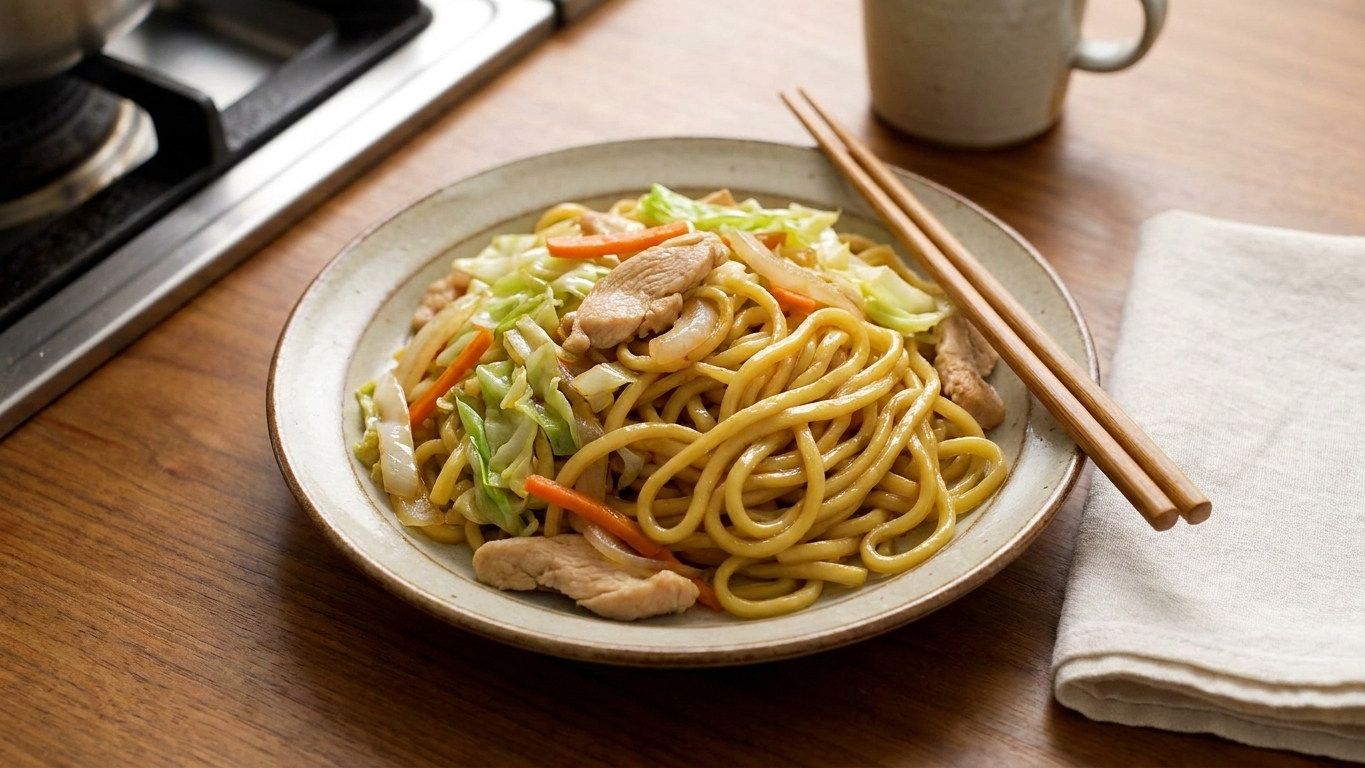
Absolutely. Stir-fry thin-sliced chicken, shrimp, or tofu first, remove it, then cook the veggies and noodles and toss everything together at the end.

Is this spicy?

Not as written. If you want heat, add chili garlic sauce, sambal, or a pinch of red pepper flakes at the end.

I love copycat recipes because they teach you what you actually like about the original. For Panda Express chow mein, it is not complicated. It is heat, timing, and that moment when the noodles pick up just enough sauce to shine without drowning. The first time I tried to recreate it, I made the classic mistake of babying the pan and overcooking the cabbage. Now I crank the heat, keep things moving, and let the edges get just a little toasty. It tastes like takeout, but with a smug little bonus: you can make a whole pan for the price of one side.