Common Questions
Is adobo sauce spicy?
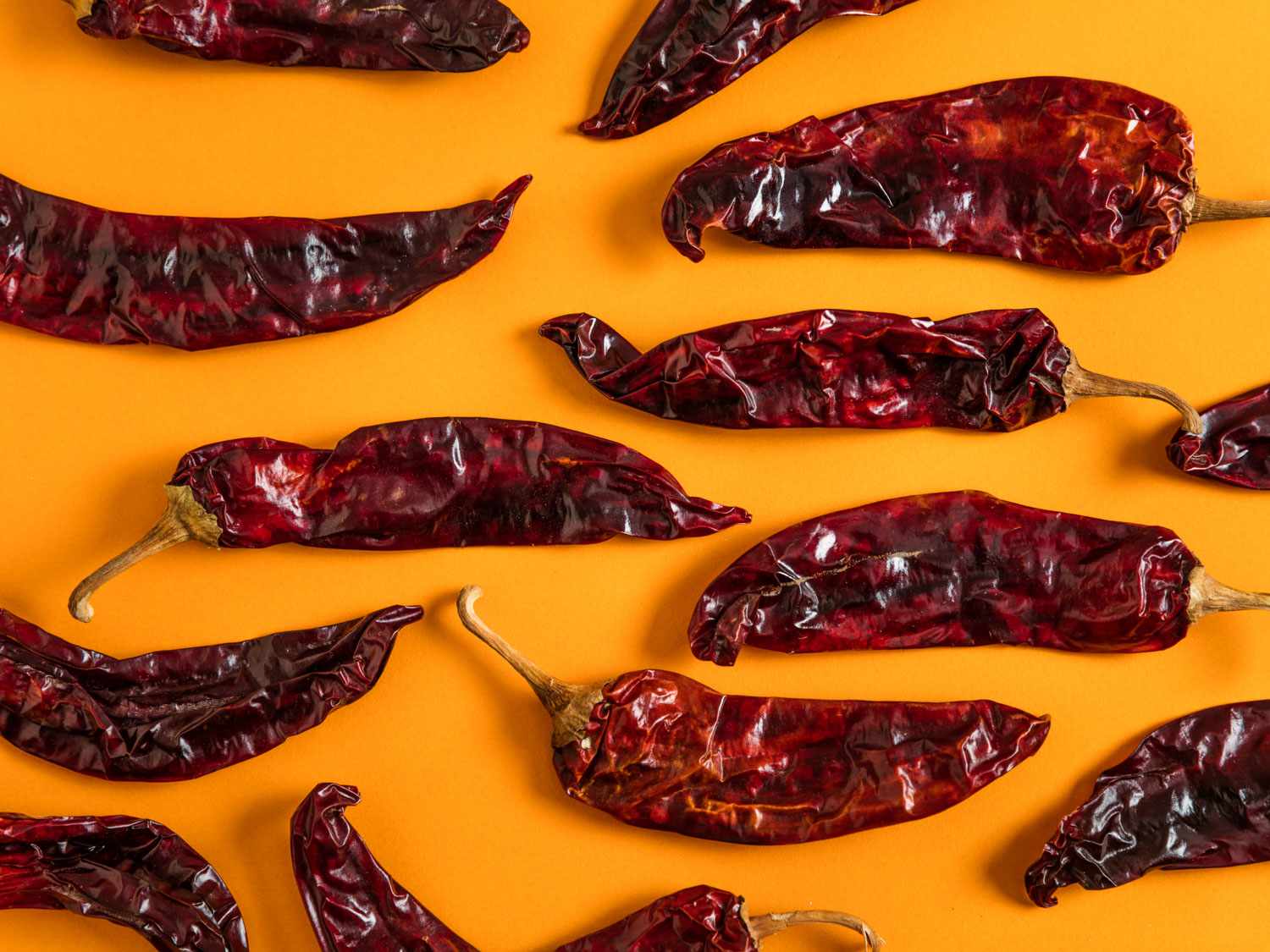
It depends on your chiles. This recipe lands mild to medium for most people, but heat can vary a lot by chile size and freshness, and by how much of the membranes (the main heat source) you remove. Seeds can carry a little heat, but the membranes are the real lever. For milder sauce, use more ancho (milder, raisiny) and less guajillo, and be extra thorough about removing membranes. For hotter sauce, add 1 to 2 chile de arbol or a pinch of cayenne.
Is this the same as Filipino adobo?
Different vibe, same word. Filipino adobo is typically a vinegar-soy braise for meat. This recipe is a Mexican-style chile adobo sauce, used as a marinade, cooking sauce, or seasoning base.
Can I make it smoky like chipotle adobo?
Yes. Guajillo and ancho are more earthy and fruity than smoky. For a chipotle-forward sauce, blend in 1 to 2 chipotle peppers in adobo (from a can) plus 1 tablespoon of the canned sauce. Start with a little less vinegar and salt to taste at the end since canned chipotles bring their own tang and salt (and sometimes a touch of sweetness).
Why does my sauce taste bitter?
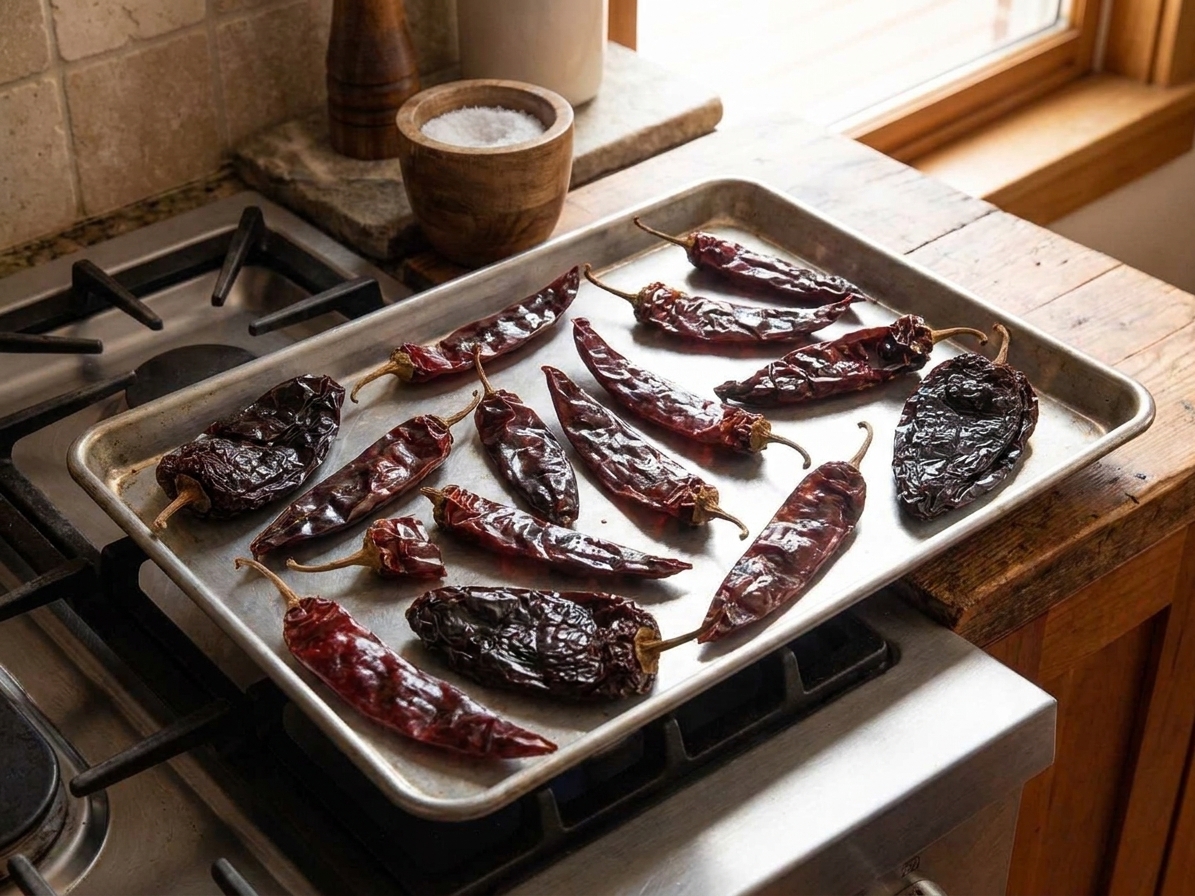
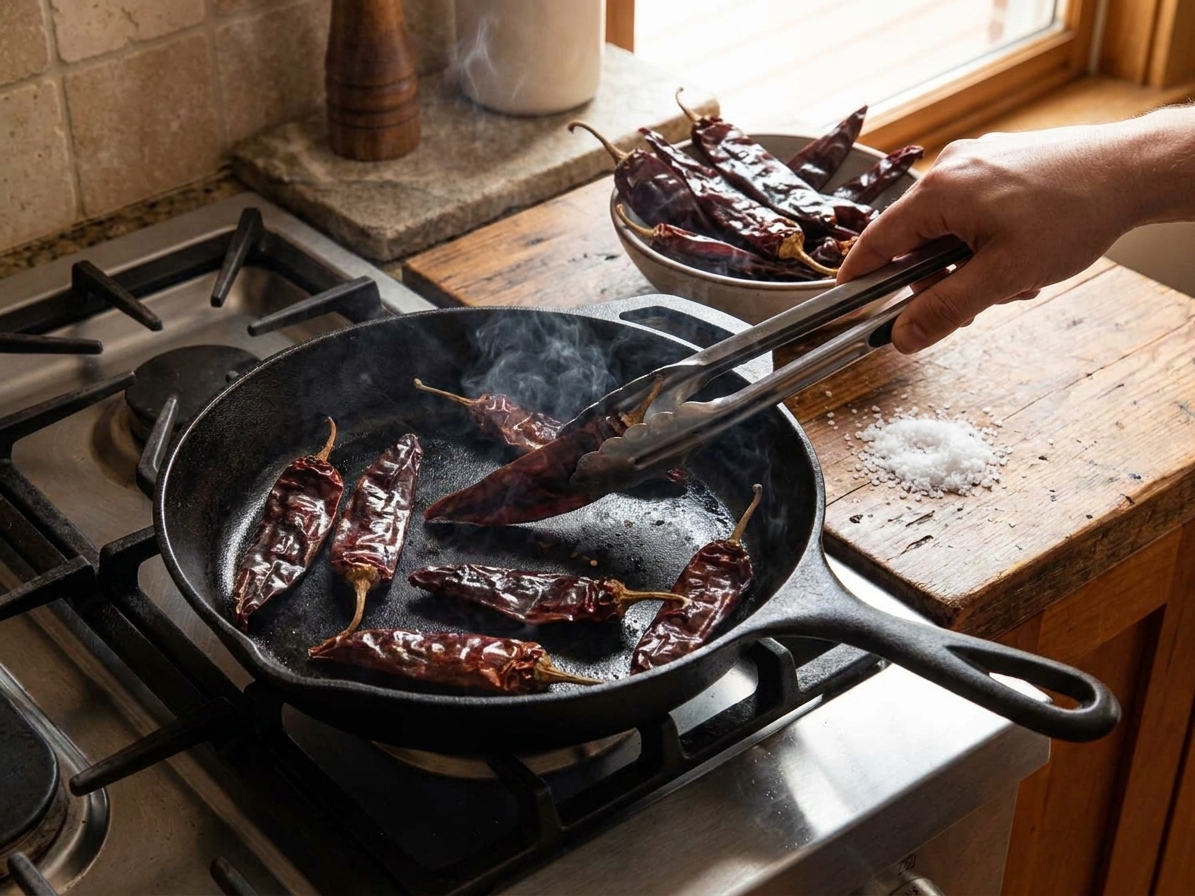
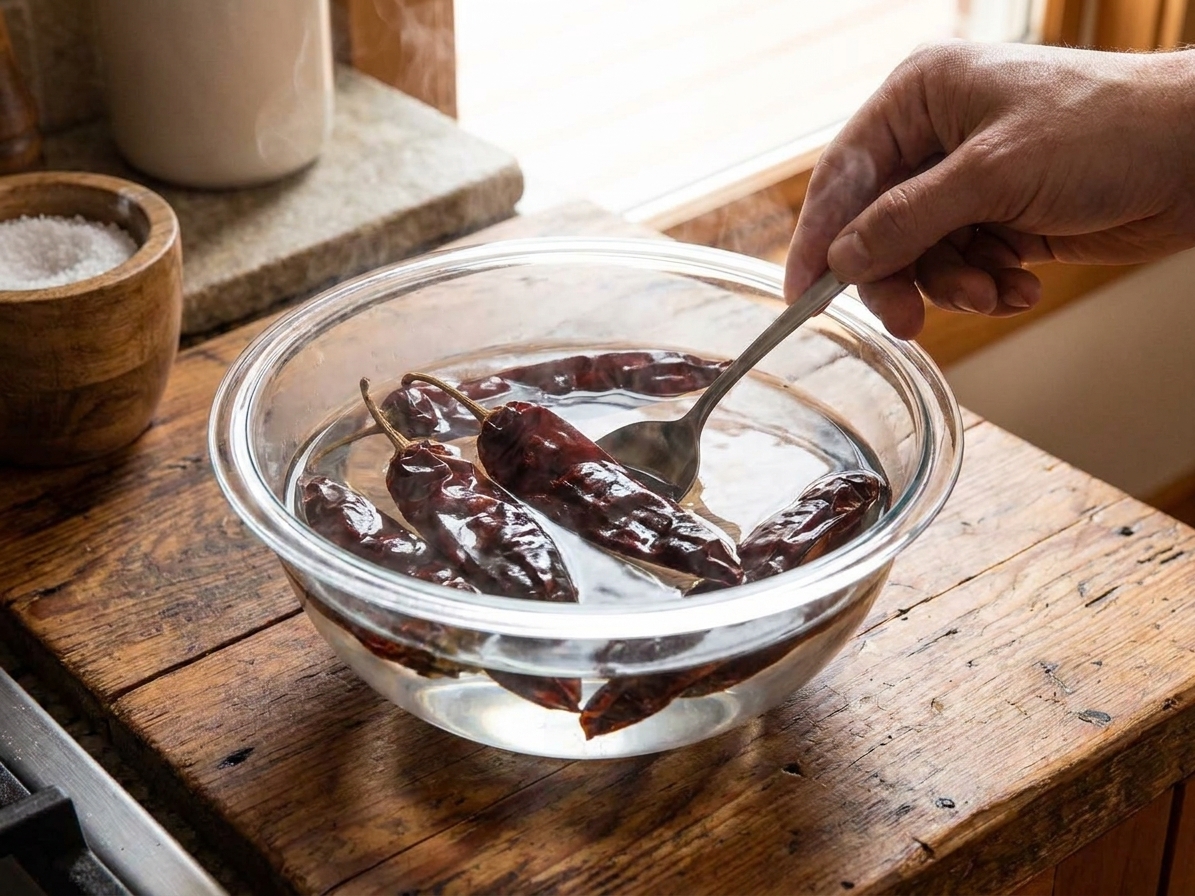
Most common culprit is burned chiles. Toast them briefly until fragrant, not black. If it still tastes bitter, try blending with a touch more brown sugar or honey, then simmer a few extra minutes. You can also rinse the soaked chiles before blending if your dried chiles are especially bitter.
How do I use adobo sauce?
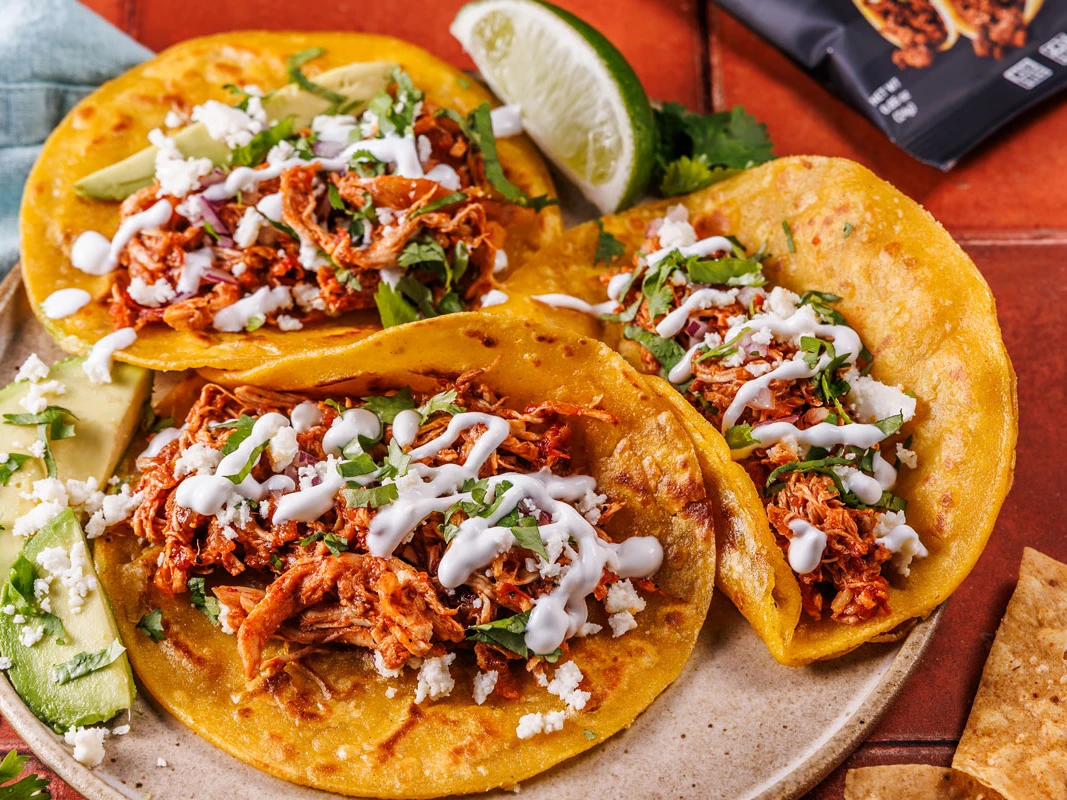
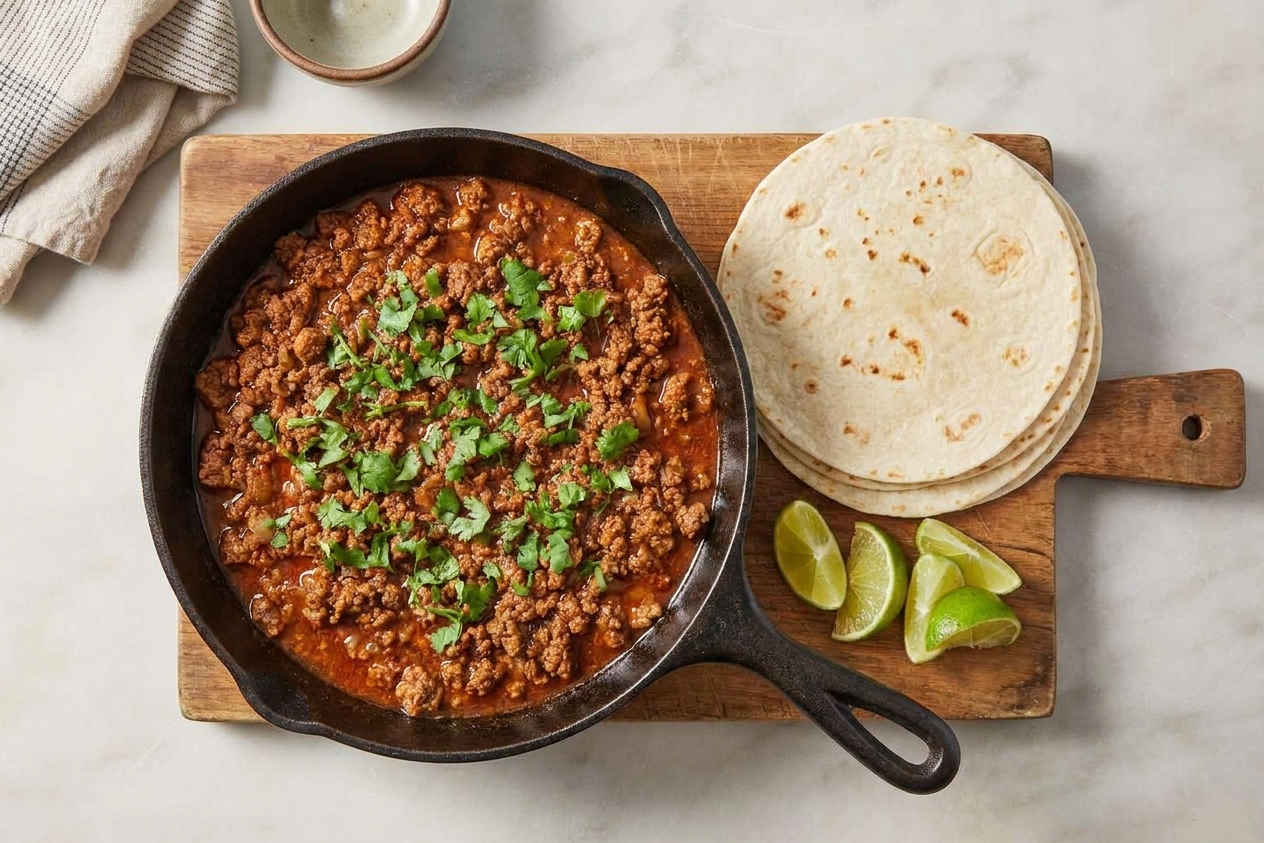
My favorite ways: whisk into taco meat, stir into black beans
, rub on chicken thighs before roasting, or mix with mayo and lime for an instant sandwich spread with actual personality. For quick amounts, see the “How to Use It” ideas in the instructions.
Is this a finished sauce?
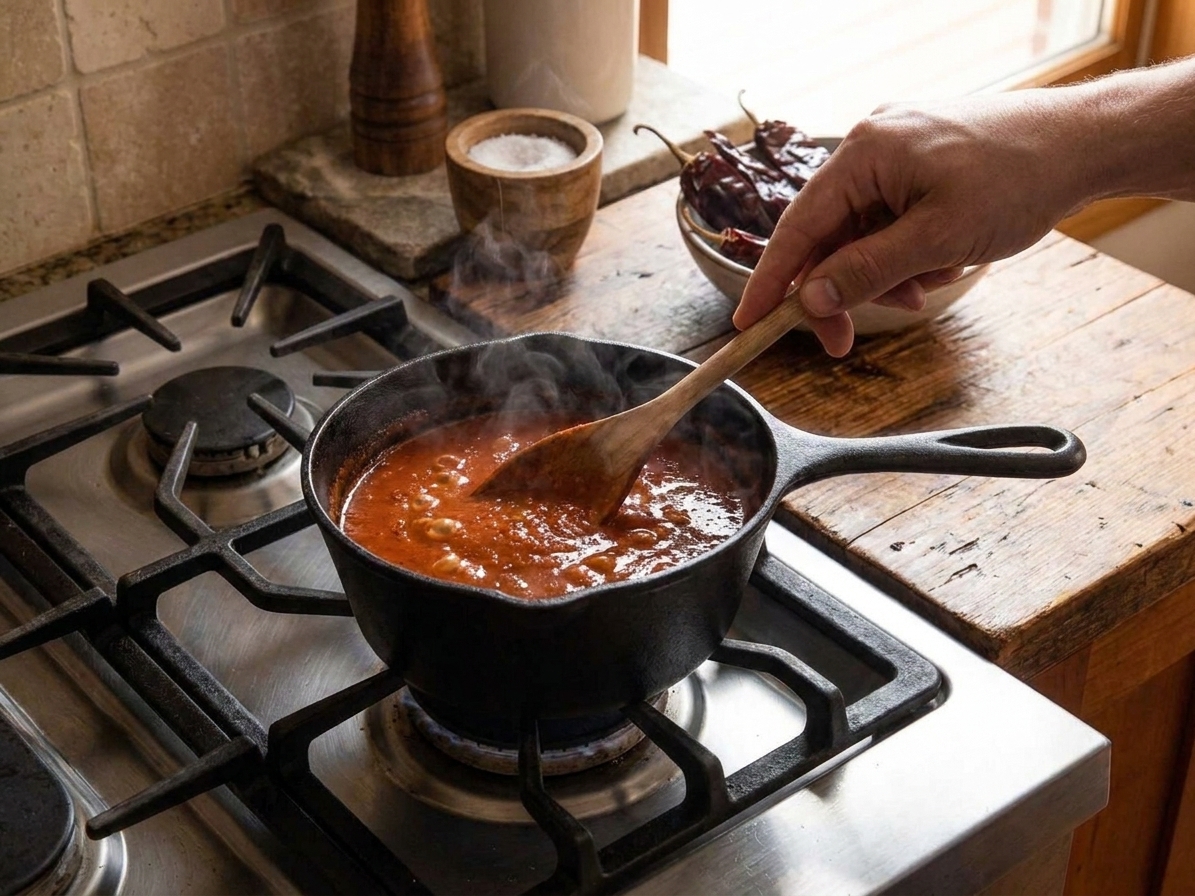
Think of this as a powerful sauce base. It is amazing as-is for marinades and stir-ins, but for a simmer sauce, you will usually want to loosen it with broth, add a little fat, and adjust salt and acid to taste.