Mom's Best Recipes
Recipe

Homemade Cajun Spice Blend

A bold, pantry-friendly Cajun seasoning that brings smoky heat, garlic, and just enough kick for weeknight everything.

Author By Matt Campbell
4.8
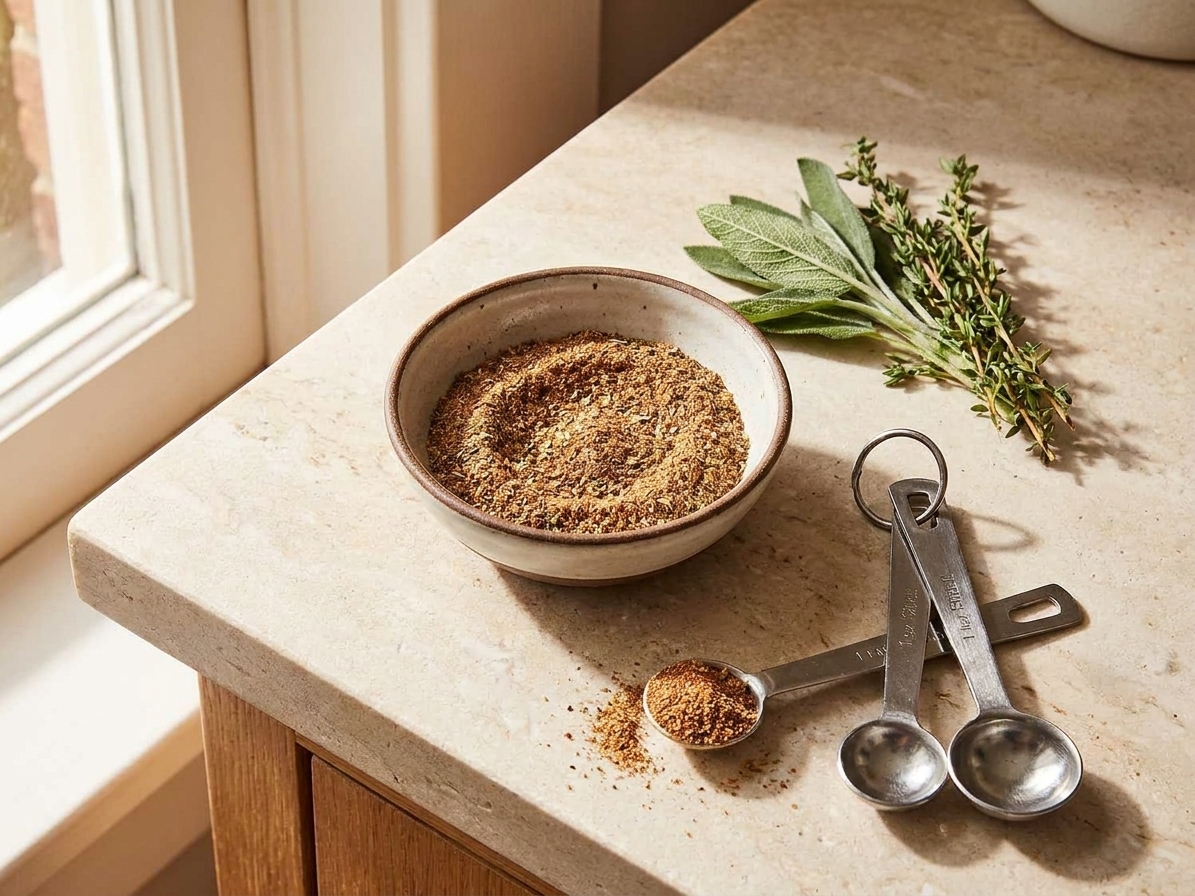
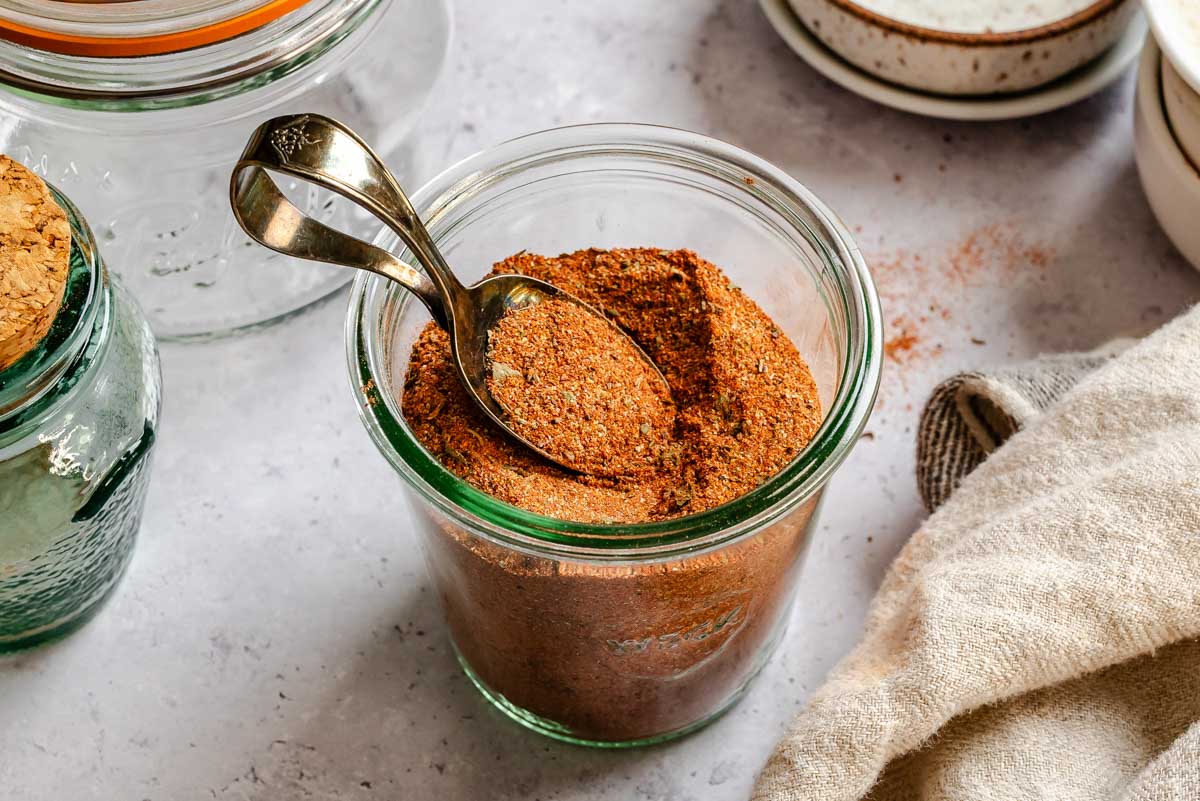
A small glass jar filled with deep red homemade Cajun seasoning on a warm kitchen counter, with measuring spoons and a few whole spices nearby

Cajun seasoning is my favorite kind of kitchen shortcut. It is the little jar that turns plain chicken into something you actually want to eat, makes frozen shrimp taste like a plan, and gives roasted potatoes that crispy-edge, salty-spicy energy we all deserve on a Tuesday.

This blend is bold but balanced: smoky paprika, garlic and onion, a peppery bite, and a gentle heat that you can dial up or down. It tastes savory, warm, and a little loud in the best way. Make it once in about five minutes, then sprinkle it on everything like you are the type of person who always has it together.
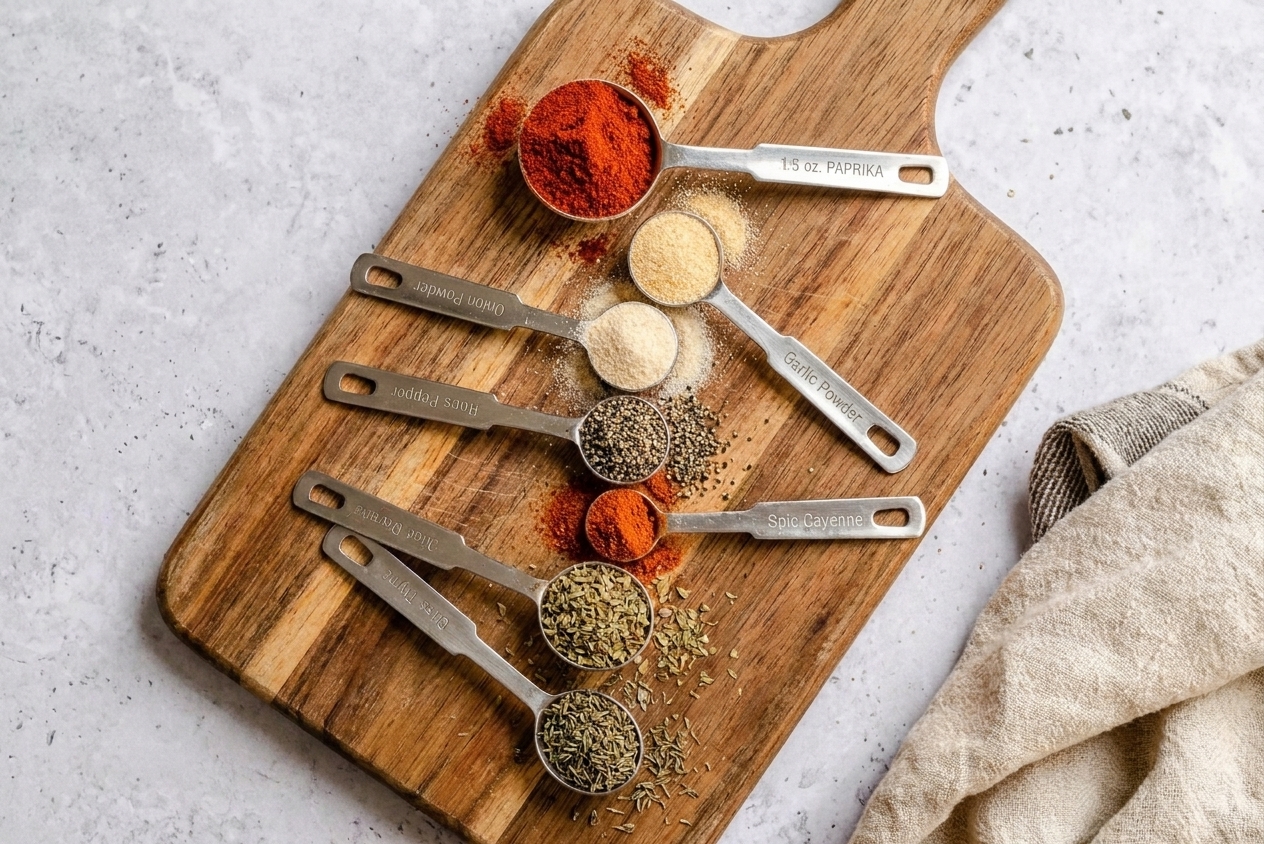
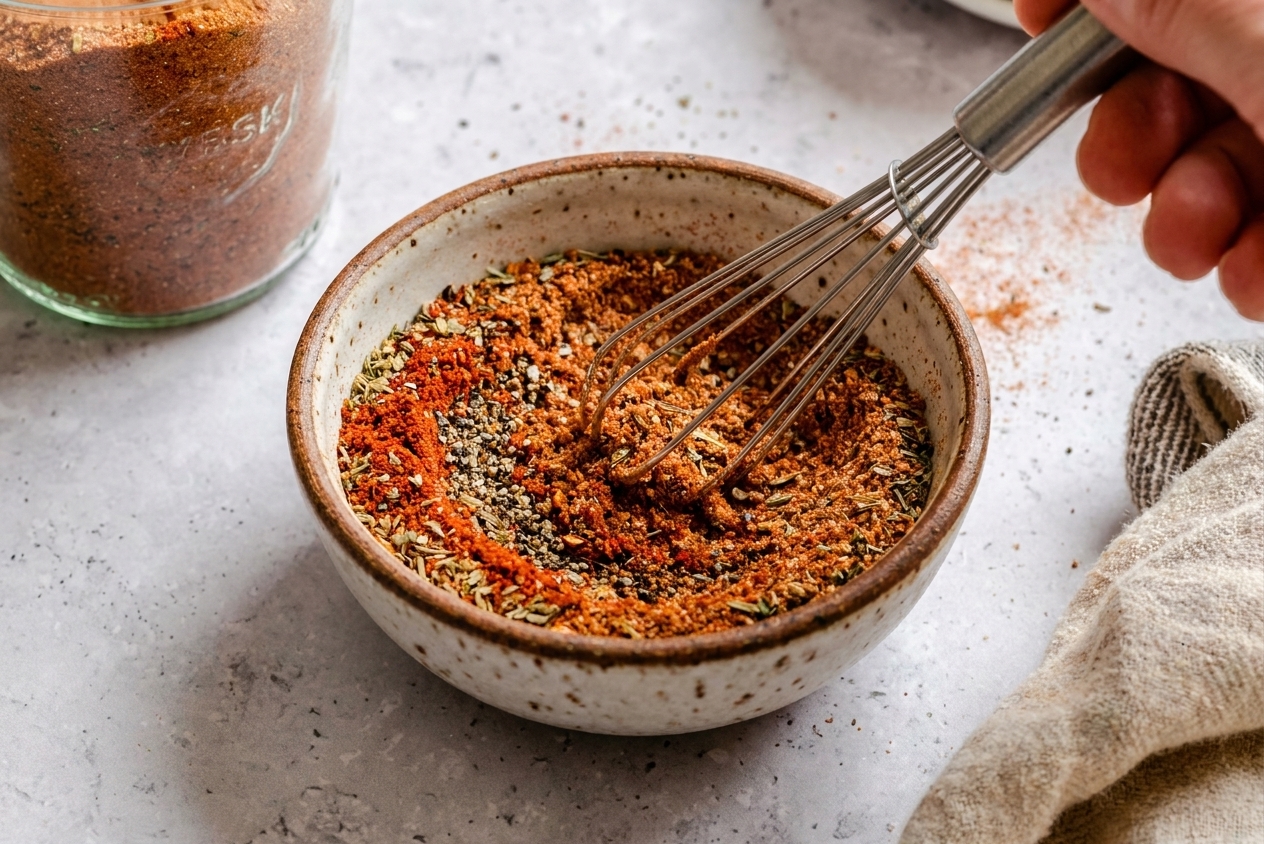
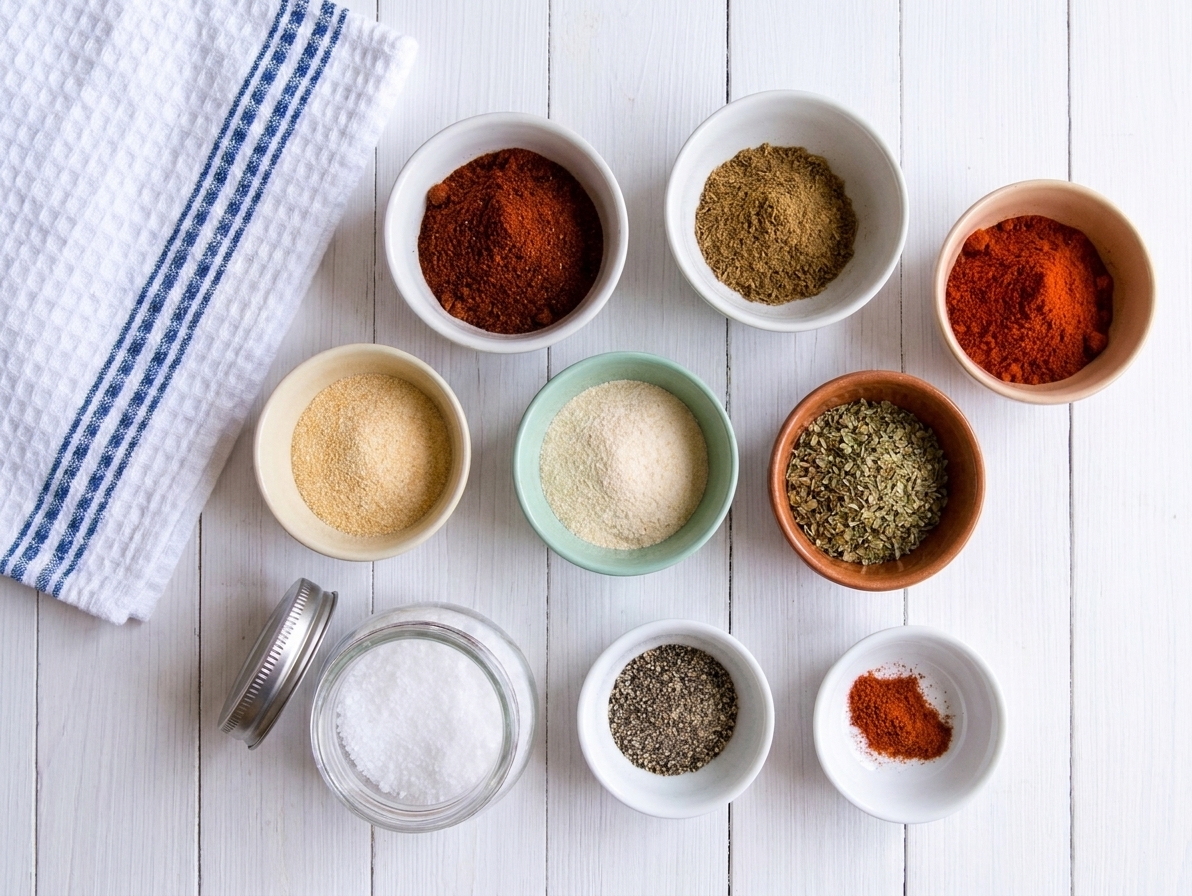
Paprika, garlic powder, onion powder, black pepper, cayenne, oregano, and thyme measured in spoons on a wooden cutting board

Why It Works

  • Big flavor, zero fuss: everything is a pantry spice, and the ratios are easy to remember after you make it once.
  • Not just heat: paprika and herbs keep it savory and aromatic so it tastes seasoned, not just spicy.
  • Works on anything: proteins, veggies, fries, beans, eggs, even popcorn if you are feeling chaotic in the best way.
  • Flexible salt: make it with salt for grab-and-go seasoning, or keep it salt-free so you can control sodium dish by dish.

Pairs Well With

Storage Tips

Store: Keep Cajun seasoning in an airtight jar or spice container in a cool, dark cabinet.

Best flavor window: 3 to 6 months for peak punch. It is still safe after that if kept dry and free of moisture, it just gets less loud.

Make-ahead tip: If you doubled the batch, split it into two small jars. Open one now, stash the other in the back of the cabinet so it stays fresher longer.

Avoid: Shaking spices over a steaming pot. Steam is the fast lane to clumps. Spoon it out instead.

Common Questions

Is Cajun seasoning the same as Creole seasoning?

They are cousins, not twins. Cajun blends often lean a little more rustic and pepper-forward, while Creole blends frequently include more herbs. Depending on the brand, Creole can also taste a touch sweeter or more rounded. In real life, blends vary a lot, so think of this recipe as a customizable baseline.

How spicy is this blend?

As written, it is medium. You feel it, but it should not wreck dinner. For mild, cut the cayenne in half. For spicy, increase cayenne to 1 1/2 teaspoons and add an extra 1/2 teaspoon black pepper.

Can I make it without salt?

Yes. Skip the salt entirely and season your food with salt separately. This is my preferred move if you use Cajun seasoning on a lot of different dishes because it keeps you from accidentally over-salting.

What is the best way to use Cajun seasoning on meat?

For quick weeknights, use it as a dry rub. For deeper flavor, mix it with a little oil and something acidic like lemon juice or vinegar, then marinate 20 to 60 minutes. For delicate seafood, avoid long marinades, especially if you are using acid and salt, because texture can go weird fast.

How much Cajun seasoning should I use?

A good starting point is 1 to 2 teaspoons per pound of meat or vegetables, then adjust after your first bite. For fries or popcorn, start lighter and build.

When I was learning to cook more from repetition than recipes, I kept chasing that restaurant-style “why does this taste like more?” moment. Cajun seasoning was one of the first blends that made it click. It is not fancy, it is not precious, and it makes basic ingredients taste like you had a plan all along. I keep a jar ready for emergency dinners and for the nights I want something loud and cozy at the same time.