Mom's Best Recipes
Recipe

Homemade Carbonated Lemonade

Fresh lemon base + ice-cold soda water = clean, punchy bubbles with zero drama.

Author By Matt Campbell
4.8
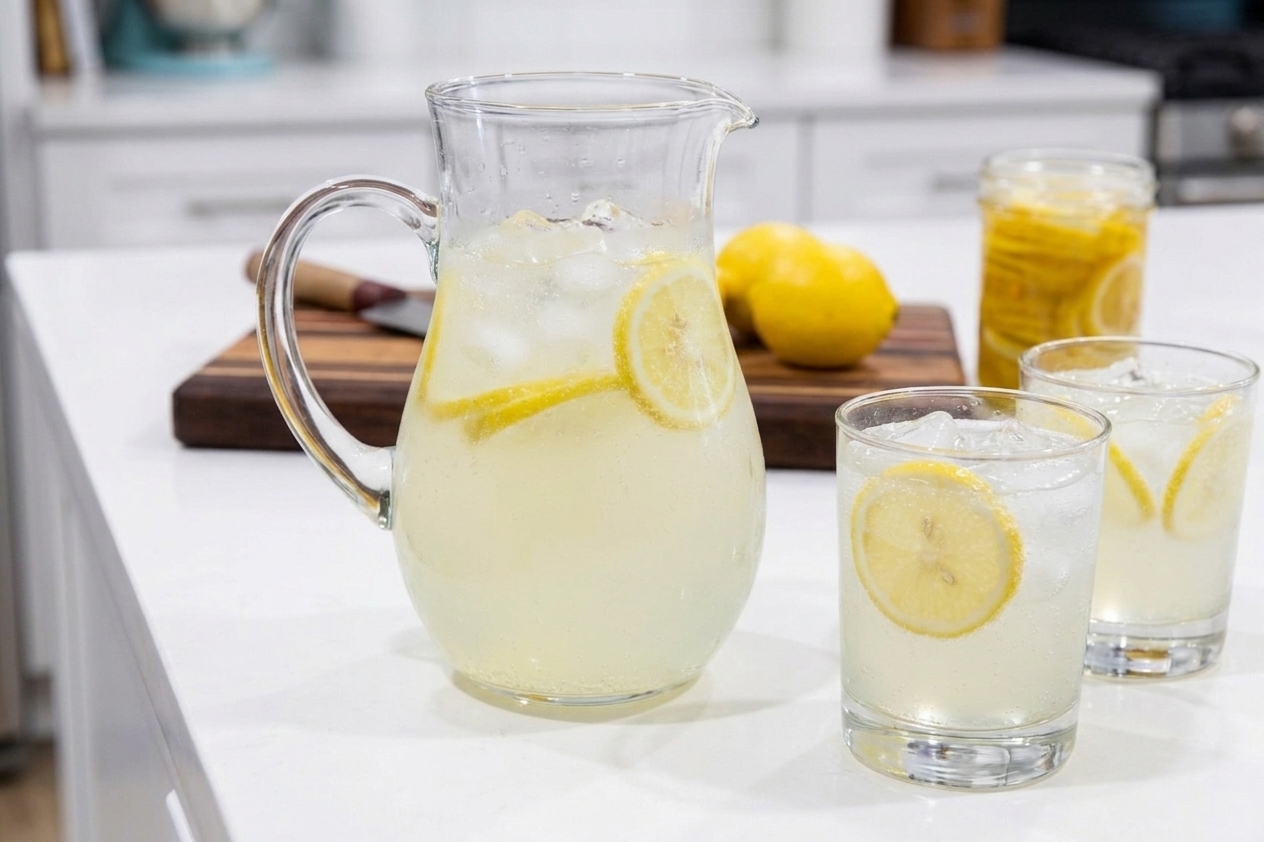
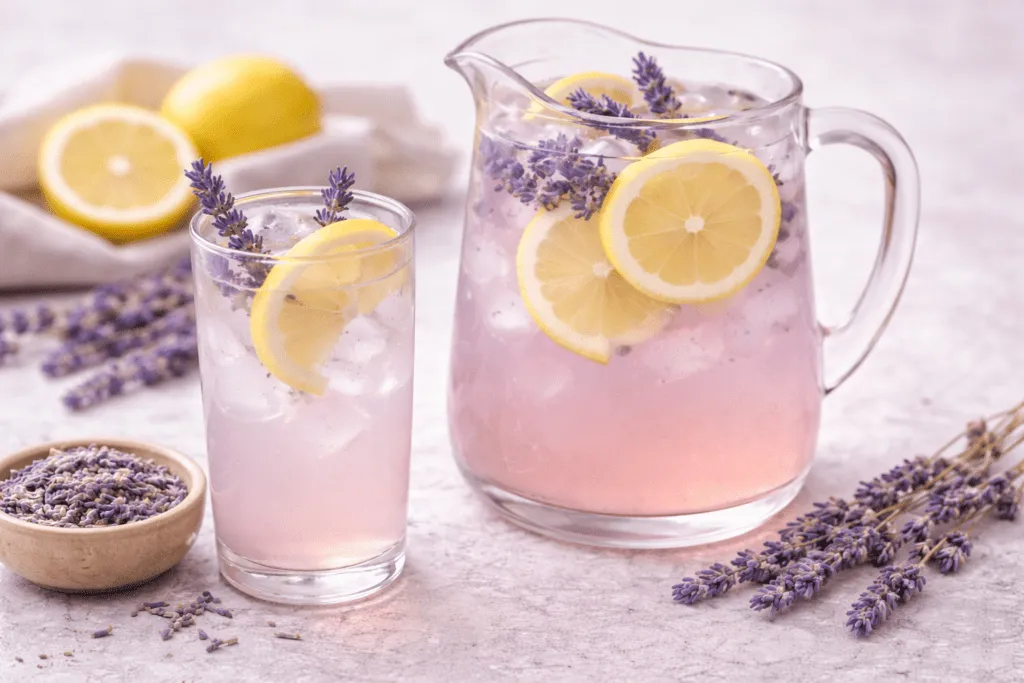
A glass pitcher of sparkling lemonade with lemon slices and ice on a bright kitchen counter, with two fizzy glasses beside it

If “carbonate” makes you think you need a science lab, I’m here to calm the room. Carbonation is just dissolved carbon dioxide in a drink, and when it hits your tongue it wakes everything up. Acid tastes brighter, sweetness feels cleaner, and suddenly your basic lemonade is giving summer-party energy even if you are standing in sweatpants.

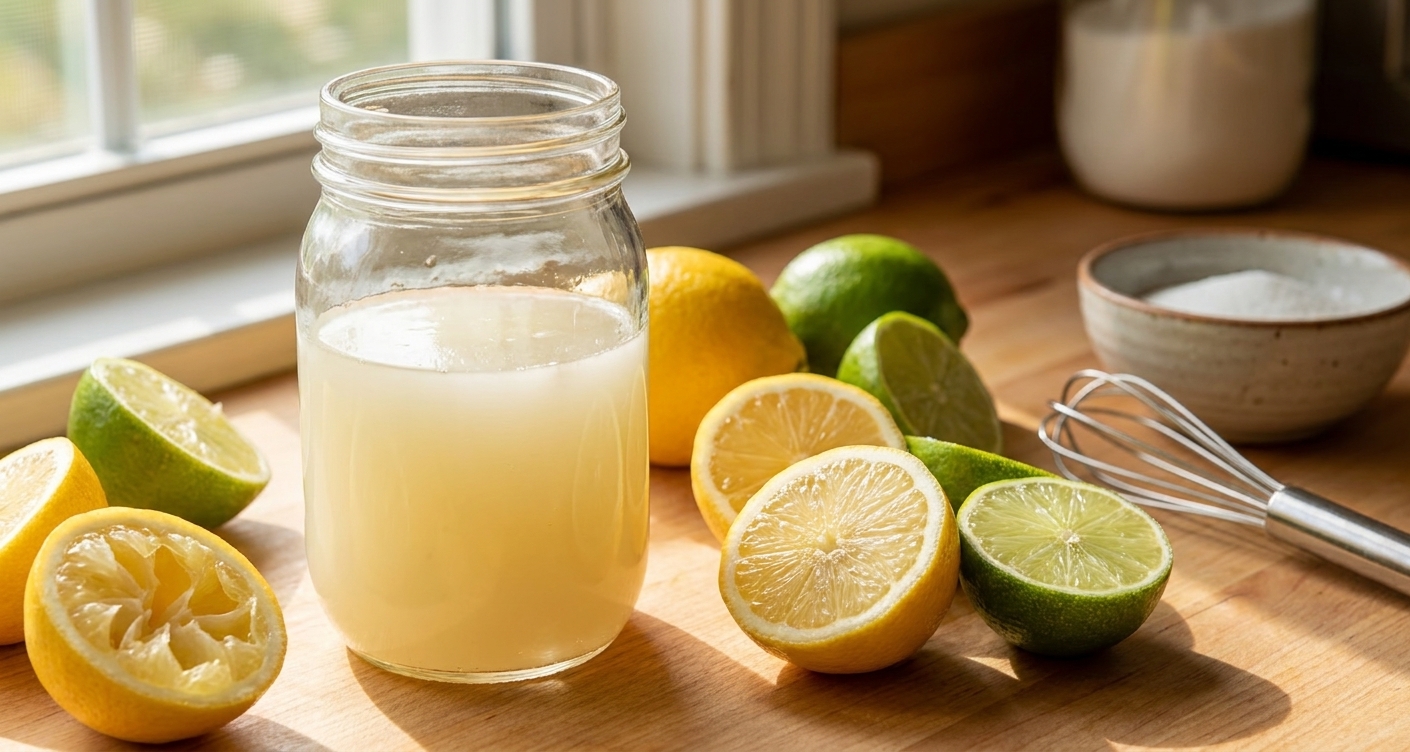
This recipe is my favorite way to get that crisp fizz at home without special equipment. We make a quick lemon syrup (so the sugar actually dissolves), turn it into a bold lemon base, then cut it with very cold soda water right before serving. The result is bright, balanced, and so bubbly you will hear it across the room.
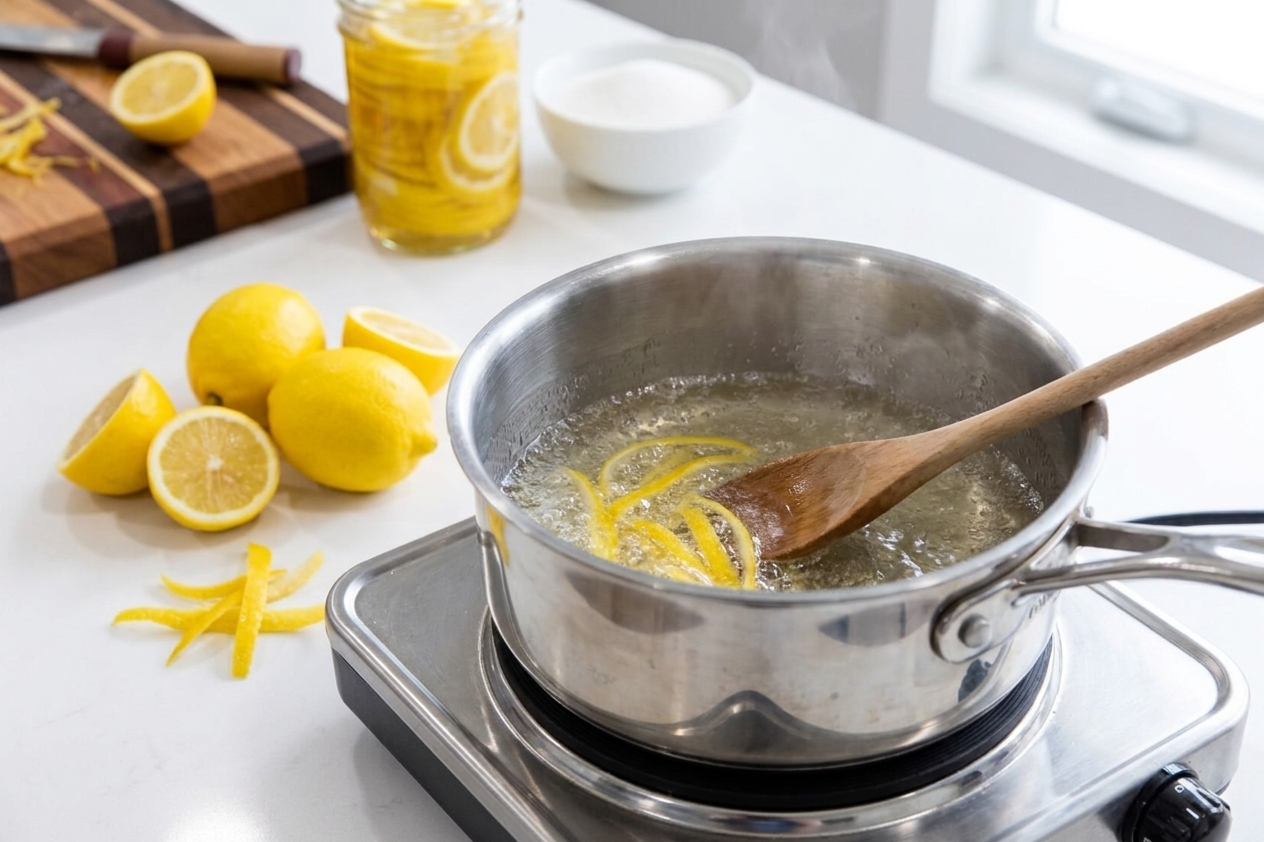
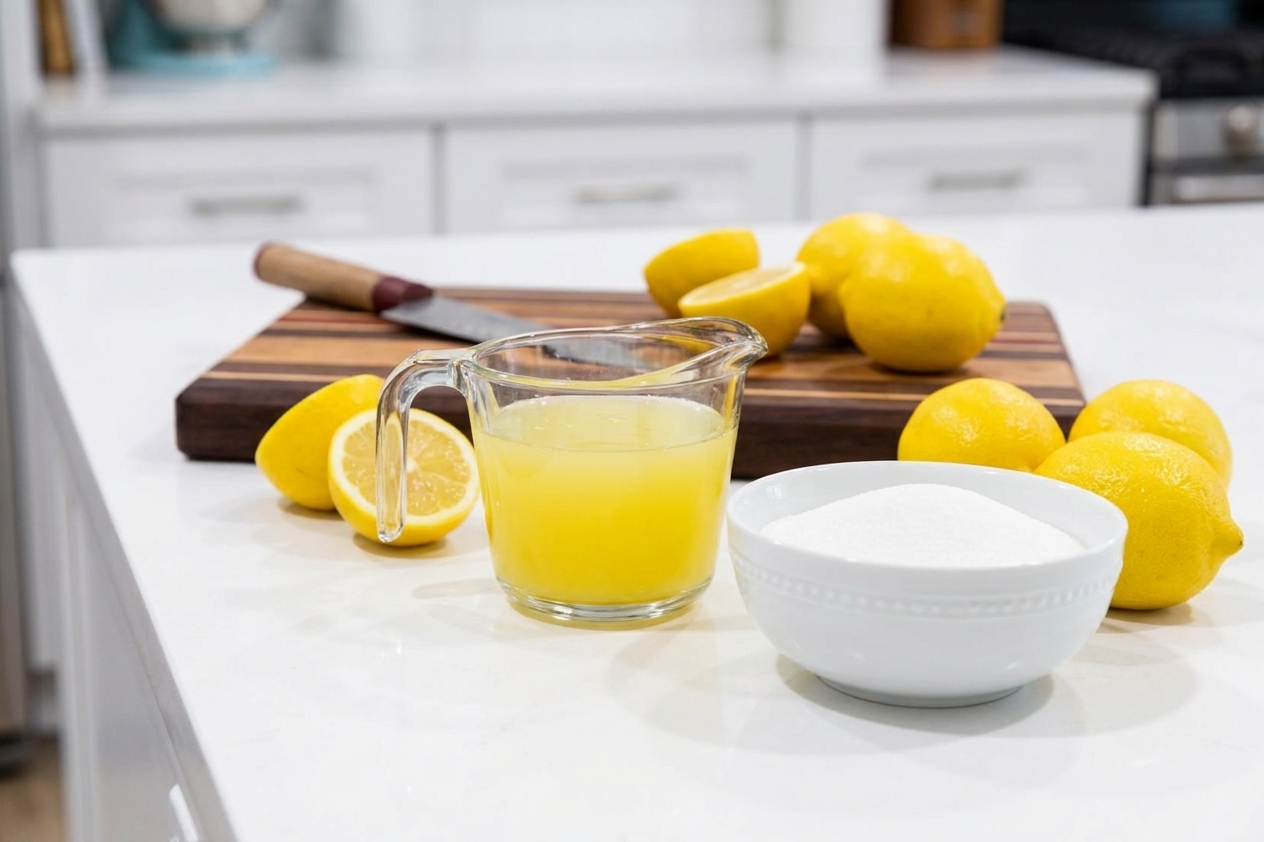
Fresh lemons beside a small saucepan of dissolving sugar syrup with lemon zest and a wooden spoon on a kitchen counter

Why It Works

  • Flavor stays bold: Lemon base keeps the lemon punchy without gritty, undissolved sugar.
  • Maximum bubbles: Using soda water straight from the fridge (and serving immediately) keeps the carbonation from fizzing out.
  • Easy to scale: Make a batch of base for the week, then carbonate glass by glass so it never goes flat.
  • Customizable: Make it extra tart, herb it up, or turn it into a mocktail base in about five seconds.

Pairs Well With

Storage Tips

Store the lemon base, not the finished drink. Once lemonade is carbonated, it is basically on the clock.

How much base does this make?

About 2 1/2 to 3 cups lemon base (roughly 20 to 24 ounces). For sparkling lemonade, start with 1/4 cup base per glass, then top with soda water.

Refrigerator

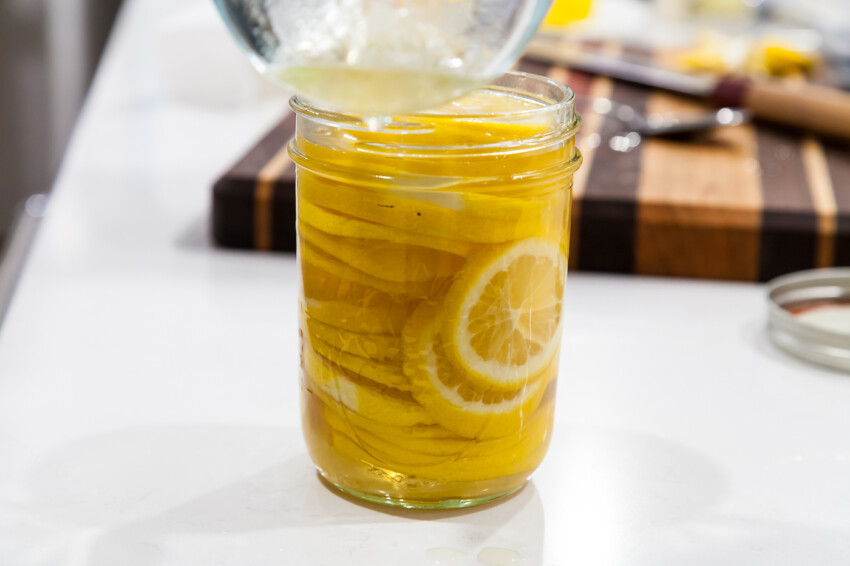
  • Lemon base: Refrigerate in a sealed jar for 5 to 7 days for best flavor. Discard if it turns cloudy, smells off, or tastes weird.
  • Finished carbonated lemonade: If you must, cap it tightly and refrigerate up to 24 hours. It will lose fizz, but it will still taste good.

Freezer

  • Lemon base: Freeze in an ice cube tray, then store cubes in a freezer bag for up to 3 months. Thaw a few cubes and carbonate on demand.
A small sealed jar of lemon base on a refrigerator shelf beside fresh lemons

Common Questions

What does “carbonate” mean in drinks?

To carbonate a drink means adding carbon dioxide (CO2) so it dissolves into the liquid. When pressure is released (like opening a bottle), the CO2 escapes as bubbles and gives that fizzy sensation.

Can I carbonate regular lemonade?

You can, but it is easier and bubblier to mix a lemon base with soda water at the end. Fully dissolving sugar into cold lemonade can be annoying, and stirring a lot knocks out bubbles.

What is the best ratio for sparkling lemonade?

Start with 1 part lemon base to 3 to 4 parts soda water. For a typical 10 to 12 ounce glass, that is about 1/4 cup base plus 3/4 to 1 cup soda water. Then adjust to taste.

How many drinks does one batch make?

This recipe makes about 2 1/2 to 3 cups lemon base (about 20 to 24 ounces). At 1/4 cup base per glass, that is roughly 10 to 12 glasses, depending on how bold you pour.

How do I keep my lemonade fizzy longer?

  • Use ice-cold soda water.
  • Build in the glass and stir gently once.
  • Use big ice cubes so they melt slower.
  • Add fruit and herbs after pouring, not before shaking or stirring aggressively.

Can I make this with a SodaStream or other carbonator?

Yes, with one big rule: carbonate plain water only, then mix in the lemon base. Carbonating sugary or acidic liquids can foam up and make a mess in many machines.

Why does my carbonated lemonade taste flat?

Usually it is one of these: warm soda water, too much stirring, old or half-flat soda water, or you mixed the whole pitcher early and let it sit.

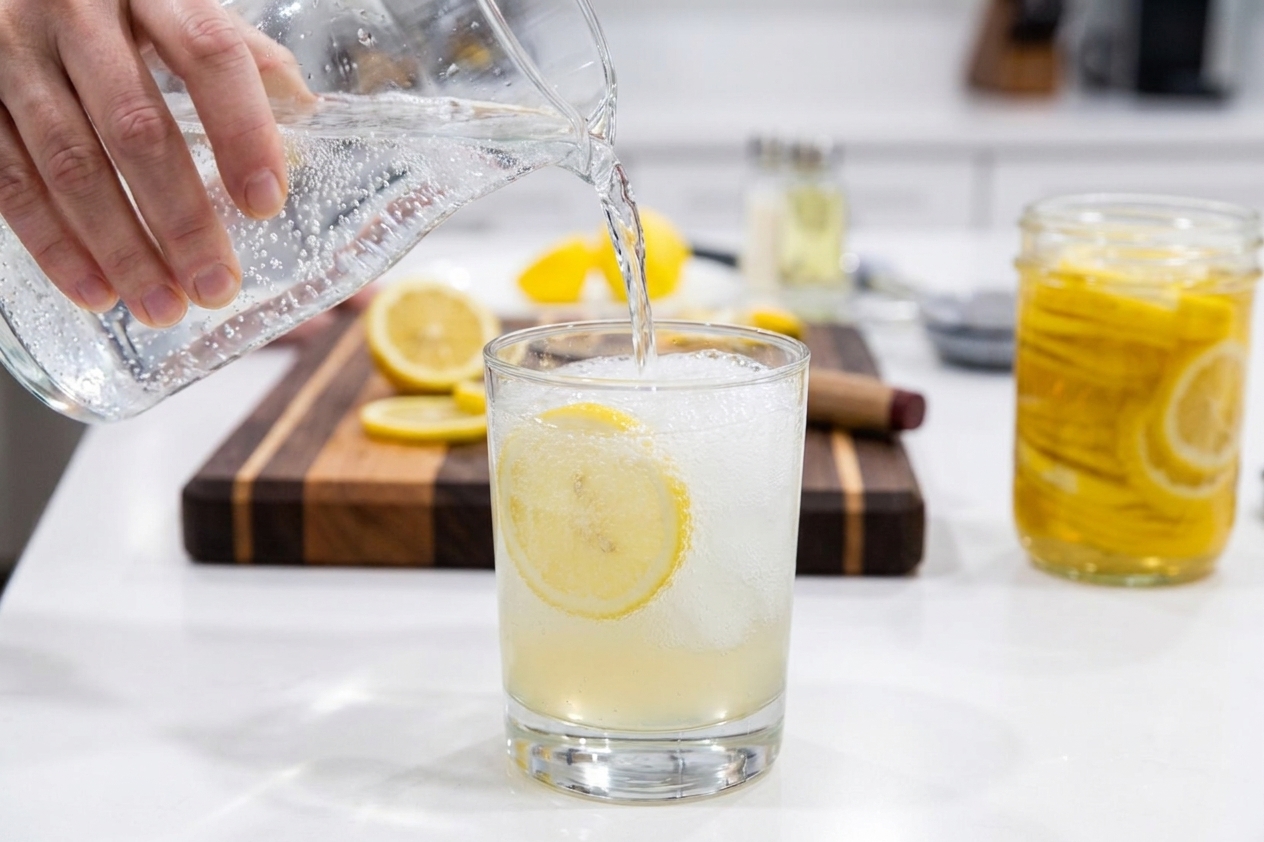
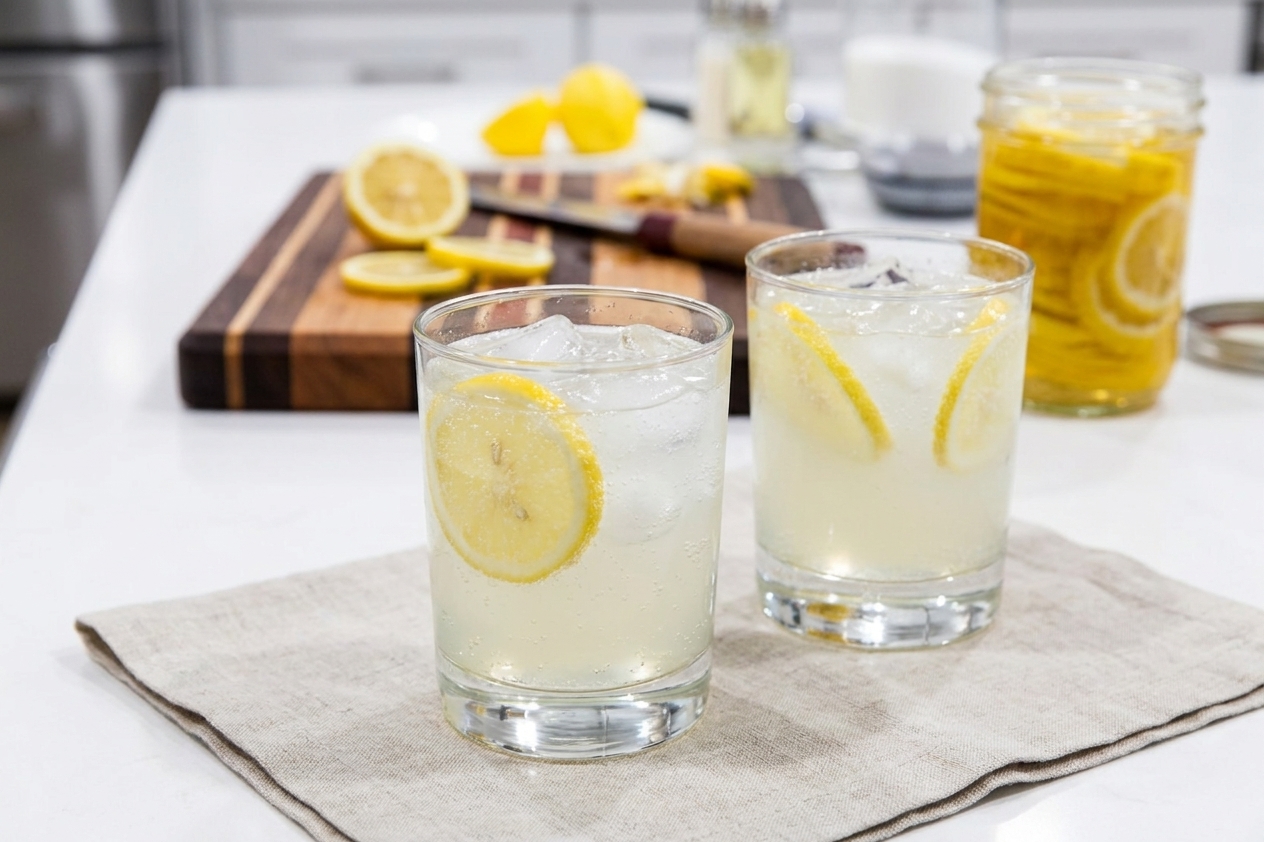
Chilled soda water is poured into a glass with lemon base and ice, creating a rush of bubbles

I was the kid who would pop the tab on a soda just to hear it, then immediately start “improving” it with lemon wedges like I was running a tiny backyard bar. This lemonade is basically that energy, but with better balance. It is what I make when I want something fun, cold, and fizzy, but I do not want to commit to a whole dessert situation. Also, it is the kind of drink that makes everyone in the kitchen wander over and ask, “Wait, what is that?” which is honestly my favorite part.