Mom's Best Recipes
Recipe

Homemade Dog Biscuits

A crunchy, easy dog biscuit recipe with simple ingredients, clear steps, and practical tips for safe add-ins, smart treat guidance, and long-lasting crispness.

Author By Matt Campbell
4.8
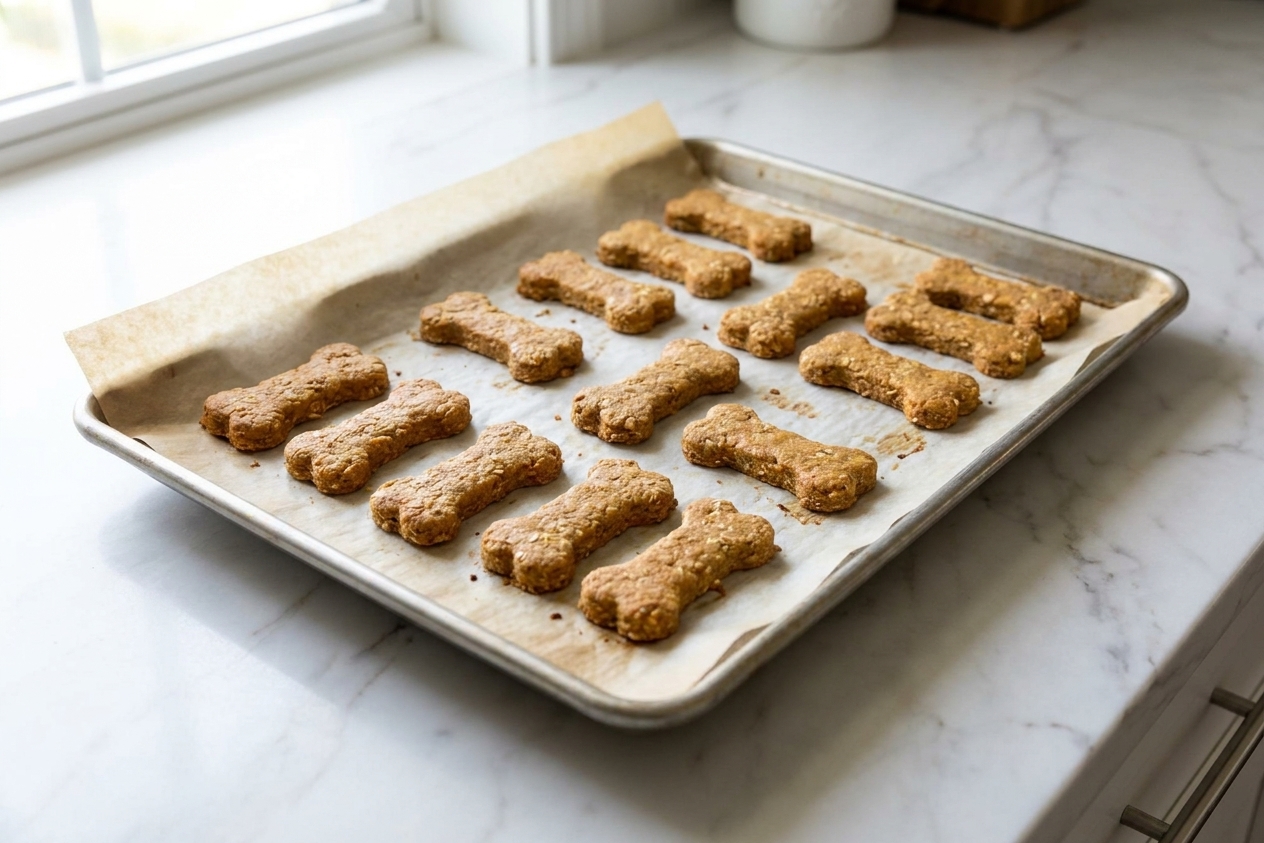
A parchment-lined baking sheet holding golden brown, bone-shaped homemade dog biscuits cooling on a kitchen counter in natural window light

I love cooking for people, obviously. But cooking for dogs is a close second because the reviews are immediate, loud, and extremely sincere.

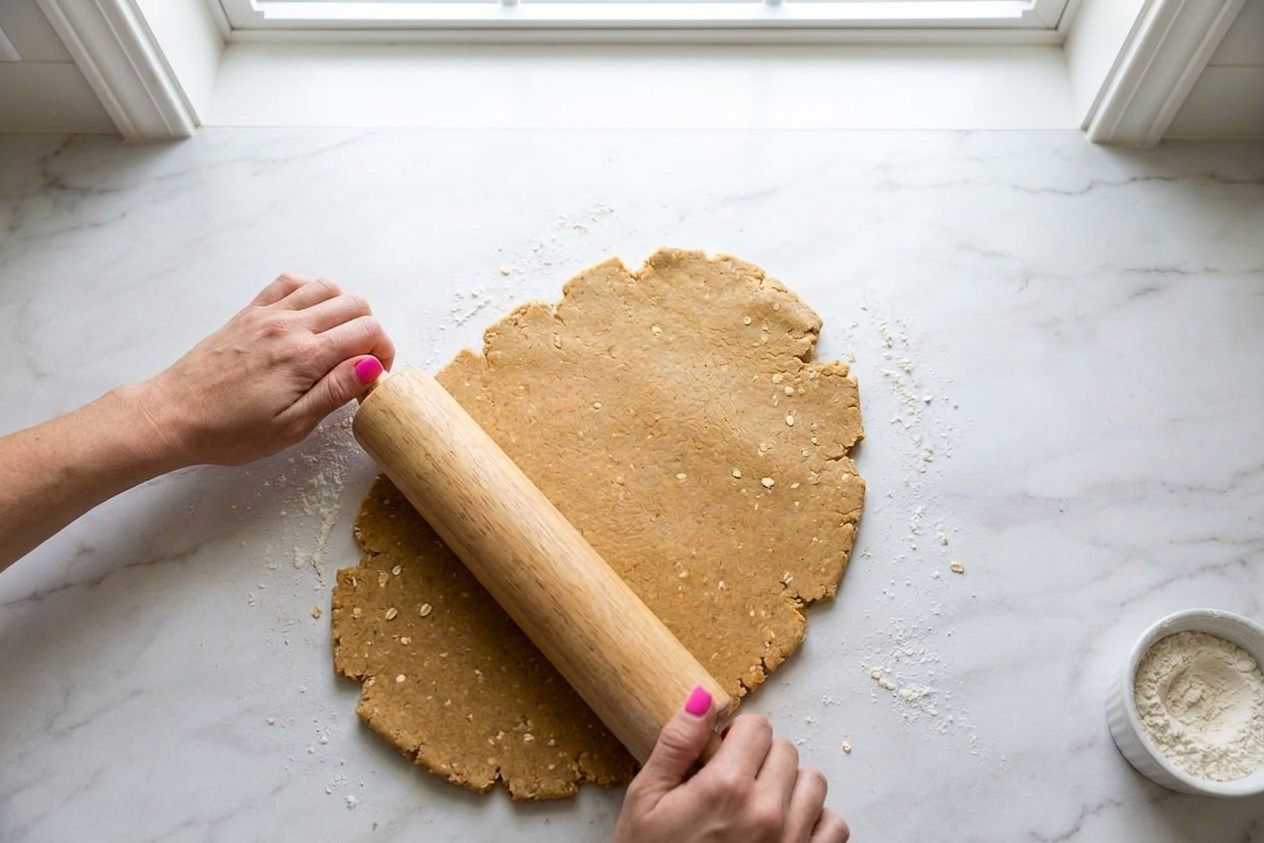
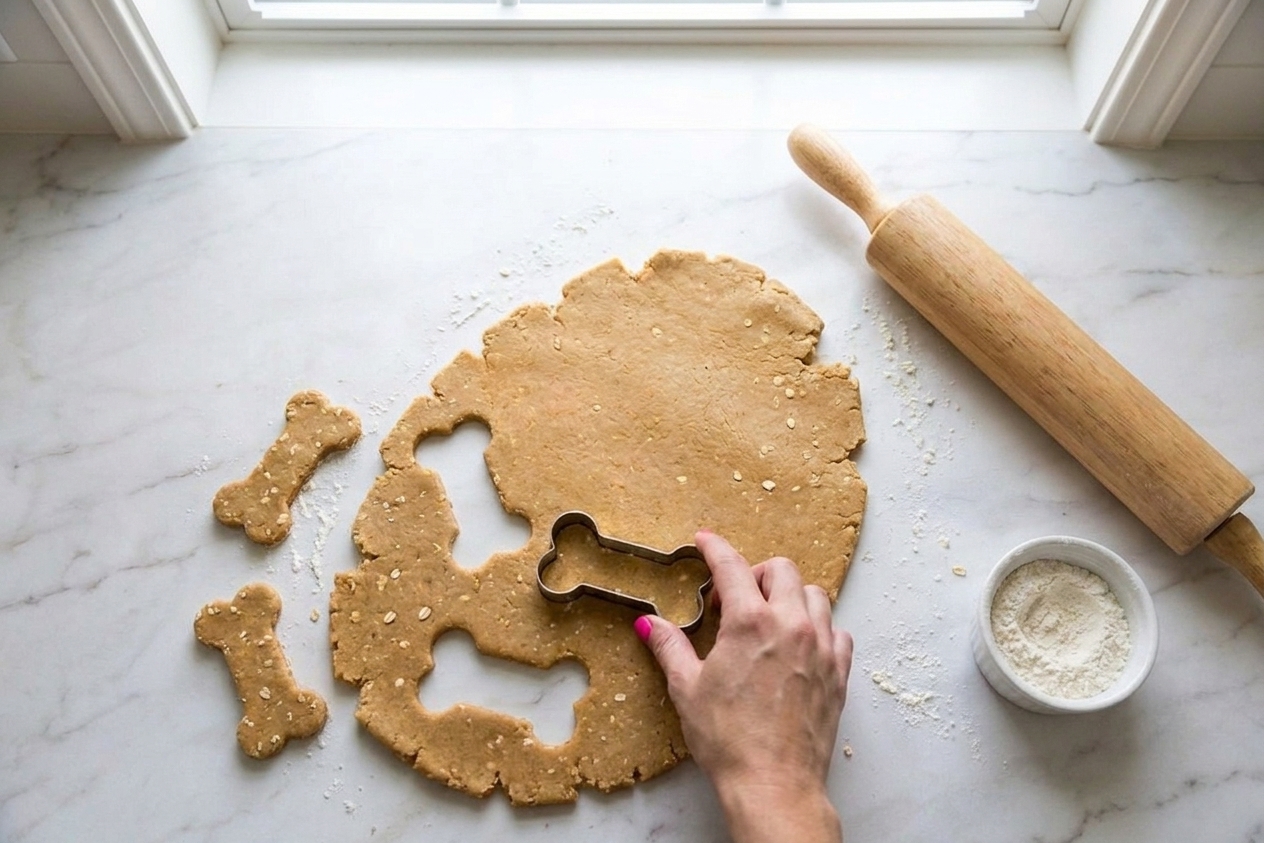
These homemade dog biscuits are the kind of low-drama kitchen project that feels almost suspiciously easy. You mix a dough, roll it out, cut cute shapes (or just slice squares like a practical adult), and bake until they are crisp. The payoff is huge: a crunchy treat that actually smells good and uses ingredients you can pronounce without doing a crossword puzzle.

One note before we get cozy: every dog is different. If your pup has allergies or a medical diet, check with your vet before introducing new treats. Also, we are skipping anything unsafe for dogs like xylitol, chocolate, grapes, raisins, and onions. No exceptions, even if your dog gives you that look.
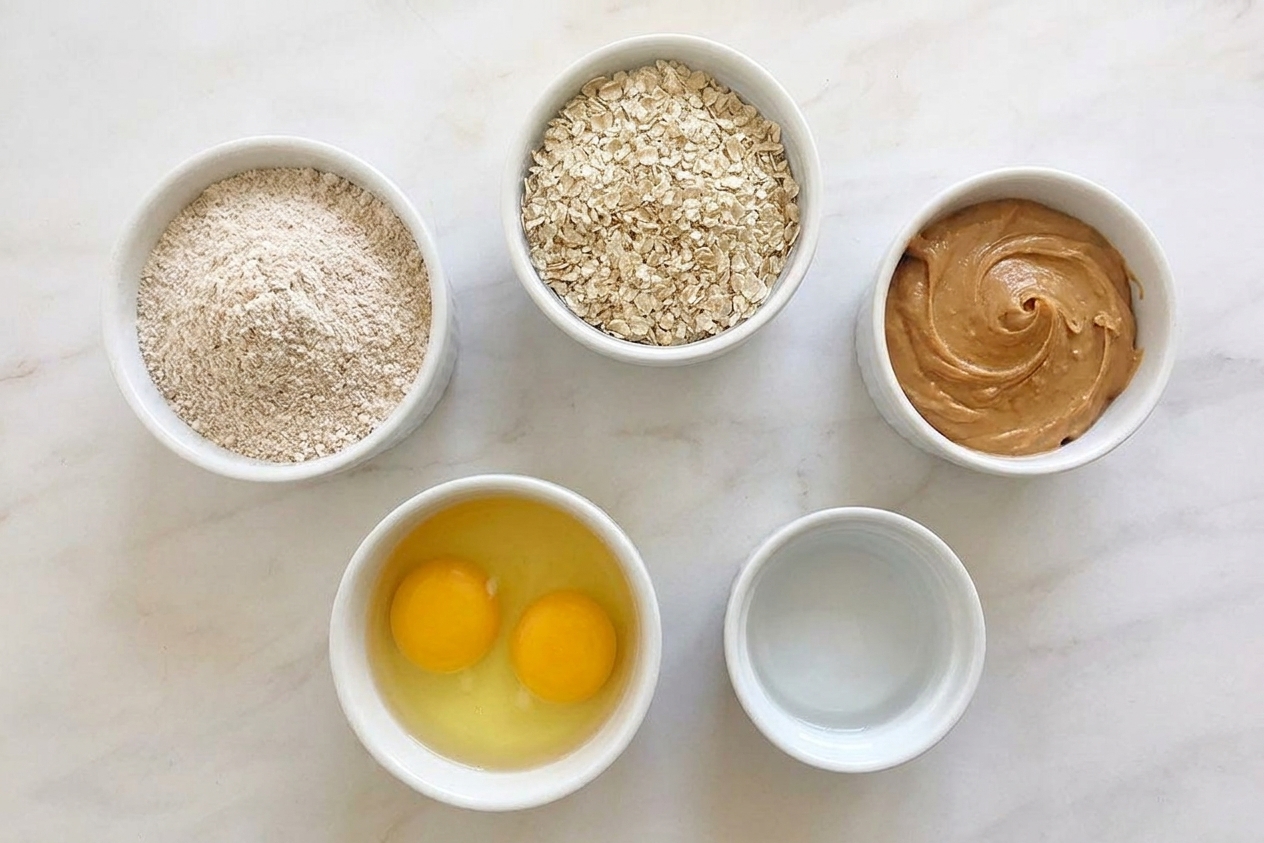
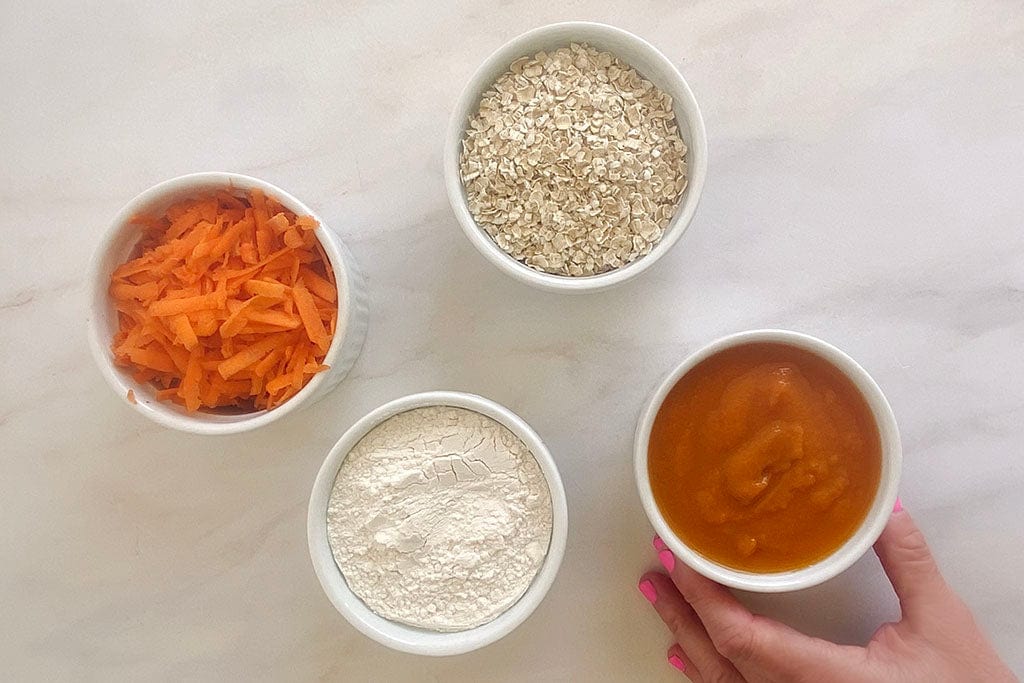
A kitchen counter with bowls of whole wheat flour, rolled oats, natural peanut butter, eggs, and a small bowl of water set up for making dog biscuits

Why It Works

  • Crunchy texture that lasts: A longer, lower bake plus a cool-down in the turned-off oven helps drive off moisture so the biscuits stay crisp.
  • Accessible pantry ingredients: Flour, oats, egg, and peanut butter do the heavy lifting without specialty items.
  • Easy to customize: Swap in pumpkin, use different flours, or cut tiny training treats without changing the method.
  • No weird stuff: No added sugar, no artificial flavors, and absolutely no xylitol.

Pairs Well With

Storage Tips

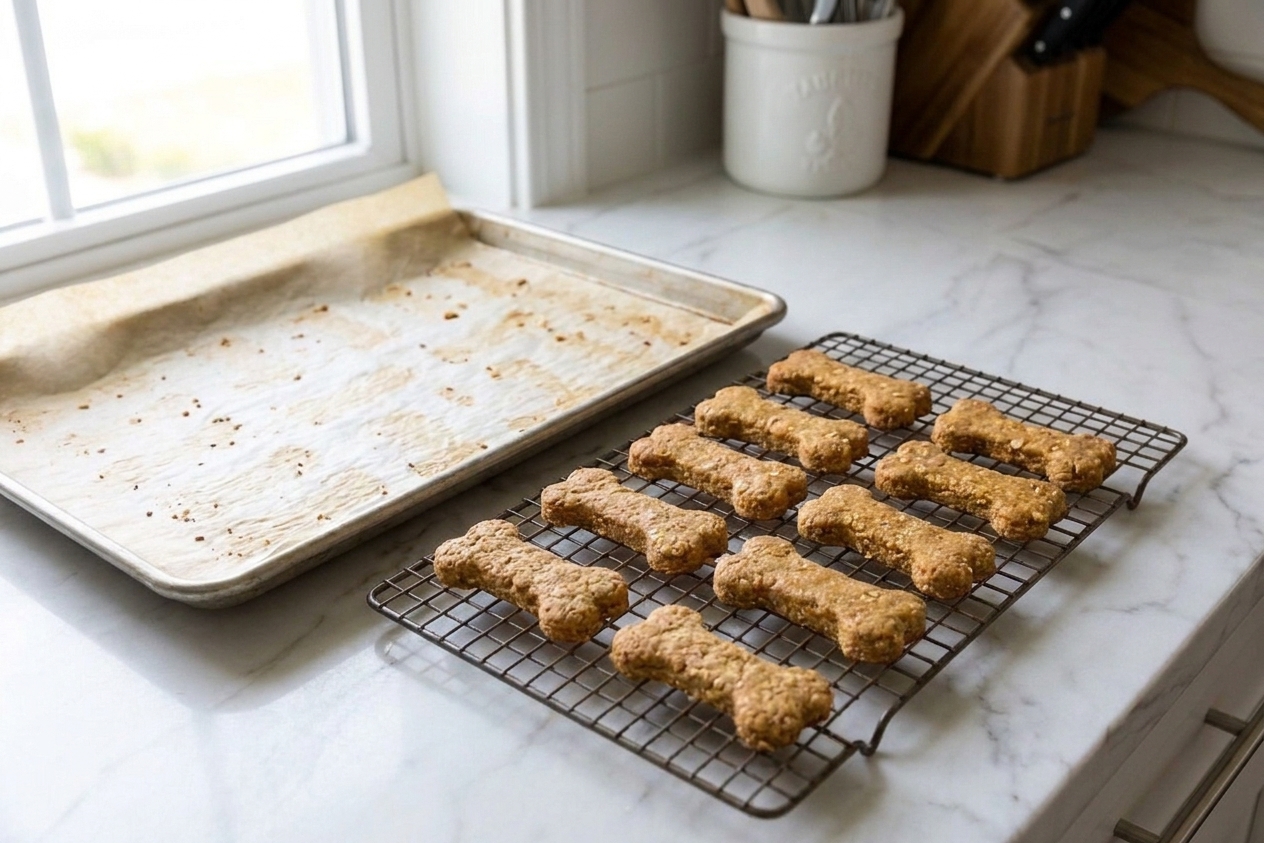
Let them cool completely before storing. The goal is preventing condensation in the container, because trapped steam is the sworn enemy of crunch.

  • Counter: Store in an airtight container for about 5 to 7 days, depending on thickness and humidity. If your kitchen runs humid, use a container that seals well and consider adding a small paper towel to absorb stray moisture.
  • Fridge: Up to 2 weeks in an airtight container, assuming the biscuits were baked very dry. Let biscuits come to room temp before serving for best crunch.
  • Freezer: Up to 3 months. Freeze in a zip-top bag. Thaw at room temperature.

Quick safety check: If you notice any mold, odd smell, or visible moisture, toss them and bake a fresh batch.

Pro move for extra-crisp: If biscuits soften over time, re-crisp in a 300°F oven for 5 to 8 minutes, then cool fully.

Common Questions

Is peanut butter safe for dogs?

Yes, as long as it is xylitol-free. Always check the label. Choose plain, unsweetened peanut butter when possible. Also note that peanut butter is higher fat, so it may not be a great fit for dogs with pancreatitis or fat-sensitive diets. When in doubt, ask your vet.

Can I use all-purpose flour instead of whole wheat?

Absolutely. Whole wheat gives a slightly heartier biscuit. All-purpose flour makes a slightly lighter, smoother dough. If your dough feels sticky, add a spoonful more flour when rolling.

Can I make these without eggs?

You can try replacing the egg with a flax egg (1 tablespoon ground flaxseed + 3 tablespoons water, let sit 5 minutes). The dough may be a bit more delicate and crumbly, so roll gently. You may also need a small splash of water to help it hold together.

How do I make them extra crunchy?

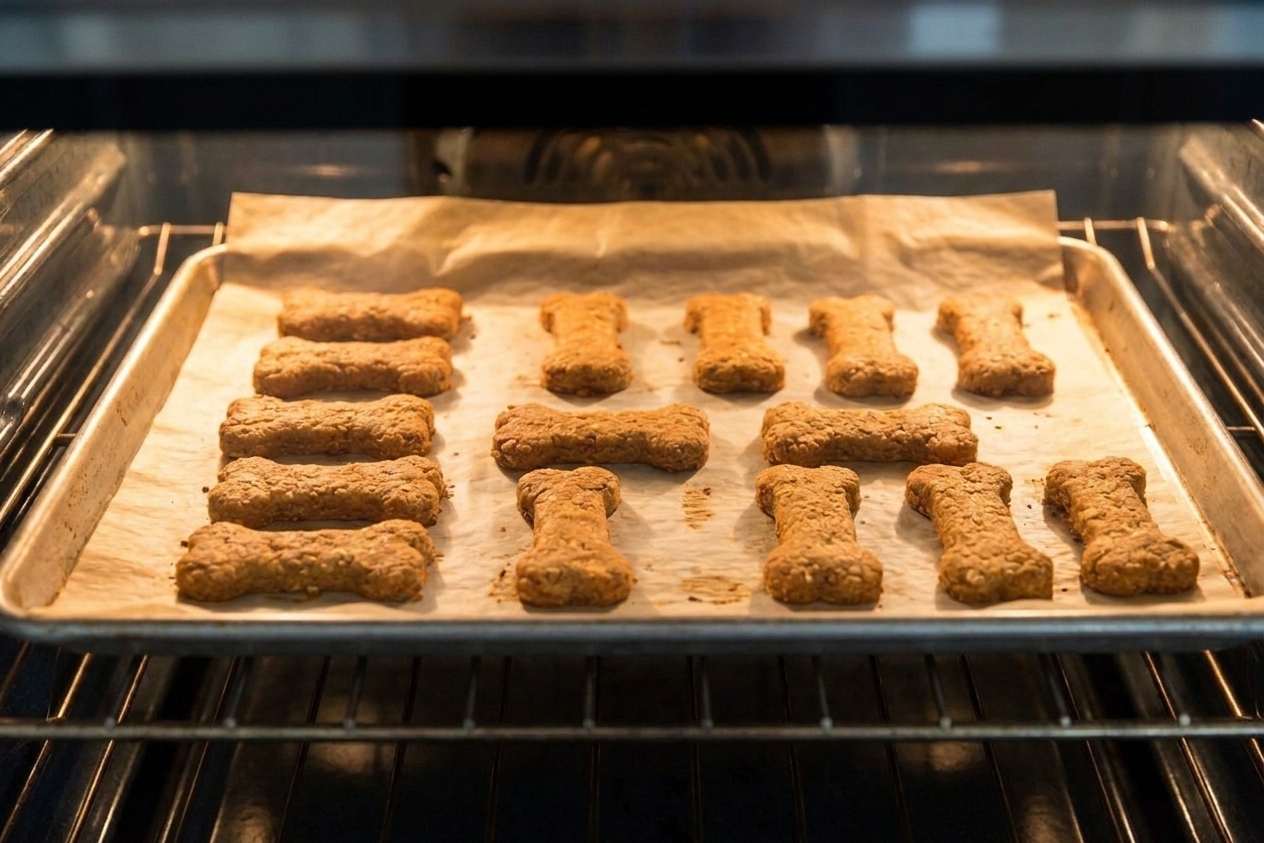
Roll them slightly thinner (about 1/8 to 3/16 inch), bake until the edges are deeper golden, then turn the oven off and let them sit inside for 20 to 30 minutes with the door cracked.

Can humans eat these?

Nothing here is toxic to humans, but they are bland on purpose. If you try one, expect “whole wheat cracker that briefly met peanut butter.”

What size should I cut for my dog?

For small dogs, cut 1 inch shapes or thin strips. For big dogs, 2 to 3 inch biscuits are great. When in doubt, go smaller. It is easier to portion and safer for gulpers.

How many treats can my dog have?

General guideline: treats should make up a small portion of your dog’s daily calories (often quoted as 10 percent or less). Every dog is different, so use this as a sanity check, not a rule carved in stone. If your dog is on a medical diet, ask your vet what is appropriate.

The first time I made dog biscuits, I tried way too hard. Fancy shapes, complicated add-ins, the whole thing. The dog ate exactly one, looked at me like I had served homework, and walked away. Lesson learned: keep it simple, keep it crunchy, and let peanut butter do what peanut butter does best. Now I make these in batches, freeze half, and suddenly I am the household hero even though I did not technically cook dinner.