Why is my fondant cracking when I roll it out?
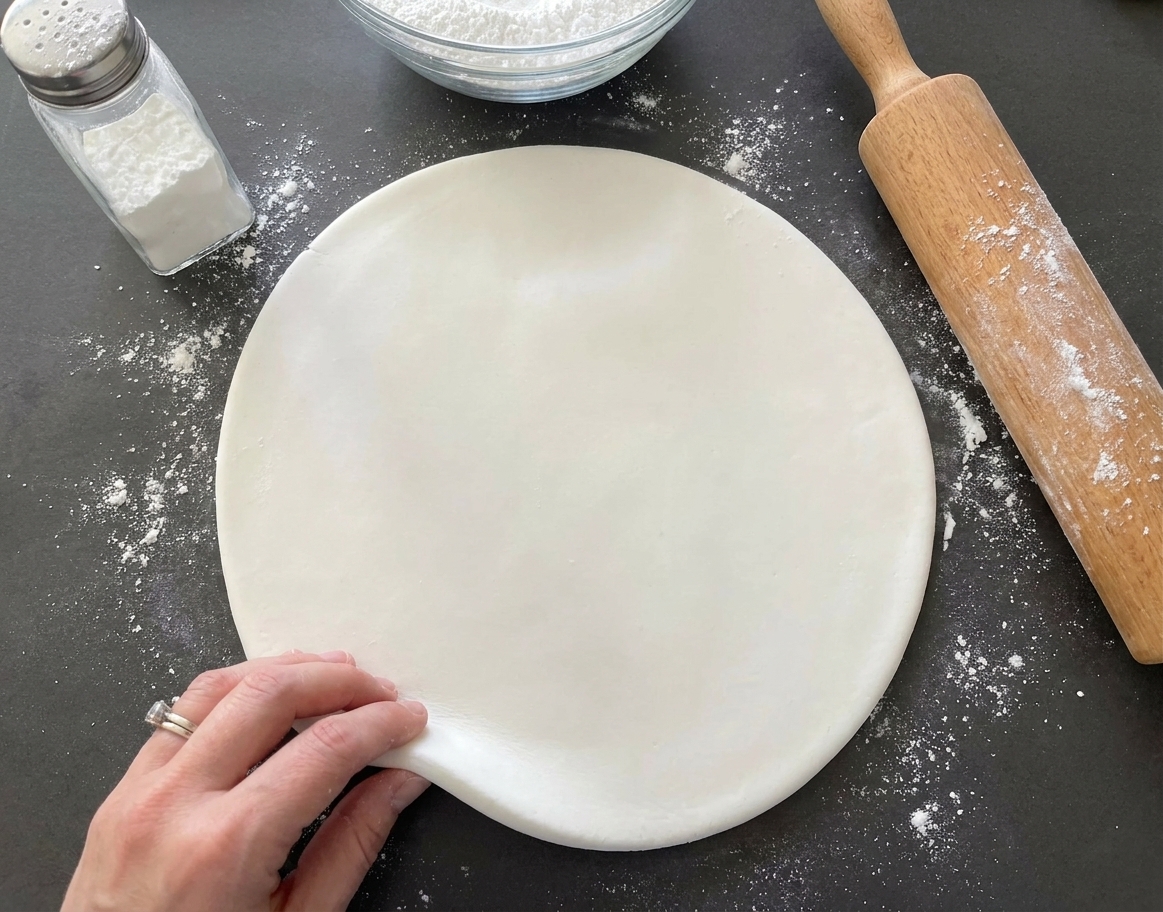
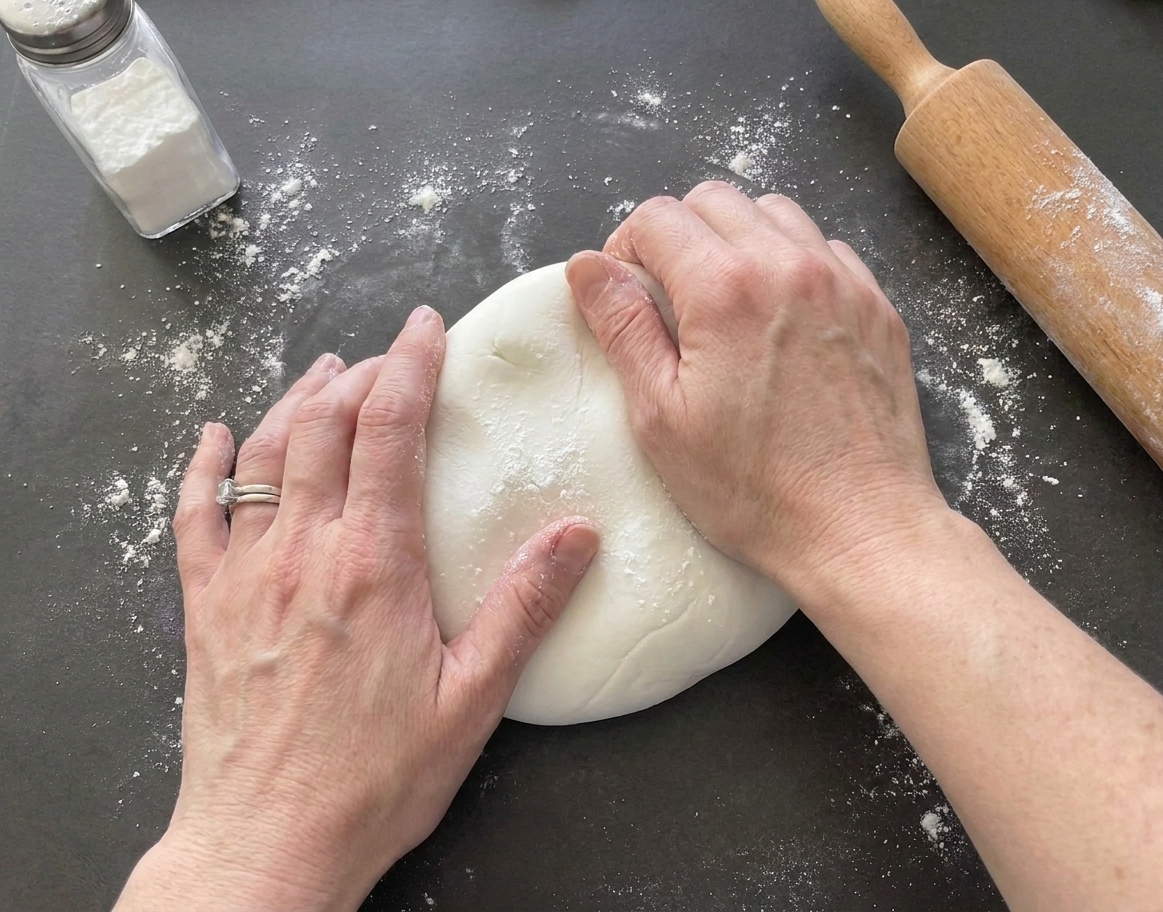
Usually it is too dry or it has been over-sugared. Knead in 1/2 teaspoon vegetable shortening at a time until it feels like soft clay, then let it rest wrapped for 10 to 15 minutes. Also make sure it is warm-ish. Cold fondant cracks. If you see fine surface cracking (the famous “elephant skin”), that is often a sign it needs a little fat and a short rest.
Why is it sticky?
Sticky fondant needs either more powdered sugar or time. Knead in powdered sugar 1 to 2 tablespoons at a time. If it is humid, let it rest wrapped for 15 minutes, then reassess. Dusting the counter helps, but dumping sugar on top can dry the surface while the inside stays gummy.
Can I make it without a microwave?
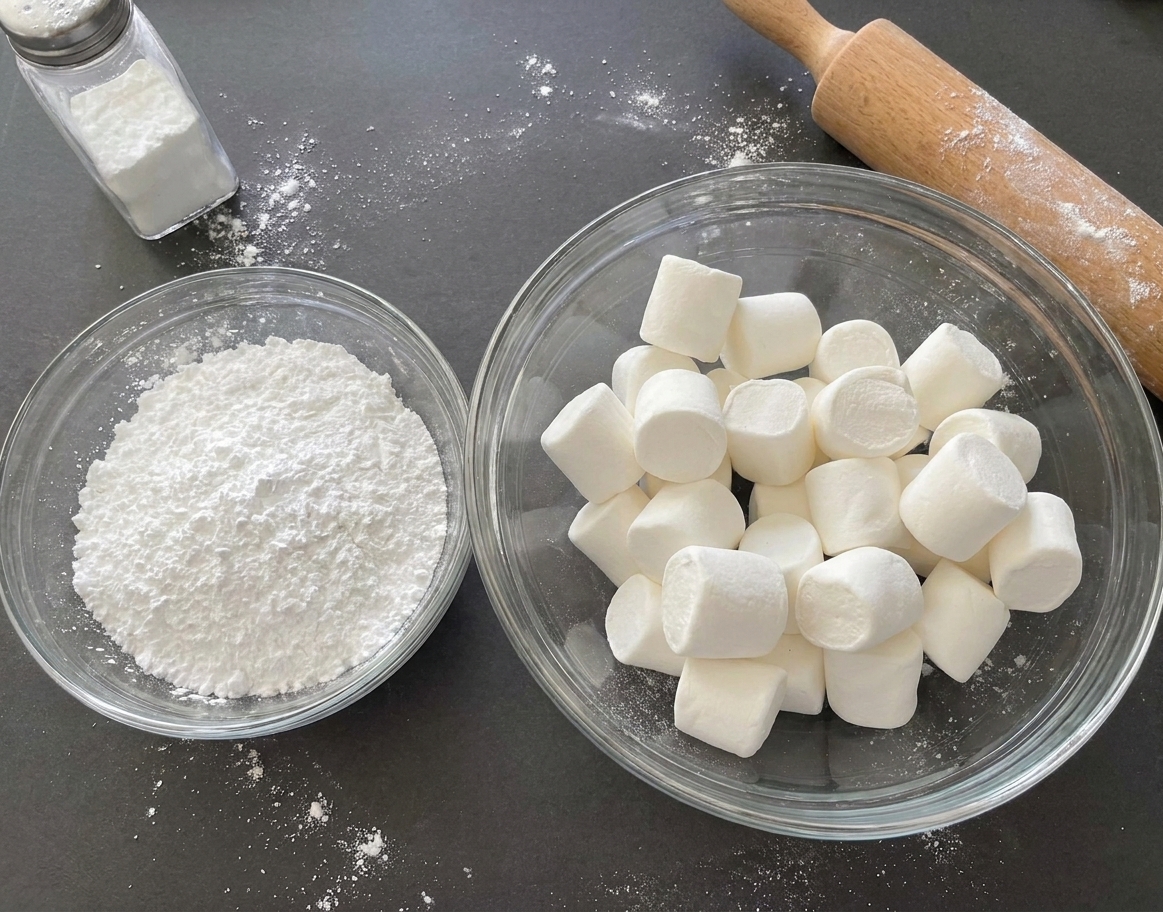
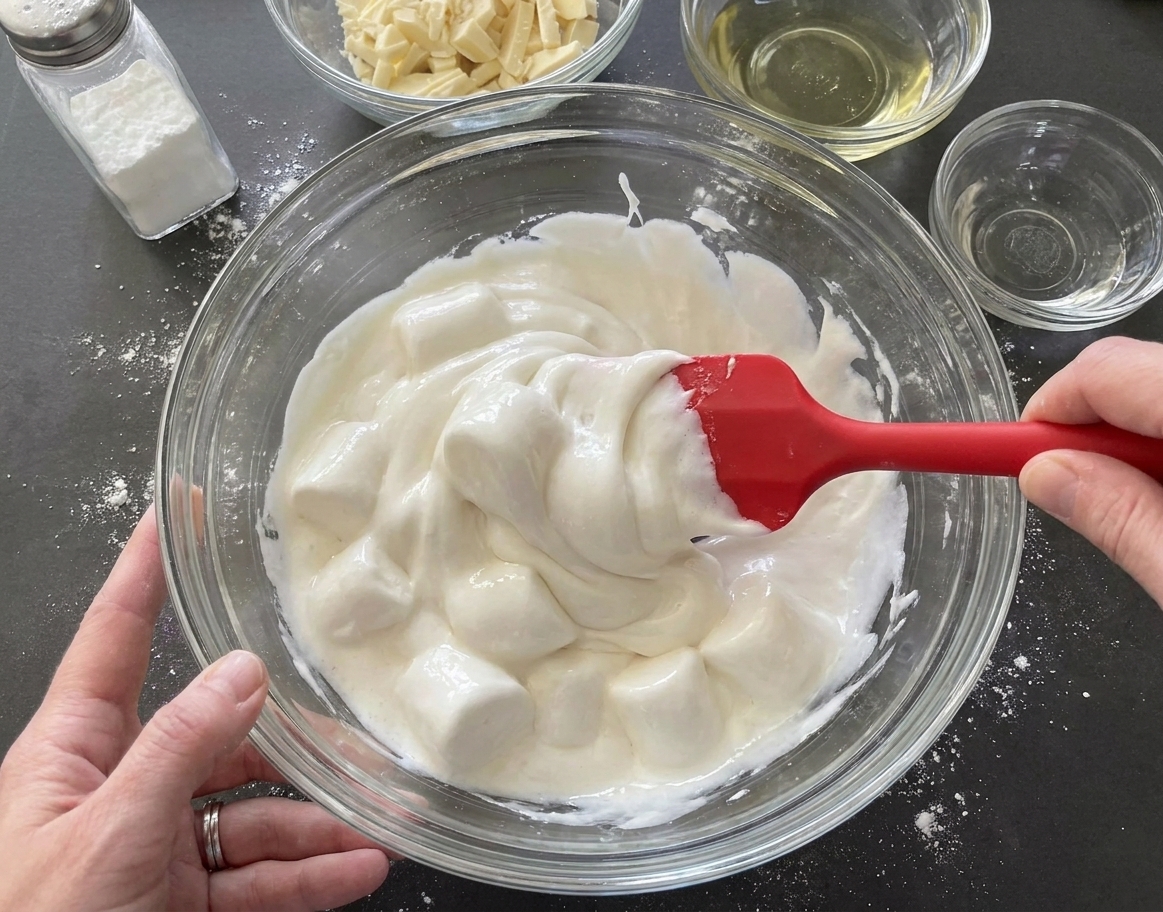
Yes. Melt the marshmallows gently in a heatproof bowl set over a pot of barely simmering water. Stir often until smooth.
How do I color fondant without making it a mess?
Use gel food coloring. Toothpick dots are your best friend. Wear gloves, and knead until the color is even. If it gets sticky after coloring, knead in a little powdered sugar.
Does homemade fondant taste better than store-bought?
In my experience, yes. This tastes like vanilla marshmallow instead of straight-up sweet chalk. Still sweet, but friendlier.
How much fondant do I need for a cake?
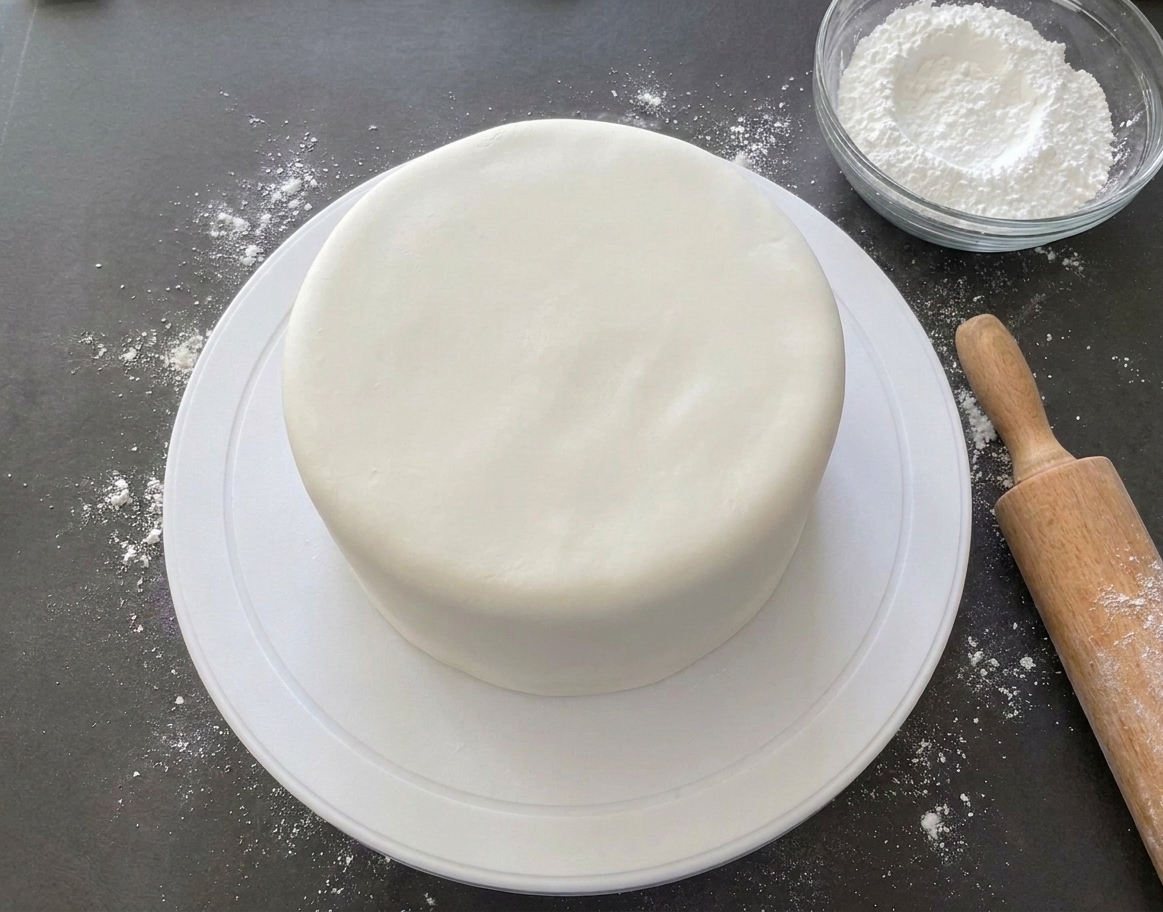
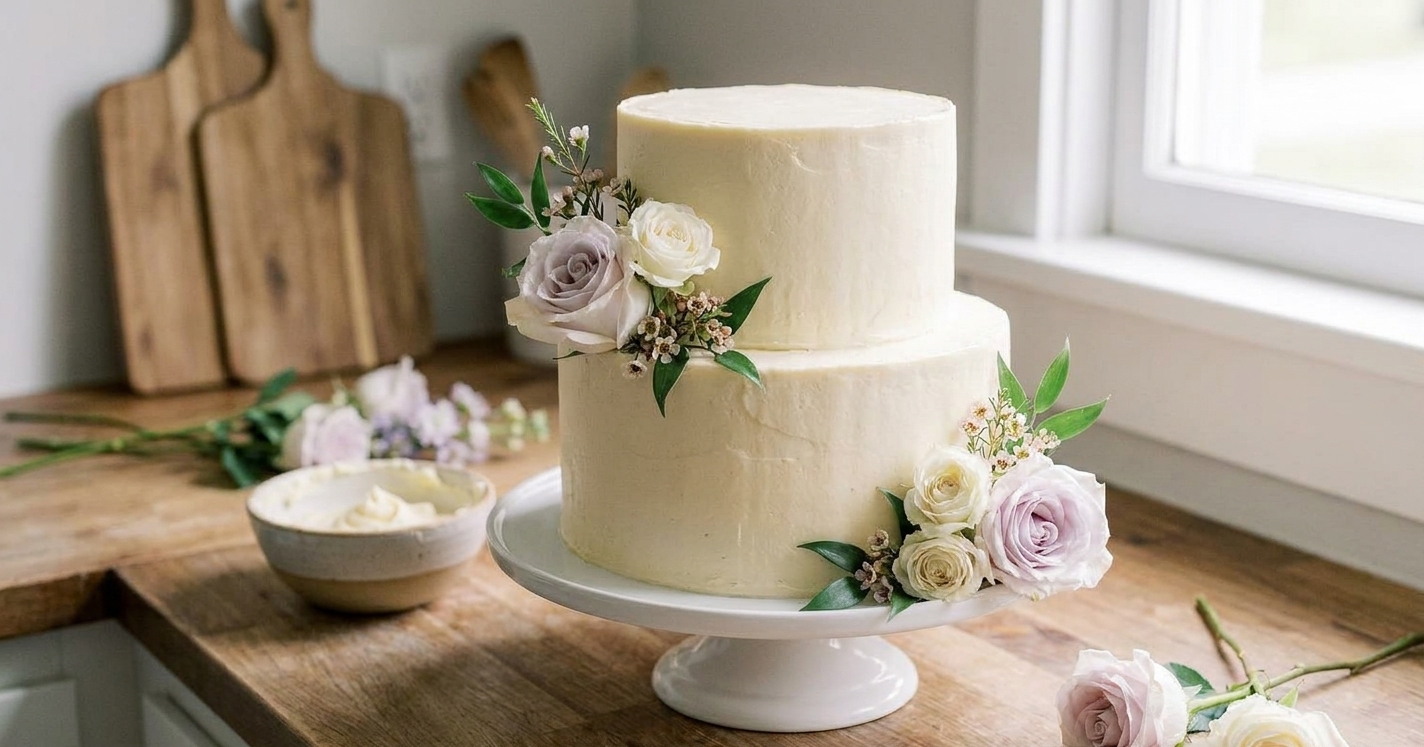
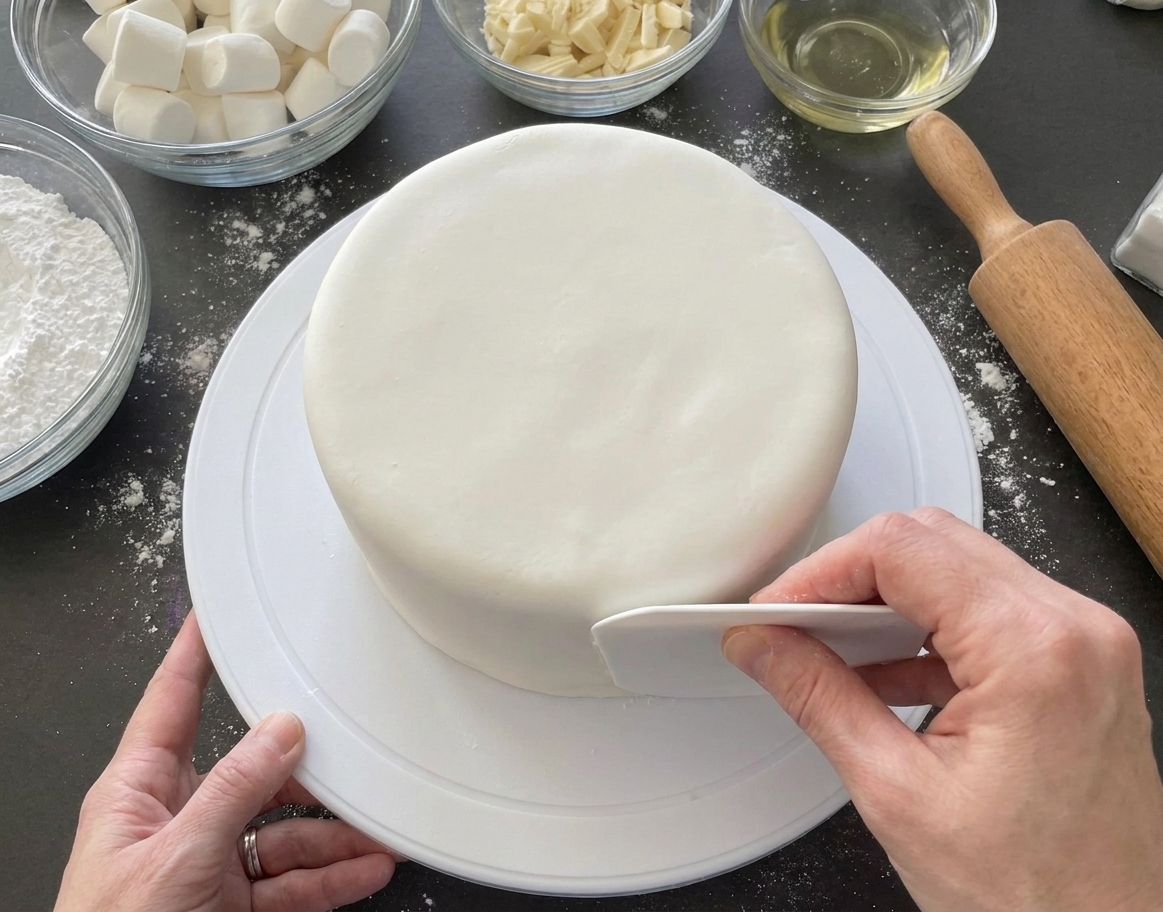
For a two-layer 8-inch or 9-inch cake (about 4 inches tall), this recipe is usually enough for a full cover with a bit left for simple decor. If you want tall sides, sharp edges, or lots of decorations, make 1.5 batches.
Powdered sugar or cornstarch for rolling?
Either works. Powdered sugar keeps things sweet and soft. Cornstarch is great if you want a less-sweet surface, but go easy because too much can dry the fondant and leave a slightly dull, grayish cast.
Can I make chocolate fondant?
Yes. Replace 1/4 to 1/2 cup of the powdered sugar with unsweetened cocoa powder (sift it). You may need a tiny splash of water or an extra dab of shortening to keep it supple.