Mom's Best Recipes
Recipe

Homemade Fortune Cookies

Crisp, golden, vanilla-scented fortune cookies with a simple batter and practical shaping tricks that actually work.

Author By Matt Campbell
4.7
A small stack of golden homemade fortune cookies on a ceramic plate on a warm kitchen table, soft window light

Fortune cookies are one of those things that feel like they should be made by a mysterious machine in a back room somewhere. But the truth is: they are basically a tiny, fast crepe that you fold while it is still flexible. The vibe is part dessert, part craft project, and yes, part mild kitchen chaos.

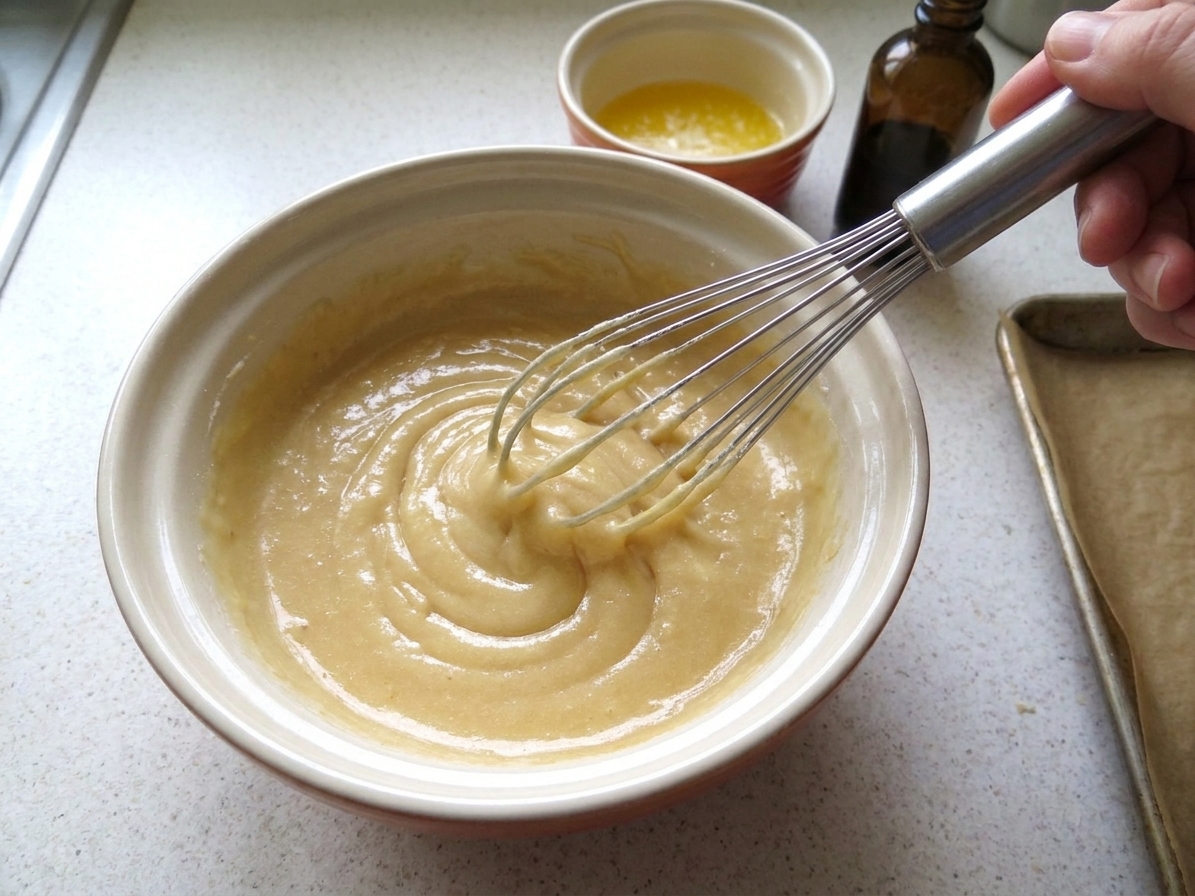
This version keeps ingredients simple and gives you the timing cues that matter. You will make a quick batter, bake small rounds, then fold them over your fortunes while they are still warm. Once they cool, they go crisp and snappy like the real deal.

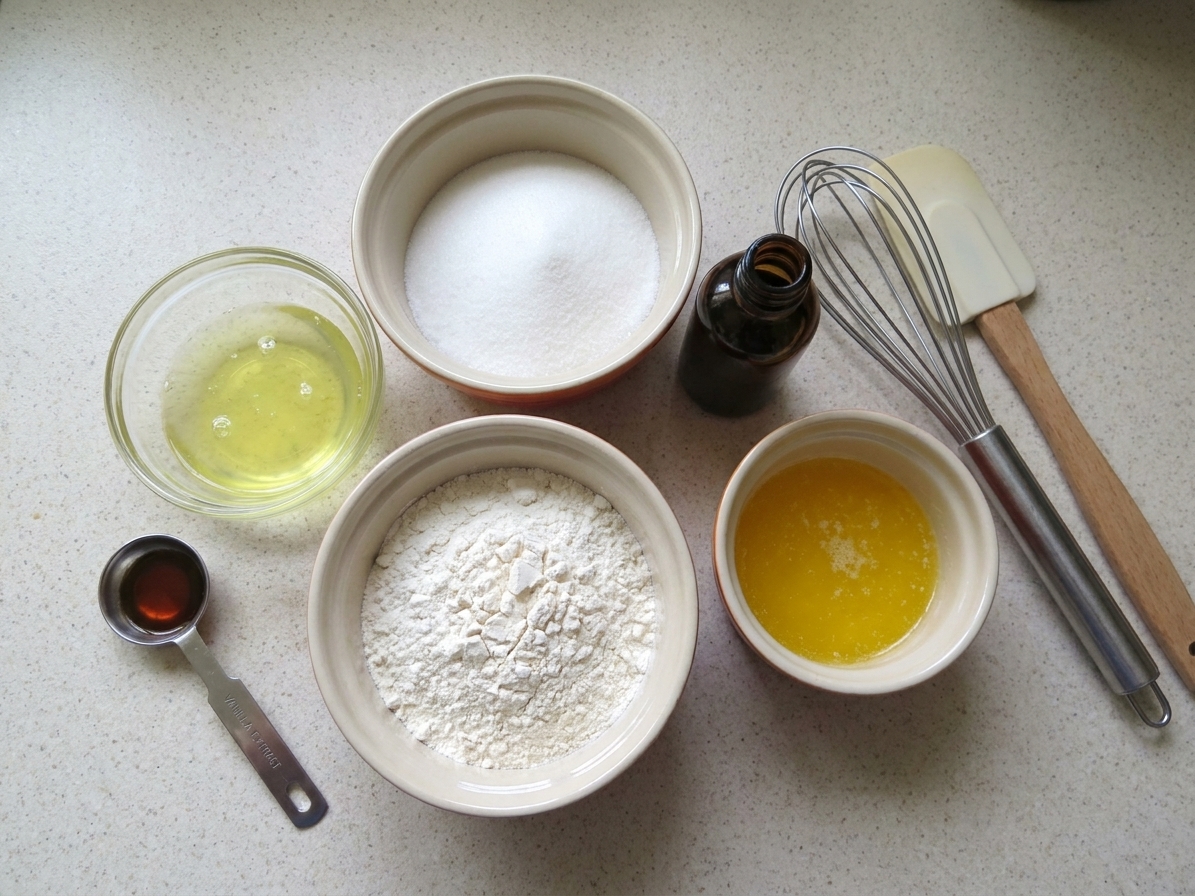
Measured ingredients for fortune cookie batter on a kitchen counter including egg whites, sugar, flour, vanilla, and melted butter

Why It Works

  • Real crunch: Thin batter plus a short bake makes a cookie that snaps, not bends.
  • Bright, classic flavor: Vanilla and a pinch of salt keep it sweet but not flat.
  • Small batch friendly: You only bake a few circles at a time so you can fold without panic.
  • Flexible templates: Add almond extract, orange zest, or a little sesame for a fun twist without changing the method.

Pairs Well With

Storage Tips

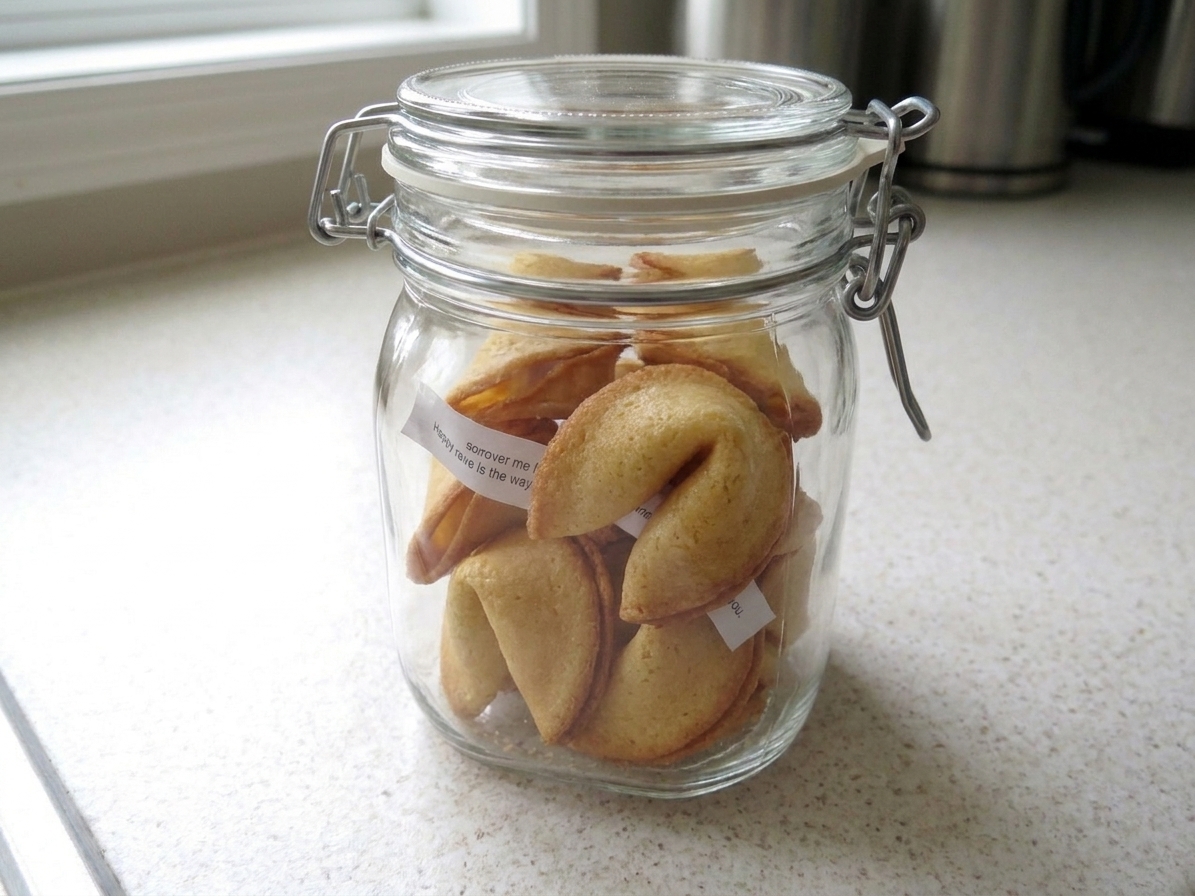
Keep them crisp: Once fully cooled, store fortune cookies in an airtight container at room temperature for up to 5 to 7 days.

Humidity is the enemy: If your kitchen is humid, tuck a small food-safe desiccant packet into the container, or store the cookies with a piece of dry bread and replace it if it gets soft.

If they go soft: Re-crisp on a baking sheet at 300°F for 3 to 5 minutes. Cool completely before sealing them back up.

Freezing: Not ideal. They lose snap and pick up moisture as they thaw. If you must, freeze in a very airtight container, then re-crisp in a low oven.

Common Questions

Why did my fortune cookies turn out flat?

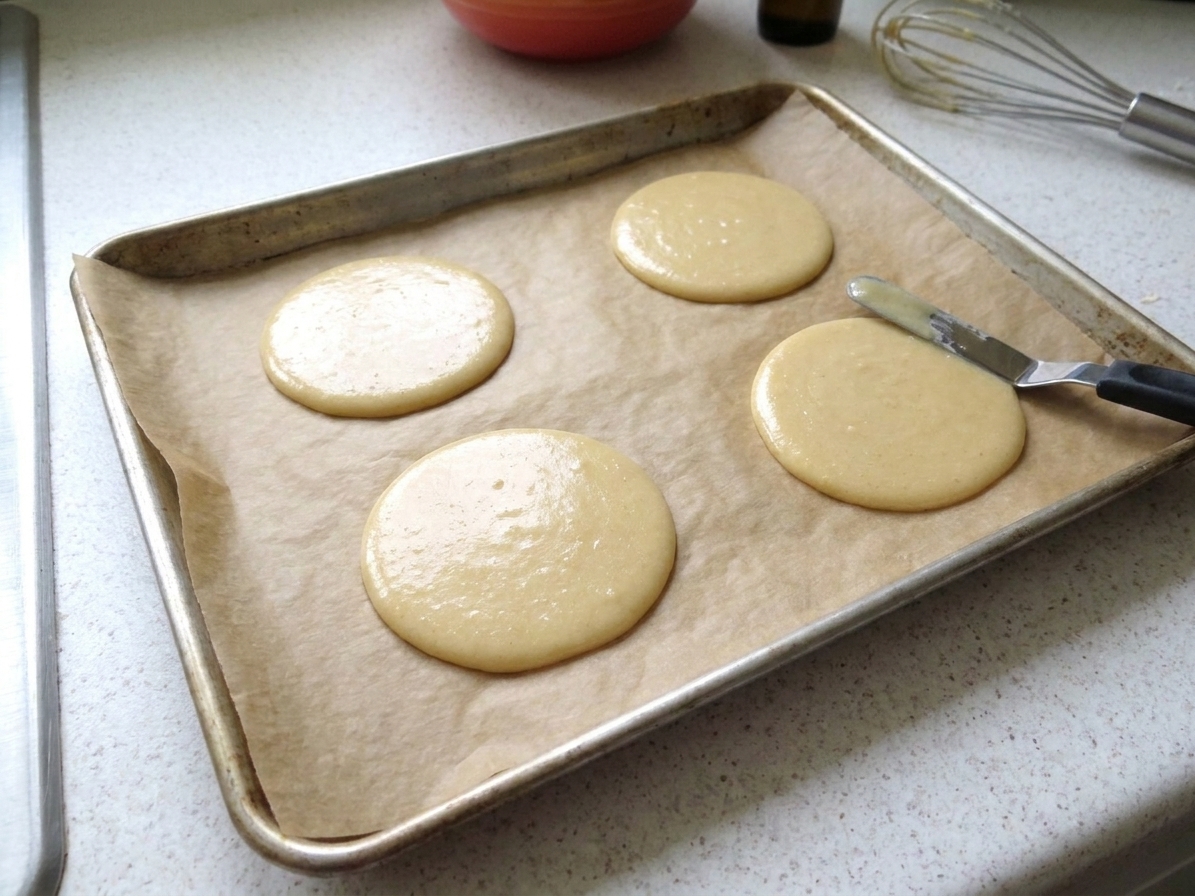
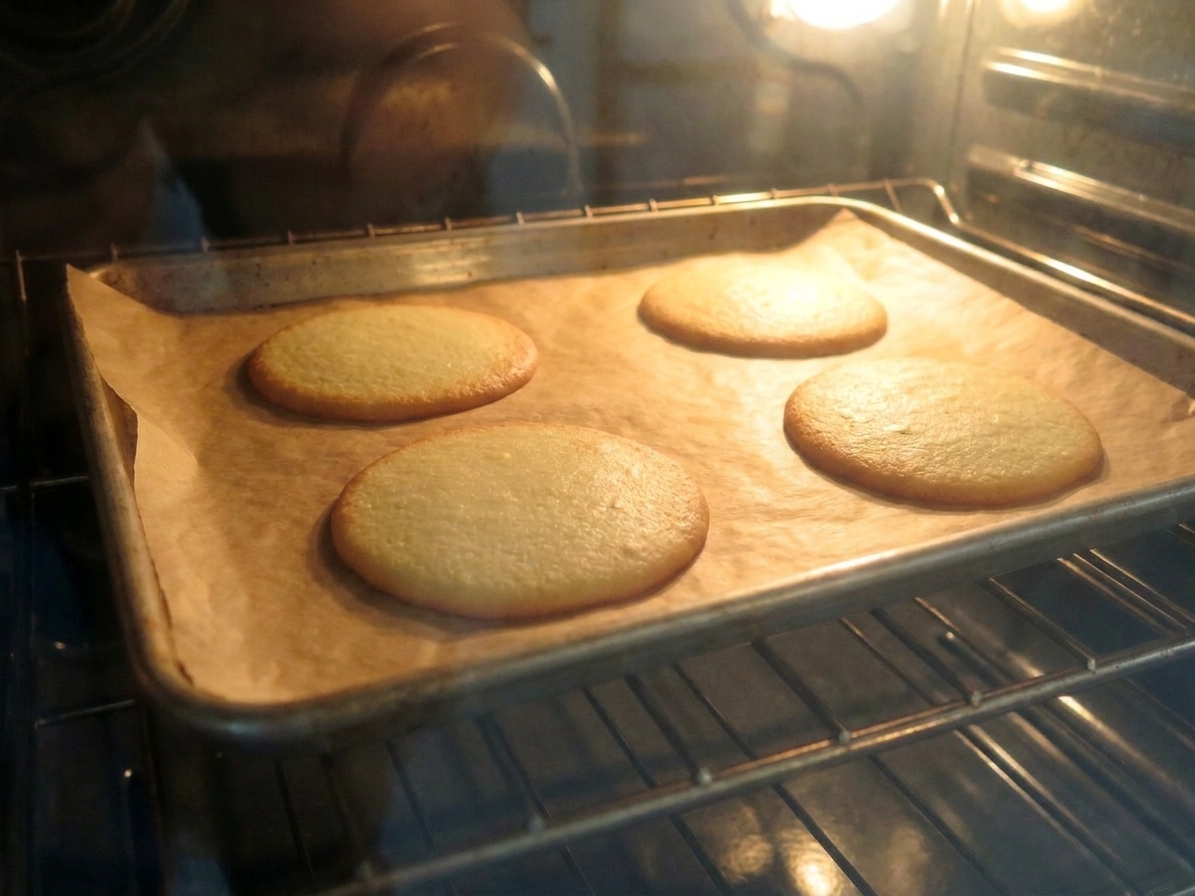
Usually one of two things: the rounds were too thick, or they baked too long and turned brittle before you folded. Spread the batter into a very thin 3-inch circle (3 inches is the diameter), and pull them when the edges are golden but the centers still look pale blond.

Why did they crack when I folded them?

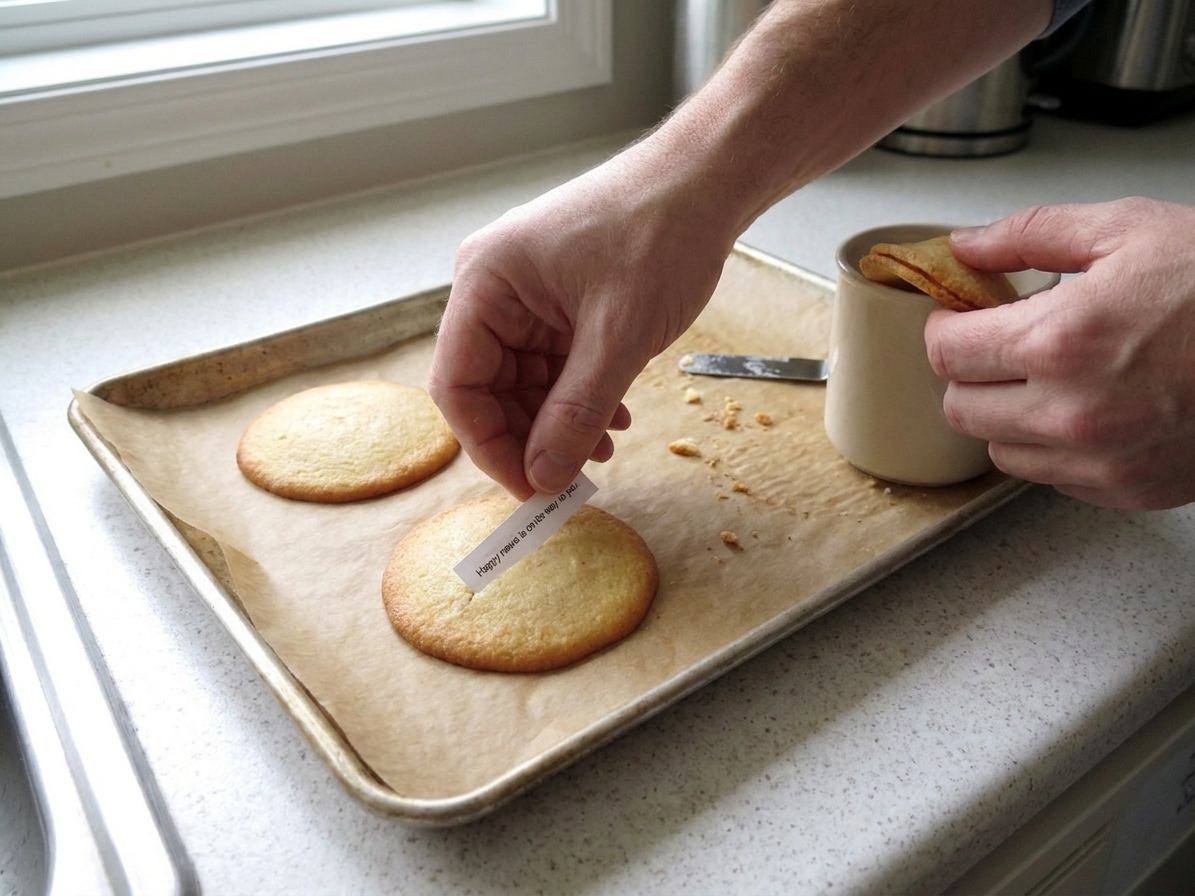
They cooled down before the fold. Bake fewer at a time (2 to 3 per sheet) and have your fortunes ready. If one stiffens, pop it back in the oven for 10 to 15 seconds to soften.

Can I make these without a fortune cookie mold?

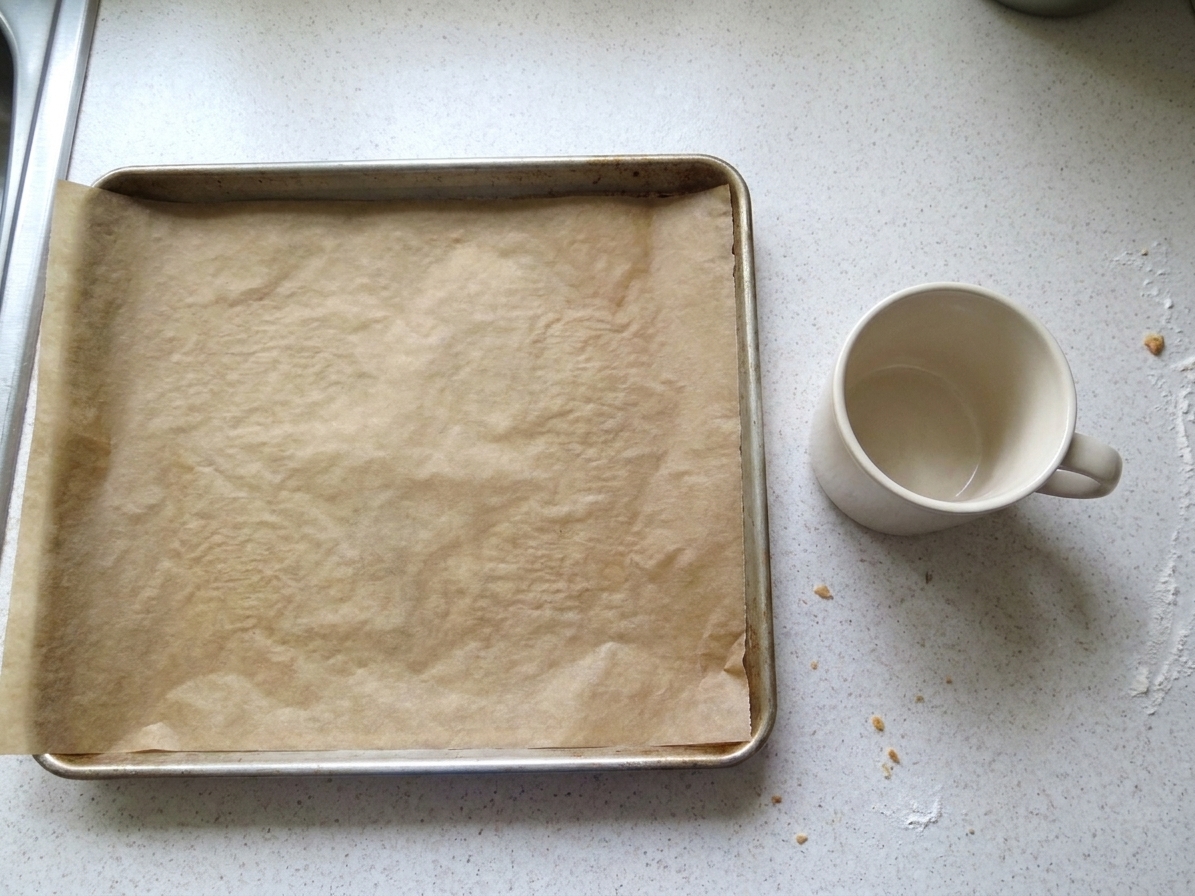
Yes. You do not need a mold. You just need a thin rim to shape over, like the edge of a mug, a small bowl, or the handle of a wooden spoon.

What kind of paper should I use for fortunes?

Use clean, food-safe paper that is plain and uncoated. Cut strips about 1/2 inch by 2 1/2 inches. Skip glossy paper, heavily dyed or recycled paper, and anything with strong ink smell. If you print them, use minimal ink or toner and let it dry fully before tucking the fortune inside.

Are fortune cookies actually Chinese?

They are strongly associated with Chinese-American restaurants, but most evidence suggests the modern fortune cookie was popularized in the United States, with roots that may connect to Japanese-style fortune crackers (often cited as tsujiura senbei) and early production in California. There are competing origin stories between regions, but the takeaway is the same: today it is basically its own takeout dessert icon.

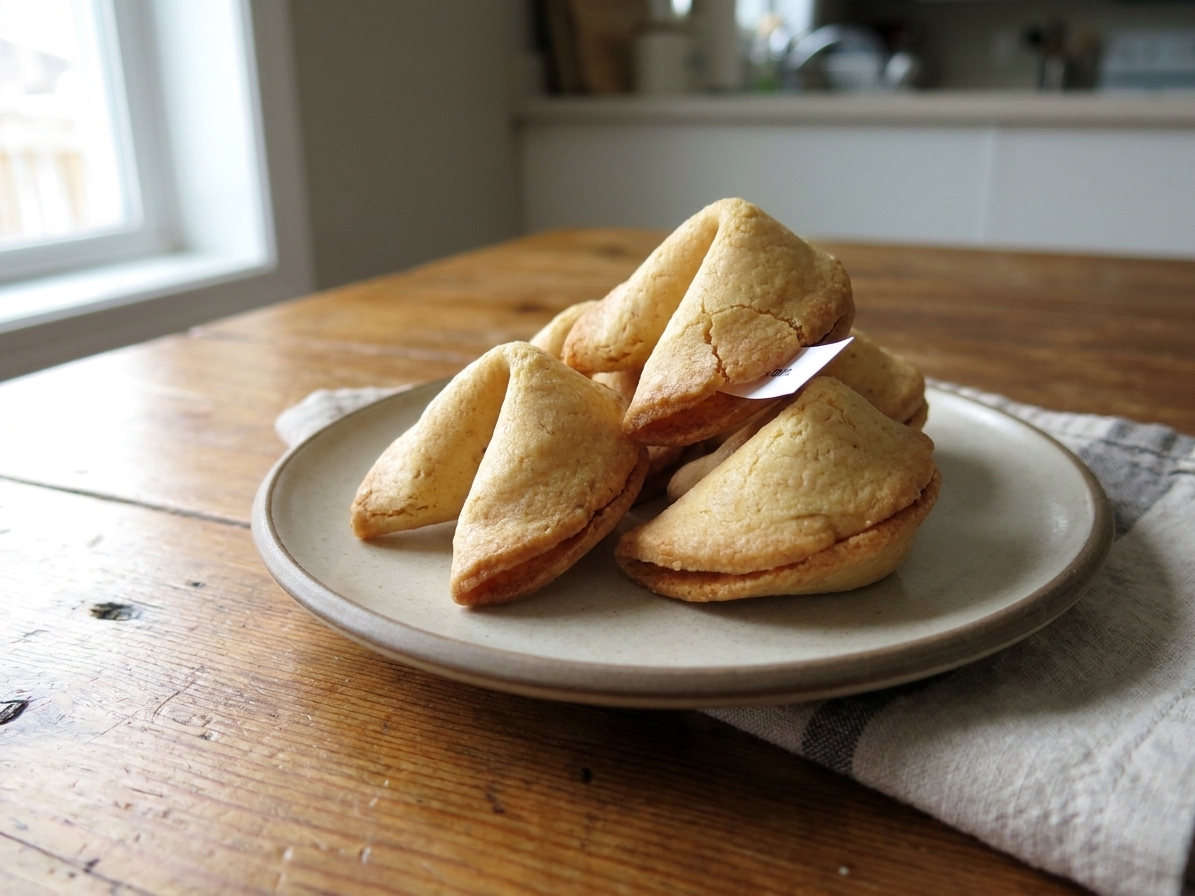
The first time I made fortune cookies, I was way too confident. I baked a full tray at once, turned around to grab my paper fortunes, and came back to a sheet pan of crunchy little sun discs that refused to fold. Lesson learned: fortune cookies are a timing game, not a talent show. Now I bake just a couple at a time, keep the fortunes lined up like I am running a tiny cookie factory, and suddenly it feels doable. Still a little chaotic, but the fun kind.