Mom's Best Recipes
Recipe

Homemade Lefse

Soft Norwegian potato flatbread with buttery flavor, easy rolling tips, and the classic griddle freckles.

Author By Matt Campbell
4.8
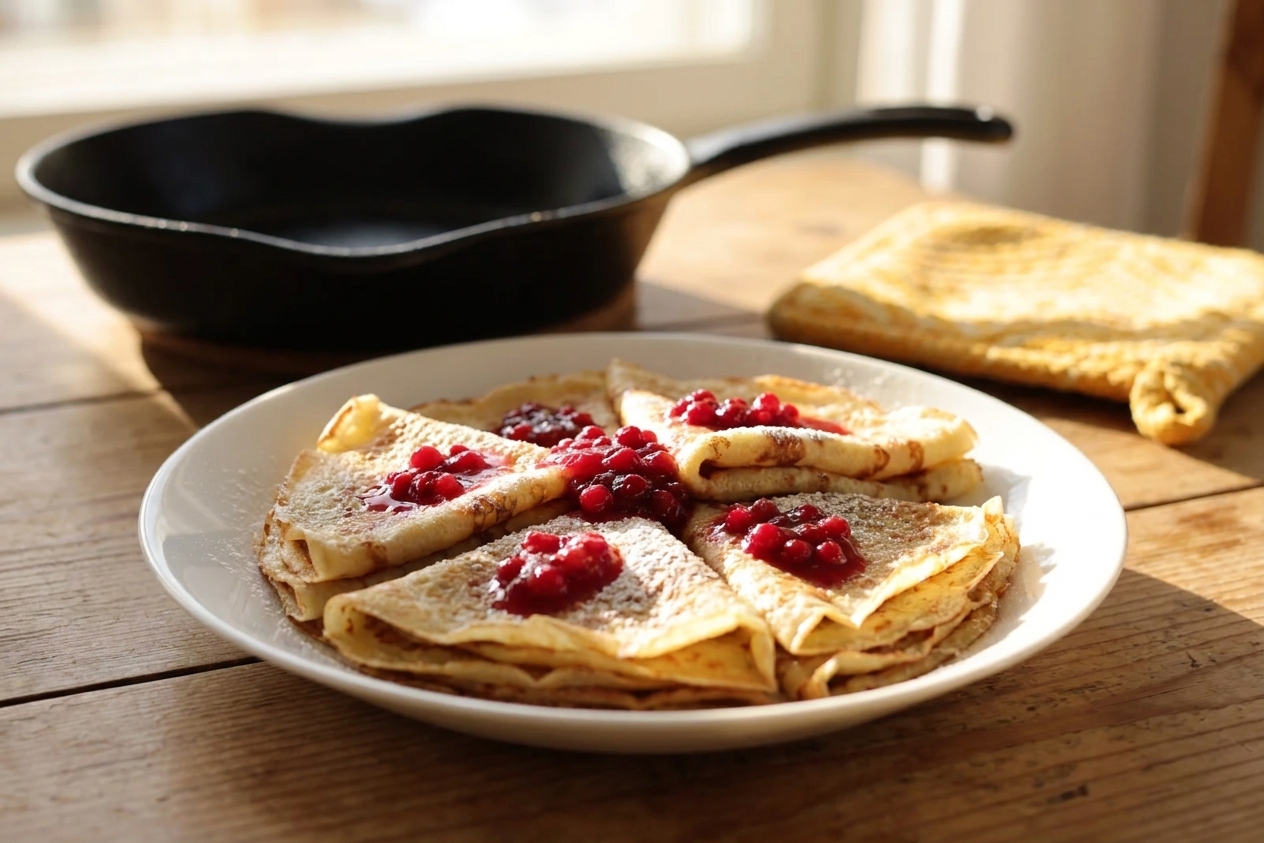
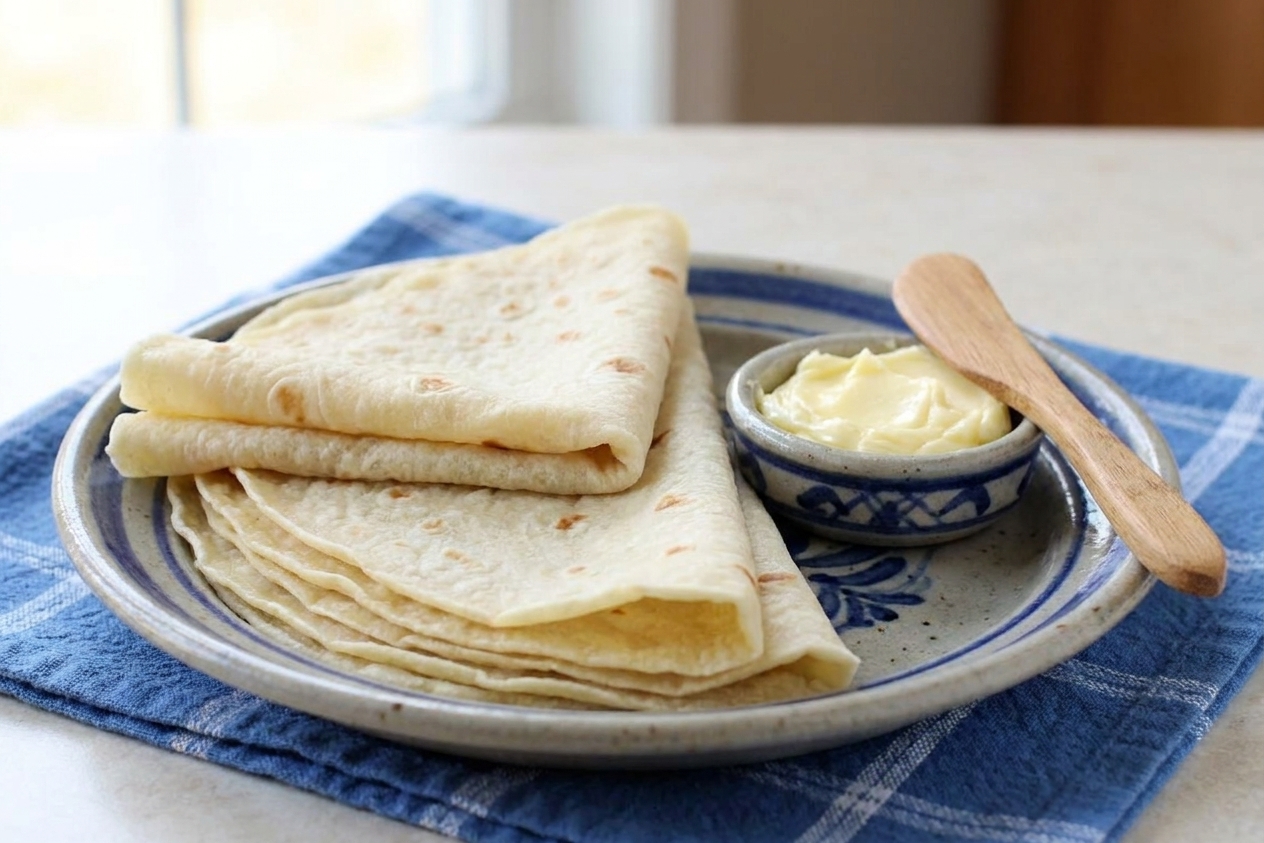
A stack of soft Norwegian lefse folded into quarters on a stoneware plate with a small dish of butter

Lefse is the kind of food that feels like a warm sweater. It is tender, potato-soft, and just sturdy enough to wrap around whatever you are craving. Some days that is butter and a snowfall of sugar. Other days it is a smear of mustard and a couple slices of ham because you are hungry and life is short.

This version keeps it classic and doable at home. No mysterious ingredients, no special gadgets you only use once a year. Just good starchy potatoes (think russets), a hot griddle, and a little patience while you roll it thin. The payoff is huge: stacks of soft rounds with those toasty brown freckles that taste like tradition and comfort had a baby.
Russet potatoes, a bowl of flour, butter, salt, and a small pitcher of heavy cream arranged and ready for lefse

Why It Works

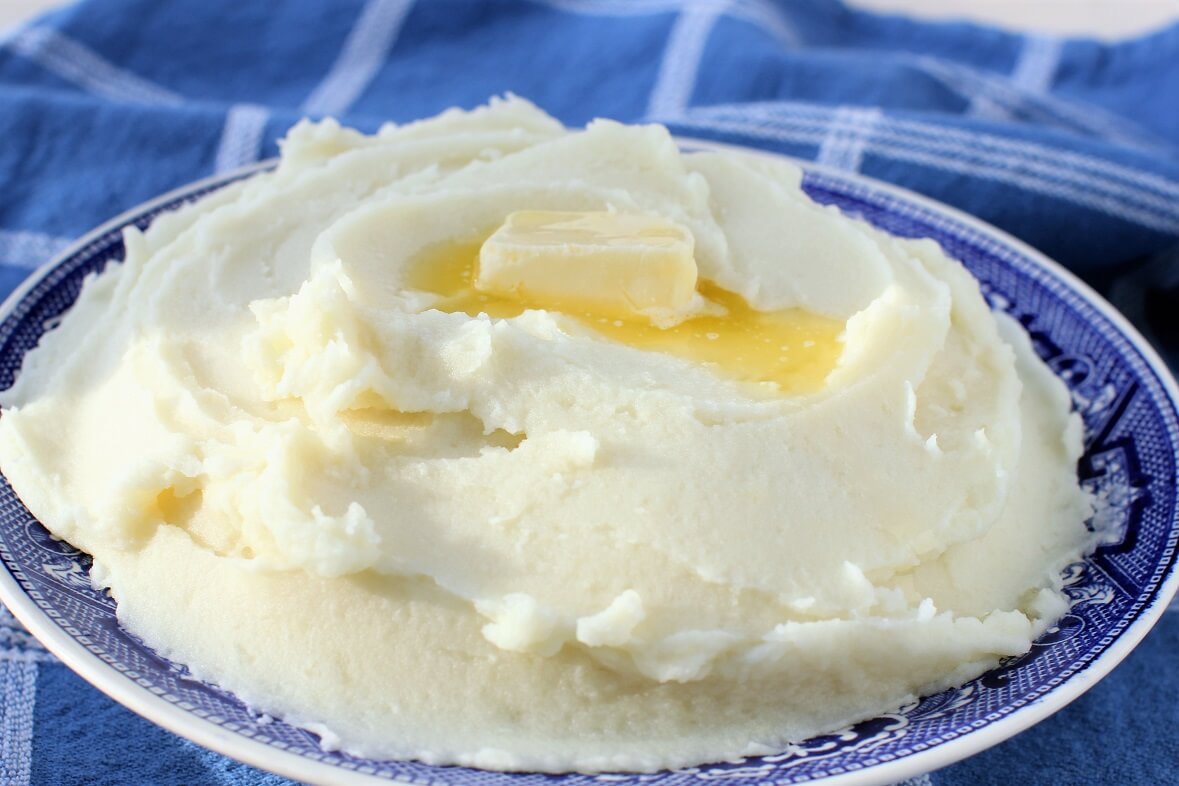
  • Potato-forward and tender: Chilling the potato mixture before adding flour helps prevent a gummy, heavy dough.
  • Easy-to-roll dough: Butter and cream add richness and keep the dough flexible, so it rolls thin without cracking.
  • Light flouring, not heavy: Just enough flour to prevent sticking so the finished lefse stays soft, not dry.
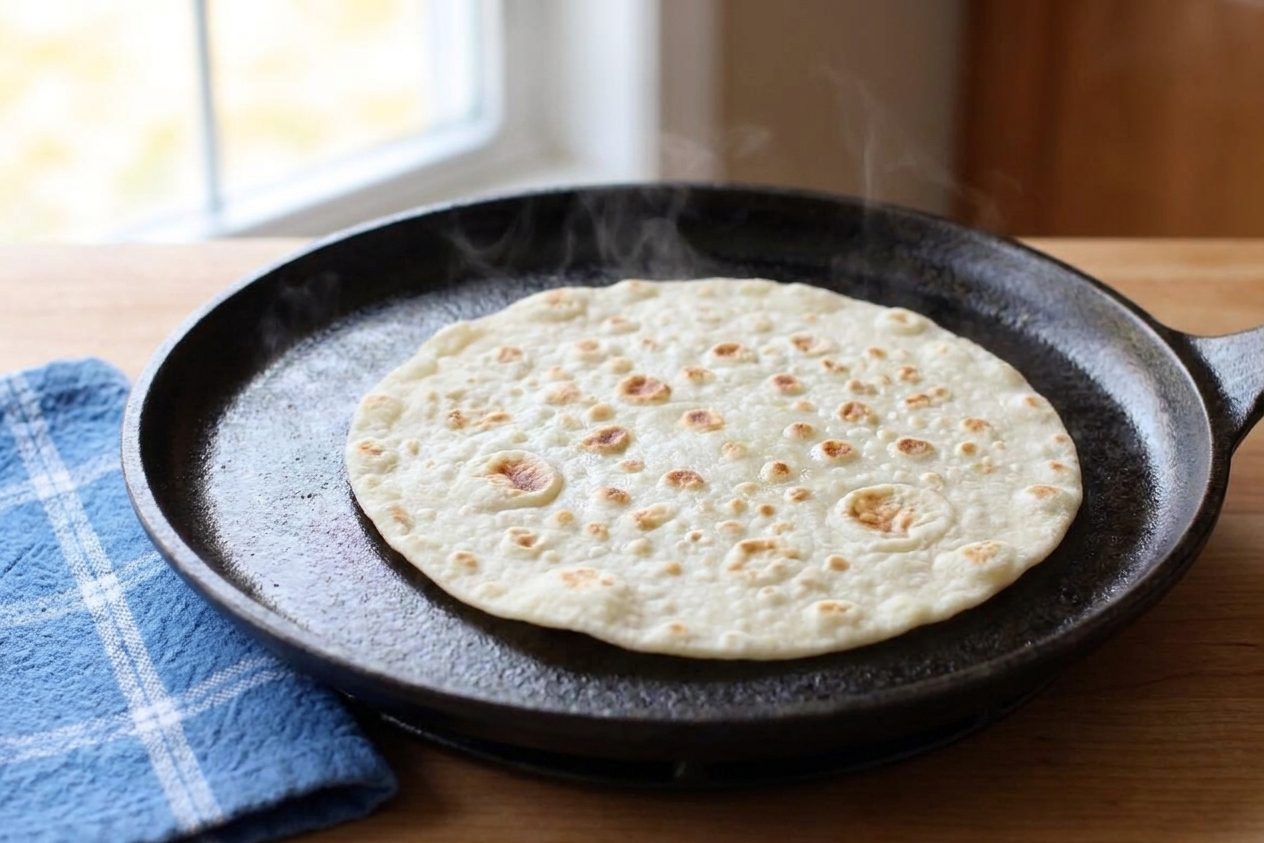
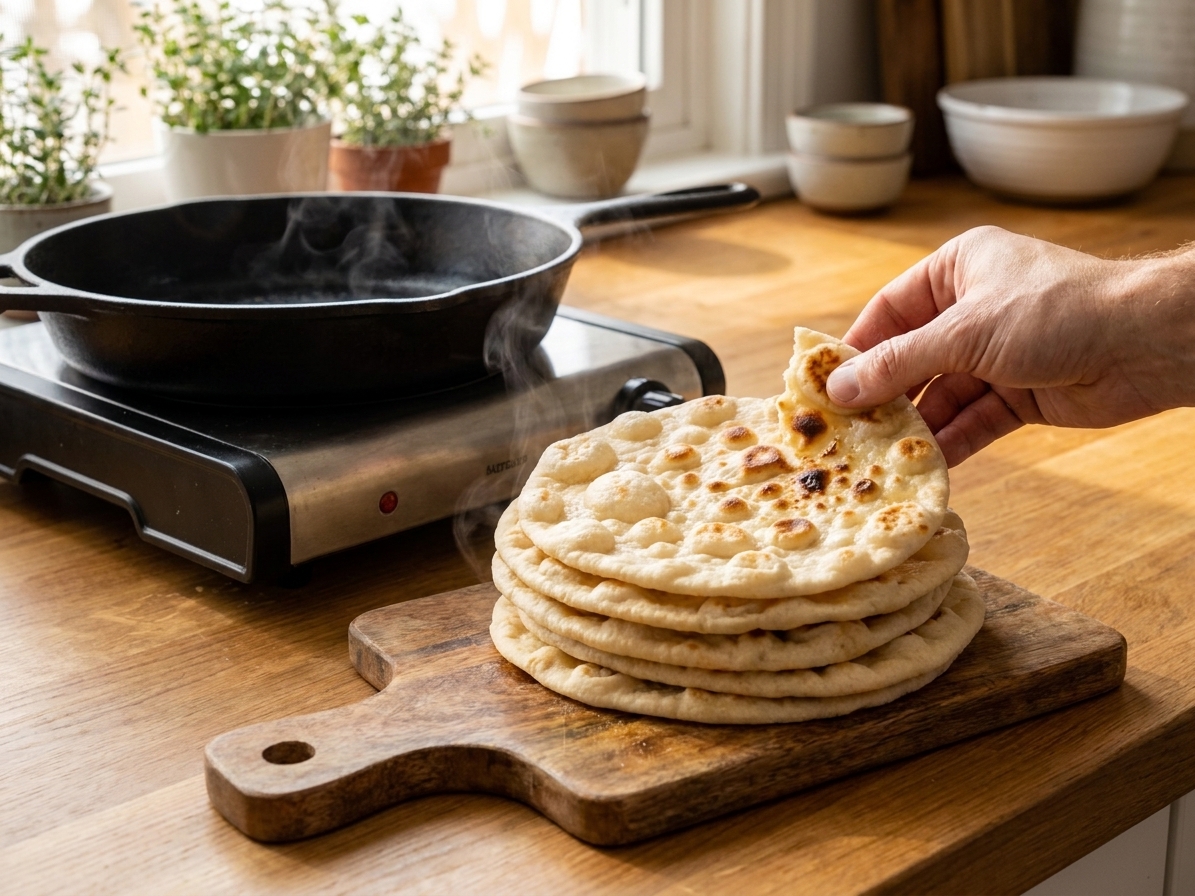
  • Griddle freckles: Cook based on cues (set surface and brown spots), not the clock, for soft lefse with signature speckles.

Pairs Well With

Storage Tips

Storage Tips

Short term: Stack cooled lefse with a piece of parchment between every few rounds, wrap tightly in plastic wrap, and refrigerate up to 4 days.

Freezer: Stack with parchment between each round (or every 2 rounds), slide into a freezer bag, press out excess air, and freeze up to 3 months.

Thawing: Thaw overnight in the fridge, still wrapped, so it stays soft. If it feels a little stiff, warm it briefly on a dry skillet or griddle for 10 to 20 seconds per side.

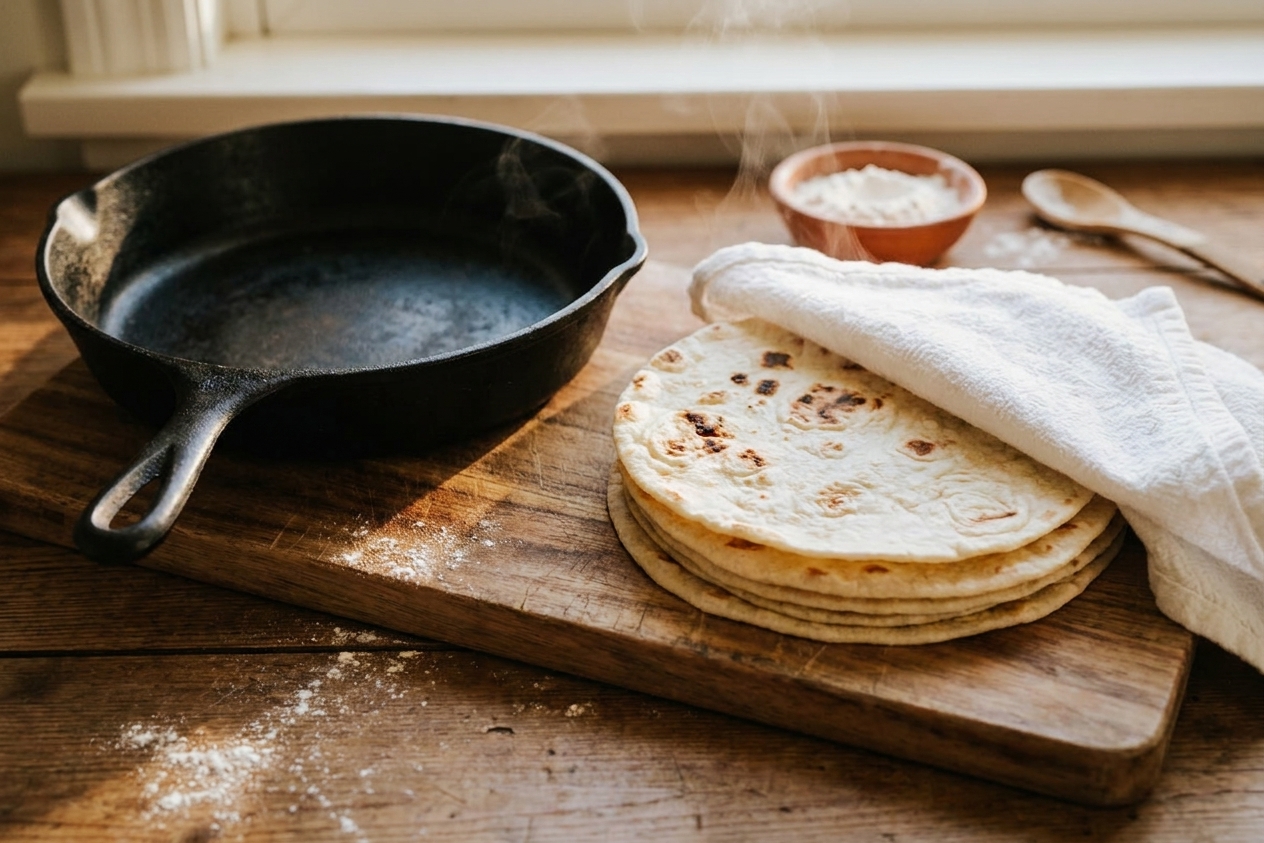
Keep it soft: Lefse dries out if left uncovered. Treat it like tortillas. Keep it wrapped in a clean towel while you cook and stack.

Common Questions

Common Questions

What kind of potatoes are best for lefse?

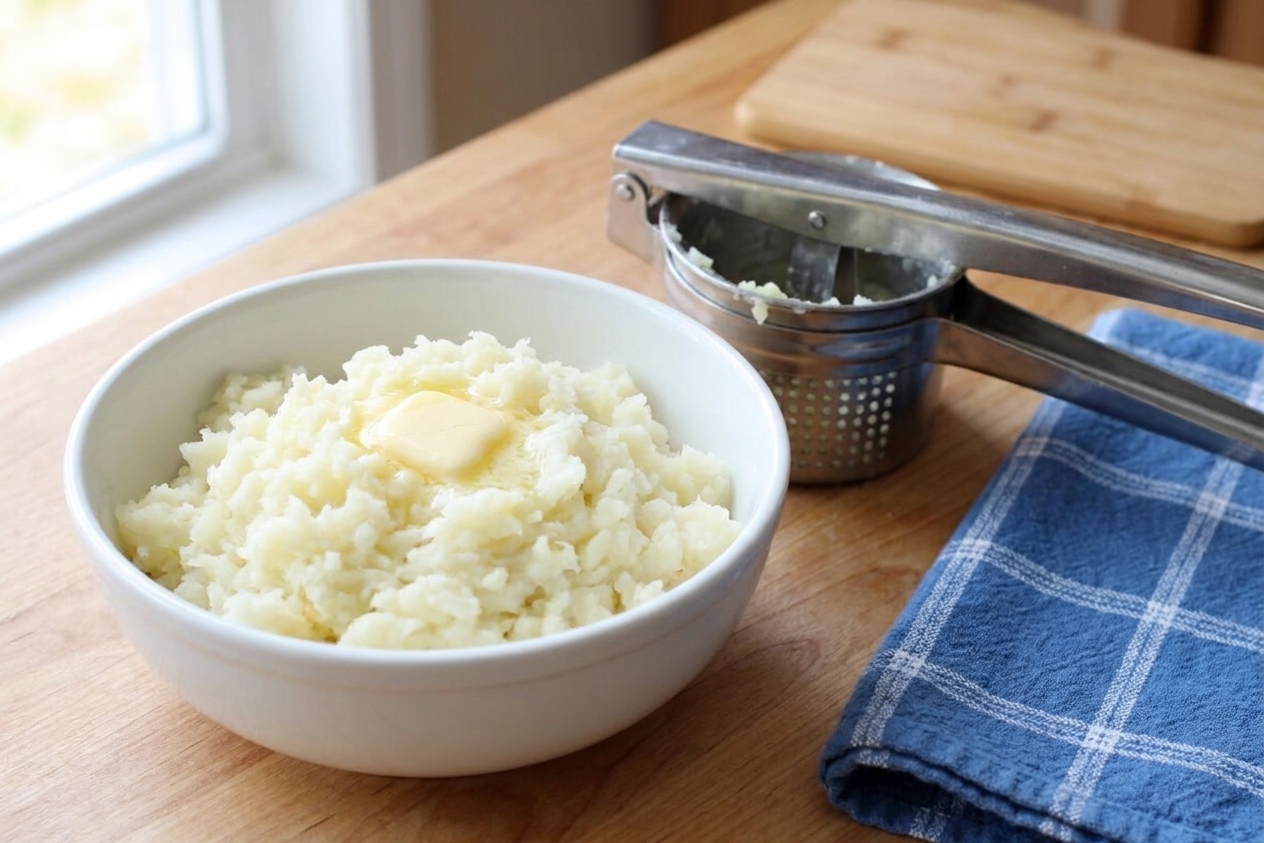
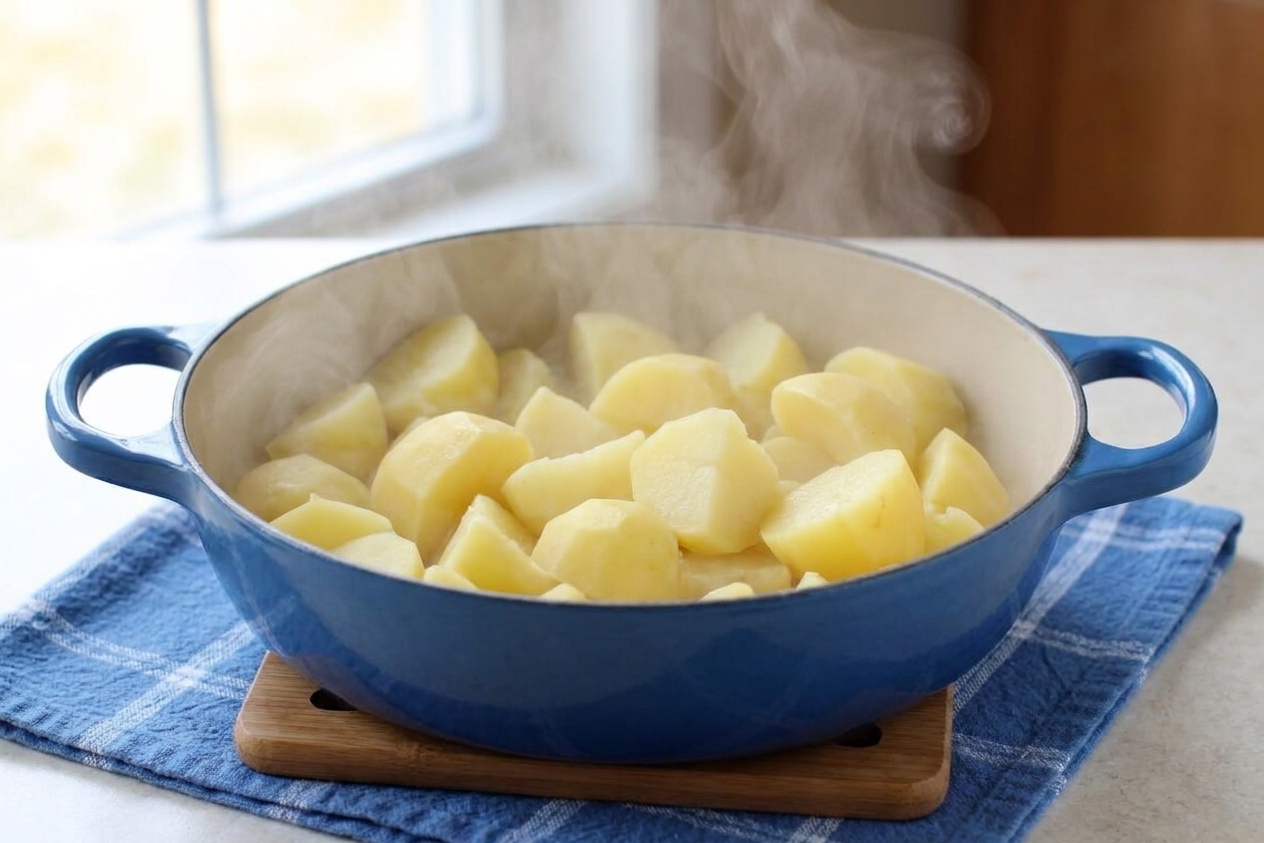
Go for starchy potatoes, like russets. They rice smoothly and help you get tender lefse instead of gummy dough.

Do I need a lefse griddle?

No. A large cast iron griddle, a flat-top, or a big nonstick skillet works. You just want a wide, flat surface and steady heat.

Why does my lefse dough feel sticky?

Warm potatoes and extra moisture are usually the culprit. Make sure the potato mixture is fully cooled and cold to the touch before you add flour or start rolling. If you are still fighting stickiness, chill the potato mixture longer (even overnight) before adding flour. Also, do not be shy about flouring the rolling surface. Add flour to the dough gradually, just until it is workable.

Why is my lefse tough or dry?

Usually too much flour, overmixing after the flour goes in, or overcooking. Use a light touch with flour, mix just until the dough comes together, roll thin, and cook quickly. Lefse should stay soft and flexible, not crisp like a cracker.

Can I make lefse dough ahead?

Yes. Chill the dough overnight (covered tightly). Cold dough is easier to roll. If it gets very firm, let it sit at room temperature for 10 to 15 minutes before rolling.

What do you put on lefse?

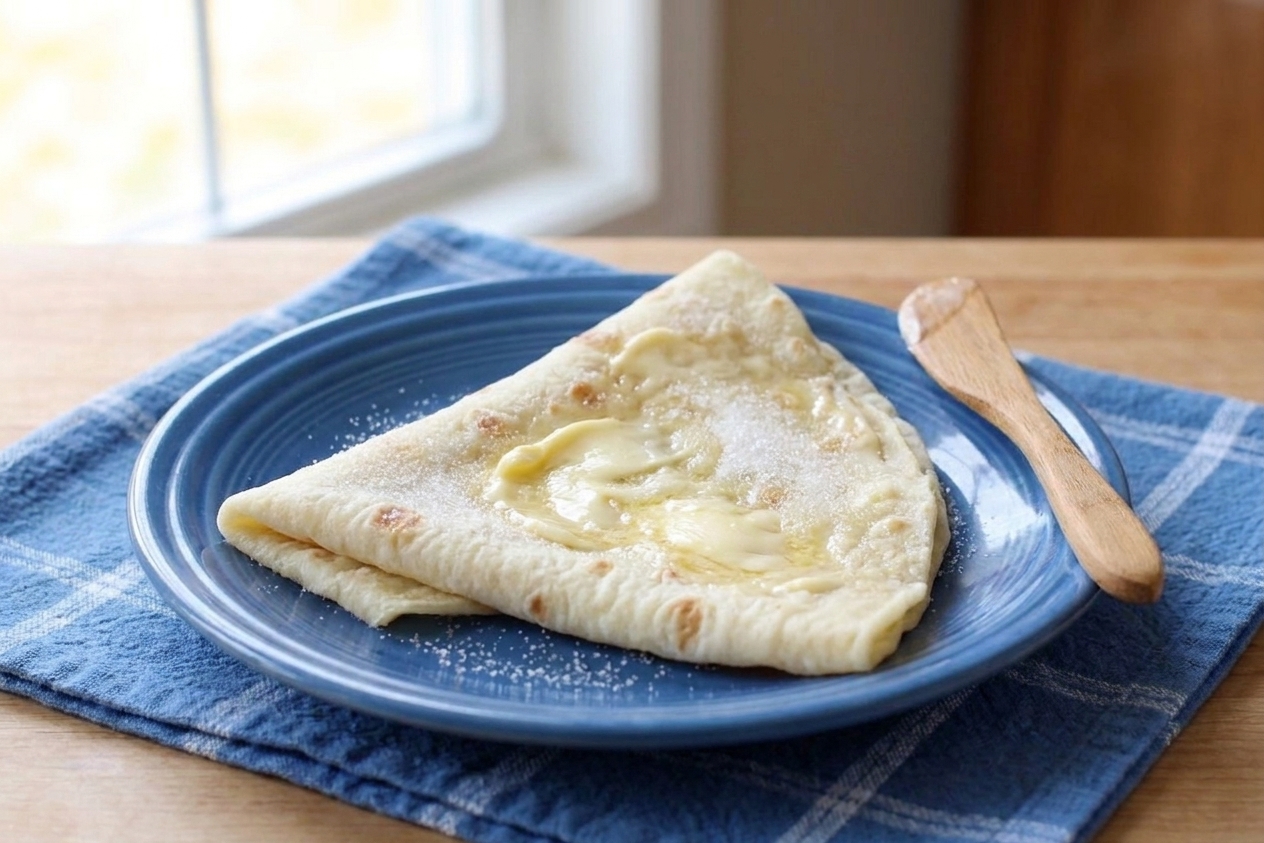
Classic: butter and sugar, sometimes cinnamon. Savory: butter and salt, cream cheese and smoked salmon, or turkey and cranberry for post-holiday leftover sandwiches.

I did not grow up making lefse, which honestly made it even more fun to learn. The first time I tried it, my kitchen looked like it had been lightly dusted by a flour blizzard and I was convinced I had ruined the whole batch because the dough felt too soft. Then I cooked the first round, folded it up with butter and sugar, and had that moment where you stop mid-bite and realize you just found a new comfort food lane.

Now I make lefse when I want something cozy that also feels like a little project. It is calm and chaotic at the same time. Roll, cook, stack, repeat. By the end, you have a warm pile of something you cannot buy in the same way from a store, and that is the best kind of kitchen victory.