Mom's Best Recipes
Recipe

Homemade Shoyu Ramen

Rich, savory shoyu-style ramen with tender pork, soy-marinated eggs, and a balanced shoyu tare you can reuse all week.

Author By Matt Campbell
4.8
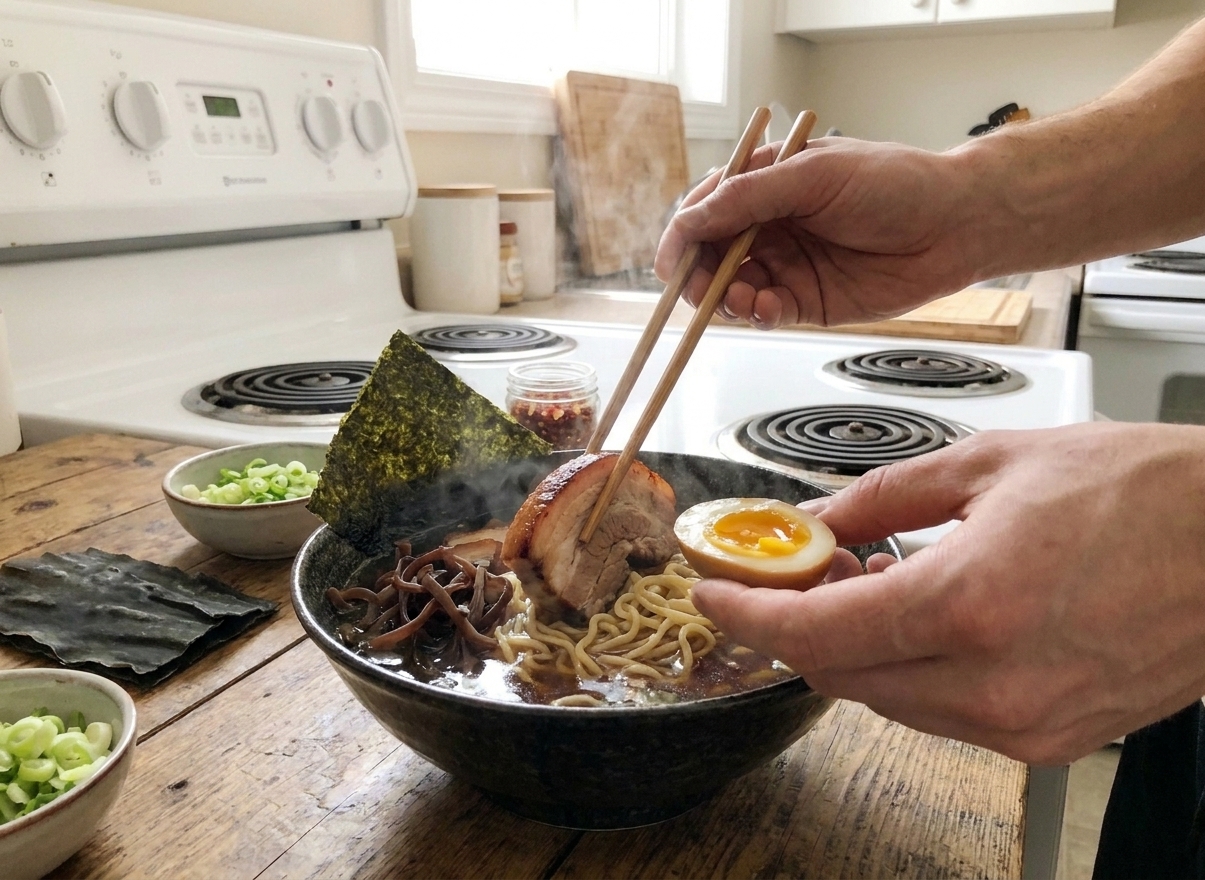
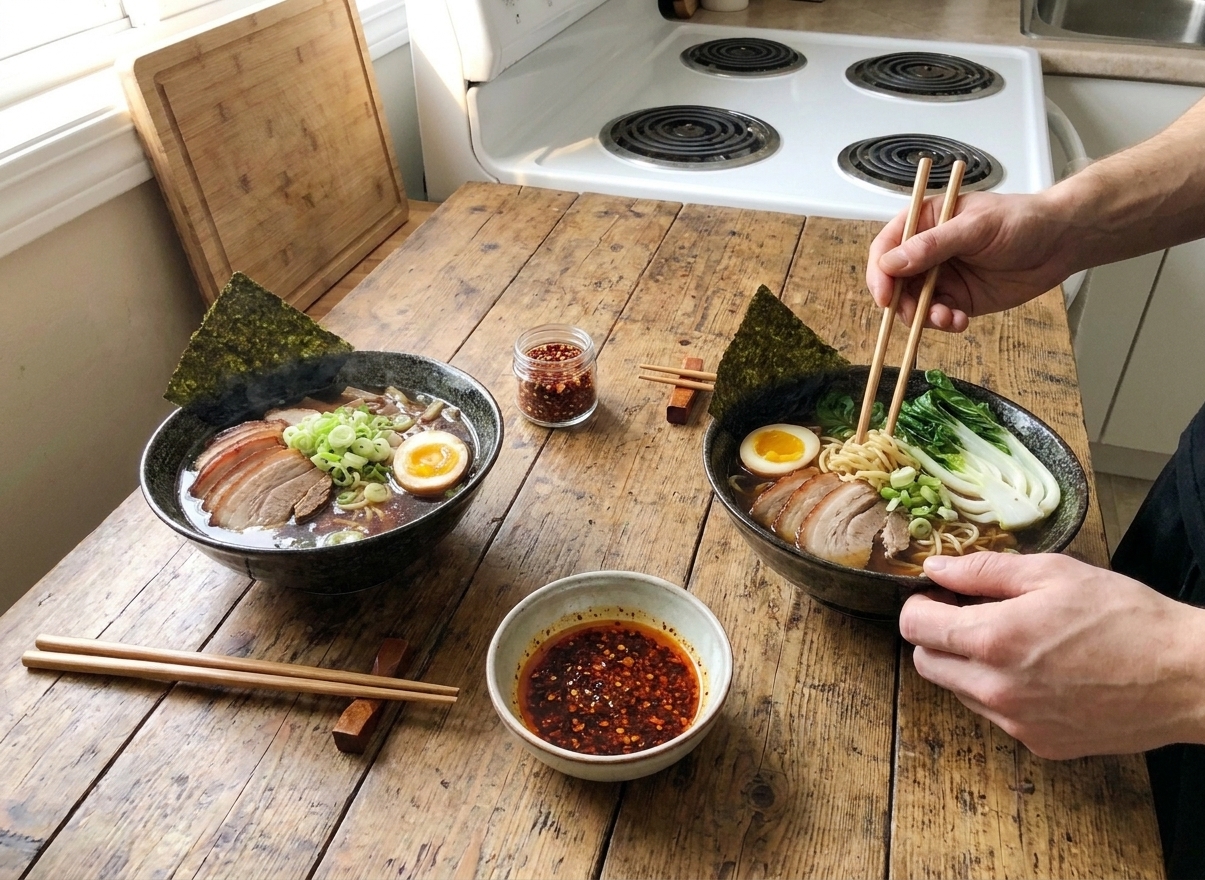
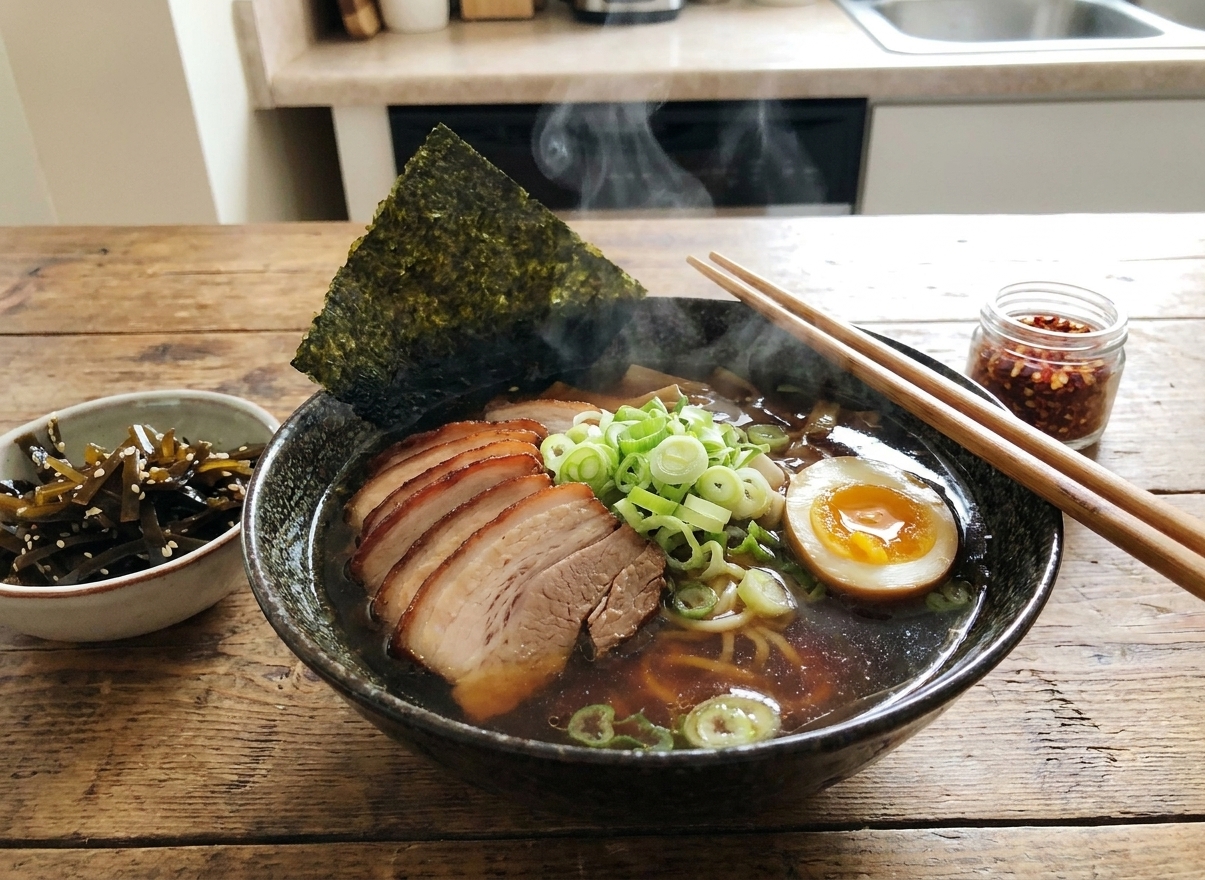
A steaming bowl of shoyu ramen with sliced pork, jammy soy-marinated egg, scallions, and nori on a wooden table

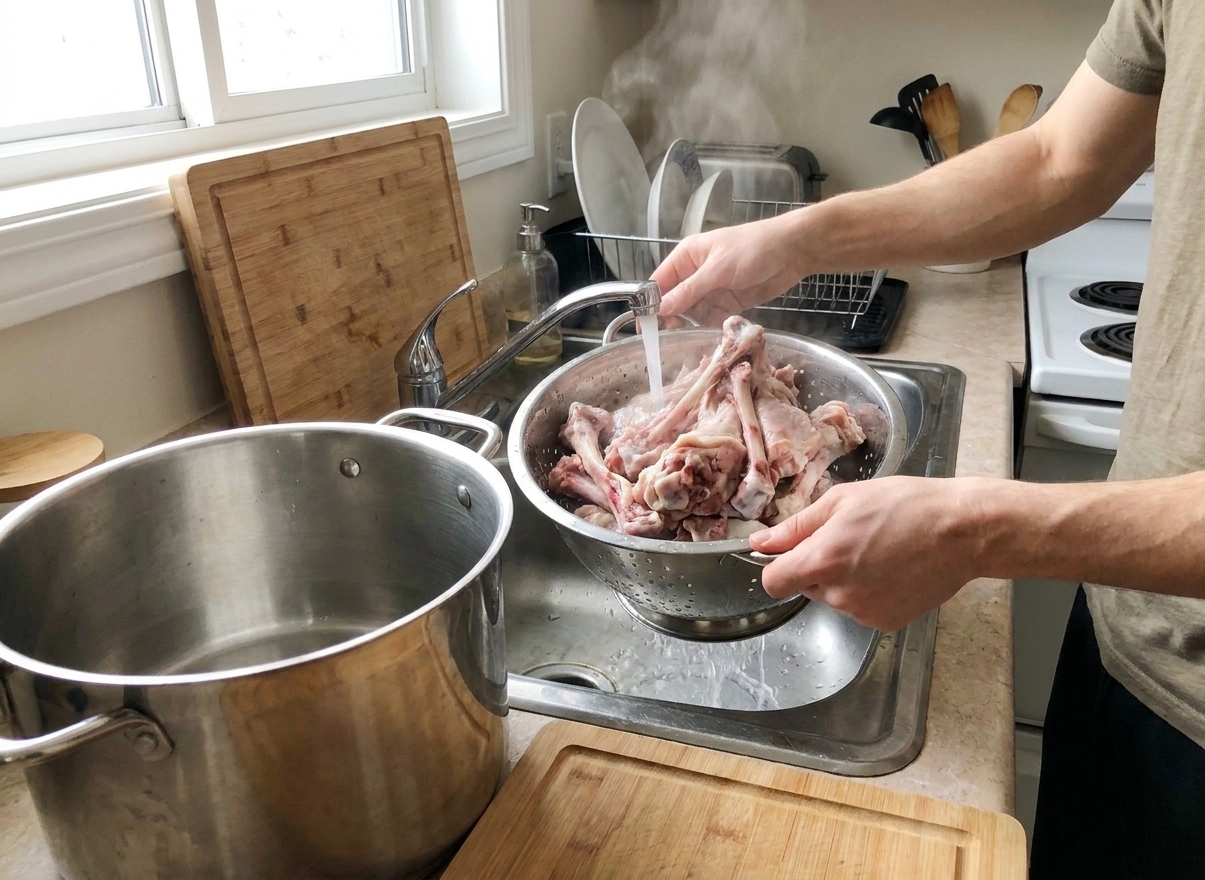
Homemade ramen is one of those kitchen projects that feels dramatic, but it does not have to be. We are not chasing a 3-day, restaurant-only bone cauldron here. We are building a deep, savory shoyu-style ramen at home using smart layers: a clean pork and chicken broth, a punchy shoyu tare (seasoning sauce), aromatic oil, springy noodles, and toppings that make you pause mid-bite and think, wow.

My favorite part is that ramen is secretly a choose-your-own adventure. Make everything in one weekend, or spread it out and keep ramen components in the fridge like the best kind of meal prep. Either way, you are ending with cozy carbs, bright salty-sweet balance, and that slurpable broth that turns a regular night into a moment.
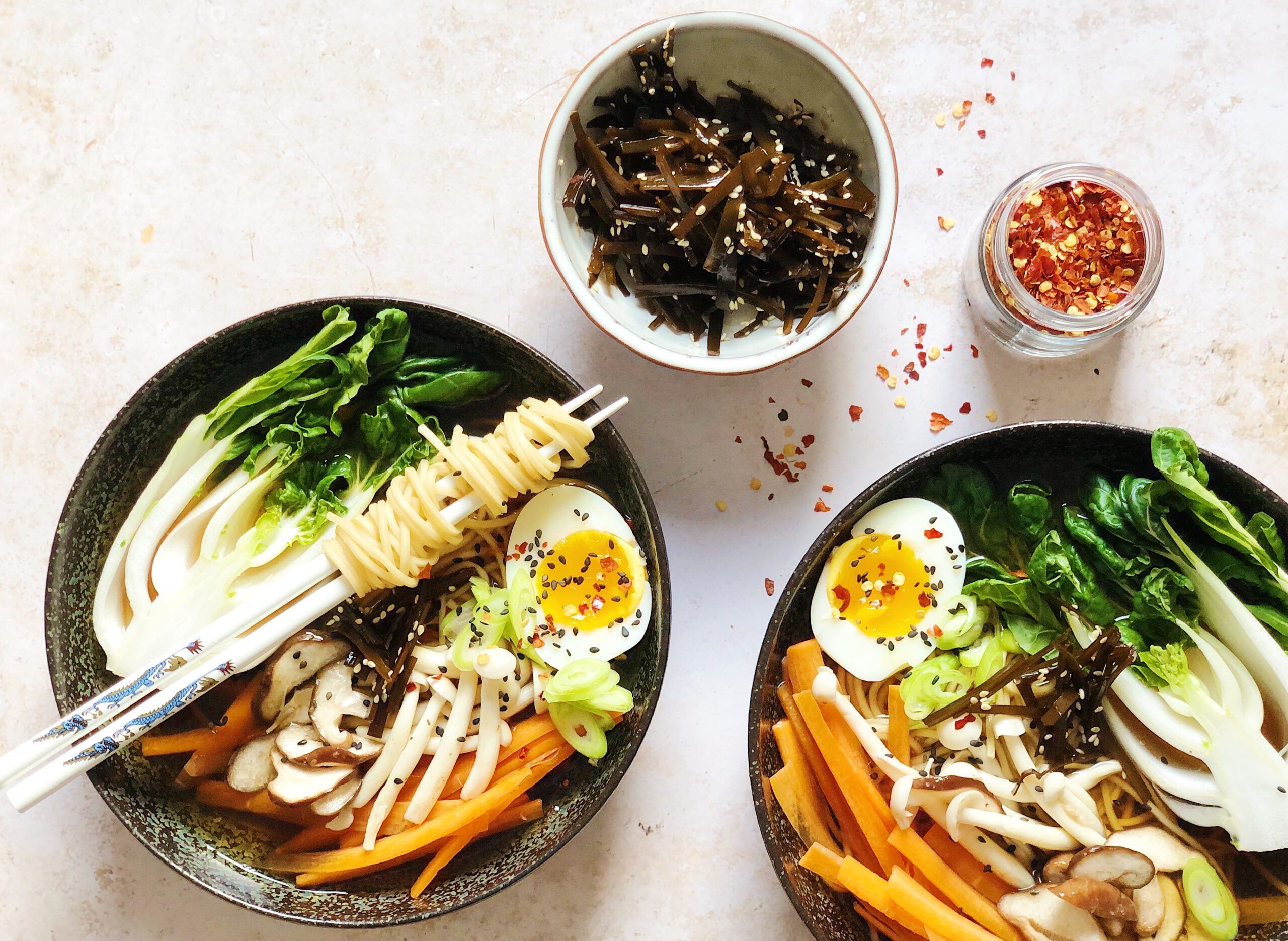
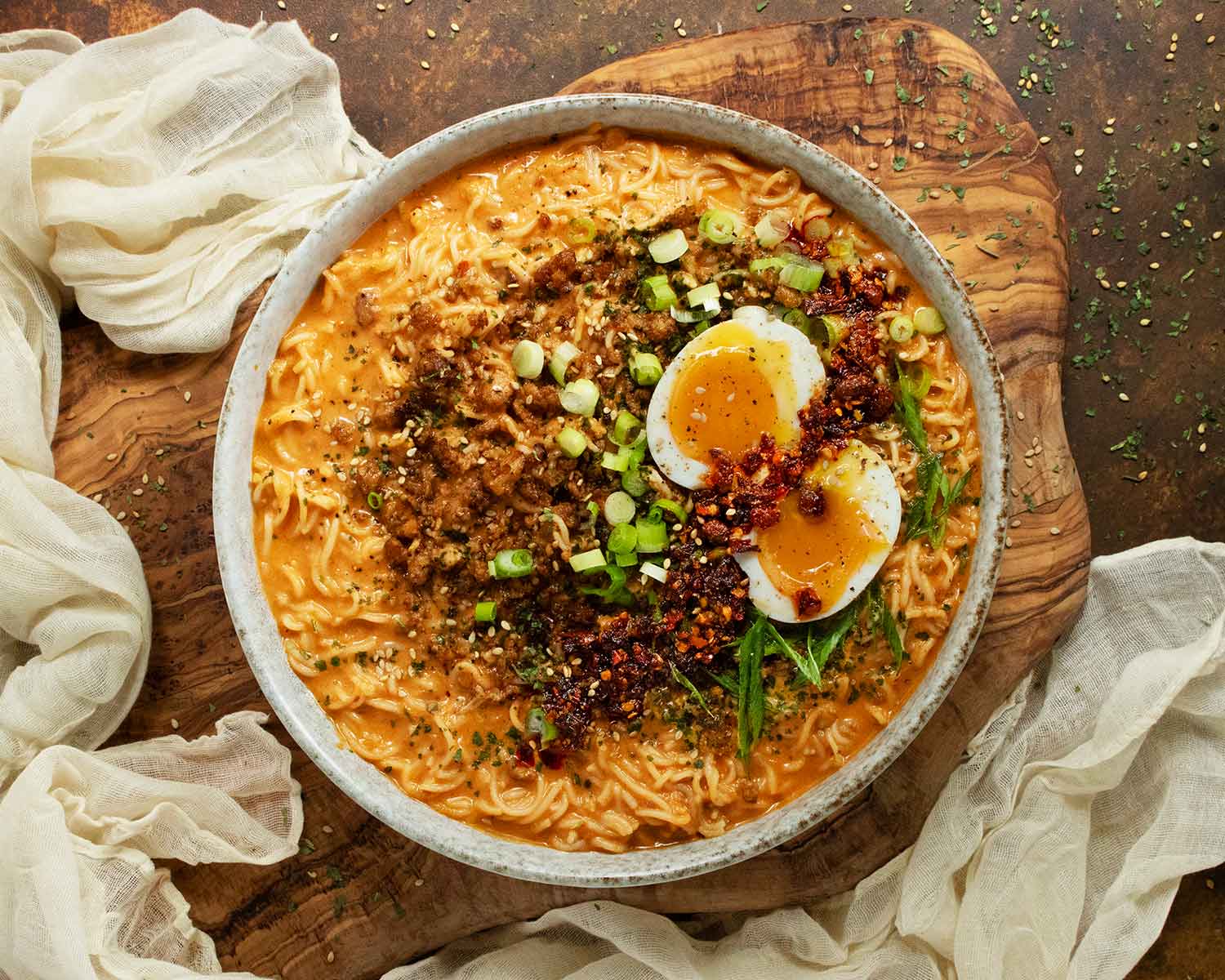
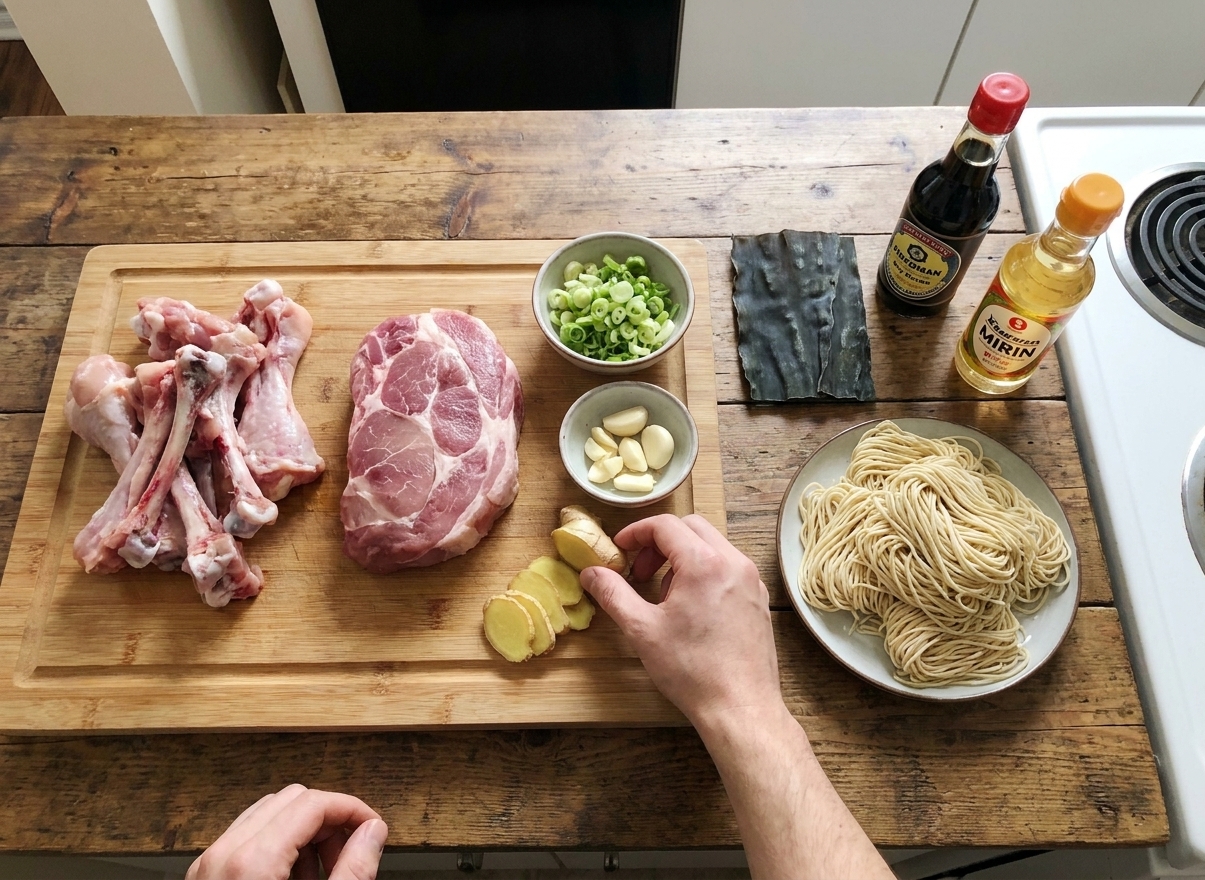
Ramen ingredients laid out on a kitchen counter including chicken bones, pork shoulder, soy sauce, mirin, ginger, garlic, scallions, dried kombu, and ramen noodles

Why It Works

  • Real ramen structure: broth + tare + aromatic oil + noodles + toppings, so you can adjust salt and richness bowl by bowl.
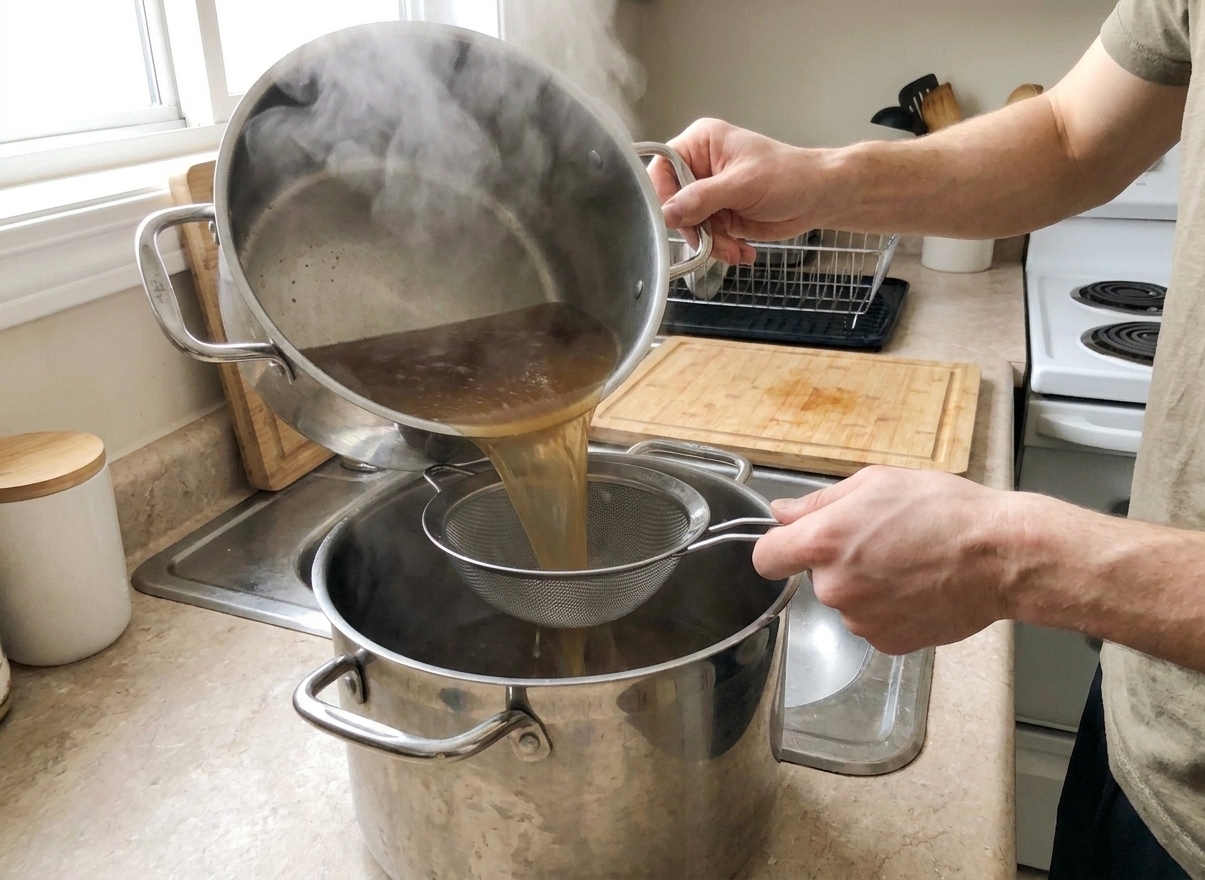
  • Big flavor without chaos: a clear, clean simmer (not a raging boil) keeps the broth tasty instead of muddy.
  • Make-ahead friendly: eggs, tare, and pork can be done 1 to 3 days ahead, then ramen night is basically assembly.
  • Accessible ingredients: mostly grocery-store staples, with simple swaps if you cannot find kombu.

Pairs Well With

Storage Tips

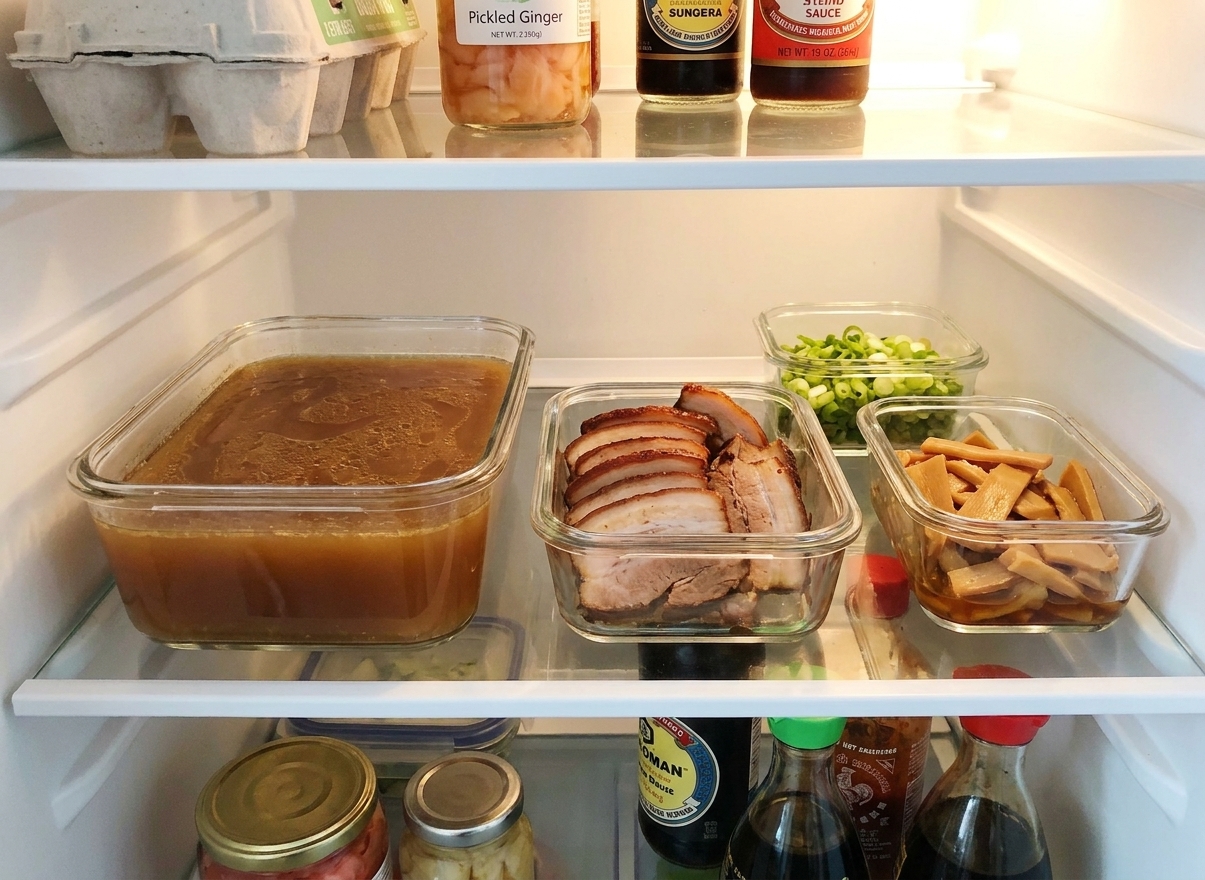
Store components separately if you can. Ramen is happiest when it is assembled at the last second.

  • Broth: Cool fast, then refrigerate up to 4 days or freeze up to 3 months. Skim off the fat cap if you want a cleaner bowl, or stir it back in if you want richer vibes.
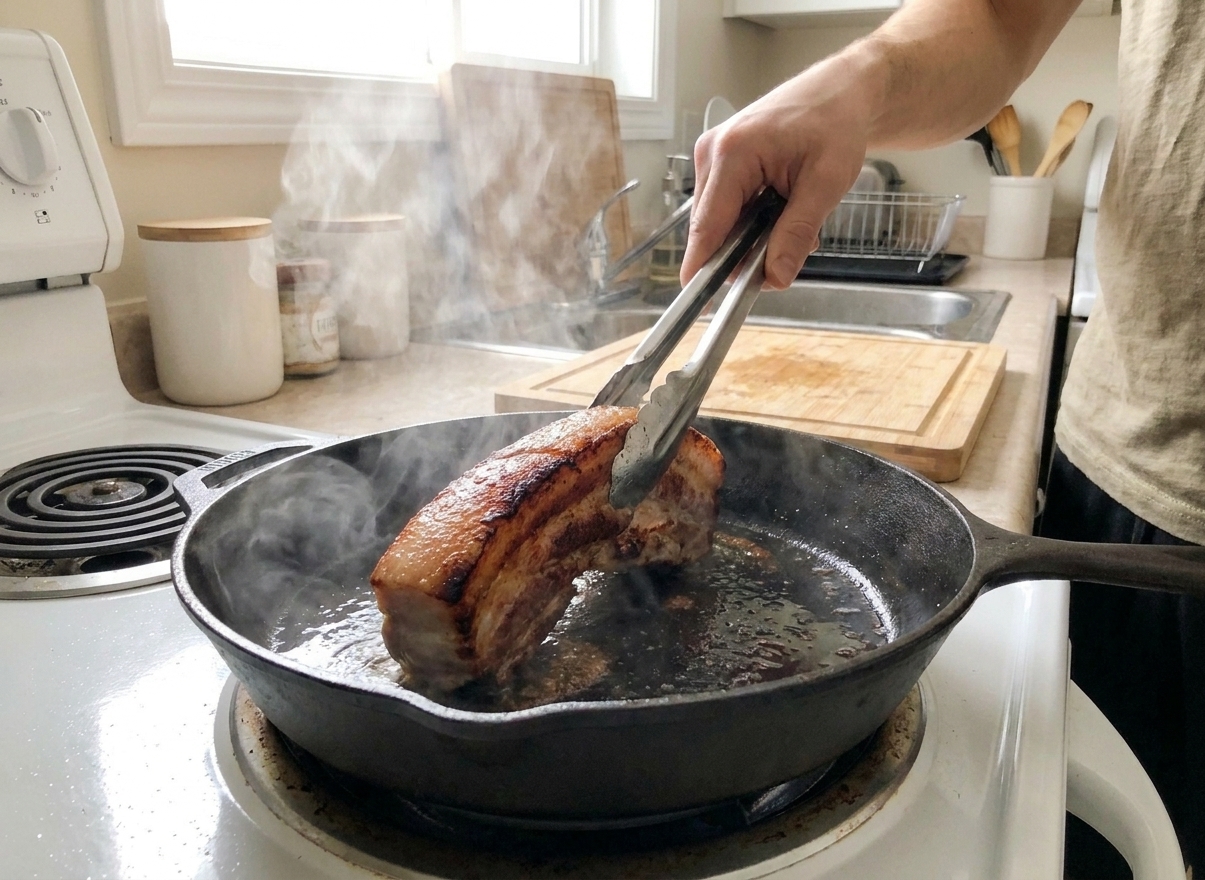
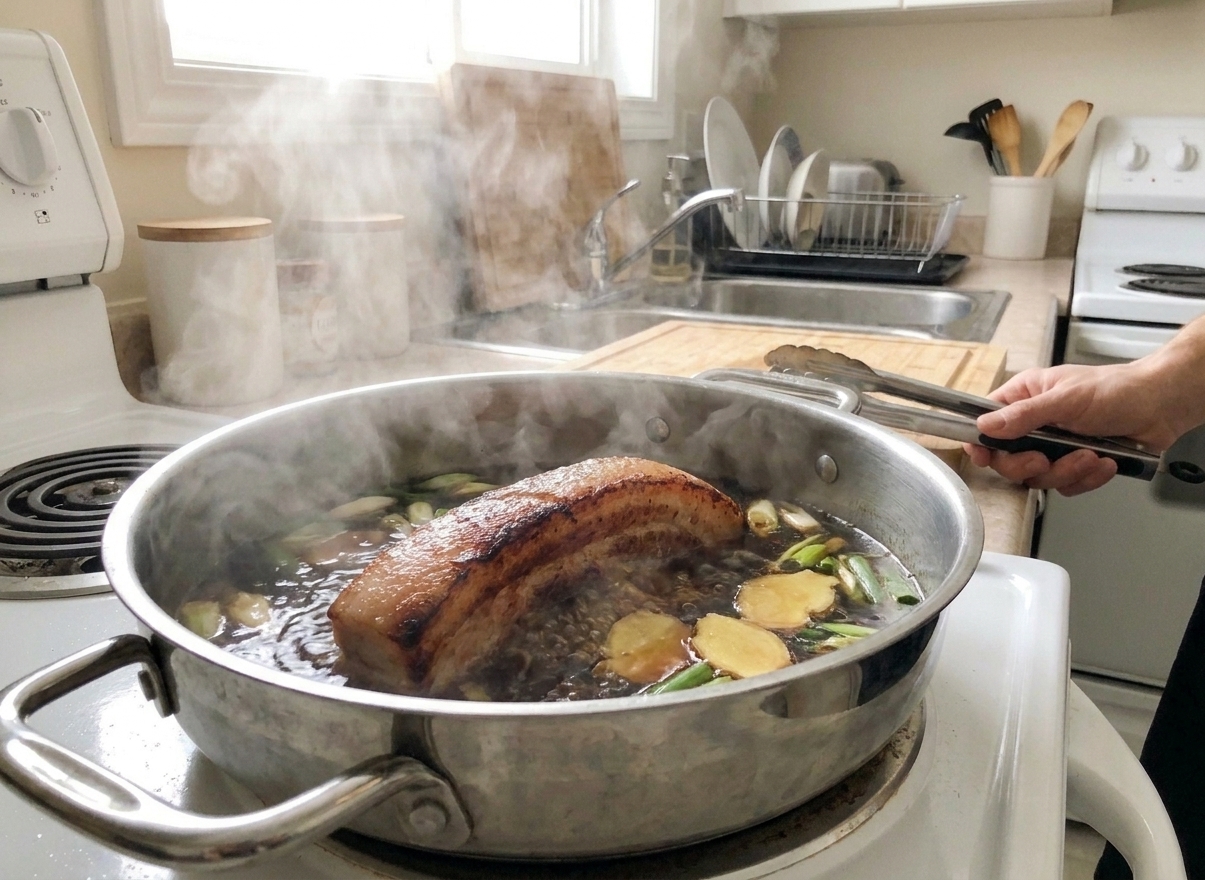
  • Chashu-style pork: Refrigerate in a covered container with some braising liquid up to 4 days. Freeze sliced pork with a little liquid up to 2 months.
  • Ajitsuke tamago (ramen eggs): Keep refrigerated and eat within 2 to 3 days for best texture and safety. Keep them submerged in the marinade, or turn them daily so they color evenly.
  • Tare (seasoning sauce): Refrigerate up to 2 weeks. It is your secret weapon for quick noodle soups, fried rice, and veggie stir-fries.
  • Cooked noodles: Best fresh. If you must store, toss with a tiny splash of neutral oil and refrigerate up to 24 hours, then reheat by dunking in boiling water for 10 to 15 seconds.
Clear containers of cooled ramen broth and sliced pork stored in the refrigerator on a kitchen shelf

Common Questions

Is ramen broth supposed to be cloudy or clear?

Either can be traditional. Tonkotsu is intentionally cloudy from a hard boil that emulsifies fat and collagen. This recipe aims for a clean, clear shoyu-style broth by simmering gently and skimming. You still get richness, just with clarity.

What is tare, and do I really need it?

Tare is the concentrated seasoning base for ramen. Broth alone is usually under-seasoned on purpose. The tare is what gives you that ramen-shop “snap.” If you skip it, you will end up over-salting the whole pot of broth instead of seasoning each bowl.

Can I make this without kombu?

Yes. Kombu adds gentle ocean depth. If you cannot find it, increase the aromatics a bit and lean on the tare. You will still get an excellent bowl, just less of that subtle dashi-like background.

What noodles should I buy?

Fresh ramen noodles are ideal. If you are choosing dried, look for noodles labeled ramen or alkaline noodles. Emergency substitute: thin spaghetti will be tasty, but it will not have the same spring.

How do I keep the eggs jammy?

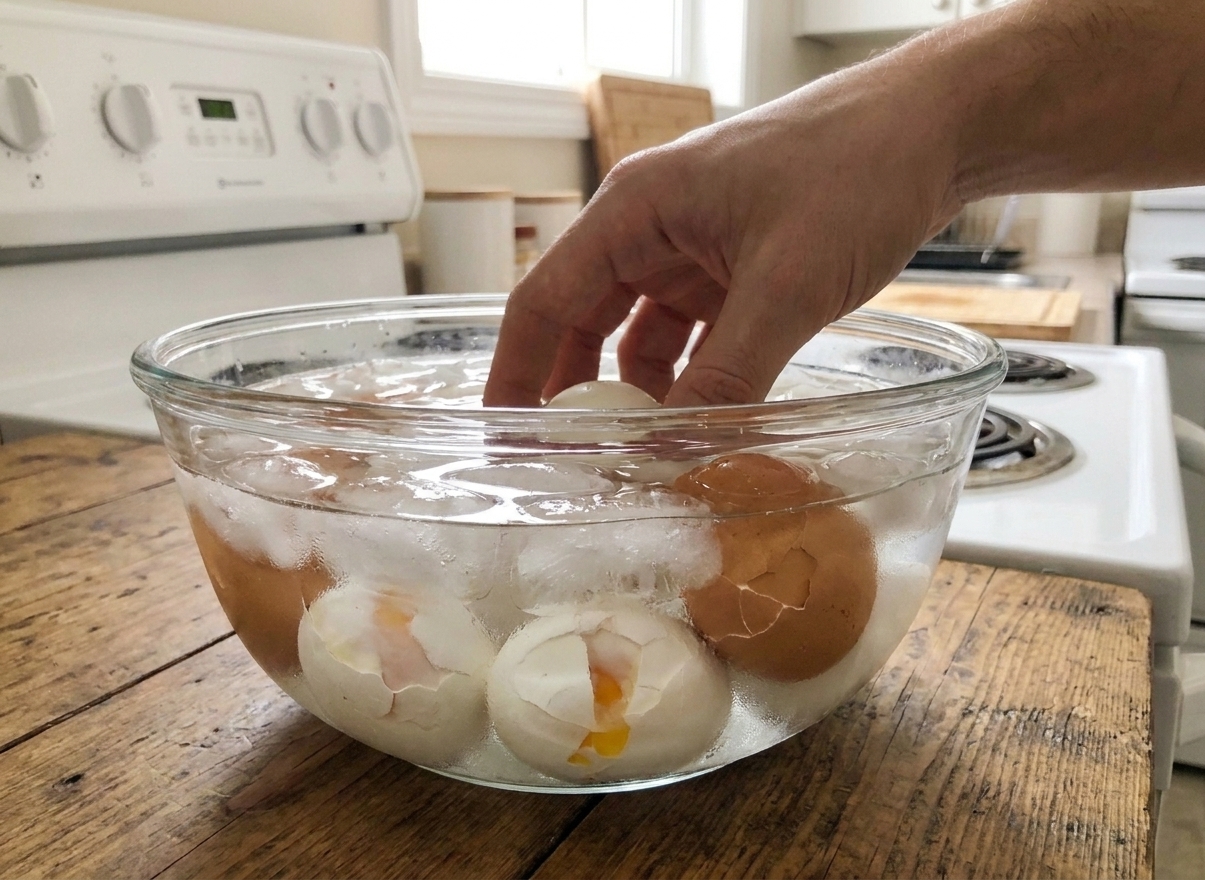
Use a timer and an ice bath. For most large eggs straight from the fridge, 7 minutes gives you a set white with a jammy center. If your eggs are extra large, go 7 minutes 30 seconds.

My tare tastes too salty. Did I mess up?

Nope. Tare is meant to be concentrated. Always taste it mixed into a spoonful of broth. Soy sauces vary a lot by brand, so start with 1 1/2 tablespoons per bowl, then adjust.

I used to think ramen was one of those dishes you either mastered in culinary school or you did not touch at all. Then I started treating it like a team project in my own kitchen: one pot doing the heavy lifting, a couple of small make-ahead pieces, and a lot of tasting. The first time I nailed a balanced bowl, I literally stood over the counter, slurping noodles like I had won something. Now it is my favorite “I want comfort but also a little wow” dinner, especially when I need to feed people and feel like a hero without losing my whole weekend.