Do I have to weigh everything?
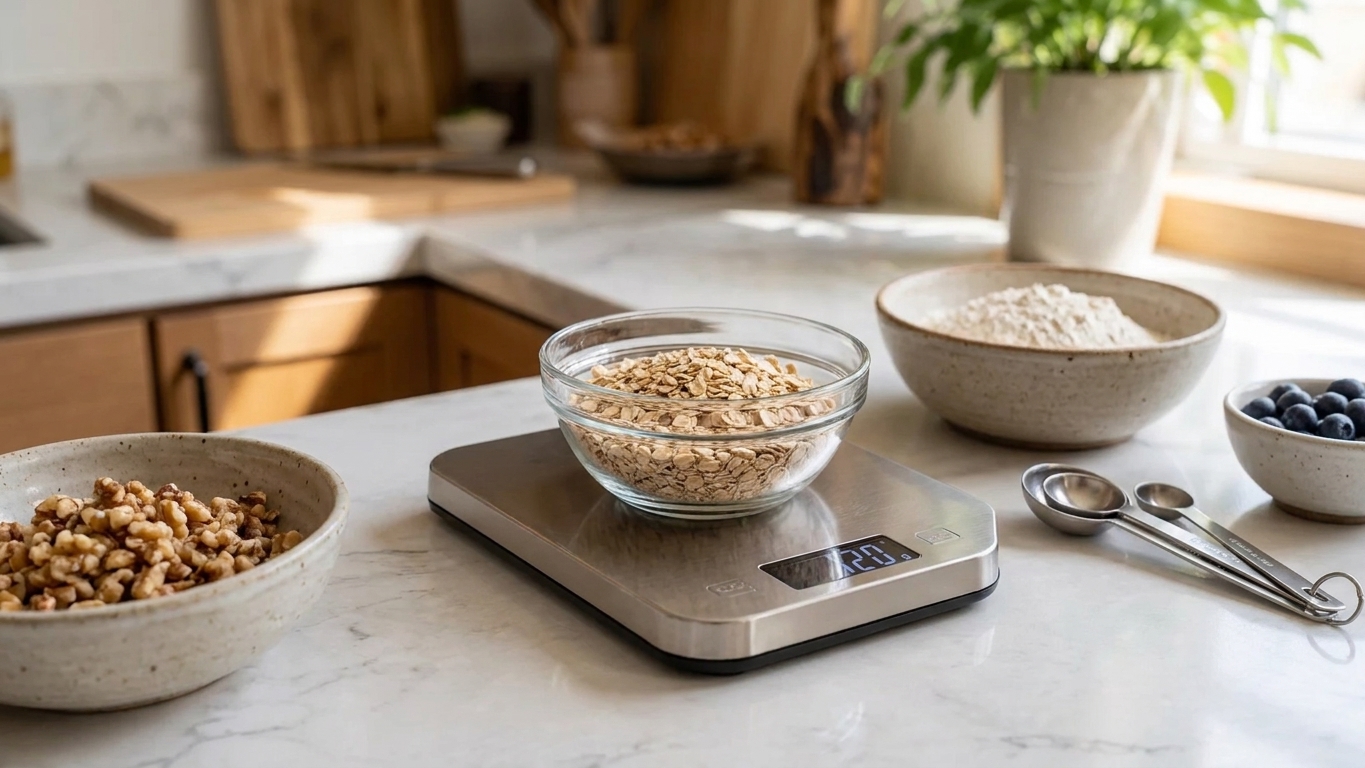
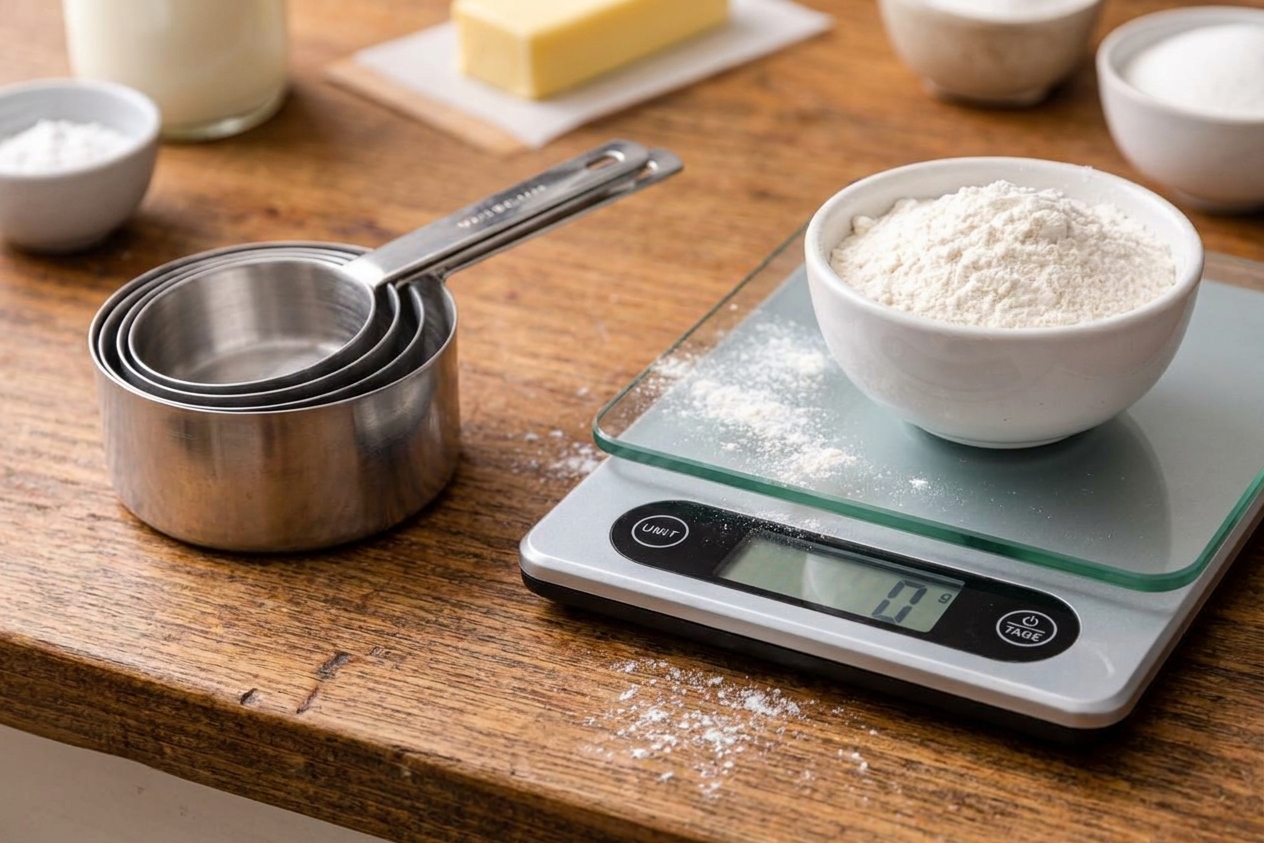
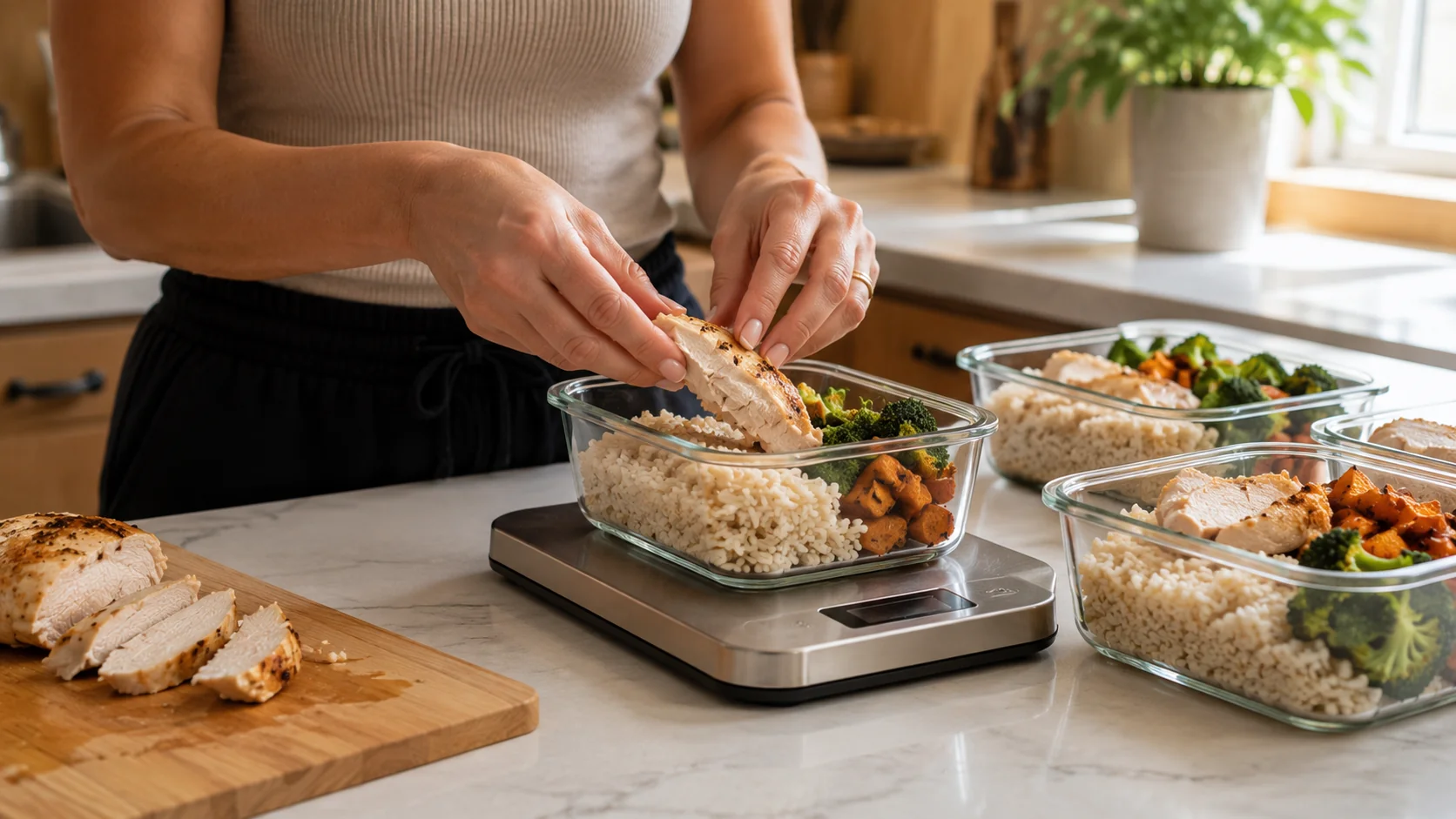
You do not have to, but weighing is the fastest way to get accurate numbers. Volume measures vary a lot, especially for flour, shredded cheese, cooked rice, and chopped ingredients. If you want a low-effort compromise, weigh the high impact items like oils, cheese, nuts, meats, and grains.
What is the easiest way to calculate nutrition for a homemade recipe?
Add up nutrition for each ingredient using a reliable source, then divide the total by the number of servings. If you want the “my servings are never equal” fix, weigh the finished recipe and portion by grams.
Why does my calculation not match what an app says?
Different databases use different entries for the same food. A chicken thigh can vary by brand, whether it is raw or cooked, and whether skin is on. Same story for pasta, rice, and ground beef. Pick one database entry and stick with it for consistency.
Should I track nutrition based on raw or cooked weights?
For most ingredients, use the weight you actually measured and match it to the database entry. If you weighed raw chicken, use a raw chicken entry. If you weighed cooked rice, use a cooked rice entry. Mixing raw and cooked entries is how numbers get weird fast.
How do I handle oil used for cooking?
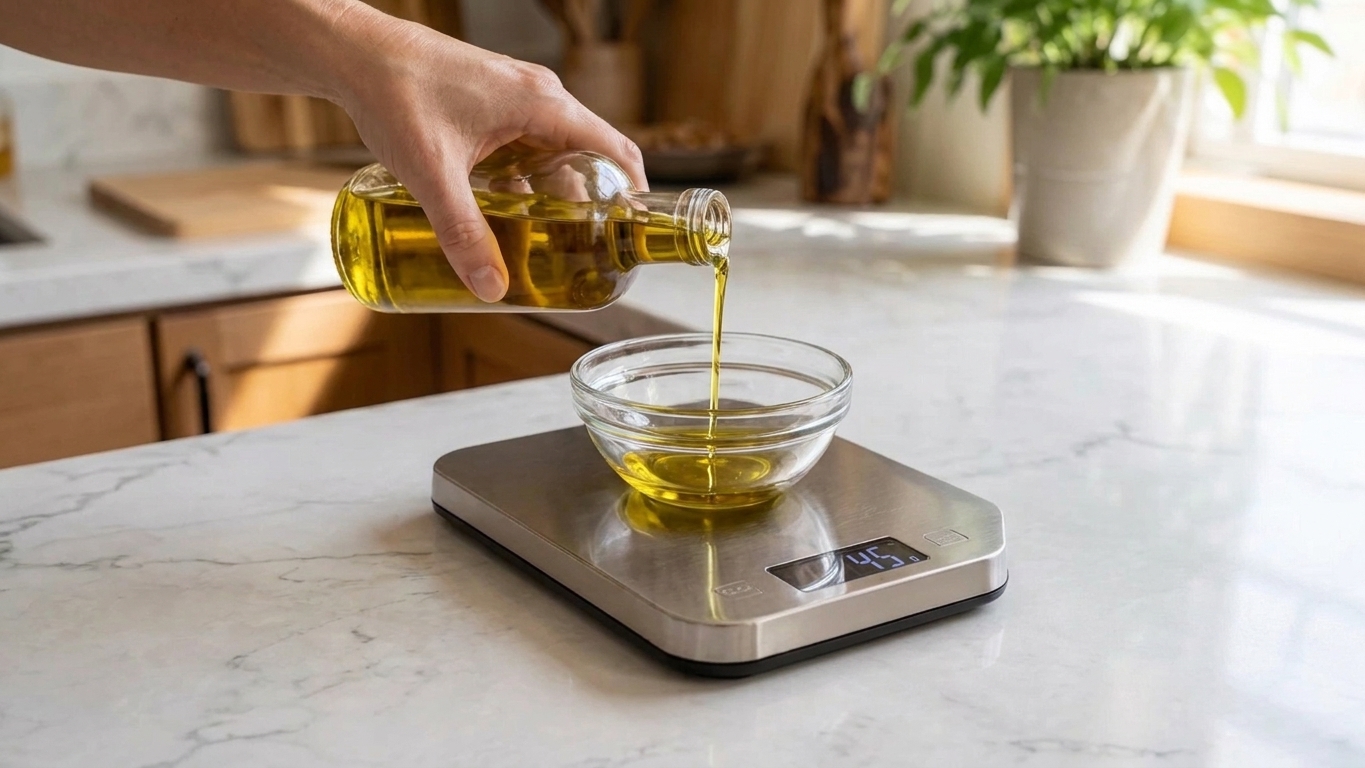
If you add 1 tablespoon of oil to a pan, the easiest accurate approach is to count it all. In real life, some stays in the pan, but unless you are measuring leftover oil, you will not know how much. For consistency, count it.
What about ingredients I drain, like pasta water, fat, or canned beans?
Drain changes things. For canned beans, use “drained and rinsed” entries when possible. For cooked ground beef that you drain, most trackers still assume you ate the fat unless you choose a “drained” entry. When in doubt, use the closest match and be consistent recipe to recipe.
How do I calculate nutrition per serving if I do not know servings yet?
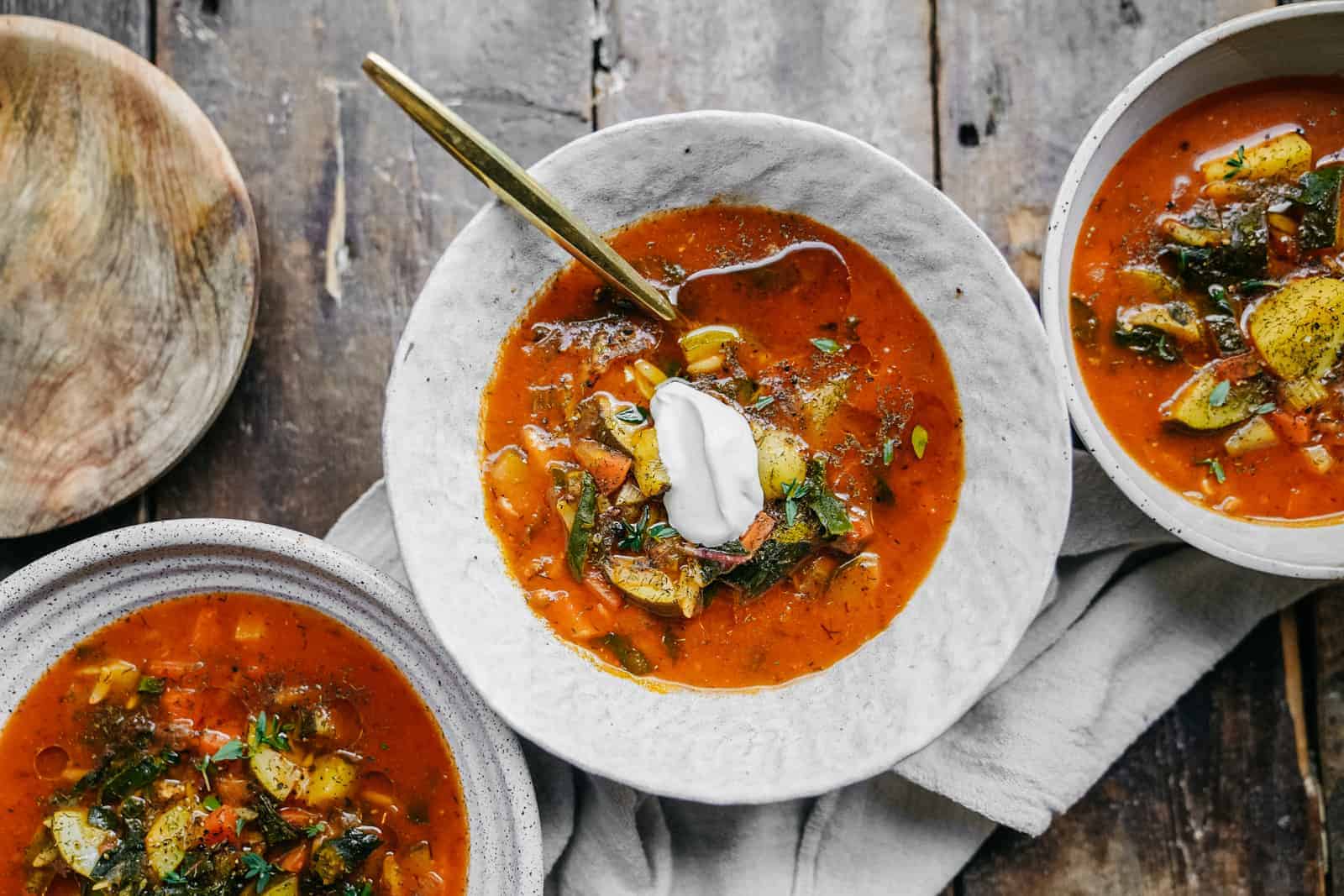
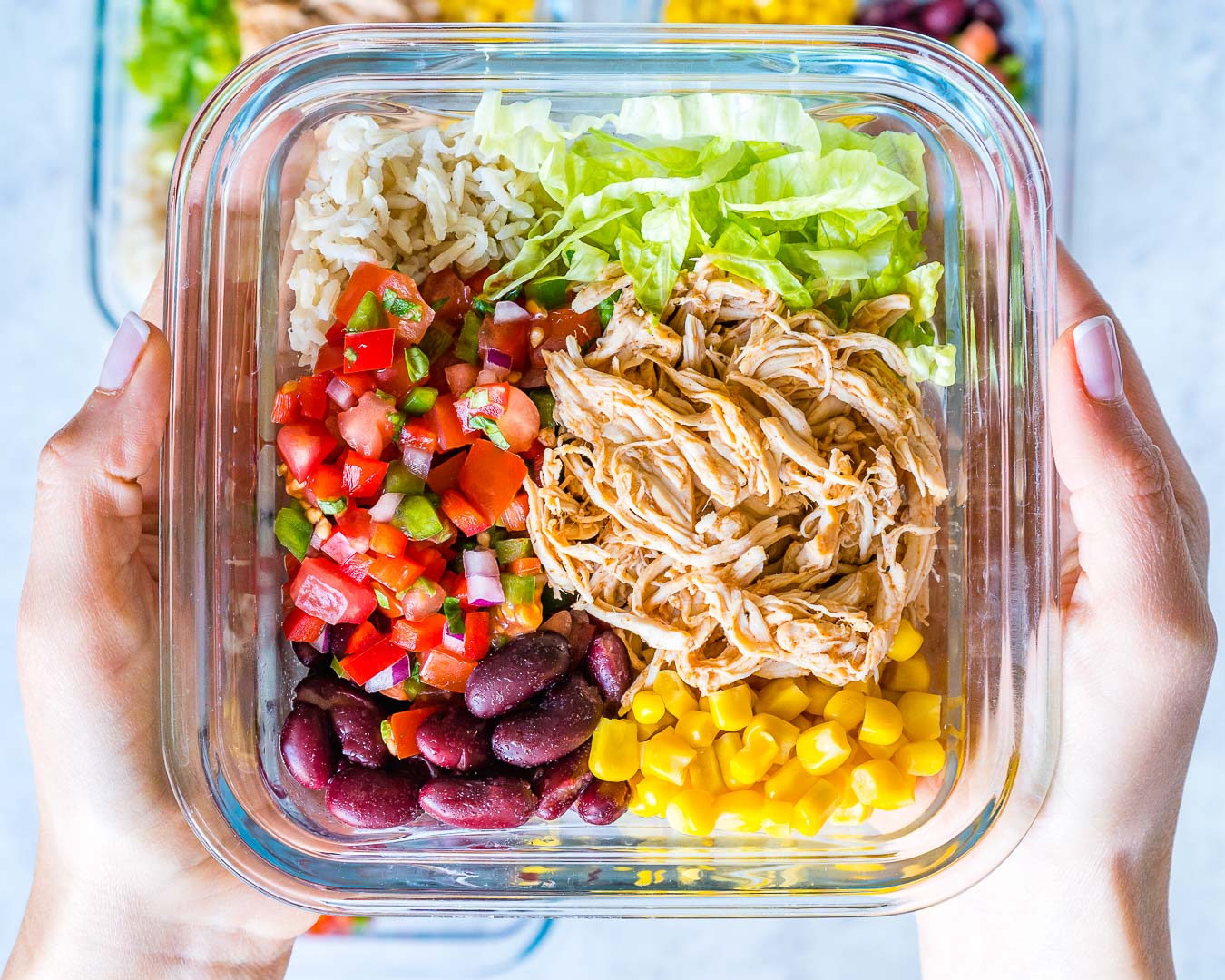
Weigh the finished dish, then compute nutrition per gram: total nutrition ÷ total finished weight. After that, any portion is easy. Example: if the recipe is 1.2 kcal per gram (about 120 calories per 100 g) and your bowl is 350 grams, your bowl is about 420 calories.
Is it okay that nutrition info is estimated?
Yes. Even packaged foods have rounding rules and label tolerances. Your goal at home is useful and repeatable, not perfect down to the last calorie.