Mom's Best Recipes
Recipe

Hummingbird Nectar Recipe

A safe, two-ingredient nectar you can make in minutes, with the correct 4:1 ratio plus realistic storage and feeder-cleaning tips.

Author By Matt Campbell
4.9
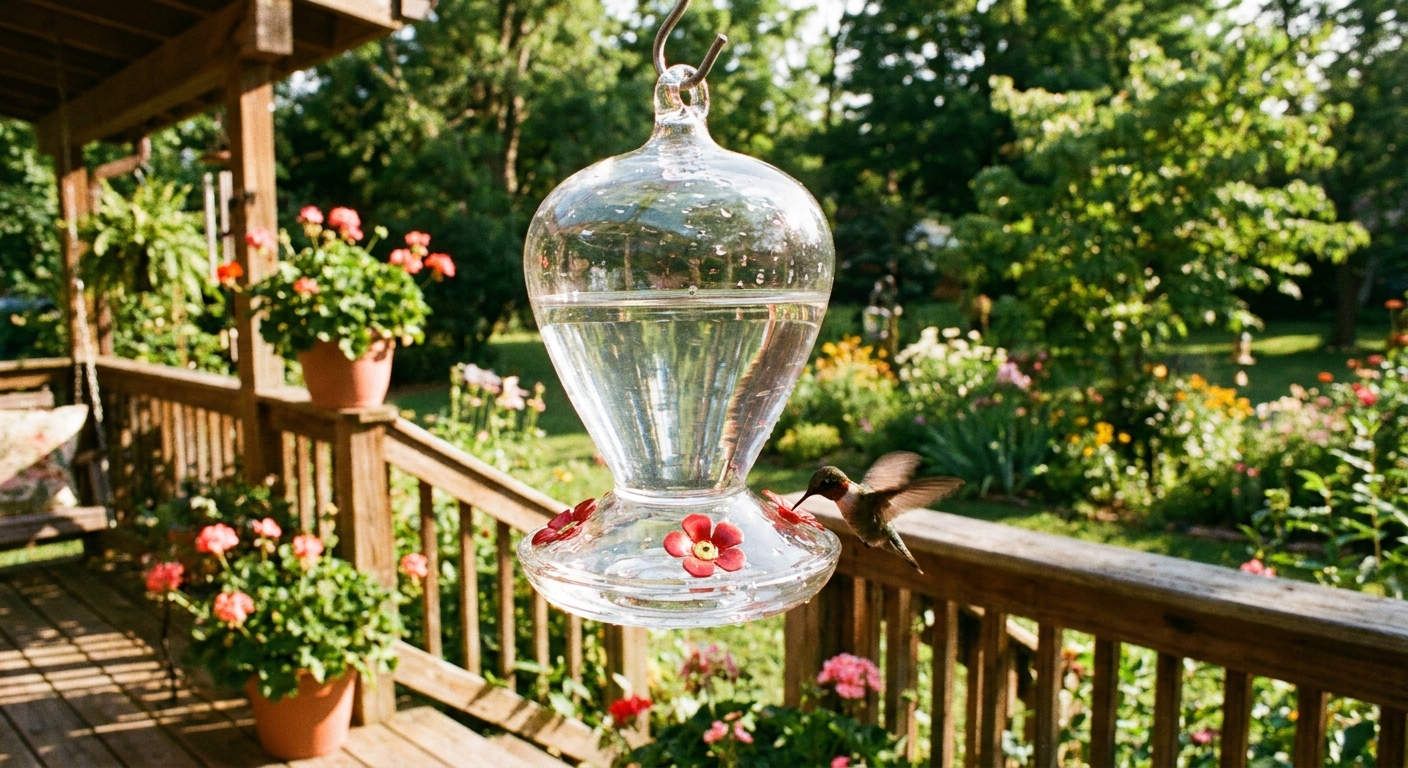
A clear glass hummingbird feeder filled with fresh sugar water hanging on a sunny backyard porch, with a hummingbird hovering nearby, real photo
Jump to Recipe

There are recipes that feed your people, and then there are recipes that feed the tiny chaos helicopters outside your window. Homemade hummingbird nectar is the easiest win: two ingredients, a quick stir, and suddenly you have front row seats to the most dramatic midair dining experience in nature.

This is the classic, bird-safe ratio that backyard bird folks recommend again and again: 4 parts water to 1 part plain white sugar. No dye, no honey, no “extra nutrients,” no mystery sweeteners. Just simple fuel that is close to what hummingbirds are looking for when they hit flowers all day.
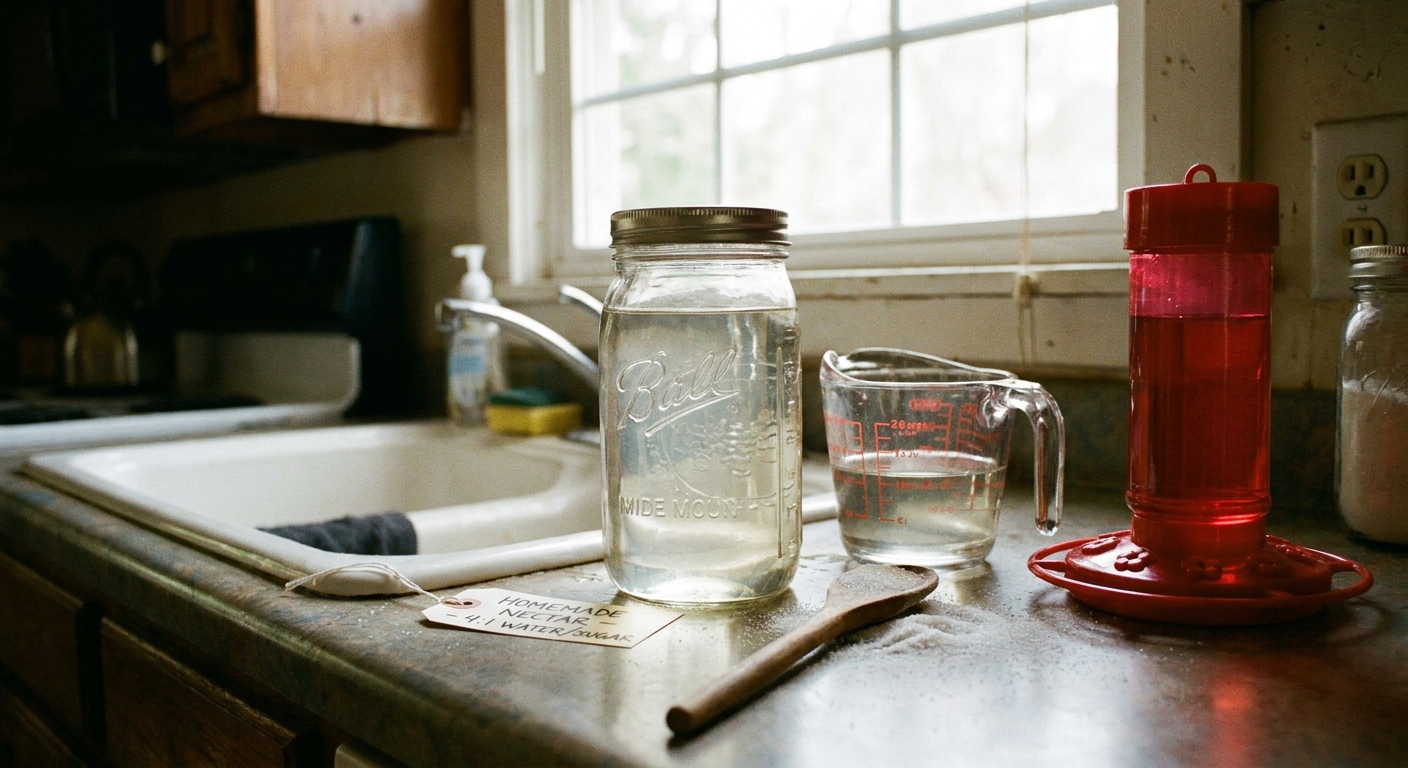
A mason jar of clear homemade hummingbird nectar on a kitchen counter next to a measuring cup and a hummingbird feeder, natural light photo

Why It Works

  • Correct ratio: 4:1 water to sugar keeps it close to natural nectar strength for most conditions.
  • Clean, clear nectar: Using plain sugar and clean equipment helps prevent funky buildup and keeps the feeder inviting.
  • Flexible method: Briefly boil if you want faster dissolving, or use very hot water if you are in a rush.
  • Practical storage: Make a batch, refrigerate the extra, and refill as needed without overcomplicating your week.

Pairs Well With

Storage Tips

How to Store Extra Nectar

Think of this like simple syrup’s low-maintenance cousin. You want it clean, covered, and cold.

  • Refrigerator: Store extra nectar in a clean, covered jar or bottle in the fridge for up to 5 to 7 days. Fresher is better.
  • Before refilling: Let cold nectar sit at room temp for 10 to 15 minutes so it is not icy going into the feeder.
  • In the feeder: Replace nectar every 2 to 3 days in mild weather. In hot weather (around 85°F and up, or if the feeder is in full sun), replace it daily or every 2 days. If it looks cloudy, stringy, or smells off, dump it and wash the feeder.
  • About freezing: You can freeze extra nectar in a clean container if you want to make batches ahead. Just thaw it fully in the fridge and shake well. Try not to let nectar freeze inside the feeder since expansion can cause leaks or cracks in some feeders.

Quick note: If you are seeing ants or bees, it is usually a feeder setup issue, not a recipe issue. Try moving the feeder a few feet, using an ant moat, and keeping ports wiped clean.

Common Questions

Common Questions

What is the correct hummingbird nectar ratio?

The standard is 1 part white granulated sugar to 4 parts water. Example: 1 cup sugar + 4 cups water.

Do I need to boil hummingbird nectar?

Boiling is optional. It mainly helps the sugar dissolve fast. A brief boil can also start you off with a slightly cleaner mixture (especially if your jar, pot, or spoon were not perfectly clean), which may help slow spoilage. If you prefer, use very hot water and stir until completely clear. Either way, let it cool before filling the feeder.

Can I use honey, brown sugar, coconut sugar, or artificial sweeteners?

No. Stick to plain white granulated sugar.

  • Honey: can ferment quickly and grow bacteria or mold.
  • Brown sugar, raw sugar, coconut sugar: contain extra minerals (including iron) that are not recommended for hummingbirds.
  • Artificial sweeteners: provide no usable calories for the birds.

Should I add red food coloring?

No. You do not need dye, and it is best to avoid it. Most feeders already have red parts that attract hummingbirds.

How often should I clean a hummingbird feeder?

Clean it every time you refill. In warm weather, that usually means at least a couple times per week. A good rule is: if you would not drink it, do not serve it.

What is the best way to clean a feeder?

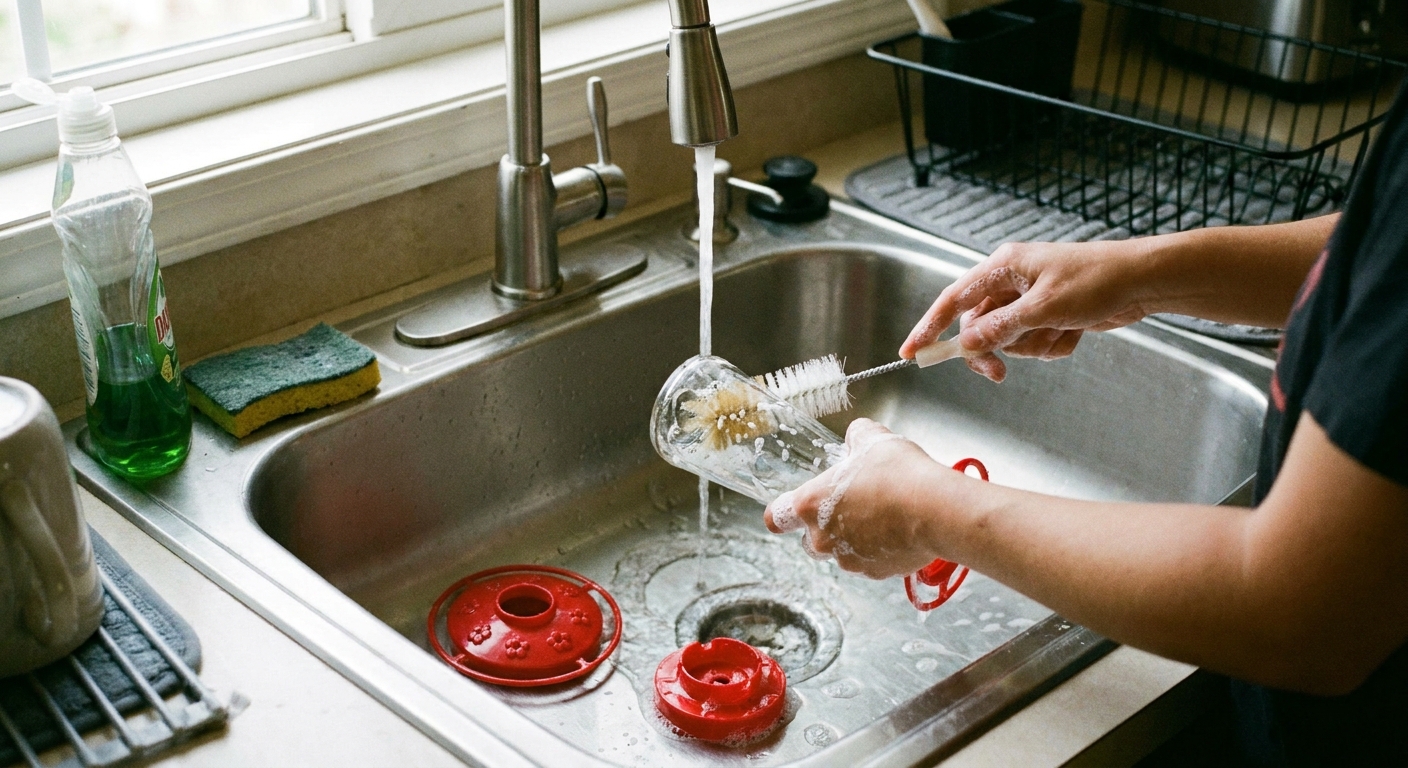
Use hot water and a bottle brush. For deeper cleaning, use a mild vinegar solution (about 1 part white vinegar to 4 parts water), then rinse very well and let it air-dry if you can. Avoid harsh cleaners, and avoid soaps when possible since residue can linger.

Hands washing a hummingbird feeder with a small bottle brush in a stainless steel kitchen sink, real photo

I started making hummingbird nectar the same way I start most kitchen habits: I got tired of buying the premade stuff and reading labels that felt like a science fair. Once I realized the “recipe” was literally sugar and water, I was in. Now it is a five-minute routine that buys me a little daily entertainment, plus a reminder that sometimes the simplest recipes are the ones that actually stick.