What is the “Jell-O diet”?
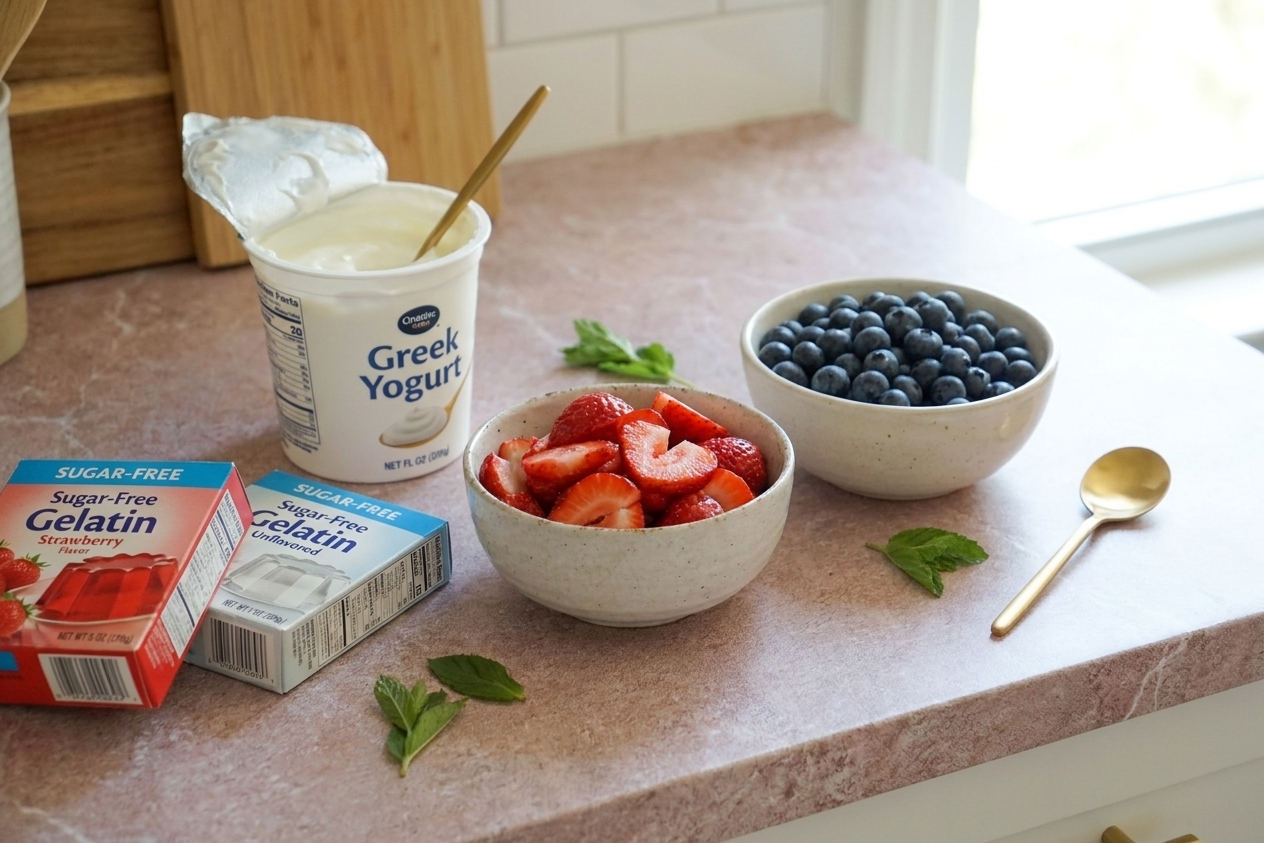
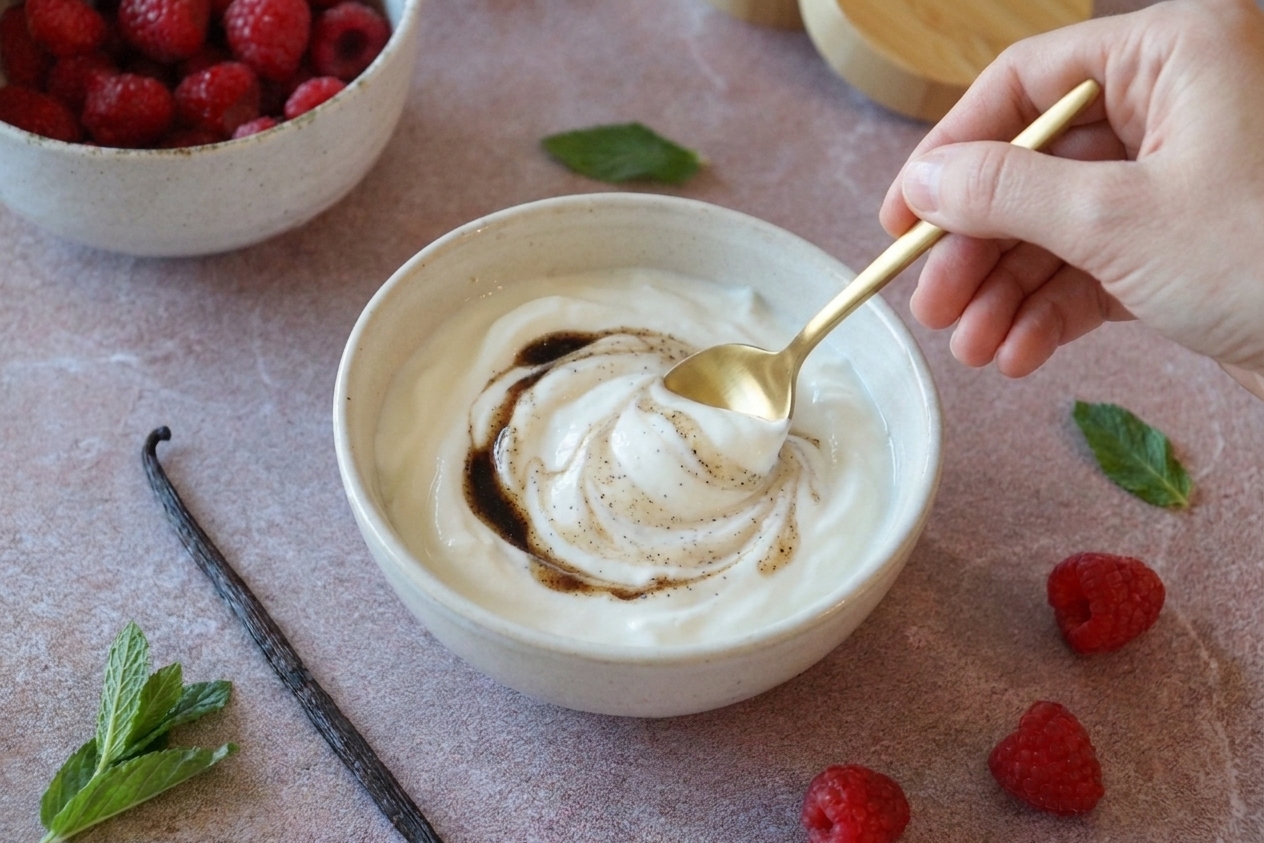
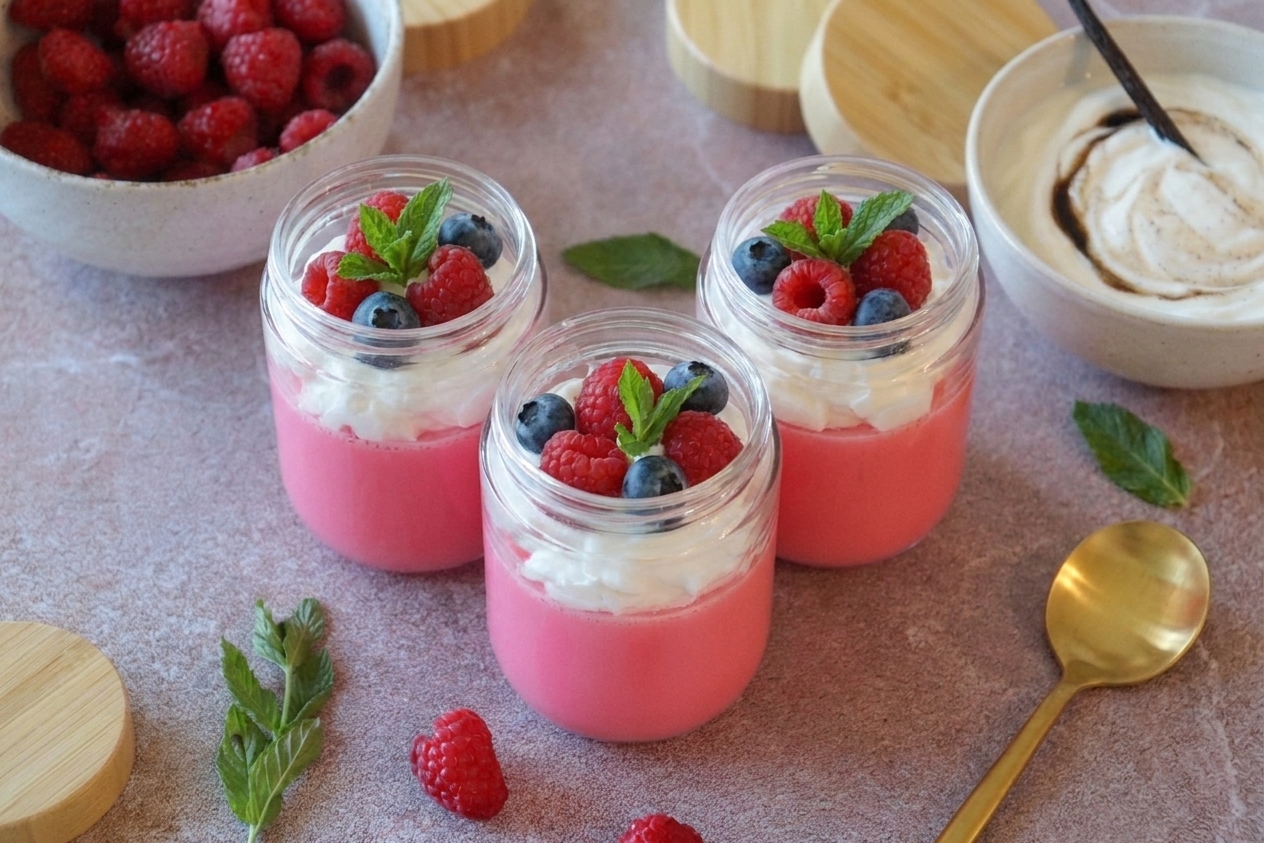
It usually refers to using sugar-free gelatin as a low-calorie dessert or snack. Gelatin itself is very low in calories, but it is not a balanced meal. I like treating it as a base and adding things that help you feel satisfied, like yogurt and fruit.
Is sugar-free Jell-O actually filling?
On its own, not always. It is cold and sweet, which helps cravings, but it is easy to get hungry again fast. Adding Greek yogurt (protein) and fruit (fiber and volume) makes a big difference.
Can I make this with regular Jell-O instead of sugar-free?
Yep. Use the same method, just swap in regular gelatin mix. The cups will be sweeter and higher calorie, but still delicious.
Why did my gelatin not set?
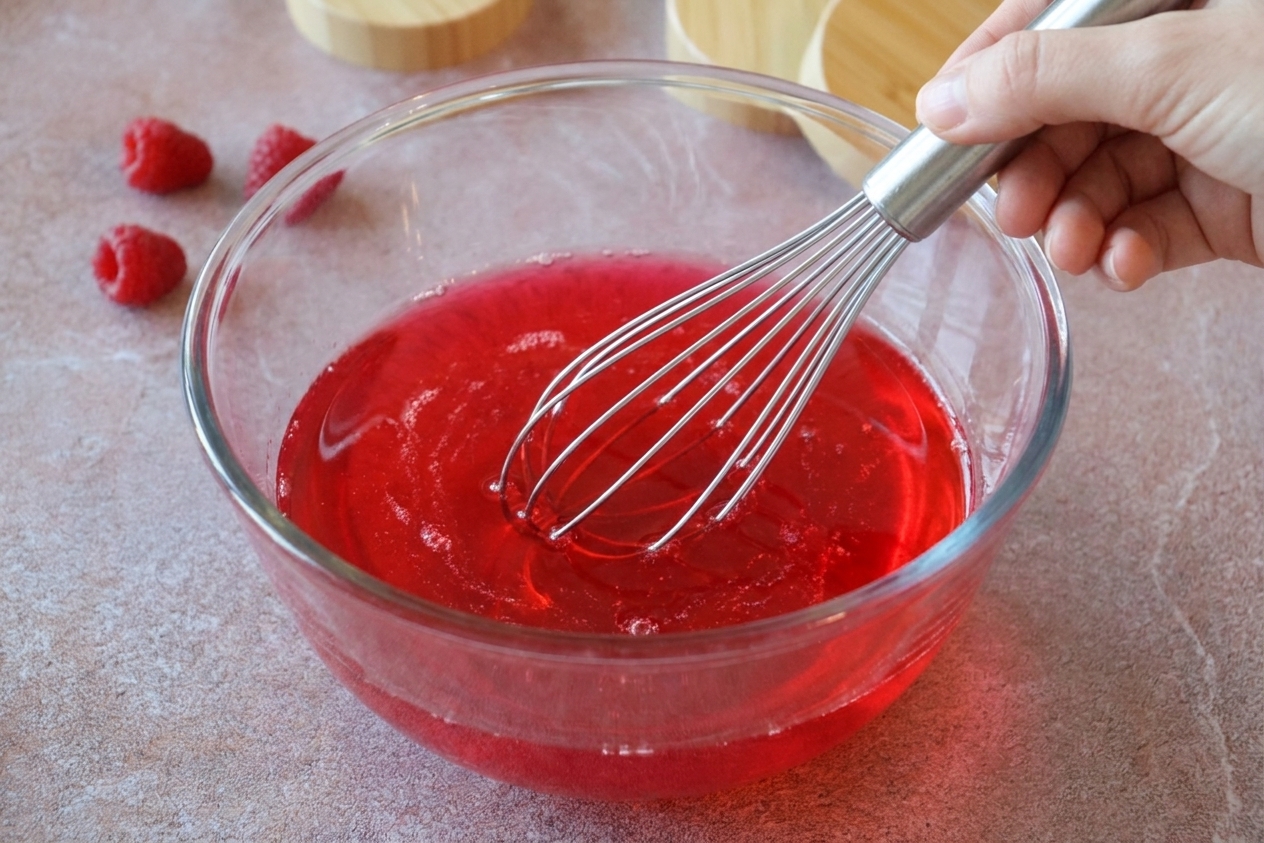
Common culprits: not dissolving the powder fully, warm “cold” water, moving the cups before they set, or mixing in something that interferes with gelatin.
Also important: avoid certain fresh fruits in the gelatin layer. Fresh pineapple, kiwi, papaya, mango, guava (and fresh ginger) contain enzymes that can break down gelatin and keep it from setting. Canned versions are usually fine because the enzymes are heat-treated.
Can I mix the yogurt into the gelatin?
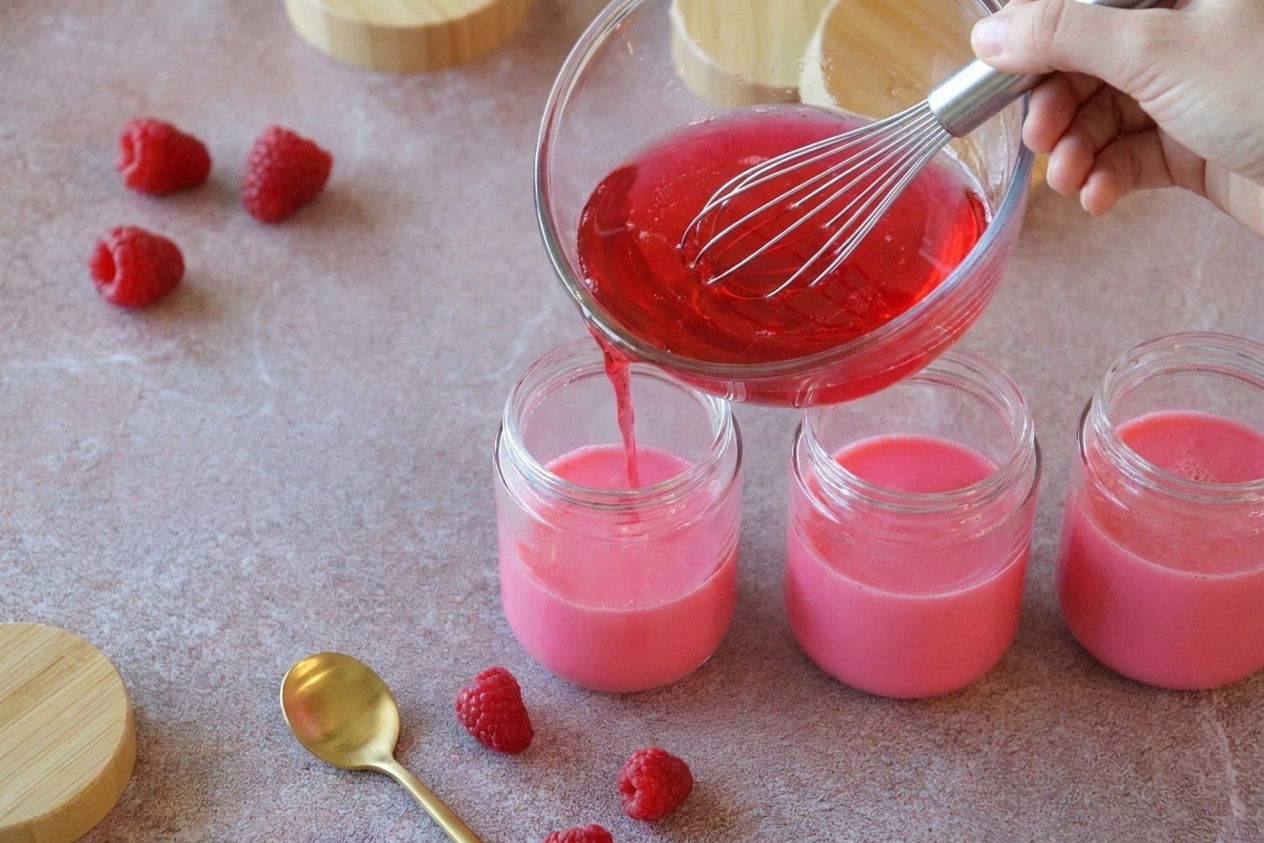
You can, but you need to cool the gelatin to room temp first so the yogurt does not curdle or get grainy. I prefer layers because it looks cute and the textures stay distinct.
Why is the water amount “off” compared to the box?
It is on purpose. A standard 0.3-ounce box typically uses 2 cups total water. Since we are layering yogurt on top, I use slightly less water overall so the gelatin sets a bit firmer and holds up like a champ. If you want a softer, more classic jiggle, you can follow the box ratio instead.