Mom's Best Recipes
Recipe

Juicy Chicken Kababs

Tender yogurt-marinated chicken kababs with crisp, charred edges and a bright, garlicky finish.

Author By Matt Campbell
4.8
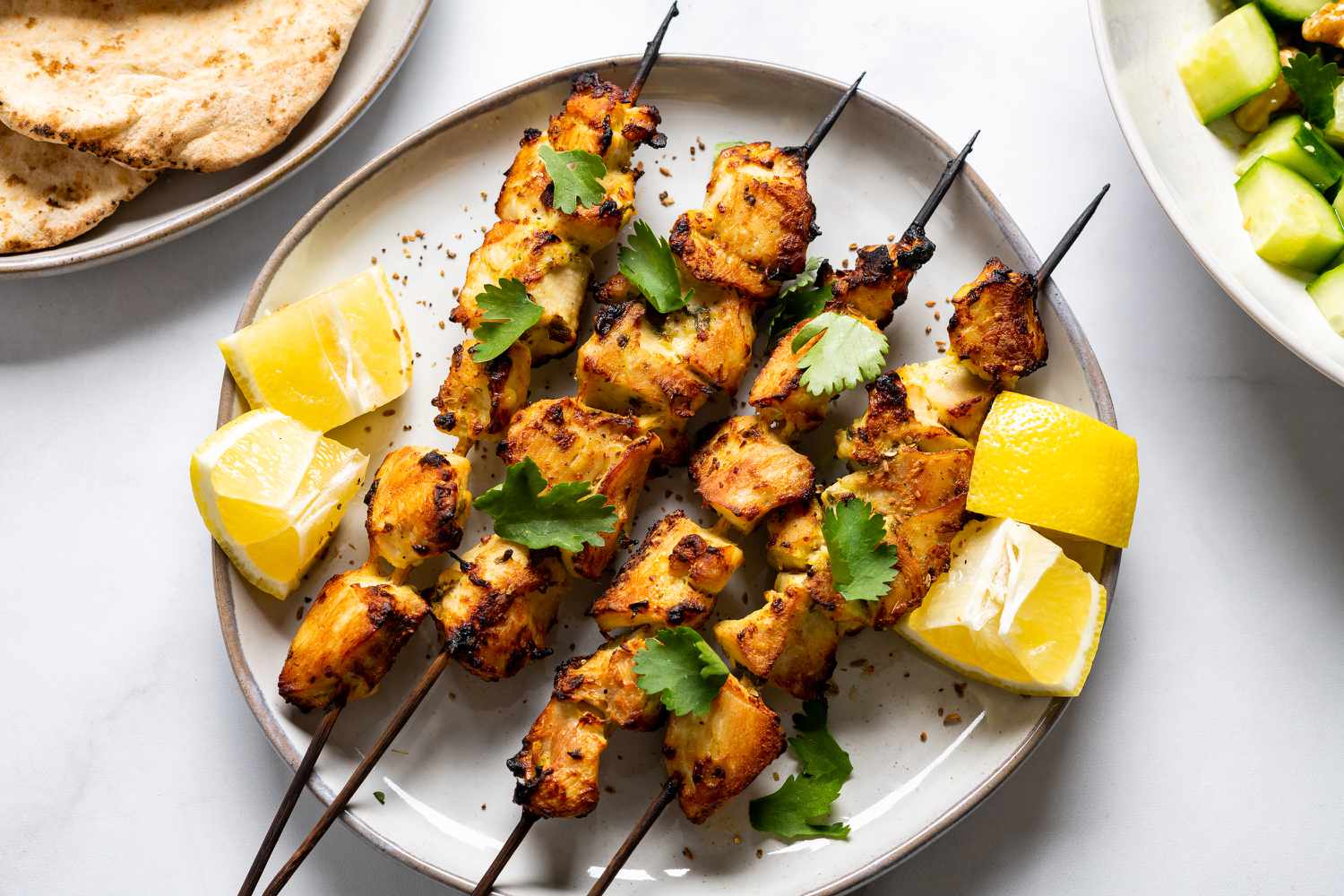
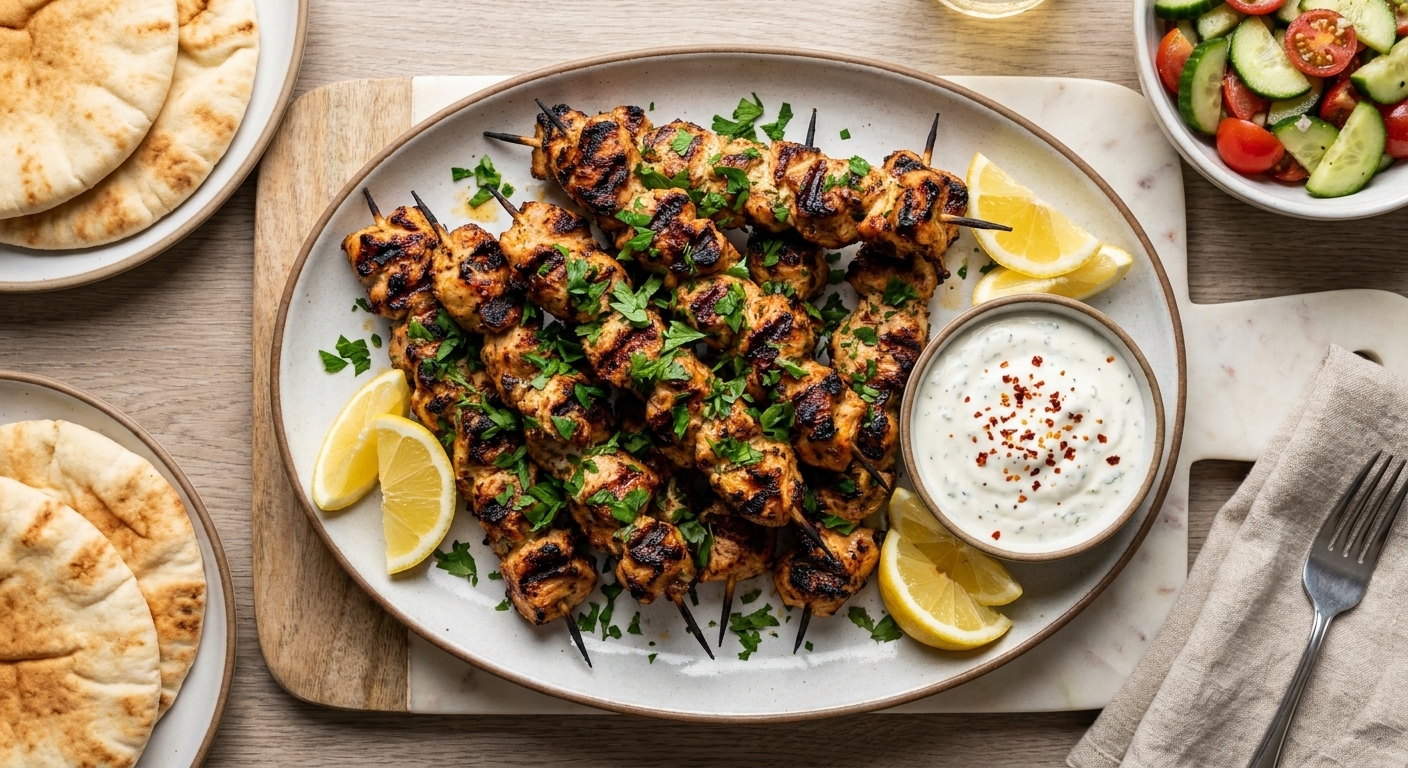
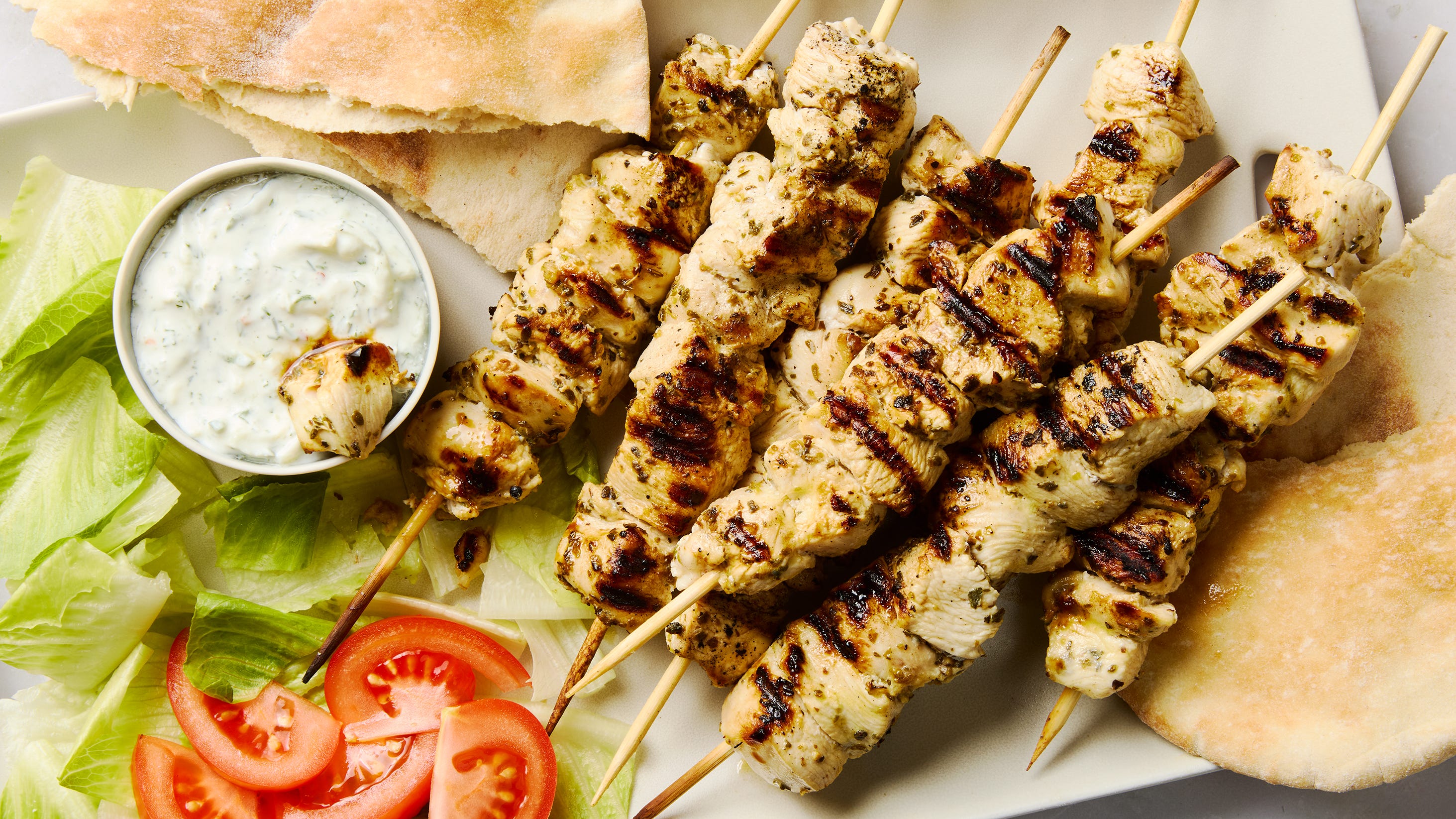
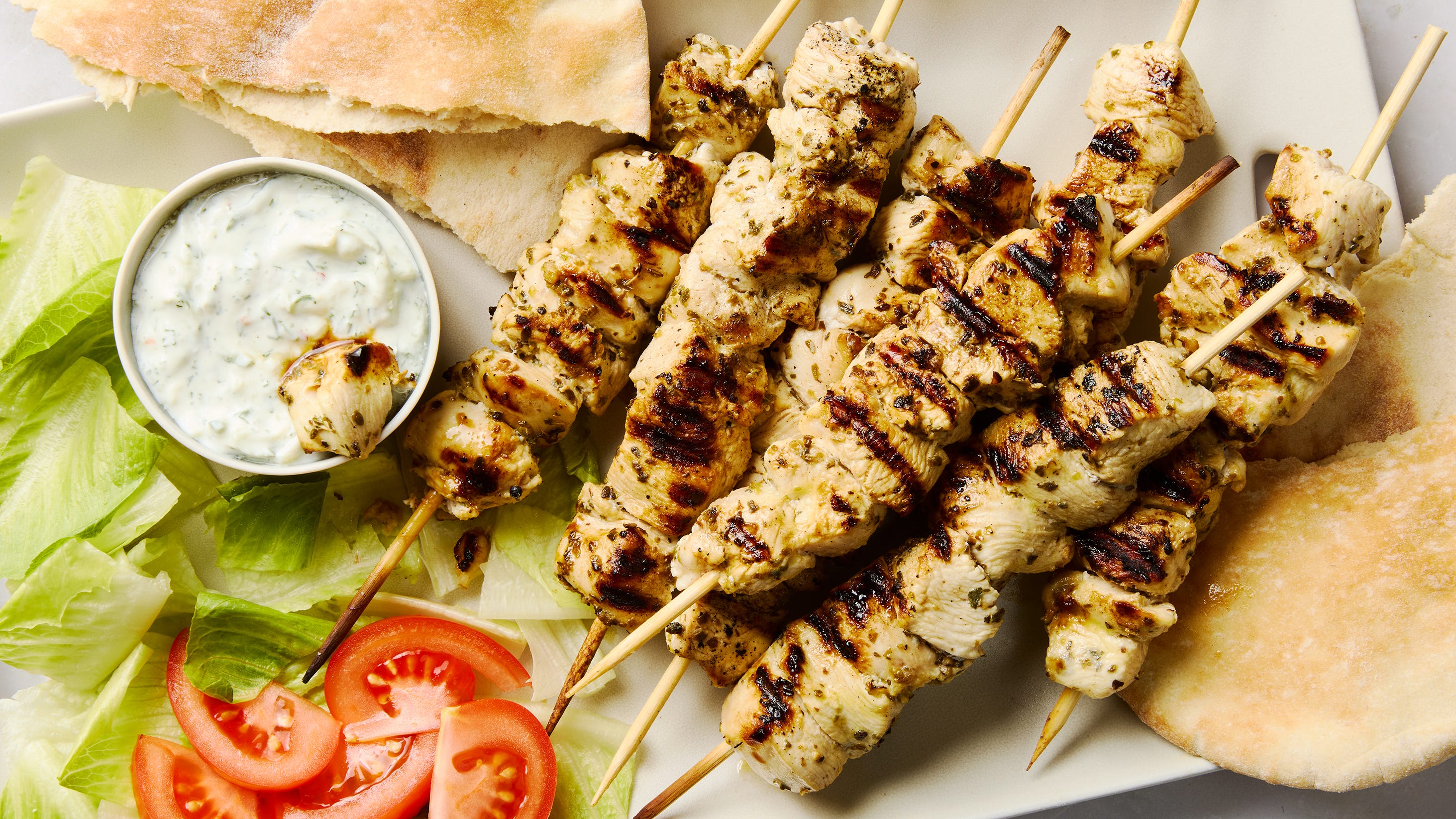
A platter of grilled chicken kababs with charred edges, scattered chopped parsley, lemon wedges, and a small bowl of garlic yogurt sauce on a neutral kitchen table

Kababs are my favorite kind of dinner math: a little prep, a little heat, and suddenly you have something that looks like you tried way harder than you did. These chicken kababs go big on flavor without getting precious about it. The yogurt marinade keeps the meat ridiculously tender, the lemon and garlic wake everything up, and high heat gives you those crisp edges that make you hover over the grill “just checking” every 30 seconds.

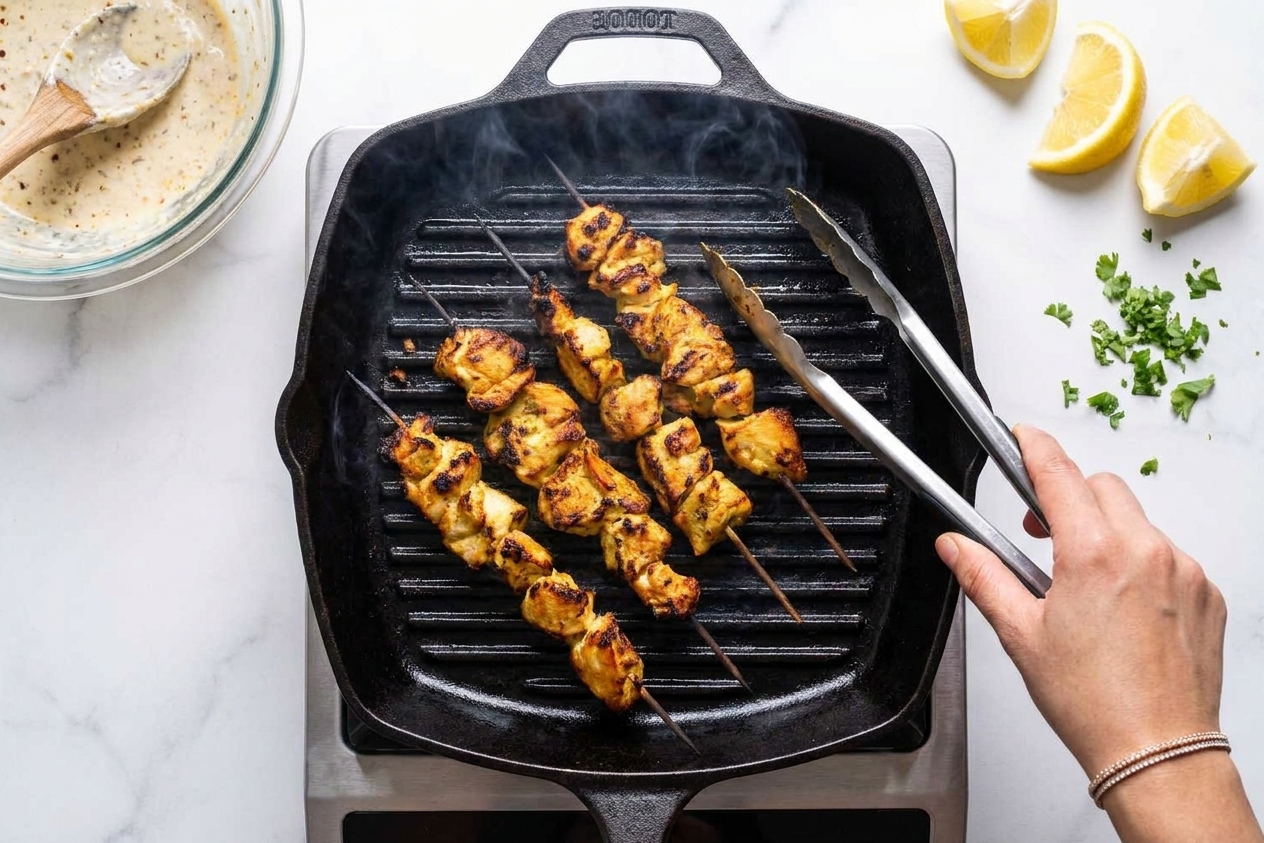
You can make these on a grill, under the broiler, or in a screaming hot grill pan. Either way, you end up with juicy bites that are perfect stuffed into pita, piled over rice, or eaten directly off the skewer like you are guarding your territory.
Why It Works

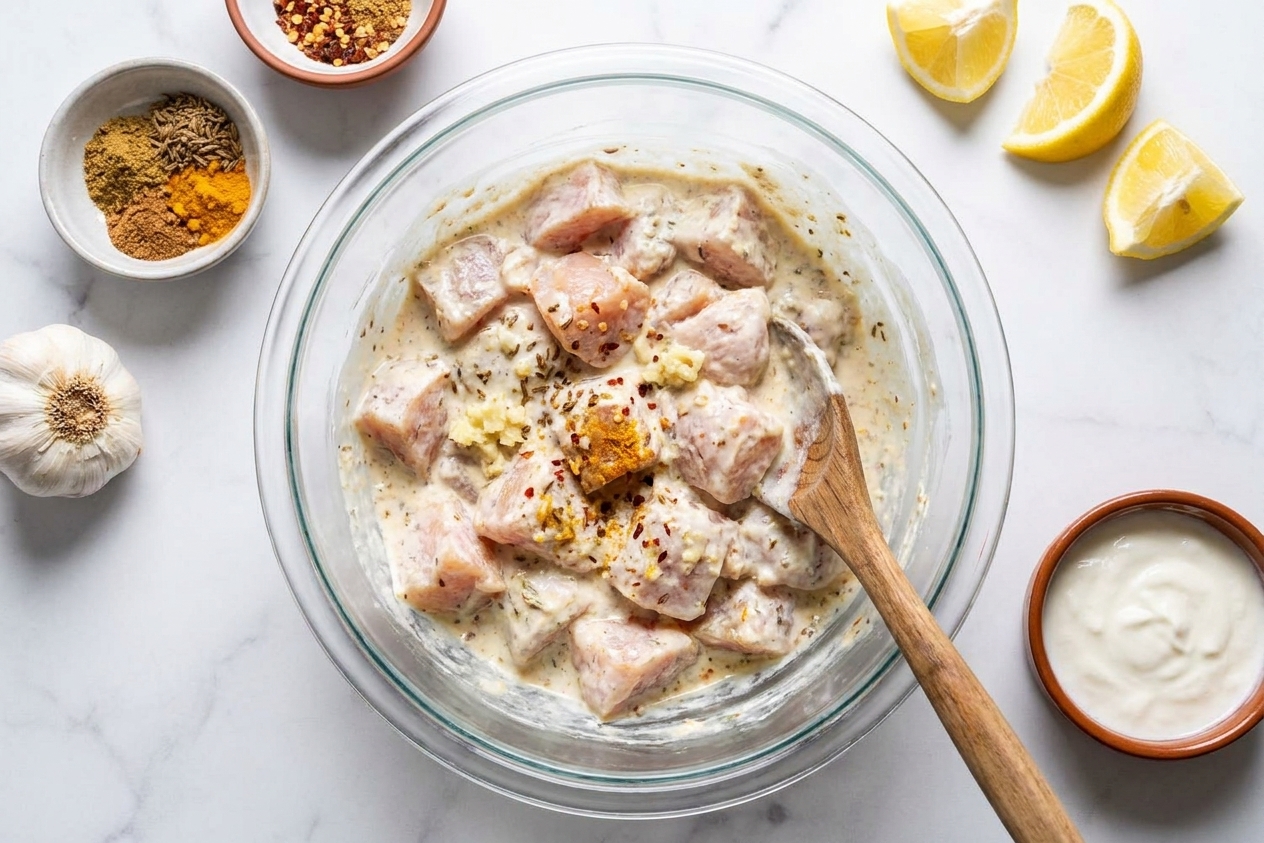
  • Yogurt does the heavy lifting: It tenderizes the chicken and helps the spices cling, so every bite tastes seasoned, not just salty.
  • High heat, short cook: Kababs are all about quick cooking. You get char without drying out the center.
  • Built-in flexibility: Works with chicken thighs or breasts, and you can grill, broil, or pan-sear.
  • Bright finish: A squeeze of lemon at the end makes the spices pop and keeps the whole thing from tasting flat.

Pairs Well With

Storage Tips

Fridge: Store cooked chicken kababs (off the skewers) in an airtight container for up to 4 days.

Reheat: Best in a skillet over medium heat with a tiny splash of water, covered for 2 to 3 minutes, then uncovered to re-crisp the edges. Microwave works, but you will lose some char.

Freeze: Freeze cooked chicken pieces for up to 2 months. Thaw overnight in the fridge, then reheat in a hot skillet or under the broiler for a minute or two.

Leftover move: Chop and toss into a chopped salad with cucumbers, tomatoes, feta, and a lemony vinaigrette.

Common Questions

What is the difference between kabab, kebab, and souvlaki?

Mostly spelling and regional context. “Kebab” is a common English spelling, “kabab” shows up a lot in South Asian and Middle Eastern contexts, and “souvlaki” is the Greek version. The idea is similar: seasoned meat cooked over high heat, often on skewers.

Can I use chicken breast instead of thighs?

Yes. Chicken thighs stay juicier and forgive overcooking, but breast works great if you watch the time. Cut into even 1-inch chunks and start checking early. Breast pieces can be done closer to the 8 to 10 minute mark, depending on your heat, so pull them as soon as the thickest piece hits 165°F.

How long should I marinate kababs?

Minimum 30 minutes, ideal 2 to 8 hours. With yogurt marinades, I usually cap it at about 12 hours so the texture stays meaty, not too soft.

Do I have to soak wooden skewers?

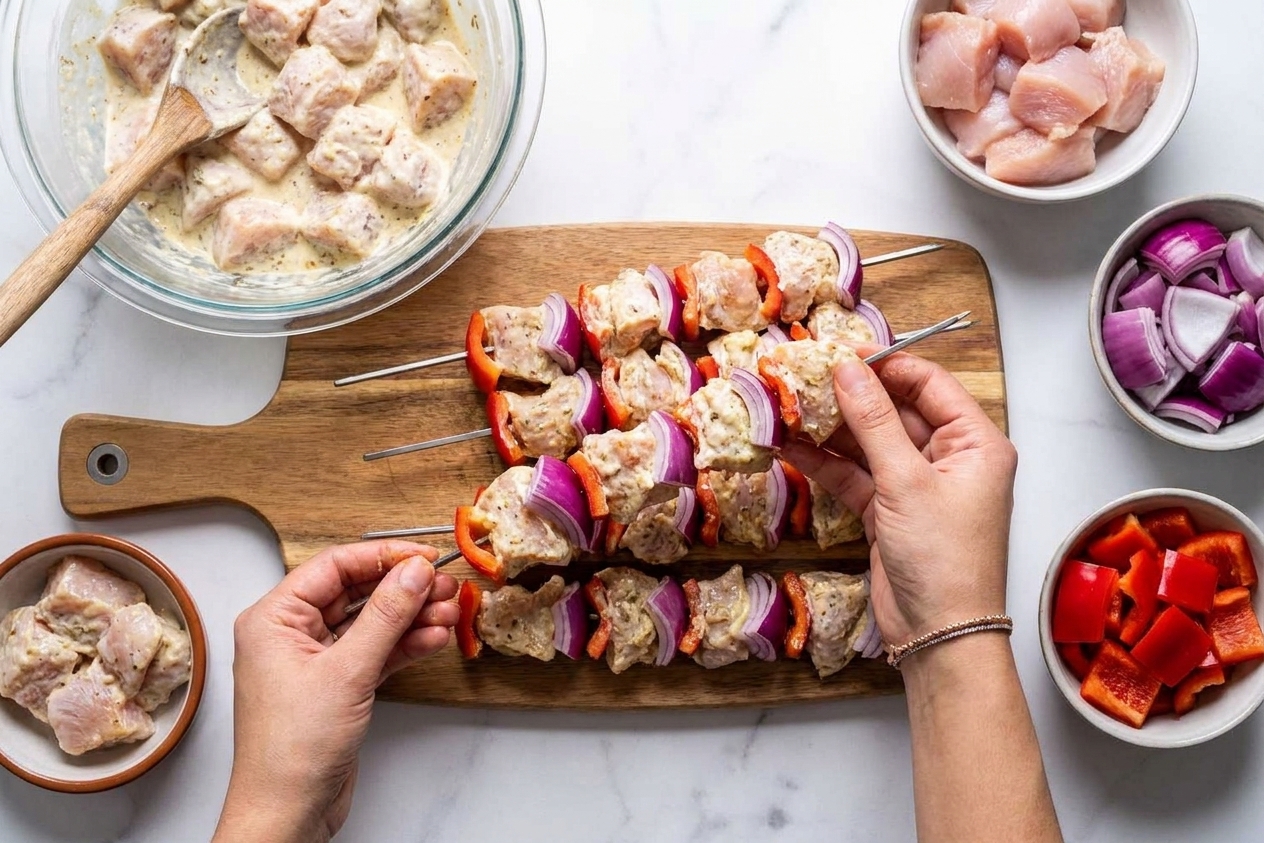
If you are grilling or broiling, yes. Soak for at least 30 minutes. If you forget, double-skewer the pieces and keep the exposed ends away from direct flame as much as you can.

How do I keep kababs from sticking to the grill?

Preheat well, then oil the grill grates (and or lightly oil the kababs) for the best release. Brush grates with a folded paper towel dipped in oil (use tongs), and do not rush the flip. If it is sticking, it is not ready yet.

What sauce goes with these?

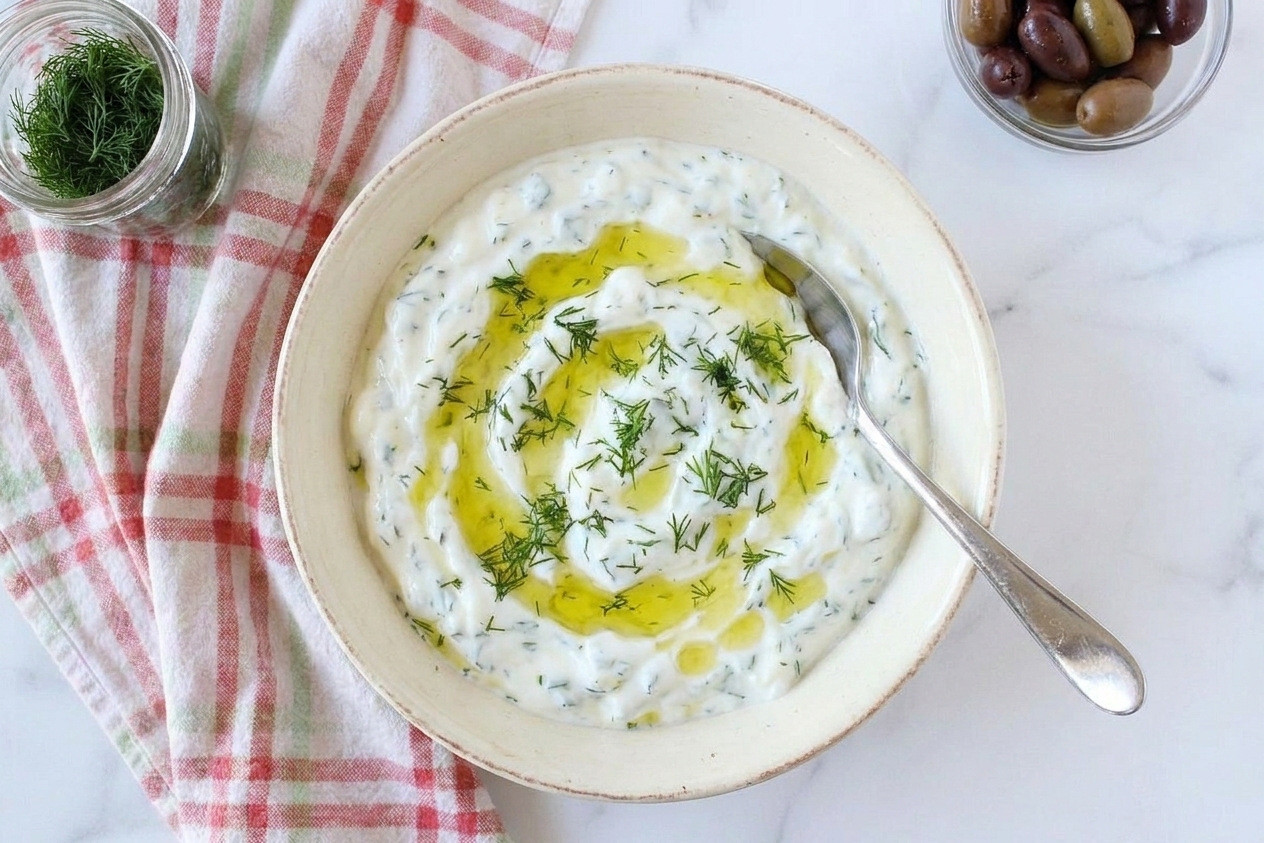
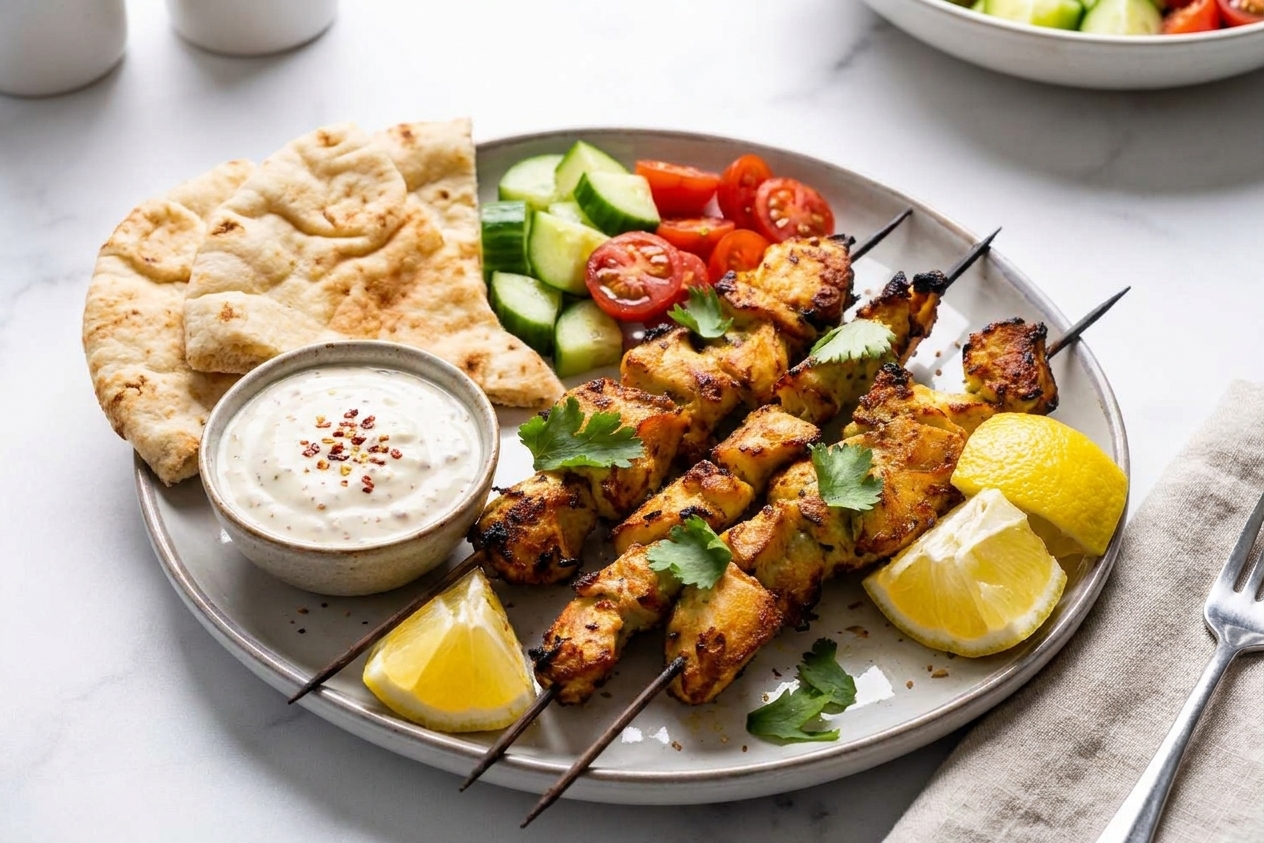
Tzatziki is always a win, but an easy move is a quick garlic yogurt sauce: stir together 1/2 cup Greek yogurt, 1 small grated garlic clove, 1 tablespoon lemon juice, a pinch of salt, and chopped cucumber or dill if you have it.

I started making kababs when I wanted “restaurant energy” at home without actually doing restaurant work at home. That is the sweet spot for me. You prep a marinade, cut some chicken, and the rest is just heat and vibes. Also, kababs are the ultimate team sport meal. Someone can skewer, someone can make rice, someone can be in charge of the sauce, and suddenly dinner feels like a tiny kitchen line, minus the stress.