What is the best binder for keto meatloaf?
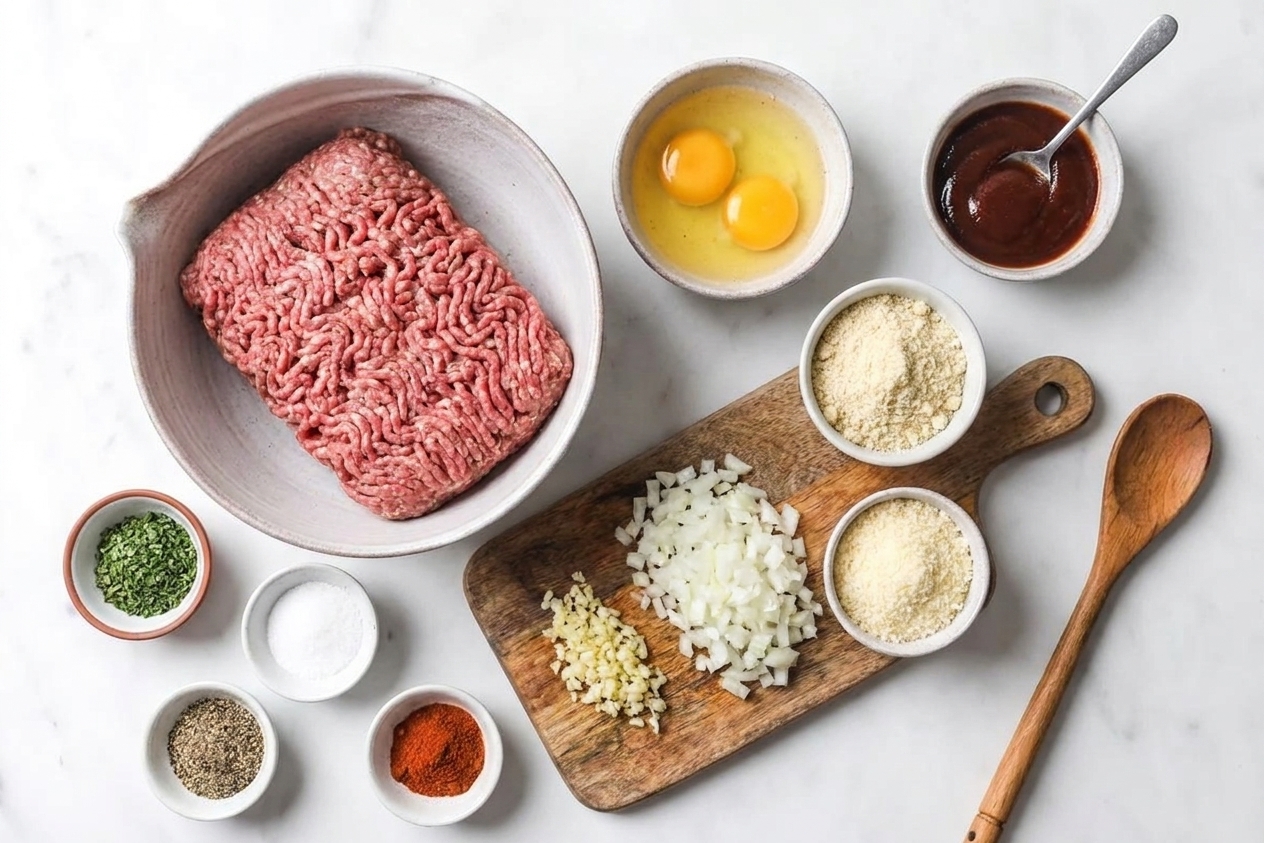
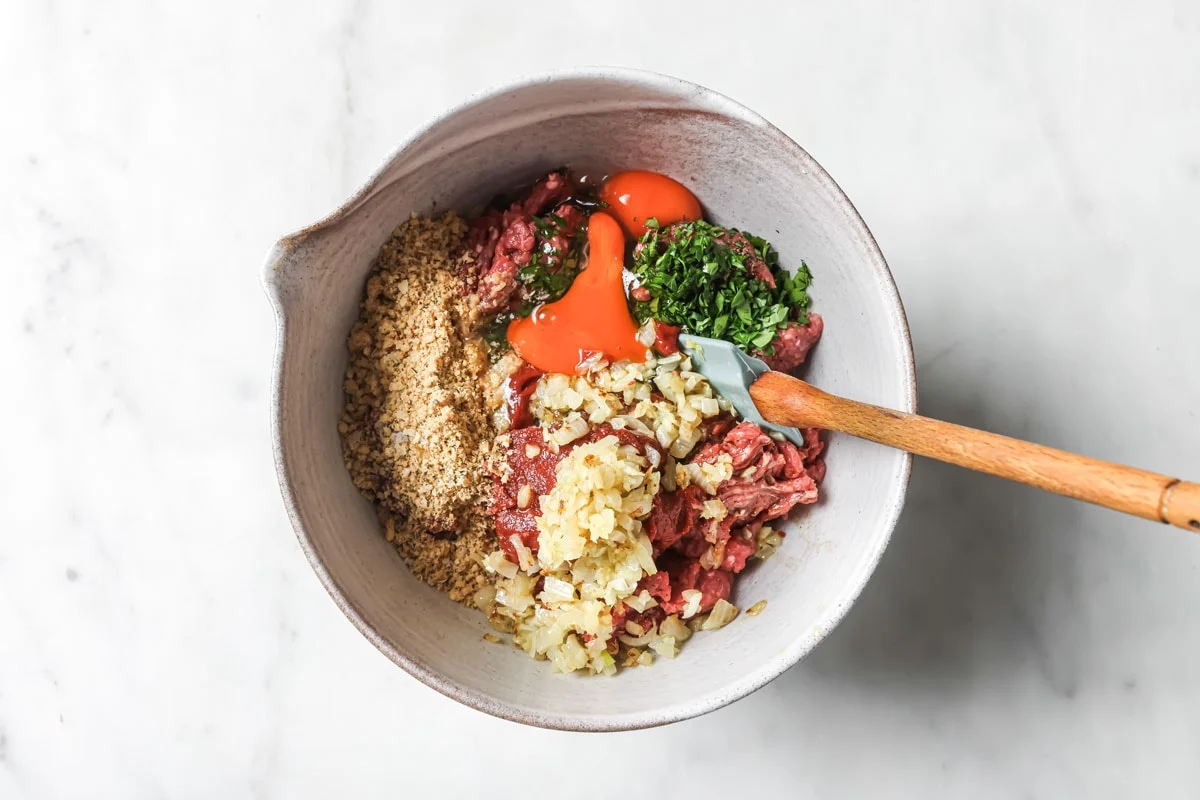
My go-to is almond flour plus grated Parmesan. Almond flour absorbs moisture and helps the loaf hold together, while Parmesan adds savory flavor and a tighter, sliceable crumb. Crushed pork rinds also work if you want a more traditional “breadcrumb” feel.
Can I make keto meatloaf without almond flour?
Yes. Swap the almond flour with crushed pork rinds (same amount) or use coconut flour, but start small since it is extra absorbent. I recommend starting with 1 tablespoon, then adding up to 2 tablespoons only if the mixture looks very wet. If you use coconut flour, add an extra tablespoon of heavy cream or a splash of broth to keep it tender.
Why does my meatloaf fall apart?
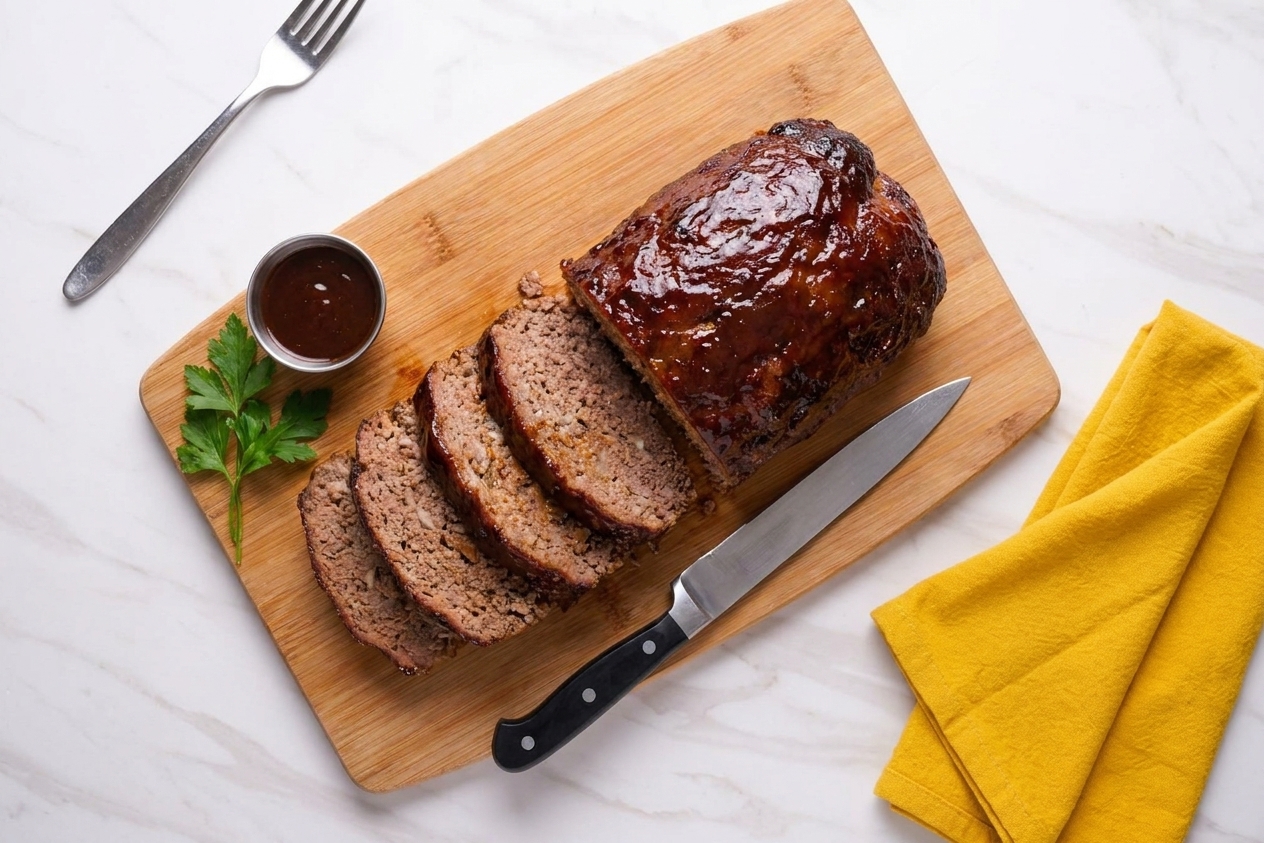
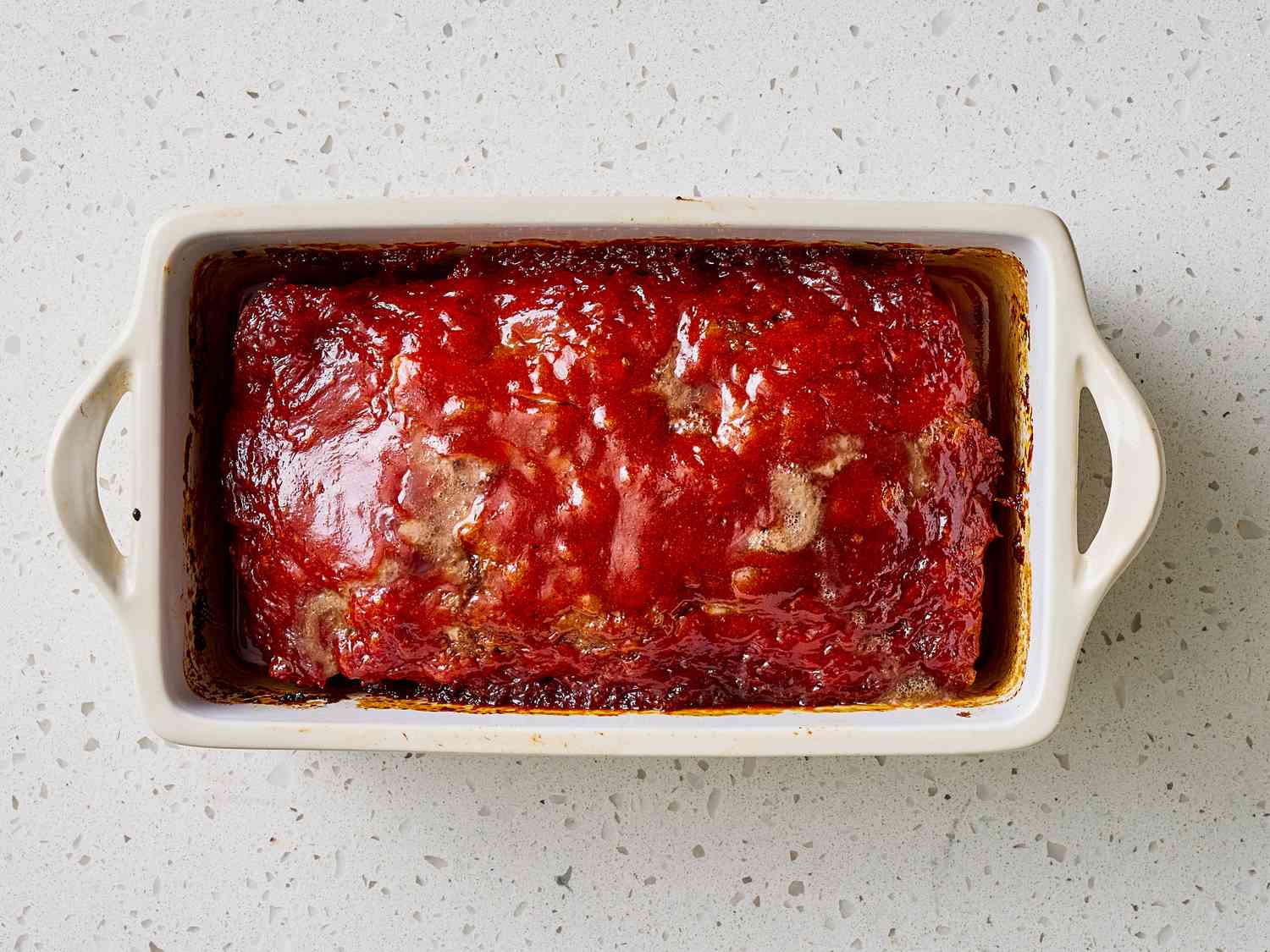
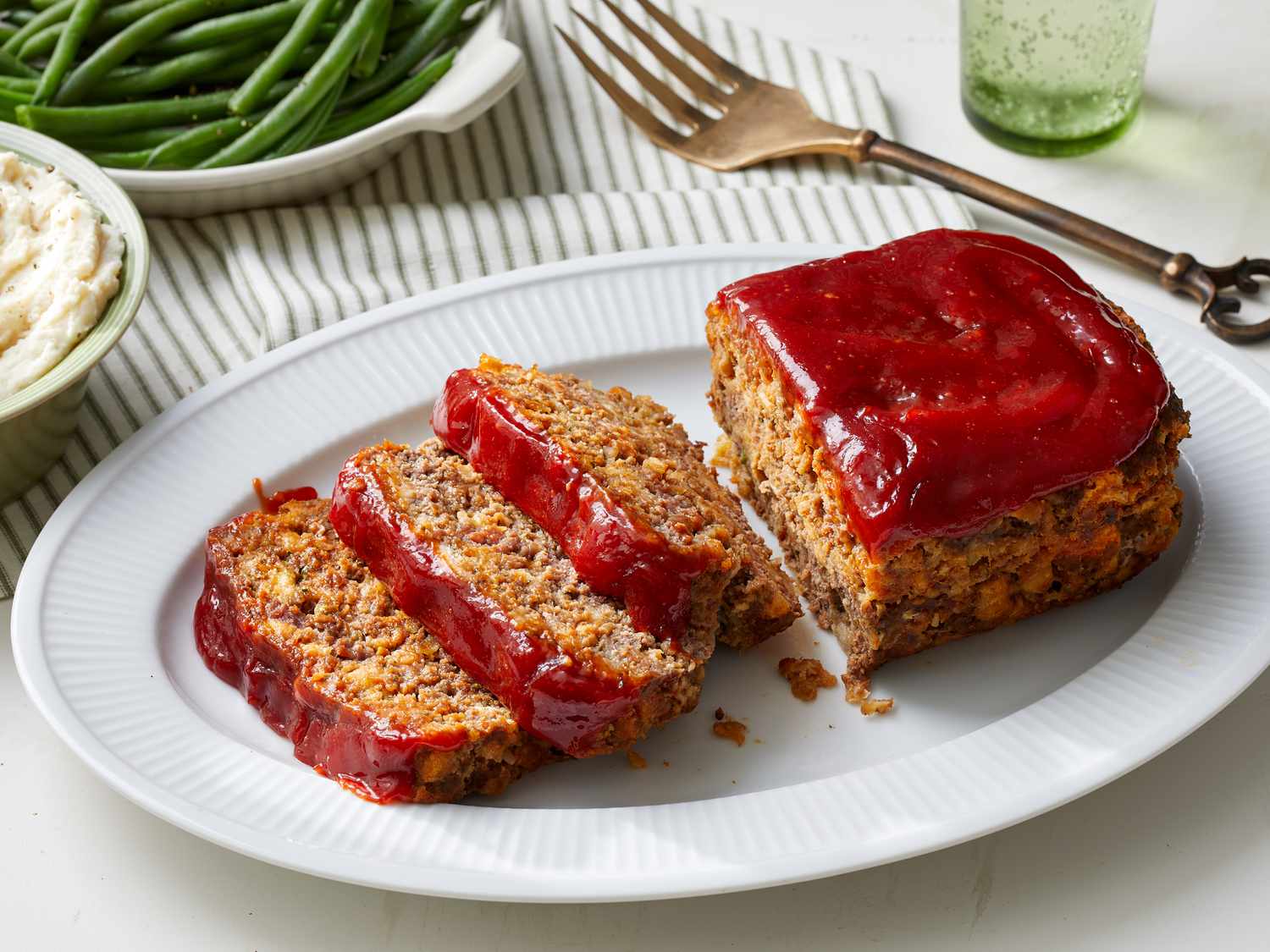
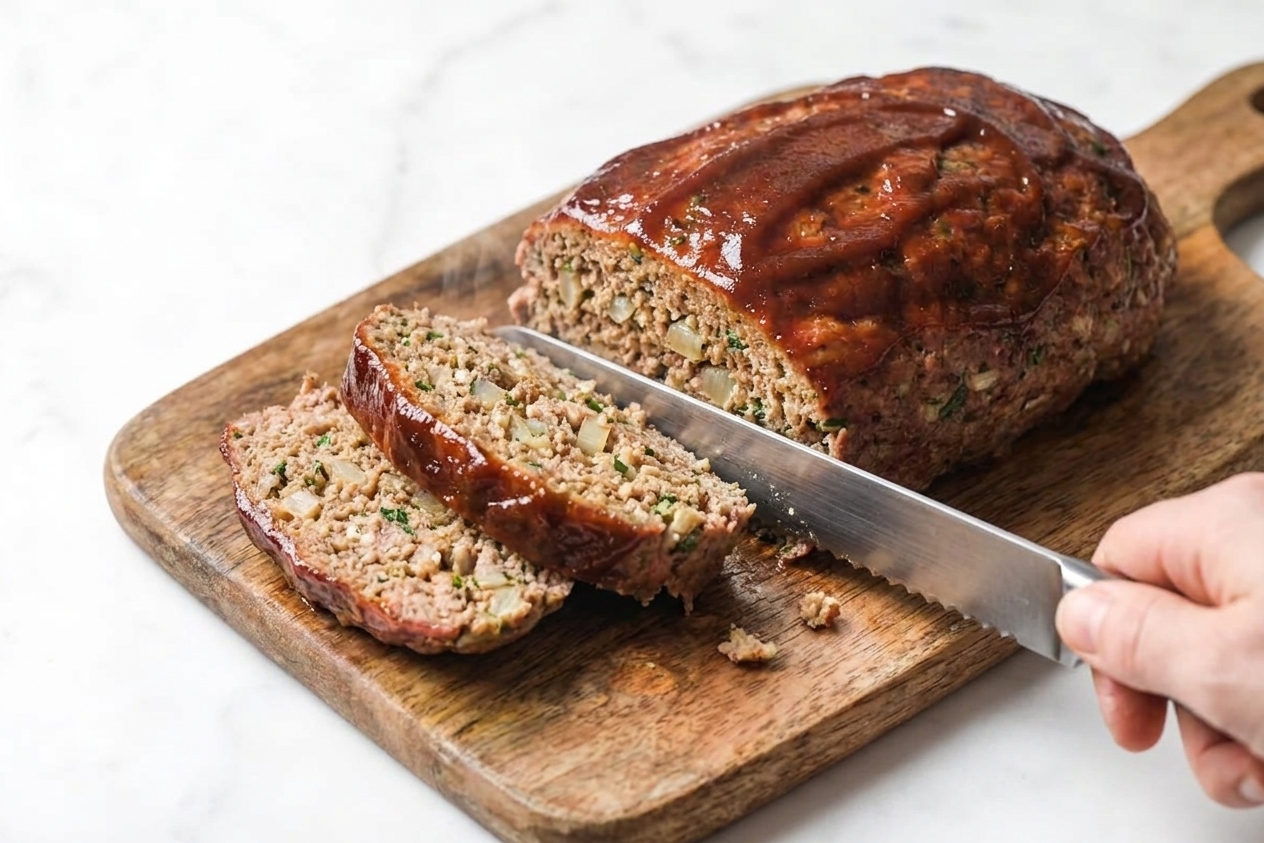
Usually it is one of three things: not enough binder, not enough time to rest, or slicing too hot. Let it rest 10 to 15 minutes after baking so the juices redistribute and the loaf firms up.
Do I have to use a loaf pan?
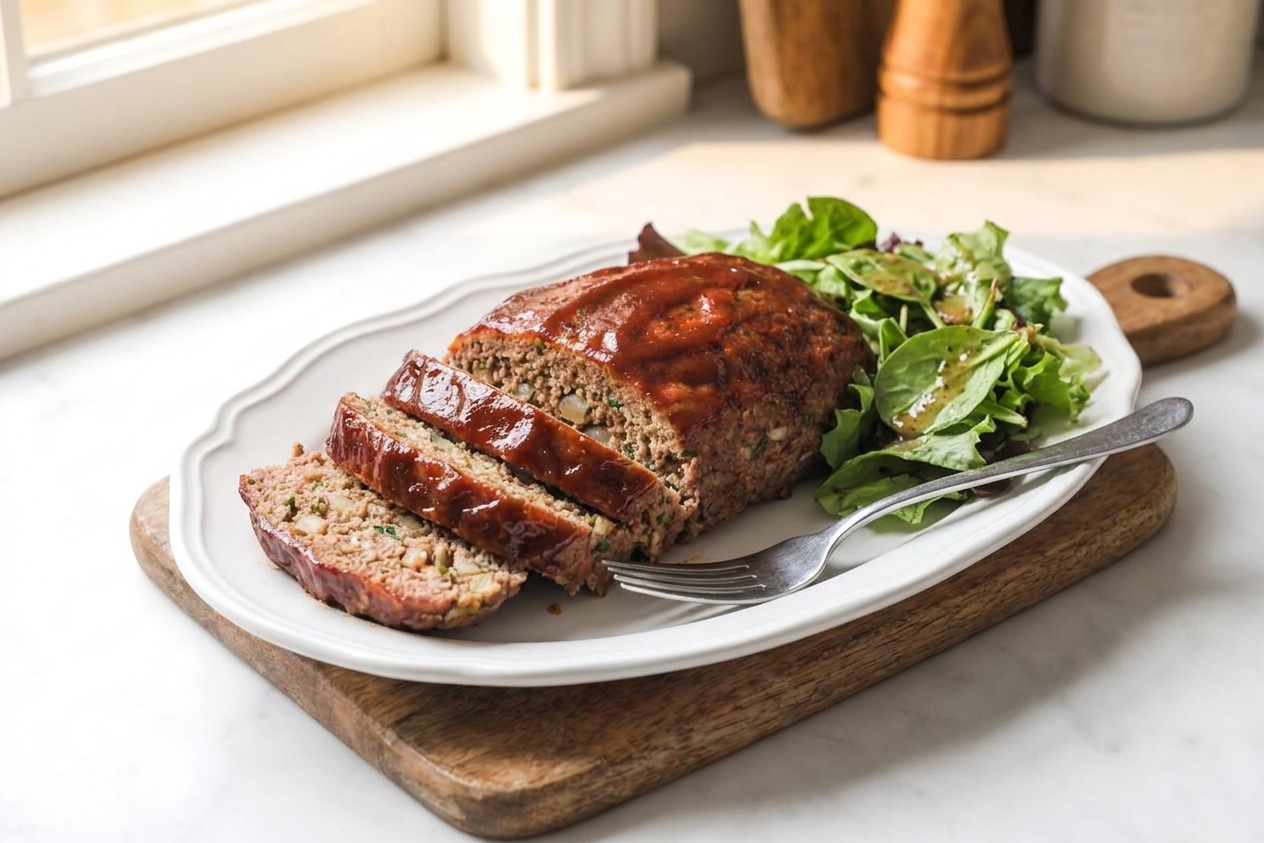
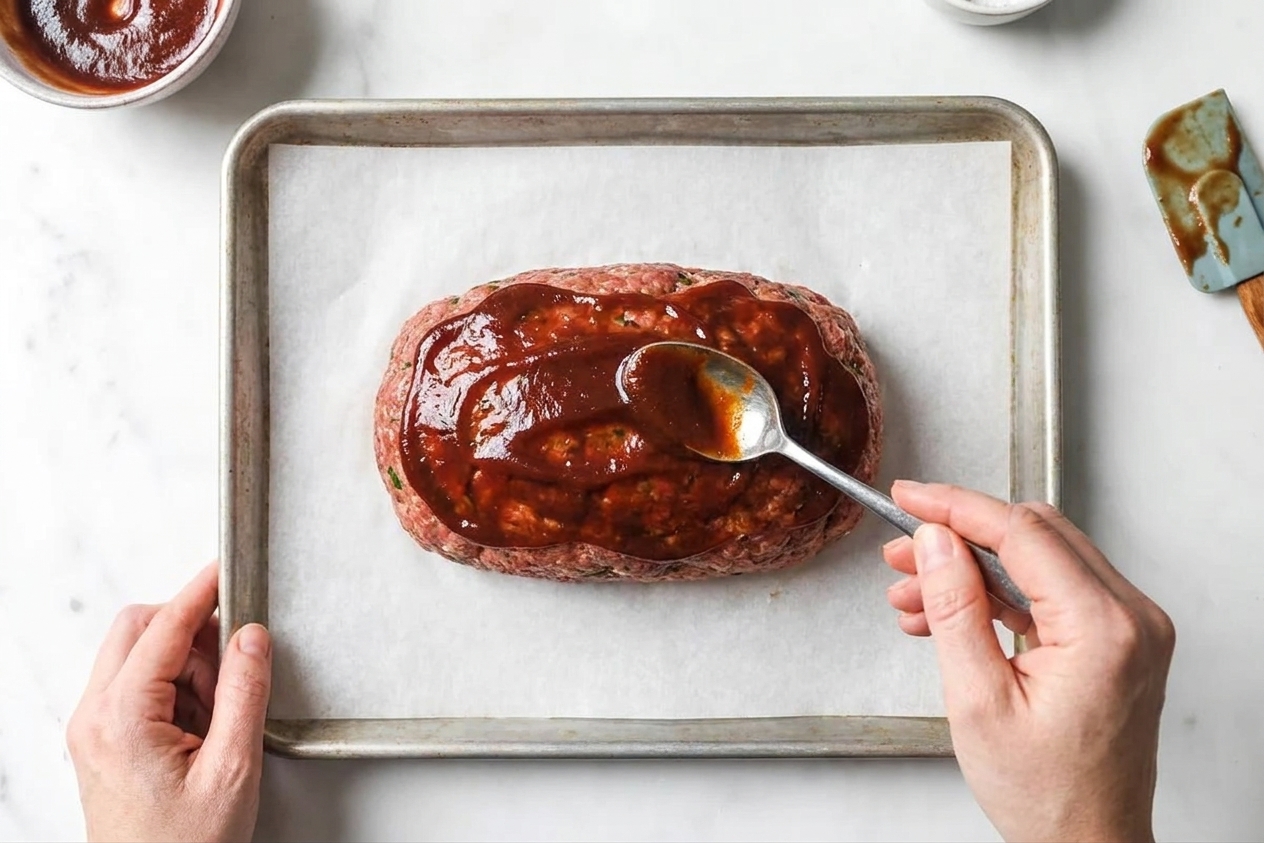
Nope. I actually prefer a free-form loaf on a sheet pan for more browning. A loaf pan tends to stay a little juicier (less surface area exposed), but you lose some edge crispness. Pick your vibe.
What internal temperature should meatloaf be?
For ground beef, cook to 160°F. If you use other ground meats, follow the safest target for what is in the mix. For example, poultry blends are typically done at 165°F. A thermometer makes this stress-free.
Can I make this ahead?
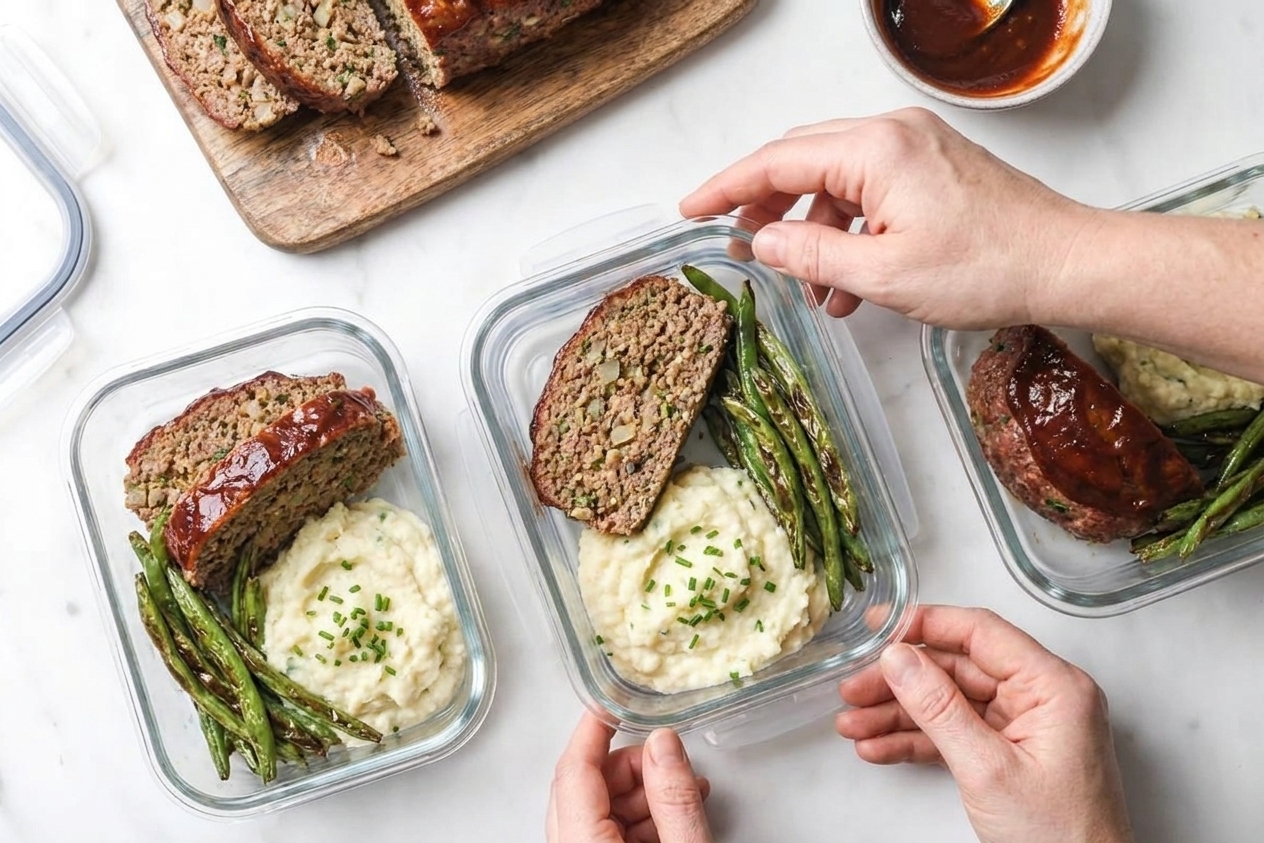
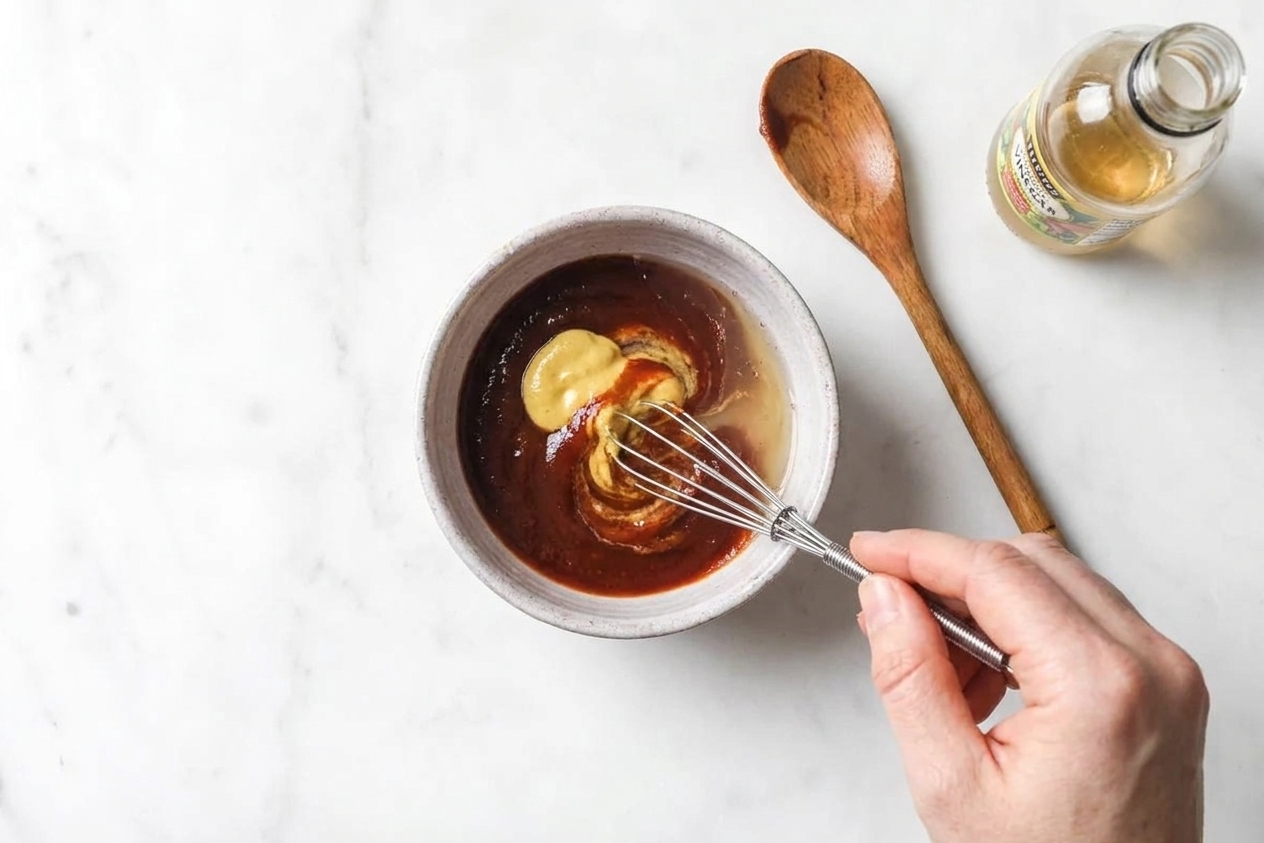
Yes. Mix and shape the loaf up to 24 hours ahead, cover tightly, and refrigerate. Add the glaze right before baking.