Mom's Best Recipes
Recipe

Juicy Oven-Roasted Boneless Pork Loin

Garlic herb rubbed pork loin with crisp edges, a juicy center, and a quick lemony pan sauce you will want to spoon on everything.

Author By Matt Campbell
4.8
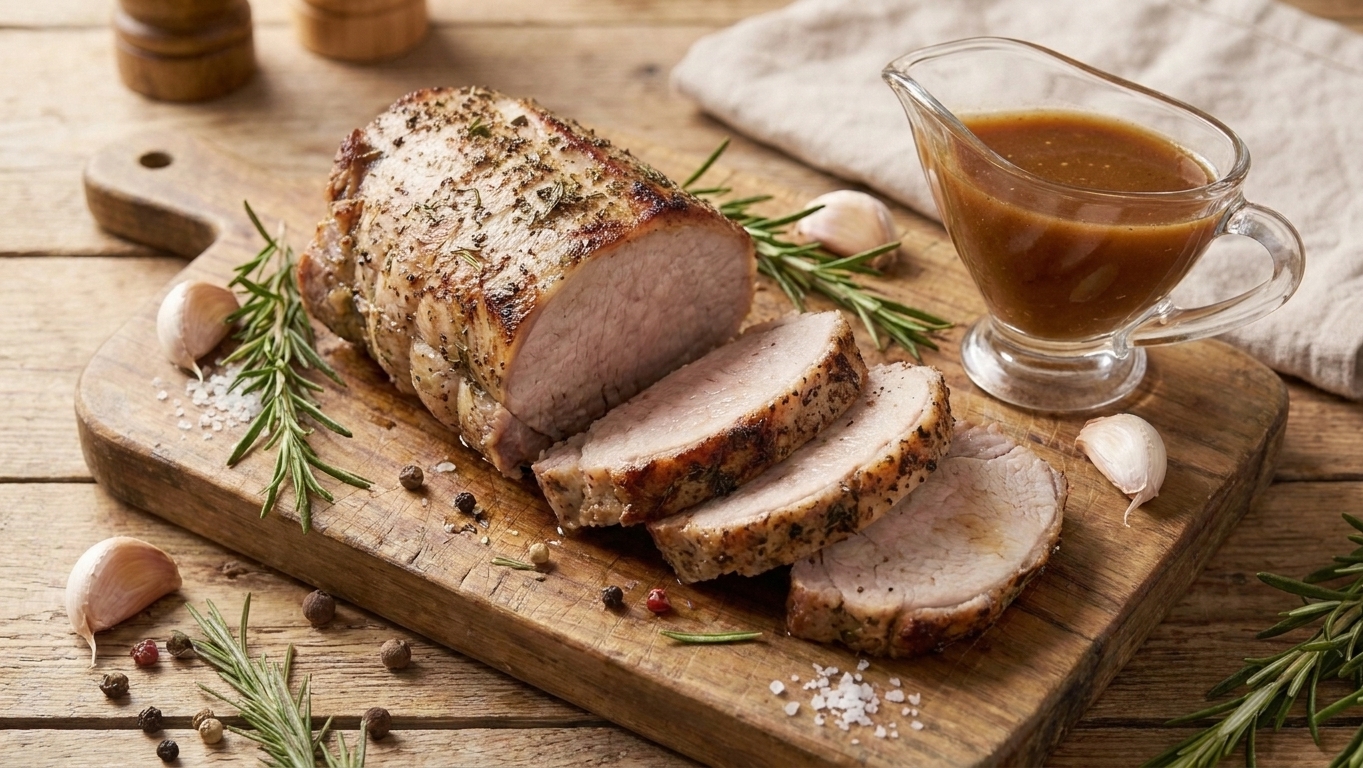
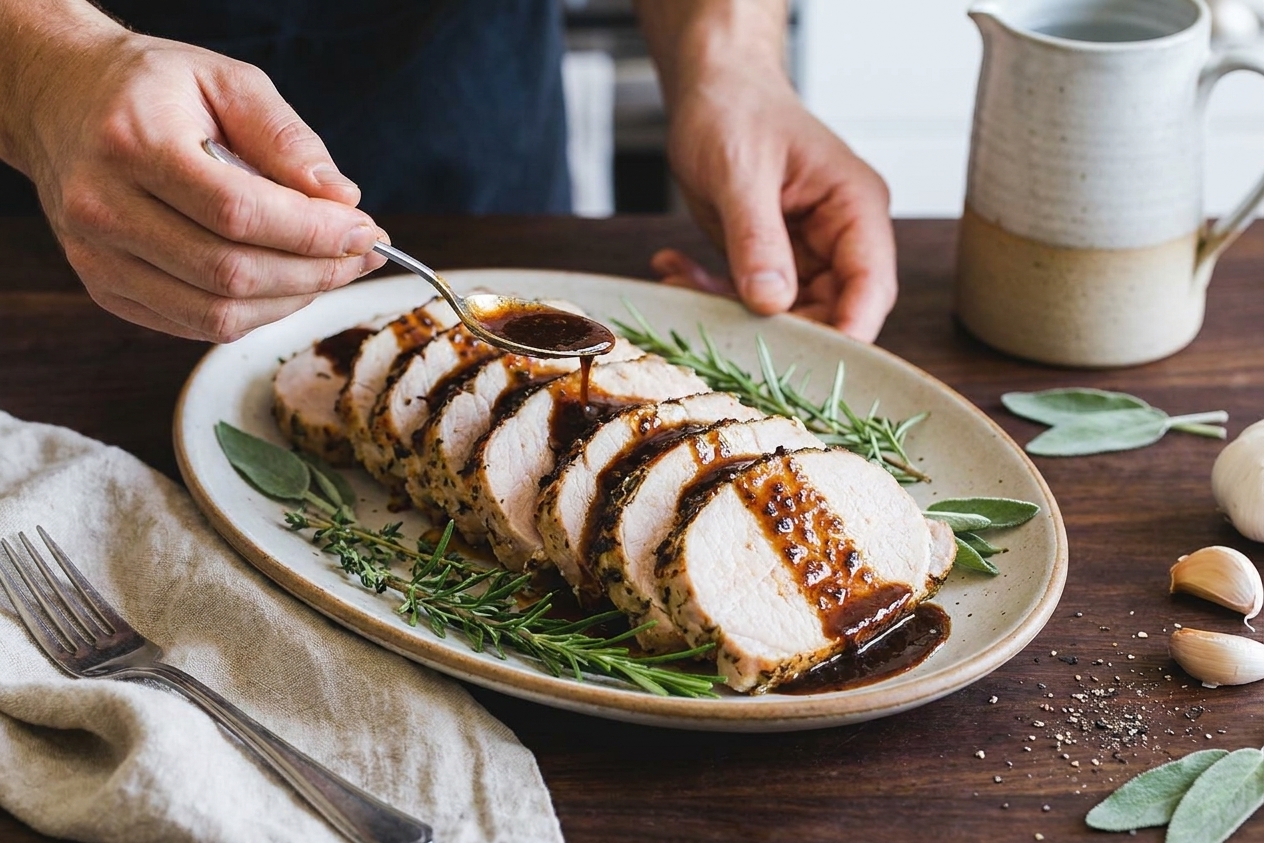
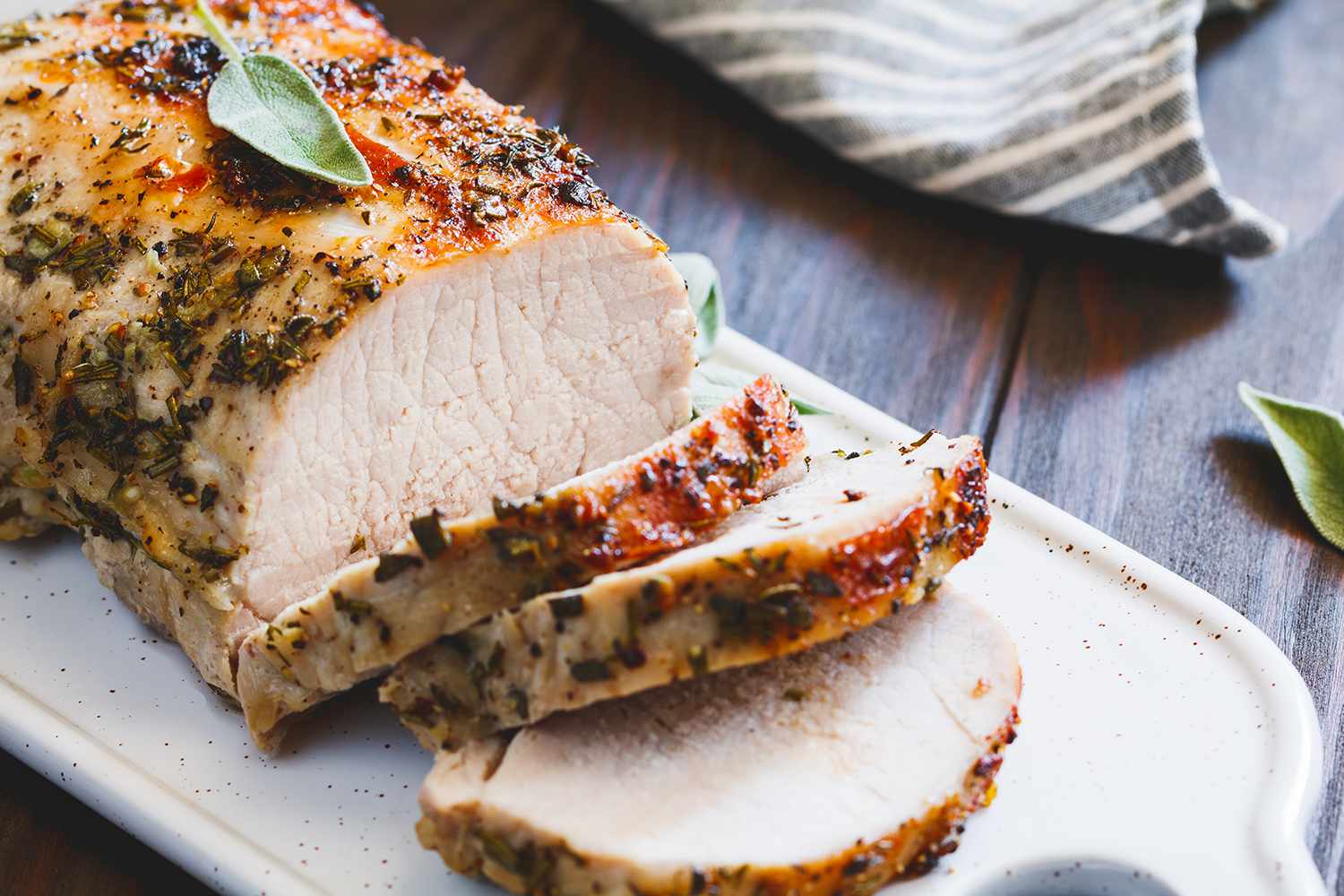
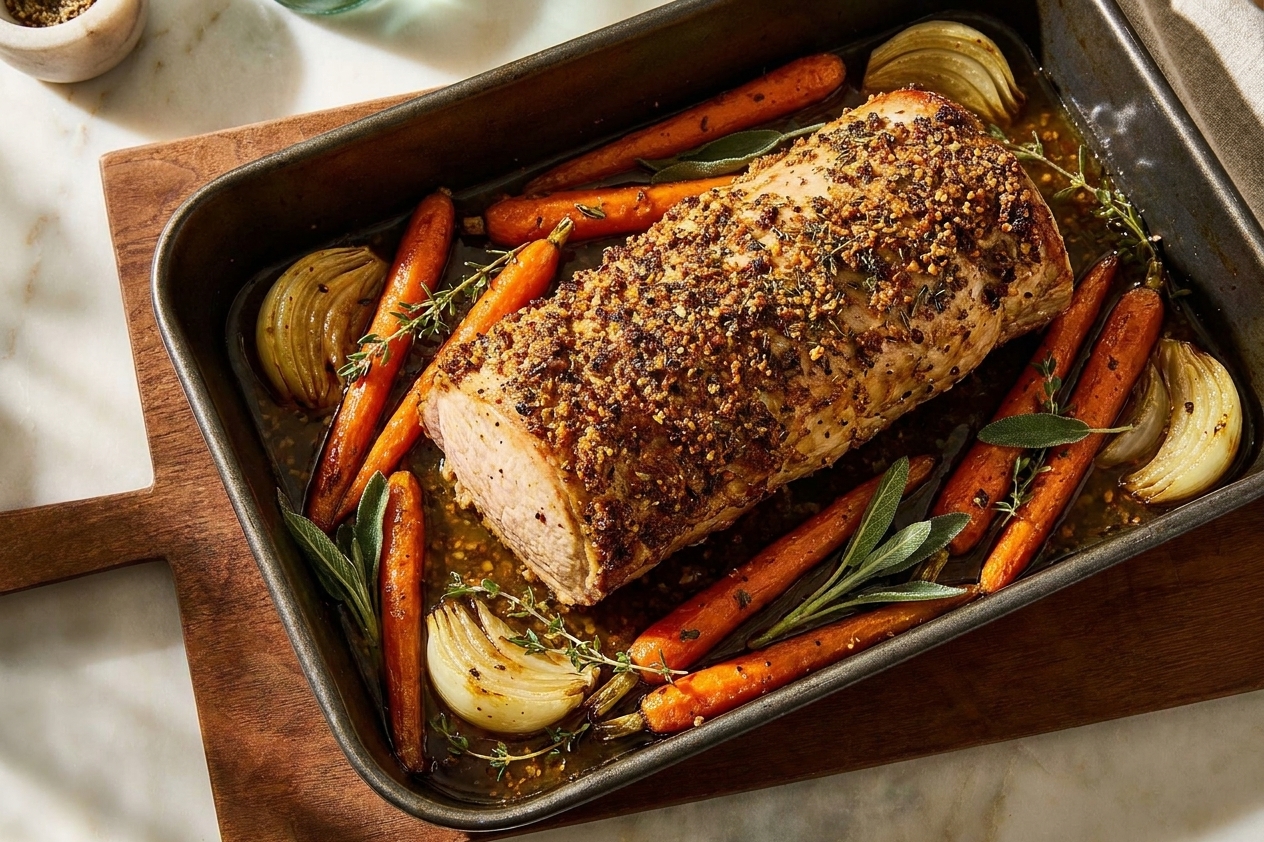
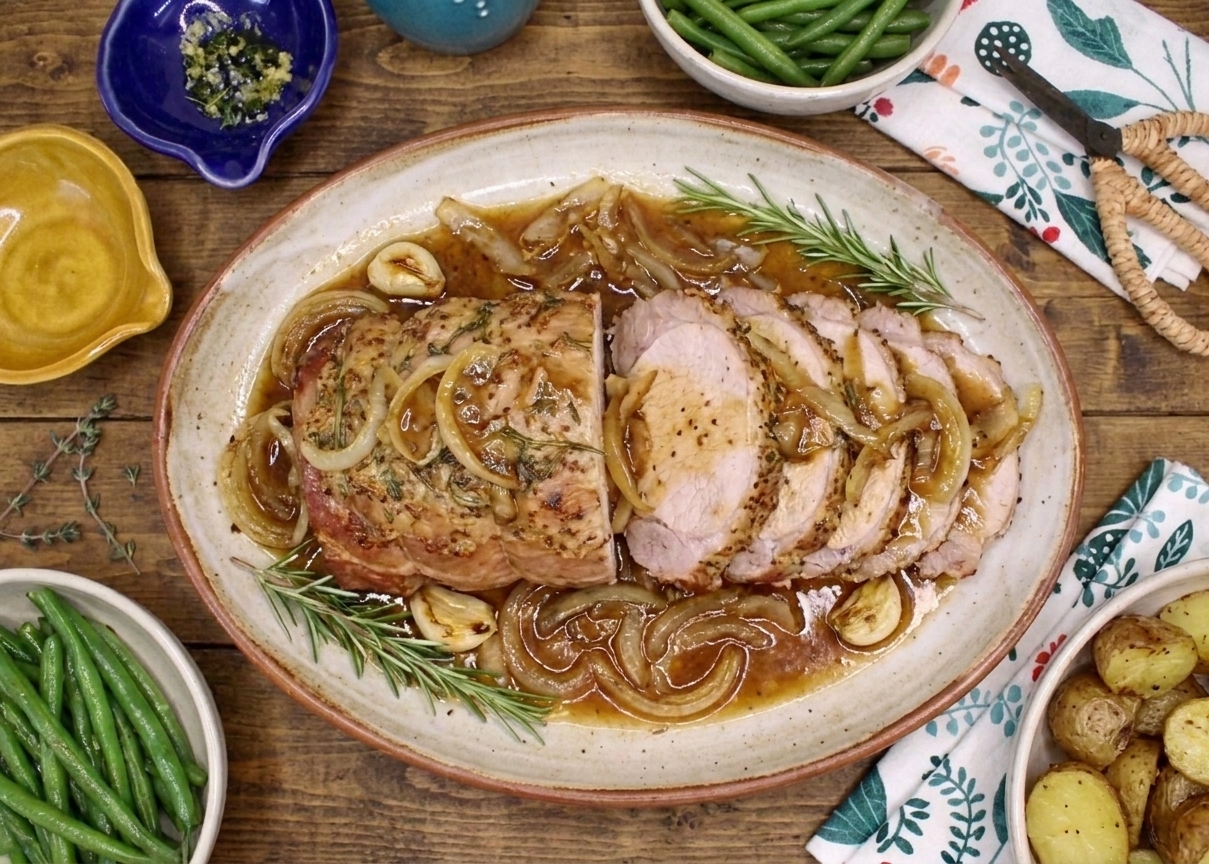
A sliced boneless pork loin roast on a white platter with a golden brown crust, rosemary sprigs, and pan juices, set on a warm wood kitchen table

Boneless pork loin is one of those cuts that wants to be great, but it has a habit of going dry if you treat it like a pork shoulder. The fix is not complicated. Season boldly, roast hot, and pull it at the right temperature. Then let it rest like it just ran a marathon.

This version is my go-to when I want dinner to feel a little special without turning my kitchen into a full-contact sport. You get crisp, browned edges, a tender center you can actually slice neatly, and a quick pan sauce that tastes like you planned ahead.
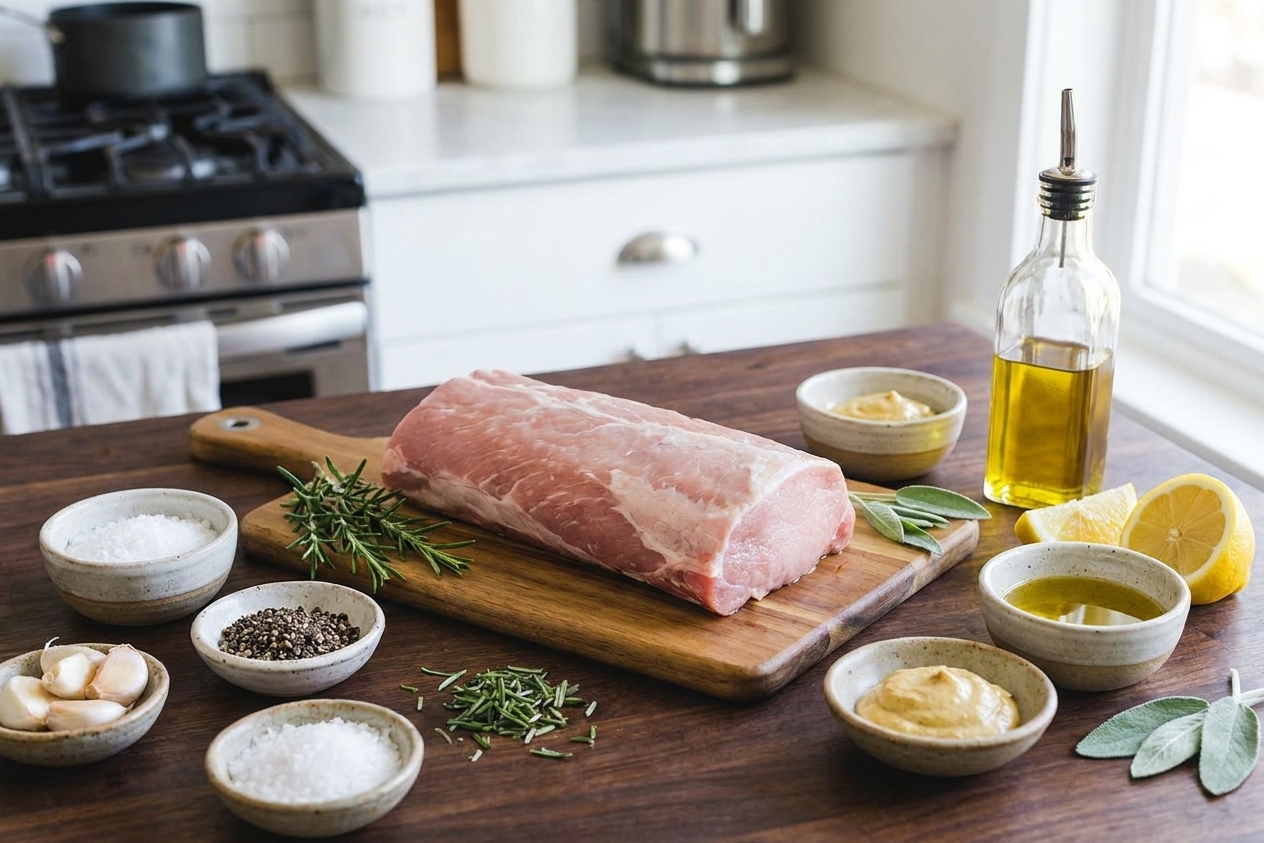
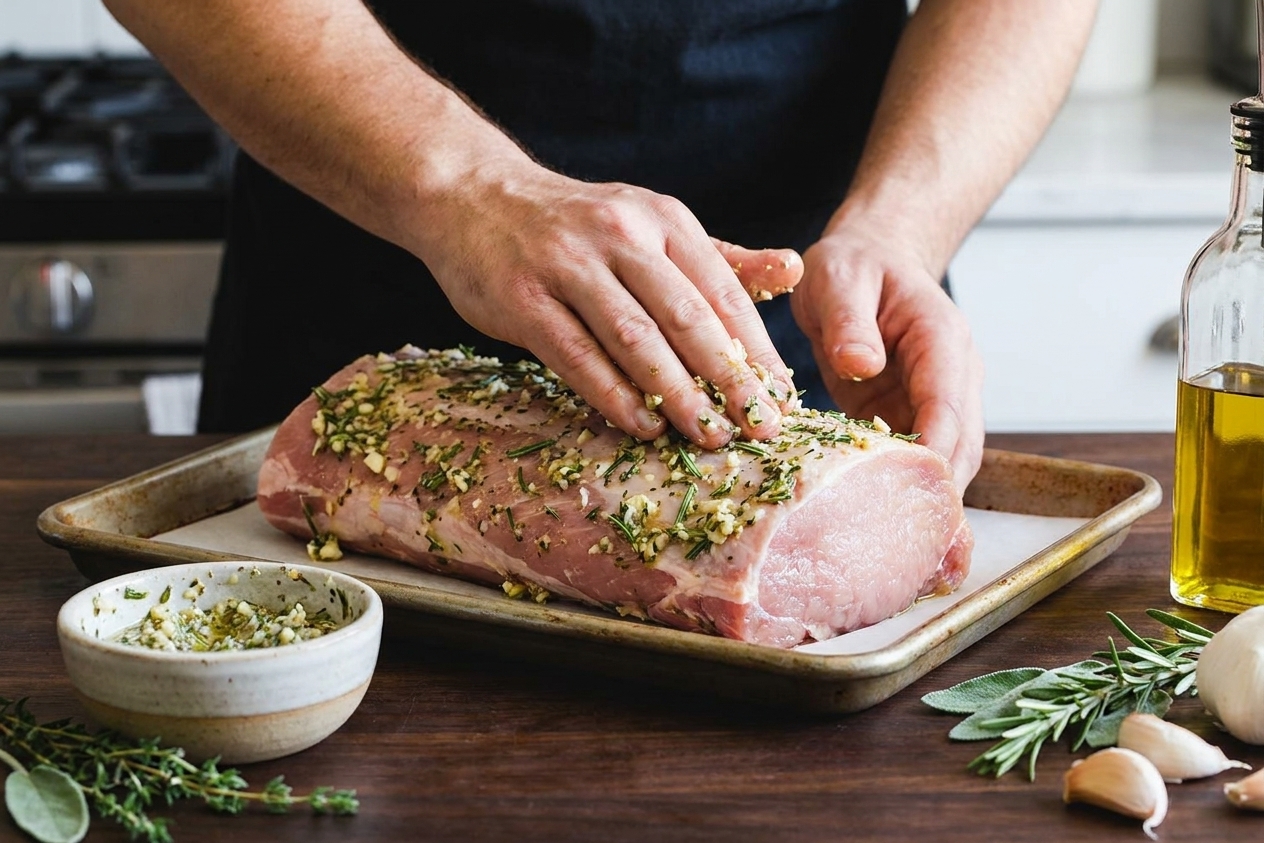
Raw boneless pork loin on a cutting board surrounded by small bowls of salt, pepper, garlic, rosemary, lemon, Dijon mustard, and olive oil on a bright kitchen counter

Why It Works

  • High heat plus the right finish temp gives you a browned exterior without drying out the center.
  • Dijon, garlic, and herbs make a paste that sticks, seasons evenly, and perfumes the whole roast.
  • A short rest keeps the juices in the meat, not all over your cutting board.
  • Quick pan sauce turns the browned bits into something you will want to mop up with mashed potatoes or bread.

Pairs Well With

Storage Tips

Refrigerate: Cool leftovers, then store in an airtight container for up to 4 days.

Freeze: Slice or cube, wrap tightly, and freeze for best quality within 2 months (it can be kept longer if well-wrapped, but texture is happiest sooner). I like freezing with a few spoonfuls of pan juices to protect the meat.

Reheat without drying out: Warm slices in a covered skillet with a splash of broth or water over low heat, or microwave at 50% power in short bursts. If you have sauce, spoon it over first.

Leftover ideas: Pork loin sandwiches with mustard and pickles, fried rice, quick tacos with salsa verde, or chopped into a grain bowl with roasted veggies.

Common Questions

What is the difference between pork loin and pork tenderloin?

Pork loin is larger and a bit firmer, often sold as a roast. Pork tenderloin is smaller, very lean, and cooks much faster. This recipe is for boneless pork loin, not tenderloin.

What temperature should boneless pork loin be cooked to?

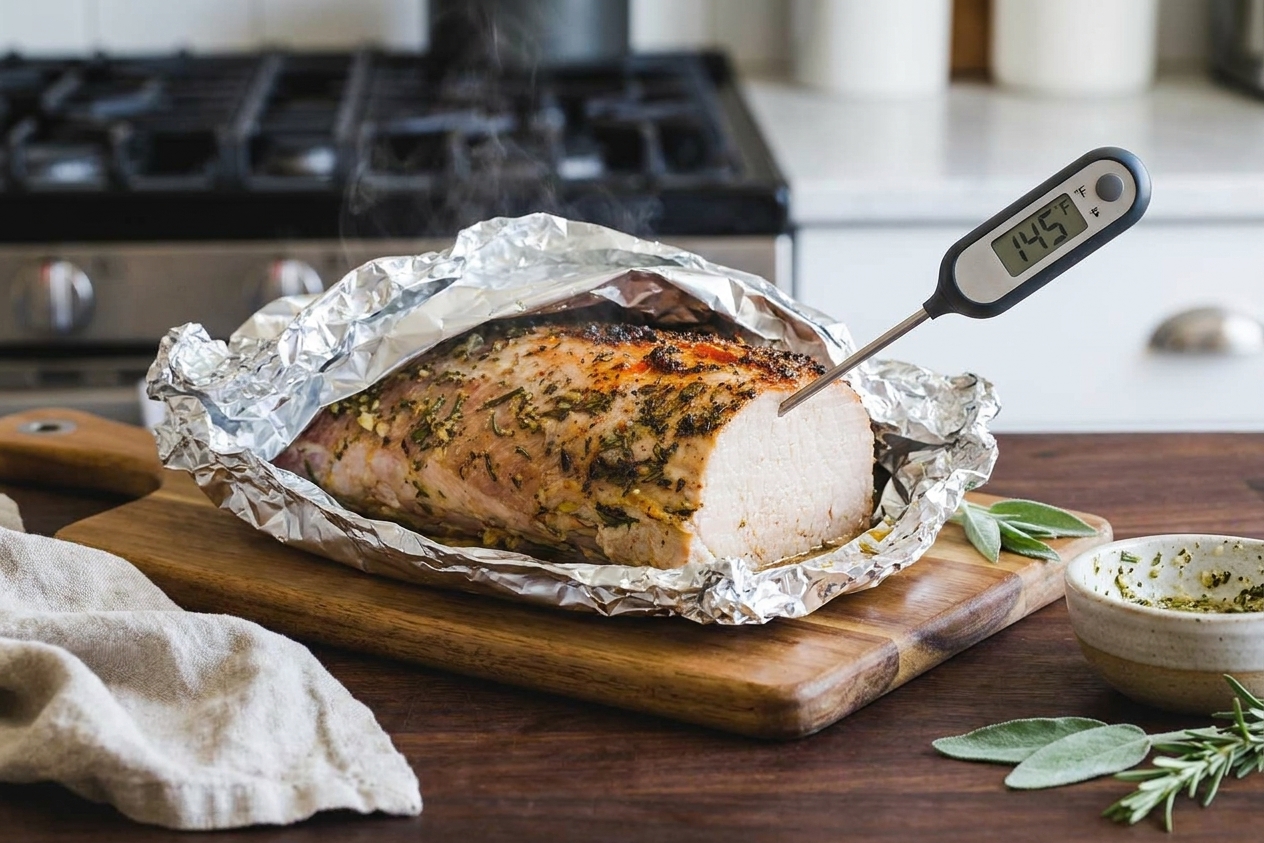
For juicy slices, aim for a final temperature of 145°F after resting. I usually pull it from the oven at 140 to 145°F, then rest 10 to 15 minutes. Carryover cooking should bring it up to at least 145°F. If your roast does not climb much during the rest, just keep it in the oven a few more minutes and check again.

Why is my pork loin dry?

The usual culprits are cooking too long, using too low of an oven temp, skipping the rest, or slicing too soon. A meat thermometer fixes almost all of this.

Do I need to brine it?

You do not have to, but you can. If you have time, a quick dry brine helps: salt the pork all over and refrigerate uncovered for 8 to 24 hours. The recipe works great without it.

How thick should I slice pork loin?

For dinner plates, aim for 1/2-inch slices. For sandwiches, go thinner. Use a sharp knife and slice across the grain.

I used to treat pork loin like it had something to prove, which is to say I cooked it until it was definitely, absolutely done. Then I wondered why it felt like chewing on good intentions.

The day I started pulling it near 145°F and letting it rest, it was a whole different cut. Suddenly it was juicy, sliceable, and honestly kind of elegant. Now it is in my regular rotation because it feeds a crowd, makes killer leftovers, and lets me feel like I have my life together even when I am winging the sides.