Mom's Best Recipes
Recipe

Oven Baked Pork Roast

Tender, juicy pork roast with a garlicky herb crust and an easy pan gravy, all done in the oven with simple timing and foolproof temps.

Author By Matt Campbell
4.8
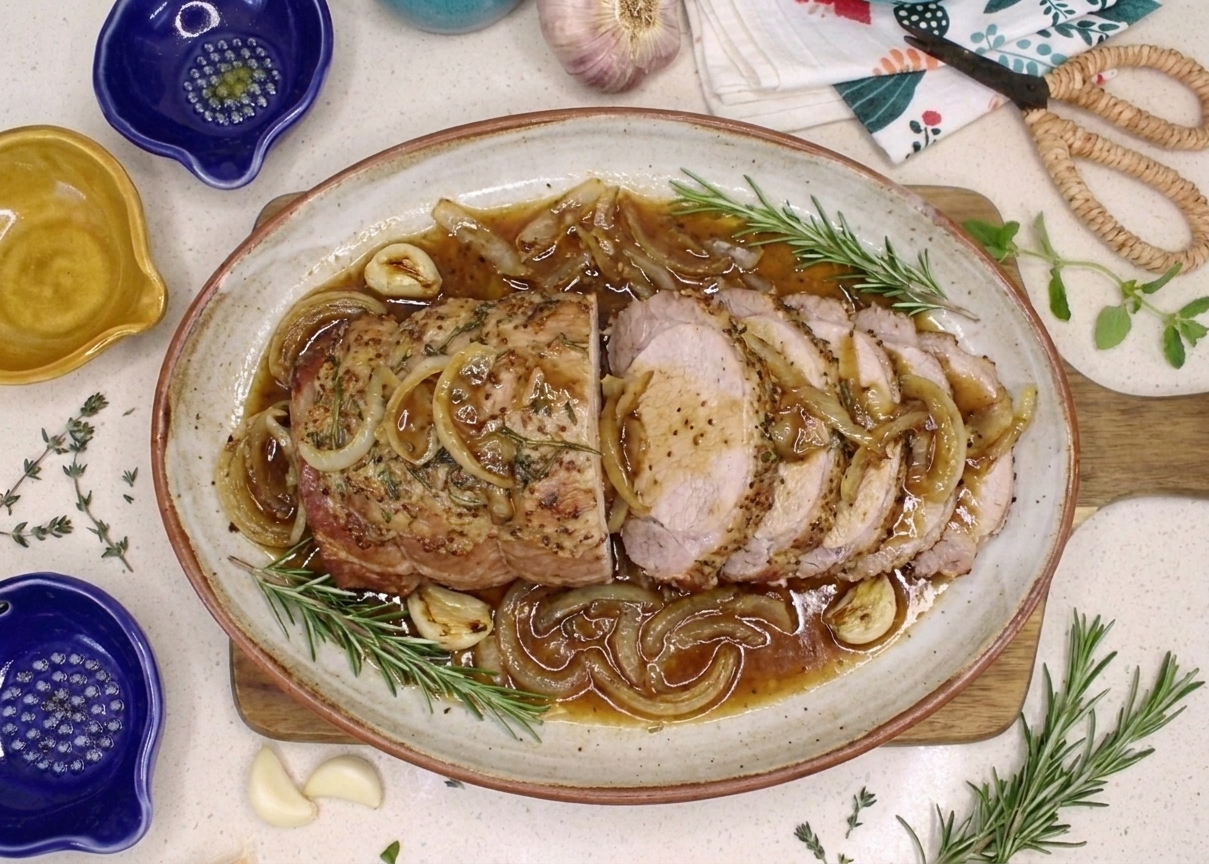
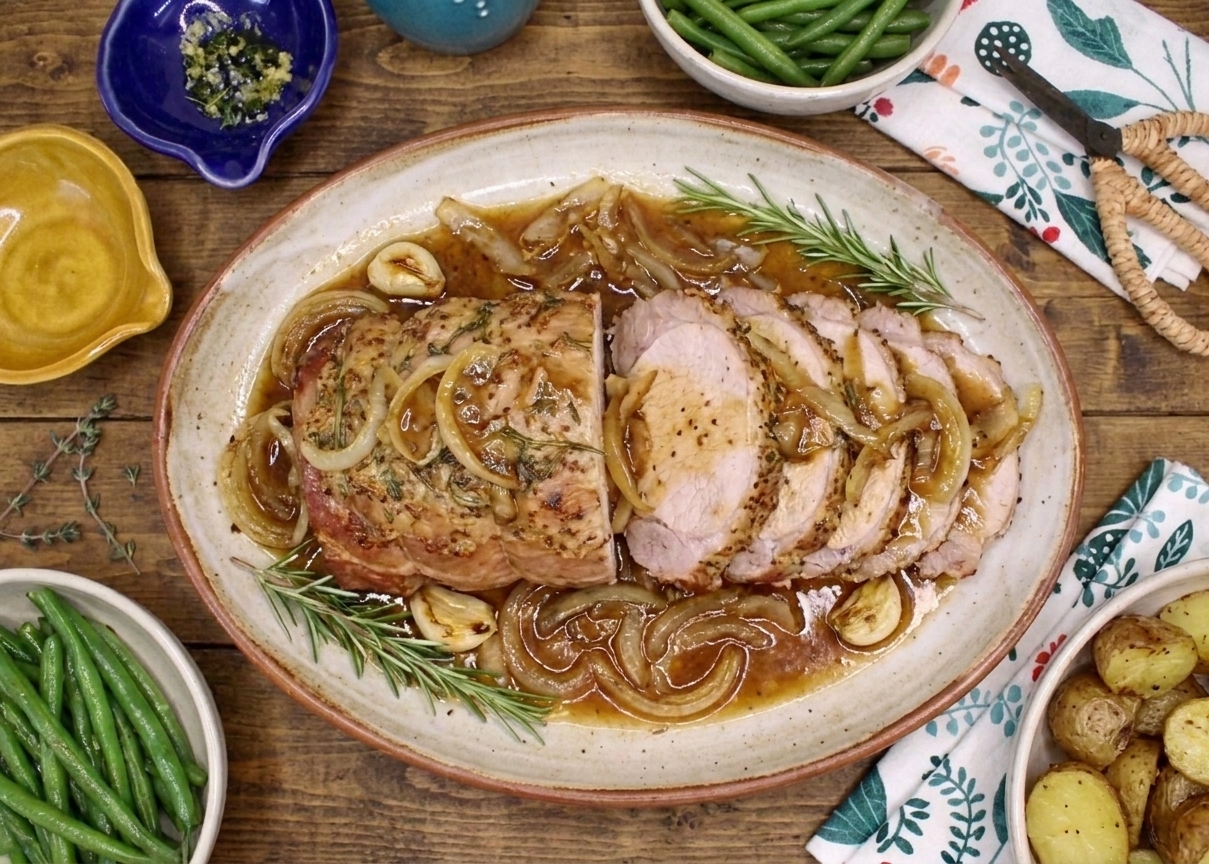
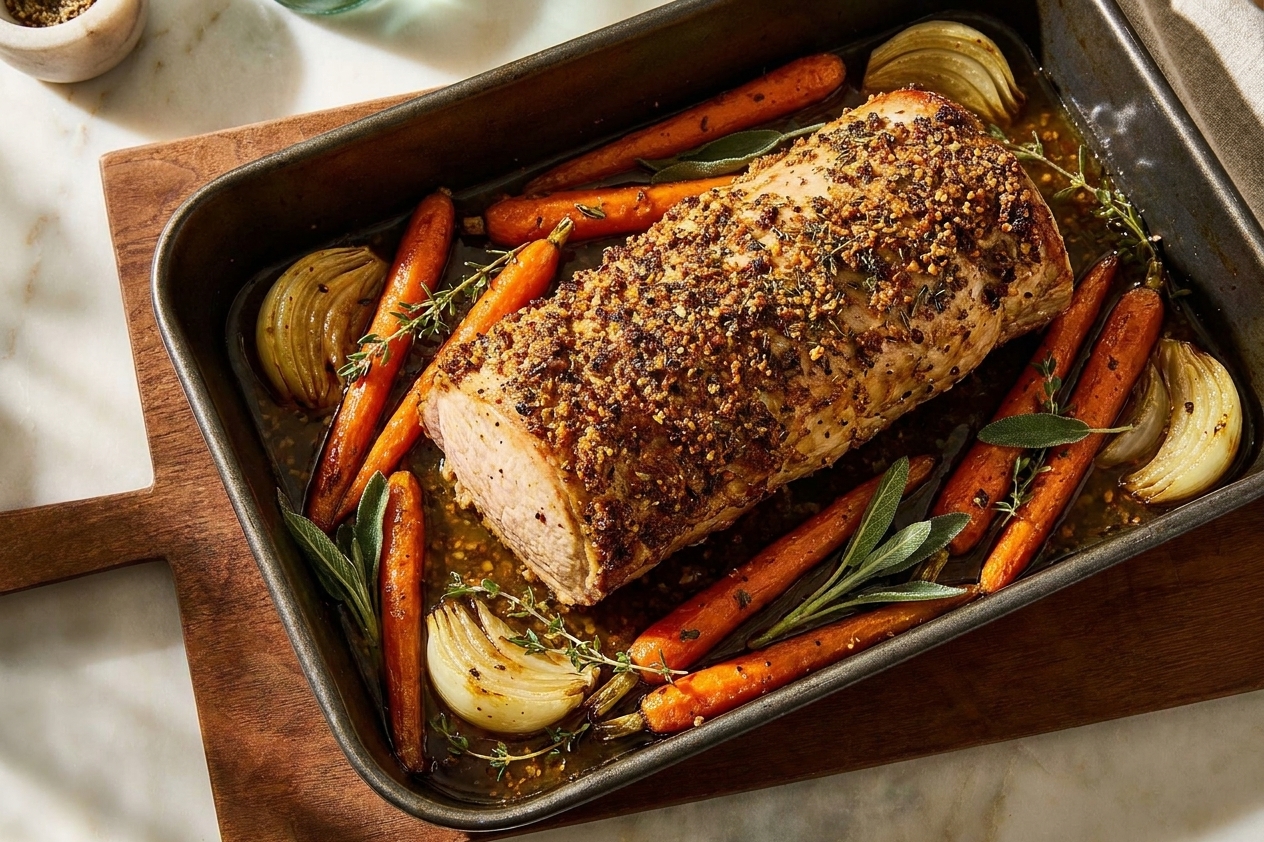
A sliced oven baked pork roast with a golden herb crust on a platter, pan juices pooled beside it, served on a rustic wooden table with simple weeknight sides

There are two kinds of pork roast nights. The one where you baby it, hover, panic, and somehow still end up with dry slices. And the one where you season it like you mean it, blast it hot at the start for crisp edges, then let the oven do the slow, steady work while you live your life.

This recipe is the second kind. It is accessible ingredients, clear temps, and a little built-in forgiveness, plus a quick pan gravy that tastes like you worked harder than you did. If you can stir mustard with garlic and salt, you can absolutely pull this off.
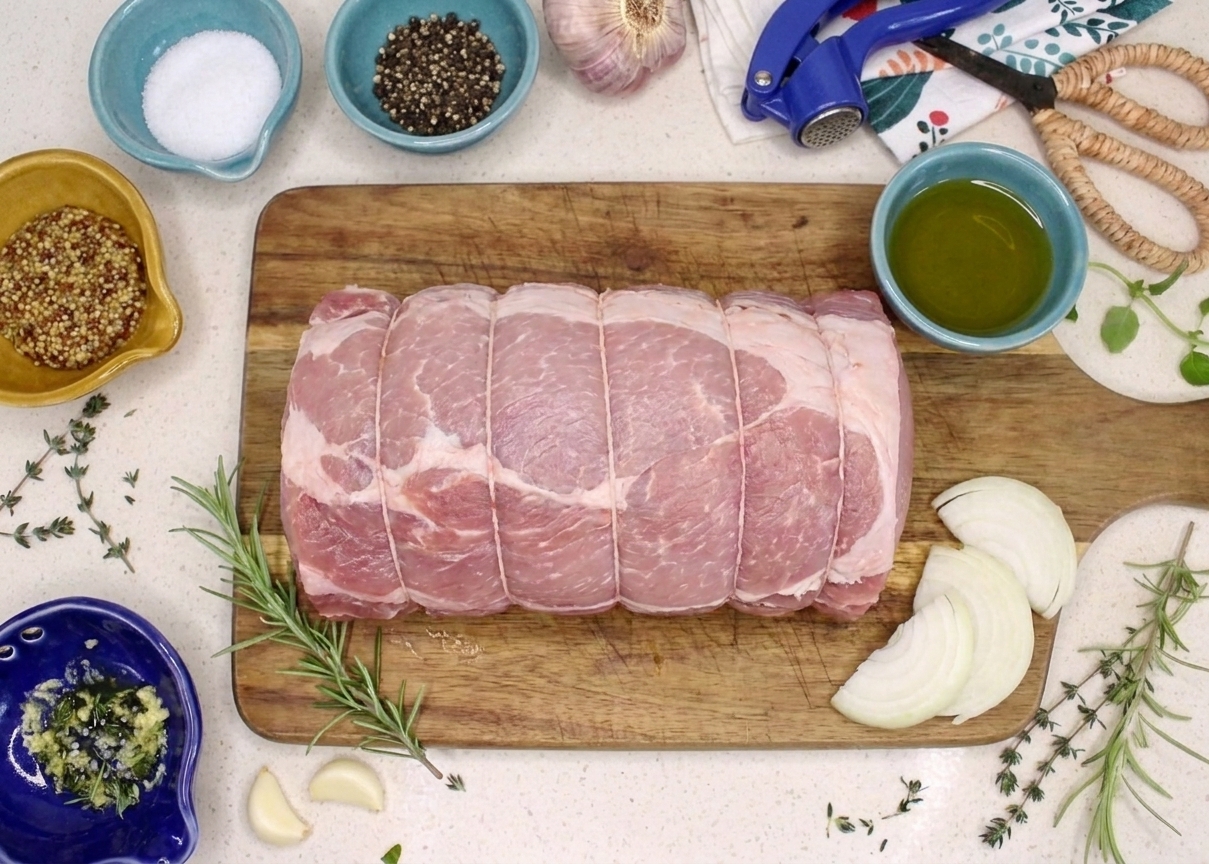
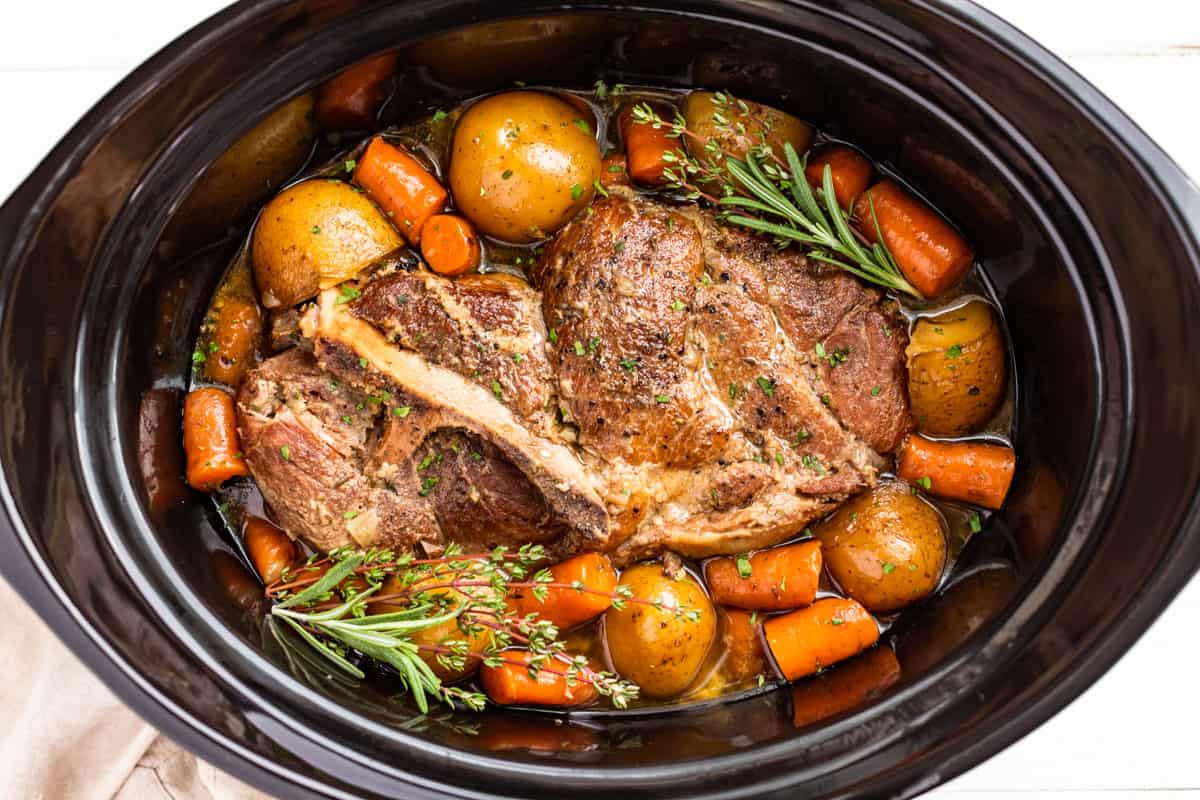
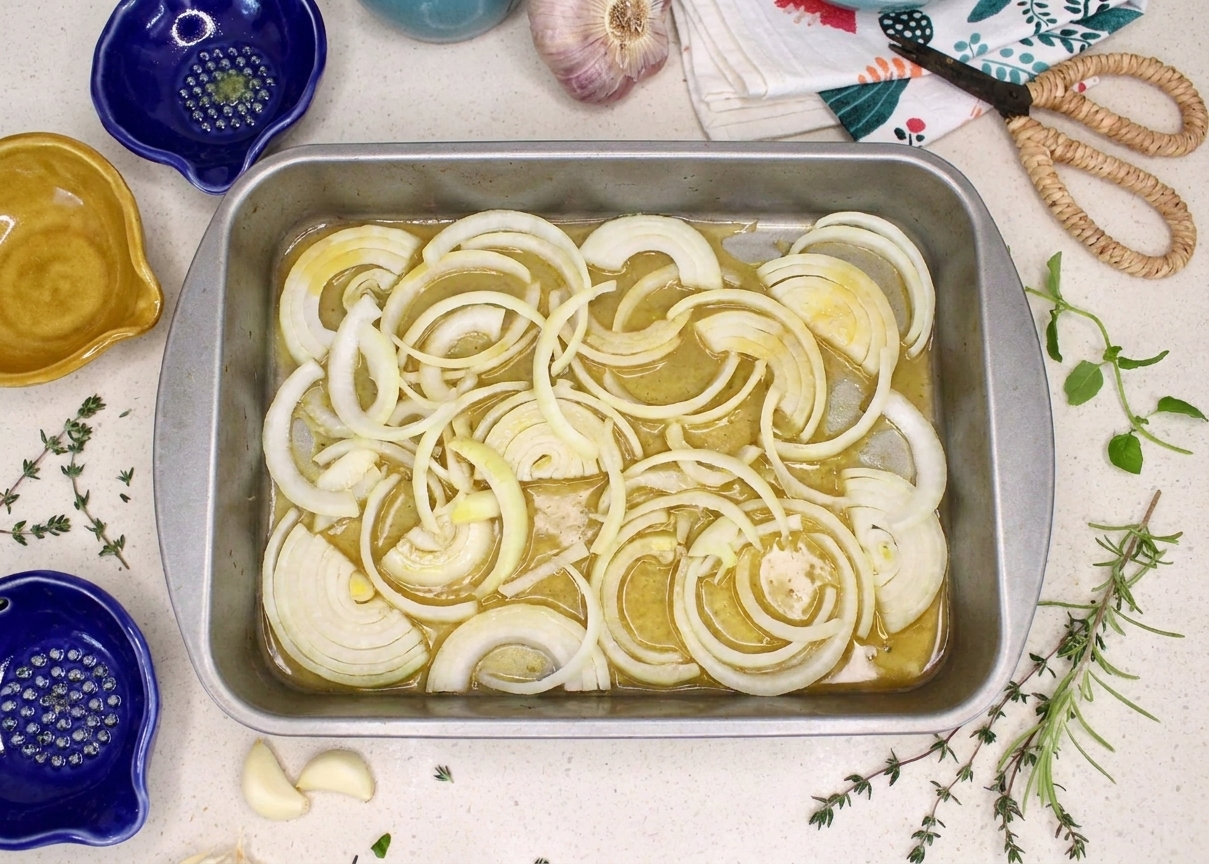
A raw pork roast on a cutting board surrounded by small bowls of salt, pepper, garlic, mustard, olive oil, rosemary, thyme, and onions on a bright kitchen counter

Why It Works

  • Juicy interior, crisp exterior: A high-heat start helps build browning, then the lower roast temp finishes gently.
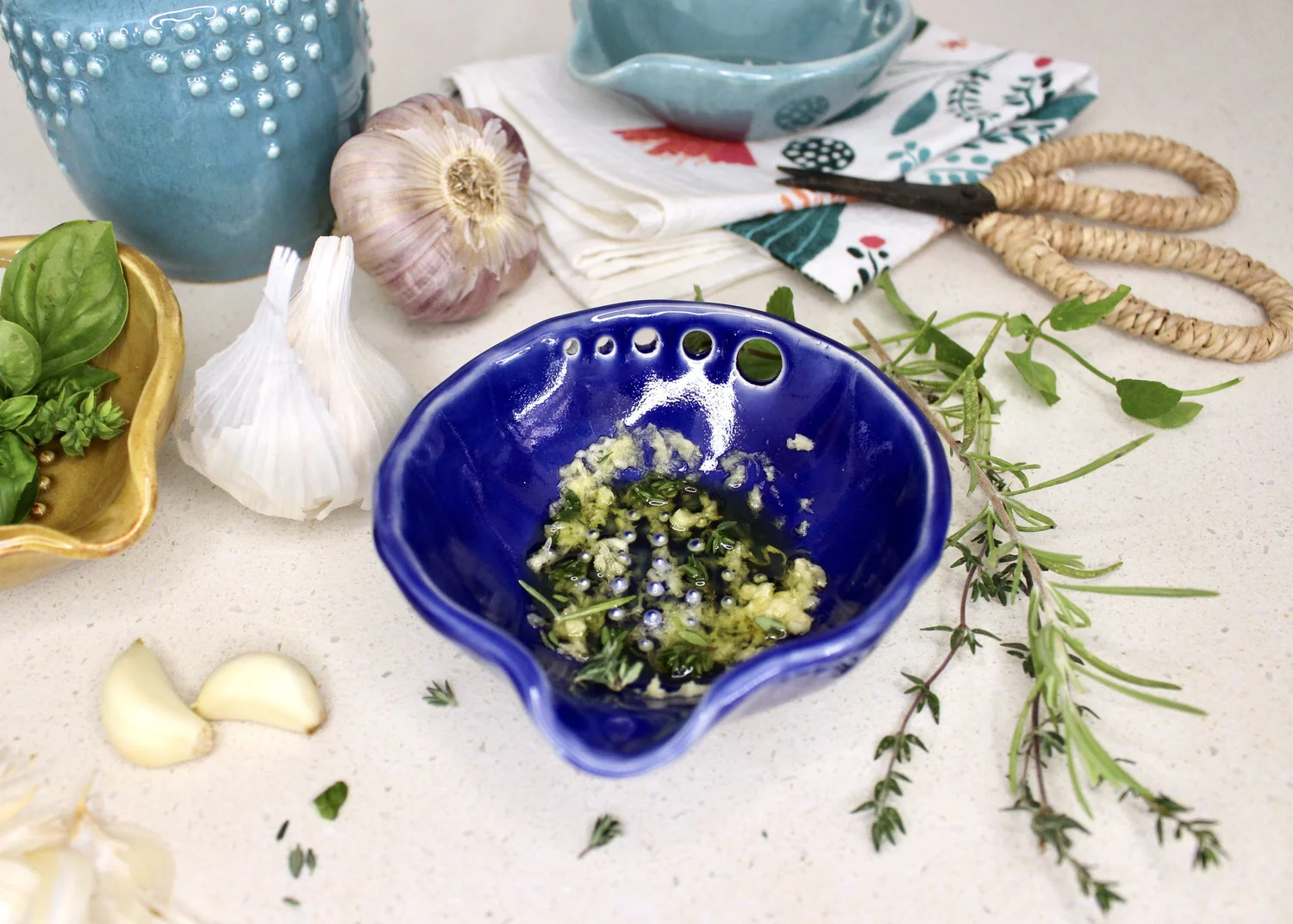
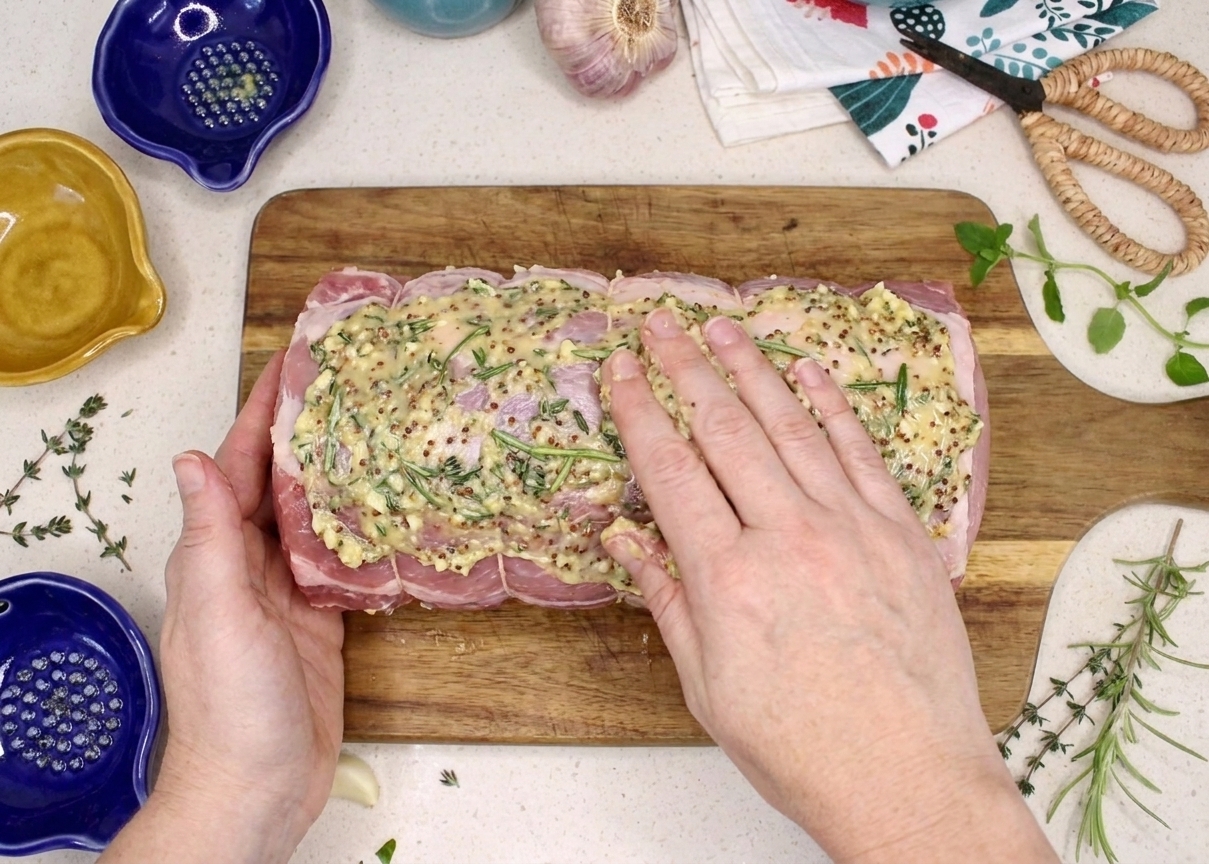
  • Big flavor with pantry staples: Mustard, garlic, and herbs make a rub that actually sticks and seasons the meat.
  • Gravy without drama: The pan drippings are already flavorful, so the gravy is a quick whisk, not a science project.
  • Reliable doneness: You are cooking to temperature, not vibes, which is how pork stays tender.

Pairs Well With

Storage Tips

How to Store Leftovers

Cool it fast: Let the roast cool for about 20 to 30 minutes, then refrigerate. Store whole or sliced.

  • Refrigerator: Store pork in an airtight container for 3 to 4 days. Keep gravy separate if you can.
  • Freezer: Freeze sliced pork (with a little gravy or broth to prevent drying) for up to 2 months.
  • Reheat without drying: Warm slices in a covered skillet with a splash of broth or gravy over medium-low heat, or in a 325°F oven covered with foil until hot.
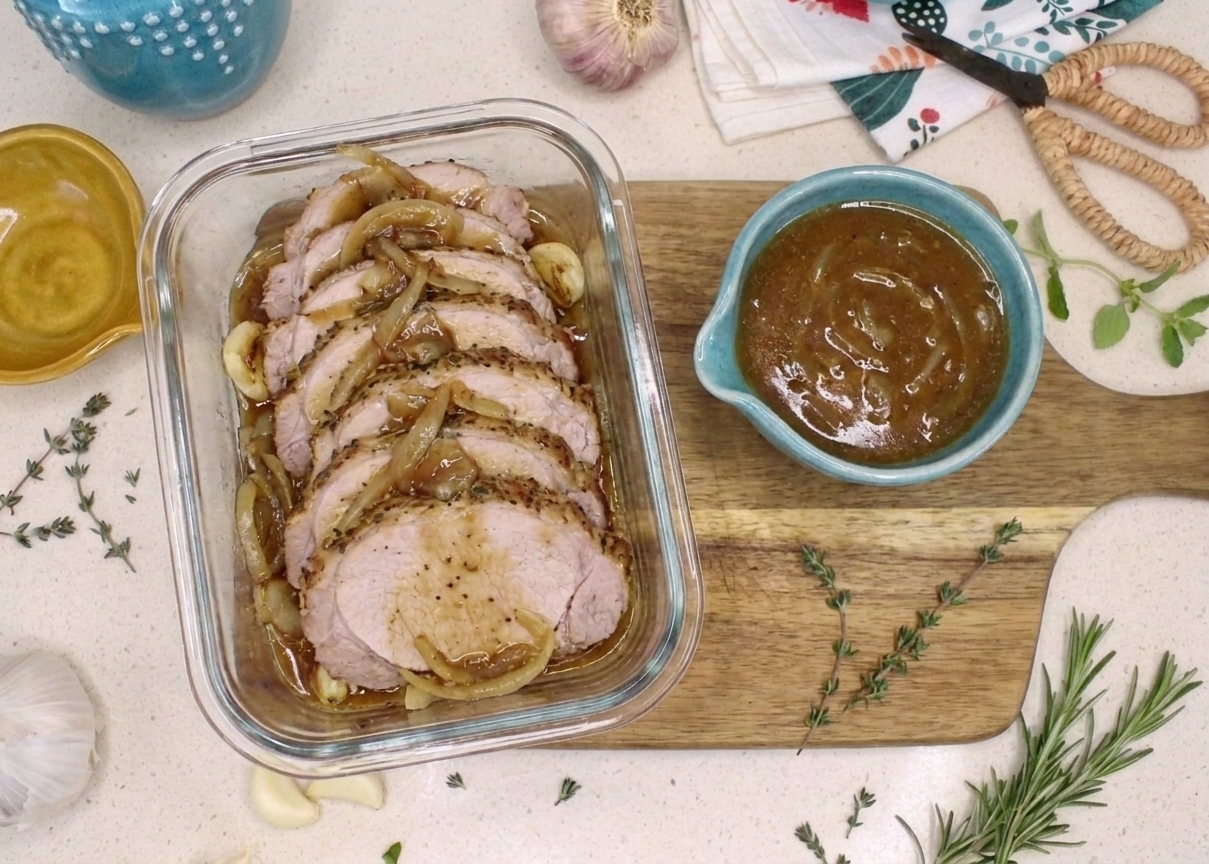
Sliced leftover pork roast arranged in a glass storage container with a small separate container of gravy on a kitchen counter

Common Questions

Common Questions

What cut of pork should I use for an oven baked pork roast?

Pork loin roast is lean and slices neatly, which is what this recipe is written for. If you use pork shoulder (Boston butt), it will need much longer cooking at a lower temperature until it is pull-apart tender.

What temperature should pork roast be cooked to?

For pork loin, aim for an internal temperature of 145°F in the thickest part, then rest 10 to 15 minutes. Resting finishes the job and keeps juices in the meat.

Why is my pork roast dry?

Usually one of three things: it cooked past 145°F, it did not rest, or it was sliced too soon. Use a thermometer, let it rest, and slice across the grain.

Do I need to sear pork roast before baking?

Not for this method. The hot start in the oven creates browning and a crust without dirtying a skillet. If you love a super-dark crust, you can sear, but it is optional.

Can I cook vegetables in the pan with the roast?

Yes. Onions are great and basically gravy insurance. For potatoes and carrots, cut them into larger chunks so they do not overcook during the roast time.

How do I know when it is done without a thermometer?

You can guess, but guessing is how pork ends up dry. A simple instant-read thermometer is the easiest upgrade you can make for roasts.

The first pork roast I ever made on my own was peak beginner energy: I trusted a time chart, ignored temperature, and sliced it right away because I was hungry. It tasted fine, but it was not the juicy, cozy, pause-mid-bite kind of roast I wanted.

Now I do it the way I wish someone had told me from the start. Season boldly, start hot for color, finish gentle, and let it rest like it just ran a marathon. The whole thing feels relaxed, but the results taste like a Sunday dinner win, even if it is a random Tuesday.