Mom's Best Recipes
Recipe

Kabuli Pulao

Afghan-style rice pilaf with tender spiced meat, fluffy basmati, and a caramelized carrot and raisin topping.

Author By Matt Campbell
4.8
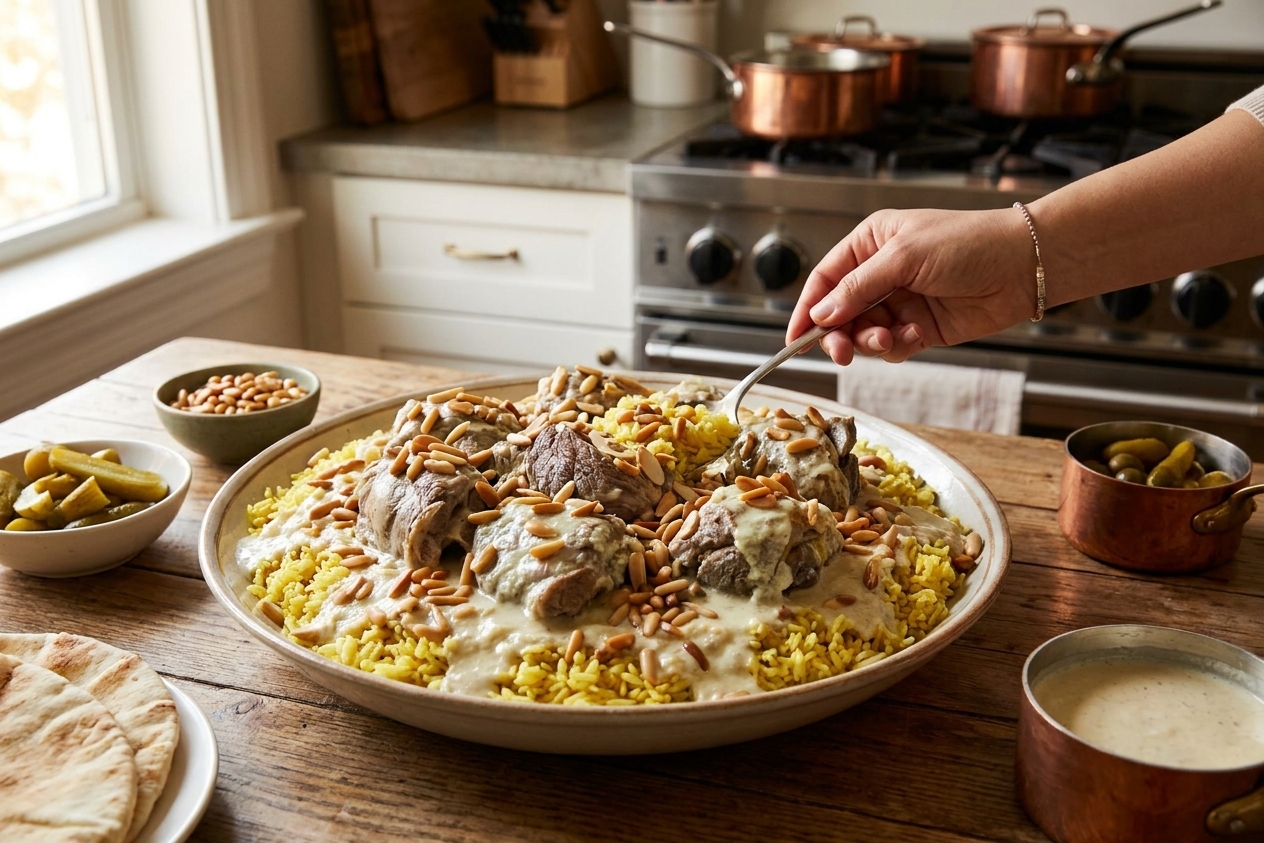
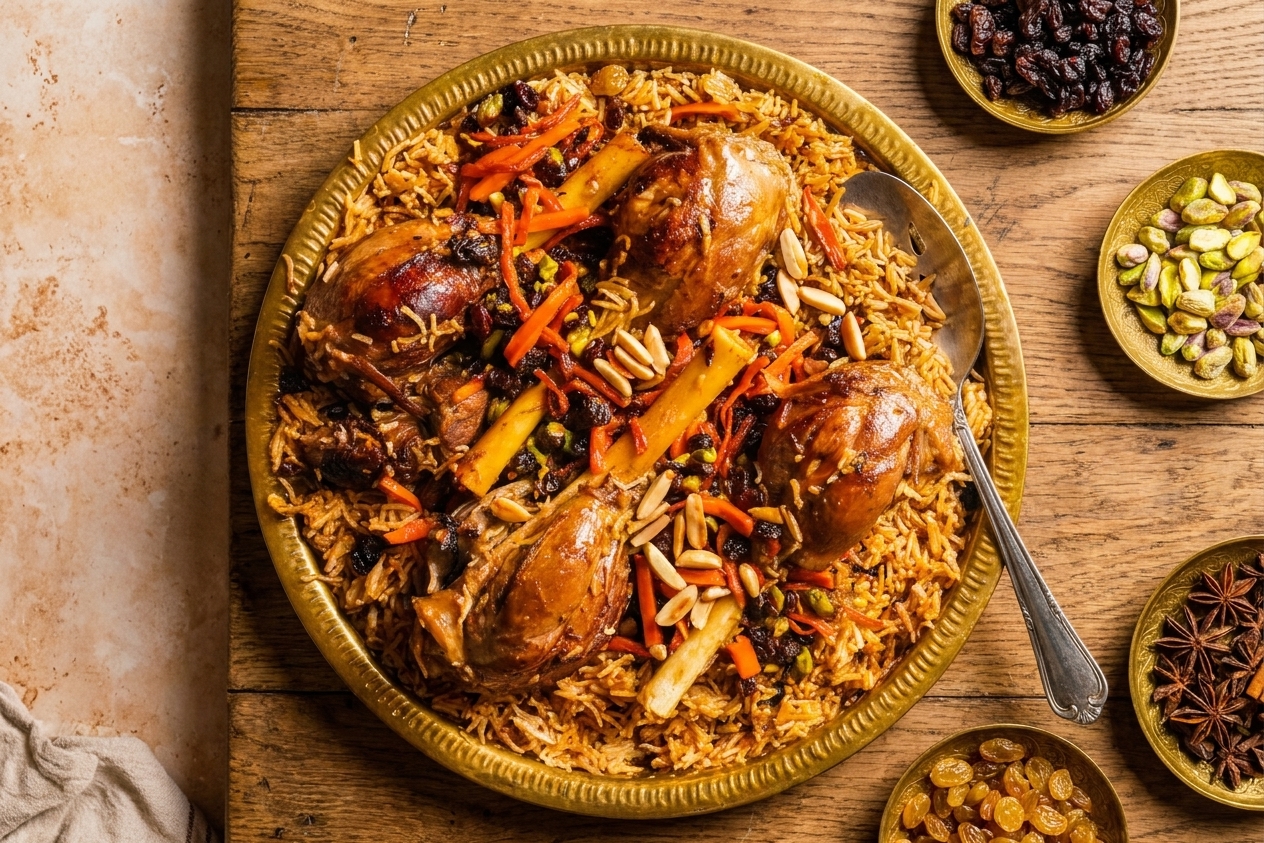
A large platter of Kabuli pulao with fluffy basmati rice, tender lamb pieces, caramelized carrot strips, and golden raisins, set on a warm-toned dinner table

Kabuli pulao is one of those dishes that makes your kitchen smell like you meant to do something impressive. It is Afghanistan’s iconic rice pilaf: long-grain basmati that stays fluffy, meat that turns fall-apart tender, and a topping that’s basically the reason people hover near the stove, stealing carrot strands and raisins like it’s their job.

Here’s my promise: we’re keeping this accessible. No mystery techniques, no specialty equipment, no 47 spices. You will build a flavorful broth, cook the rice in that broth so every grain matters, then finish with a sweet-savory topping that hits you with contrast in the best way.

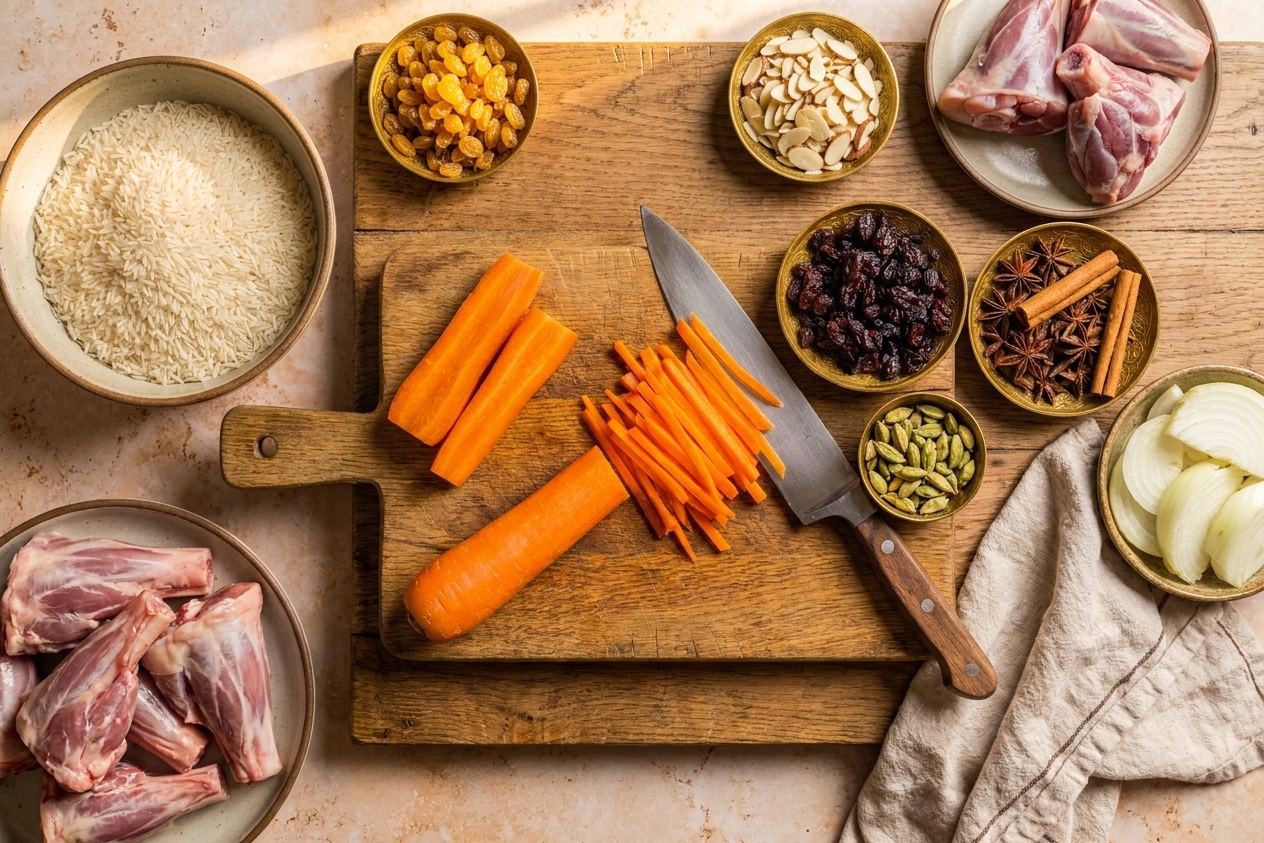
Basmati rice, onions, carrots, raisins, sliced almonds, lamb pieces, and small bowls of spices arranged on a kitchen counter in warm natural light

Why It Works

  • Fluffy, separated rice: Rinsing plus a short soak helps basmati cook up long and loose, not clumpy.
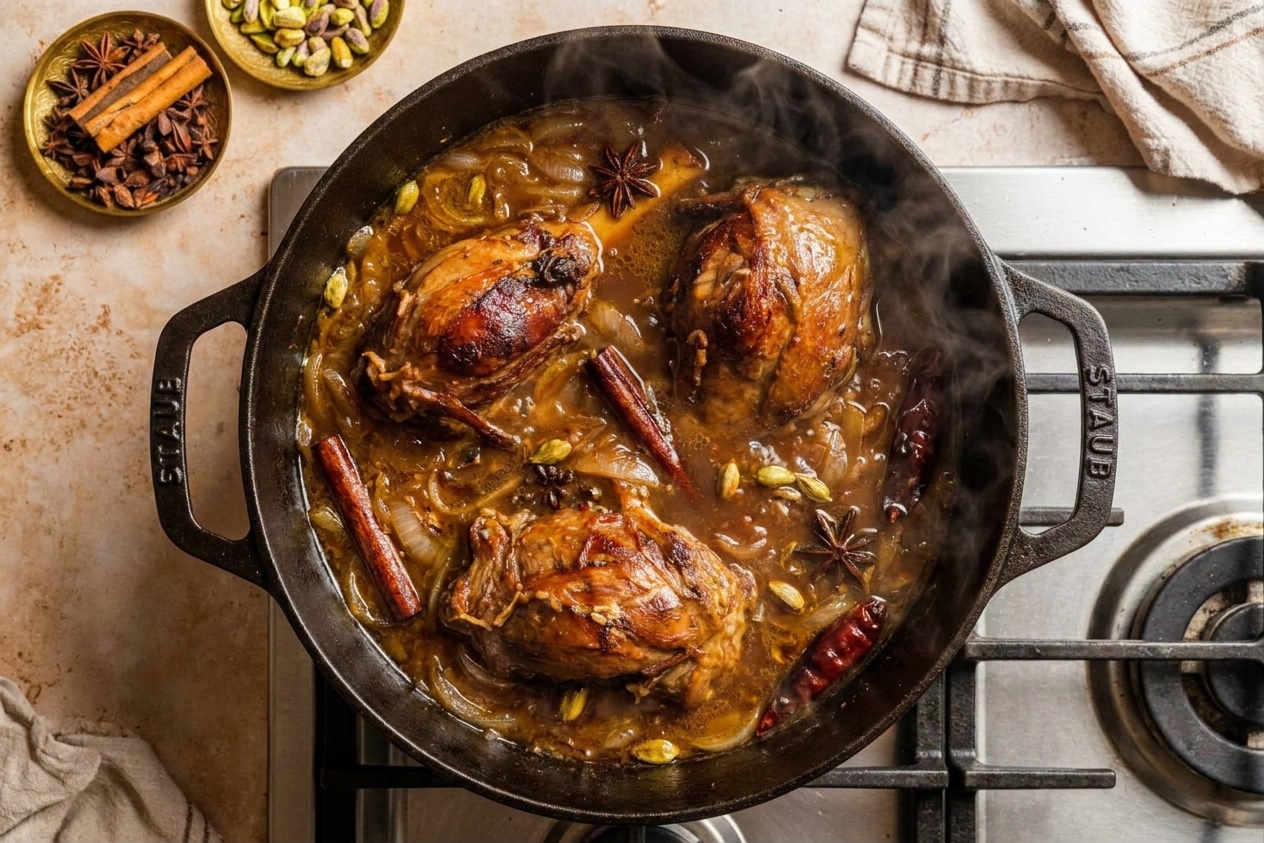
  • Flavor in every grain: The rice cooks in a strained, spiced meat broth, so it tastes seasoned all the way through.
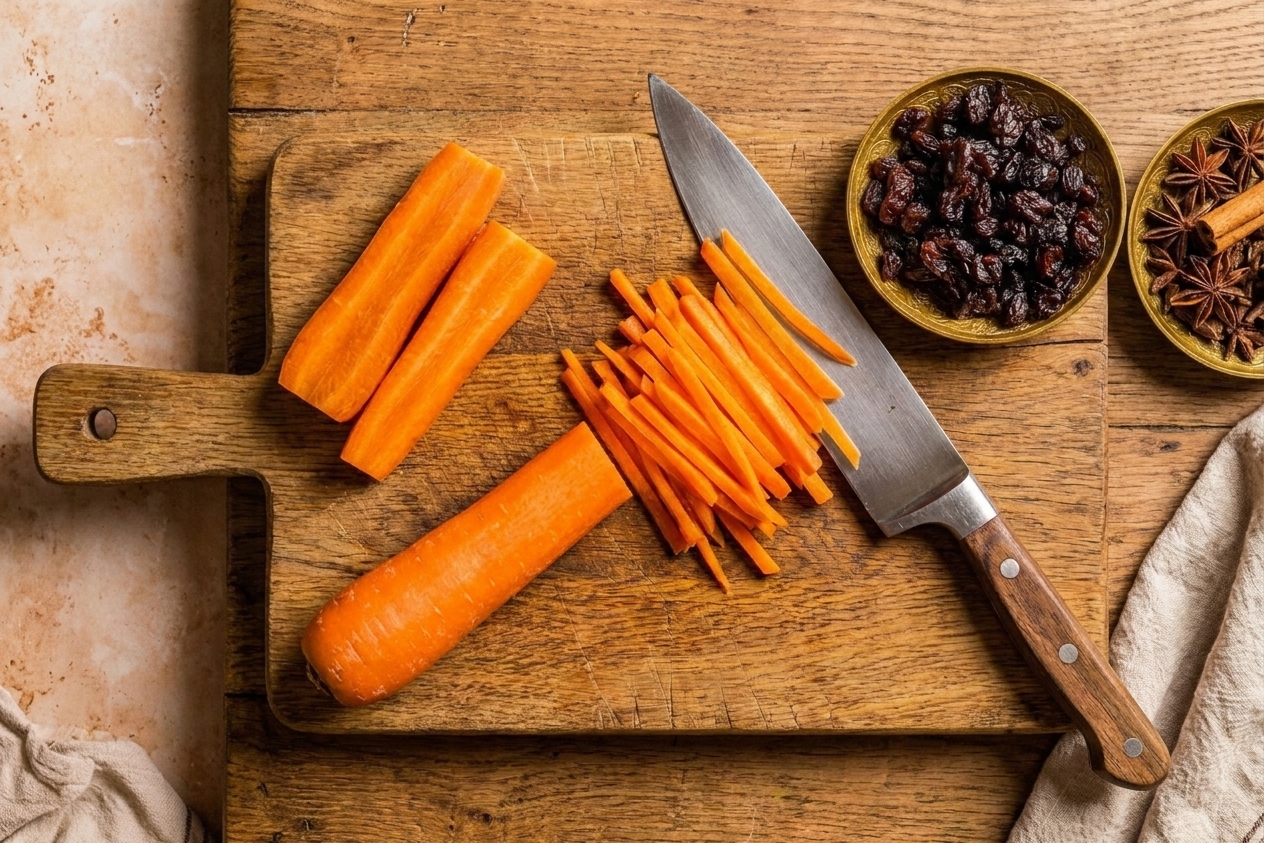
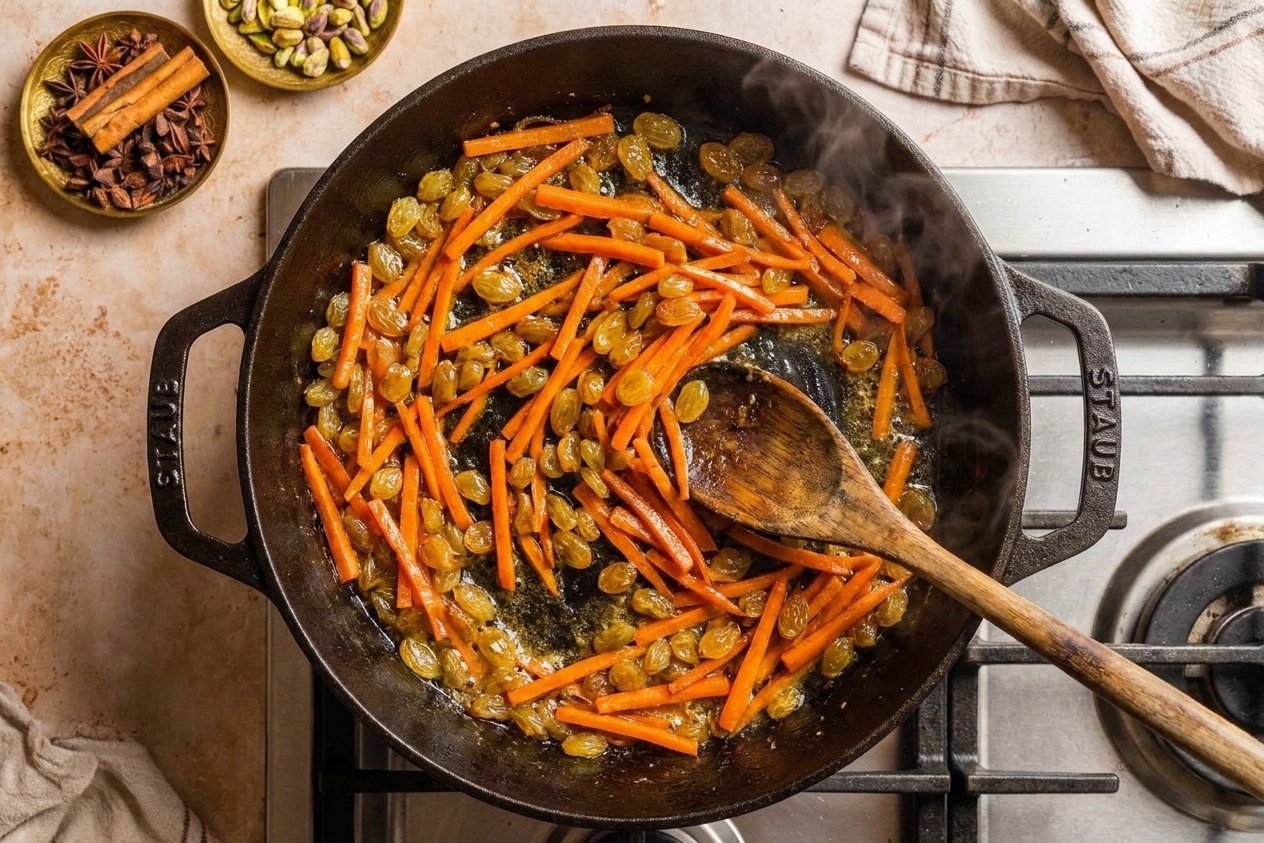
  • Sweet-savory topping that pops: Carrots get gently caramelized, raisins plump, and almonds bring crunch.
  • Low drama, high payoff: The steps are straightforward, and several things can overlap while the meat simmers.

Pairs Well With

Storage Tips

Refrigerate: Cool leftovers quickly, then store in an airtight container for up to 4 days.

Freeze: Kabuli pulao freezes surprisingly well. Pack into freezer-safe containers, press a piece of parchment on top to reduce freezer burn, and freeze up to 2 months. Thaw overnight in the fridge.

Reheat (best method): Add a splash of water or broth, cover, and warm in a saucepan on low until hot and steamy. Fluff with a fork. For single servings, microwave covered in 45 to 60 second bursts, stirring once.

Food safety note: Reheat until steaming hot throughout (about 165°F in the center).

Keep the topping lively: If you can, store the carrot and raisin topping separately so it stays glossy and not overly soft.

Common Questions

What is Kabuli pulao made of?

At its core: basmati rice cooked in a meat broth (often lamb or beef, sometimes chicken), plus a topping of caramelized carrots and raisins. Common spices include cumin, cardamom, and black pepper. Saffron or turmeric can be used for color and aroma.

Is Kabuli pulao sweet?

It is balanced. The rice and meat are savory and warmly spiced, and the carrot and raisin topping adds a gentle sweetness. If you prefer it less sweet, reduce the raisins or skip the sugar in the topping.

Can I make it with chicken?

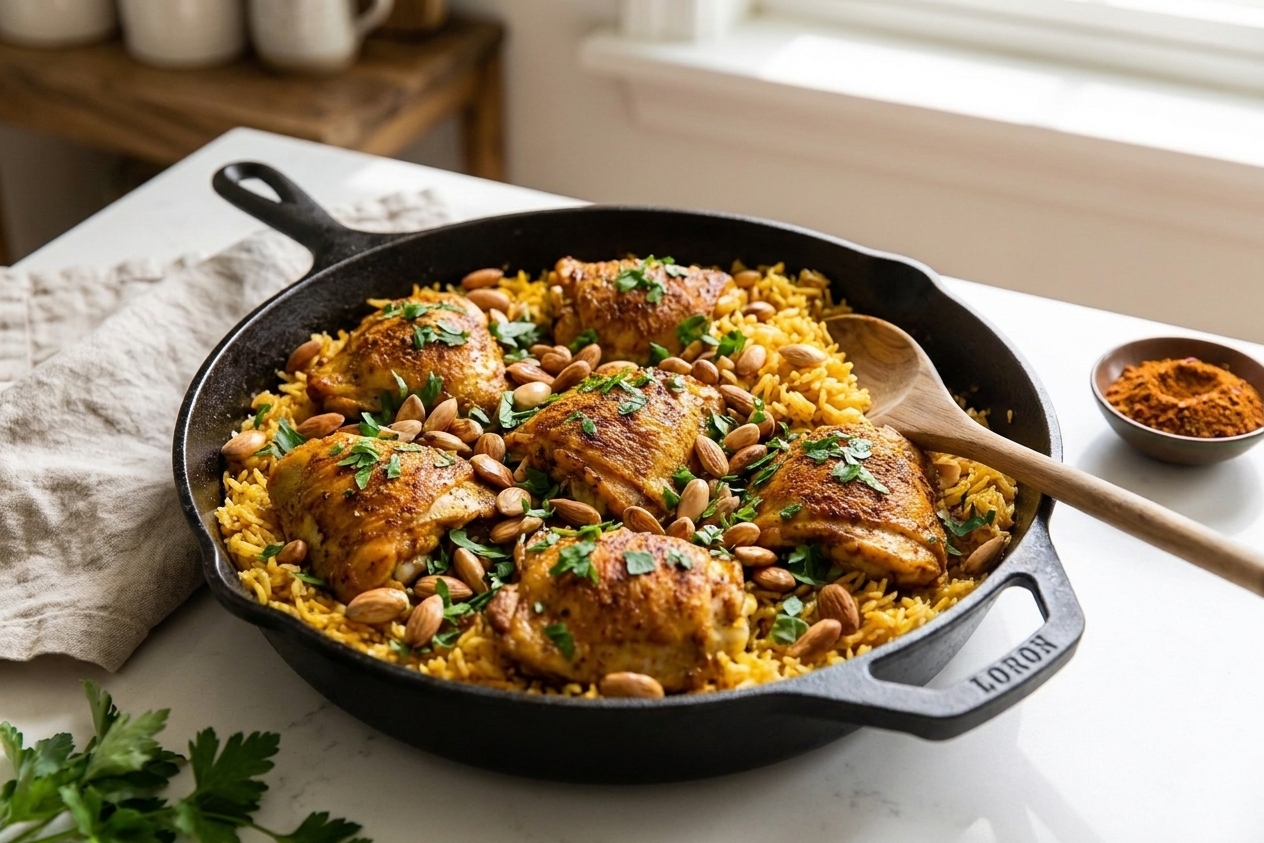
Yes. Use bone-in, skin-on thighs for the best broth. Cook time is shorter than lamb. Start checking tenderness around 30 minutes, and expect about 30 to 45 minutes depending on size.

Do I have to use lamb?

No. Beef chuck works well. Chicken is great. You can also do a vegetarian version by cooking the rice in a rich vegetable stock and adding chickpeas or sautéed mushrooms, but it will taste different than the classic meat-based version.

Why rinse and soak basmati?

Rinsing removes surface starch that can make rice gummy. A short soak helps the grains lengthen and cook more evenly, which is exactly what you want in pulao.

My rice turns mushy. What went wrong?

Most common issues: too much liquid, simmering too hard, or skipping the rinse. Use measured broth, keep the final steam on low, and let the rice rest before fluffing.

Do I always need exactly 3 1/2 cups broth?

That measurement is the target for this recipe, but basmati can vary by brand and age. If your rice is very aged and seems thirsty, you may need a small splash more liquid during steaming. If your rice is newer, be cautious about adding extra, since it can turn soft fast.

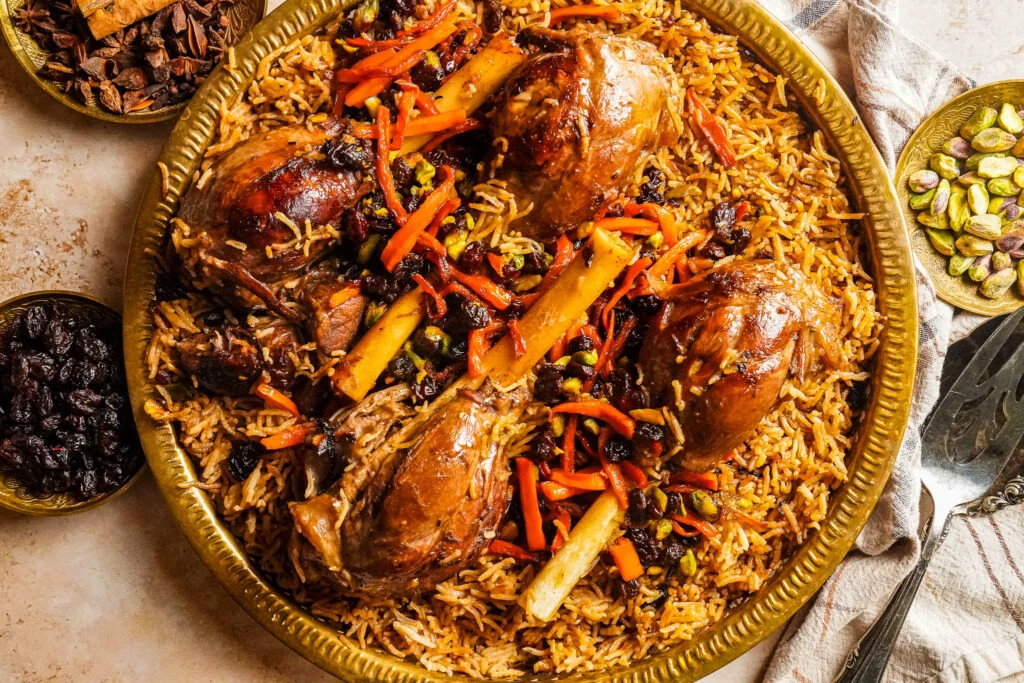
The first time I made Kabuli pulao, I treated it like “just another rice dish” and learned a quick lesson: this is the kind of rice that demands respect. Not fear, just attention. Rinse it, soak it, let it steam. When you do, the payoff is ridiculous. The house smells like toasted spice and onions, the carrots go glossy and sweet, and suddenly you are eating a plate that feels celebratory even if it’s a random Tuesday. Also, I fully support “quality control” raisins straight from the pan. We are only human.