Should I blanch the kale first?
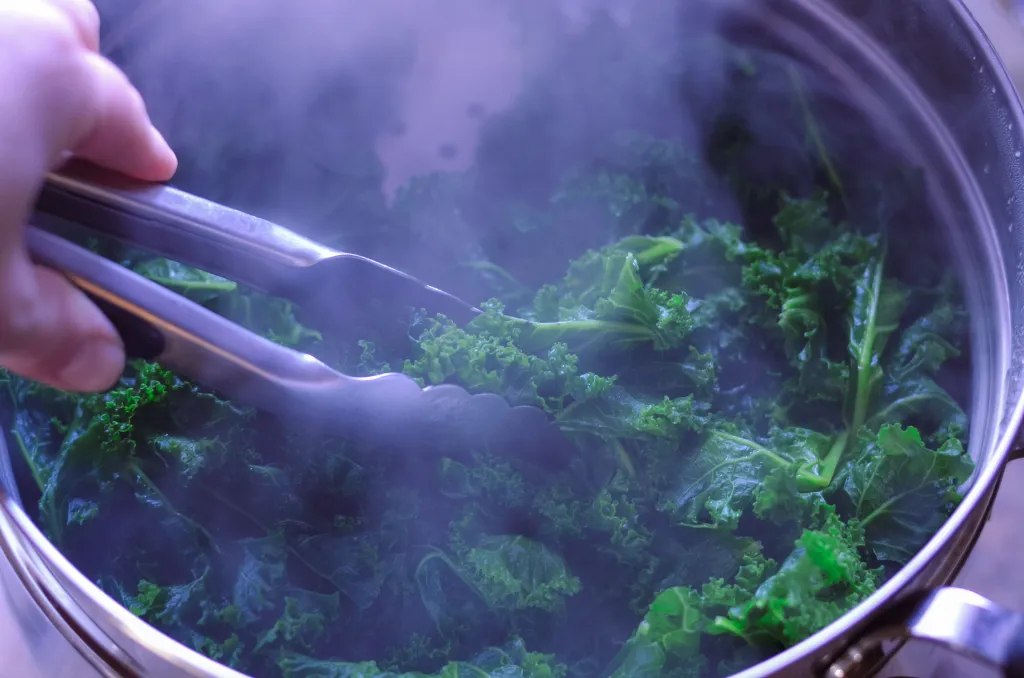
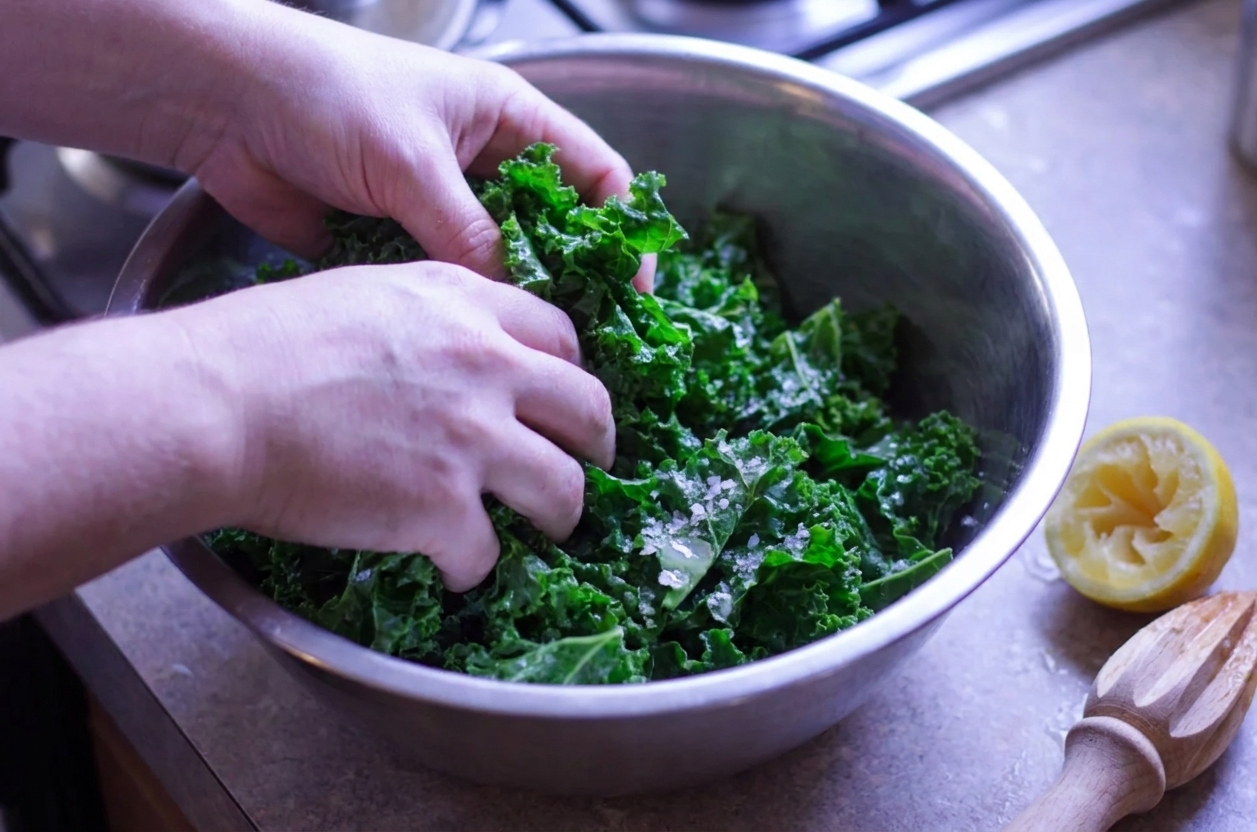
If you want the brightest color and the least bitterness, yes. A 30 second blanch softens the fibers and tamps down harsh notes. If you like a bolder, more assertive kale flavor, go raw and do the quick massage step instead.
What kind of kale works best?
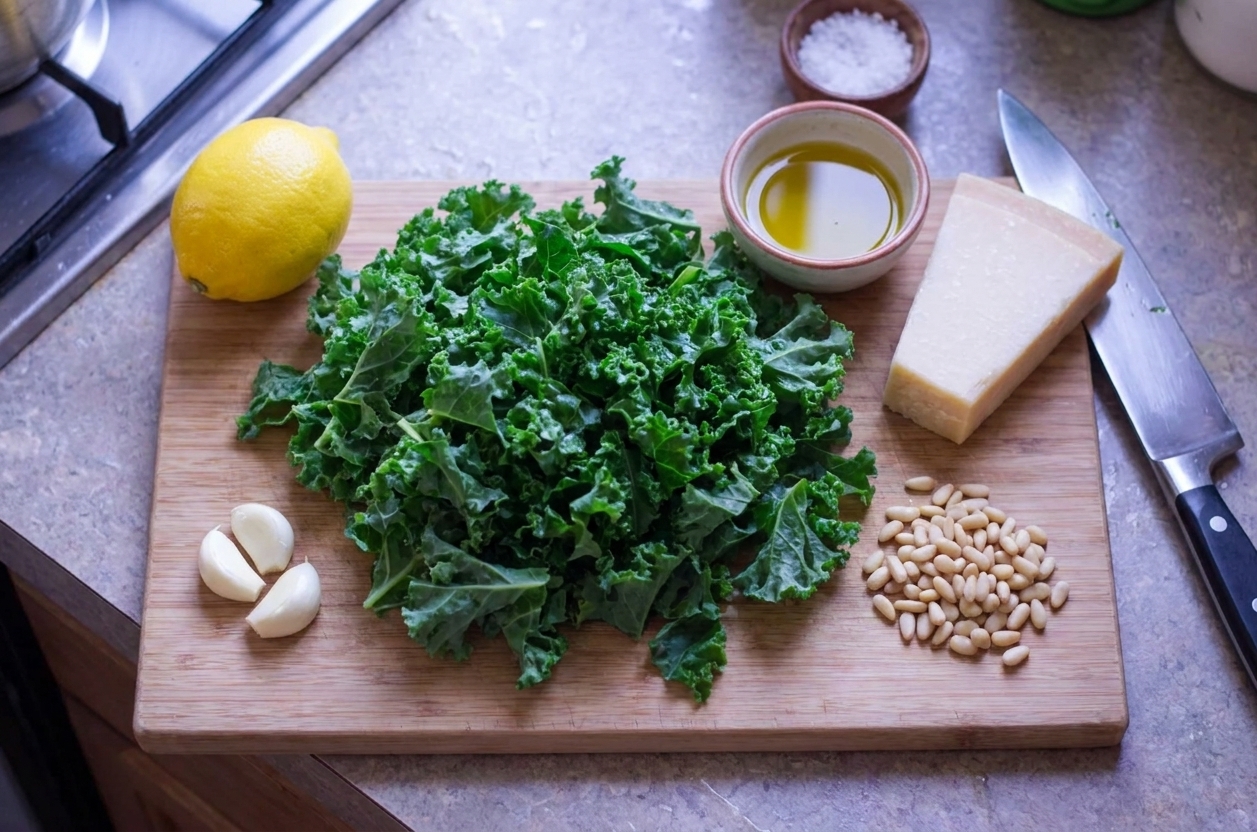
Curly kale and lacinato (Tuscan) both work. Lacinato tends to blend a little smoother, curly can be a touch more assertive. Baby kale is fine too. If your leaves are large and mature, I strongly recommend the quick-blanch option.
What nuts work best in kale pesto?
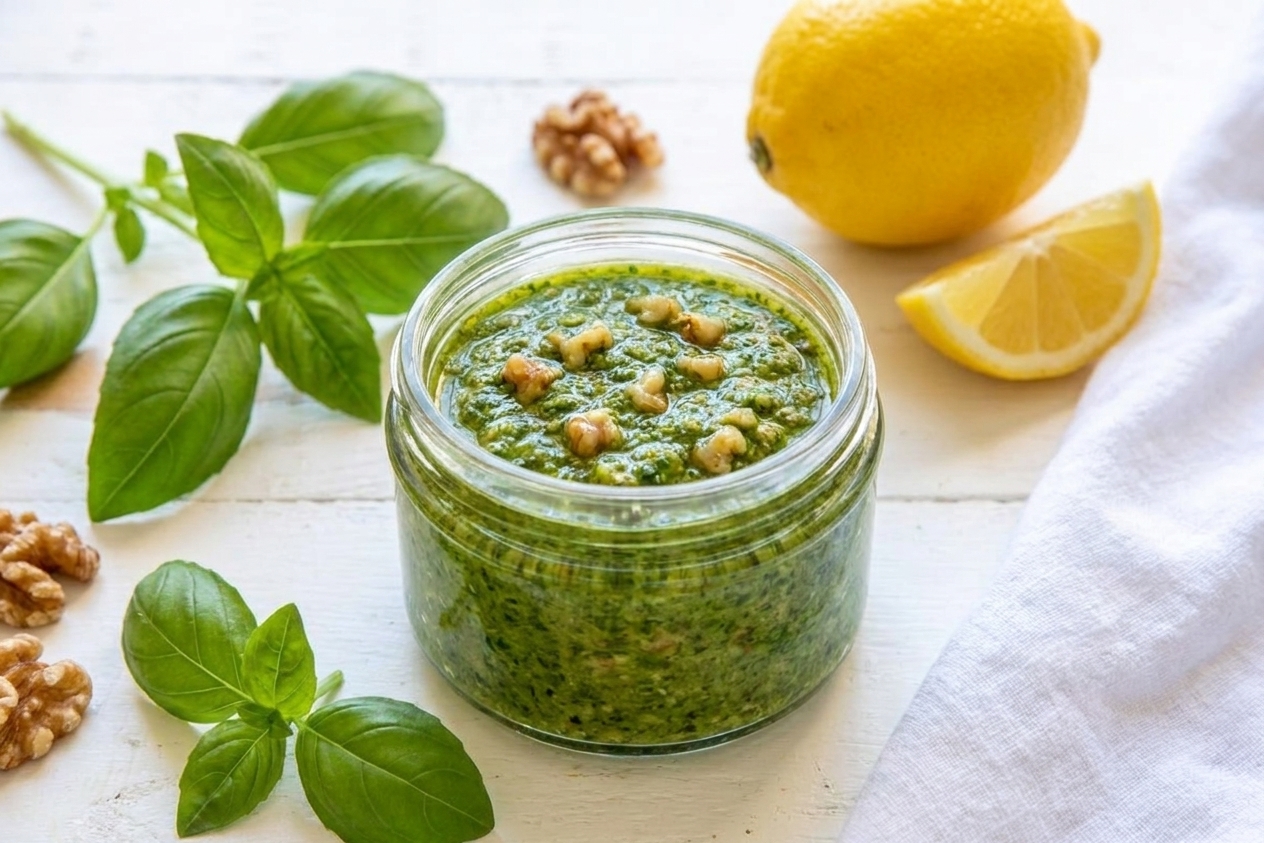
Pine nuts are classic and buttery, but walnuts are my favorite budget swap because they taste great with kale. Almonds (especially slivered) also work. If your nuts taste even slightly stale, toast them lightly to wake them up.
Can I make it without nuts?
Yes. Swap the nuts for sunflower seeds or pumpkin seeds. Start with the same amount and toast them quickly for better flavor.
Can I make it without Parmesan?
Yes. Swap in Pecorino Romano for sharper flavor, or use a dairy-free Parmesan style alternative. If you skip cheese entirely, add an extra pinch of salt and a bit more lemon to keep the pesto tasting complete. Also note that Parmesan is not always vegetarian unless it is labeled vegetarian-friendly.
Why did my pesto turn bitter?
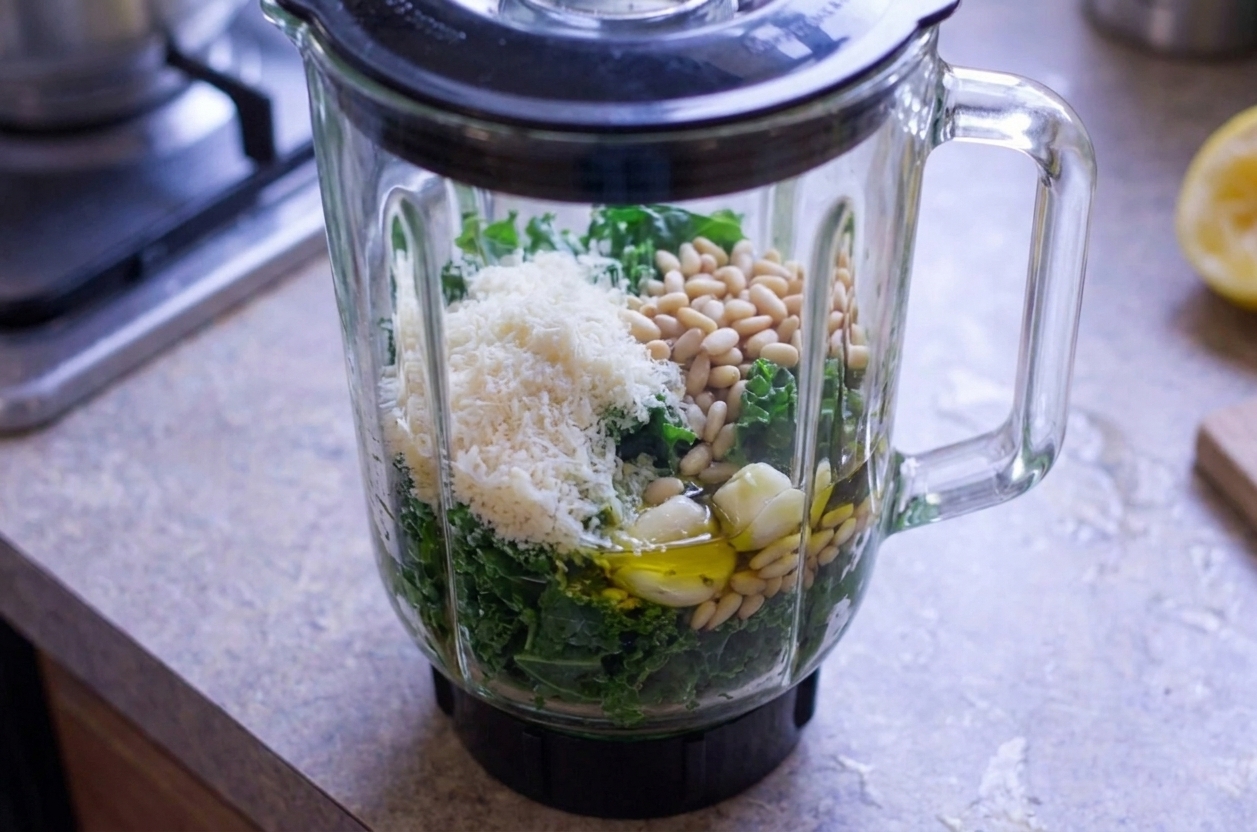
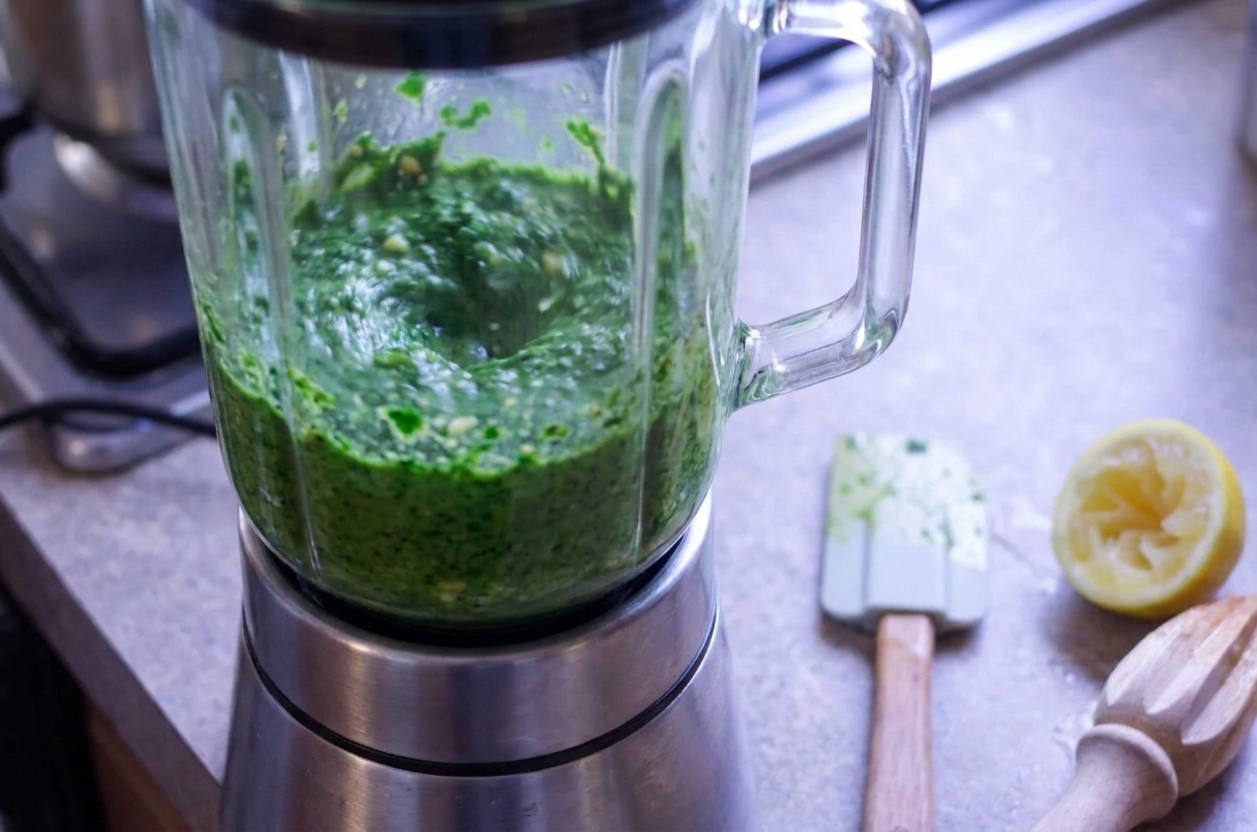
Usually it is one of three things: the kale was very mature, the garlic was extra sharp, or the pesto got warmed up and overworked in the blender and tasted harsher. The fix is in the method here: blanch or massage the kale, add lemon, and blend in short bursts with cold ingredients.
How much pesto should I use for pasta?
For 12 ounces of pasta, start with 1/2 cup pesto plus 1/4 cup hot pasta water. Toss, then add more pesto a spoonful at a time until it looks glossy and coated.