Common Questions
Is this an exact KFC biscuit copycat?
It is KFC-inspired: soft, a little sweet, and built for fried chicken nights. KFC biscuits can vary by region and over time, so think of this as a reliable home version that hits the same cozy notes.
What fat and liquid ratio makes biscuits soft?
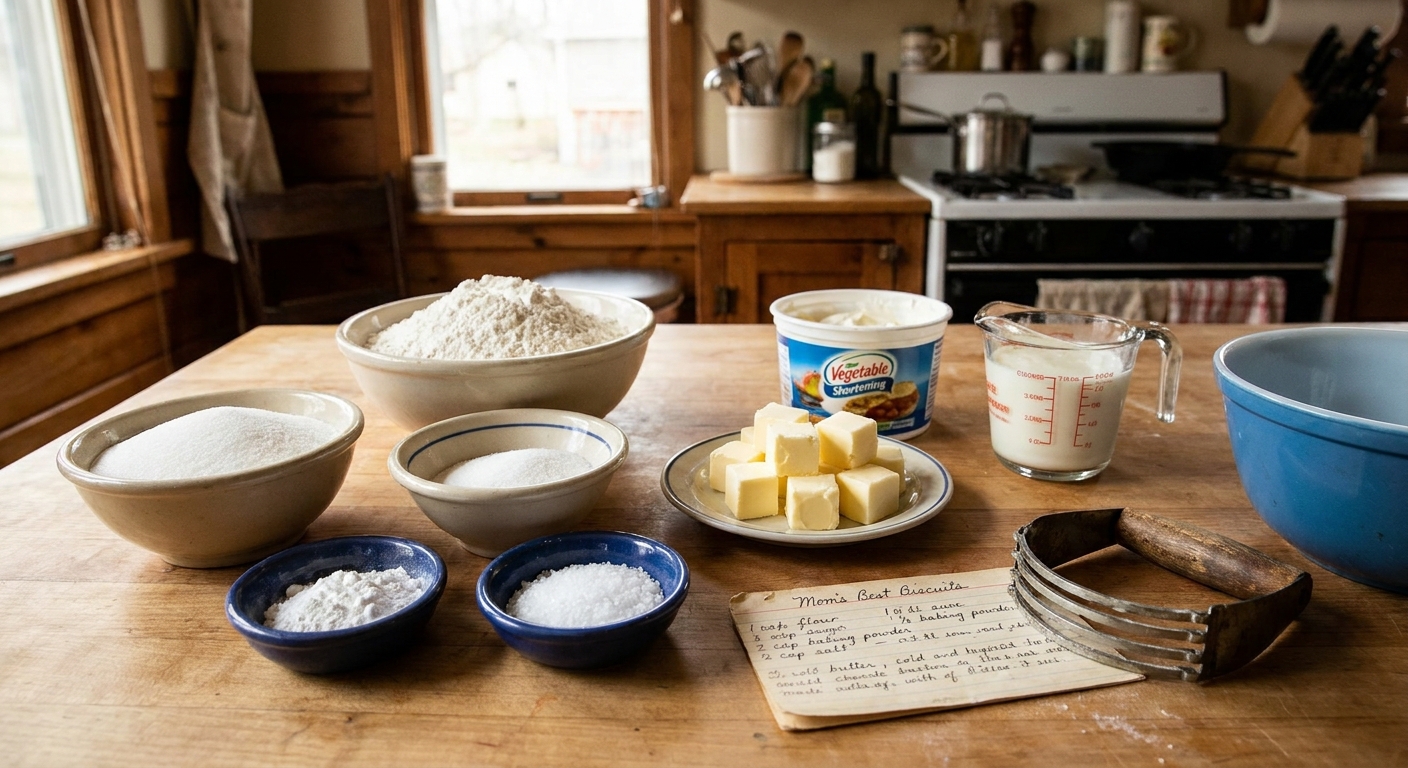
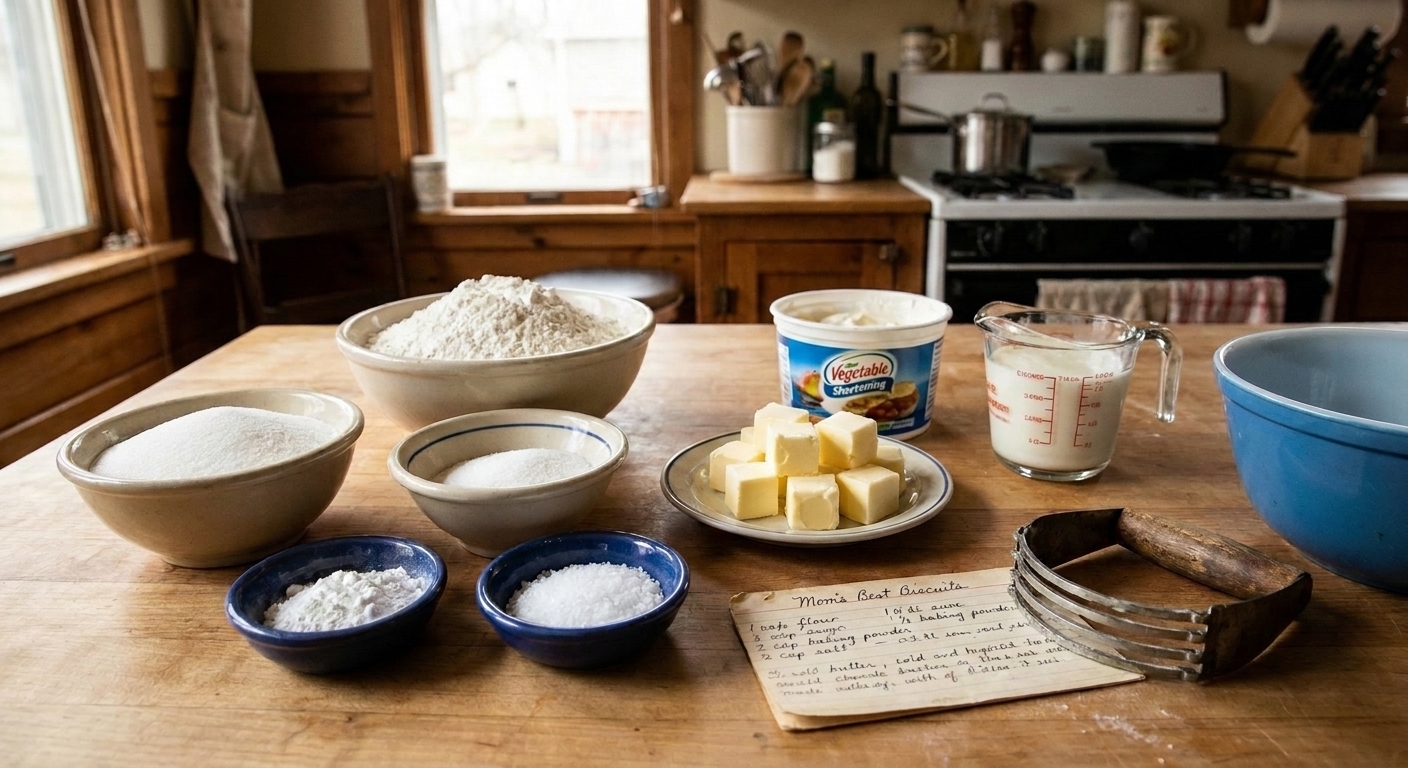
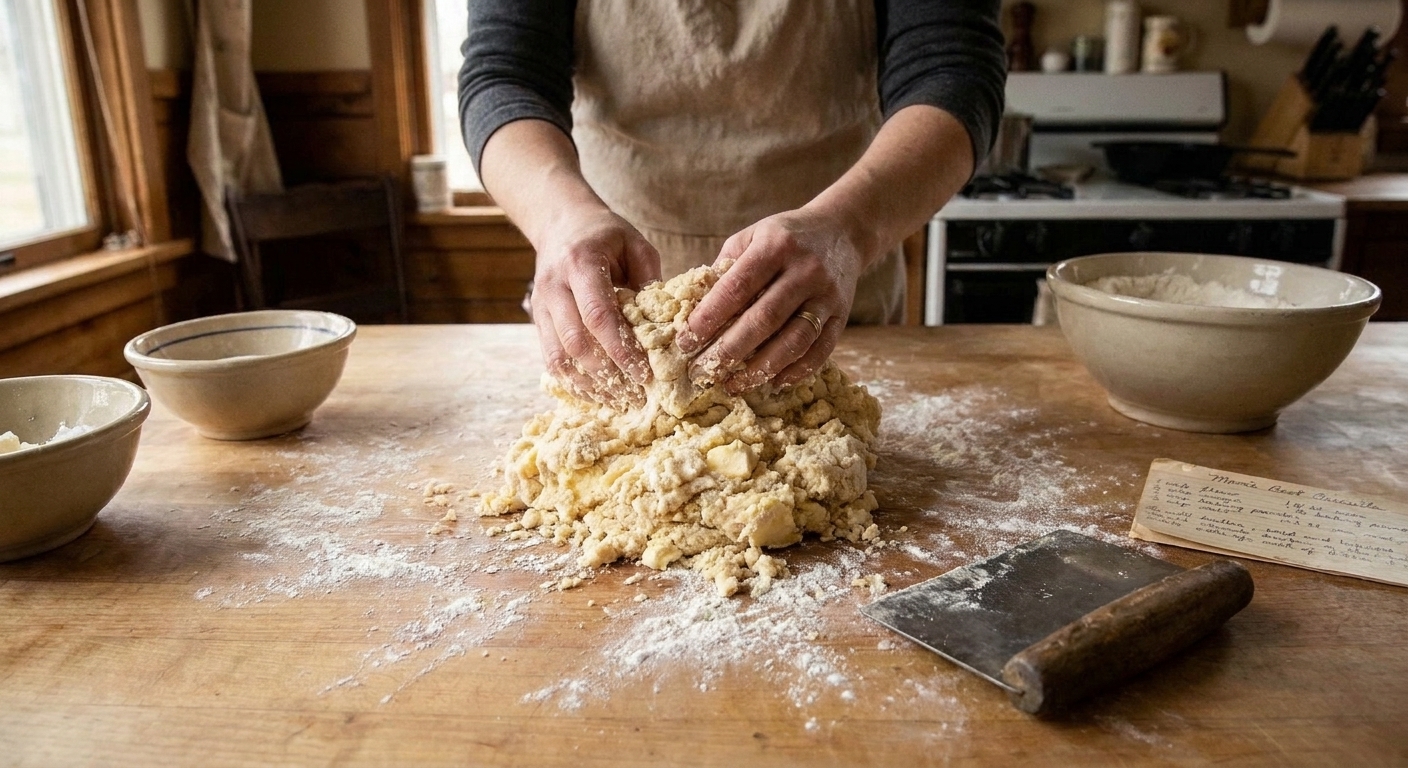
For a tender, soft biscuit, you want a dough that is well hydrated and rich with fat, but not so wet it spreads. This recipe uses 2 1/2 cups flour with 1 cup buttermilk plus 1/4 cup heavy cream for a plush dough, and butter plus a little shortening for that soft bite. The goal is dough that looks a touch shaggy, not smooth like bread dough.
Why add both butter and shortening?
Butter brings flavor. Shortening helps the biscuits stay extra soft and gives a texture many people recognize from restaurant and fast food biscuits. If you only want butter, you can swap the shortening for an equal amount of butter, but the biscuits may be a bit less pillowy.
How do I get tall biscuits instead of flat ones?
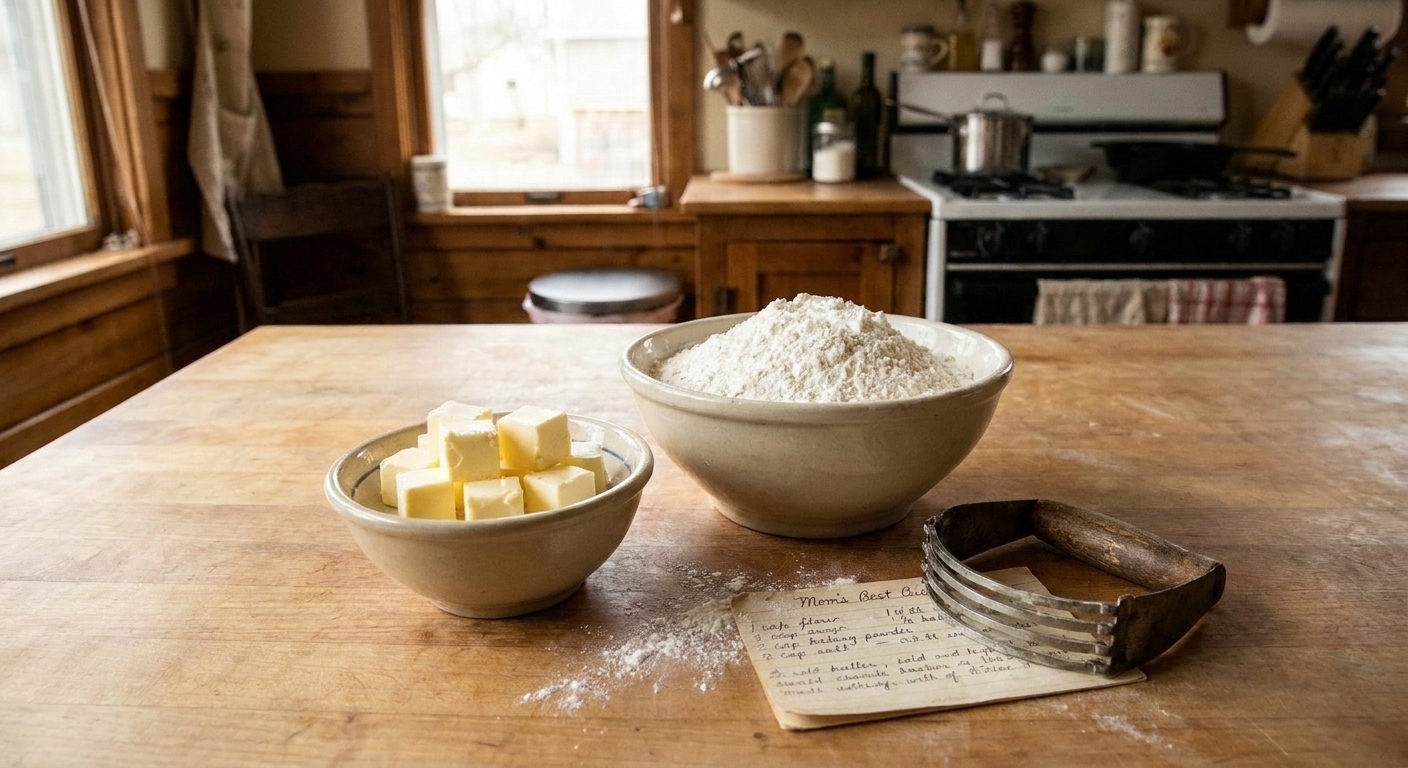
- Keep the fat cold: Cold butter and shortening create steam pockets for lift.
- Do not overmix: Stir just until the dough comes together.
- Fold for layers: A few simple folds help height.
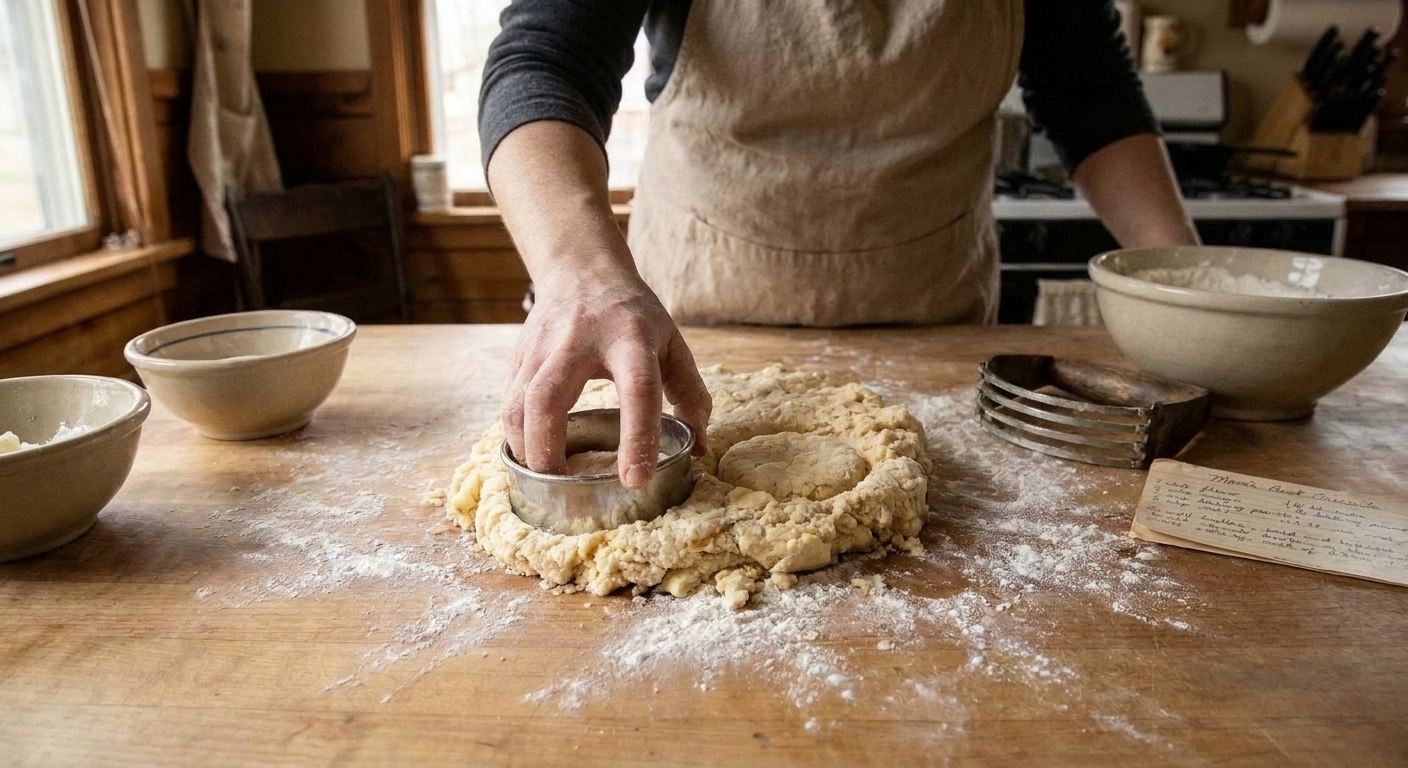
- Cut straight down: No twisting the cutter, which seals the edges and blocks rise.
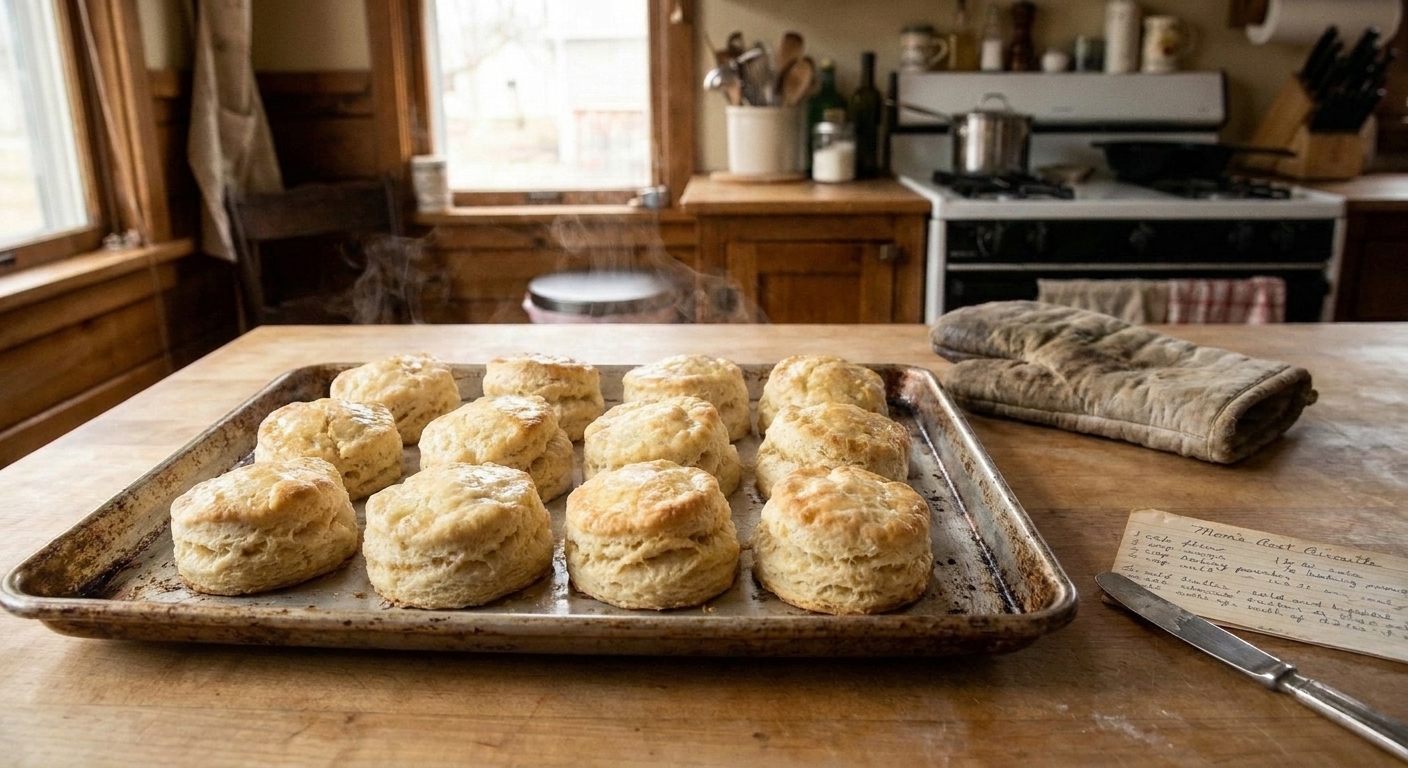
- Place biscuits close together: Snug biscuits help each other climb upward.
Can I use regular milk instead of buttermilk?
Buttermilk gives tenderness and a gentle tang. If you do not have it, make a quick substitute: mix 1 tablespoon lemon juice or white vinegar into 1 cup milk and let it sit 5 minutes. It will not be quite as thick or flavorful as cultured buttermilk, but it still makes a good, tender biscuit.
How should I serve these with fried chicken?
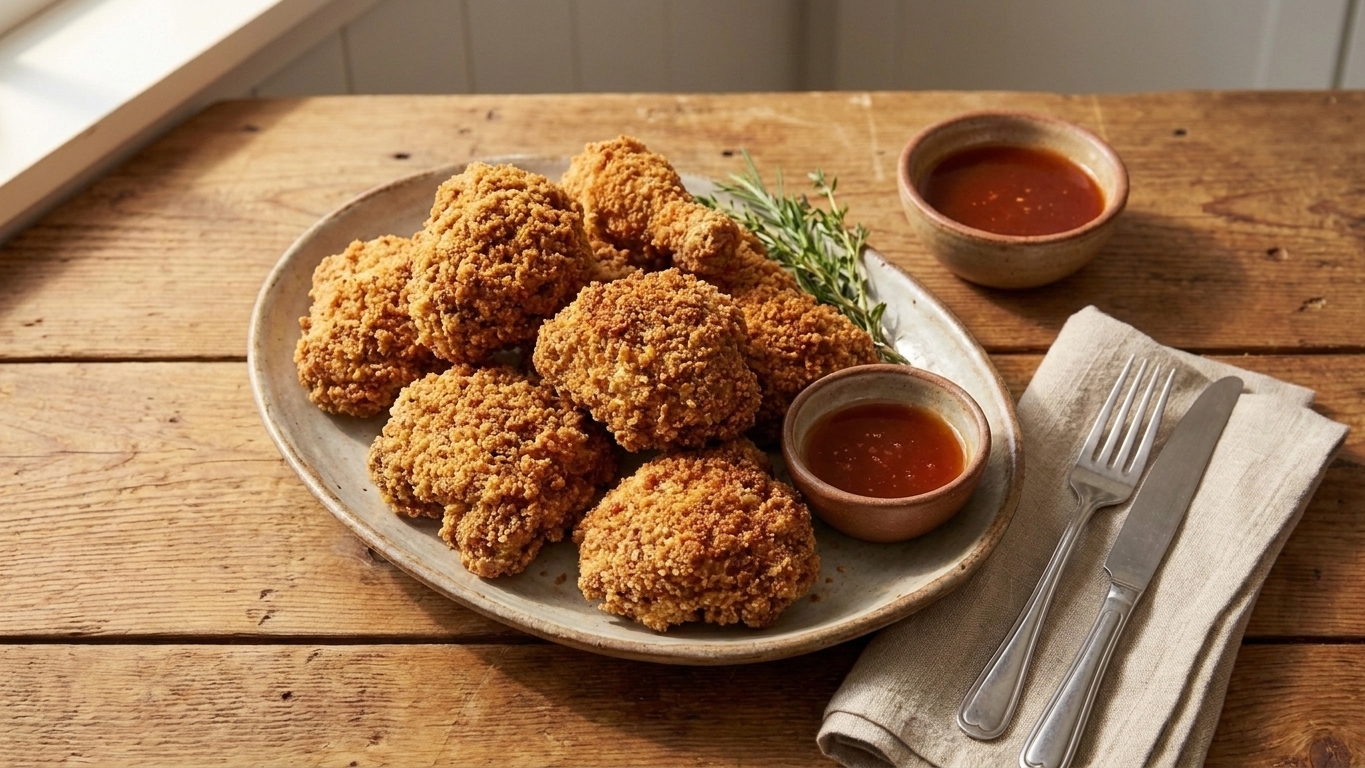
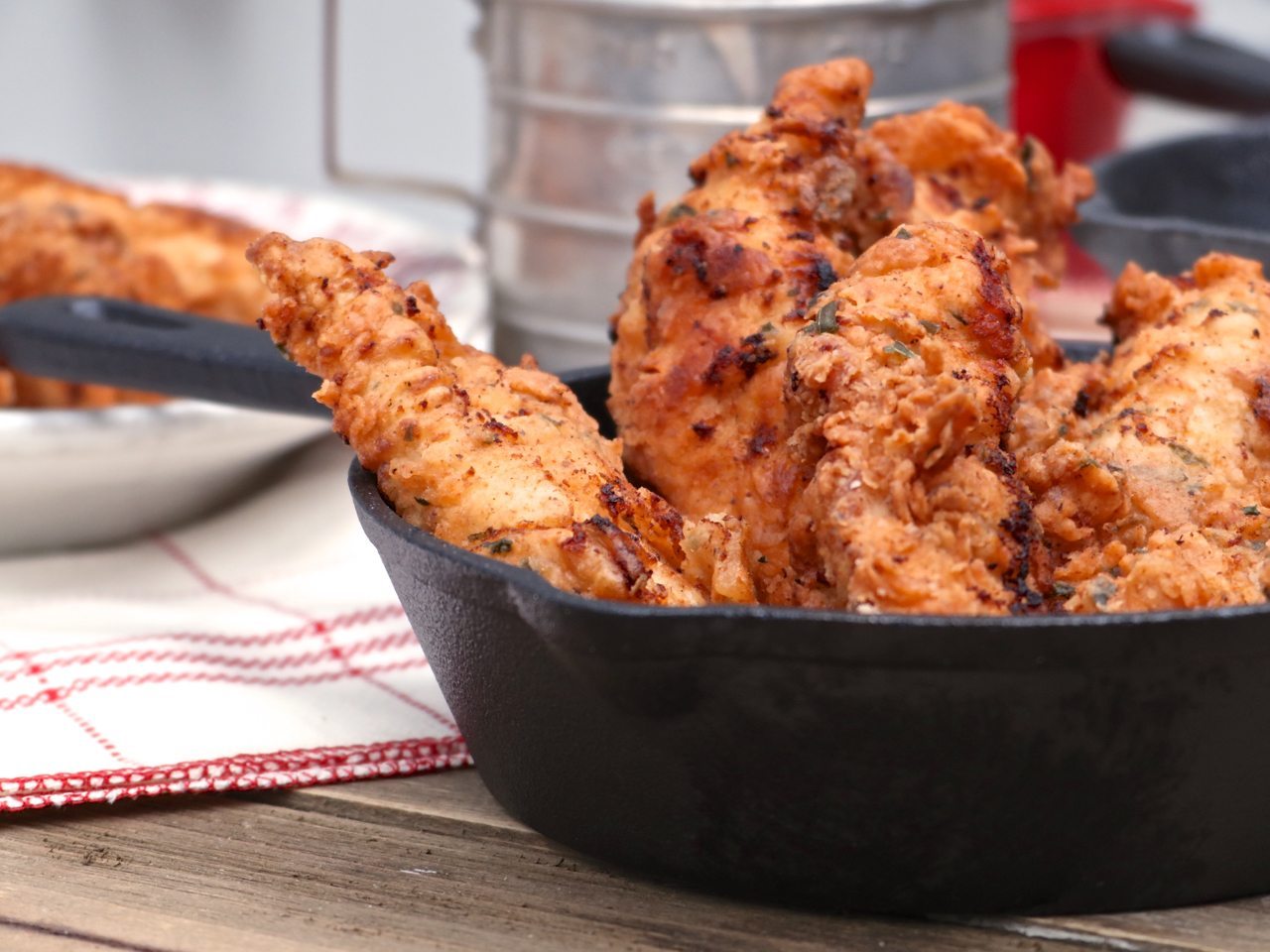
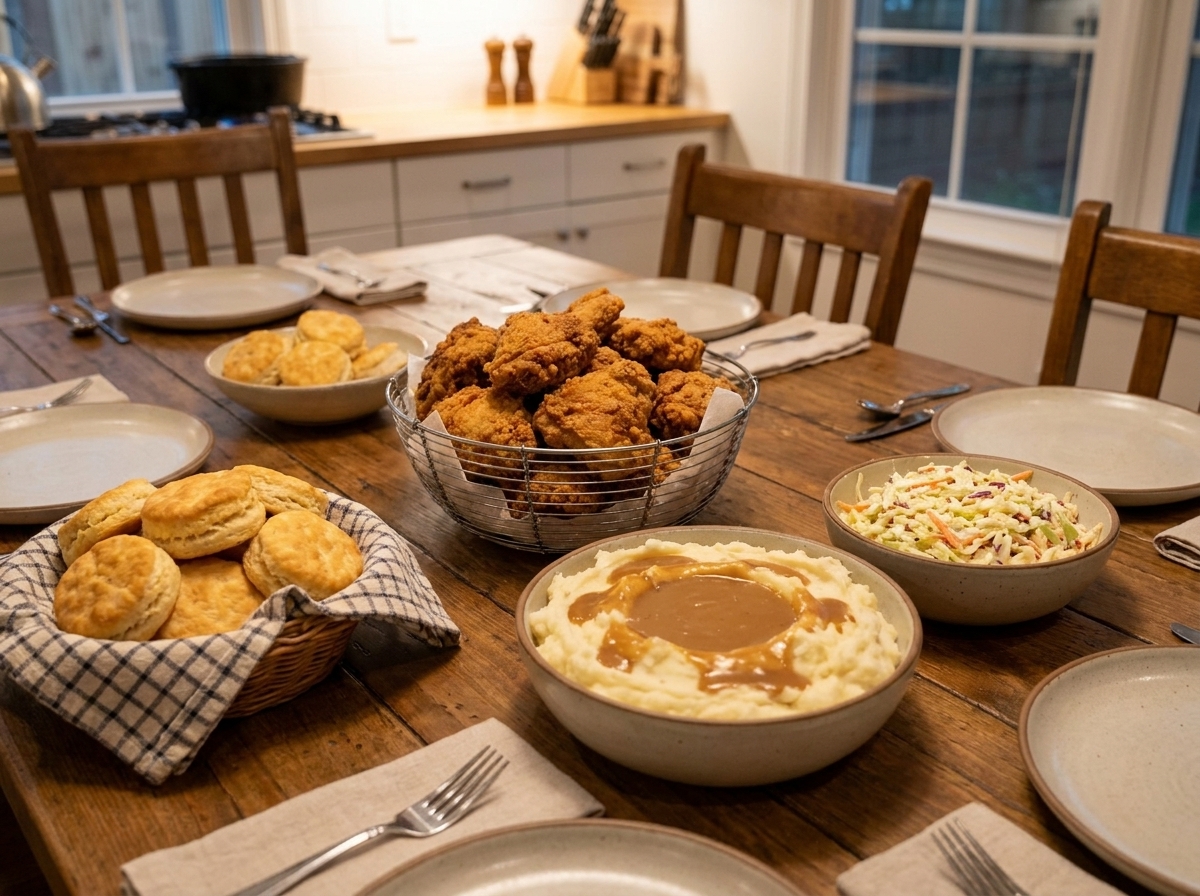
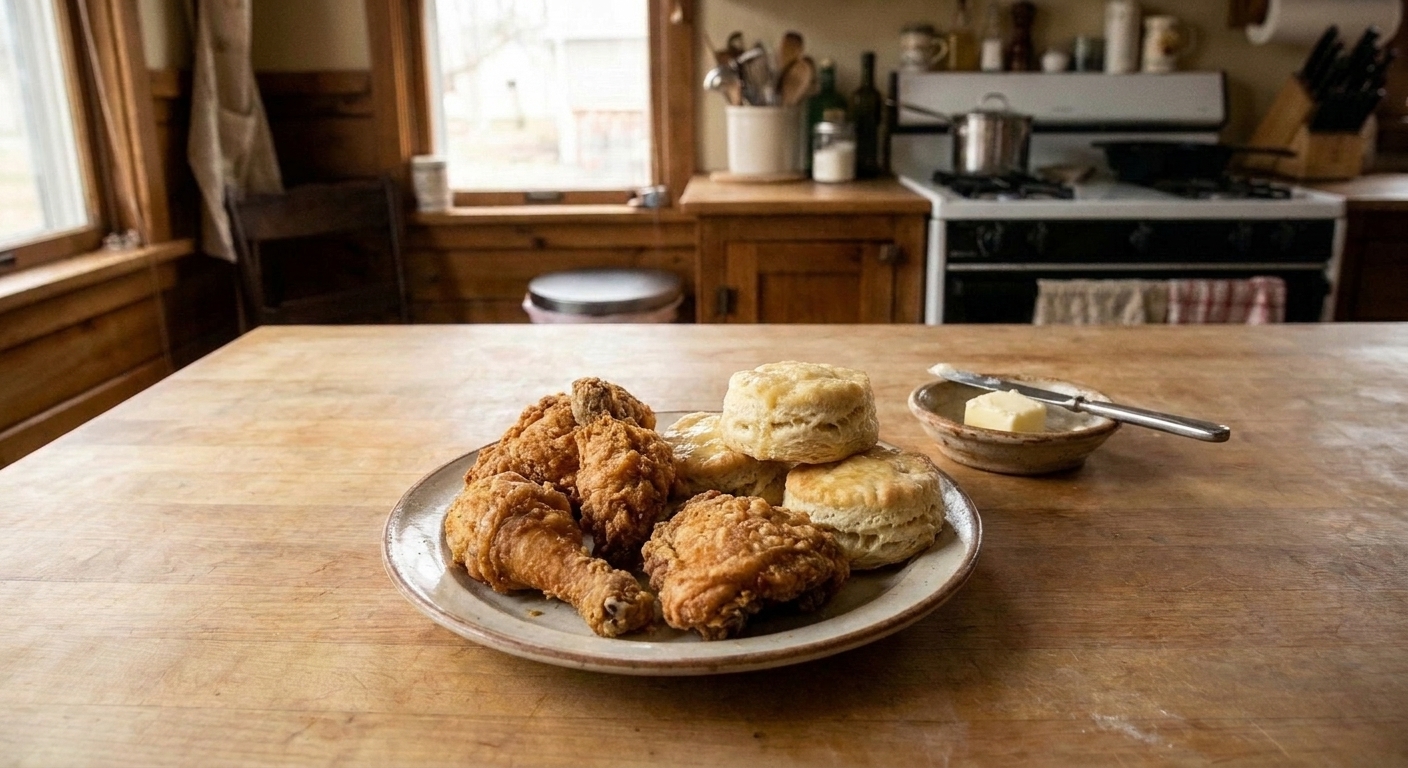
Serve biscuits warm, brushed with melted butter. For a classic comfort plate, set them next to fried chicken and let everyone choose their move: split and butter, drizzle with honey, or build a little chicken biscuit sandwich with a crisp piece of chicken.
My biscuits taste a little “off.” What happened?
A faint alkaline taste usually means the baking soda was a touch heavy or not evenly mixed. Measure carefully and whisk the dry ingredients well. If you are sensitive to it, reduce baking soda to 1/4 teaspoon next time.